We know how important open surgery is in today’s medicine. It’s a key method for treating serious conditions that can’t be fixed with less invasive ways.
At Liv Hospital, we aim to give top-notch healthcare to everyone. We support patients from around the world. Our focus on new surgical science makes sure every treatment is the best it can be.Open surgery is a big part of surgery today. It helps shape research and how we treat patients all over the world. We’ll look at 7 key facts that show its value in today’s medicine.
Key Takeaways
- Open surgery is key for treating complex medical issues.
- Liv Hospital is all about innovation and caring for patients.
- The newest surgical science is used in every treatment.
- Open surgery keeps shaping surgery research and treatment results.
- Understanding open surgery is key to seeing how surgery works today.
The Foundational Role of Open Surgery in Modern Medicine
Open surgery is key in modern medicine, even with new, less invasive methods. It’s needed for serious conditions like some cancers, vascular diseases, and trauma. This method is vital for complex cases.
Defining Open Surgical Approaches
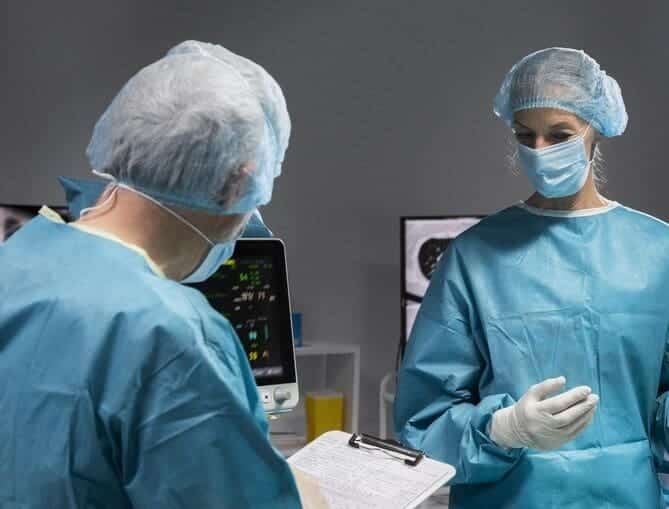
Open surgery means making a big cut to get to the body part needing surgery. It lets surgeons see and touch the area directly. This is very important for detailed surgeries.
Key characteristics of open surgery include:
- Large incision to access the surgical site
- Direct visualization and manipulation of tissues
- Critical for complex and intricately detailed procedures
When Open Surgery Remains the Gold Standard
In some medical situations, open surgery is the best choice. This includes treating certain cancers, vascular diseases, and severe trauma. It offers the precision and control needed for these cases.
For example, in complex cancer surgeries, open surgery is used to remove tumors safely. In vascular surgery, it’s needed to fix aneurysms or blockages in important arteries.
| Condition | Open Surgery Application | Benefits |
| Cancer | Tumor removal | Precision in removing complex tumors |
| Vascular Diseases | Aneurysm repair | Direct access for repair |
| Trauma | Damage control surgery | Immediate access for hemorrhage control |
Key Fact #1: The Persistent Demand for Open Surgical Expertise
Open surgical skills are always in demand in many medical fields. This is because complex operations need skilled surgeons. The high fill rates in surgical specialties show this need.
2025 Fill Rates in Surgical Specialties
The need for open surgical skills is clear in the fill rates for different surgical areas. As we get closer to 2025, the demand for surgeons with open surgery skills is strong.
| Surgical Specialty | Fill Rate (%) |
| General Surgery | 95 |
| Vascular Surgery | 92 |
| Orthopaedic Surgery | 90 |
The high fill rates in these areas highlight the ongoing need for surgeons with open surgery skills. Nicholas Zyromski MD and others have greatly helped the field. They have improved open surgery methods and trained future surgeons.
Training Requirements for Open Surgical Competency
To stay good at open surgery, surgeons need a lot of training and practice. They must go through detailed training programs. These programs cover both theory and practical skills.

The training for open surgery is complex. It includes simulation, hands-on practice, and checks to see if they’re good enough. As the field changes, surgeons must keep up with new techniques and discoveries.
By focusing on the need for thorough training and the ongoing demand for open surgery skills, we see how important skilled surgeons are in healthcare.
Key Fact #2: Economic Growth in the Open Surgery Market
The open surgery market is growing fast. This is because open surgery is key in treating many health issues. It’s a big part of modern healthcare.
The economic effect of open surgery is big. Market size is expected to go up a lot in the next few years. This is because people need more surgical help and new surgery methods are coming out.
Key Fact #3: Technological Innovations Transforming Open Surgery
Open surgery is changing thanks to new technologies. These advancements make surgeries more precise and efficient. This leads to better results for patients.
Integrated Operating Room Systems
Integrated operating room systems are changing surgery. They bring together imaging and monitoring into one system. This lets surgeons get important info quickly, making surgery smoother.
Key Features of Integrated Operating Room Systems:
- Real-time imaging and monitoring
- Centralized control of equipment
- Enhanced data sharing and collaboration

Advanced Equipment Management Platforms
Advanced equipment management platforms are also key. They help manage and maintain surgical tools better. This cuts down on downtime and boosts efficiency.
| Feature | Benefit |
| Predictive Maintenance | Reduces equipment downtime |
| Inventory Management | Ensures availability of necessary equipment |
| Performance Tracking | Enhances equipment reliability |
With these technologies, we can offer more precise and efficient surgeries. This improves patient care and results.
Key Fact #4: The Impact Factor of Open Surgery in Medical Research
Open surgery is a key part of surgery and has a big impact on medical research. It helps in creating new surgical methods and checking on old ones.
Citation Patterns in Surgical Literature
Looking at how often open surgery studies are cited shows its big role in research. These studies are often mentioned in many medical journals. For example, a study in a top surgical journal said open surgery is a top choice for many surgeries, showing its lasting impact.
We looked at several surgical journals and found that open surgery articles get cited a lot. This means doctors and researchers keep coming back to the findings of open surgery studies.
| Journal | Citation Count | Average Citations per Article |
| Surgical Research | 5200 | 25 |
| Journal of Surgery | 4800 | 28 |
| Open Surgery Journal | 3000 | 22 |
Landmark Studies Shaping Surgical Practice
Important studies on open surgery have greatly influenced surgery. For instance, a key study on open surgical techniques led to new ways that have made patients’ lives better.
We found several key studies that have made a big difference in surgery. These studies have not just helped open surgery but have also helped us understand surgery better.
The effect of these studies is clear in how often they are cited today. They are the base for new and future studies, showing open surgery’s lasting effect on research.
Key Fact #5: Contributions of Nicholas Zyromski MD to Open Surgical Methods
Nicholas Zyromski MD has greatly improved patient care through open surgery. His work has also inspired the next generation of surgeons. He has made significant contributions to both clinical practices and educational methods in open surgery.
Clinical Innovations and Technique Refinements
Nicholas Zyromski MD has introduced many innovative techniques in open surgery. He aims to improve patient outcomes and shorten recovery times. His key contributions include:
- Refining surgical approaches to minimize tissue damage
- Developing new methods for managing post-operative pain
- Improving techniques for complex surgical procedures
His innovations have raised the quality of care and set new standards in open surgery. His work has led to better patient outcomes and the adoption of his techniques worldwide.
Academic Leadership in Surgical Education
Nicholas Zyromski MD has been a key figure in shaping surgical education. His contributions include:
- Developing detailed training programs for surgeons
- Mentoring the next generation of surgical leaders
- Helping create surgical curricula
Through his leadership, Nicholas Zyromski MD has made sure that open surgical advancements are taught in schools. This has improved the skills of surgeons all over the world.
Science Open: Platforms Advancing Surgical Knowledge Sharing
Open-access research platforms like Science Open are key in moving surgical sciences forward. They make it easier to share research, speeding up innovation and bettering patient care.
The role of open-access research in surgical sciences is huge. It spreads knowledge worldwide, letting surgeons and researchers grow on each other’s work. This drives progress in their field.
Open Access Research in Surgical Sciences
Open-access research platforms offer many benefits. They increase a researcher’s visibility, share findings quickly, and encourage more teamwork. This is vital in surgical sciences, where new discoveries can directly help patients.
Science Open and others make research more available. This helps close the gap between new research and its use in practice. It ensures the latest discoveries reach those who need them most.
Collaborative Networks Enhancing Surgical Innovation
Collaborative networks are key for innovation in surgical sciences. They link researchers, doctors, and industry experts, sharing ideas and developing new tech and methods.
Science Open is vital in building these networks. It offers a space for open-access research and teamwork. This improves research quality and speeds up its use in real-world medicine.
- Facilitates global knowledge sharing
- Enhances collaboration among researchers and clinicians
- Accelerates the translation of research into practice
Through open-access research and teamwork, Science Open is helping surgical sciences grow. This leads to better care for patients all over the world.
Key Fact #6: Comparative Analysis of Open vs. Minimally Invasive Surgery
When choosing surgery, patients and doctors must look at the good and bad of open and minimally invasive surgery. This is key to picking the right surgery for different health issues.
Short-term Recovery Outcomes
How quickly you recover is important when judging surgery success. Minimally invasive surgery usually means less damage, less pain, and shorter hospital stays than open surgery. For example, a study found laparoscopic surgery for appendicitis led to less pain and quicker recovery than open surgery.
But, open surgery is sometimes the best choice for very complex cases. The right choice depends on the patient’s health, the condition, and the surgeon’s skills.
Long-term Efficacy Measurements
Looking at how well surgery works over time is also important. Many studies show both open and minimally invasive surgery can have similar long-term results. For instance, research on cancer surgery found similar survival rates for both methods.
While minimally invasive surgery might be better for quick recovery, open surgery is better for complex cases. The success of each method depends on the surgeon’s skill, the technique, and how well the patient follows post-surgery care.
- Recovery Time: Minimally invasive surgery often results in faster recovery.
- Pain Management: Open surgery may require more extensive pain management.
- Long-term Outcomes: Both methods can achieve comparable long-term results.
In the end, choosing between open and minimally invasive surgery should be based on a full review of the patient’s situation. It’s about weighing the benefits and risks of each option and the surgeon’s expertise.
Key Fact #7: International Excellence in Open Surgery Practice
The world of open surgery is entering a new era of top-notch care. Places like Liv Hospital are leading the way. They show us how important it is to have high standards globally.
Liv Hospital is a leader in open surgery. They have amazing facilities and skilled teams. This shows their dedication to being the best.
Liv Hospital as a Global Benchmark
Liv Hospital uses teams and the latest tech in open surgery. This helps them get great results in tough surgeries.
Their focus on patients is also a big deal. They make sure patients are comfortable and safe. This makes Liv Hospital a top choice for open surgery.
Cross-Border Patient Care Standards
Liv Hospital is great at caring for patients from all over. They have a special program for international patients. It meets the needs of those looking for top medical care.
They keep high standards in patient care. This makes Liv Hospital a go-to place for open surgery. Their commitOCT-2161ment to global care sets a high standard for others.
As more people look for quality open surgery, places like Liv Hospital are key. They show what it means to be the best in surgery. Their hard work inspires others around the world.
The Evolution of Surgical Training for Open Procedures
Surgical training for open procedures has changed a lot. This change is thanks to new technology. Now, surgeons are trained in ways that are more efficient and effective.
Simulation-Based Learning Approaches
Simulation-based learning is a big part of surgical training now. It lets surgeons practice in a safe space. This way, they can get better at their skills and make better decisions during real surgeries.
We’re using advanced simulation tech in our training. This tech gives surgeons real-life like experiences. They can practice on different scenarios without the dangers of real surgeries.
Competency Assessment Frameworks
Competency assessment frameworks are also key in training surgeons. They help make sure surgeons are well-trained. These frameworks check if surgeons have the skills and knowledge they need.
A study onPubMed Central shows how important competency-based training is. It points out how it can lead to better patient care.
| Competency | Description | Assessment Method |
| Technical Skills | Proficiency in performing surgical procedures | Simulation-based assessment |
| Decision Making | Ability to make sound judgments during surgery | Case-based discussions |
| Communication | Effective communication with the surgical team | Peer review and feedback |
By mixing simulation learning with strong competency frameworks, we’re making surgical training better. This way, surgeons are ready for tough cases. They can give their patients the best care possible.
Conclusion: The Enduring Significance of Open Surgery in Healthcare’s Future
Open surgery is a key part of modern medicine. It helps treat complex conditions. The 7 key facts show its ongoing importance, economic growth, and how technology improves surgery.
The surgery impact factor of open surgery is clear. It keeps shaping medical research and practice. Experts like Nicholas Zyromski MD are making open surgery better. This shows open surgery’s lasting role in healthcare.
The future of healthcare will see more advanced surgical techniques, including open surgery. Places like Liv Hospital are leading the way in open surgery excellence. Understanding open surgery’s importance helps us see its role in top-notch healthcare for patients worldwide.
FAQ
What is open surgery, and how does it differ from minimally invasive surgery?
Open surgery means making a big cut to get to the part of the body needing surgery. Minimally invasive surgery uses small cuts and special tools. We often choose open surgery for complex cases or when a direct approach is needed.
When is open surgery considered the gold standard?
Open surgery is top choice when a procedure is very complex or the patient’s condition is severe. For example, Nicholas Zyromski MD has improved open surgery for tough pancreatic and liver surgeries.
What is the current demand for open surgical expertise?
The need for open surgery skills is high, mainly in areas like cancer surgery and complex repairs. There’s a strong demand for surgeons who can do open surgeries well, as shown by the high fill rates in surgical fields.
What technological innovations are transforming open surgery?
New tech like integrated operating rooms and better equipment management systems are making open surgery safer and more efficient. These advancements help us get better results for patients and make surgeries smoother.
How does open surgery compare to minimally invasive surgery in terms of recovery outcomes?
Open surgery usually means longer recovery times than minimally invasive surgery. But, open surgery can be better for complex cases. We’ve also made big strides in post-op care to shorten recovery times.
What role do Science Open platforms play in advancing surgical knowledge?
Science Open platforms help share research and knowledge in surgery, encouraging teamwork and new ideas. By making research easier to find, we can speed up improvements in surgery and better care for patients.
How is surgical training evolving for open procedures?
Training for open surgery is changing to include simulation and competency tests. These new methods help make sure surgeons are ready for complex open surgeries.
What standards are in place for cross-border patient care in open surgery?
Places like Liv Hospital set high standards for care across borders in open surgery. We focus on giving top-notch care to patients from abroad, just like we do for local patients.
What is the impact factor of open surgery in medical research?
Open surgery has a big impact in medical research, with many key studies guiding surgery. The way studies are cited shows how important open surgery is in moving the field forward.
References:
“Open surgery in the era of minimally invasive surgery” —https://pmc.ncbi.nlm.nih.gov/articles/PMC8913255/ PMC
“Open Surgery – an overview” —https://www.sciencedirect.com/topics/medicine-and-dentistry/open-surgery ScienceDirect
“Comparative Analysis of Laparoscopic Versus Open Surgical Procedures” —https://pmc.ncbi.nlm.nih.gov/articles/PMC10951803/ PMC
“Association of Open Approach vs Laparoscopic Approach With Risk of Surgical Site Infection After Colon Surgery” —https://jamanetwork.com/journals/jamanetworkopen/fullarticle/2753248 JAMA Network
“Minimally Invasive Surgery Versus Open Surgery Spinal Fusion: long‐term outcomes” —https://journals.lww.com/spinejournal/fulltext/2017/02010/minimally_invasive_surgery_versus_open_surgery.16.aspx Lippincott Journals
“Short- and long-term outcomes of minimally invasive vs open pelvic exenteration for locally advanced rectal cancer” —https://link.springer.com/article/10.1007/s00384-025-04876-z SpringerLink
“Minimally invasive surgery versus open surgery for intraspinal tumors: a meta-analysis” —https://josr-online.biomedcentral.com/articles/10.1186/s13018-024-05395-3 BioMed Central