Nearly 200,000 people in the United States get ACL reconstruction surgery each year. Knowing the recovery time is key for a good recovery.
Rehab starts right after surgery. Patients get exercises to do in the recovery room. The recovery process is different for everyone. But knowing what to expect helps patients on their way to full recovery.
Key Takeaways
- Rehabilitation begins immediately after ACL reconstruction surgery.
- The recovery time varies from person to person.
- A set of exercises is given to patients to start in the recovery room.
- Understanding the recovery process is key for a successful rehab.
- Patients can better navigate their journey towards full recovery with a clear understanding of what to expect.
Understanding ACL Injuries and Their Impact
The anterior cruciate ligament (ACL) is a key ligament that stabilizes the knee. Injuries to it can be very debilitating. ACL injuries are a big concern, mainly for athletes in high-demand sports.
Common Causes of ACL Tears
ACL tears happen for many reasons, like sudden stops or direct contact. We often see them in sports that involve pivoting, like soccer and basketball. Non-contact injuries also happen, often from awkward landings or sudden stops.
The risk factors for ACL tears include:
- Sports participation, mainly pivoting or contact sports
- Poor knee alignment or muscle imbalances
- Inadequate warm-up or training
- Previous knee injuries or surgeries
Signs and Symptoms of an ACL Injury
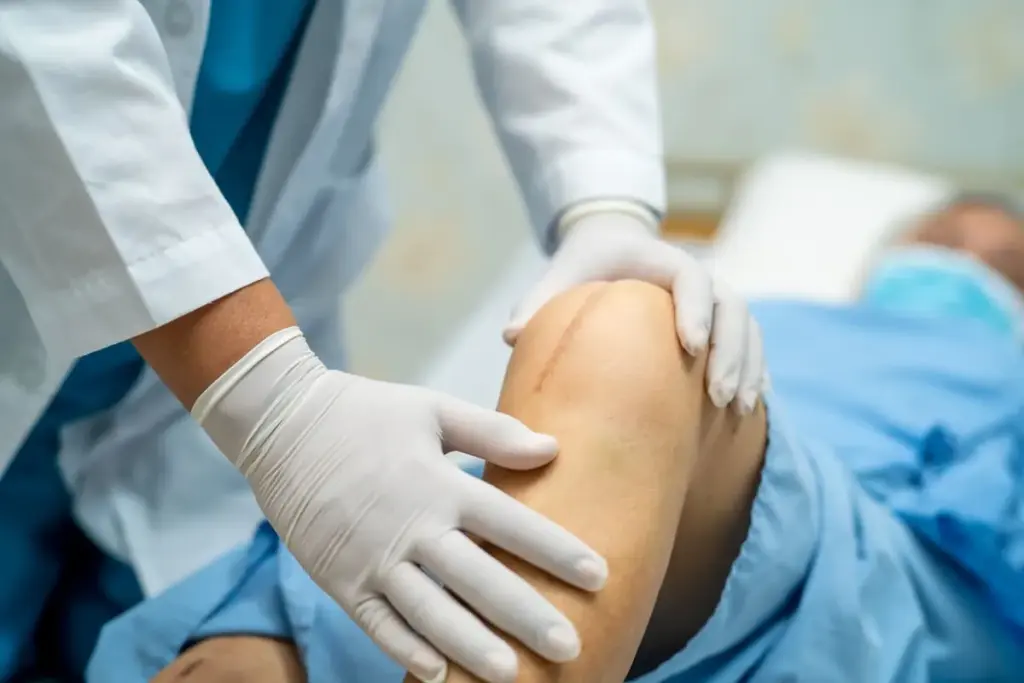
When an ACL injury happens, people often feel pain and instability right away. Common signs and symptoms are:
- A loud “pop” or snap at the time of injury
- Severe pain and inability to continue activity
- Instability or feeling of the knee “giving way”
- Swelling and bruising around the knee
If you’re experiencing these symptoms, it’s important to see a doctor. An ACL specialist can help with the right evaluation and treatment.
Diagnostic Process and Imaging
Diagnosing an ACL injury involves physical exams and imaging tests. We use the Lachman test and pivot shift test to check knee stability. Imaging tests like X-rays and MRI confirm the diagnosis and check for other injuries.
|
Diagnostic Tool |
Purpose |
Key Findings |
|---|---|---|
|
Lachman Test |
Assess ACL integrity |
Excessive anterior tibial translation |
|
MRI |
Confirm ACL tear and assess other knee structures |
Discontinuity of ACL fibers, bone bruises |
|
X-ray |
Rule out fractures |
Fractures or bony avulsions |
Understanding the diagnostic process is key to finding the best treatment for an ACL injury. By combining clinical evaluation with advanced imaging, we can create a treatment plan that meets the individual’s needs.
When is ACL Reconstruction Surgery Necessary?
The choice to have ACL reconstruction surgery depends on how bad the symptoms are, the patient’s age, and their future activity level. Not all ACL tears need surgery. But for many, ACL reconstruction is key to getting their knee stable and working right again.
Conservative vs. Surgical Treatment Options
First, we try non-surgical ways like physical therapy, bracing, and changing how you move. These help ease symptoms and improve knee function. But, for those who want to stay active at a high level or have serious knee instability, ACL surgery might be the best option.
We look at how bad the ACL injury is and how well the knee works to decide the best treatment. Sometimes, a mix of non-surgical methods and ACL repair is the best choice.
Factors That Determine Surgical Candidacy
Several things decide if someone is right for ACL reconstruction. These include how bad the ACL tear is, if there are other knee injuries, the patient’s age, activity level, and health.
- The severity of the ACL injury and any other knee damage.
- The patient’s lifestyle and goals, like returning to sports or high-level activities.
- Any other knee problems, like meniscal tears or cartilage damage.
By looking at these factors, we can figure out if ACL reconstruction surgery is needed. Then, we create a treatment plan that fits the patient’s specific needs and goals.
The ACL Reconstruction Surgical Procedure
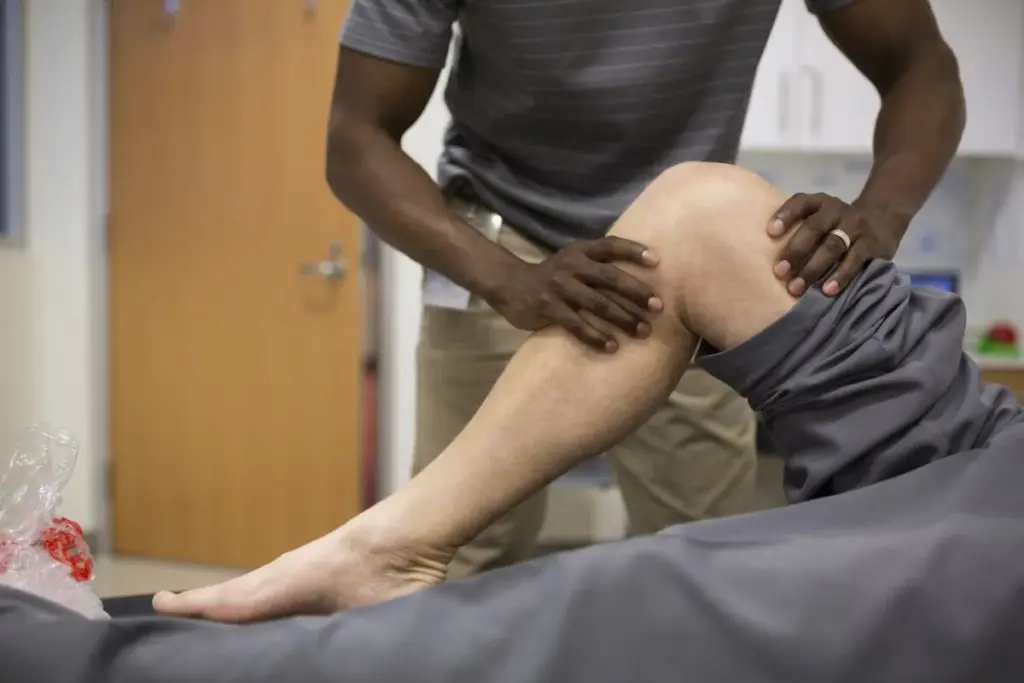
ACL reconstruction surgery aims to fix knee stability by replacing the damaged ACL with a graft. It’s for those who have torn their ACL completely and want to get back to activities like pivoting or jumping.
Types of Grafts Used in ACL Reconstruction
Choosing the right graft is key in ACL reconstruction surgery. There are several graft types, each with its own benefits.
- Autograft: This uses a graft from the patient’s own body, like the hamstring or patellar tendon. Autografts are less likely to be rejected and are often stronger.
- Allograft: This graft comes from a donor. Allografts are good because they don’t need a second surgery site, which can cut down on recovery time and pain.
- Synthetic Grafts: Though not as common today, synthetic grafts are made from artificial materials. They’re designed to act like a natural ACL but have had issues in the past.
|
Graft Type |
Source |
Advantages |
|---|---|---|
|
Autograft |
Patient’s own body (e.g., hamstring or patellar tendon) |
Lower risk of rejection, potentially stronger graft |
|
Allograft |
Donor |
No need for a second surgical site, potentially less pain and recovery time |
|
Synthetic Grafts |
Artificial materials |
Designed to mimic natural ACL properties, no donor site morbidity |
Surgical Techniques and Approaches
The way ACL reconstruction surgery is done has changed over time. These changes aim to make the surgery better and quicker to recover from. There are two main ways to do the surgery:
- Single-Bundle Technique: This is the most common method. It focuses on fixing the anteromedial bundle of the ACL, which is key for knee stability.
- Double-Bundle Technique: This more complex method fixes both the anteromedial and posterolateral bundles of the ACL. It tries to match the natural ACL better, which might offer better rotational stability.
We pick the best surgical technique based on the patient’s needs, activity level, and body type. Our goal is to make sure the knee is stable and functional, so the patient can get back to their activities.
Immediate Post-Operative Recovery (Days1-7)
The first week after ACL surgery is very important. It’s when patients start to heal and get back on their feet. Doctors watch closely for any problems and help manage pain and start physical therapy.
Hospital Stay and Initial Recovery
Most patients stay in the hospital just a few hours or overnight after ACL surgery. This time is key for checking on how the body is healing. When they go home, they get advice on caring for their wound, managing pain, and starting to move again.
Pain Management Strategies
Managing pain is a big part of getting better after surgery. Doctors give out pain meds to help with discomfort. Ice packs and keeping the knee up also help reduce swelling and pain.
- Take pain medication as directed by your surgeon or healthcare provider.
- Use ice packs for 15-20 minutes, several times a day.
- Elevate your knee above the level of your heart to reduce swelling.
Initial Movement Restrictions and Assistive Devices
At first, patients might use crutches to help them move around. They can start to put more weight on their knee as they get stronger. It’s important to listen to the doctor about how much to move and when to use crutches.
As you get into the first week, it’s important to balance rest with gentle exercises. This helps the healing process and keeps the knee from getting stiff. We’ll help guide you through this early stage in the next section.
Early Recovery Phase (Weeks 1-4)
Weeks 1-4 after ACL surgery focus on reducing swelling and getting the knee to straighten. Patients start their recovery journey with a structured plan.
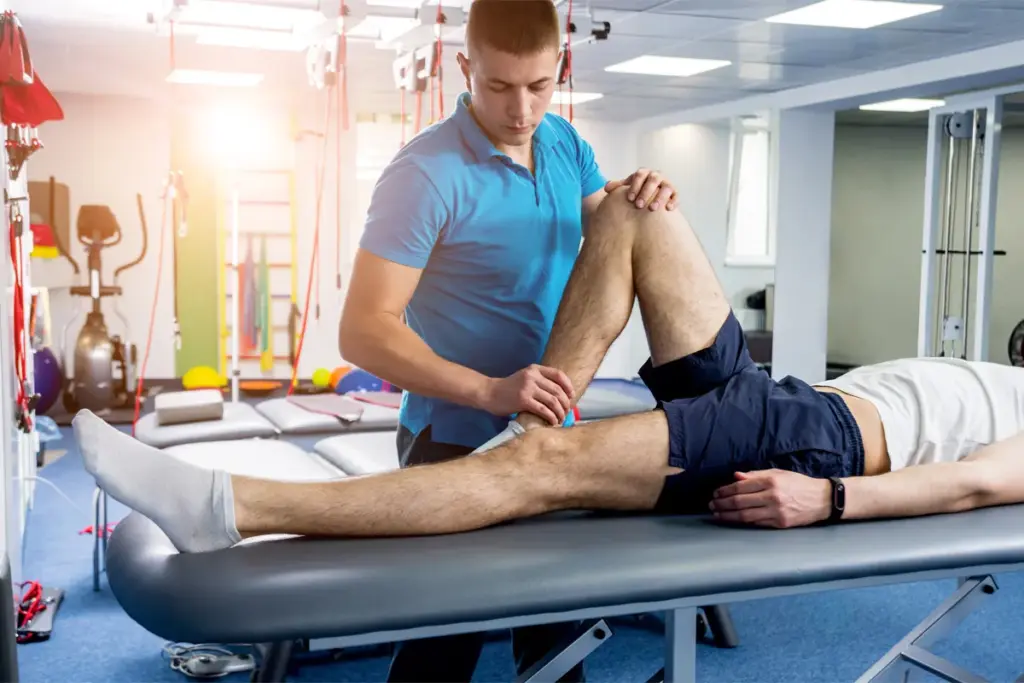
Initial Physical Therapy Goals
The main goals of physical therapy are to lessen pain, reduce swelling, and improve knee movement. Effective pain management is key for full participation in therapy.
At first, therapy includes simple knee movements and strengthening exercises. Following the rehabilitation plan is essential for success.
Regaining Range of Motion
Getting the knee to move fully is a major goal in the early stages. Patients are encouraged to do exercises that help with bending and straightening. Progressive exercises are used to reach this goal, such as:
- Gentle knee bends
- Straight leg raises
- Wall squats
Working closely with a physical therapist is important to adjust exercises to fit individual needs.
When You Can Return to Work and Drive
Going back to work and driving are big steps in recovery. The timing depends on the job and how well the knee is healing. Usually, people can start driving two weeks after surgery, if they have enough knee movement and strength.
“The ability to return to work and drive safely is a critical aspect of the recovery process, reflecting the patient’s regained functionality and independence.”
For jobs that are very active, it might take longer to go back, often 4-6 weeks. It’s important to listen to healthcare advice for a safe return.
Intermediate Recovery Phase (Weeks 4-12)
After ACL surgery, patients move into the intermediate recovery phase. This lasts from weeks 4 to 12. The main goals are to build strength, improve movement, and get back to daily life.
Progressive Strengthening Exercises
Progressive strengthening exercises are key in this phase. They help strengthen muscles around the knee, making it more stable. Patients work with a physical therapist to create a plan that gets harder as they get stronger.
Some strengthening exercises include:
- Straight leg raises
- Quad sets
- Hamstring curls
- Step-ups
Returning to Light Daily Activities
When strength and movement get better, patients can start doing light daily tasks. This might be walking, going up stairs, or doing simple chores. It’s important to slowly increase activity to avoid injury.
Milestone Achievements During This Phase
In the intermediate phase, patients reach important milestones. These include:
- Better knee movement
- Stronger muscles
- Easier daily activities
- Starting to do more challenging activities
How to Operate ACL Rehabilitation for Optimal Results
Getting the most out of ACL rehab needs both expert help and your own effort. Knowing what makes a rehab program work is key. This knowledge helps you get the best results.
Working Effectively with Your Physical Therapist
Teamwork with a physical therapist is key for great rehab results. They create a plan to get your knee strong and stable again. To get the most from this plan, do the following:
- Go to all your therapy sessions
- Tell your therapist about your progress, pain, or worries
- Do exactly what your therapist tells you to do with exercises
Home Exercise Compliance and Techniques
Doing your home exercises right is very important for ACL rehab. These exercises help you keep improving. To do them right:
- Practice in front of a mirror to check your form
- Keep a log of your exercises to see how you’re doing
- Start with easier exercises and get harder as you get better
Sample Home Exercise Routine:
|
Exercise |
Sets/Reps |
Frequency |
|---|---|---|
|
Straight Leg Raises |
3 sets of 10 reps |
Daily |
|
Quad Sets |
3 sets of 15 reps |
Daily |
|
Wall Squats |
3 sets of 10 reps |
3 times a week |
Monitoring Progress and Adjusting Your Program
Keeping an eye on how you’re doing is important. Your physical therapist will check your knee often. They might change your program to:
- Make exercises harder
- Add new exercises to work different muscles
- Change how you do exercises to fix any problems
By working with your physical therapist, sticking to your home exercises, and watching your progress, you can get the best from ACL rehab. This way, you’ll get your knee strong and stable again. You’ll be able to do your usual activities with confidence.
Advanced Recovery Phase (Months 3-6)
The advanced recovery phase lasts from months 3 to 6 after ACL reconstruction. It’s a key time for getting stronger and more functional. Patients see big improvements in their knee’s movement, strength, and function.
Sport-Specific Training and Conditioning
Sport-specific training is vital for athletes to get back to their sport. It includes exercises that match the sport’s demands. For example, a soccer player might do drills for agility, quick turns, and kicking.
Key components of sport-specific training include:
- Agility drills to enhance quickness and reaction time
- Plyometric exercises to improve power
- Endurance training to boost stamina
Psychological Aspects of Recovery
The mental side of ACL recovery is as important as the physical. Patients often face fears of re-injury, loss of confidence, and frustration. It’s key to tackle these mental hurdles with support, counseling, and encouragement from loved ones.
Strategies to enhance psychological recovery include:
- Setting realistic goals and celebrating small achievements
- Visualization techniques to mentally rehearse successful performances
- Building a support network of peers and professionals
Functional Testing and Assessments
Functional testing is vital in the advanced recovery phase. It checks the knee’s ability to function, including strength, stability, and agility. Tests include single-leg hops, shuttle runs, and cutting drills.
Functional testing helps in:
- Identifying any remaining deficits or asymmetries
- Guiding the rehabilitation program to address specific weaknesses
- Determining readiness to return to sports or high-level activities
By focusing on sport-specific training, addressing mental aspects, and undergoing functional testing, patients can fully recover. They can then return to their pre-injury level of activity.
Long-Term Recovery and Return to Sports (Months 6-12)
The journey to full recovery after ACL surgery is slow and needs careful planning. It involves getting stronger, improving how you move, and making sure it’s safe to play sports again. This phase is all about getting back to your old self.
Criteria for Safe Return to Sports
Before you can play sports again, you must meet certain criteria. These include:
- Significant improvement in strength and flexibility
- Adequate range of motion and minimal pain or swelling
- Satisfactory performance in functional tests that mimic sports-specific movements
- Psychological readiness and confidence in the knee’s ability to perform under stress
Meeting these criteria ensures a safe return to sports. It helps avoid getting hurt again.
Gradual Progression to Full Activity
Going back to full activity slowly is key to avoiding injury. You need a plan that gets more challenging, just like your sport. This helps your knee get used to the demands of playing.
Progressive strengthening exercises and sport-specific training are essential. They boost your performance, agility, and make sure your knee can handle the game.
Preventing Re-injury Strategies
Stopping re-injury is a big part of long-term recovery. Strategies include:
- Continuing to strengthen the muscles around the knee
- Improving flexibility and range of motion
- Enhancing neuromuscular control and proprioception
- Using proper techniques and equipment during sports
By using these strategies, you can lower the risk of getting hurt again. This keeps your knee healthy for the long term.
Getting back to sports after ACL surgery is a big achievement. It takes time, effort, and a good plan. By focusing on safety, gradual improvement, and injury prevention, you can succeed. You’ll be able to play with confidence again.
Factors That Influence ACL Recovery Time
ACL recovery time can vary a lot based on several key factors. Knowing these factors is key to setting realistic goals and improving the recovery process.
Age and Overall Health Considerations
Age and health are big factors in how long it takes to recover from an ACL injury. Younger people usually heal faster because they are healthier and have fewer health problems. But, older, active adults with fewer health issues can also recover well.
Health issues like diabetes, heart disease, or obesity can slow down recovery. These problems make it harder for the body to heal and follow the rehab plan.
Type of Graft and Surgical Technique
The type of graft used in ACL surgery and the surgical method can affect recovery time. Grafts can be from the patient (autograft) or a donor (allograft). Autografts might integrate faster and lead to quicker recovery, but both have their benefits and drawbacks.
The surgical method, like single-bundle or double-bundle ACL reconstruction, also matters. The choice depends on the patient’s body, activity level, and the surgeon’s approach.
Adherence to Rehabilitation Protocol
Following the rehab plan is key for the best recovery. A good rehab program includes exercises, strength training, and functional activities. Patients who stick to their rehab plan tend to recover faster and better.
It’s also important for patients to work with their physical therapist. They should adjust the rehab plan as needed based on progress and any challenges.
|
Factor |
Influence on Recovery Time |
Considerations |
|---|---|---|
|
Age |
Younger patients tend to recover faster |
Overall health and activity level |
|
Type of Graft |
Autografts may integrate faster |
Graft source and quality |
|
Adherence to Rehabilitation |
Close adherence can shorten recovery |
Patient compliance and progress monitoring |
Common Complications That May Extend Recovery Time
Knowing about possible issues after ACL surgery is key for a smooth recovery. ACL surgery is usually a success, but some problems can slow down healing.
Infection and Surgical Complications
Infection is a big worry after ACL surgery. We do everything we can to stop it, like using antibiotics and keeping the surgery area clean. But if an infection happens, we treat it with antibiotics. Sometimes, we need to do more surgery to fix it.
Signs of infection include more pain, redness, swelling, and fever. If you see these signs, call your doctor right away.
Arthrofibrosis (Excessive Scar Tissue)
Arthrofibrosis means too much scar tissue in the knee, making it stiff and hard to move. We treat this with physical therapy to help the knee move better. Sometimes, we need to do more to help.
To avoid arthrofibrosis, we start moving the knee early and follow the rehab plan closely. We make sure patients know how important this is.
Graft Failure and Re-tear Scenarios
Graft failure or re-tear can happen for many reasons, like bad graft integration or too much activity too soon. If this happens, we might need to do the surgery again.
To lower the chance of graft failure, we stress following the rehab plan, avoiding too much activity early, and making sure the graft heals well.
|
Complication |
Description |
Management Strategies |
|---|---|---|
|
Infection |
Bacterial infection post-surgery |
Antibiotics, possible additional surgery |
|
Arthrofibrosis |
Excessive scar tissue formation |
Physical therapy, manipulation under anesthesia |
|
Graft Failure |
Graft re-tear or failure |
Revision surgery, adherence to rehabilitation protocol |
Special Considerations for Different Patient Groups
Different patient groups face unique challenges and opportunities during ACL reconstruction recovery. The recovery process is influenced by various factors, including age, overall health, and the specific demands of the patient’s lifestyle or sport.
Athletes and Sport-Specific Recovery Timelines
Athletes undergoing ACL reconstruction often have specific recovery timelines based on their sport and competitive level. Sport-specific training is key in the advanced stages of recovery, usually after 3-6 months post-surgery. Athletes must work closely with their physical therapists to tailor a rehabilitation program that meets their sport’s specific demands.
For instance, high-intensity sports like soccer or basketball require quick changes of direction, jumping, and rapid acceleration. This means athletes need a more rigorous training regimen compared to lower-intensity sports.
Pediatric and Adolescent ACL Reconstruction
Pediatric and adolescent patients present unique considerations due to their developing musculoskeletal system. Growth-friendly surgical techniques are used to avoid damaging the growth plates. Rehabilitation protocols are also adapted to accommodate the patient’s age and developmental stage.
It’s essential for young patients to adhere to their rehabilitation program to ensure proper healing and to minimize the risk of re-injury. Family support plays a significant role in the recovery process, helping young patients stay motivated throughout their rehabilitation.
Older Adults and ACL Recovery
Older adults undergoing ACL reconstruction may face different challenges, such as pre-existing degenerative changes in the knee or decreased muscle mass. Rehabilitation programs for older adults are designed to improve strength, flexibility, and function while considering any comorbidities or physical limitations.
Older adults can benefit significantly from ACL reconstruction, even if they are active and wish to continue participating in sports or physical activities. Modified rehabilitation protocols may be necessary to accommodate any age-related health issues.
Conclusion
Getting better after an ACL injury needs a full plan. This includes surgery, rehab, and making lifestyle changes. We’ve talked about ACL surgery, what ACL injuries are, and how to recover fully.
An effective ACL rehabilitation program is crucial for achieving optimal results. Working with a physical therapist and following a rehab plan can really help. This way, patients can see big improvements in their knee’s function and strength.
Things like age, health, and sticking to the rehab plan affect how fast you recover. Knowing these things and being ready for any issues can help you recover well.
With the right surgery and rehab, patients can get back to their usual life. It’s important for those with ACL surgery to stick to a detailed rehab plan. This ensures the best recovery.
FAQ
What is the typical recovery time for ACL reconstruction surgery?
Recovery time for ACL surgery varies. It usually takes 6-12 months to get back to sports or hard activities.
Can I walk with a torn ACL?
Walking with a torn ACL is possible but painful. It may also make your knee unstable. Always check with a doctor or physical therapist for advice.
What are the common signs and symptoms of an ACL injury?
Signs of an ACL injury include a loud pop, severe knee pain, swelling, and instability. You might also find it hard to walk or stand.
How is an ACL injury diagnosed?
Doctors use physical exams, medical history, and tests like X-rays or MRIs to diagnose ACL injuries.
What are the factors that determine whether I need ACL reconstruction surgery?
Deciding on surgery depends on injury severity, age, activity level, and health.
What types of grafts are used in ACL reconstruction surgery?
ACL surgery often uses autografts (from the patient) or allografts (donated tissue).
How long does it take to regain range of motion after ACL surgery?
It takes weeks to regain range of motion after ACL surgery. Most people get full range in 6-12 weeks.
What are the key components of an effective ACL rehabilitation program?
A good ACL rehab program includes physical therapy, home exercises, and strengthening. It helps restore knee function and strength.
How can I prevent re-injury after ACL reconstruction surgery?
Preventing re-injury means following a structured rehab program. Gradually increase activity and use injury prevention strategies in your training.
Are there any special considerations for athletes undergoing ACL reconstruction surgery?
Athletes need sport-specific training and conditioning after surgery. This ensures a safe return to their sport.
How does age affect ACL recovery time?
Older adults may need longer to recover from ACL surgery. This is because healing is slower with age and overall health.
What are the possible complications of ACL reconstruction surgery?
Complications can include infection, arthrofibrosis, graft failure, and re-tear scenarios. It’s important to be aware of these risks.
BMJ (British Medical Journal). Evidence-Based Medical Insight. Retrieved from https://bjsm.bmj.com/content/50/13/804