Many patients worry about being strapped down during surgery. It’s a valid concern, as the idea of being restrained can be unsettling. We want to make sure you feel safe and secure. We’re here to explain the steps we take to keep you safe.
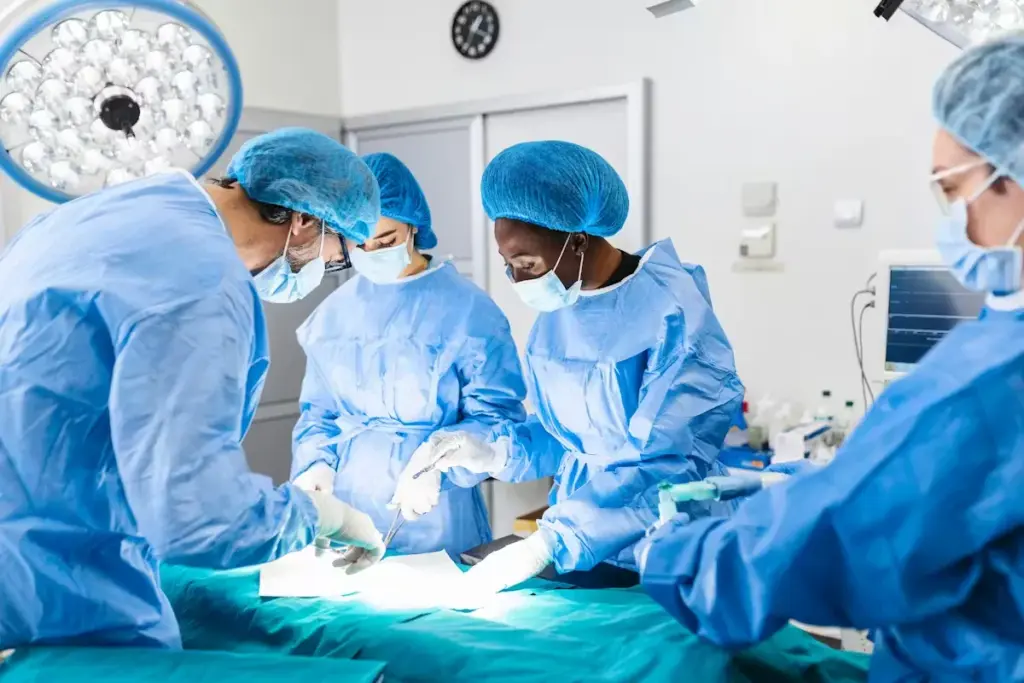
In the hospital operating theater, your safety is our main goal. We make sure you’re positioned right and safe during surgery. This helps prevent problems and lets our team work accurately.
Key Takeaways
- Patient safety is our top priority in the operating room.
- Proper patient positioning is key for a successful surgery.
- Restraints are used when needed to keep you safe.
- Our surgical team is trained for all patient care needs.
- We’re committed to making you feel safe and secure during the procedure.
Why Patient Positioning Matters During Surgery
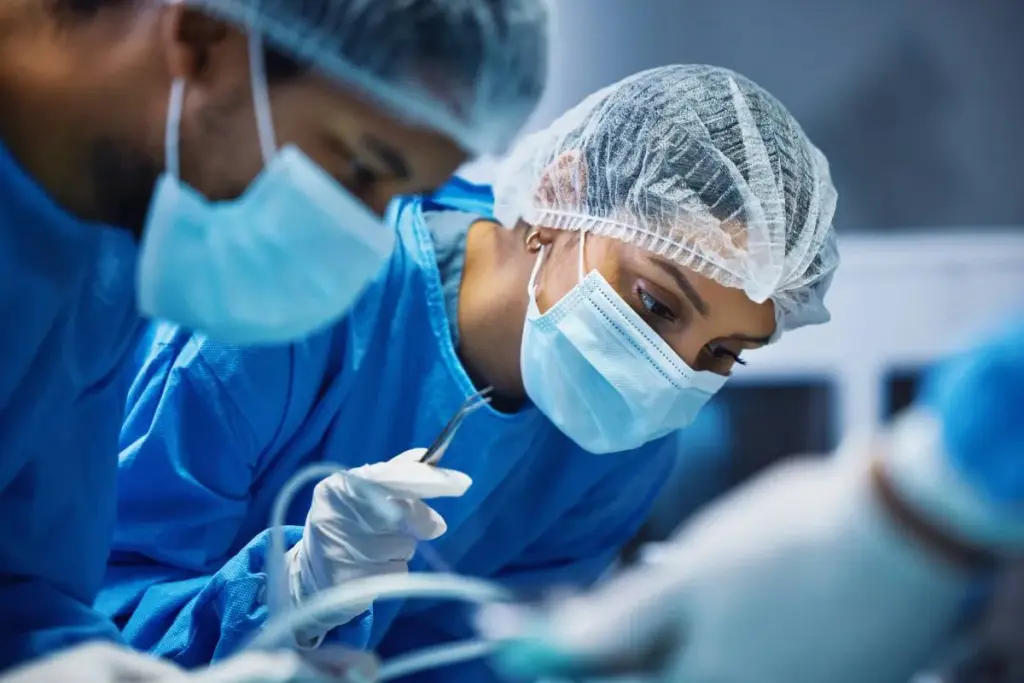
Proper patient positioning is key in the surgical room for safety and success. How a patient is placed on the table affects the surgery’s outcome. It impacts the site’s accessibility, the patient’s comfort, and safety.
Safety Considerations for Surgical Positioning
When positioning patients during surgery, safety is top priority. Risks like pressure injuries and nerve damage can occur. To avoid these, teams use special equipment and techniques to keep patients safe and comfortable.
Soft restraints and safety straps are used to keep patients from moving. This is vital in long procedures where staying steady is essential.
Preventing Movement During Critical Procedures
Keeping patients from moving is critical in surgery operation. This is more important in complex surgeries where small movements can be a problem. Teams use restraints, careful positioning, and sometimes anesthesia to prevent movement.
By ensuring proper positioning and security, teams can lower complication risks. This improves the surgery’s safety and success.
Common Types of Patient Restraints in the Operating Room
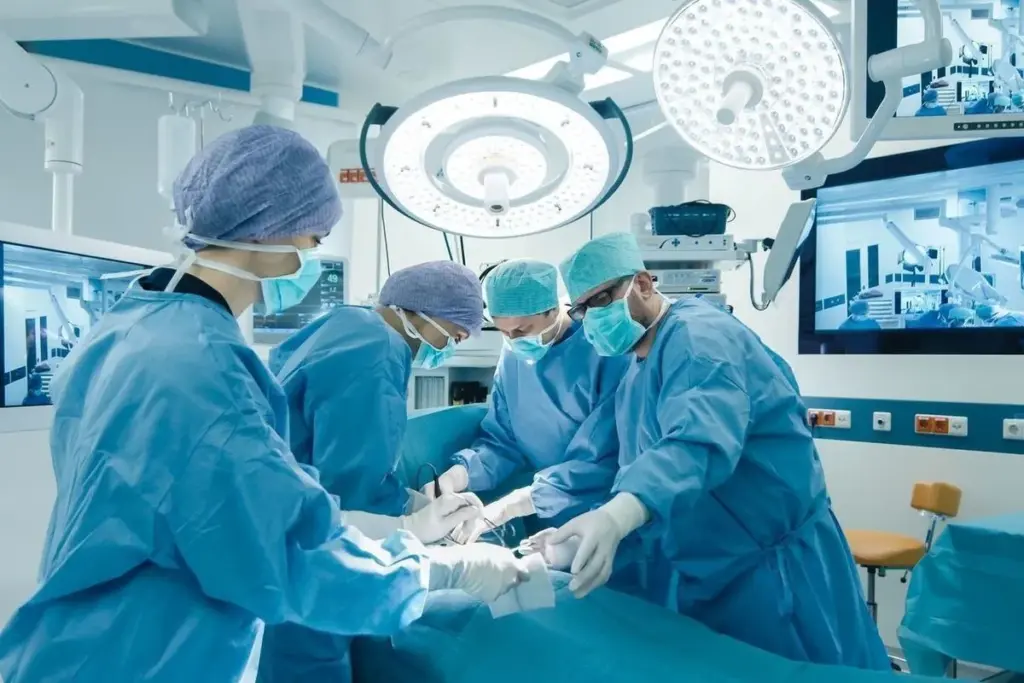
Restraints are a common practice in surgery to keep patients safe. In the operating room, they are key to stopping patients from moving during surgery. This helps keep both the patient and the surgical team safe.
Soft Restraints and Safety Straps
Soft restraints and safety straps are often used in the operating room. They are made to be comfy and keep patients from moving. These restraints are usually made of soft materials that won’t hurt the patient.
Safety straps are used to keep the patient in place on the table. They are placed across the body to hold the patient steady.
Key features of soft restraints and safety straps include:
- Adjustability to fit various patient sizes
- Comfortable materials to prevent pressure sores
- Easy release mechanisms for quick adjustments
Specialized Positioning Devices
There are also specialized devices for certain surgical positions. These include leg holders, arm boards, and headrests. They help keep the patient in the best position for the surgery.
Choosing the right device depends on the patient’s body and the surgery’s needs.
When Full Immobilization Is Necessary
At times, patients need to be fully immobilized for surgery. This is true for very delicate operations where any movement could be dangerous. To achieve this, a mix of restraints, devices, and sometimes muscle relaxants are used.
Doctors decide if full immobilization is needed based on each patient’s situation. They weigh the benefits of safety against the risks of being too immobile.
Inside the Operating Room: Equipment and Layout
The operating room is a place where advanced equipment and a well-thought-out layout are key. It’s a complex space that needs precision, cleanliness, and the latest technology. This ensures patient safety and the success of surgeries.
Essential Equipment in Modern Operating Rooms
Modern operating rooms have all the necessary tools, like advanced surgical tools, monitoring gadgets, and imaging tech. High-definition cameras and monitors let surgical teams see the surgery clearly. This helps them work more precisely and lowers the chance of problems.
The use of technology in surgery has changed how procedures are done. For example, advanced imaging technologies like fluoroscopy and intraoperative MRI give surgeons real-time info. This helps them make better decisions during complex surgeries.
The Surgical Table and Its Features
The surgical table is a key part of the operating room. It helps position the patient correctly during surgery. Modern tables can move in many ways, thanks to remote-controlled movements and specialized attachments for different surgeries.
|
Feature |
Description |
Benefit |
|---|---|---|
|
Adjustable Height |
Allows for easy patient transfer and optimal surgeon positioning |
Enhances ergonomics and reduces fatigue |
|
Tilting Capability |
Enables precise patient positioning for various surgical approaches |
Improves surgical access and visualization |
|
Radiolucent Sections |
Permits unobstructed imaging during procedures |
Facilitates intraoperative imaging and verification |
Operating Room Photos vs. Reality
Photos of operating rooms show a clean and controlled space, which is mostly true. But, the real operating room is different. It’s a dynamic and sometimes chaotic place. Surgical teams work hard to give the best care to patients.
Photos show the advanced tech and equipment, but they don’t show the real challenge of surgery. The real deal includes keeping everything clean, ensuring patient safety, and working together as a team.
Patient Positioning Based on Surgery Type
Different surgeries need patients to be positioned in certain ways. This ensures the best access and safety. The surgical team plans and executes this positioning carefully.
Supine Position (Face Up)
The supine position, where patients lie on their backs, is common in surgery. It’s used for many procedures like abdominal, cardiac, and some neurosurgeries.
- Benefits: Easy access to the front of the body.
- Precautions: Must avoid pressure injuries and nerve damage.
Prone Position (Face Down)
In the prone position, patients lie on their stomachs. This is often for spine, plastic, and back surgeries.
- Benefits: Great access to the back of the body.
- Precautions: Must manage pressure on the face, chest, and abdomen.
Lateral Position (Side-Lying)
The lateral position has patients lying on their sides. It’s used for hip, shoulder, and some thoracic surgeries.
- Benefits: Good access to the sides of the body.
- Precautions: Needs stabilization to keep the position.
Lithotomy Position (Gynecological Procedures)
The lithotomy position, with legs elevated in stirrups, is for gynecological, urological, and some colorectal surgeries.
- Benefits: Excellent access to the pelvic area.
- Precautions: Must avoid nerve damage and discomfort.
Knowing these positions and their uses is key for a successful surgery operation procedure. Each position must consider the patient’s safety and comfort, along with the team’s access.
Anesthesia and Its Role in Patient Immobility
Anesthesia is key to keeping patients immobile during surgery. In the operating room, it’s not just about pain relief. It’s also about keeping patients calm and steady during the operation.
Anesthesia serves several main goals: managing pain, ensuring comfort, and keeping patients immobile. The choice of anesthesia depends on the surgery type, the patient’s health, and the anesthesiologist’s expertise.
General Anesthesia vs. Regional Anesthesia
There are two main types of anesthesia: general and regional. General anesthesia makes patients unconscious and pain-free. It’s often used for complex surgeries.
Regional anesthesia numbs a certain area of the body. Patients can stay awake or lightly sedated during the procedure. Examples include epidural anesthesia and nerve blocks.
- General Anesthesia: Used for complex surgeries requiring complete immobility and unconsciousness.
- Regional Anesthesia: Ideal for procedures where the patient needs to be numb in a specific area, with the option to remain conscious.
Muscle Relaxants and Their Effects
Muscle relaxants are used with anesthesia to keep patients immobile. These drugs relax muscles, making surgery easier for surgeons.
Using muscle relaxants requires careful monitoring. They can affect the patient’s breathing and muscles. Anesthesiologists must balance the need for immobility with the risk of complications.
Monitoring During Anesthesia
During surgery, the anesthesia team watches the patient’s vital signs and anesthesia levels. They track heart rate, blood pressure, oxygen levels, and anesthesia depth.
Advanced monitoring systems help anesthesiologists make quick adjustments. This ensures the patient’s safety and comfort. Continuous monitoring is key to preventing problems and ensuring a smooth recovery.
In conclusion, anesthesia is vital in modern surgery. It allows for safe and effective procedures. Understanding anesthesia and its role in patient immobility shows the complexity and care in surgical operations.
Patient Preparation: Do They Strip You During Surgery?
Patients often wonder how much they need to undress for surgery. We’re here to help you feel comfortable and know what to expect.
Standard Hospital Gowns and Draping Procedures
Before surgery, you’ll change into a hospital gown. This gown is made for easy access by medical staff while keeping you covered. Sterile drapes around the surgery area keep it clean and infection-free.
Surgical draping is key to keeping things sterile. The drapes block fluids, keeping the surgery area clean.
Maintaining Patient Dignity and Privacy
We value your dignity and privacy a lot. While the surgery area must be exposed, we cover the rest of your body. Our team is trained to be respectful and private during procedures.
Why Certain Areas Need to Be Exposed
The surgical team needs to access the area being operated on. This exposure allows for a detailed and successful surgery. Only the necessary area is exposed, and we take steps to avoid discomfort or embarrassment.
Here’s an example of how surgical draping might look during a procedure:
|
Aspect of Preparation |
Purpose |
Benefits |
|---|---|---|
|
Hospital Gowns |
Easy access for medical staff |
Facilitates surgical preparation |
|
Sterile Draping |
Maintains sterility around the surgical site |
Reduces risk of infection |
|
Minimizing Exposure |
Respects patient dignity |
Reduces patient discomfort |
Knowing about patient preparation can ease your worries. Our team is dedicated to caring for you with respect and privacy, ensuring the best results.
The Standard Surgery Operation Procedure from Start to Finish
Knowing what happens during surgery can make patients feel more at ease. It’s important to be informed about the whole process. This helps patients feel secure and ready for what’s to come.
Pre-operative Preparation
Preparation starts long before surgery. Our team makes sure all tests are done and the patient is ready for surgery. They check medical history, do lab tests, and give instructions on what to do before surgery.
Transfer to the Operating Table
In the operating room, the patient is moved to the table. This is done carefully to avoid any harm or discomfort. The table has safety features like straps and padding to keep the patient safe.
Positioning and Securing the Patient
Getting the patient in the right position is key for a successful surgery. We use special equipment and methods to position the patient safely and comfortably. This might include soft restraints or other devices based on the surgery type.
Post-procedure Recovery
After surgery, the patient goes to the recovery room. Our team watches over them, managing pain and any concerns. This is a critical time for the patient to start healing and stabilize.
Learning about the surgery process can make it less scary. It shows the careful steps taken to keep patients safe and ensure the surgery goes well.
Different Types of Operating Rooms in a Hospital
Hospitals have many types of operating rooms. Each one is made for different surgeries. The variety shows how many kinds of surgeries hospitals do.
General Surgery Operating Rooms
General surgery rooms are the most common. They handle many surgeries, like removing appendixes or fixing hernias. They have basic tools like tables, lights, and machines for anesthesia.
Key Features: They have versatile tables, lots of surgical tools, and top-notch monitoring systems.
Specialty Operating Rooms
Specialty rooms are for specific surgeries. For example:
- Cardiac Operating Rooms: They have heart-lung machines and other gear for heart surgeries.
- Neurosurgery Operating Rooms: They have advanced imaging and special tools for brain surgeries.
- Orthopedic Operating Rooms: They have orthopedic devices and special tools for bone surgeries.
Hybrid Operating Theaters
Hybrid theaters are the latest in surgery. They mix traditional surgery with advanced imaging like MRI or CT scanners. This lets doctors do complex surgeries with clear images.
Benefits: It makes surgeries more precise, cuts down on repeat surgeries, and improves patient results.
Knowing about the different operating rooms shows how advanced surgery has become. Each room is made to keep patients safe and help surgeries succeed.
Legal and Ethical Aspects of Restraining Patients
In the hospital operating theater, using restraints on patients is strictly regulated. It’s important for patient safety during surgeries. Yet, we must also respect their rights and freedom.
Informed Consent for Positioning and Restraints
Getting a patient’s consent before using restraints is key. We need to tell them why, what kind, and any possible risks. This respects their freedom and helps them feel more at ease.
Key elements of informed consent include explaining why restraints are needed, discussing other options, and answering their questions.
Patient Rights During Surgical Procedures
Patients deserve dignity and respect during surgeries. They should not be restrained unless it’s really necessary. We must apply restraints carefully to avoid harm.
Respecting patient rights means being aware of their cultural and personal views. Some may not want to be restrained due to their beliefs.
Documentation Requirements
Keeping detailed records is vital when using restraints. We should note why, what type, and how the patient reacts. This ensures we’re accountable and provides a legal record.
Best practices for documentation include recording when and why restraints were used. Also, note any other options considered and any changes made during the surgery.
Special Considerations for Different Patient Populations
Understanding and meeting the needs of various patient groups is key in the operating room. Teams must be skilled in caring for children, the elderly, and those with disabilities. Each patient’s unique situation requires a tailored approach.
Pediatric Patients and Restraints
Using restraints on kids during surgery is a big deal. Their small size and growing bodies mean adult methods don’t always work. We use soft restraints and special devices to keep them safe and comfy.
Kids might need extra support during surgery. This could mean using special equipment and techniques designed just for them.
“The safety and comfort of our youngest patients are our top priority. We aim to create a caring space that meets their needs during surgery.”
A Pediatric Surgeon
Elderly Patients and Positioning Concerns
Elderly patients face unique challenges in the OR. Their health issues, mobility problems, and sensitive skin require careful handling. Proper positioning is key to avoiding injuries and discomfort.
|
Positioning Concern |
Precautionary Measure |
|---|---|
|
Pressure Injuries |
Use of pressure-redistributing mattresses and careful padding |
|
Nerve Damage |
Gentle handling and precise positioning to avoid nerve compression |
|
Circulatory Issues |
Monitoring of vital signs and adjustment of positioning as needed |
Patients with Physical Limitations or Disabilities
Patients with physical challenges need care plans that fit their needs. This might mean using special equipment or adjusting how they’re positioned.
For instance, those with arthritis might need extra support to avoid pain. Patients with spinal injuries require careful handling to keep them stable.
By tailoring care to each patient’s needs, we ensure top-notch care in our surgery rooms. This includes using advanced facilities and technology, as shown in our operating room photos.
Preventing Complications Related to Surgical Positioning
The way a patient is positioned during surgery is very important. It can affect their safety and the success of the surgery. Proper positioning in the operation theater room is key to avoid risks and ensure a smooth procedure.
Pressure Injuries and Nerve Damage
Positioning risks include pressure injuries and nerve damage. Prolonged pressure can harm tissues and nerves. We must take steps to prevent these issues.
To avoid pressure injuries, surgical teams use several methods:
- Regularly repositioning the patient
- Using devices that reduce pressure
- Padding bony areas carefully
To prevent nerve damage, we:
- Avoid stretching or compressing limbs too much
- Position arms and legs carefully
- Watch nerve function during surgery
|
Risk Factor |
Prevention Strategy |
|---|---|
|
Pressure Injuries |
Pressure-redistributing devices, regular repositioning |
|
Nerve Damage |
Careful limb positioning, nerve monitoring |
Circulatory Concerns During Long Procedures
Long surgeries can cause circulatory problems due to prolonged positioning. We must be ready to prevent these issues.
To manage circulatory problems, we:
- Monitor blood pressure and circulation regularly
- Use compression devices to prevent blood clots
- Position patients carefully to avoid blood vessel compression
Respiratory Considerations in Different Positions
The patient’s position during surgery affects breathing. We must think about these effects when positioning patients.
In the prone position, we ensure the chest and abdomen are not compressed. This prevents breathing problems. In the supine position, we must watch for the risk of aspiration.
By understanding and preventing surgical positioning complications, we improve patient safety and outcomes in the operation theater room.
Hospital Operating Theater Design and Function
Operating theaters in hospitals are complex places that need careful design and planning. The layout and how things work in these theaters are key to successful surgeries and keeping patients safe.
Sterile Environment Maintenance
Keeping the environment sterile is very important in hospital operating theaters. This is done with advanced ventilation systems, strict cleaning rules, and using only sterile equipment and supplies. These steps help lower the chance of infections and keep the area safe for patients and staff.
The ventilation system in an operating room is made to change the air many times an hour. This removes harmful germs from the air and lowers the chance of contamination. Also, laminar airflow systems help keep the air clean by reducing airborne contaminants.
Traffic Flow and Contamination Prevention
Managing traffic flow well is key to stopping contamination in the operating theater. We design the theater with separate areas for clean and dirty activities. This limits the movement of people and has strict rules for who can enter and leave.
- Clear signs to guide staff and visitors
- Paths for clean and dirty traffic
- Access limited to authorized people only
Technology Integration in Modern Surgery Rooms
Modern operating rooms use advanced technology to help surgical teams. This technology includes things like high-tech imaging and robotic surgery tools. It helps improve patient care and makes surgeries more efficient.
Some important technologies in modern operating rooms are:
- High-definition imaging for clear views
- Robotic surgery for precise and less invasive procedures
- Advanced monitoring for patient health and anesthesia
By combining these technologies, we make an operating theater that is not just functional but also safe and efficient. This benefits both patients and the surgical teams who work there.
Robotic and Minimally Invasive Surgery: Positioning Requirements
Minimally invasive surgeries, like robotic-assisted ones, need careful patient positioning for the best results. These surgeries are great because they heal faster and cause less damage. But, they also have special challenges in how the patient is placed.
Specialized Positioning for Robotic-Assisted Procedures
Robotic surgeries need precise patient positioning for the best use of robotic arms. Proper positioning lets the robotic instruments move well, giving surgeons the flexibility for tough procedures. Special tools, like bean bags or advanced leg rests, help keep the patient in the right spot.
- Use of stirrups for lithotomy positions in gynecological or urological procedures
- Employment of chest straps or side supports to prevent movement during surgery
- Careful placement of arms and legs to avoid nerve damage
Laparoscopic Surgery Positioning Challenges
Laparoscopic surgery also has its own challenges in positioning. The laparoscopic instruments need a clear view of the area, which is done by filling the abdomen with carbon dioxide. The patient’s position must be managed well to avoid moving during the surgery.
- Trendelenburg position is commonly used to improve visibility in pelvic surgeries
- Reverse Trendelenburg position can be used for upper abdominal surgeries
- Careful monitoring is required to prevent respiratory and circulatory complications
Patient Benefits of Precise Positioning
Precise positioning in robotic and minimally invasive surgeries helps a lot. It makes the surgery go smoother and keeps the patient safer. These surgeries can lead to shorter hospital stays and quicker healing. They also lower the chance of nerve damage and other injuries.
As surgery keeps getting better, precise positioning becomes even more important. It’s key to making robotic and minimally invasive surgeries successful. This leads to better results and faster recovery times for the patient.
Myths and Misconceptions About Operating Room Procedures
Many patients have wrong ideas about what happens in an operating room. These ideas come from movies and rumors. They can make people worried and scared about surgery.
Common Fears About Being “Strapped Down”
One big fear is being tied down during surgery. People think they’ll be stuck in a bad way. But, the truth is, restraints are used carefully to keep patients safe.
- Restraints stop patients from moving too much during surgery.
- They are put on gently to make sure patients are comfortable.
- The kind and how much restraint used depends on the surgery and patient’s health.
Reality vs. Hollywood Depictions of Surgery
Movies often make surgery look worse than it is. This can make people think surgery is more scary than it really is.
Reality: Today’s operating rooms have the latest tech and skilled staff. They focus on keeping patients safe and comfortable.
Addressing Patient Anxiety About Restraints
Being worried about being tied down during surgery is normal. It’s important to talk about these fears and reassure patients.
“We take patient comfort and safety very seriously. Our team is dedicated to ensuring that you feel secure and cared for throughout your surgical experience.”
By clearing up myths about operating rooms, we can help ease patient worries. This makes surgery a safer and more comforting experience for everyone.
Conclusion: Understanding the Necessity of Surgical Positioning
Effective surgical positioning is key in the operating room. It plays a big role in the success of surgeries. By knowing how important it is, we see how it keeps patients safe during surgery.
Surgical teams carefully place patients to get the best access to the surgery area. This helps avoid problems and makes recovery easier. They use special devices to keep patients steady, which lowers the chance of injury or infection.
Many things affect how patients are positioned, like the surgery type, the patient, and the room’s equipment. Healthcare pros use this knowledge to give top-notch care and better results.
In short, surgical positioning is a vital part of surgery. It needs careful planning and doing to keep patients safe and ensure good results. By understanding its importance, we can see the detailed work that goes into a surgery in the operating room.
FAQ
Are you strapped down during surgery?
Yes, patients are usually strapped down on the operating table. This is to keep them from moving during surgery. The type of restraint used depends on the surgery and the patient’s needs.
What is the purpose of patient positioning during surgery?
Proper positioning keeps the patient safe and helps the surgery go smoothly. It also prevents injuries like pressure sores or nerve damage.
Do they strip you during surgery?
Patients wear hospital gowns during surgery. Some areas might be exposed for the surgeon to access. But, the goal is to keep the patient’s dignity and privacy.
What types of restraints are used in the operating room?
Soft restraints, safety straps, and special devices are used to keep patients in place. The choice depends on the surgery and the patient’s needs.
How does anesthesia contribute to patient immobility during surgery?
Anesthesia relaxes the patient and stops them from moving. Muscle relaxants might also be used for certain procedures.
What are the different types of operating rooms found in hospitals?
Hospitals have many types of operating rooms. There are general surgery rooms and specialty rooms for heart, brain, and bone surgeries. Some rooms have advanced imaging technology.
How do surgical teams maintain patient privacy during surgery?
Teams use draping and hospital gowns to keep patients private. This allows the surgeon to access the needed areas.
What are the different types of operating rooms found in hospitals?
Hospitals have many types of operating rooms. There are general surgery rooms and specialty rooms for heart, brain, and bone surgeries. Some rooms have advanced imaging technology.
What are the different types of operating rooms found in hospitals?
Hospitals have many types of operating rooms. There are general surgery rooms and specialty rooms for heart, brain, and bone surgeries. Some rooms have advanced imaging technology.
What can patients expect during the surgical process from start to finish?
The process includes getting ready before surgery, being moved to the table, and being positioned. Then comes the surgery and recovery after.
Are there special considerations for different patient populations, such as pediatric or elderly patients?
Yes, different patients have unique needs. Surgical teams adjust their care to meet these needs and ensure safety and effectiveness.
How do hospital operating theaters maintain a sterile environment?
Theaters use air filters, strict cleaning, and controlled traffic to stay sterile. This keeps the environment safe for surgery.
What is the role of informed consent in patient restraints and positioning?
Informed consent is key for restraints and positioning. Patients or their reps must know about restraints, risks, and rights during surgery.
National Center for Biotechnology Information. Evidence-Based Medical Insight. Retrieved from https://www.ncbi.nlm.nih.gov/books/NBK565873/[1