During a sickle cell crisis, it’s key to keep patients comfortable and well-oxygenated. This helps manage their pain better.
Doctors often suggest placing patients in a semi-Fowler’s position. This can boost oxygen levels and ease pain.

This position is good because it helps lessen the pain from vaso-occlusive crises. These crises are a big problem for people with sickle cell disease.
Changing how a patient is positioned can really help. It can make a big difference in how well they do.
Key Takeaways
- Semi-Fowler’s position is recommended for patients during a sickle cell crisis.
- This position can help improve oxygenation and reduce pain.
- Comfortable positioning is key to managing pain well.
- Vaso-occlusive pain can be eased with the right patient position.
- Changing a patient’s position can greatly affect their health outcomes.
Understanding Sickle Cell Disease and Crisis
It’s important to know how sickle cell disease works to handle its crises well. This disease is a genetic issue that affects how red blood cells carry oxygen. It’s caused by a problem with hemoglobin, a key protein in these cells.
Pathophysiology of Sickle Cell Disease
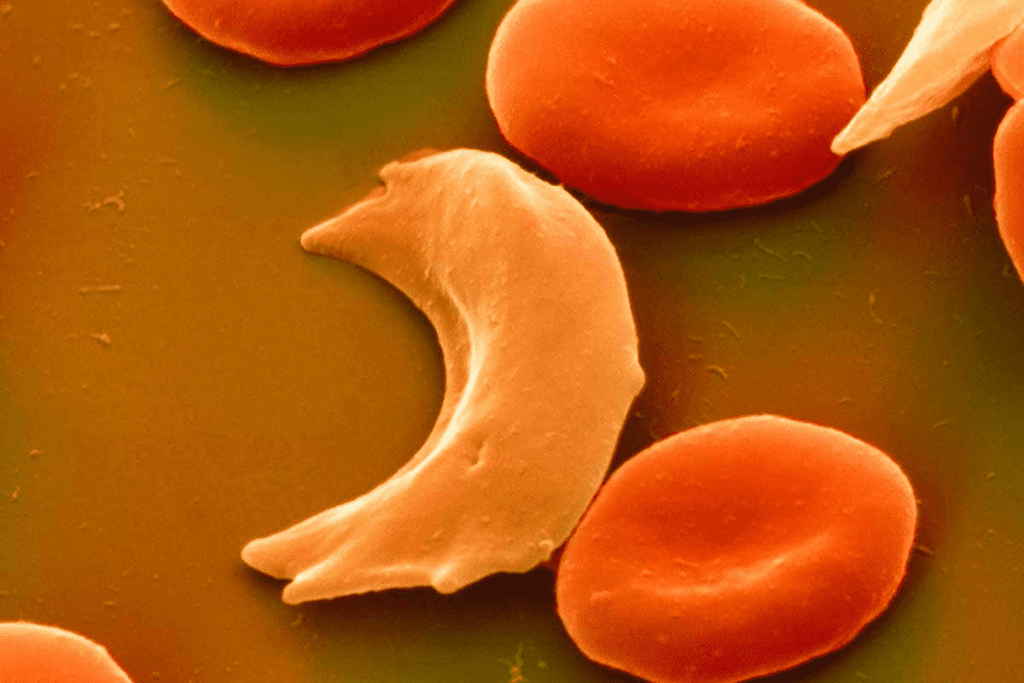
Sickle cell disease happens when the body makes abnormal hemoglobin, called sickle hemoglobin or HbS. This abnormal hemoglobin makes red blood cells bend into a sickle shape. This shape leads to early destruction of the cells and anemia.
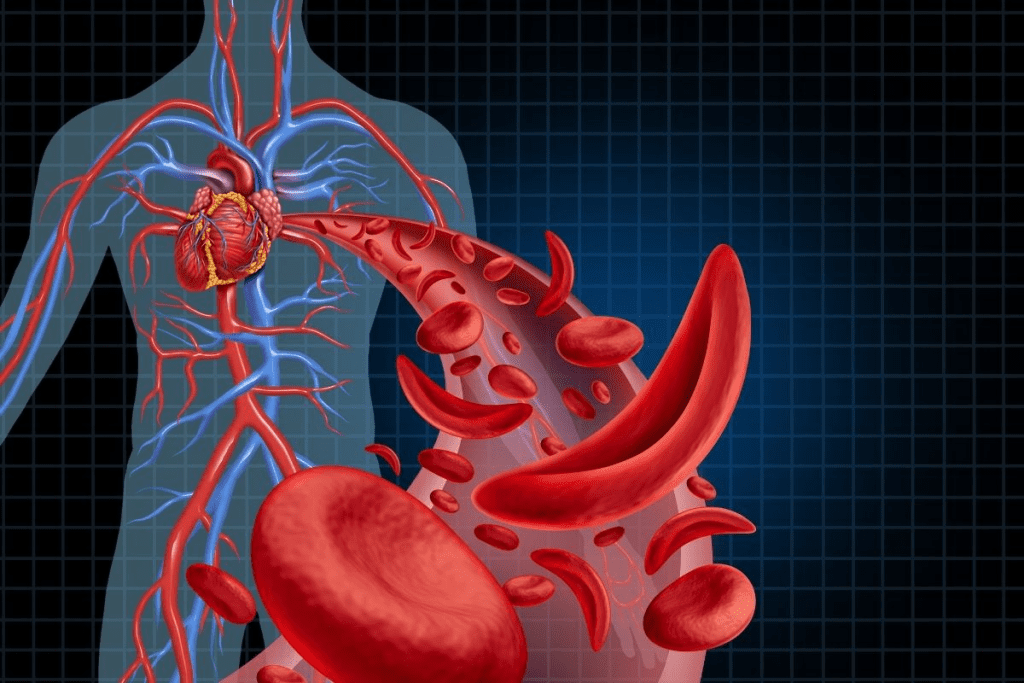
Vaso-occlusive crises happen when these sickled cells block small blood vessels. This causes pain and tissue damage because of a lack of blood flow.
Triggers and Manifestations of Sickle Cell Crisis
Many things can trigger a sickle cell crisis, like infections, dehydration, extreme temperatures, and stress. Symptoms can vary but often include severe pain, swelling, and sometimes damage to organs.
Effective management means knowing what triggers these crises and spotting early signs. This way, you can act fast to help.
Impact of Vaso-occlusive Pain on Patient Comfort
Vaso-occlusive pain is a big problem for people with sickle cell disease. It makes living with the disease very hard. This pain is often described as unbearable.
Using elevation and positioning for pain helps a lot. These methods are key in managing pain and improving life for patients.
Optimal Positioning Sickle Cell Crisis: Physiological Benefits
Optimal positioning of sickle cell crisis care can ease pain and improve oxygen levels. Effective positioning is key to lessening sickle cell crisis pain and improving comfort. The right position can greatly affect pain control, oxygen levels, and patient results.
How Positioning Affects Pain and Oxygenation
Correct positioning during a sickle cell crisis can ease pain by reducing pressure and improving blood flow. The semi-Fowler’s position is often suggested. It boosts oxygenation by making breathing easier and lowering lung congestion.
Also, keeping patients comfortable can prevent more pain and discomfort. Healthcare teams use pillows and supports to help patients stay in a good position. This reduces the chance of getting pressure sores.
Reducing Pulmonary Workload Through Positioning
The semi-Fowler’s position also cuts down on lung effort by making breathing simpler. It helps to reduce congestion in the lungs. This makes it easier for patients to get oxygen and lowers the risk of breathing problems.
By easing lung effort, the right position helps the respiratory system work better. This leads to more efficient breathing and greater comfort for the patient.
Evidence-Based Positioning Practices
Using evidence-based positioning is vital for managing sickle cell crisis well. Healthcare teams need to stay updated on the latest research and guidelines. This ensures they provide the best care for their patients.
- Use pillows and supportive devices to maintain comfortable positioning.
- Monitor patients regularly to adjust positioning as needed.
- Consider the semi-Fowler’s position as a primary recommendation for reducing pulmonary workload.
By using evidence-based positioning in their care plans, healthcare providers can enhance patient outcomes. They can also lessen the impact of a sickle cell crisis.
Recommended Positions for Managing Sickle Cell Crisis
Managing a sickle cell crisis well means paying attention to how patients sit or lie down. This can really help with pain and discomfort. The right position can make a big difference in how much pain someone feels.
Semi-Fowler’s Position: The Primary Recommendation
The semi-Fowler’s position is the top choice for handling a sickle cell crisis. It involves raising the head of the bed by 30-40 degrees. This can help breathing and lessen pain. Elevation and positioning for pain are key here, as they can lessen vaso-occlusive pain.
A healthcare expert says, “The right position can greatly improve a patient’s comfort during a sickle cell crisis.”
“Using the semi-Fowler’s position can ease lung work and improve oxygen, which can cut down on pain.”
Alternative Comfortable Positions for Different Pain Locations
Even though the semi-Fowler’s position is the main choice, other positions might be needed based on pain location and intensity. For instance, the fetal positioning can be good for some, as it eases abdominal muscle tension and pain.
- Lying on the side with knees bent (fetal position)
- Sitting upright with support
- Standing or walking, if possible
Minimizing Pressure Points During Positioning
It’s important to avoid putting too much pressure on certain areas to prevent more pain and skin damage. Regularly changing positions and using support tools can help avoid this.
Healthcare teams should work with patients to find the most comfortable positions. They should also adjust these positions to avoid pressure points. This can lead to better comfort and less pain for patients during a sickle cell crisis.
Hospital vs. Home Management of Positioning
Managing sickle cell crisis involves different strategies in hospitals and at home. The right positioning methods can change based on where you are. This is because hospitals have more resources and tools for monitoring.
Hospital-Based Positioning Resources and Techniques
In hospitals, doctors and nurses use many tools to help with positioning. These include:
- Adjustable hospital beds that can be set to different positions, like Semi-Fowler’s, to make patients more comfortable and help them breathe better.
- Tools to watch vital signs and oxygen levels, so they can adjust positions as needed.
- Staff are trained in the best ways to position patients to reduce pain and improve blood flow.
A study showed that semi-Fowler’s position is key for patients with sickle cell crisis. It involves raising the head of the bed by 30-40 degrees. This can lessen lung work and improve oxygen levels.
Adapting Positioning Techniques for Home Care
At home, you might not have as many resources as in a hospital. But you can use effective positioning methods. Important steps include:
- Using pillows and cushions to support the patient in comfortable positions, such as propping up the back or elevating the legs.
- Changing positions regularly to avoid sores and improve blood flow.
- Using over-the-counter pain relief and relaxation methods, like deep breathing or guided imagery, to help with positioning.
It’s important for patients and caregivers to get advice on positioning from doctors before going home. This helps ensure a smooth transition to home care.
When to Seek Medical Assistance for Positioning Challenges
Even with the best efforts, sometimes positioning challenges can arise. This might mean you need medical help. Signs you need medical help include:
- Pain that doesn’t get better despite trying different positions and pain relief.
- Hard time breathing or lower oxygen levels.
- Signs of pressure sores or skin damage.
It’s key for patients and caregivers to know these signs and when to get medical help right away. Managing sickle cell crisis at home means being proactive with positioning and pain management. Being ready to seek professional help when needed is also important.
Comprehensive Pain Management Beyond Positioning
Managing pain in a sickle cell crisis is key, and it’s more than just how you sit. While sitting right can help, we need a full plan to tackle pain’s many sides.
Pharmacological Interventions and Positioning
Using medicines and the right sitting is a smart way to handle pain. Medicines like opioids and NSAIDs can help ease pain. It’s important to pick the right medicine and amount for each person.
- Opioids are good for really bad pain.
- NSAIDs work well for less severe pain.
- Medicines for anxiety can also help.
Hydration and Oxygenation Strategies
Drinking enough water and getting enough oxygen are also vital. Drinking water helps avoid dehydration, which can make pain worse. Oxygen helps tissues get more oxygen, which can lessen pain.
- Drink lots of water to stay hydrated.
- Check oxygen levels to see if you need more oxygen.
- Using humidified oxygen can make breathing easier.
By mixing medicines, staying hydrated, and getting enough oxygen with the right sitting, we can manage pain better in a sickle cell crisis.
Conclusion
Managing a sickle cell crisis well depends a lot on the right position. This is key for comfort and getting enough oxygen. The right positions can help lessen pain and make people feel better overall.
Semi-Fowler’s position is often suggested for sickle cell crisis. It helps reduce lung work and makes patients more comfortable. Adding this to medicine, drinking lots of water, and using oxygen helps manage pain better.
Healthcare teams should know how important the right position is. They can then create better treatment plans. This helps patients handle their condition better and lowers the chance of serious problems.
FAQ’s:
What is the best position for a patient experiencing a sickle cell crisis?
The semi-Fowler’s position is often recommended. It helps improve oxygenation and reduces discomfort. This position elevates the head of the bed to about 30-40 degrees.It can help reduce pulmonary workload and improve breathing.
How does positioning help in managing vaso-occlusive pain during a sickle cell crisis?
Positioning is key in managing vaso-occlusive pain. It minimizes pressure points and promotes comfort. Elevating the affected limb or adjusting the body to a comfortable position can help alleviate pain.
Can alternative positions be used for managing a sickle cell crisis if the semi-Fowler’s position is not comfortable?
Yes, alternative comfortable positions can be used. It’s based on the location of the pain and the patient’s comfort level. It’s essential to work with the patient to find a position that minimizes discomfort and promotes relaxation.
How can pressure points be minimized during positioning for a sickle cell crisis?
Minimizing pressure points can be achieved by regularly adjusting the patient’s position. Use pillows or cushions for support. Ensure the patient is not lying on any area that is experiencing pain or discomfort.
Are there any differences in managing positioning for sickle cell crisis in a hospital versus at home?
Yes, hospitals have more resources and techniques available. They have specialized beds and equipment. At home, caregivers can adapt positioning techniques using available resources like pillows and cushions. They may need guidance on how to do so effectively.
When should medical assistance be sought for positioning challenges during a sickle cell crisis?
Medical assistance should be sought if the patient is experiencing severe pain. This pain is not manageable with positioning and other pain management strategies. Or if there are concerns about the patient’s oxygenation or overall condition.
How does hydration play a role in managing sickle cell crisis alongside positioning?
Hydration is key in managing a sickle cell crisis. It helps prevent dehydration, which can trigger or worsen a crisis. Adequate hydration, along with optimal positioning and other pain management strategies, can help alleviate the severity of the crisis.
Can oxygenation strategies be used in conjunction with positioning for managing sickle cell crisis?
Yes, oxygenation strategies, such as supplemental oxygen, can be used alongside positioning. They help improve oxygenation and reduce the severity of the crisis.
References
- Wirawan, N., Periadi, N., & Kusuma, M. I. (2022). The effect of intervention on semi Fowler and Fowler positions on increasing oxygen saturation in heart failure patients. KESANS, 1(11), 990-991.https://pdfs.semanticscholar.org/f0a0/b370b5c3d720492124ea520e3efac51ba841.pdf
- Taha, A. S. (2021). Effectiveness of semi-fowler’s position on hemodynamic function among patients with traumatic head injury. JNSBU.https://jnsbu.journals.ekb.eg/article_159644_cdb1bef965757c34b1dd8246b2d2f46a.pdf
- Ibrahim, N. (2022). Effect of semi-fowler position during oxygen therapy on oxygen saturation among patients with respiratory failure. Egyptian Journal of Chest Diseases and Tuberculosis, 71(3), 1-5.https://journals.ekb.eg/article_253775_0.html