


]
Oral cancer is a big worry worldwide. It has high mortality rates and is getting more common. We want to make sure everyone knows about this serious issue.
The American Cancer Society says there will be about 59,660 new cases of oral or throat cancer in 2025. Sadly, around 12,770 people will die from it. These numbers show why it’s key to learn about oral cancer facts to catch it early and stop it.
Looking into the mortality rate of oral cancer helps us find ways to prevent it better.
What is the oral cancer mortality rate? This guide gives you the alarming facts and key statistics on survival and prognosis.
Key Takeaways
- Oral cancer is a big problem worldwide.
- There will be about 59,660 new cases in 2025.
- 12,770 deaths from oral cancer are expected in 2025.
- Finding it early is key to living longer.
- Knowing about oral cancer helps prevent it.
- Telling people about oral cancer is vital for health.
The Nature and Scope of Oral Cancer
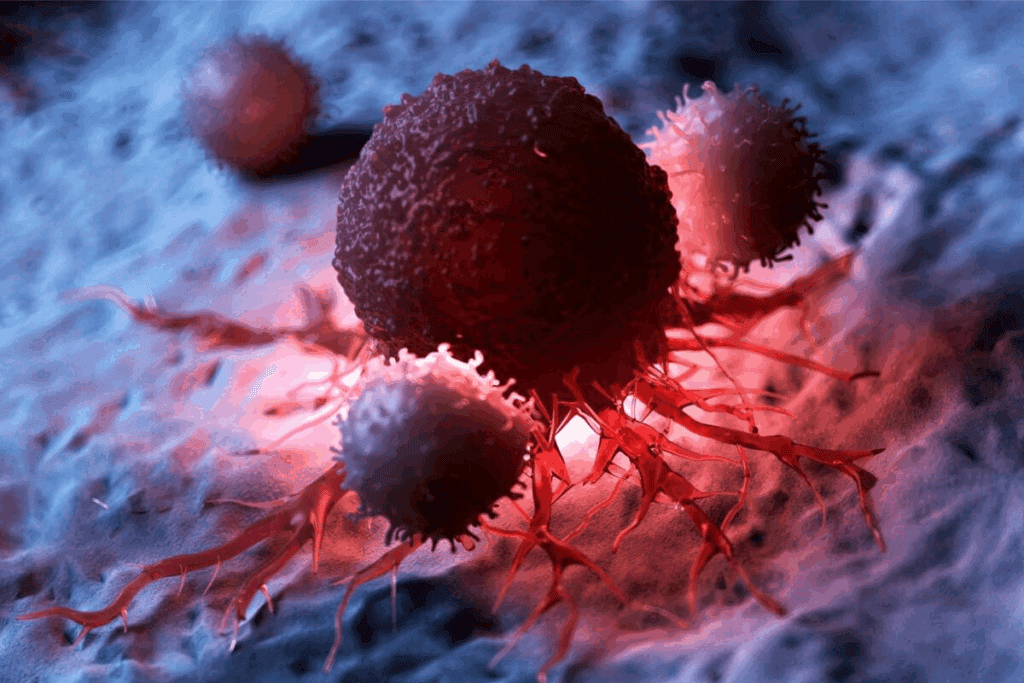
Oral cancer is a serious issue that affects the mouth and throat. It includes many types of cancers. These can happen in different parts of the oral cavity and oropharynx.
Definition and Types of Oral Cavity Cancer
Oral cavity cancer happens in the mouth. This includes the lips, tongue, and gums. The most common type is oral squamous cell carcinoma. It starts in the lining of the mouth.
Other types include:
- Oropharyngeal cancer, which affects the throat at the back of the mouth.
- Verrucous carcinoma, a rare cancer that often affects the gums or mouth.
- Minor salivary gland cancers, which happen in the mouth’s salivary glands.
Anatomical Sites Most Commonly Affected
Oral and oropharyngeal cancers often occur in certain areas. The American Cancer Society says the most common sites are:
| Anatomical Site | Frequency of Occurrence |
|---|---|
| Tongue | High |
| Tonsils | Moderate to High |
| Gums | Moderate |
| Floor of the mouth | Moderate |
| Other parts of the mouth | Variable |
These areas are key for eating, speaking, and swallowing. This makes oral cancer a big health worry.
Oral Cancer Prevalence in the United States
Oral cancer is on the rise in the U.S. The American Cancer Society predicts a large number of new cases in 2025. This calls for a closer look at current trends and future projections.
59,660 New Cases Expected in 2025
The American Cancer Society estimates 59,660 new cases of oral cancer in 2025. This shows a steady increase in oral cancer cases. Over the past decades, the number of new cases has gone up.
Key Statistics for 2025:
| Category | Number |
|---|---|
| New Cases of Oral Cavity or Oropharyngeal Cancer | 59,660 |
Historical Trends in Oral Cancer Incidence
Oral cancer incidence has been rising. Rates have gone up by about 1% each year, starting in the mid-2000s. This trend highlights the need for more awareness and prevention.
“The increasing incidence of oral cancer emphasizes the importance of awareness, early detection, and prevention strategies.” American Cancer Society
Several factors contribute to the rise in oral cancer cases. Changes in lifestyle and exposure to risk factors play a role. Understanding these trends is key to effective public health strategies.
As we look ahead, it’s vital to keep an eye on these trends. Supporting research into oral cancer causes and treatments is also important. This way, we can work to lower the incidence and impact of this disease.
Oral Cancer Mortality Rate: Understanding the Numbers
The oral cancer mortality rate shows how big of a problem it is for public health. Looking at the numbers, we see that oral cancer is a big threat to many people.
Annual Death Toll
In 2025, we expect 12,770 deaths from oral cavity or oropharyngeal cancer, says the American Cancer Society. This number shows how serious oral cancer is as a health issue.
Mortality Rate Statistics
The death rate for oral cancer is 2.7 per 100,000 men and women per year. Here’s a table that shows the death rate and expected deaths from oral cancer.
| Year | Expected Deaths | Mortality Rate per 100,000 |
|---|---|---|
| 2025 | 12,770 | 2.7 |
It’s important for doctors, researchers, and everyone to understand these numbers. By looking at the death rate and number of deaths, we can see how well treatments work. We also see the need for more awareness and ways to prevent it.
Is Oral Cancer Deadly? Survival and Fatality Facts
Oral cancer raises a big question: is it deadly, and what are the survival chances? It has a big impact on patients’ lives. Knowing its fatality rate is key for both patients and healthcare providers.
Can You Die From Oral Cancer? The Reality
Oral cancer is a serious and potentially life-threatening disease. The five-year survival rate is about 40 to 50 percent. This means about 50 to 60 percent of people diagnosed may live for five years or more after diagnosis.
The survival rate changes a lot based on when the cancer is found. Early detection leads to a much higher survival rate. This shows how important it is to catch it early and get medical help quickly.
Factors That Influence Fatality Risk
Several things affect how likely oral cancer is to be fatal. These include:
- The stage of cancer at diagnosis
- The patient’s overall health and presence of comorbidities
- Lifestyle factors such as tobacco and alcohol use
- The effectiveness of the treatment plan
Knowing these factors is key for understanding the prognosis and creating an effective treatment plan. For example, patients who keep using tobacco or alcohol after diagnosis may face a worse prognosis than those who quit or cut down.
Also, the patient’s HPV status can affect their prognosis. HPV-positive oral cancers usually have a better outlook than HPV-negative ones.
By considering these factors and understanding oral cancer’s deadliness, patients and healthcare providers can work together. This can improve survival chances and lower the risk of death.
Global Perspective on Mouth Cancer Statistics
Oral cancer is a big health problem worldwide. It affects different places in different ways. We look at the global mouth cancer stats, its ranking, and the yearly impact.
Worldwide Incidence: 16th Most Common Cancer
Oral cancer is the 16th most common cancer globally. In 2022, there were about 389,846 new cases. This shows how common oral cancer is worldwide.
Global Distribution of Oral Cancer
| Region | Estimated New Cases | Percentage of Global Total |
|---|---|---|
| Asia | 220,000 | 56.4% |
| Europe | 70,000 | 18.0% |
| North America | 40,000 | 10.3% |
| South America | 30,000 | 7.7% |
| Africa | 20,000 | 5.1% |
| Oceania | 5,000 | 1.3% |
The table shows where oral cancer cases are most common. Asia has the most cases.
Global Mortality: 188,000 Deaths Annually
Oral cancer causes about 188,438 deaths each year. This is a big part of cancer deaths worldwide.
“Oral cancer is a major public health challenge globally, requiring concerted efforts for prevention, early detection, and treatment.” – World Health Organization
Knowing about mouth cancer worldwide is key to fighting it. By looking at cases and deaths, we can plan better. This helps us focus on areas and groups most at risk.
Demographic Patterns in Oral Cancer Cases
It’s key to know who gets oral cancer to fight it better. Oral cancer doesn’t hit everyone the same way. By looking at who gets it most, we can figure out why.
Gender Disparities: Higher Prevalence in Males
Men get oral cancer way more than women. This shows there are big differences in who gets it. These might be because of how people live or their genes.
There are many reasons for this gap. Things like how people use tobacco and drink alcohol play a big part. These habits are more common in men.
Age Distribution and Risk Correlation
Getting oral cancer gets more likely as you get older. Most people get it when they’re 64. This shows how long-term risks and age-related changes play a role.
Older people face bigger challenges when they get it. They might have other health problems and the disease could be more serious. So, doctors need to know how age affects oral cancer to help better.
Looking at who gets oral cancer helps us understand it better. This info is key for making prevention plans and helping patients more.
How Rare Is Oral Cancer? Lifetime Risk Assessment
Oral cancer is not as common as other cancers. Knowing how rare it is helps us understand it better. This knowledge guides efforts to fight the disease.
Lifetime Risk of Developing Oral Cancer
The chance of getting oral cancer differs by gender. Men face a 1 in 59 risk, while women have a 1 in 139 chance. Overall, the risk is about 1.2%.
Let’s compare oral cancer risk to other cancers. Here’s a table showing the lifetime risk for different cancers:
| Cancer Type | Lifetime Risk for Men | Lifetime Risk for Women |
|---|---|---|
| Oral Cavity/Oropharyngeal Cancer | 1 in 59 | 1 in 139 |
| Breast Cancer | 1 in 833 | 1 in 8 |
| Prostate Cancer | 1 in 8 | N/A |
| Lung Cancer | 1 in 15 | 1 in 17 |
Comparative Rarity Among Cancer Types
Oral cancer makes up about 3% of new cancer cases in the U.S. It’s not the most common, but it’s serious. Early detection is key to saving lives.
Understanding oral cancer’s rarity helps us focus our efforts. It guides research, screening, and treatment. This knowledge also helps us teach the public about early detection and prevention.
Key Risk Factors Driving Oral Cancer Rates
Oral cancer is a complex disease. It is influenced by genetics, environment, and lifestyle. Knowing the risk factors is key to preventing it.
Tobacco Use: The Primary Contributor
Tobacco use is the biggest risk for oral cancer. It includes cigarettes, cigars, and smokeless tobacco. Tobacco has harmful chemicals that can cause cancer in the mouth.
Tobacco cessation programs are vital. Quitting tobacco can greatly lower the risk of oral cancer and other diseases.
Alcohol Consumption and Combined Effects
Alcohol is also a major risk factor for oral cancer. When used with tobacco, the risk goes up even more. Alcohol can harm the mouth’s lining, raising cancer risk.
The danger of tobacco and alcohol together is greater than each alone. This shows why tackling both is important in prevention.
HPV Infection: A Growing Concern
HPV, mainly HPV-16, is a big risk for some oral cancers. It’s more common in younger people and linked to changes in sexual behavior.
HPV vaccines help prevent cervical cancer and some oral cancers. Knowing about HPV and oral cancer can encourage vaccination and lower related cancer rates.
Survival Statistics for Oral Cancer Patients
The outlook for oral cancer patients depends a lot on when they are diagnosed. Knowing survival stats helps both patients and doctors make better choices about treatment.
Five-Year Survival Rate
The five-year survival rate shows how many patients live at least five years after being diagnosed. Right now, about 40 to 50 percent of oral cancer patients make it past five years. This means out of 100 people with oral cancer, 40 to 50 will likely live for five years or more.
Stage at Diagnosis and Survival Correlation
The stage of oral cancer diagnosis greatly affects survival chances. Patients diagnosed early (Stages I or II) have a better chance than those diagnosed later (Stages III or IV). For example, survival rates are much higher for Stage I than Stage IV. Early detection is key to better survival chances.
Here are some survival rates based on diagnosis stage: – Stage I: 70-80% five-year survival rate – Stage II: 50-60% five-year survival rate – Stage III: 30-40% five-year survival rate – Stage IV: 10-20% five-year survival rate
These numbers highlight the need for early detection and quick action to improve survival rates for oral cancer patients.
Early Detection and Prevention Strategies
Improving survival rates for oral cancer starts with early detection and prevention. Knowing how to detect it early and using prevention methods can greatly reduce its impact. This can lead to fewer cases and lower death rates from oral cancer.
Screening Methods and Warning Signs
Screenings and knowing the warning signs are key to catching oral cancer early. Screening methods include visual checks by doctors, which spot early signs of cancer. Regular dental visits, which include oral cancer screenings, are important, but even more so for those at higher risk like smokers or those with HPV.
Some common warning signs of oral cancer include:
- Persistent mouth sores or ulcers
- Unexplained bleeding in the mouth
- White or red patches on the gums, tongue, or lining of the mouth
- Difficulty swallowing or chewing
- Numbness or pain in the mouth or lips
Spotting these signs and telling a healthcare provider can help catch and treat oral cancer early.
Risk Reduction Through Lifestyle Changes
Preventing oral cancer is just as important as detecting it early. Lifestyle changes are key to prevention. Quitting tobacco use is a major step, as it’s a big risk factor. Drinking less alcohol also helps.
Other ways to prevent include:
- Maintaining good oral hygiene
- Avoiding excessive sun exposure to the lips
- Eating a balanced diet rich in fruits and vegetables
- Getting vaccinated against HPV
By making these lifestyle changes and focusing on oral health, you can lower your risk of oral cancer.
Conclusion: The Importance of Oral Cancer Awareness
Oral cancer is a serious health issue with high death rates. Raising awareness can help find it early and save lives. This shows why we need to educate the public and fund research.
We’ve looked at how common oral cancer is, its death rates, and what increases the risk. This highlights why knowing about it is key to fighting it.
Knowing about oral cancer risks helps people avoid it. We should keep supporting research and education to find better ways to diagnose and treat it. Together, we can lower the number of cases and deaths from oral cancer.
In short, spreading the word about oral cancer is vital. We must keep teaching people and backing research to fight this disease. This way, we can help those affected and aim for better results for oral cancer patients in the future.
FAQ
What is oral cancer?
Oral cancer, also known as mouth cancer, is cancer in the mouth’s tissues. This includes the lips, tongue, cheeks, gums, and throat.
How common is oral cancer?
Oral cancer is not as common as other cancers. But, its numbers are growing. We expect a lot of new cases in 2025.
Can you die from oral cancer?
Yes, oral cancer can be deadly if caught late. It causes many deaths each year.
What are the risk factors for oral cancer?
Main risks include tobacco, alcohol, and HPV. These increase your chance of getting oral cancer, more so when combined.
How can oral cancer be prevented?
Avoid tobacco and too much alcohol. Keep your mouth clean. Regular dental visits can catch it early.
What are the symptoms of oral cancer?
Look out for mouth sores, lumps, or trouble swallowing. If you notice these, see a doctor.
What is the survival rate for oral cancer?
Survival rates vary by diagnosis stage. Early detection can lead to better outcomes.
How is oral cancer diagnosed?
Doctors use exams, imaging, and biopsies to diagnose. Early detection is key for treatment.
Is oral cancer deadly if diagnosed at an early stage?
Early diagnosis makes treatment more effective. Survival rates are much higher.
Are there any demographic patterns in oral cancer cases?
Yes, it affects more men and older people. Knowing this helps focus on prevention and detection.
What is the global burden of oral cancer?
Oral cancer is a big health issue worldwide. It causes millions of cases and thousands of deaths each year.
References
National Center for Biotechnology Information. Oral Cancer Incidence and Mortality: A Growing Global Concern. Retrieved from https://pubmed.ncbi.nlm.nih.gov/33538338/)




