

Seeing white patches or rough spots in your mouth can worry you. Oral keratosis affects the tongue, gums, and inner mouth. It’s more common than many think. This is your ultimate treatment guide for oral keratosis. Learn the causes, types, and vital treatment steps for this condition.
Recent studies show that about 71.62% of white spots in the mouth are due to keratosis. At Liv Hospital, we offer trusted care for oral health. We focus on you, the patient.
Knowing about keratosis and how to treat it is key. Our guide will walk you through it step by step. This way, you can easily follow along.
Key Takeaways
- Understanding oral keratosis is key to managing it well.
- Frictional keratosis is a main reason for white spots in the mouth.
- Liv Hospital provides expert care for oral health issues.
- Our step-by-step guide will help you manage keratosis.
- We put our patients first at Liv Hospital.
What Is Oral Keratosis?
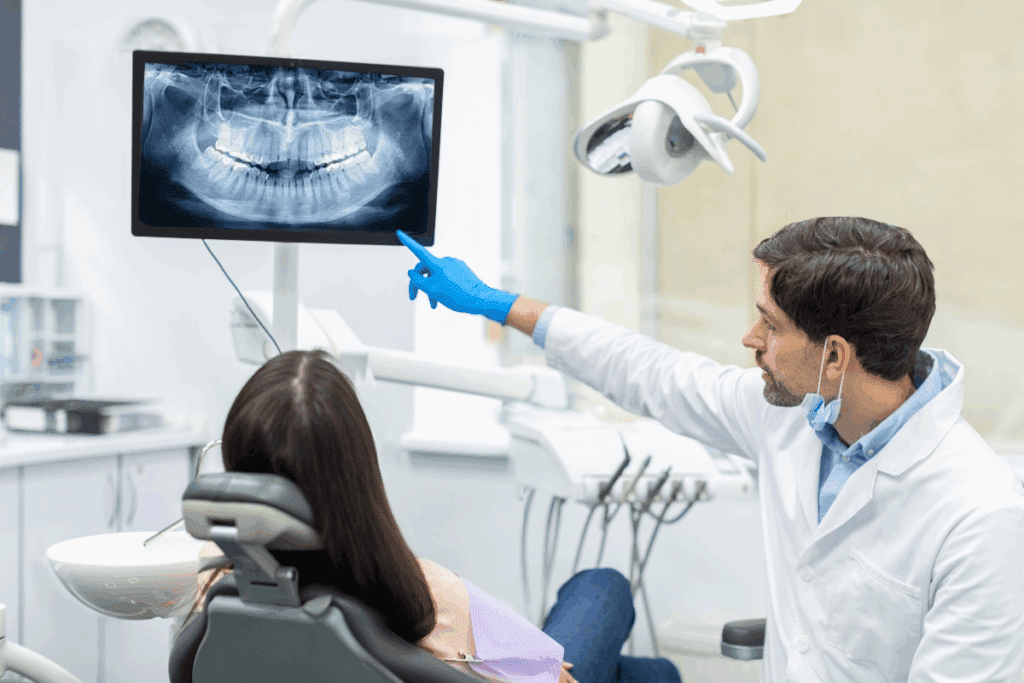
Oral keratosis is a condition where the keratin layer in the mouth gets thicker than usual. This happens due to chronic irritation or friction. It’s a common issue that affects many people.
Definition and Clinical Significance
Oral keratosis is marked by the presence of keratotic lesions in the mouth. These can appear on the tongue, gums, and inside the cheeks. While most are harmless, they can sometimes signal a more serious problem.
This condition is often linked to hyperkeratosis of the tongue and other parts of the mouth. Hyperkeratosis is when the keratin layer gets thicker due to constant irritation.
Prevalence Across Age Groups
Research shows that frictional keratosis, a type of oral keratosis, affects people differently based on age. In kids and teens, it’s seen in 0.26% to 5.3% of the population. For adults, it’s more common, affecting 2.67% of the population. This makes it the fourth most common mouth lesion.
- Frictional keratosis is more common in areas subjected to mechanical stress.
- The condition can be observed in various age groups, with varying prevalence rates.
- Understanding the prevalence helps in diagnosing and managing the condition effectively.
Benign Nature of Most Lesions
Most oral keratosis lesions are not harmful and don’t need urgent attention. Yet, it’s important to watch them closely. This ensures they don’t turn into something more serious. Treatment usually aims to remove the cause and keep an eye on the lesions.
Some key points to consider include:
- The importance of a professional diagnosis to determine the nature of the lesion.
- The role of chronic mechanical irritation in the development of oral keratosis.
- The need for regular monitoring to ensure that the lesions do not progress or change in character.
Common Types of Oral Keratosis
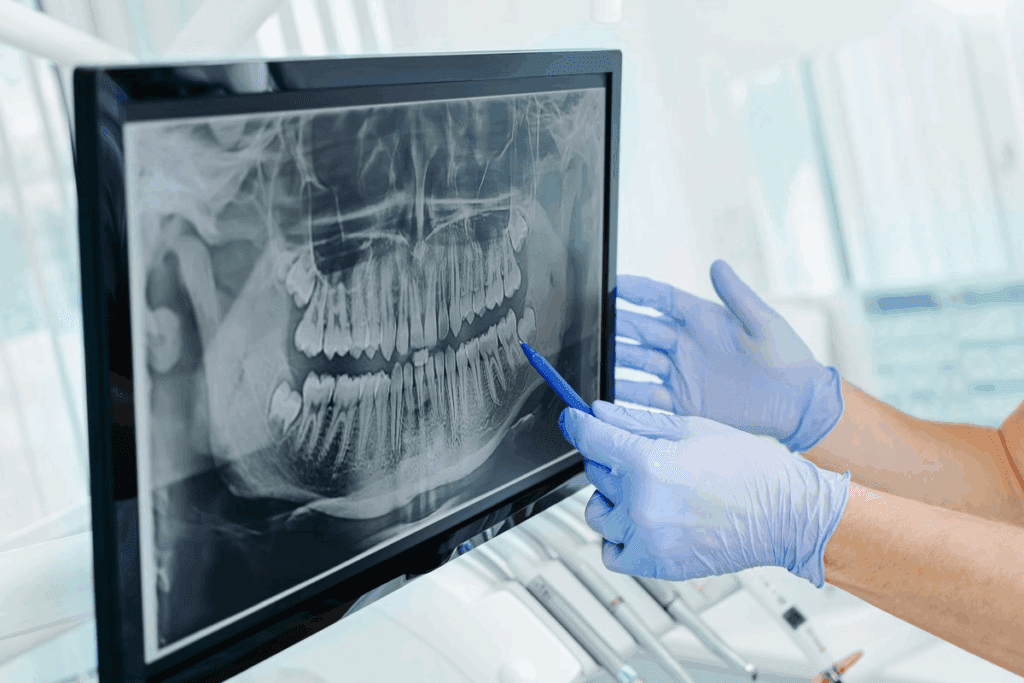
It’s important to know about the different types of oral keratosis. This knowledge helps in managing and treating these conditions. Oral keratosis includes various conditions, each with its own causes and signs.
Frictional Keratosis
Frictional keratosis is the most common type, making up about 71.62% of white oral lesions. It happens due to chronic mechanical irritation. This can be from habits like cheek or tongue biting, or from dental appliances that don’t fit right. It’s a body’s way of reacting to repeated friction or trauma in the mouth.
Hyperkeratosis of the Tongue
Hyperkeratosis of the tongue is when the tongue’s keratin layer gets too thick. It can be caused by irritation from sharp teeth or dental appliances, or by habits like tongue biting. Keeping the mouth clean and avoiding irritants helps manage this condition.
Keratosis of the Gums
Keratosis of the gums, or gingival keratosis, happens from chronic irritation or trauma to the gums. This could be from dentures that don’t fit well, rough dental restorations, or brushing too hard. Good oral hygiene and regular dental visits are key to preventing and managing this condition.
Buccal Mucosa Keratosis
Buccal mucosa keratosis affects the lining of the cheeks. It’s often linked to habits like cheek biting or chewing on the cheek’s inner lining. Avoiding these habits and managing stress can help reduce its occurrence.
Recognizing the Signs and Symptoms
Oral keratosis can show up in different ways. It’s important to know its signs and symptoms. This condition often appears as white patches or lesions in the mouth, which can worry many people.
Visual Characteristics to Look For
When checking the mouth for oral keratosis, look for certain signs. These include:
- White or grayish patches on the mucosa, tongue, or gums
- Thickening of the oral mucosa, which may appear as a rough surface
- Lesions that cannot be wiped off, distinguishing them from other oral conditions
Sensation and Discomfort Levels
Oral keratosis is often without symptoms, but some people may feel:
- A feeling of roughness or dryness in the mouth
- Mild irritation, if the lesion is rubbed or irritated
- In some cases, patients might notice a slight change in the texture of their tongue or the inside of their cheeks
It’s important to remember that not feeling pain doesn’t mean it’s safe. Many cases of oral keratosis are harmless but need a doctor’s check-up.
Differentiating from Potentially Serious Conditions
Telling oral keratosis apart from serious conditions like leukoplakia or oral cancer is key. Most oral keratosis lesions are harmless and get better with treatment. But, a doctor’s diagnosis is needed to rule out serious conditions.
Key differences to look out for include:
- The presence of redness or inflammation around the lesion
- Ulceration or bleeding, which is less common in benign keratosis
- Changes in the size or texture of the lesion over time
Medical experts stress the importance of early detection and accurate diagnosis. “A thorough examination and, when necessary, a biopsy can provide a definitive diagnosis, helping to alleviate patient concerns and guide appropriate treatment,” as would be highlighted in clinical guidelines.
Understanding the Causes of Oral Keratosis
Oral keratosis is caused by several key factors. It’s a condition where the mouth’s mucous membrane thickens. Knowing these causes helps in preventing and treating it.
Chronic Mechanical Irritation
Chronic mechanical irritation is a major cause of oral keratosis. This can happen from rough teeth, dental work, or habits. The mucous membrane gets irritated, leading to keratotic lesions. Frictional hyperkeratosis is what happens when friction causes this.
Habitual Cheek and Tongue Biting
Biting your cheek or tongue can cause oral keratosis. These habits lead to repeated trauma, prompting a protective response. Being aware of these habits is the first step to prevent them.
Ill-Fitting Dental Appliances
Ill-fitting dental appliances, like dentures, can also cause oral keratosis. They rub against the mucous membranes, causing irritation. Getting dental appliances properly fitted is key to preventing this.
Other Contributing Factors
While mechanical irritation is a main cause, other factors also play a role. Tobacco use, for example, can lead to keratosis. Systemic conditions or nutritional deficiencies might also influence it, though less directly.
Understanding oral keratosis, including hyperkeratosis mouth and keratosis in the mouth, helps prevent it. It’s important to know the risks of frictional keratosis mouth and get advice from a healthcare professional.
Professional Diagnosis Process
Getting an accurate diagnosis for oral keratosis is key for good treatment and care. We know a detailed check-up is needed to spot the condition and rule out serious problems.
Initial Dental Examination
The first step in diagnosing oral keratosis is a full dental check-up. We look for signs like white patches or lesions on the mouth, tongue, or gums. We also ask about your medical history to find out what might be causing it.
During the check-up, we might use these criteria:
| Diagnostic Criteria | Description |
|---|---|
| Visual Inspection | Examining the oral cavity for visible lesions or patches |
| Medical History | Reviewing the patient’s medical history to identify possible causes |
| Clinical Evaluation | Checking the texture, size, and location of the lesions |
When Biopsy May Be Necessary
In some cases, a biopsy is needed to confirm oral keratosis or to check for precancerous or cancerous conditions. This means taking a small tissue sample for a microscope check.
“A biopsy is a key tool for figuring out oral lesions, helping us make the right treatment choices.”
Ruling Out Precancerous Conditions
We’re careful when diagnosing oral keratosis, thinking about the chance of precancerous or cancerous conditions. If we’re unsure, we might suggest more tests, like a biopsy, to get a clear diagnosis.
By sticking to this diagnosis process, we make sure patients get the right diagnosis and treatment plan for oral keratosis. This includes tongue keratosis and hyperkeratosis oral.
Step-by-Step Treatment for Oral Keratosis
Treating oral keratosis needs a detailed plan that tackles symptoms and causes. Knowing the condition helps us create a treatment that heals and stops it from coming back.
Identifying and Eliminating Causative Factors
The first step is to find and fix what causes oral keratosis. Chronic mechanical irritation is a big one, often from rough teeth or bad dental fits. Fixing these problems helps the area heal.
“Getting rid of the irritation is key to managing oral keratosis,” it lets the mucosa heal.
Professional Treatment Options
Doctors may use medicated mouth rinses or creams to treat oral keratosis. Sometimes, a biopsy is needed to check for serious issues. These treatments help manage the condition and avoid problems.
Home Care Protocols
Good oral hygiene is vital for managing oral keratosis. Brushing and flossing regularly, and avoiding irritants like tobacco and spicy foods, helps. These steps support the treatment and aid in healing.
- Brush teeth at least twice a day with a soft-bristled toothbrush
- Floss daily to remove food particles and plaque
- Avoid tobacco products and limit consumption of spicy or acidic foods
Monitoring Healing Progress
Seeing a dentist regularly is important to track oral keratosis healing. This lets us adjust the treatment as needed for the best results and to prevent it from coming back.
“Regular monitoring is key to successful treatment, as it allows for timely adjustments to the treatment plan.”
Specific Approaches for Hyperkeratosis of the Tongue
Hyperkeratosis of the tongue can be managed with gentle cleaning and targeted treatments. This condition makes the tongue’s surface thick due to irritation or friction. By treating the cause and using the right care, symptoms can lessen and healing can start.
Gentle Tongue Cleaning Techniques
Cleaning your tongue gently is key in managing hyperkeratosis on the tongue. Use a soft-bristled toothbrush or a tongue scraper to remove bacteria and debris. Be gentle to avoid more irritation. Cleaning daily, as part of your oral hygiene routine, can help thin out the keratotic lesions.
Using a tongue brush with flexible bristles can help. Some people also find that a mild antiseptic mouthwash after cleaning helps by reducing bacteria.
Topical Treatments and Rinses
Topical treatments are important for tongue keratosis. We suggest using agents that reduce keratinization and promote health. Mouthwashes or gels with salicylic acid or retinoids can gently remove thick layers.
Rinsing with salt water or a sodium bicarbonate solution can also help. These rinses soothe the tongue, reduce inflammation, and prevent keratotic lesions. Always follow a healthcare professional’s advice for the best treatment.
Dietary Modifications to Reduce Irritation
Changing your diet is key in managing frictional keratosis on the tongue. Avoid spicy, acidic, or sharp foods to reduce irritation. Eat a balanced diet with fruits, vegetables, and whole grains for better oral health.
Drinking plenty of water is also important. It helps keep saliva production up, protecting the mouth. Some foods or habits, like hot drinks or tobacco, can make things worse. Avoiding these can help manage tongue keratosis.
Managing Keratosis of the Gums and Oral Mucosa
To manage keratosis of the gums and oral mucosa, it’s essential to adopt specialized oral hygiene practices. You should also undergo professional dental interventions and resolve any dental appliance issues.
Specialized Oral Hygiene Practices
Good oral hygiene is key in managing keratosis. This includes:
- Brushing teeth at least twice a day with a soft-bristled toothbrush
- Using a fluoride toothpaste
- Flossing daily to remove food particles and plaque
- Rinsing with an antibacterial mouthwash
Professional Dental Interventions
Regular dental check-ups are vital for managing keratosis. Professional interventions may include:
| Procedure | Description | Benefits |
|---|---|---|
| Scaling and Root Planing | Deep cleaning of teeth and roots | Reduces plaque and tartar, promotes healing |
| Adjusting Dental Appliances | Modifying ill-fitting dentures or orthodontic devices | Reduces irritation to gums and oral mucosa |
| Biopsy | Examining tissue samples for abnormal cell changes | Helps in early detection of potentially serious conditions |
Addressing Dental Appliance Issues
Ill-fitting dental appliances can make keratosis worse. We recommend:
- Regularly checking and adjusting dental appliances
- Using mouthguards or splints to reduce friction and irritation
- Consulting a dentist for professional advice on managing dental appliance-related issues
By implementing these strategies, individuals can effectively manage keratosis of the gums and oral mucosa. This reduces discomfort and promotes oral health.
When to Seek Professional Help
Oral keratosis is usually not serious, but sometimes you need to see a doctor. Knowing when to get help is important.
Warning Signs That Require Immediate Attention
Some changes in oral keratosis need quick doctor visits. These include:
- Changes in the size, color, or texture of the lesion
- Persistent discomfort or pain in the affected area
- Difficulty swallowing or speaking due to the lesion’s location or size
- Bleeding or ulceration within the lesion
If you notice these signs, see a dentist who knows about mouth hyperkeratosis and keratosis on tongue.
Finding the Right Specialist
Finding the right dentist for oral keratosis is key. Look for someone who:
- Specializes in oral medicine or oral pathology
- Has dealt with cases like yours before
- Stays current with new research and treatments for hyperkeratosis mouth conditions
Questions to Ask Your Dentist
Ask the right questions when you see your dentist. This helps you understand your condition and treatment. Ask about:
- What is the likely cause of my oral keratosis?
- Are there any additional tests or examinations needed?
- What treatment options are available for my specific case?
- How can I manage symptoms and prevent progression?
Follow-up Care Recommendations
After seeing a dentist, follow their care plan closely. This may include:
- Regular follow-up appointments to monitor the condition
- Adjustments to your oral hygiene routine
- Avoiding irritants that may exacerbate the condition
Being proactive and informed helps manage oral keratosis well. This keeps your mouth healthy.
Conclusion
Understanding and managing oral keratosis is key for good oral health. We’ve given a step-by-step guide on treating it. This includes recognizing signs, understanding causes, and following a treatment plan.
Oral keratosis, like hyperkeratosis of the tongue and keratosis in the mouth, can be managed. Identifying and removing causes is important. Professional treatments and home care are also vital.
With the right care, most oral keratosis cases can be managed well. This improves oral health and overall well-being. It’s important to work with a dental professional for a personalized plan and to track progress.
Following the guidelines in this article is a good start for managing oral keratosis. Regular check-ups and good oral hygiene are essential. They help prevent keratosis from coming back.
FAQ
What is oral keratosis and is it serious?
Oral keratosis is when the outer layer of the mouth’s mucous membranes gets thicker than usual. Most of the time, it’s not serious. But, it’s important to see a professional to make sure it’s not something worse.
What are the common types of oral keratosis?
There are a few types, like frictional keratosis and hyperkeratosis of the tongue. Each type looks different and needs its own treatment plan.
How can I recognize the signs and symptoms of oral keratosis?
You might see white or gray patches in your mouth that feel rough. Sometimes, it might not hurt at all. It’s key to know the difference from other serious issues.
What causes oral keratosis?
It can be from biting your cheeks or tongue too much, or from dental appliances that don’t fit right. Knowing why it happens helps in treating it.
How is oral keratosis diagnosed?
A dentist will first do a thorough check-up. Sometimes, a biopsy is needed to check for cancer.
What is the treatment for oral keratosis?
Treatment starts with finding and fixing what’s causing it. Dentists might remove irritants. You also need to take care of your mouth at home. Watching how it heals is important too.
How can hyperkeratosis of the tongue be managed?
Clean your tongue gently, use special treatments, and change your diet to avoid irritation. These steps help your tongue heal and feel better.
What are the best practices for managing keratosis of the gums and oral mucosa?
Use special mouth care, see a dentist, and fix any dental appliance problems. These steps help manage keratosis in these areas.
When should I seek professional help for oral keratosis?
Get help if you see changes in your mouth, feel pain, or worry about your mouth health. Regular dentist visits are a good idea.
How can I prevent oral keratosis?
Keep your mouth clean, avoid biting your cheeks or tongue, and make sure your dental appliances fit right. Regular dentist visits help catch and manage it early.
Can mouth keratosis be a sign of something more serious?
Most oral keratosis is not serious, but some types might increase cancer risk. A dentist needs to check it out.
What is frictional keratosis?
Frictional keratosis is caused by constant rubbing, like from rough teeth or bad dental appliances. It’s the most common type.
Is hyperkeratosis of the tongue painful?
It can be painless or cause some discomfort, depending on how bad it is and where it is.
References
World Health Organization. Evidence-Based Medical Guidance. Retrieved from https://www.who.int/news-room/fact-sheets/detail/oral-diseases