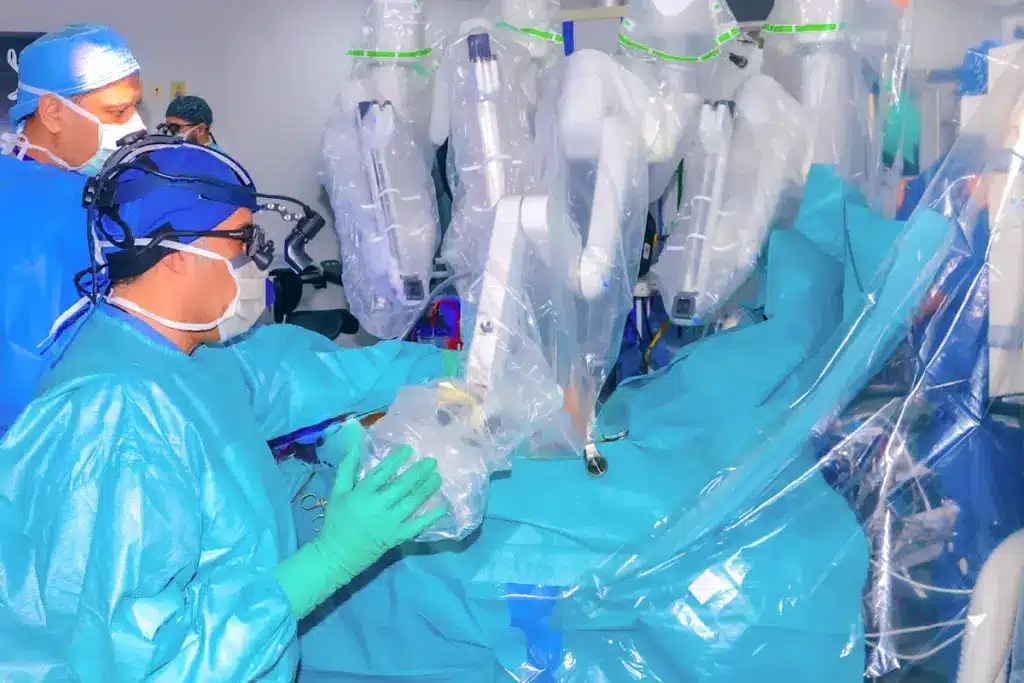
Transplant surgery, also known as organ transplant, is a complex medical procedure. It replaces a failing or damaged organ with a healthy one from a living or deceased donor. This surgery is a beacon of hope for thousands of patients worldwide.
Becoming an orgaan donor is vital. Learn the best essential ways to ensure a safe and life-saving gift for those in major medical need today.
In 2024, the United States saw a significant milestone. Over 48,000 organ transplants were performed, a new peak in transplant surgery history. Yet, more than 120,000 patients are waiting, hoping for a new life.
We know how important transplant surgery is. It changes patients’ lives. As a leading healthcare provider, we’re dedicated to top-notch medical treatments and support.
Key Takeaways
- Transplant surgery is a complex procedure that replaces a damaged organ with a healthy one.
- In 2024, over 48,000 organ transplants were performed in the U.S.
- Despite the progress, over 120,000 patients are waiting for a transplant.
- Transplant surgery offers a new lease on life for patients with failing organs.
- Leading healthcare providers are shaping the future of transplant surgery with innovative treatments and care.
The Definition and Significance of Transplant Surgery
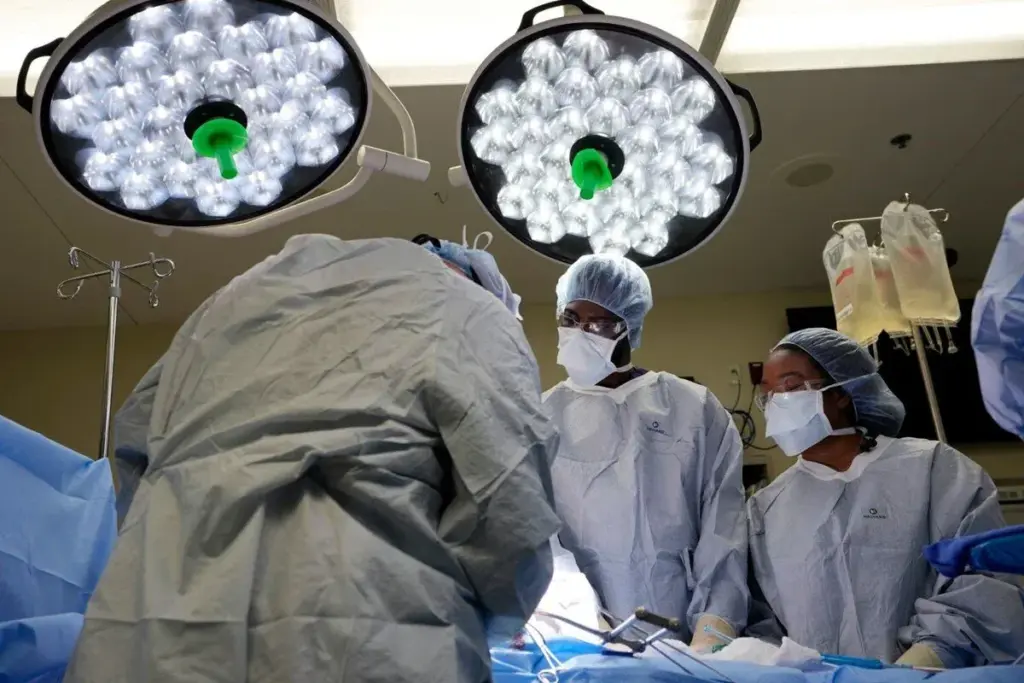
Organ transplantation is a complex medical procedure. It involves replacing a sick or damaged organ with a healthy one from a donor. This surgery is key in treating serious conditions, giving patients a new chance at life. It’s not just about saving lives; it also improves the quality of life for those who receive transplants.
Medical Definition and Basic Concepts
Transplantation means moving an organ or tissue from one place to another, or from one person to another. It includes different types of transplants, like moving tissue within the same body or between different people. The success of transplant surgery depends on several factors, including the compatibility between the donor and recipient, the surgical technique, and post-operative care.
Transplantation is not a new idea. But, thanks to better immunosuppression and surgery, outcomes have greatly improved. The main idea is to replace a failing organ with a healthy one, helping the body work right again.
Historical Evolution of Transplantation
The history of transplant surgery is one of steady progress and important milestones. The first successful organ transplant was a kidney transplant in 1954 by Medical Expert. David Hume. This pioneering work laid the foundation for modern transplant surgery. Today, we can transplant many organs, like the liver, heart, lungs, pancreas, and intestines.
Over the years, transplant surgery has made huge strides. We have better drugs to prevent rejection, better ways to keep organs alive, and improved surgery techniques. In 2024, over 48,000 organ transplants were done, showing how vital this treatment is.
Major Types of Organ Transplants
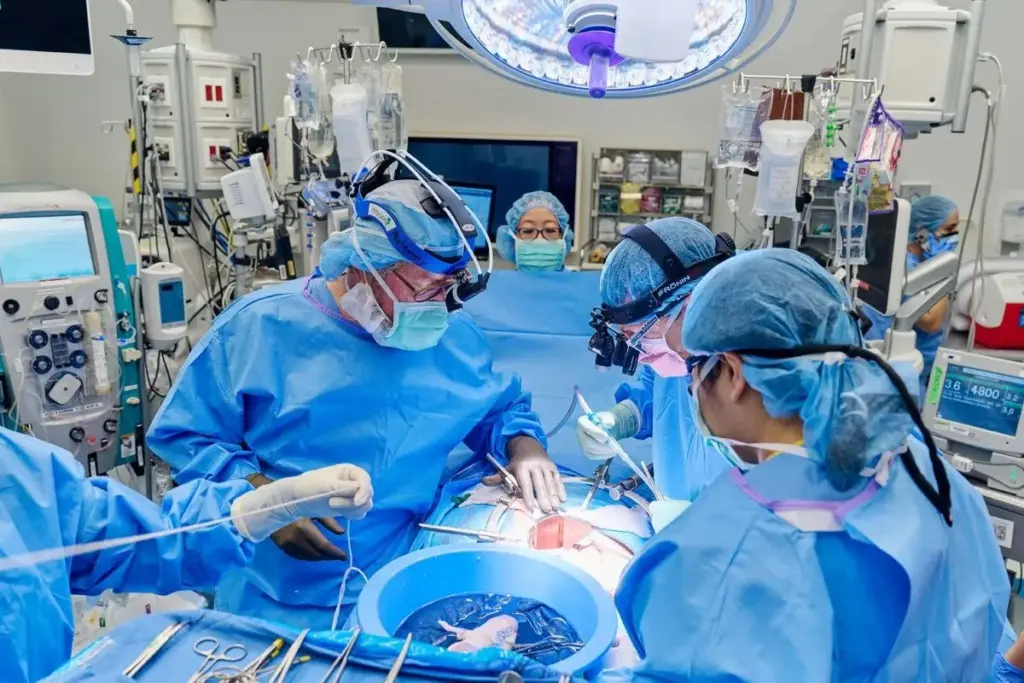
Organ transplant procedures like kidney, liver, heart, and lung transplants have changed many lives. They help patients with failing organs. These surgeries are key for those with severe organ failure.
Kidney Transplantation: The Most Common Procedure
Kidney transplants are the most common. They help those with kidney failure. A healthy kidney replaces a failing one from a donor.
Thousands of kidney transplants happen in the U.S. each year. It’s for those with chronic kidney disease and on dialysis. A transplant can end dialysis, improving health and life quality.
Liver Transplantation: Second Most Frequent
Liver transplants are the second most common. They help those with severe liver disease. The liver’s complex role makes this transplant challenging but lifesaving.
It’s for patients with cirrhosis, liver cancer, and genetic liver disorders. A healthy liver replaces the failing one. Careful post-transplant care is key for success.
Heart Transplantation: For End-Stage Heart Failure
Heart transplants help those with failing hearts. Heart diseases like coronary artery disease lead to this. A healthy heart replaces the failing one.
Choosing heart transplantation is a big decision. It’s based on the patient’s health and heart condition. A successful transplant can greatly improve life and survival.
Lung Transplantation: Breathing New Life
Lung transplants help those with severe lung diseases. Diseases like COPD and cystic fibrosis are treated this way. Healthy lungs replace the diseased ones.
It’s considered when other treatments fail. The transplant can greatly improve breathing and life quality. But, it requires careful management to prevent rejection.
Less Common Transplant Procedures
<SEP-7170_image_4>
Transplants like pancreas and corneal ones help many people. They are not as common as kidney or liver transplants. But, they greatly improve life for those who need them.
Pancreas and Intestinal Transplantation
Pancreas transplants help type 1 diabetes patients. They can cure diabetes by controlling blood sugar. Studies show these transplants greatly improve life for diabetics
Intestinal transplants are for those with intestinal failure. This can be due to Crohn’s disease or losing a big part of the intestine. This surgery is very complex and needs careful planning.
|
Transplant Type |
Primary Indication |
Benefits |
|---|---|---|
|
Pancreas Transplant |
Type 1 Diabetes |
Restores normal glucose regulation |
|
Intestinal Transplant |
Intestinal Failure |
Restores intestinal function |
Corneal Transplants: Restoring Vision
Corneal transplants replace a damaged cornea with healthy tissue. This can fix vision problems, make the eye look better, and stop pain.
Emerging Fields: Face, Hand, and Stomach Transplants
Face transplants help those with severe facial damage. They give new tissue from a donor, making the face look better and improving life.
Hand transplants offer hope to those without limbs. They transplant a donor hand, letting people use their hands again.
Stomach transplants are rare but help those with severe stomach issues. They replace the stomach with a healthy one, making eating and digesting easier.
Understanding the “Organ Donor” Process
<SEP-7170_image_5>
Over 121,000 Americans are waiting for transplants as of early 2025. Becoming an organ donor can save lives. The process includes registration, consent, and understanding the emotional side of donation.
Registration and Consent Systems in the US
In the US, you can register to be an organ donor through a state’s donor registry or when you get or renew your driver’s license. The process is simple and asks for your personal and contact details. Consent is key, with many states assuming you’re okay with it unless you say no.
States have different ways to handle consent:
- First-person consent: Your choice is respected, no matter what your family thinks.
- Family involvement: Sometimes, families are asked to confirm your decision.
The Psychological Aspects of Becoming a Donor
Choosing to be an organ donor can deeply affect you and the person who gets your organs. For some, it’s comforting to think their death could save someone else. Others might worry about what happens to their body after they’re gone.
“The gift of life is a powerful symbol of hope and generosity. Organ donation allows individuals to leave a lasting legacy.”
Common Myths About Organ Donation
Many myths about organ donation might stop people from registering. Some common ones are:
- Thinking doctors won’t try as hard to save a donor’s life.
- Believing donation will make the body look different.
- Thinking certain religions don’t allow donation.
In truth, organ donation is a well-managed process that respects the donor’s body and choice. Most major religions see donation as a kind act.
Organ Donor Eligibility and Evaluation
To see if someone can be an organ donor, we check their health, age, and other factors. This is key to make sure the organs are good for transplant. It also keeps the recipient safe.
Medical Criteria for Possible Donors
The rules for being an organ donor are strict. Doctors look at the donor’s health history, current health, and if they have infectious diseases. This careful check helps find any risks and makes sure the organs can be used.
We also look at the donor’s blood type, how well their tissues match, and the size of their organs. These things help decide if the organs are a good match for the recipient.
Age and Health Considerations
Age and health are big parts of being a donor. There’s no age limit, but the donor’s health is more important. We check their health, including any long-term conditions or diseases.
We also look at the donor’s lifestyle and medical history. This helps us decide if their organs are good for transplant.
Exclusionary Conditions and Misconceptions
Some health issues can stop someone from being a donor. These include active cancer, severe infections, and major organ damage. But, having a health problem doesn’t mean you can’t donate; each case is looked at separately.
There are also wrong ideas about organ donation. Some think being a donor means doctors won’t try to save their life. But, organ donation only happens after all efforts to save a patient have failed. Knowing this can help more people think about donating.
The Transplantation Process: From Donor to Recipient
Transplantation is a complex process. It involves matching donors and recipients, getting and keeping organs ready, and doing the surgery. A team of healthcare experts works together to make sure it goes well.
Donor-Recipient Matching and Compatibility
Finding the right match between donor and recipient is the first step. We look at blood type, tissue type, and organ size. Compatibility is key to avoid rejection and make the transplant successful.
We use advanced tech to check donor and recipient data. This helps us find the best match. It’s important to lower the risk of problems and boost transplant success.
Organ Procurement and Preservation Techniques
After finding a good match, we get the donor organ. This means a surgery to take it out and then keeping it alive for the transplant.
We use the latest methods to keep the organ safe during transport. This might include cooling it or using special solutions to keep it working right.
The Surgical Procedure: What Happens in the Operating Room
The surgery is a key part of the transplant process. The surgical team works together carefully to do the transplant right.
In the surgery, the team connects the donor organ to the recipient’s blood vessels and other needed structures. They aim to get the recipient’s organ or system working again.
Immediate Post-Operative Care and Monitoring
After surgery, the recipient is watched closely in the ICU. Our team is always there to help with recovery.
Immediate post-operative care is very important in the first days after the transplant. This is when the risk of problems is highest. We keep a close eye on the recipient’s health to spot and fix any issues fast.
Life Before and After Transplant: Comparative Analysis
Getting a transplant changes a person’s life a lot. For those on dialysis, the treatment is tough. They have to go three times a week.
This routine is hard on the body and mind. It affects many parts of their life.
People on dialysis don’t live as long as those with a transplant. Dialysis is hard on the body. It raises the risk of serious health problems and death. But, a transplant can make life longer and better.
Dialysis 3 Times a Week: Life Expectancy and Quality
Dialysis is a lifesaver but it’s tough on patients. It makes them tired, limits their diet, and lowers their quality of life. It also increases the risk of heart disease, infections, and other serious issues.
On the other hand, transplant patients feel much better. They can stop dialysis and eat and drink more normally. This makes their life much better.
Post-Transplant Medication Regimens and Lifestyle Changes
After a transplant, patients take special medicines to keep their new organ working. These medicines are key but they also bring challenges. Patients must deal with side effects and stick to their medicine schedule.
After a transplant, patients need to make big lifestyle changes. They should eat well and exercise to keep their new organ healthy. These changes help them feel better and live more fully.
In short, getting a transplant is a big change. It moves patients from the hard life of dialysis to a life full of energy. Knowing about these changes helps patients, their families, and doctors take care of them better.
Transplant Surgery Statistics in the United States
In the United States, transplant surgery is a lifeline for thousands. It’s becoming more important as medical tech and surgery skills get better. The number of transplant surgeries keeps going up.
Record Transplant Numbers in 2024
In 2024, the U.S. hit a big milestone in transplant surgery. Over 48,000 transplants were done across the country. This is a big jump from before, showing how much people rely on transplant surgery to save lives.
A Growing Waiting List
Even with more transplants, the waiting list is a big worry. Right now, over 121,000 Americans are waiting for a transplant. We need to keep talking about organ donation to help solve this problem.
Impressive Survival Rates
Survival rates for transplant patients have really improved. Now, one-year survival rates are 84% to 95%, depending on the transplant type. These numbers show how far we’ve come in caring for transplant patients after surgery.
Five-Year Trends and Future Projections
Looking back five years, transplant numbers have gone up, and waiting list deaths have gone down. Data from organ transplantation statistics says this trend will keep going. It’s because of better medical tech and more people talking about organ donation.
Looking ahead, transplant surgery will keep being a key part of healthcare. We expect research and new ideas to make survival rates even better. This will give hope to thousands waiting for a transplant.
Challenges and Ethical Considerations in Transplantation
The field of organ transplantation faces big ethical and logistical hurdles. Despite its life-saving benefits, transplant surgery is complicated. It affects both donors and recipients in many ways.
The Organ Shortage Crisis
The organ shortage crisis is a major issue. There are not enough organs to meet the demand. This means a long wait for patients needing a transplant.
This shortage is serious. It can mean life or death for those waiting. We need to look at why there’s a shortage. This includes the number of registered donors and how well organs are handled.
|
Year |
Patients on Waiting List |
Transplants Performed |
Waiting List Mortality Rate |
|---|---|---|---|
|
2022 |
112,000+ |
48,000+ |
4.5% |
|
2023 |
115,000+ |
50,000+ |
4.2% |
|
2024 |
121,000+ |
52,000+ |
4.0% |
Allocation Fairness and Access Issues
Ensuring fair organ allocation is another big challenge. The system tries to match medical need with transplant success. But, there are unfair disparities.
Things like blood type and waiting time can affect a patient’s chance. We need to look at how these factors impact different patients.
Financial Burdens and Insurance Coverage
Transplant surgery is very expensive. It includes the surgery, pre-transplant checks, post-transplant care, and lifelong medication. Insurance coverage varies, leaving some patients without the funds they need.
These financial issues can affect patient outcomes and the transplant process. We must think about how to make things better for everyone.
By understanding these challenges, we can work to make the transplant system fairer and more accessible. This will help those in need get the care they deserve.
Innovations Shaping the Future of Transplant Surgery
Transplant surgery is evolving thanks to new technologies and medical discoveries. These advancements are changing what’s possible in organ transplants. They promise to make a big impact on the field.
Xenotransplantation: Cross-Species Solutions
Xenotransplantation is the idea of transplanting organs from one species to another. It’s seen as a way to solve the organ shortage. Genetic editing has made animal organs more compatible with humans, lowering rejection risks.
Key benefits of xenotransplantation include:
- More organs available for transplant
- Shorter wait times for patients
- Custom organs for specific recipients
Bioengineered Organs and 3D Printing
Bioengineering and 3D printing are creating new ways to make transplantable organs. Scientists use a patient’s cells to make organs that are less likely to be rejected.
The process involves:
- Creating a scaffold for the organ with 3D printing
- Seeding the scaffold with the patient’s cells
- Letting the cells grow into a functional organ
Advances in Immunosuppression Therapy
Immunosuppression therapy keeps transplanted organs from being rejected. New treatments are more targeted and effective, with fewer side effects.
“The development of new immunosuppressive agents has significantly improved patient outcomes and quality of life post-transplant.”
Artificial Organs and Mechanical Support Devices
Artificial organs and mechanical support devices are getting better. They offer hope for patients waiting for transplants. These devices can support or replace failing organs, improving patient outcomes and quality of life.
Examples include:
- Left ventricular assist devices (LVADs) for heart failure
- Dialysis machines for kidney failure
- Ventilators and ECMO machines for lung support
The Multidisciplinary Transplant Team
Patients on the path to recovery have a team of healthcare experts. This team works together to give patients the best care during and after the transplant.
Surgical Specialists and Their Roles
Surgical specialists are key in transplant care. They do the transplant surgery and make sure it’s done right. They have lots of training and can handle tough cases.
The surgical team includes:
- Transplant surgeons who specialize in the specific organ being transplanted
- Anesthesiologists who manage pain and anesthesia during the surgery
- Operating room nurses who assist during the procedure
Transplant Coordinators: The Crucial Link
Transplant coordinators are the main contact for patients. They handle the transplant’s details, like scheduling and follow-up. They work with the surgical team and others to help the patient smoothly.
Their responsibilities include:
- Coordinating pre-transplant evaluations and testing
- Managing the waitlist and notifying patients of available organs
- Facilitating post-transplant follow-up care
Supportive Care: Psychologists, Social Workers, and Nutritionists
Supportive care professionals are vital. They offer emotional, psychological, and nutritional support. Psychologists help with stress, social workers handle practical stuff, and nutritionists guide on diet.
These professionals work together to:
- Address the emotional and psychological needs of patients
- Provide guidance on nutrition and lifestyle changes
- Support patients in their recovery journey
Post-Transplant Follow-up Teams
The post-transplant team watches over patients after surgery. They manage any issues and provide ongoing care for a good recovery. This team includes doctors, nurses, and specialists.
The follow-up care includes:
- Regular check-ups and monitoring
- Management of immunosuppressive medications
- Addressing any post-transplant complications
Inspiring Transplant Recipient Stories
Transplant surgery has given many patients a second chance at life. Their stories are truly inspiring. These individuals have faced significant health challenges. Through the gift of transplantation, they’ve been able to reclaim their lives.
Conclusion: The Transformative Impact of Transplant Surgery
Transplant surgery has changed the medical world, giving hope to thousands of people.Patients who got new organs feel healthier and more alive. With better technology, transplant surgery will keep getting better. This includes better treatments and new organs made in labs.
We need to solve the organ shortage and make sure transplants are fair. This way, more people can get the help they need. It will make transplant surgery even more life-changing.
FAQ
What is transplant surgery?
Transplant surgery is a complex medical procedure. It replaces a failing or damaged organ with a healthy one. This can come from a living or deceased donor.
What are the different types of organ transplants?
There are several types of organ transplants. These include kidney, liver, heart, and lung transplants. Less common are pancreas, intestinal, and corneal transplants. Newer areas include face, hand, and stomach transplants.
How do I become an organ donor?
To become an organ donor, register through the national registry in the U.S. or your state’s donor registry. You can also show your consent on your driver’s license or state ID.
What are the medical criteria for a donor?
Donors must meet certain medical criteria. This includes age and health considerations. They are checked for infectious diseases and other conditions that might exclude them.
How are donors and recipients matched?
Donors and recipients are matched based on several factors. These include blood type, organ size, and medical urgency. A national registry or transplant network manages this process.
What is the transplant surgery process like?
The transplant surgery process involves several steps. These include matching donors and recipients, organ procurement and preservation, the surgery itself, and post-operative care.
How does transplant surgery impact life expectancy and quality?
Transplant surgery can greatly improve life expectancy and quality for those with end-stage organ failure. For example, kidney transplant patients can live longer and need less dialysis.
What are the challenges facing the transplant community?
The transplant community faces several challenges. These include the organ shortage crisis, fairness in allocation, and financial burdens on patients. Insurance coverage is also a concern.
What innovations are shaping the future of transplant surgery?
New innovations are changing transplant surgery. These include xenotransplantation, bioengineered organs, advances in immunosuppression therapy, and artificial organs and mechanical support devices.
What is the role of the multidisciplinary transplant team?
The multidisciplinary transplant team includes many specialists. These include surgical specialists, transplant coordinators, psychologists, social workers, nutritionists, and post-transplant follow-up teams. They work together to provide care to transplant patients.
What are the survival rates for transplant patients?
Survival rates for transplant patients vary. They depend on the type of transplant and individual factors. But, overall, one-year survival rates range from 84-95%.
How can I register as an organ donor?
You can register as an organ donor through the national registry or your state’s donor registry. You can also show your consent on your driver’s license or state ID.
What is the current state of organ donation in the U.S.?
In the U.S., over 121,000 Americans are on the waiting list for an organ transplant. More than 48,000 transplants were performed in 2024.
References
National Center for Biotechnology Information. Evidence-Based Medical Insight. Retrieved from https://pmc.ncbi.nlm.nih.gov/articles/PMC8464643