

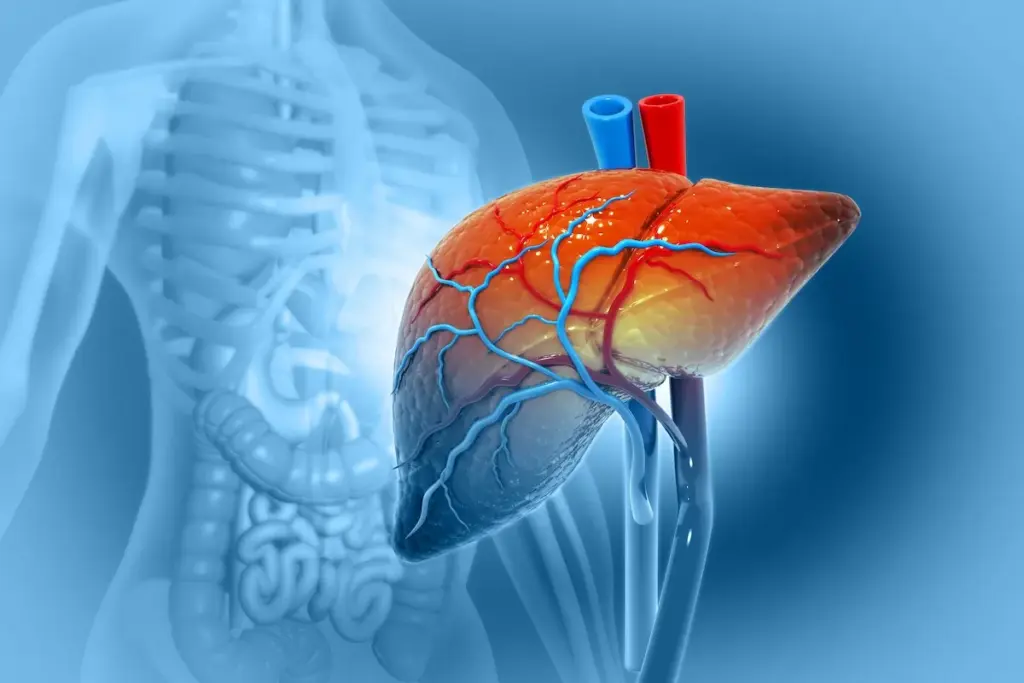
Our body organs never stop working to keep us alive. Even when we rest, some organs in the human body keep going without pause.
The heart is a great example. It beats over 100,000 times every day. It pumps out more than 7,500 liters of blood. The brain, though small, uses about 20% of our energy.
Important organs like the liver and kidneys are key to our health. Knowing how they work and their importance is very important.
Key Takeaways
- The heart beats around 100,000 times daily.
- The brain consumes 20% of the body’s total energy.
- Organs like the liver and kidneys work continuously.
- These organs are vital for our health.
- Understanding their role is key to our well-being.
The Concept of Restless Organs in Human Physiology
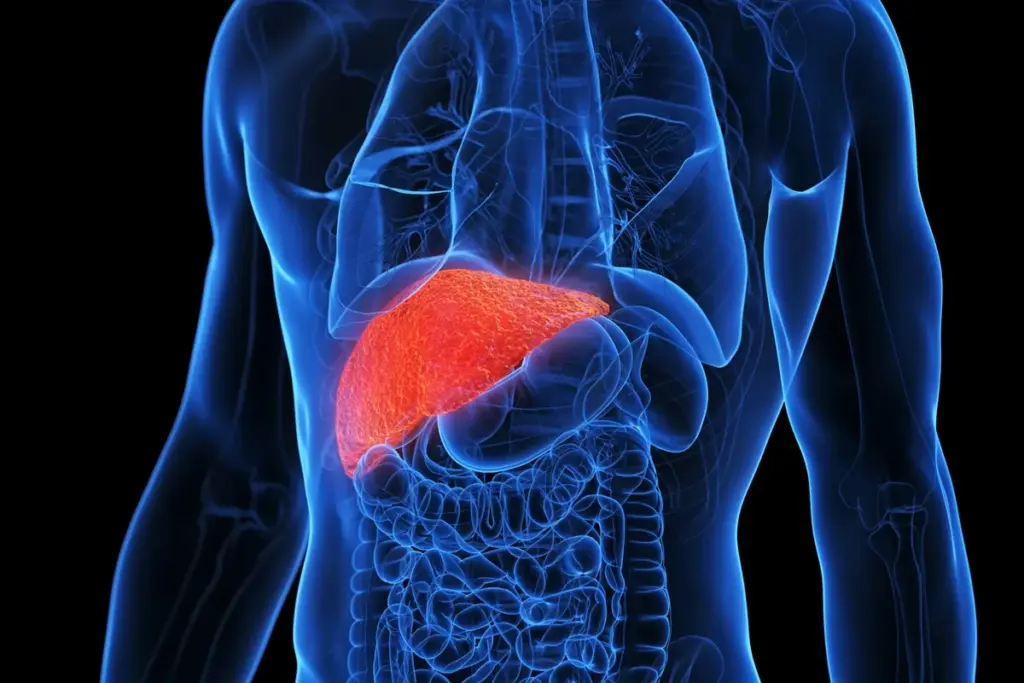
The idea of restless organs is key to grasping human physiology and health. In our bodies, some organs never stop working. They keep vital functions going, which we need to live.
Defining “Rest” in Biological Terms
In biology, “rest” means an organ or system isn’t doing its main job as usual. But, some organs can’t rest. They must keep working to keep our body balanced and healthy.
The Continuous Nature of Vital Functions
Organs like the heart, brain, liver, and kidneys never stop. For example, the liver burns about 200 kcal per kg of body weight each day. The kidneys filter around 180 liters of blood plasma every day. Their constant work is vital for cleaning, breaking down food, and keeping our body’s balance.
Let’s look at how important these organs are:
|
Organ |
Continuous Function |
Daily Activity Measure |
|---|---|---|
|
Liver |
Detoxification and Metabolism |
200 kcal/kg/day metabolic rate |
|
Kidneys |
Blood Filtration |
180 liters of blood plasma filtered |
|
Heart |
Pumping Blood |
100,000 beats per day |
Which Organs of the Body Never Rest?
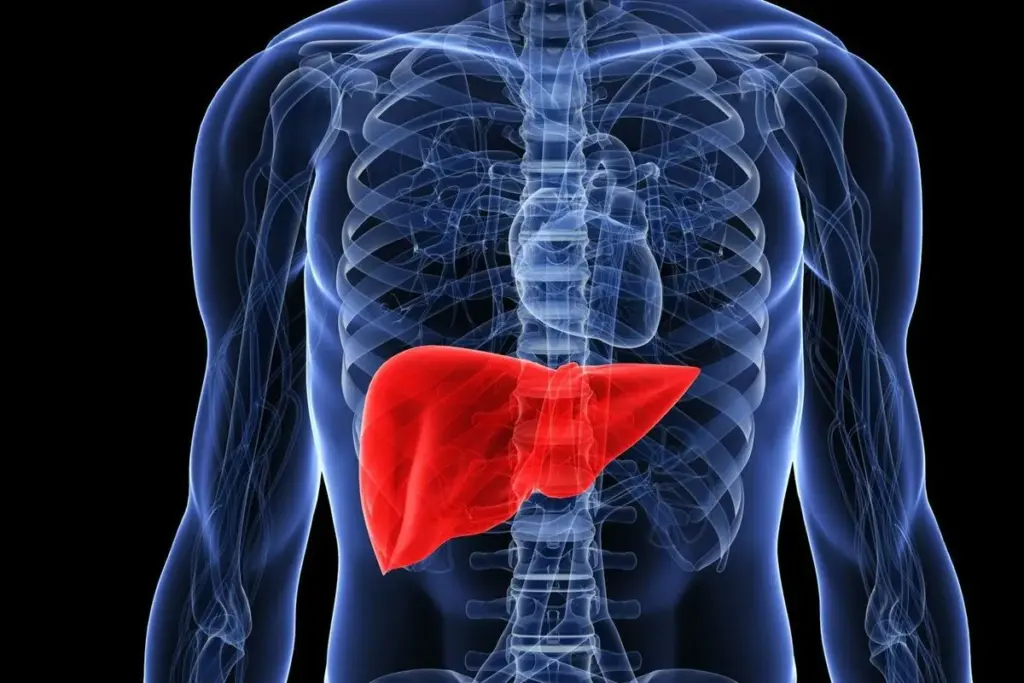
Our bodies have organs that work all the time, never stopping. These organs are key to our survival. They help us stay healthy and do everyday tasks.
Overview of Continuously Active Organs
The human body has many organs that are always on the go. They play important roles in keeping us alive. The heart, brain, liver, kidneys, and lungs are some of these organs.
Each organ has its own job that’s vital for our health.
|
Organ |
Primary Function |
|---|---|
|
Heart |
Pumping blood throughout the body |
|
Brain |
Controlling neurological functions and activities |
|
Liver |
Detoxification and metabolic processes |
|
Kidneys |
Filtering waste and excess fluids from the blood |
|
Lungs |
Facilitating gas exchange through breathing |
The Evolutionary Purpose Behind Restless Organs
These organs work all the time for a reason. It’s to help us survive and adapt to our surroundings. The heart, for example, pumps blood well, adjusting to how active we are and how stressed we feel. Studies show these organs use a lot of energy, showing how important they are for our health.
The brain is always working, even when we’re sleeping. It keeps us safe and balanced, which is key to living.
Knowing why these organs never stop can help us understand their value. It shows how important it is to live a healthy life and get medical help when needed.
The Heart: The Tireless Pump
The heart is at the center of our circulatory system. It’s a muscular organ that never stops working. It pumps blood all over the body, giving oxygen and nutrients to our tissues. It also takes away carbon dioxide and other waste.
Cardiac Muscle’s Unique Properties
The heart keeps going thanks to its special muscle. Cardiac muscle cells, or cardiomyocytes, are built for long-lasting work. They don’t get tired like skeletal muscles do.
Key features of cardiac muscle include:
- High mitochondrial density to meet energy demands
- Specialized intercellular connections for synchronized contraction
- Inherent rhythmicity allowing for autonomous beating
100,000 Beats Per Day: The Heart’s Workload
The heart beats about 100,000 times every day. It pumps over 7,500 liters of blood. That’s like lifting a big truck one meter up every day.
The heart’s workload is huge, and it needs to work well for our health. Exercise, stress, and diet can affect how well the heart works. This shows why living a healthy life is so important.
How the Heart Maintains Its Rhythm During Sleep
Even when we sleep, the heart keeps beating, but slower. The autonomic nervous system controls the heart rate. The parasympathetic branch helps slow it down when we rest.
The heart’s own system keeps it beating even without our brain telling it to. This means the heart keeps working, even when we’re not awake.
The Brain: Always On Alert
The brain is our body’s control center, always working. It handles our actions, like talking and walking, and our body’s automatic functions, like breathing and heart rate.
Neurological Activity During Wakefulness and Sleep
Our brain stays active whether we’re awake or asleep. When we’re awake, it deals with sensory info, controls our movements, and handles thoughts and feelings. Even when we sleep, it keeps working, sorting memories, removing waste, and keeping our body stable.
The brain is amazing because it can change and adapt. This ability, called neuroplasticity, helps our brain heal and adjust to new things throughout our lives.
Brain’s Energy Consumption: 20% of Total Body Energy
The brain uses a lot of energy, more than its size would suggest. It uses about 20% of our body’s energy, even though it’s only 2% of our mass. This high energy use is because the brain is always busy, keeping neurons working and supporting our thoughts and feelings.
“The brain is a complex organ that uses a lot of energy, even when we’re not actively thinking or solving problems.”
Critical Functions That Continue During Sleep
Even when we’re asleep, our brains keep working. They do important things like:
- Keeping our body temperature stable
- Managing our body’s automatic functions, like heart rate and blood pressure
- Sorting and storing memories
- Removing waste, like beta-amyloid plaques linked to Alzheimer’s disease
|
Function |
Description |
Importance During Sleep |
|---|---|---|
|
Body Temperature Regulation |
Maintaining optimal body temperature |
High |
|
Autonomic Function Maintenance |
Regulating heart rate, blood pressure, etc. |
Critical |
|
Memory Consolidation |
Processing and storing memories |
Essential for Learning |
|
Waste Clearance |
Removing harmful waste products |
Vital for Brain Health |
Understanding how our brain works all the time helps us see how amazing it is. By taking care of our brains, we support these important functions.
The Liver: The Body’s Chemical Processing Plant
Our liver works hard behind the scenes, doing many important jobs for our health. It’s a key organ that handles a lot of vital tasks.
The liver does many things, like cleaning toxins, breaking down food, and making chemicals for digestion. It keeps our body in balance.
Continuous Detoxification Processes
The liver is key in cleaning our body by removing bad stuff from the blood. It turns harmful substances into safer ones that we can get rid of. This keeps our body healthy.
Detoxification is a complex job. The liver uses enzymes to break down toxins, making them easier to get rid of.
Metabolic Functions That Never Cease
The liver is at the heart of our metabolism, controlling how we use and make nutrients. It uses a lot of energy, about 200 kcal per kg per day. This is important for our energy and health.
The liver helps manage sugar levels, makes proteins, and creates chemicals for fat digestion. These tasks are key for our energy and health.
The Liver’s Regenerative Capabilities While Working
The liver can heal itself, even when it’s damaged. This shows how strong and important it is for our body’s function.
The liver’s ability to heal is vital for getting better from liver problems. It’s why we need to take care of our liver with a good diet and avoid harmful things.
The Kidneys: Perpetual Filtration System
Our kidneys are amazing organs that never stop working. They filter about 180 liters of blood plasma every day. This is key for our health and well-being.
Filtering Capacity
Their ability to filter so much blood shows how vital they are. They take out waste, extra water, and other bad stuff from our blood. They filter around 180 liters of blood plasma every day, making them some of the hardest-working organs
Electrolyte Balance and Waste Removal
They play a big role in keeping our electrolyte balance right. They make sure we have the right amounts of sodium, potassium, and calcium. This helps our body work well. They also get rid of waste, like urea, from our blood. This keeps our body free from toxins.
Kidney Function During Rest Periods
Even when we’re resting or sleeping, they keep working. They filter waste and keep our electrolyte balance. Even when our body’s metabolic rate goes down, they keep our blood clean and our body running smoothly.
In short, the kidneys are a key part of our body’s filtration system. They work hard to keep our blood clean and our body in balance. Their constant work, even when we’re resting, shows how important they are for our health.
Other Organs That Work Continuously
Many vital organs work hard to keep us healthy, aside from the heart and brain. The heart pumps blood, and the brain handles information. Other organs are just as important in keeping our body running smoothly.
The Lungs and Respiratory System
The lungs are a key example of organs that never stop working. Our respiratory system brings oxygen in and takes carbon dioxide out. This is vital for our cells to survive.
Even when we’re resting, our lungs keep breathing, but slower. The lungs also filter out harmful particles and pathogens. This helps protect our health.
The Endocrine System’s Ongoing Hormone Production
The endocrine system, made up of glands like the pancreas, thyroid, and adrenal glands, never stops producing hormones. These hormones control many body functions, like metabolism, growth, and stress response.
Hormone production is always on, even when we sleep. The pancreas, for example, keeps blood sugar levels in check by making insulin and glucagon. This ensures our body functions stay balanced.
Blood Vessels and Circulatory System
The circulatory system, including blood vessels, works with the heart to get blood to every part of the body. This is key for delivering oxygen and nutrients and removing waste.
Blood vessels, like arteries, veins, and capillaries, are essential for blood pressure and meeting the body’s needs. Even when we’re not active, the circulatory system keeps working, adjusting to our body’s needs.
Cellular Activity That Never Stops
Our bodies are always active, even when we’re resting. This constant work is key to keeping us healthy. It helps our vital organs function properly.
Mitochondria: The Cell’s Power Plants
Mitochondria are called the power plants of our cells. They make most of the energy our cells need. This energy is vital for many cell functions.
Mitochondrial Function: Mitochondria turn nutrients into ATP through cellular respiration. This process breaks down glucose and other nutrients to create energy.
Continuous Protein Synthesis and Cell Repair
Cells are also busy making proteins and fixing themselves. Proteins are key for many cell functions. They help repair damaged tissues and keep the cell’s structure intact.
Protein synthesis is how cells make proteins from amino acids. This is important for replacing old or damaged parts of the cell.
|
Cellular Process |
Function |
Importance |
|---|---|---|
|
Mitochondrial Energy Production |
Generates ATP through cellular respiration |
Crucial for powering cellular activities |
|
Protein Synthesis |
Assembles amino acids into proteins |
Essential for tissue repair and cellular maintenance |
|
Cell Repair Mechanisms |
Repairs damaged cellular components |
Maintains cellular integrity and function |
These activities show that our bodies are always at work, even when we’re resting. Learning about these processes helps us understand how to stay healthy.
The Metabolic Cost of Restless Organs
The human body has organs that never stop working. Knowing how much energy they use helps us see how important they are. Organs like the heart, brain, liver, and kidneys keep us healthy and working right.
Energy Requirements for Continuous Function
These organs need a lot of energy to keep going. For example, the heart beats over 100,000 times a day. It uses a lot of energy to keep beating and pumping blood.
The brain also uses a lot of energy. It uses about 20% of our total energy, even though it’s only 2% of our body. The liver and kidneys need a lot of energy too. They work hard to clean our blood and remove waste.
How the Body Prioritizes Resources
The body is great at figuring out how to use energy. When we’re active, it sends more blood to our muscles. But it also makes sure our vital organs get enough blood to keep working.
- The body adjusts blood flow to prioritize vital organs.
- Hormonal regulation helps in managing energy distribution.
- Nutritional intake is key for giving us the energy we need.
Resting Metabolic Rate of Vital Organs Across Age Groups
The energy use of vital organs changes as we get older. Generally, it goes down with age. But how fast it goes down can vary.
The brain’s energy use stays pretty steady as we age. But the liver and kidneys might use less energy as we get older.
|
Age Group |
Brain RMR (%) |
Liver RMR (%) |
Kidney RMR (%) |
|---|---|---|---|
|
20-30 |
20 |
25 |
10 |
|
40-50 |
19 |
22 |
9 |
|
60+ |
18 |
20 |
8 |
Knowing how energy use changes with age is important. It helps us make better choices for our health at different times in our lives.
How Sleep Affects Organs That Never Rest
Learning how sleep impacts vital organs can help us understand health better. Some organs keep working while we sleep, but they do so differently.
Changes in Function During Sleep Cycles
Our bodies go through sleep cycles that change organ functions. For example, the heart rate slows down in non-REM sleep, easing the heart’s work. But in REM sleep, heart rate changes show brain activity shifts.
The brain stays active but changes its work. Some parts slow down, while others stay busy, helping with memory.
Recovery and Repair Mechanisms
Sleep is key for organ repair and recovery. For instance, deep sleep helps the body fix tissues, build bones and muscles, and boost the immune system.
- The liver cleans toxins better in certain sleep stages.
- The kidneys keep filtering waste, but at a slower pace.
This shows how sleep and organ function are linked. Even if organs don’t fully stop, their work changes with sleep.
The Concept of Reduced Activity vs. Complete Rest
Organs might not fully stop, but they do slow down during sleep. Sleep-induced changes in organ function are like a break, where the work load is lighter or the way they work changes.
For example, the heart keeps working but its workload changes in different sleep stages. Knowing this helps us see how our bodies balance rest and constant activity.
Supporting Your Never-Resting Organs
Keeping our vital organs healthy is key to feeling good. Organs like the heart, brain, liver, and kidneys never stop working. They keep us alive and healthy. It’s important to feed them right, live well, and watch out for problems.
Nutritional Requirements for Optimal Function
Eating a balanced diet is essential for our organs. Antioxidant-rich foods like fruits and veggies protect them from harm. Drinking enough water is also key, helping the kidneys filter waste.
Some foods are better for certain organs. Omega-3 fatty acids are good for the heart. Complex carbohydrates give the brain energy. Eating fiber helps the digestive system and liver stay healthy.
Lifestyle Factors That Support Organ Health
More than food, our lifestyle affects our organs. Exercise is vital for heart health and keeps organs working well. It also helps maintain a healthy weight, easing the load on organs like the liver and kidneys.
- Staying away from harmful substances like tobacco and too much alcohol helps prevent organ damage.
- Enough sleep lets organs rest and heal.
- Stress-reducing activities like meditation or yoga help organs too by lowering stress levels.
Warning Signs of Overworked Organs
Knowing when organs are stressed or failing is important. Symptoms vary by organ. For example, shortness of breath and fatigue might mean heart trouble. Kidney issues could show as changes in how you pee or swelling in your legs.
Spotting these signs early and seeing a doctor can help. It’s a step towards keeping organs healthy and feeling your best.
Medical Innovations in Monitoring and Supporting Vital Organs
Medical innovations are making it easier to watch over and help vital organs. These changes are key to better patient care and life quality, mainly for those with organ issues.
Advanced Diagnostic Tools for Continuous Organ Function
Advanced tools are key for keeping an eye on vital organs. Tools like real-time ultrasound and MRI scans let us check organ health all the time. For example, new imaging methods help doctors spot organ problems early, so they can act fast.
Some top diagnostic tools are:
- Wearable biosensors for constant tracking
- AI improved imaging analysis
- Telemedicine for checking patients from afar
Therapeutic Approaches for Supporting Overworked Organs
New treatments are being made to help organs that are working too hard. This includes medicines, changes in lifestyle, and new therapies like growing new organs. For example, stem cell therapy might help fix damaged heart tissue, changing how we treat heart failure.
These treatments aim to not just help organs but also make patients feel better overall. By fixing the problems that make organs work too hard, doctors can help patients get better and avoid serious issues.
Future Directions in Organ Support Technology
The future of helping organs will likely see more AI, robotics, and biotech. These new tools will help us watch over and support vital organs even better. They might lead to big wins in treating serious diseases.
As we explore new medical frontiers, we must keep the patient at the center. We need to make sure new tech really helps people all over the world.
Conclusion
Throughout this article, we’ve seen that some organs in our body never stop working. The heart, brain, liver, and kidneys are always active. They keep us healthy and well.
Knowing which organs never rest helps us see their importance. It shows us why we need to take care of them. By doing so, we can improve our lives.
In summary, the constant work of these organs shows how complex our bodies are. By living healthy and getting medical care, we support these vital organs. This helps us stay healthy and feel our best.
FAQ
Which organs in the human body are always active and never truly rest?
The heart, brain, liver, kidneys, lungs, endocrine system, and blood vessels are always working. They keep us healthy all the time.
What is the concept of “rest” in biological terms, and how do vital organs function continuously?
“Rest” means a break from activity. But organs like the heart, brain, and liver never stop working. They keep going even when we sleep or are not moving.
Why do certain organs never rest, and what’s the evolutionary purpose behind their continuous function?
Some organs never rest because they’re key to our health and survival. Their constant work ensures our body’s needs are met, even when we’re not active.
How does the heart maintain its rhythm during sleep, and what’s its workload like?
The heart’s rhythm is kept during sleep by the autonomic nervous system and pacemaker cells. It beats about 100,000 times daily, pumping blood everywhere.
What are some of the critical functions that the brain continues to perform during sleep?
The brain does important jobs during sleep, like controlling body temperature and managing hormones. It also processes memories. The brain uses about 20% of our body’s energy.
How do the kidneys function during rest periods, and what’s their importance in maintaining overall health?
Even when we’re resting, the kidneys filter waste and excess fluids. They’re vital for keeping electrolyte balance and removing waste.
What are some lifestyle factors that support organ health, and how can we maintain overall health?
Eating well, exercising, getting enough sleep, and managing stress help organ health. A healthy lifestyle supports our vital organs and overall well-being.
What are some warning signs of overworked organs, and how can we identify problems?
Signs of overworked organs include fatigue, pain, changes in appetite or digestion, and issues with urination or bowel movements. If you notice these, see a doctor.
What are some advanced diagnostic tools used to monitor continuous organ function, and what’s the future of organ support technology?
Tools like MRI and CT scans, biomarkers, and lab tests help monitor organs. The future of organ support tech will likely be more personalized and targeted.
How do nutritional requirements support optimal organ function, and what are some essential nutrients for maintaining overall health?
The right nutrients are key for organ health. Vitamins, minerals, and antioxidants help keep vital organs healthy. A balanced diet gives the energy and resources needed for overall health.
Reference
New England Journal of Medicine. Evidence-Based Medical Insight. Retrieved from
https://www.ncbi.nlm.nih.gov/books/NBK535438

























