
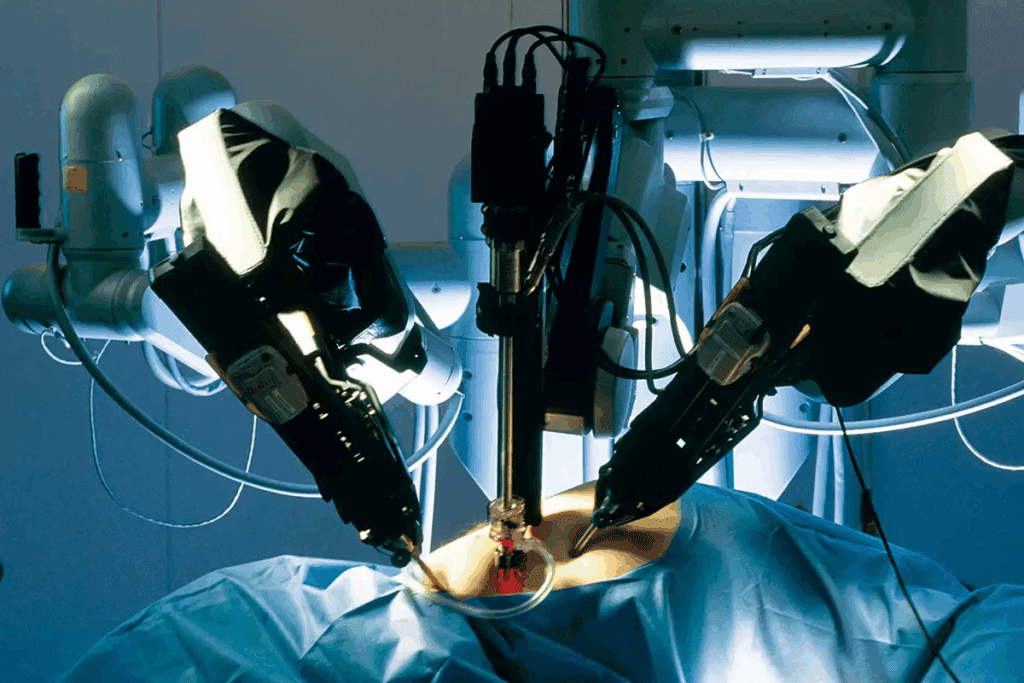
Nearly 600,000 hysterectomies are performed every year in the United States, and many of these are now done using robotic surgery. A hysterectomy removes the uterus and sometimes other organs. Thanks to advances in technology, robotic hysterectomy is becoming more popular. It is less invasive and allows for faster recovery.
We will explore the organs removed robotic hysterectomy usually involves. This typically includes the uterus and, in some cases, the cervix. The exact organs removed depend on the patient’s health and the surgeon’s recommendations. Understanding what happens during surgery helps patients prepare for both the procedure and the recovery process.
Key Takeaways
- Robotic hysterectomy is a minimally invasive surgical procedure.
- The primary organ removed is the uterus.
- The cervix may also be removed depending on the case.
- Robotic surgery offers quicker recovery times compared to traditional methods.
- Understanding the procedure can help patients prepare better.
Robotic hysterectomy represents a significant advancement in the field of gynecology. It brings precision and less invasiveness to surgery. This method has changed how we treat many gynecological issues. It offers a safer, more effective way than old methods.
Definition and Purpose of Robotic Hysterectomy
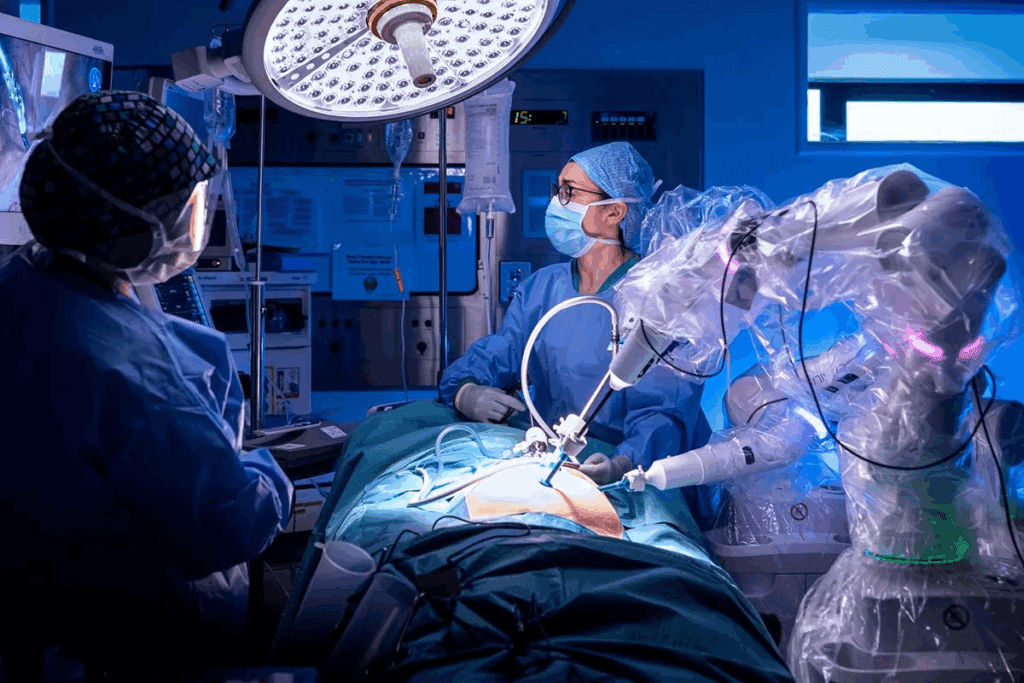
Robotic hysterectomy is a new kind of surgery. It uses a robotic system to take out the uterus. It’s for treating things like uterine fibroids, endometriosis, and some cancers.
With robotic tech, surgeons can do complex surgeries better. They have more control and precision.
How Robotic Surgery Differs from Traditional Approaches
Robotic surgery is different from old open surgery and even laparoscopic surgery. The robotic system gives a clear, 3D view of the area being operated on. This helps surgeons see and work on things more accurately.
Robotic surgery also lets surgeons move their tools better. This makes it easier to do tricky parts of surgery.
The benefits of robotic surgery include:
- Reduced blood loss
- Less post-operative pain
- Shorter hospital stays
- Faster return to normal activities
The da Vinci Surgical System
Using the da Vinci System, surgeons can do robotic hysterectomies with enhanced precision and control. This leads to better care for patients.
Types of Robotic Hysterectomy Procedures
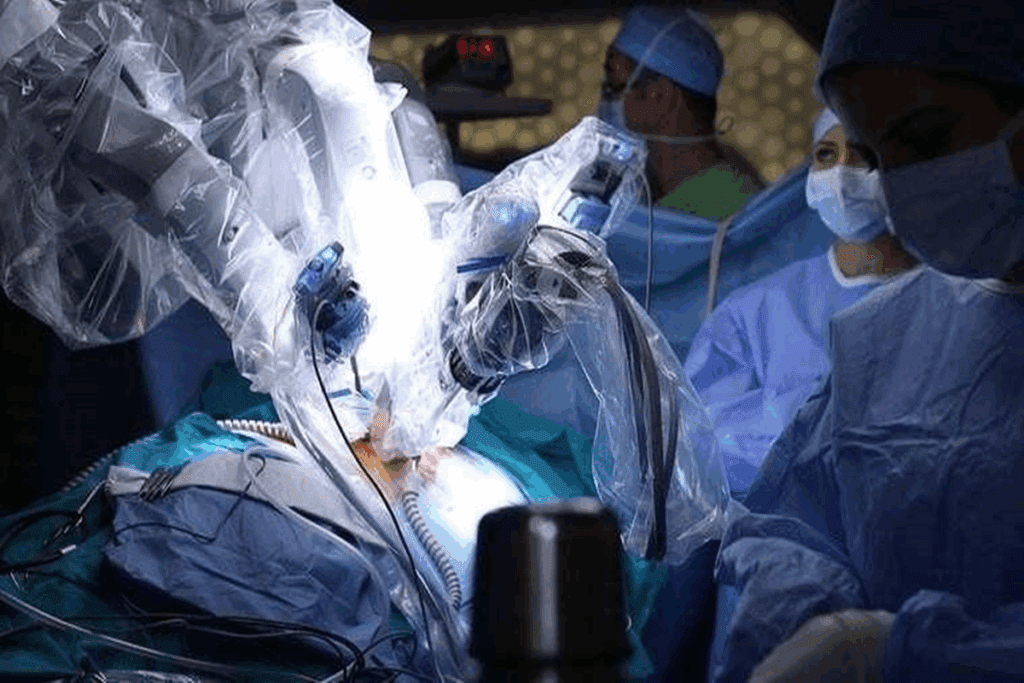
Robotic surgery offers many ways to do a hysterectomy. Each method is chosen based on the patient’s needs, health, and what they prefer. This makes sure each patient gets the best care for their situation.
This procedure removes the whole uterus, including the cervix. It’s often chosen for fibroids, endometriosis, and some cancers. The robot helps remove the uterus carefully, protecting nearby tissues.
Benefits: It’s safer, with less blood loss and quicker healing than open surgery.
Partial (Supracervical) Robotic Hysterectomy
In this method, only the top part of the uterus is taken out, leaving the cervix. It’s good for women with certain problems who want to keep their cervix.
Considerations: Talk to your doctor about the pros and cons. You might keep getting your period or need more surgery later.
This is a bigger surgery that takes out the uterus, cervix, some vagina, and nearby tissues. It’s for cervical or uterine cancer.
Indications: It’s for cancer patients where removing more tissue is needed to get all cancer cells.
Hysterectomy with Bilateral Salpingo-Oophorectomy
This surgery removes the uterus, both ovaries, and fallopian tubes. It’s for some cancers, severe endometriosis, or problems with the ovaries and tubes.
| Procedure | Description | Common Indications |
| Removal of the entire uterus and cervix | Uterine fibroids, endometriosis, certain cancers | |
| Partial (Supracervical) Robotic Hysterectomy | Removal of the upper part of the uterus, leaving the cervix intact | Certain gynecological conditions where cervical preservation is desired |
| Removal of the uterus, cervix, part of the vagina, and surrounding tissues | Cervical or uterine cancer | |
| Hysterectomy with Bilateral Salpingo-Oophorectomy | Removal of the uterus, both ovaries, and fallopian tubes | Certain gynecological cancers, severe endometriosis |
Organs Removed During Robotic Hysterectomy
During a robotic hysterectomy, several organs may be removed, with the uterus being the primary focus. The decision to remove additional organs depends on various factors, including the patient’s condition and the underlying reason for the surgery.
The Uterus: Primary Focus of Removal
The Cervix: When and Why It’s Removed
The cervix may or may not be removed during a hysterectomy. In a total hysterectomy, both the uterus and cervix are removed. The decision to remove the cervix depends on the patient’s condition and the surgeon’s professional judgment.
Fallopian Tubes: Considerations for Removal
The fallopian tubes may be removed during a hysterectomy, if there’s a risk of ovarian cancer or if the tubes are damaged. Fallopian tube removal can be performed robotically with high precision.
Ovaries: Factors Determining Removal
The decision to remove the ovaries depends on several factors, including the patient’s age, medical history, and the reason for the hysterectomy. Ovaries removal may be recommended for patients with a high risk of ovarian cancer. But, preserving the ovaries is often considered to maintain hormonal balance.
Anatomical Structures Preserved During Robotic Hysterectomy
Robotic hysterectomy is very precise. It carefully keeps vital structures around the uterus safe. This method makes sure important organs are removed but keeps others intact. This helps the patient recover well and stay healthy long-term.
Vaginal Structure and Function
Robotic hysterectomy is great for keeping the vagina’s structure and function intact. The robotic system lets surgeons work with little disruption to the vaginal vault. This is key for keeping sexual function and vaginal health after surgery.
Keeping the vaginal structure safe means handling tissues around the vagina with care. This helps the patient recover faster and keeps their quality of life good.
Pelvic Floor Support
Robotic hysterectomy also focuses on keeping pelvic floor support strong. The pelvic floor muscles and ligaments are key for supporting the bladder, bowel, and other pelvic organs. By keeping these structures safe, patients are less likely to face problems like pelvic organ prolapse.
- Maintaining the integrity of the pelvic floor muscles
- Preserving the supportive ligaments around the pelvic organs
- Minimizing the risk of post-surgical prolapse
Surrounding Organs and Tissues
The robotic system’s precision lets surgeons work around other organs and tissues carefully. This is very important for keeping the bladder, bowel, and nerves in the pelvic area healthy.
By keeping these structures safe, patients who have robotic hysterectomy face fewer complications after surgery. They can also get back to their normal activities faster.
The Robotic Hysterectomy Surgical Process
Learning about the robotic hysterectomy can help patients get ready for their surgery. This detailed process includes several important steps. These range from preparing the patient to extracting the specimen.
Patient Preparation and Anesthesia
First, patients get general anesthesia to stay comfortable and pain-free. We also clean the abdomen with antiseptic solution and put in a Foley catheter to empty the bladder.
The operating table is set up for the robotic system to dock. This step is key for a successful surgery.
Port Placement and Robot Docking
Next, we make small cuts in the abdomen for ports. These ports let the robotic instruments get to the surgery site. We place them carefully for the best access and view.
After the ports are set, we dock the robotic system. The surgeon then uses the robotic arms from a console to do the surgery with great precision.
Surgical Steps for Organ Removal
With the robotic system ready, we start removing organs. We carefully cut the uterus and other organs from their surrounding tissues. The robotic system’s 3D view helps us see and protect important structures.
We then dissect and prepare the organs for removal. The robotic system’s precision lets us handle tissues carefully, reducing damage to nearby areas.
Specimen Extraction Methods
Once the organs are ready, we take them out through a port or small cut. The method we choose depends on the specimen’s size and the patient’s body.
Precision in Tissue Removal: The Robotic Advantage
Robotic hysterectomy stands out for its precision in removing tissue. The advanced technology of the robotic system helps surgeons perform complex tasks with great accuracy.
3D Visualization Benefits
The da Vinci Surgical System offers a clear, 3D view of the surgical area. This high-definition view helps surgeons see and dissect tissues more precisely. It also lets them understand the anatomy better, making their decisions more informed.
Enhanced Surgical Dexterity
Robotic instruments are made to move like the human wrist. They offer more movement than traditional laparoscopic tools. This means surgeons can do finer work, lowering the chance of problems.
| Surgical Feature | Robotic Hysterectomy | Traditional Hysterectomy |
| Visualization | High-definition 3D | 2D or limited 3D |
| Instrument Dexterity | Multi-articulated instruments | Limited by straight instruments |
| Tissue Damage | Minimized due to precision | Higher risk due to less precision |
Minimizing Damage to Surrounding Structures
The precision of robotic surgery helps avoid damage to nearby tissues and organs. This results in less pain for patients and quicker recovery times.
The robotic advantage in hysterectomy procedures is its ability to remove tissue thoroughly while protecting surrounding structures. This balance is key for the best patient results.
Medical Conditions Determining What’s Removed
Uterine Fibroids and Extent of Removal
Uterine fibroids often lead to hysterectomy. The size, number, and location of fibroids affect the surgery type. Large or many fibroids might require a total hysterectomy for complete removal.
For example, big or many fibroids near the uterine cavity might need a total hysterectomy. This prevents future problems. But, if fibroids are only in the upper uterus, a supracervical hysterectomy might be better. This keeps the cervix.
Endometriosis and Surgical Decisions
Endometriosis can also require a hysterectomy. The severity and location of endometriosis affect the surgery. Mild cases might just need the uterus removed. But severe cases might require removing ovaries or fallopian tubes too.
- The severity of endometriosis symptoms
- The extent of endometrial implants
- Involvement of surrounding organs
Surgeons consider these factors when deciding on organ removal.
Gynecological Cancers and Radical Approaches
Gynecological cancers like cervical, uterine, or ovarian cancer often need a more aggressive surgery. This might include removing the uterus, surrounding tissues, and lymph nodes. It’s to make sure all cancer cells are gone.
The choice for a radical hysterectomy depends on the cancer’s stage and type. It also depends on the patient’s health and wishes. The goal is to remove all cancer while keeping as much normal tissue as possible.
Pelvic Organ Prolapse Considerations
Pelvic organ prolapse happens when pelvic muscles and tissues weaken. This causes organs to drop. Hysterectomy can treat prolapse, but removing the uterus is often part of a bigger plan to support the pelvic organs.
Surgery for prolapse might include vaginal mesh or sacrocolpopexy. These help support the vaginal walls and other pelvic structures.
Hormonal Implications of Organ Removal
It’s important to know how removing organs affects hormones during a robotic hysterectomy. Different organs removed can change hormone levels and health.
Effects of Uterus Removal Only
Removing the uterus but keeping ovaries doesn’t directly change hormone levels. But, some women might see changes in their cycle or hormone balance. This could be due to the surgery or the reason for the hysterectomy.
Consequences of Ovary Removal
Ovaries are key for hormone production, including estrogen and progesterone. These hormones help with the menstrual cycle and bone health. Losing ovaries can cause sudden menopause, leading to hot flashes, mood swings, and dryness.
Hormone Replacement Therapy Considerations
After removing ovaries, hormone therapy might be suggested to ease menopause symptoms. It can also help prevent bone loss and heart disease. Starting hormone therapy should be a decision made with a doctor, taking into account the patient’s health and preferences.
The table below shows the main hormonal effects of removing organs during a robotic hysterectomy:
| Organ Removed | Hormonal Implications | Potential Symptoms |
| Uterus Only | Minimal direct impact on hormone production | Changes in menstrual cycle or hormonal balance |
| Ovaries | Significant decrease in estrogen and progesterone production | Immediate menopause, hot flashes, mood changes, vaginal dryness |
In summary, the hormonal effects of removing organs during a robotic hysterectomy depend on which organs are taken out. Knowing these effects is key to better patient care and outcomes.
Pathological Examination of Removed Tissues
A detailed pathological examination is done on tissues removed during robotic hysterectomy. This confirms the initial diagnosis. It’s key to understanding the patient’s condition and planning their care.
Standard Histopathology Protocols
The removed tissues follow standard histopathology protocols. They are fixed in formalin, embedded in paraffin, and sliced thin for microscopic examination. Histopathology protocols ensure consistent handling and analysis, providing reliable results.
We follow established guidelines for handling specimens. This includes documenting the specimen’s origin and any notable features. This info is vital for the pathologist’s examination.
Importance of Specimen Analysis
Specimen analysis gives valuable insights into the patient’s condition. It confirms if the surgery was successful and if any unexpected conditions, like cancer, were found.
It’s also key for checking the margins of the removed tissue. This ensures no diseased tissue was left behind, which is critical in cancer cases.
| Aspect of Specimen Analysis | Importance |
| Confirmation of Diagnosis | Ensures the initial diagnosis was correct and the surgery addressed the condition. |
| Assessment of Surgical Margins | Critical for determining if all diseased tissue was removed, specially in cancer cases. |
| Detection of Unexpected Conditions | May reveal additional health issues that require further treatment or monitoring. |
Unexpected Findings and Follow-up Care
Sometimes, the pathological examination finds unexpected findings, like undiagnosed conditions or cancer. We discuss the implications with the patient and create a follow-up care plan.
Unexpected findings can be unsettling, but they also offer a chance for early treatment. We ensure patients are informed and supported throughout.
The follow-up care plan may include treatments like chemotherapy or radiation for cancer. It may also include monitoring for recurrence. We work closely with the patient to address concerns and provide complete care.
Recovery After Organ Removal in Robotic Hysterectomy
Knowing how to recover after a robotic hysterectomy is key for patients. The removal of organs can affect recovery both physically and emotionally.
Immediate Post-Operative Period
The first hours after surgery are vital for a smooth recovery. Patients stay in the recovery room for a few hours. Here, doctors watch their health and manage pain.
We stress the need to follow doctor’s orders to avoid problems and feel better faster.
Physical Adaptations and Healing
Healing and adapting physically are big parts of getting better. Patients might feel tired, sore, and have bleeding or discharge. Resting, not lifting heavy, and eating well help healing.
As they get better, patients can start doing light exercises. This helps them feel better overall.
Long-term Anatomical Changes
Changes in the body after a robotic hysterectomy can differ for everyone. Removing the uterus and other organs can affect support and hormones. We talk to patients about these changes to help them prepare and manage.
Psychological Aspects of Organ Removal
Emotional changes after organ removal are as important as physical ones. Patients might feel many emotions, like relief or sadness. We offer support and counseling to help them deal with these feelings.
By focusing on both physical and emotional recovery, we aim to give our patients the best care. This helps them through this big life event.
Comparing Tissue Removal: Robotic vs. Traditional Approaches
The way tissue is removed is key when comparing robotic and traditional hysterectomies. Robotic technology has made a big difference in how surgery is done.
Precision and Completeness of Excision
Robotic hysterectomy is more precise because of its 3D view and special tools. This helps surgeons remove the right tissues carefully. Traditional methods might not be as precise, which could lead to more problems.
When it comes to cancer, removing all affected tissue is very important. Robotic surgery is better at this, helping to get rid of cancer more effectively. Studies show it can be as good as, or even better than, traditional methods.
Blood Loss and Tissue Trauma Differences
Robotic hysterectomy is great because it cuts down on blood loss and tissue trauma. The robotic tools allow for very precise cuts, which means less bleeding and damage. This makes patients recover faster and reduces the chance of complications.
Traditional methods, like open surgery, can cause more bleeding and damage. Laparoscopic methods are better, but they’re not as precise as robotic surgery.
Surgical Margins and Oncological Outcomes
The surgical margins are very important, mainly for cancer treatment. Robotic surgery’s better view and precision help get clear margins more often. This is key for oncological outcomes, as clear margins mean less need for extra treatments.
Studies show robotic-assisted hysterectomy for cancer can be as good as, or even better than, traditional methods. Its ability to remove affected tissues carefully helps improve outcomes.
In summary, robotic surgery is better than traditional methods in many ways. It offers more precision, less blood loss, and better cancer treatment. As technology gets better, so will patient care and surgical results.
Patient Decision-Making: Determining What to Remove
When patients choose to have a robotic hysterectomy, they must think carefully. They need to consider the benefits and risks of each option. This depends on their personal health goals and situation.
Age and Reproductive Considerations
Age and plans for having children are important in this decision. Younger women might choose to keep their ovaries to avoid early menopause. Older women might remove their ovaries if there’s a cancer risk.
Here are some key considerations:
- Reproductive plans: Women wanting to keep their fertility might choose less invasive options.
- Age-related risks: Older women might remove their ovaries due to higher cancer risk.
- Hormonal considerations: Taking out the ovaries can cause immediate menopause, affecting hormone levels.
Risk Reduction Strategies
Patients and doctors must think about how to reduce risks. They look at cancer risks and if removing organs can help.
Some key strategies include:
- Removing high-risk organs: Removing organs at risk can prevent cancer.
- Preserving essential organs: Keeping some organs, like ovaries, is important for quality of life.
- Minimizing surgical risks: The decision to remove organs must weigh benefits against risks.
Quality of Life Factors
Quality of life is a big part of the decision. Patients think about how different choices will affect their health and lifestyle.
Key factors include:
- Symptom relief: Removing organs can help with symptoms like heavy bleeding or pain.
- Hormonal balance: Decisions about ovaries can affect hormone levels and menopause symptoms.
- Long-term health: Patients consider how organ removal will affect their health in the long run.
Future Developments in Robotic Gynecological Surgery
The field of robotic gynecological surgery is on the verge of a big change. New advancements promise better results for patients. Technology is getting better, leading to more advanced surgical methods.
Advances in Surgical Techniques
New surgical techniques are making a big difference. Enhanced dexterity and precision are now possible with new robotic tools. These tools are designed to work like a human hand.
Experts say the future of surgery is about being precise and minimally invasive. This means better surgery success rates, shorter recovery times, and fewer complications. For example, real-time imaging during surgery helps with accurate dissections and better understanding of the patient’s body.
Emerging Technologies for Tissue Removal
New technologies are key in improving tissue removal in robotic gynecological surgery. Laser-assisted removal is being explored to reduce bleeding and aid in faster healing. Also, morcellation techniques are getting better, making it safer and more efficient to remove tissue.
These technologies focus on keeping patients safe and improving outcomes. As they evolve, we’ll see even more innovative solutions.
Trends in Organ Preservation
Organ preservation is becoming a big deal in robotic gynecological surgery. There’s a trend to keep as much healthy tissue as possible, like in surgeries for endometriosis or fibroids. This helps patients keep their quality of life and reduces the need for future surgeries.
Looking ahead, personalized medicine will play a big role in surgical planning. Tailoring surgeries to each patient’s needs will lead to better outcomes and fewer complications.
In conclusion, the future of robotic gynecological surgery looks bright. With many advancements coming, we’re committed to providing top-notch care to our patients.
Conclusion
Robotic hysterectomy is a complex surgery that removes different organs based on the patient’s needs. We’ve looked at the types of robotic hysterectomy, the organs removed, and what’s kept safe during surgery.
The da Vinci Surgical System’s precision helps remove diseased tissues accurately. This reduces damage to nearby areas. Knowing what organs are removed is key for making informed choices and understanding the surgery’s effects on health.
As robotic gynecological surgery improves, we must weigh its benefits and risks. This approach helps us give patients better care and support. It aims to improve their quality of life.
FAQ.
What organs are typically removed during a robotic hysterectomy?
During a robotic hysterectomy, the uterus, cervix, fallopian tubes, and ovaries are often removed. This depends on the type of surgery and the patient’s condition.
What are the different types of robotic hysterectomy procedures?
There are several types of robotic hysterectomy procedures. These include total robotic hysterectomy and partial (supracervical) robotic hysterectomy. Radical robotic hysterectomy and hysterectomy with bilateral salpingo-oophorectomy are also options.
How does robotic surgery differ from traditional approaches?
Robotic surgery uses a robotic system for better precision and dexterity. It also offers less blood loss and faster recovery compared to traditional methods.
What are the benefits of robotic hysterectomy?
Robotic hysterectomy has several benefits. These include less blood loss, less pain, and faster recovery. It also offers better precision in removing tissues, leading to better outcomes and quality of life.
What is the da Vinci Surgical System?
The da Vinci Surgical System is a robotic system used for complex surgeries. It enhances precision, dexterity, and visualization for surgeons.
What are the risks and complications associated with robotic hysterectomy?
Robotic hysterectomy, like any surgery, carries risks. These include bleeding, infection, and injury to surrounding organs. It’s important to discuss these risks with a healthcare provider.
How will a robotic hysterectomy affect my quality of life?
A robotic hysterectomy can improve your quality of life. It can alleviate symptoms, reduce pain, and enhance overall health. The extent of improvement varies and should be discussed with a healthcare provider.
What is the role of pathological examination in robotic hysterectomy?
Pathological examination of removed tissues is critical in robotic hysterectomy. It helps in diagnosis, staging, and determining further treatment needs. It should follow standard histopathology protocols.
Are there any emerging technologies for tissue removal in robotic hysterectomy?
Yes, new technologies are emerging for tissue removal in robotic hysterectomy. These include advances in surgical techniques, instrumentation, and imaging modalities. They aim to improve precision, safety, and outcomes.
Reference
- Carbonnel, M., Lefebvre, G., & Roger, V. (2021). Robotic Hysterectomy for Benign Indications. Journal of Minimally Invasive Gynecology, 28(9), 1565-1572. https://www.ncbi.nlm.nih.gov/pmc/articles/PMC8035818/



 Departments
 Related Videos
 Our Doctors
 News
News