Musculoskeletal disorders affect millions worldwide. Over 1.7 billion people suffer from these conditions. This shows how vital it is to know about orthopedic care, like pediatric orthopedics.
Orthopedic care deals with diagnosing, treating, and preventing musculoskeletal problems. Pediatric orthopedics, though, focuses on kids’ musculoskeletal issues. This includes both congenital conditions and sports injuries.
It’s important to know the difference between these two areas. This helps patients find the right care. We’ll look at the differences and similarities to help you understand orthopedic care better.
Key Takeaways
- Orthopedic care addresses musculoskeletal disorders across all age groups.
- Pediatric orthopedics is a specialized field focusing on children’s musculoskeletal issues.
- Understanding the difference is key to seeking appropriate care.
- Both fields involve diagnosis, treatment, and prevention of musculoskeletal conditions.
- Specialized care is vital for effective treatment and recovery.
Understanding Orthopedics: Definition and Scope
Orthopedics is a complex field that deals with many musculoskeletal issues. It is a branch of medicine that focuses on diagnosing, treating, and preventing problems with the musculoskeletal system. This includes bones, joints, and muscles.
The Etymology and Meaning of Orthopedics
The word “orthopedics” comes from Greek. ‘Orthos’ means straight or correct, and ‘paideia’ means upbringing or education. It started with helping children with musculoskeletal deformities. Now, it helps people of all ages with musculoskeletal problems.
Orthopedics is about fixing musculoskeletal issues. It aims to restore function and ease pain. This includes bones, joints, muscles, and more.
Core Focus Areas in Orthopedic Medicine
Orthopedic medicine has several main areas. It includes diagnosing musculoskeletal conditions and treating them. It also focuses on preventing future problems.
Key areas of focus include:
- Treating fractures and musculoskeletal injuries
- Managing degenerative conditions such as arthritis
- Correcting congenital or developmental musculoskeletal deformities
- Performing surgical interventions such as joint replacements
Understanding orthopedics helps patients see the wide range of care orthopedic specialists offer.
Orthopaedic vs Orthopedic: Is There a Difference?
The terms “orthopaedic” and “orthopedic” are the same medical specialty. But, they are used differently around the world. Both deal with the musculoskeletal system, including prevention, diagnosis, and treatment of disorders and injuries.
Historical Origins of the Spelling Variation
The difference in spelling comes from history. “Orthopaedic” comes from Greek words “orthos” and “paideia”. “Orthos” means straight or correct, and “paideia” means upbringing of children. The original spelling kept the “ae” ligature, common in Greek medical terms.
As time went on, spellings changed. The shift to “orthopedic” came from simplifying “ae” to “e” in English. This change was part of a broader trend in American English to simplify Latin-derived words.
Regional Preferences in Medical Terminology
Where you are affects how you spell “orthopaedic” or “orthopedic”. In the UK and many other places, “orthopaedic” is preferred. But in the US, “orthopedic” is more common.
| Region | Preferred Spelling |
|---|---|
| United Kingdom | Orthopaedic |
| United States | Orthopedic |
| Canada | Both, but Orthopedic is gaining prevalence |
| Australia and New Zealand | Orthopaedic |
Even with these differences, both “orthopaedic” and “orthopedic” are accepted worldwide. The spelling doesn’t change the quality of care from doctors.
In summary, “orthopaedic” and “orthopedic” have different spellings due to history and region. But they both represent the same medical field. Knowing this helps us understand the consistency in orthopedic care everywhere.
General Orthopedics: An Overview
Orthopedic care for adults focuses on treating musculoskeletal issues. Healthcare providers see the value in general orthopedics. It helps with many conditions affecting adults’ bones and muscles.
General orthopedics includes many medical services. Orthopedic surgeons are key in this field. They help with fractures, osteoarthritis, and sports injuries.
Common Conditions Treated by General Orthopedists
General orthopedists handle many conditions. This includes degenerative joint diseases, tendonitis, and ligament sprains. Orthopedic clinics have the right technology and staff. They can diagnose and treat these issues well.
- Osteoarthritis and other degenerative joint diseases
- Fractures and trauma-related injuries
- Sports injuries, including tendonitis and ligament sprains
- Occupational musculoskeletal disorders
It’s important to know what an orthopedist’s meaning is. An orthopedist is a doctor who deals with musculoskeletal disorders.
Diagnostic Approaches in Adult Orthopedic Care
Diagnosing adult orthopedic care involves physical exams, medical history, and imaging. Orthopedic treatment plans are made based on the diagnosis.
We use X-rays, MRI, and CT scans for accurate diagnoses. A detailed physical exam helps assess the condition. It also helps decide the best treatment.
Understanding general orthopedics helps patients make better choices. We aim to provide top-notch orthopedic care. We want to meet our patients’ needs.
Pediatric Orthopedics: Specialized Care for Children
The musculoskeletal system in children is always changing. This makes pediatric orthopedics a challenging yet rewarding field. Children’s bones, joints, and muscles grow and change constantly. This requires a deep understanding of these changes to provide the right care.
Age-Specific Considerations in Pediatric Orthopedics
Pediatric orthopedic care is not just a smaller version of adult care. It needs a deep understanding of childhood development. Infants, toddlers, children, and adolescents each have unique orthopedic needs based on their age and developmental stage.
For example, infants might be checked for conditions like clubfoot. Adolescents might get treated for sports injuries. Knowing these age-specific needs is key for effective treatment.
Developmental Aspects of Children’s Musculoskeletal Systems
Children’s musculoskeletal systems grow and develop constantly. This means pediatric orthopedic specialists must be skilled in diagnosing and treating growth-related conditions, like scoliosis or Legg-Calve-Perthes disease.
The table below shows some key differences in musculoskeletal development across different age groups:
| Age Group | Musculoskeletal Characteristics | Common Orthopedic Issues |
|---|---|---|
| Infancy (0-1 year) | Rapid bone growth, flexible bones | Congenital hip dysplasia, clubfoot |
| Early Childhood (1-5 years) | Continued bone growth, increased muscle tone | Torsional deformities, intoeing |
| Adolescence (13+ years) | Peak bone growth, increased risk of overuse injuries | Scoliosis, sports-related injuries |
Understanding these developmental aspects helps pediatric orthopedic specialists provide targeted care. This ensures the best outcomes for each child.
Key Differences Between General and Pediatric Orthopedics
It’s important to know the differences between general and pediatric orthopedics. Both deal with bone and joint problems, but they serve different age groups. This means their treatments are not the same.
Patient Population and Age Considerations
General orthopedics helps adults with issues like joint wear and sports injuries. Pediatric orthopedics, on the other hand, treats kids from birth to teens. It focuses on problems linked to growing up.
The age of the patient is key in choosing the right orthopedic care. Kids’ bones and joints grow all the time. This is different from adults, whose bodies are fully grown.
Treatment Approaches and Methodologies
General and pediatric orthopedics use different treatments because of age and condition differences. For example:
- Pediatric orthopedics plans treatments with growth in mind. It looks at how the child might grow in the future.
- General orthopedics treats adults with fully grown bodies. It often uses more serious methods like joint replacements.
Growth-Related Factors in Treatment Planning
In pediatric orthopedics, growth is a big part of treatment planning. Doctors must think about how their treatments will affect the child’s growth. This might include:
- Watching how the child grows to avoid problems.
- Choosing surgeries that won’t stop the child from growing.
Knowing these differences helps patients and families make better choices. They can get the right care for their needs.
The Orthopedic Surgeon: Training and Specialization
Becoming an orthopedic surgeon is a big commitment. These doctors specialize in treating bone, joint, and muscle problems. They have a lot of knowledge in these areas.
To start, one needs a bachelor’s degree in a science field. Then, they go to medical school to get an M.D. or D.O. degree. After that, they do a long residency in orthopedic surgery.
General Orthopedic Surgery Training Path
The path to becoming a general orthopedic surgeon includes several steps:
- Completing a bachelor’s degree
- Attending medical school
- Completing a residency program in orthopedic surgery
During their residency, they learn by doing. They work with experienced surgeons to improve their skills.
Additional Requirements for Pediatric Orthopedic Specialization
For pediatric orthopedics, more training is needed. After the general orthopedic surgery residency, they do a fellowship in pediatric orthopedics. This training helps them treat children’s musculoskeletal issues.
Pediatric orthopedic specialists need to know about children’s bones and joints. They must be good at treating kids’ specific problems.
The table below shows the main differences in training between general and pediatric orthopedic surgeons:
| Training Aspect | General Orthopedic Surgery | Pediatric Orthopedic Specialization |
|---|---|---|
| Residency Program | General orthopedic surgery residency | General orthopedic surgery residency + pediatric orthopedic fellowship |
| Focus | Musculoskeletal conditions in adults | Musculoskeletal conditions in children |
| Certification | Board certification by ABOS | Board certification by ABOS + specialized training in pediatric orthopedics |
Knowing how much training orthopedic surgeons go through helps us appreciate their skills. They are truly dedicated to their work.
When to See an Orthopedic Specialist vs. a Pediatric Orthopedic Specialist
Choosing between an orthopedic doctor and a pediatric orthopedic specialist depends on the patient’s age and condition. Adults and children have different needs. It’s important to know these differences to get the right care.
Adult Conditions Requiring Orthopedic Care
Adults with musculoskeletal issues like back pain or joint pain should see an orthopedic specialist. These doctors can handle many conditions, from osteoarthritis to fractures or tendon tears.
Some common adult conditions include:
- Degenerative joint diseases
- Sports injuries
- Chronic back pain
- Fractures and trauma
An orthopedic doctor can offer both surgery and non-surgical treatments, based on the condition’s severity.
Childhood Conditions Requiring Pediatric Orthopedic Expertise
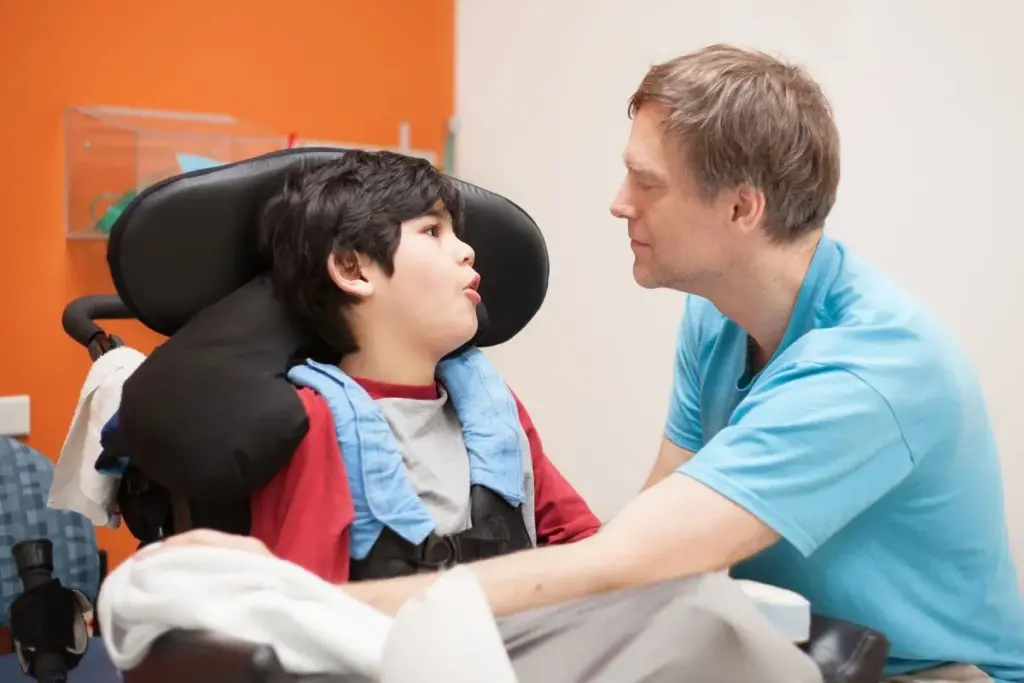
Children with musculoskeletal issues need a pediatric orthopedic specialist. These experts focus on the unique needs of growing children, from infants to teens.
Some conditions that require a pediatric orthopedic specialist include:
- Congenital deformities
- Developmental dysplasia of the hip
- Clubfoot
- Growth-related issues
Pediatric orthopedic specialists understand how these conditions affect a child’s growth and long-term health.
Common Conditions Treated in General Orthopedics
General orthopedics deals with many musculoskeletal issues in adults. Orthopedic specialists treat a variety of conditions affecting bones, joints, muscles, and soft tissues.
Adult Degenerative Conditions
Degenerative conditions are a big part of general orthopedics. These include osteoarthritis, degenerative disc disease, and spinal stenosis. Osteoarthritis, for example, is a wear-and-tear condition that causes pain and stiffness in joints.
We offer orthopedic treatment like medication, physical therapy, and surgery. These help manage conditions and improve life quality.
At our orthopedic clinic, we provide tailored care. We use the latest diagnostic technologies to assess conditions and create effective treatment plans.
Sports Injuries and Trauma
Sports injuries and trauma are key areas in general orthopedics. Common injuries include fractures, sprains, strains, and tendonitis. We provide advanced treatments like arthroscopic surgery and rehabilitation programs.
Our specialists work with patients to understand their injury. We develop a personalized recovery plan. This may include physical therapy, bracing, or surgery for a safe return to activity.
Occupational Musculoskeletal Disorders
Occupational musculoskeletal disorders (MSDs) affect the musculoskeletal system, often caused by work. Examples include carpal tunnel syndrome, tendonitis, and lower back pain. We offer ergonomic assessments and workplace modifications to prevent MSDs.
We also treat existing conditions. Our care includes medical treatment, rehabilitation, and preventive measures. We help patients manage symptoms and safely return to work.
| Condition | Common Symptoms | Typical Treatments |
|---|---|---|
| Osteoarthritis | Joint pain, stiffness, limited mobility | Medication, physical therapy, joint injections, surgery |
| Sports Injuries (e.g., fractures, sprains) | Pain, swelling, bruising, limited function | Immobilization, physical therapy, surgery, rehabilitation |
| Occupational MSDs (e.g., carpal tunnel syndrome) | Numbness, tingling, pain, weakness | Ergonomic adjustments, physical therapy, medication, surgery |
In conclusion, general orthopedics is vital for managing musculoskeletal conditions in adults. Whether it’s degenerative conditions, sports injuries, or occupational disorders, our specialists provide effective orthopedic treatment options. We aim to help patients achieve optimal musculoskeletal health and improve their quality of life.
Common Conditions Treated in Pediatric Orthopedics
Pediatric orthopedic specialists deal with conditions affecting kids’ bones and muscles. These can be present at birth or happen during sports.
Congenital and Developmental Disorders
Some conditions kids are born with or develop include:
- Clubfoot
- Developmental dysplasia of the hip (DDH)
- Cerebral palsy
- Spina bifida
We need to catch these early to avoid serious problems. We use tests and scans to find the right treatment.
Pediatric Sports Injuries
Kids are playing sports more, leading to more injuries. Common ones are:
- Fractures
- Sprains and strains
- Overuse injuries like tendonitis
We stress the need for good training, gear, and safety to prevent these.
Growth-Related Conditions
As kids grow, they can face certain issues. For example:
- Scoliosis
- Osgood-Schlatter disease
- Sever’s disease
These need careful watching and sometimes treatment to stop them from getting worse.
Our team knows how to handle these conditions. We aim to help kids stay healthy and strong.
Diagnostic Approaches: General vs Pediatric Orthopedics
Orthopedic diagnosis changes a lot between adults and kids. This is because kids and adults need different ways to look at their bodies. We’ll look at how doctors use different methods for different ages.
Imaging Considerations for Different Age Groups
Imaging methods change a lot between general and pediatric orthopedics. Kids get special care to avoid too much radiation. Doctors often choose ultrasound or MRI over X-rays or CT scans for them.
For example, ultrasound is the first choice for checking hip problems in babies. It’s safe and works well for young kids. As kids get older, doctors might choose other imaging methods based on what they need to see.
Physical Examination Differences
Physical exams are also different for kids and adults. Pediatric exams are made for the child’s age and how they’re growing. For little kids, doctors watch how they move and play. This helps check their muscle strength and how well their joints move.
Adult exams are more direct. Doctors ask patients how they feel and measure their strength and how well they can move. Pediatric exams also look at how kids are growing and if they’re meeting milestones.
Orthopedic Treatment Options for Adults
Adult orthopedic care offers many treatment options. Specialists work with patients to find the best plan. They consider the condition, health, and lifestyle.
Surgical Interventions for Adult Patients
Surgery is considered when other treatments don’t work or the condition is severe. Common surgeries include:
- Joint replacement surgeries (e.g., hip, knee, shoulder)
- Arthroscopic procedures for diagnosing and treating joint disorders
- Spinal surgeries for conditions like herniated discs or spinal stenosis
- Fracture repair and stabilization
These surgeries aim to reduce pain, improve function, and enhance life quality. New surgical methods and technology make procedures more effective and less invasive.
Non-Surgical Management Strategies
Non-surgical treatments are often the first choice. These may include:
- Physical therapy to improve strength, flexibility, and range of motion
- Medications such as NSAIDs, corticosteroids, or pain relievers
- Lifestyle modifications, including weight management and activity adjustments
- Orthotic devices or assistive equipment to support affected areas
Non-surgical methods are less invasive and can be very effective. We help patients create a treatment plan that may use several of these strategies.
We offer a variety of treatments to meet each adult patient’s needs. Our goal is to provide care that helps them achieve the best results.
Pediatric Orthopedic Treatment Approaches
Pediatric orthopedic care focuses on treating children’s bone and muscle problems. It uses methods that consider their growth and development. We tailor our treatments to meet each child’s unique needs.
Growth-Conscious Surgical Techniques
When surgery is needed, we use techniques that respect the child’s growth. “The goal is to fix the problem without harming the child’s growth,” says a top pediatric orthopedic surgeon. These methods often involve new procedures that help bones and joints grow right.
For example, in scoliosis, we might use special implants that grow with the child.Such methods not only fix the problem but also improve the child’s life during treatment.
Conservative Management in Growing Children
Not every problem needs surgery. Conservative management is key for many issues. This includes physical therapy, bracing, and changing activities to avoid making the problem worse.
For clubfoot, we use the Ponseti method. It involves a series of steps and plaster casts, followed by bracing. Early treatment with these methods can greatly improve results and lower surgery needs, highlighting the importance of timely care.
We also stress the importance of family education and support. Knowing about the condition and treatment helps families support their child’s recovery and ongoing care.
What to Expect at an Orthopedic Clinic: General vs Pediatric
Orthopedic care comes in two main types: general and pediatric. Each offers a unique experience. Patients and their families will find care tailored to their needs.
Facility Design and Equipment Differences
General orthopedic clinics serve adults with musculoskeletal issues. They have standard equipment like X-ray machines.
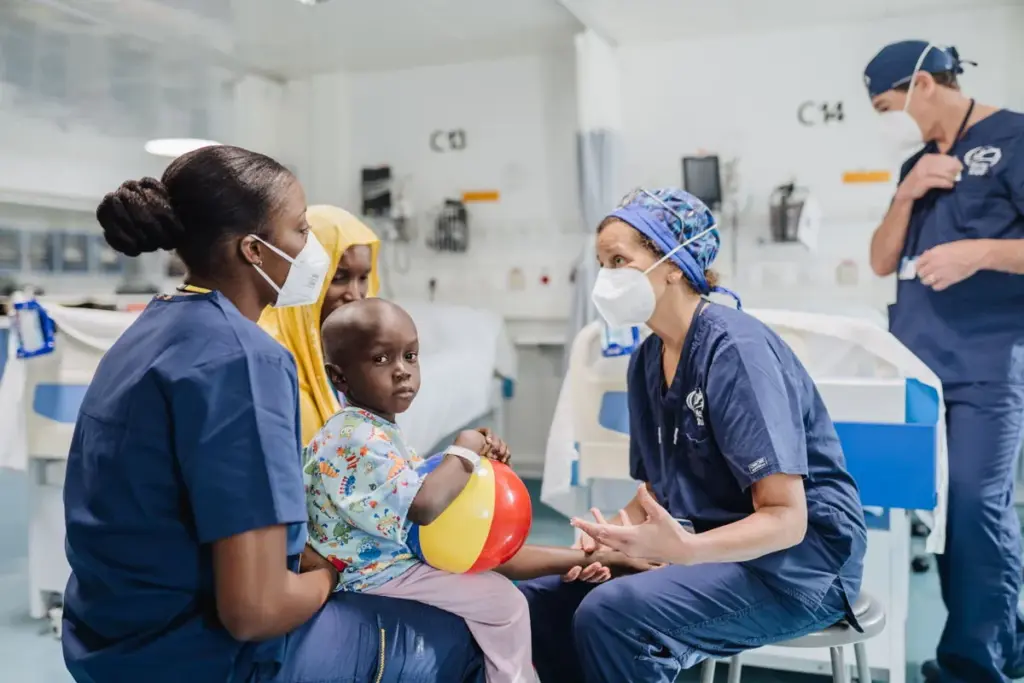
Pediatric clinics, on the other hand, focus on children. They have colorful, child-friendly designs. Equipment is smaller, and there are play areas to ease children’s stress.
| Feature | General Orthopedic Clinic | Pediatric Orthopedic Clinic |
|---|---|---|
| Facility Design | Standard adult-focused decor | Child-friendly, colorful decor |
| Equipment | Standard examination tables, adult-sized casts | Smaller examination tables, pediatric-sized casts |
| Play Areas | Not typically available | Often present to comfort children |
Creating Child-Friendly Clinical Environments
Pediatric clinics focus on making children feel at ease. The design and staff approach are key. Pediatric orthopedic specialists are trained to interact with kids in a way that reduces anxiety.
Some clinics have game areas or entertainment options. These help distract kids during procedures. The aim is to support and comfort them throughout their visit.
Knowing the differences helps families prepare for their clinic visit. They can better understand what to expect and how to make the most of their care.
Collaborative Care: How General and Pediatric Orthopedic Specialists Work Together
General and pediatric orthopedic specialists team up to improve patient care. This teamwork is key for treating patients of all ages well.
Transition of Care from Pediatric to Adult Services
When kids grow up, their care moves from pediatric to general orthopedic specialists. This smooth transition is important for ongoing care and the right treatment for young adults.
This change can be tough for both patients and doctors. So, it’s vital to have a clear handover of patient records and good communication between teams. Also, educating patients about their health and treatment options is essential.
- Comprehensive handover of patient records
- Clear communication between pediatric and general orthopedic specialists
- Patient education on their condition and treatment options
Shared Cases and Consultations
General and pediatric orthopedic specialists often work together on tough cases. They share their knowledge to create the best treatment plans. This teamwork is great for patients with conditions that affect both kids and adults.
| Benefits of Collaboration | General Orthopedic Specialists | Pediatric Orthopedic Specialists |
|---|---|---|
| Comprehensive Care | Expertise in adult musculoskeletal conditions | Knowledge of developmental aspects in children |
| Improved Outcomes | Experience with adult surgical techniques | Skill in managing growth-related conditions |
| Enhanced Patient Satisfaction | Understanding of adult rehabilitation needs | Adoption of child-friendly treatment approaches |
By teaming up, general and pediatric orthopedic specialists offer complete care. This approach meets each patient’s unique needs, leading to better results and happier patients.
Conclusion
It’s important to know the difference between orthopedic and pediatric orthopedic care. We’ve looked at how they differ in who they treat and how they treat them. This is key for getting the right care.
Orthopedic vs orthopedic care is more than just a spelling difference. It shows a deeper understanding of bone and muscle health at different ages. Adult care covers many conditions, while kids’ care deals with birth and growth issues.
Choosing the right specialist is critical when you need orthopedic care. Whether it’s for a long-term problem or a sudden injury, knowing what each care type offers helps you make the best choice.
By understanding the special needs of both adult and children’s orthopedic care, we can make sure patients get the best treatment. This is vital for their bone and muscle health.
What is the difference between orthopedic and orthopaedic?
Both terms are about the same medical field. The difference is in how they are spelled in different places. “Orthopaedic” is used in British English, while “orthopedic” is used in American English.
What does orthopedic mean?
Orthopedic deals with the health of bones, joints, muscles, and related areas. It’s a part of medicine.
Is orthotic and orthopedic the same thing?
No, they are related but different. Orthotics use devices like braces to help with musculoskeletal issues. Orthopedics includes more treatments, like surgery, for these conditions.
When should I see an orthopedic specialist versus a pediatric orthopedic specialist?
Adults or children with musculoskeletal problems should see an orthopedic specialist. But, children need a pediatric orthopedic specialist. This is because their bodies are growing.
What kind of conditions do orthopedic specialists treat?
Orthopedic specialists treat many conditions. This includes arthritis, sports injuries, and more.
What is pediatric orthopedics?
Pediatric orthopedics deals with musculoskeletal problems in children. It considers their growth and development.
How do diagnostic approaches differ between general and pediatric orthopedics?
Diagnoses are adjusted for the patient’s age. This includes safe imaging for kids and physical exams for different ages.
What are some common conditions treated in pediatric orthopedics?
Common conditions include congenital and developmental disorders. Also, pediatric sports injuries and growth-related issues like scoliosis.
What treatment options are available for adults with musculoskeletal conditions?
Adults have surgery and non-surgical options. This includes physical therapy and medication.
How do treatment approaches differ in pediatric orthopedics?
Pediatric treatments focus on the child’s growth stage. They use growth-conscious surgery and conservative management.
What can I expect when visiting an orthopedic clinic?
At an orthopedic clinic, you get a full evaluation. Pediatric clinics are designed to be welcoming for kids.
How do general and pediatric orthopedic specialists work together?
General and pediatric specialists work together. They do this, for example, when moving care from pediatric to adult services. This ensures care is continuous and complete.
FAQ
National Center for Biotechnology Information. Evidence-Based Medical Insight. Retrieved from https://pubmed.ncbi.nlm.nih.gov/14668625/