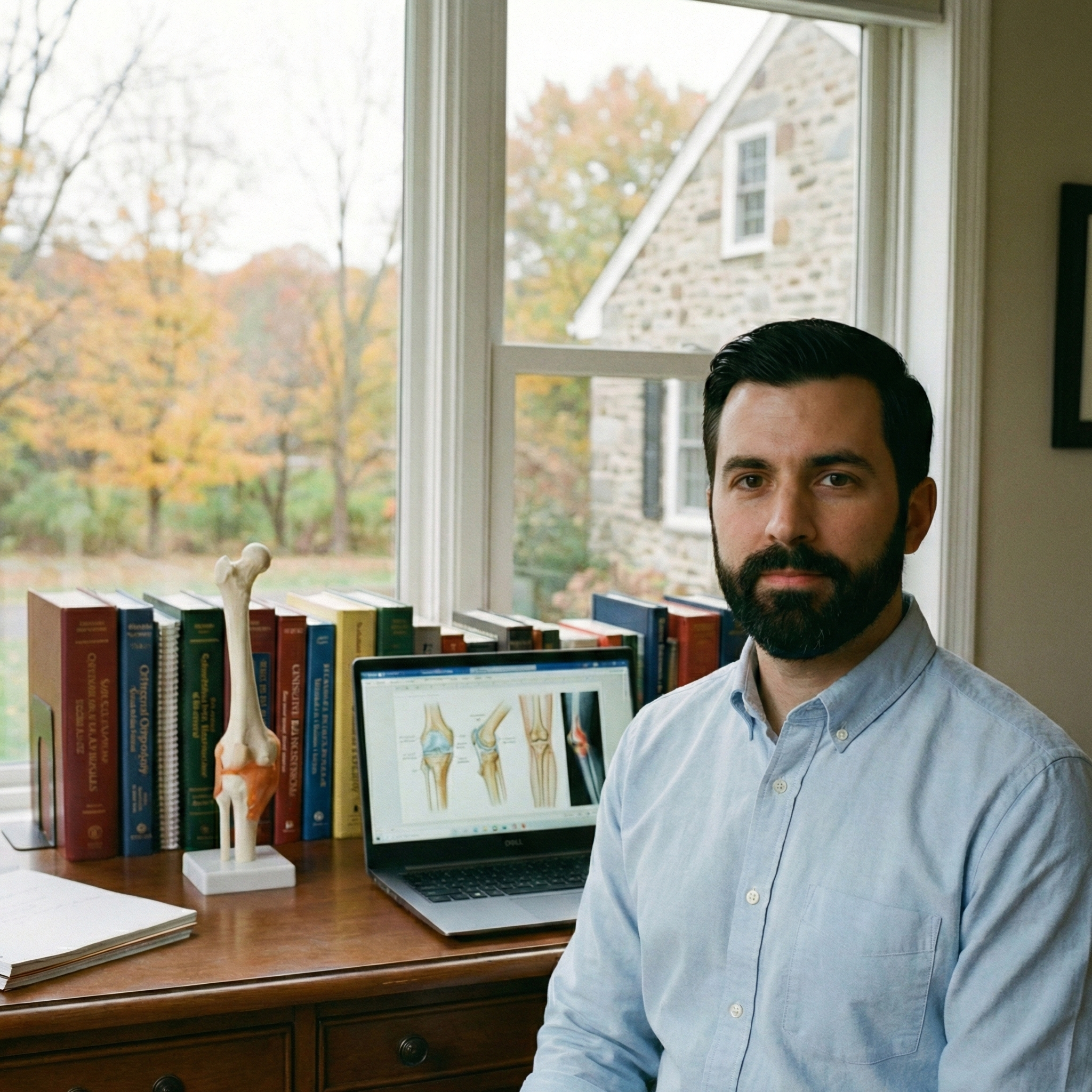
Did you know that bone and soft tissue tumors affect thousands of people worldwide each year?
Orthopedic oncologists are experts in treating bone and soft tissue tumors. They work with other doctors to give the best care. They decide the best treatment, which can be surgery, medicine, or both.
Key Takeaways
- Orthopedic oncology is a specialized field focusing on the diagnosis and treatment of bone and soft tissue tumors.
- Orthopedic oncologists play a vital role in managing tumor treatment, often in collaboration with other healthcare professionals.
- The treatment of bone and soft tissue tumors can involve surgery, medication, or a combination of treatments.
- Early diagnosis and appropriate treatment are critical in improving outcomes for patients with bone and soft tissue tumors.
- Multidisciplinary care teams are essential in providing comprehensive care to patients with complex tumor cases.
The Specialized Field of Orthopedic Oncology
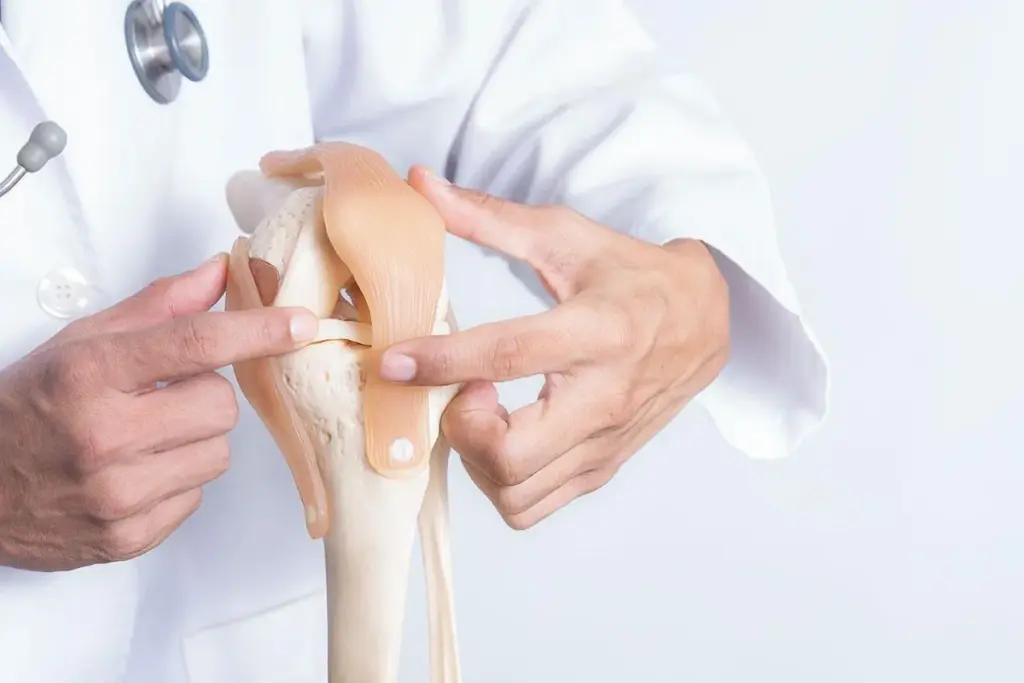
Orthopedic oncology is a specialized field that focuses on treating musculoskeletal tumors. It combines knowledge of orthopedic surgery and oncology.
Definition and Scope of Practice
Orthopedic oncology deals with bone and soft tissue tumors, both benign and malignant. Orthopedic oncologists can diagnose and treat many types of tumors. This includes both harmless and dangerous sarcomas.
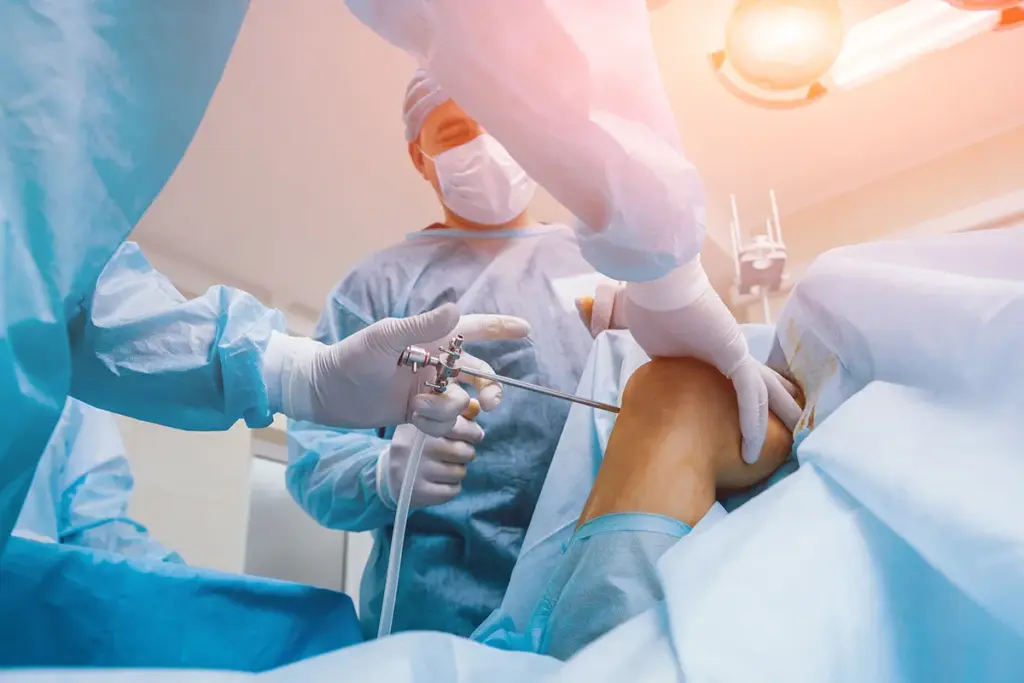
Orthopedic oncologists perform surgeries like biopsies and reconstructions. They also manage complex tumor cases. They work with other doctors to give complete care.
Educational Path and Training Requirements
To become an orthopedic oncologist, you need a lot of education and training. First, you must finish medical school. Then, you need to do orthopedic residency training for 5 years.
- Completion of medical school
- Orthopedic residency training (typically 5 years)
- Fellowship training in orthopedic oncology (1-2 years)
This training prepares orthopedic oncologists to handle complex tumor cases.
Difference Between General Orthopedists and Orthopedic Oncologists
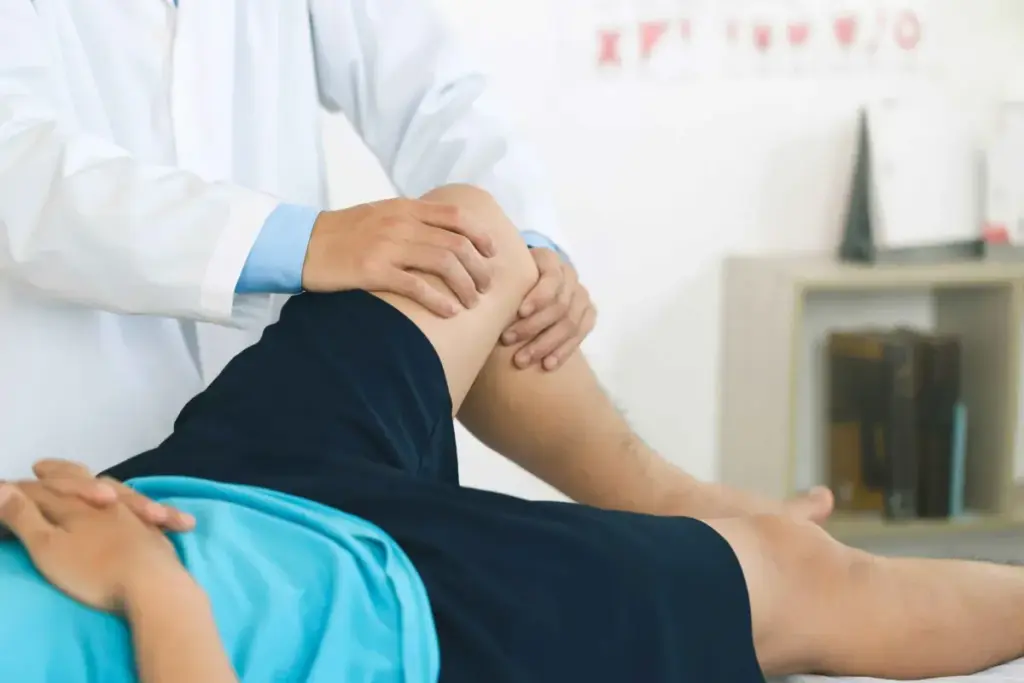
General orthopedists treat many musculoskeletal issues. But, orthopedic oncologists focus on tumors. They are experts in treating complex and rare tumors.
Orthopedic oncologists are trained differently. They handle more complex cases. They offer the best care for musculoskeletal tumors.
Types of Tumors Treated by Orthopedic Specialists
Orthopedic oncologists deal with many types of bone and soft tissue tumors. They are experts in diagnosing and treating these conditions. This requires a deep understanding of the complex nature of these diseases.
Benign Bone Tumors
Benign bone tumors are not cancerous but can cause pain and discomfort. They can also lead to fractures if not treated. Examples include osteoid osteomas and enchondromas. Treatment depends on the tumor type and location, ranging from observation to surgery.
Malignant Bone Tumors
Malignant bone tumors are aggressive and can be primary or secondary. Primary tumors include osteosarcoma and Ewing sarcoma. These cancers need quick and effective treatment, often involving surgery, chemotherapy, and radiation.
Her case highlights the importance of prompt treatment.
Soft Tissue Sarcomas
Soft tissue sarcomas are malignant tumors in muscles, fat, and connective tissues. They can occur anywhere in the body and are rare. Treatment usually involves surgery, possibly with radiation and chemotherapy, depending on the tumor’s stage and grade.
Metastatic Bone Disease
Metastatic bone disease happens when cancer spreads to the bones. It’s common in advanced stages of cancers like breast and lung cancer. Managing this disease requires a team effort, including orthopedic oncology, to improve quality of life.
|
Tumor Type |
Characteristics |
Common Treatments |
|---|---|---|
|
Benign Bone Tumors |
Non-cancerous, can cause pain and fractures |
Observation, Surgery |
|
Malignant Bone Tumors |
Cancerous, aggressive |
Surgery, Chemotherapy, Radiation Therapy |
|
Soft Tissue Sarcomas |
Malignant, arise in soft tissues |
Surgery, Radiation Therapy, Chemotherapy |
|
Metastatic Bone Disease |
Cancer spread to bones from other sites |
Multidisciplinary approach including Orthopedic Oncology |
Primary vs. Secondary Bone Tumors: Key Differences
It’s important to know the difference between primary and secondary bone tumors for good treatment plans. Primary tumors start in the bone. Secondary tumors, or metastatic tumors, come from other parts of the body and spread to the bone.
Characteristics of Primary Bone Tumors
Primary bone tumors can be either benign or malignant. Benign tumors are usually not dangerous and might not need aggressive treatment. But, malignant tumors are cancerous and can be deadly if not treated quickly. Examples include osteosarcoma, Ewing’s sarcoma, and chondrosarcoma.
Key characteristics of primary bone tumors include:
- Origin within the bone
- Potential to be benign or malignant
- Varied symptoms depending on tumor type and location
Understanding Secondary (Metastatic) Bone Tumors
Secondary bone tumors come from cancer cells spreading to the bone from another part of the body. Common cancers that spread to the bone include breast, prostate, and lung cancers. This can cause a lot of pain, fractures, and other problems.
“Metastatic bone disease is a significant complication of cancer, affecting patient quality of life and requiring prompt and effective management.”
Cancer Research Institute
Characteristics of secondary bone tumors include:
|
Characteristic |
Description |
|---|---|
|
Origin |
Spread from another cancer site |
|
Common Primary Sites |
Breast, prostate, lung |
|
Symptoms |
Pain, fractures, hypercalcemia |
Impact on Treatment Approaches
The difference between primary and secondary bone tumors greatly affects treatment plans. Orthopedic oncologists at places like the UCSF orthopedic surgical oncology clinic create specific plans based on the tumor type, stage, and patient’s health.
Treatment for primary tumors might include surgery, chemotherapy, or radiation. But, for metastatic bone disease, treatments like systemic therapies, radiation, and surgery are used to manage symptoms and prevent complications.
Patients looking for specialized care can search for orthopedic oncologists near me. This way, they can find experts in musculoskeletal oncology who can give them the best care.
When to Consult an Orthopedic Oncologist vs. Other Specialists
Understanding when to consult an orthopedic oncologist is crucial for effective treatment of musculoskeletal tumors. It depends on the tumor type, its severity, and the patient’s health.
Referral Pathways from Primary Care
First, a primary care doctor checks your symptoms. They might send you to an orthopedist if they think it’s a musculoskeletal issue. This is like what happened with Shani, who started with a pediatrician.
The path to getting to a specialist is important. Primary care doctors know when to send you to someone who can help more. They look for signs that mean you need a specialist.
Coordination with Medical Oncologists
If the tumor is cancerous, working with medical oncologists is key. Orthopedic oncologists and medical oncologists team up. They plan treatments like surgery, chemo, and radiation together.
Working together, they make a plan that fits the patient’s needs. This team effort helps manage complex cases better.
Situations Requiring Immediate Orthopedic Oncology Consultation
Some cases need to see an orthopedic oncologist right away. This includes tumors that might be cancerous or symptoms like pain or swelling.
|
Situation |
Action Required |
|---|---|
|
Imaging studies indicate a potentially malignant tumor |
Immediate referral to an orthopedic oncologist |
|
Patient presents with symptoms suggestive of a musculoskeletal tumor |
Urgent consultation with an orthopedic oncologist |
|
Diagnosis of a benign tumor with a chance of turning malignant |
Referral to an orthopedic oncologist for evaluation and management |
In summary, knowing when to see an orthopedic oncologist is critical for treating musculoskeletal tumors. Understanding how to get to them, working with medical oncologists, and knowing when to act fast helps patients get the right care on time.
Common Symptoms That Warrant an Orthopedic Oncology Evaluation
Knowing the signs of musculoskeletal tumors can help get medical help early. People often notice certain symptoms that mean they might have a tumor. Seeing an orthopedic oncologist is key for a proper check-up.
Persistent Pain and Swelling
Persistent pain that doesn’t go away with rest or pain meds is a big red flag. It can hurt in one spot and might be swollen or feel like a lump. For example, Shani had neck pain and stiffness that led to her diagnosis. Don’t ignore these symptoms and get them checked by an orthopedic oncologist.
Unexplained Fractures
Unexplained fractures happen when bones break without a big injury. This could mean there’s a bone tumor. If a bone breaks without a reason, it’s important to find out why. It might be a sign of something serious.
Limited Range of Motion
Stiffness or trouble moving a joint can be a tumor sign. This could be because of the tumor itself or swelling and pain. An ortho oncologist can figure out if it’s a tumor and what to do next.
When to Seek Immediate Medical Attention
Some symptoms need quick doctor visits. Look out for sudden, bad pain; big swelling; or trouble moving a limb. Also, if you lose weight without trying, have a fever, or sweat a lot at night, and you have other symptoms, see an orthopedic oncologist right away. Catching it early is key for better treatment and results.
In short, knowing when to see an orthopedic oncologist can help catch problems early. If you’re dealing with ongoing pain, swelling, unexplained breaks, or can’t move as well, it’s time to talk to an orthopedic oncologist.
The Diagnostic Process in Musculoskeletal Oncology
The journey to diagnose musculoskeletal tumors is complex. It starts with a first check and ends with detailed scans. Finding the right diagnosis is key to treating these tumors effectively.
Initial Physical Examination
The first step is a detailed physical check-up. The doctor looks at the patient’s health, the tumor’s size and where it is. They also check for pain or if the patient can move easily.
They also look at the patient’s past health. This helps them understand if there are any factors that might affect the diagnosis.
Imaging Studies: X-rays, MRI, CT Scans
Imaging tests are very important in diagnosing tumors. X-rays show where the tumor is and how it affects the bone. MRI gives detailed pictures of soft tissues, helping to see how far the tumor has spread. CT scans help understand how the tumor relates to other parts of the body, which is important for surgery planning.
Biopsy Procedures and Tissue Analysis
A biopsy is key to confirming a tumor diagnosis. There are different biopsy methods, depending on the tumor’s location and size. The biopsy samples are then studied by pathologists to find out the tumor’s type, grade, and stage.
“The biopsy is a critical step in diagnosing musculoskeletal tumors, providing the necessary tissue for pathological examination.”
Staging and Grading of Tumors
After confirming the diagnosis, the next step is to stage and grade the tumor. Staging shows how far the tumor has spread. Grading looks at how aggressive the tumor is. This information helps plan the best treatment and predict the outcome.
|
Stage |
Description |
|---|---|
|
I |
Localized, low-grade tumor |
|
II |
Localized, high-grade tumor |
|
III |
Tumor with metastasis |
Understanding the diagnostic process in musculoskeletal oncology is important. It helps both patients and doctors provide the right care for each case.
Surgical Approaches to Musculoskeletal Tumors
Dealing with musculoskeletal tumors needs a deep understanding of the tumor and the patient’s health. Orthopedic oncologists must think about many things. These include the tumor’s type and stage, the patient’s age and health, and how surgery might affect their life quality.
Limb-Sparing Surgery Techniques
Limb-sparing surgery is often the first choice when it’s possible. It aims to remove the tumor while keeping the limb functional. Advances in surgical techniques and prosthetic technology have made it possible to save limbs that would have been amputated before.
This shows the detailed work needed in limb-sparing surgeries.
Reconstruction Options After Tumor Removal
After removing a musculoskeletal tumor, rebuilding is often needed to restore function and look. There are many ways to rebuild, including:
- Prosthetic replacement
- Bone grafting
- Soft tissue reconstruction
The right method depends on the tumor’s location, size, and the patient’s health.
|
Reconstruction Method |
Advantages |
Disadvantages |
|---|---|---|
|
Prosthetic Replacement |
Immediate stability, early weight-bearing |
Limited durability, possible loosening |
|
Bone Grafting |
Biological reconstruction, healing possible |
Donor site morbidity, delayed weight-bearing |
When Amputation May Be Necessary
While trying to save the limb is preferred, sometimes amputation is needed. This is true in cases where:
- Large tumors make it hard to save the limb’s function
- Tumors have invaded major nerves or blood vessels
- Recurrent tumors have failed previous attempts at saving the limb
In these cases, amputation can be a life-saving procedure. Rehabilitation can greatly improve the patient’s life quality.
It’s important to find an experienced orthopedic oncologist for the best surgery plan. Patients can search for “orthopedic oncologists near me” or look into specialized cancer centers.
Non-Surgical Treatments in Orthopedic Oncology
Orthopedic oncologists use many non-surgical treatments for musculoskeletal tumors. These treatments help patients get the care they need. They often work with surgery to help patients.
Radiation Therapy for Bone and Soft Tissue Tumors
Radiation therapy is a key non-surgical treatment in orthopedic oncology. It uses high-energy particles or waves to kill or damage cancer cells. This stops them from growing and multiplying.
For example, It helped target tumor cells while keeping healthy tissue safe.
Chemotherapy Protocols
Chemotherapy is also a vital non-surgical treatment for malignant tumors. The type and stage of the tumor, and the patient’s health, determine the chemotherapy protocol.
Chemotherapy can be given before surgery to make tumors smaller. Or, it can be given after surgery to kill any cancer cells left behind.
Emerging Targeted Therapies
Targeted therapies are a new way to treat musculoskeletal tumors. These therapies use drugs that target cancer cells, harming normal cells less.
These drugs target specific genetic mutations or proteins that help tumors grow. Targeted therapies are getting better, giving hope to patients with tough tumors.
Pain Management Strategies
Managing pain is key for patients with musculoskeletal tumors. Doctors use many strategies, like medication and nerve blocks. These aim to reduce pain and improve life quality.
Managing pain involves a team effort. Orthopedic oncologists, pain specialists, and other healthcare professionals work together. They tailor treatments to meet each patient’s needs.
|
Treatment Modality |
Purpose |
Examples |
|---|---|---|
|
Radiation Therapy |
Destroy or damage cancer cells |
External beam radiation, brachytherapy |
|
Chemotherapy |
Shrink tumors or eliminate remaining cancer cells |
Doxorubicin, cisplatin, methotrexate |
|
Targeted Therapies |
Specifically target cancer cells |
Drugs targeting genetic mutations or specific proteins |
|
Pain Management |
Reduce pain and improve quality of life |
Medication, nerve blocks, other interventions |
The Multidisciplinary Approach to Tumor Treatment
Treating musculoskeletal tumors needs a team effort from many medical fields. This teamwork makes sure patients get the best care that fits them.
Collaboration Between Specialists
Orthopedic oncologists team up with other experts like medical oncologists and radiologists. This team effort is key for tackling tough cases and better results for patients.
For example, someone with a cancerous bone tumor might need:
- Orthopedic oncologists for surgery plans
- Medical oncologists for chemotherapy advice
- Radiation oncologists for radiation therapy plans
- Radiologists for imaging study analysis
- Pathologists for tumor diagnosis and grading
Tumor Boards and Treatment Planning
Tumor boards are a big part of this team effort. They bring together experts from different fields to discuss and agree on treatment plans.
The good things about tumor boards are:
- They look at all patient data
- Experts work together
- They make treatment plans that fit each patient
- They can suggest clinical trials
For instance, a tumor board at a place like the UCSF Orthopedic Surgical Oncology Clinic might discuss complex cases. They use the newest research and treatments in their advice.
Role of Pathologists and Radiologists
Pathologists and radiologists are key in finding and understanding musculoskeletal tumors. Pathologists check tissue samples to figure out the tumor type and how serious it is. Radiologists look at images to see how big the tumor is and if it has spread.
Their work is important for:
- Right diagnosis
- Staging the tumor
- Planning treatment
- Checking how well treatment is working
By working together, these experts make sure patients get care that’s just right for them.
Recovery and Rehabilitation After Orthopedic Tumor Treatment
Recovering from orthopedic tumor treatment is a big journey. It involves many steps, like therapy.
Physical Therapy Protocols
Physical therapy is key in getting better. It helps patients get strong, move well, and function better. Personalized exercise programs meet each patient’s needs after treatment.
Starting therapy early is very important. It helps avoid problems and speeds up recovery.
Occupational Therapy Considerations
Occupational therapy helps patients adjust to their new life. It makes daily tasks easier. Therapists help patients find ways to do things on their own.
Psychological Support During Recovery
The mental side of recovering from orthopedic tumor treatment is big. Emotional support and counseling help patients deal with stress and anxiety.
Support groups and counseling give patients a place to share and get support. They connect with others who have gone through the same thing.
Long-term Follow-up Care
Long-term care is vital for checking treatment success and catching any late effects. Regular visits with doctors help catch and fix any issues fast.
A good follow-up plan includes regular tests, check-ups, and teaching patients about signs of recurrence.
Finding an Orthopedic Oncologist Near You
When you get a diagnosis of a musculoskeletal tumor, finding the right doctor is key. Your recovery starts with knowing your options and making smart choices about your care.
Specialized Cancer Centers and Programs
Specialized cancer centers offer top-notch care for musculoskeletal tumors. They have the latest technology and teams of experts. This includes orthopedic oncologists, medical oncologists, and more.
Some of the best cancer centers in the U.S. are:
- Memorial Sloan Kettering Cancer Center
- MD Anderson Cancer Center
- The University of Texas Southwestern Medical Center
Qualifications to Look For
When looking for an orthopedic oncologist, certain qualifications matter. Look for:
- Board certification in orthopedic surgery
- Fellowship training in orthopedic oncology
- Experience with your specific tumor type
- Participation in clinical research
|
Qualification |
Description |
Importance |
|---|---|---|
|
Board Certification |
Certified by the American Board of Orthopaedic Surgery |
High |
|
Fellowship Training |
Specialized training in orthopedic oncology |
High |
|
Experience |
Years of experience and case volume |
High |
|
Research Involvement |
Participation in clinical trials and studies |
Medium |
Questions to Ask During Consultation
Ask important questions during your first meeting. This helps you understand your diagnosis and treatment options. Consider asking:
- What is the stage and grade of my tumor?
- What treatment options are available?
- What are the risks and benefits of each treatment?
- What is the expected recovery time?
Resources for Locating Specialists in Your Area
There are many ways to find an orthopedic oncologist near you:
- The American Academy of Orthopaedic Surgeons (AAOS) member directory
- The Orthopedic Research and Education Foundation (OREF) specialist finder
- Your primary care physician’s referral
- Online reviews and patient testimonials
Finding the right orthopedic oncologist is a big step in your treatment. Knowing what to look for and where to find it helps you make informed decisions.
Seeking Second Opinions in Orthopedic Oncology
In the complex field of orthopedic oncology, getting a second opinion can give you peace of mind. Orthopedic oncologists are experts in treating musculoskeletal tumors. Their knowledge is key in handling tough cases.
When to Consider a Second Opinion
There are many reasons to seek a second opinion. You might be unsure about your diagnosis or treatment plan. It’s wise to get a second opinion if your diagnosis is unclear or if you have many treatment options.
- Uncertain or complex diagnosis
- Multiple treatment options available
- Patient’s preference for additional insight
How to Approach the Process
Getting a second opinion needs some preparation. Make sure to collect all your medical records, like imaging studies and biopsy results. This will help the new doctor understand your case better.
It’s also important to ask the right questions. For example:
- What is the exact diagnosis and stage of the tumor?
- What are the available treatment options, and what are their outcomes?
- Are there any new treatments or clinical trials that could help?
What to Bring to a Second Opinion Appointment
To get the most out of your second opinion, bring:
- All relevant medical records and imaging studies
- A list of questions and concerns
- Details about your current treatment and any medications
By being thorough in your second opinion process, you can make better decisions about your care.
Interpreting Different Treatment Recommendations
When you get a second opinion, you might hear different treatment plans. It’s important to understand why each option is suggested. Discuss the good and bad of each choice.
|
Treatment Option |
Potential Benefits |
Potential Risks |
|---|---|---|
|
Surgery |
Removal of the tumor, possible cure |
Surgical complications, recovery time |
|
Chemotherapy |
Systemic treatment, tumor shrinking |
Side effects, quality of life impact |
|
Radiation Therapy |
Localized treatment, tumor control |
Side effects, long-term damage risk |
As one orthopedic oncologist said, “A second opinion is not a criticism of the first diagnosis or treatment. It’s a chance to confirm or explore other options.”
“A second opinion can give patients the confidence they’re making informed decisions about their care.”
Conclusion
The field of orthopedic oncology has seen big steps forward. This has made treatments better for patients. Orthopedic oncologists are key in finding and treating musculoskeletal tumors. They work with other experts to give full care. New ways to treat tumors have come up, like limb-sparing surgery and targeted therapies. More research and teamwork are needed. This will help make treatments even better and improve patients’ lives. Orthopedic oncology keeps growing, showing how important teamwork and special care are. Healthcare pros need to know about musculoskeletal tumors and the newest research. This way, they can give the best care possible. Orthopaedic oncology is a key area, pushing for new treatments and helping those with bone and soft tissue tumors.
FAQ
What is orthopedic oncology?
Orthopedic oncology is a special field of medicine. It deals with diagnosing and treating musculoskeletal tumors. These include bone and soft tissue cancers.
What kind of training do orthopedic oncologists have?
Orthopedic oncologists get a lot of training. They learn about orthopedic surgery and then get extra training in musculoskeletal oncology. This helps them treat complex bone and soft tissue tumors.
What are the common symptoms of musculoskeletal tumors?
Common symptoms include pain that doesn’t go away, swelling, unexplained fractures, and trouble moving. If you’re feeling these symptoms, you should see a doctor right away.
When should I consult an orthopedic oncologist?
You should see an orthopedic oncologist if you have symptoms of a musculoskeletal tumor. This includes if you’ve been diagnosed with a bone or soft tissue tumor. Or if you’re having problems because of a known tumor.
What is the diagnostic process for musculoskeletal tumors?
The process starts with a physical exam and imaging studies. This includes X-rays, MRI, and CT scans. A biopsy is also done to find out the type and stage of the tumor.
What are the treatment options for musculoskeletal tumors?
Treatment options include surgery, like limb-sparing surgery or amputation. Radiation therapy, chemotherapy, targeted therapies, and pain management are also used. These are often combined in a treatment plan.
How do I find an orthopedic oncologist near me?
To find an orthopedic oncologist, look for cancer centers or programs near you. Ask your primary care doctor for a referral. You can also use online directories to find specialists.
What should I look for when selecting an orthopedic oncologist?
Look for specialists with advanced training in musculoskeletal oncology. They should have experience with your type of tumor. Also, they should be committed to a team approach to care.
When is a second opinion necessary in orthopedic oncology?
Getting a second opinion is a good idea for complex or rare tumors. It’s also helpful when treatment options are unclear. Or if you’re unsure about the recommended treatment.
What can I expect during a second opinion appointment?
At a second opinion appointment, your diagnosis and treatment history will be reviewed. You’ll discuss alternative treatment options. The specialist will also make recommendations for you.
References
National Center for Biotechnology Information. Evidence-Based Medical Insight. Retrieved from https://pubmed.ncbi.nlm.nih.gov/17290462/