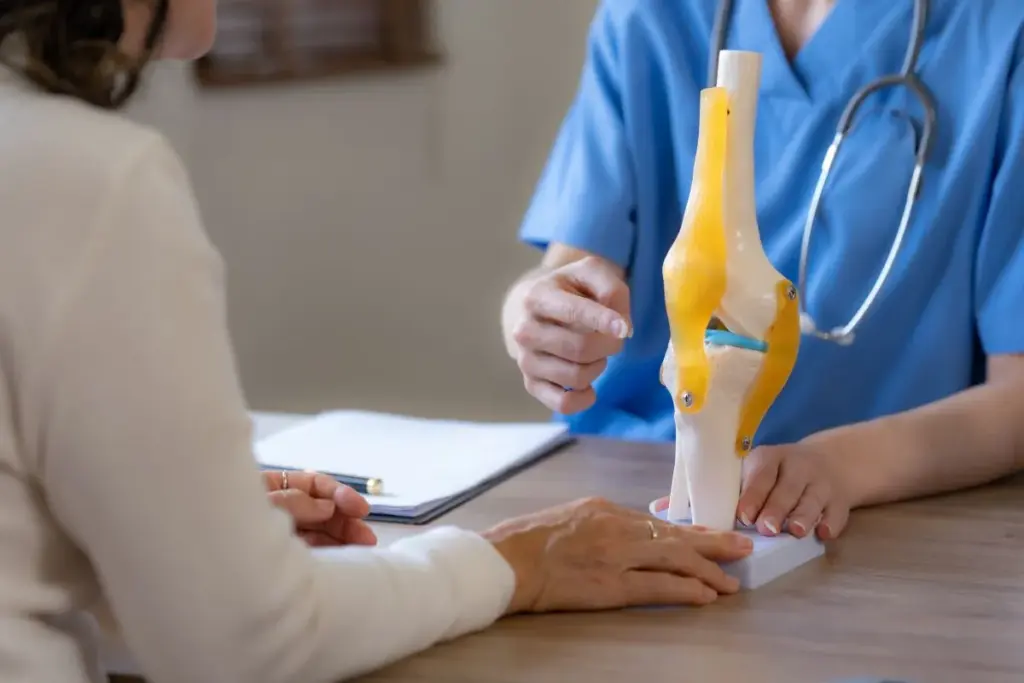
Did you know that over 1.7 billion people worldwide suffer from musculoskeletal disorders? These conditions cause a lot of pain and disability. Orthopedic surgeons are medical experts who deal with these issues. They focus on the musculoskeletal system, which includes muscles, bones, and more.
These specialists, also called orthopedists or bone doctors, aim to help patients move better and feel less pain. They use both surgery and non-surgical methods to treat these conditions. By doing so, orthopedic specialists greatly improve their patients’ lives.
Key Takeaways
- Orthopedic surgeons treat musculoskeletal disorders.
- They diagnose and treat conditions through surgical and non-surgical methods.
- Orthopedists help patients regain mobility and reduce pain.
- Treatment optimizes the quality of life for patients.
- Musculoskeletal conditions affect a significant global population.
Understanding Orthopedics: The Medical Specialty of the Musculoskeletal System
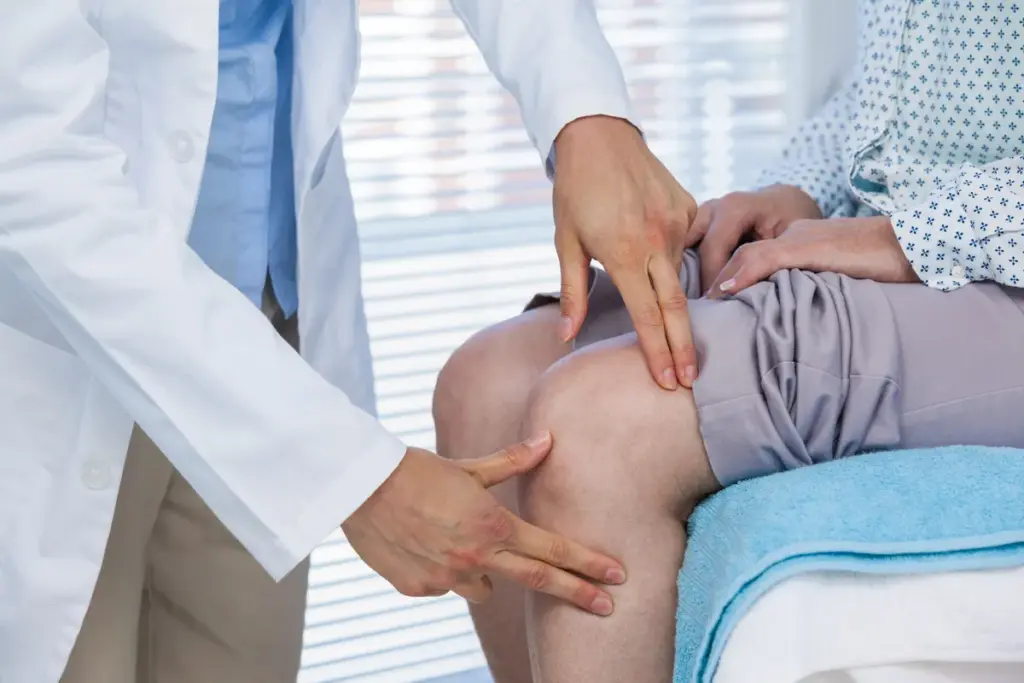
Orthopedics is a medical field that has a rich history. It deals with the musculoskeletal system, which includes bones, joints, muscles, and soft tissues. These parts work together to keep our body moving.
The Scope of Orthopedic Medicine
Orthopedic medicine covers many conditions, from sudden injuries to long-term diseases. Specialists in this field, known as ortho surgeons, use both surgery and non-surgical methods to treat these issues.
The Evolution of Orthopedic Practice
Orthopedics started with treating children with crippling diseases. Now, it helps people of all ages. New technologies and surgical methods have made treatments more effective for complex conditions.
The Role of an Orthopedic Specialist
An orthopedic specialist is key in keeping our musculoskeletal system healthy. They diagnose, create treatment plans, and perform surgeries. Their skills are vital for recovery, managing chronic conditions, and improving life quality.
Common Conditions Treated by Orthopedic Specialists
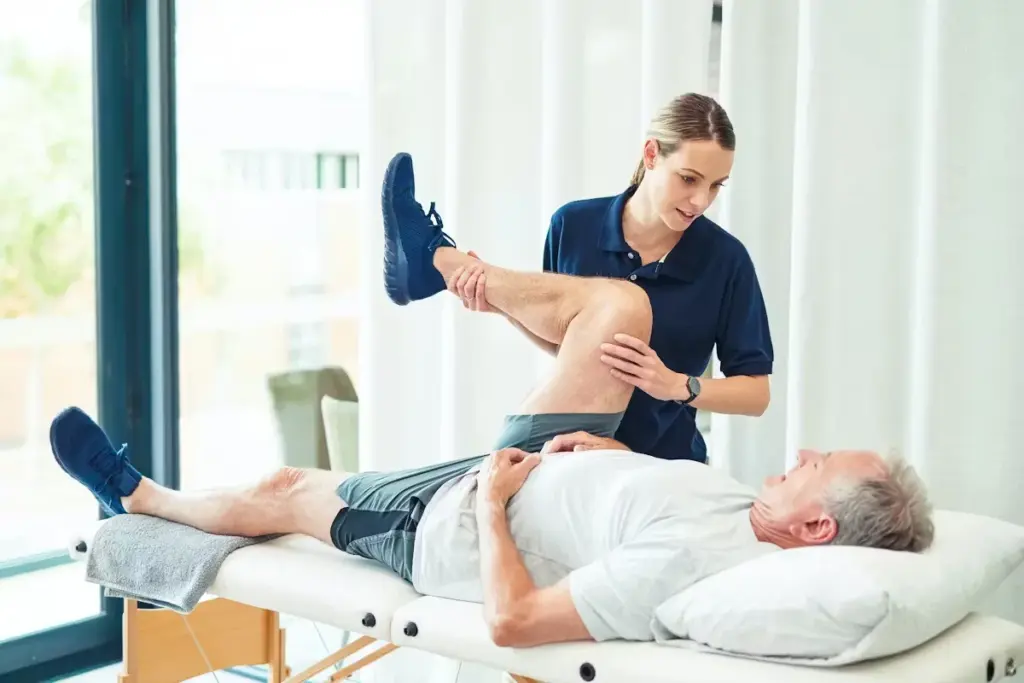
Musculoskeletal conditions, from acute injuries to chronic diseases, are what orthopedic specialists focus on. They are trained to diagnose, treat, and prevent disorders of bones, joints, and muscles.
Acute Injuries and Trauma
Orthopedic specialists often deal with acute injuries like fractures, sprains, and strains. These can happen during sports, accidents, or other traumas. Quick and correct treatment is key to avoid long-term damage and ensure full recovery.
An orthopedic surgeon might perform surgeries to fix and stabilize broken bones.
Chronic Conditions and Degenerative Diseases
Chronic conditions like osteoarthritis, tendinitis, and bursitis are common. These often need a mix of medication, physical therapy, and lifestyle changes. Sometimes, surgery is needed to ease symptoms and improve life quality.
An orthopedist can help manage these conditions and suggest the best treatments.
Congenital and Developmental Disorders
Congenital conditions, such as clubfoot or hip dysplasia, and developmental disorders like scoliosis are also treated by orthopedic specialists. Early diagnosis and treatment are critical to correct these conditions and prevent complications.
Orthopedic specialists work with patients and their families to create effective treatment plans.
|
Condition |
Description |
Common Treatment Approaches |
|---|---|---|
|
Fractures |
Breaks in bones |
Casting, surgery |
|
Osteoarthritis |
Degenerative joint disease |
Medication, physical therapy, joint replacement |
|
Scoliosis |
Abnormal curvature of the spine |
Bracing, surgery |
Understanding what orthopedic specialists treat helps patients find the right care. Whether it’s an acute injury, a chronic condition, or a congenital disorder, seeing an orthopedic doctor or knee specialist near me is a good first step towards recovery and better musculoskeletal health.
Orthopedic Care Across the Lifespan
Orthopedic specialists help people of all ages, from kids to seniors. They make sure musculoskeletal issues are treated right at every life stage.
Pediatric Orthopedic Patients
Pediatric orthopedics deals with musculoskeletal problems in kids. This includes birth defects, growth issues, and injuries. Early treatment is key for fixing problems like scoliosis or clubfoot. It helps kids grow up right.
Doctors use bracing, physical therapy, and sometimes surgery. They tailor treatments to fit each child’s needs.
Adult Orthopedic Concerns
Adults see orthopedic doctors for many reasons. This includes sports injuries, work-related strains, and conditions like osteoarthritis. Quick diagnosis and treatment help people get back to their lives.
Treatments can be medicine, physical therapy, or surgery. This includes joint replacements or arthroscopy.
Geriatric Orthopedic Care
Geriatric care focuses on older adults’ musculoskeletal issues. This includes osteoporosis, fractures, and joint diseases. Comprehensive care looks at the whole person, not just the problem.
It includes preventing falls, rehab programs, and surgery when needed. This improves their quality of life.
|
Age Group |
Common Conditions |
Typical Treatments |
|---|---|---|
|
Pediatric |
Congenital conditions, developmental issues |
Bracing, physical therapy, surgery |
|
Adult |
Sports injuries, osteoarthritis |
Medication, physical therapy, arthroscopy |
|
Geriatric |
Osteoporosis, fractures, degenerative joint diseases |
Fall prevention, rehabilitation, surgery |
Sports-Related Injuries: A Major Focus of Orthopedic Practice
Orthopedic surgery plays a big role in helping athletes with sports injuries. They offer care from start to finish. Orthopedic doctors work with athletes to treat injuries and help them get back to their sports.
Common Athletic Injuries
Athletes often get hurt, with injuries like fractures, sprains, and strains. Orthopedic specialists treat many injuries, like ACL tears and tendonitis. They use new ways to find out what’s wrong.
Treatment and Rehabilitation Approaches
Treatment for sports injuries can be non-surgical or surgery. Orthopedic doctors make plans for each athlete’s recovery. Rehabilitation is key to getting back to sports safely.
“A well-structured rehabilitation program is essential for athletes to recover fully and prevent future injuries.” –
Return-to-Play Protocols
It’s important for athletes to be ready to play again without getting hurt. Orthopedic surgeons check if they’re ready. They look at strength, flexibility, and how well they can move. A slow return to play is best, with careful watching to avoid more injuries.
|
Return-to-Play Criteria |
Description |
Assessment Method |
|---|---|---|
|
Strength Recovery |
Regaining enough strength in the hurt area |
Isokinetic testing, manual muscle testing |
|
Flexibility and Range of Motion |
Getting back to normal flexibility and movement |
Goniometry, flexibility exercises |
|
Functional Ability |
Being able to do sport-specific moves |
Functional movement screening, sport-specific drills |
Arthritis and Joint Disorders: When to See an Orthopedic Doctor
Orthopedic doctors are key in treating arthritis and joint issues. They offer many treatments to ease symptoms. Arthritis causes pain, stiffness, and swelling in the joints. Knowing when to see an orthopedic doctor is important for good care.
Osteoarthritis Management
Osteoarthritis is the most common arthritis type. It happens when cartilage in joints breaks down. Early diagnosis and treatment can greatly improve life quality. Orthopedic surgeons suggest lifestyle changes, physical therapy, and medicine for osteoarthritis.
In severe cases, joint replacement surgery might be needed.
|
Treatment Approach |
Description |
Benefits |
|---|---|---|
|
Lifestyle Modifications |
Dietary changes, exercise |
Weight management, improved joint health |
|
Physical Therapy |
Targeted exercises |
Improved mobility, strength |
|
Medication |
Pain relief, anti-inflammatory drugs |
Reduced pain, inflammation |
Rheumatoid Arthritis and Autoimmune Conditions
Rheumatoid arthritis is an autoimmune disease that causes joint inflammation. Orthopedic specialists team up with rheumatologists to manage it. Treatment includes DMARDs and biologic agents to slow the disease.
Joint Preservation and Replacement Options
For severe joint damage, orthopedic surgeons might suggest surgery. Joint preservation techniques aim to fix or realign the joint. Joint replacement involves using a prosthetic for the damaged joint.
Seeing an orthopedic doctor is a key step in managing arthritis and joint disorders. Understanding treatment options helps make informed care decisions.
Spine Conditions and Back Pain: Key Areas for Orthopedic Intervention
Orthopedic care is key for spine issues that cause severe back pain. These issues can include degenerative diseases, deformities, and injuries. They can greatly affect a person’s life quality.
Degenerative Disc Disease
Degenerative disc disease happens when discs lose their cushioning. This leads to pain and stiffness. Orthopedic specialists can treat it with physical therapy or surgery like disc replacement.
Spinal Stenosis and Herniated Discs
Spinal stenosis narrows the spinal canal, causing pain and numbness. Herniated discs bulge out, pressing on nerves. Conservative management includes pain relief and physical therapy. Surgery might be needed for decompression or discectomy.
Scoliosis and Spinal Deformities
Scoliosis is a spine curvature seen in teens. Orthopedic experts can use bracing or surgery to stop it from getting worse. Other deformities like kyphosis also need orthopedic help.
Conservative vs. Surgical Management
Choosing between non-surgical and surgical treatments depends on the condition’s severity. Conservative approaches include medication, physical therapy, and lifestyle changes. Surgical options are considered when these fail or the condition is severe.
|
Condition |
Conservative Management |
Surgical Options |
|---|---|---|
|
Degenerative Disc Disease |
Physical therapy, pain management |
Disc replacement, spinal fusion |
|
Spinal Stenosis |
Pain management, physical therapy |
Decompression surgery |
|
Scoliosis |
Bracing, observation |
Spinal fusion, corrective surgery |
Orthopedic Trauma Care: From Fractures to Complex Injuries
Orthopedic surgeons are key in treating fractures, soft tissue injuries, and complex injuries. They use a detailed approach to diagnose and treat musculoskeletal injuries. This ensures effective care for orthopedic trauma.
Fracture Management
Managing fractures is a big part of orthopedic trauma care. Surgeons use different methods to fix fractures, like closed reduction and internal fixation. The aim is to fix the bone so it heals right and the patient can move freely again. Quick treatment is vital to avoid problems like nonunion or malunion.
Soft Tissue Injuries
Soft tissue injuries, like ligament sprains and tendon ruptures, are common. Orthopedic surgeons figure out how serious these injuries are and plan the best treatment. This might include rest, physical therapy, or surgery. Getting the diagnosis right is key to avoiding long-term damage and helping the patient recover well.
Multiple Trauma and Reconstruction
When dealing with multiple trauma, surgeons face complex challenges. They use both surgery and non-surgical methods to fix the injuries. This helps restore function and reduce pain.
“The complexity of multiple trauma cases demands a multidisciplinary approach, with orthopedic surgeons working closely with other specialists to achieve the best outcomes.”
The goal of reconstruction is to improve the patient’s quality of life and function.
Subspecialties Within Orthopedics: Finding the Right Specialist
Orthopedics has many subspecialties for different musculoskeletal issues. These focus areas help orthopedic specialists give better care. They improve the quality of care for patients.
Joint Replacement Specialists
Joint replacement specialists are trained to replace damaged or arthritic joints with artificial ones. They use new surgical methods to help patients move better and feel less pain. These doctors are key in treating osteoarthritis.
Sports Medicine Orthopedists
Sports medicine orthopedists work with athletes and people injured during sports. They know how to treat injuries with surgery or other methods. They also use the latest ways to help athletes recover fast and safely.
Hand and Upper Extremity Specialists
Experts in hand and upper extremity surgery treat the hand, wrist, elbow, and shoulder. They do complex surgeries, like reconnecting severed limbs. They also help with problems like carpal tunnel syndrome.
Foot and Ankle Orthopedic Surgeons
Foot and ankle orthopedic surgeons deal with many foot and ankle issues. This includes fractures, sprains, and chronic problems like arthritis. They offer treatments that fit each patient’s needs.
Spine Specialists
Spine specialists focus on spinal problems, like degenerative disc disease and scoliosis. They use both non-surgical and surgical methods. This gives patients a full treatment plan for spine issues.
Knowing about these subspecialties helps patients find the right orthopedic specialist. This is important for treating musculoskeletal conditions or injuries.
The Orthopedic Treatment Journey: What Patients Can Expect
Orthopedic care is a journey with many steps. It starts with diagnosis and goes through treatment and recovery. Knowing this can make patients feel more ready and confident.
Diagnostic Approaches
Getting an accurate diagnosis is the first step. Doctors use physical examinations, imaging tests like X-rays and MRIs, and sometimes diagnostic injections. These help find the problem and plan the best treatment.
Non-Surgical Treatment Options
Not every problem needs surgery. Non-surgical treatments include physical therapy, medication management, and lifestyle modifications. For example, people with mild osteoarthritis might do exercises, manage their weight, and take pain meds.
- Physical therapy to improve strength and flexibility
- Medications to reduce pain and inflammation
- Lifestyle changes, such as weight loss and low-impact exercises
Surgical Interventions
When other treatments don’t work, surgery might be needed. Orthopedic surgery can be minimally invasive or more complex, like joint replacement. Surgery aims to ease pain, improve function, and enhance life quality.
Rehabilitation and Recovery
Rehabilitation is a key part of treatment. It’s a structured program to help patients regain strength and mobility. Physical therapy is central, with exercises tailored to each patient’s needs.
- Post-operative rehabilitation to ensure proper healing
- Gradual return to normal activities
- Ongoing exercises to maintain strength and flexibility
Understanding the stages of orthopedic care helps patients navigate their journey better. This way, they can achieve the best results.
Conclusion: The Vital Role of Orthopedic Care in Quality of Life
Orthopedic care is key to a better life for those with musculoskeletal issues. An orthopedic doctor is essential for diagnosing and treating many conditions. Orthopedic care addresses both sudden injuries and chronic conditions.
Orthopedic care offers both surgery and non-surgery options. This helps patients move freely again, reduces pain, and lets them do what they love. Good orthopedic care boosts a patient’s health and happiness.
Orthopedic care is vital for all ages and conditions. It helps kids with growth issues and older adults with joint problems. Specialists create custom plans for each patient to get the best results.
In the end, orthopedic care helps people live active, healthy lives. By getting the right care, people can overcome musculoskeletal challenges. This leads to better health and a higher quality of life.
FAQ
What is orthopedics, and what does an orthopedic surgeon do?
Orthopedics is a medical field that deals with musculoskeletal disorders and injuries. An orthopedic surgeon is a doctor who treats these conditions with surgery or non-surgical methods.
What kind of conditions do orthopedic specialists treat?
Orthopedic specialists treat many conditions. These include fractures, sprains, strains, arthritis, and spinal disorders.
What is the difference between an orthopedic surgeon and an orthopedist?
“Orthopedic surgeon” and “orthopedist” mean the same thing. They are doctors who focus on musculoskeletal disorders. An orthopedic surgeon can perform surgery, though.
When should I see an orthopedic doctor?
See an orthopedic doctor for persistent pain or limited mobility. This includes arthritis, tendonitis, or fractures.
What can I expect during my orthopedic treatment journey?
Expect a thorough evaluation and a treatment plan made just for you. Treatments can be non-surgical or surgical.
How do I find the right orthopedic specialist for my needs?
Look for a specialist in your area of need, like sports medicine or joint replacement. Ask your primary care doctor or check online reviews.
What is the role of rehabilitation in orthopedic care?
Rehabilitation helps patients recover from injuries or surgery. It includes physical therapy and occupational therapy, tailored to each patient’s needs.
Can orthopedic surgeons treat patients of all ages?
Yes, orthopedic surgeons treat patients of all ages. They have specialized care for children, adults, and the elderly.
What are some common sports-related injuries treated by orthopedic surgeons?
Orthopedic surgeons treat injuries like sprains, strains, fractures, and tendonitis. They also handle more complex issues like ligament tears.
What are the treatment options for arthritis and joint disorders?
Treatments for arthritis and joint disorders include medication and physical therapy. Surgery like joint replacement is also an option. Orthopedic surgeons create a treatment plan for each patient.
References
World Health Organization. Evidence-Based Medical Insight. Retrieved from https://www.who.int/news-room/fact-sheets/detail/musculoskeletal-conditions[3



 Departments
 Related Videos
 Our Doctors
 News
News