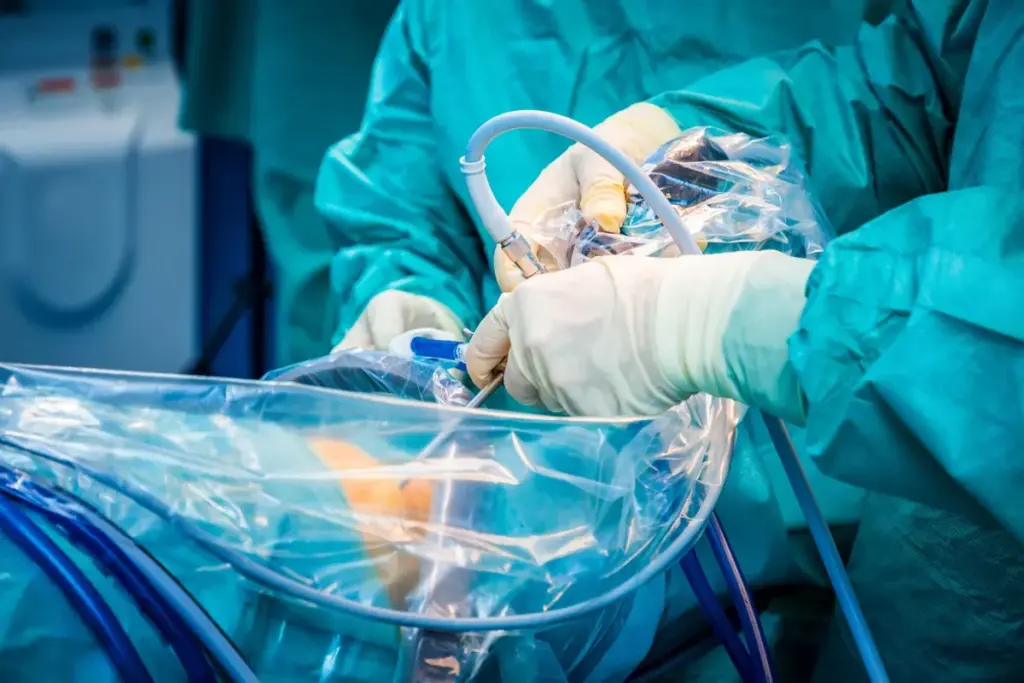
Knee osteoarthritis is a big problem worldwide, leading to a lot of musculoskeletal disability. Total knee arthroplasty (TKA) is a common surgery to fix this issue.
Many patients come to us for knee pain relief and better mobility. So, it’s important to know about the common orthopaedic procedures and their benefits.
Key Takeaways
- Total knee arthroplasty (TKA) is among the most common orthopedic surgeries.
- Knee osteoarthritis is a major cause of musculoskeletal disability.
- Joint replacement surgery offers relief and improved mobility.
- Understanding orthopaedic procedures is key for treatment decisions.
- Knee replacement is a highly effective treatment for severe knee osteoarthritis.
The Field of Orthopedic Surgery: An Overview
Orthopedic surgery deals with the musculoskeletal system, including bones, joints, and soft tissues. It’s vital as the world’s population ages and more people face musculoskeletal issues.
This field covers many procedures, from simple carpal tunnel releases to complex joint replacements. It aims to improve mobility, reduce pain, and enhance life quality.
Definition and Scope of Musculoskeletal Care
Musculoskeletal care treats disorders of the musculoskeletal system. This includes osteoarthritis, fractures, and sports injuries. Orthopedic surgeons use surgery and non-surgery to treat these, often with other healthcare teams.
This care spans the body, from the spine to limbs and soft tissues. New imaging and surgery methods have opened up more treatment options, leading to better results.
|
Condition |
Common Treatments |
Typical Recovery Time |
|---|---|---|
|
Osteoarthritis |
Joint replacement, physical therapy |
6-12 weeks |
|
Fractures |
Surgical fixation, casting |
4-12 weeks |
|
Sports Injuries |
Arthroscopic surgery, rehabilitation |
2-6 months |
Evolution of Orthopedic Procedures
Orthopedic surgery has seen big changes thanks to new tech, materials, and knowledge. Now, we have less invasive methods and better implants. This has made treatments more effective and less painful.
Technology has made surgery more precise. For example, 3D printing helps create custom implants and guides. This leads to better prosthetics and faster healing.
Orthopedic surgery will keep getting better. New techniques, materials, and tech will help meet the needs of those with musculoskeletal disorders.
Most Common Orthopedic Surgeries in America: By the Numbers

Looking at the most common orthopedic surgeries in America shows us a lot. It highlights health challenges like joint wear and sudden injuries. Certain surgeries are very common and affect many people’s health.
Statistical Breakdown of Procedure Frequency
Joint replacement surgeries are very common, according to orthopedic surgery statistics. Almost 800,000 total knee arthroplasties are done each year. This is because more people are getting older and more are overweight, which harms their joints.
Here’s a table to help understand how often different surgeries are done:
|
Procedure |
Annual Frequency |
Primary Indication |
|---|---|---|
|
Total Knee Arthroplasty |
nearly 800,000 |
Severe knee osteoarthritis |
|
Hip Replacement |
around 300,000 |
Hip fractures, osteoarthritis |
|
Shoulder Replacement |
approximately 50,000 |
Severe shoulder arthritis |
Demographic Trends in Orthopedic Interventions
Demographic trends shape the world of orthopedic surgery. Older adults often get joint replacements for conditions like osteoarthritis. Younger people are getting more sports injuries, leading to more ACL reconstructions.
“The shift towards an older population and increased participation in sports activities among younger individuals are key factors driving the demand for orthopedic surgeries,” says a leading orthopedic surgeon. “Understanding these demographic trends is critical for healthcare providers to allocate resources effectively.”
By studying these trends, we can get ready for the future of orthopedic care in America. This helps us give the best treatments for common conditions.
Knee Replacement: America’s Leading Orthopedic Procedure
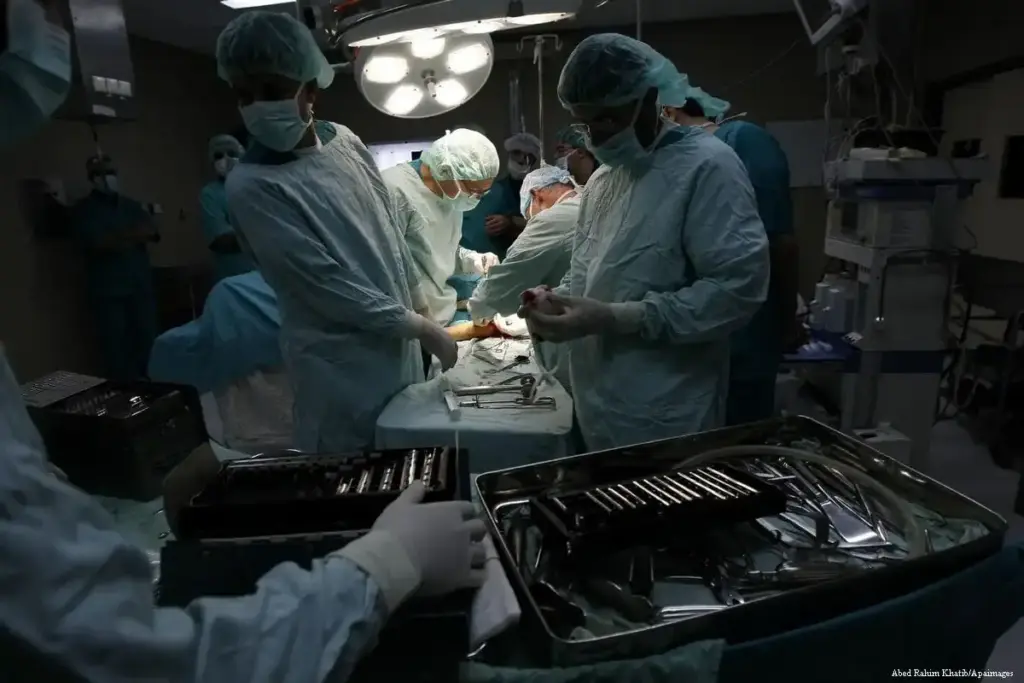
Knee replacement surgeries are becoming more common. This is due to an aging population and rising obesity rates. Knee osteoarthritis is a big reason why more people are getting total knee arthroplasty (TKA) surgeries.
Total Knee Arthroplasty vs. Partial Replacement
Total Knee Arthroplasty (TKA) means replacing the whole knee joint with artificial parts. On the other hand, partial knee replacement surgery only fixes the damaged part. The choice between these options depends on how much damage the knee has and the patient’s health.
Key differences:
- TKA is more invasive and usually for those with severe knee arthritis.
- Partial replacement is less invasive and better for those with localized knee damage.
Causes Driving Knee Replacement Prevalence
Several factors are making knee replacement surgeries more common. These include an aging population, more obesity, and an increase in sports injuries. The number of TKAs is expected to hit nearly three million by 2060.
Key statistics:
|
Year |
Projected TKA Surgeries |
|---|---|
|
2020 |
600,000 |
|
2030 |
1,200,000 |
|
2060 |
3,000,000 |
Technological Advances in Knee Implants
New technologies have greatly improved knee replacement outcomes. Modern implants are made to last longer and fit better with the body. Better materials and making techniques have also helped implants last longer and wear less.
Arthroscopic Knee Surgery: Minimally Invasive Solutions
Arthroscopic knee surgery has changed how we treat knee injuries. It uses small cuts to fix problems, which means less damage and quicker healing. Orthopedic surgeons like Joshua G Karlin, MD, can now treat knee issues with less harm to the tissue.
Meniscus Repair Procedures
The meniscus is a key part of the knee that can get hurt. Arthroscopic meniscus repair uses tiny tools to fix or trim torn meniscus. This helps athletes and active people get back to their activities without pain.
“Arthroscopic meniscus repair has been a game-changer for many of our patients,” says Joshua G Karlin, MD. “By using minimally invasive techniques, we can reduce the risk of complications and help patients return to their normal activities more quickly.”
ACL and PCL Reconstructions
ACL and PCL injuries are common in athletes. Arthroscopic ACL and PCL reconstructions use grafts to replace the damaged ligament. This method is more precise and causes less damage than traditional surgery.
- ACL reconstruction is often recommended for individuals who participate in high-level sports or experience knee instability.
- PCL reconstruction is typically considered for those with significant PCL injuries or combined ligament injuries.
Recovery Timeline and Success Rates
The time it takes to recover from arthroscopic knee surgery varies. Patients usually follow a rehab plan that includes physical therapy. This helps them regain strength and mobility.
|
Procedure |
Typical Recovery Time |
Success Rate |
|---|---|---|
|
Meniscus Repair |
6-12 weeks |
80-90% |
|
ACL Reconstruction |
6-9 months |
85-95% |
|
PCL Reconstruction |
6-9 months |
80-90% |
Arthroscopic knee surgery has greatly improved knee injury treatment. It offers a minimally invasive solution with faster recovery times and high success rates.
Hip Replacement Surgery: Second Most Common Joint Procedure
Hip replacement surgery is a key treatment for hip problems. It helps many people find relief. We’ll look at the different ways to do the surgery, the materials used, and what patients can expect.
Surgical Approaches: Traditional Posterior vs. Anterior
There are two main ways to do hip replacement surgery. The traditional posterior approach and the newer anterior approach. The posterior method has been used for years and works well. The anterior method is less invasive and might lead to quicker recovery for some.
Key differences between the two approaches include:
- Incision location: Posterior approach involves an incision at the back of the hip, while the anterior approach involves an incision at the front.
- Muscle disruption: Anterior approach is often considered less disruptive to the surrounding muscles.
- Recovery time: Some studies suggest that the anterior approach may lead to faster recovery, though results can vary.
Materials and Implant Longevity
The lifespan of hip replacement implants is very important. Today’s implants are made from metal, ceramic, and polyethylene. The material used can affect how long the implant lasts.
|
Material |
Characteristics |
Average Lifespan |
|---|---|---|
|
Metal-on-Metal |
High durability, but there’s a chance of metal ion release |
15-20 years |
|
Ceramic-on-Ceramic |
Wears down slowly, but there’s a risk of ceramic breaking |
20-25 years |
|
Metal-on-Polyethylene |
Has good durability and wear rate |
15-20 years |
Patient Outcomes and Satisfaction Rates
Most patients do well after hip replacement surgery. They often feel less pain and move better. Over 90% of patients are happy with their results.
What makes patients happy includes feeling less pain, being able to do normal activities again, and not having any problems. Knowing these things helps us give better care and improve results for our patients.
Shoulder Procedures: From Rotator Cuff to Total Replacement
Shoulder surgeries are now more common than ever. They range from fixing the rotator cuff to replacing the whole shoulder. Orthopedic surgeons have made big strides in these areas. They’ve improved how patients do after surgery and cut down on recovery times.
Rotator Cuff Repair Techniques
The rotator cuff is key for the shoulder’s stability and movement. Tears in it can cause a lot of pain and limit how you move. Arthroscopic rotator cuff repair is a top choice for many doctors. It’s less invasive and helps patients heal faster.
“The new ways of doing arthroscopic repairs have changed how we treat rotator cuff injuries,” says a leading orthopedic surgeon. “Now, patients can get back to their usual activities sooner.”
There are several methods for fixing the rotator cuff. These include:
- Single-row repair
- Double-row repair
- Transosseous repair
Each method has its own time and place. The right one depends on the patient’s situation and the doctor’s skill.
Shoulder Replacement Options
Shoulder replacement surgery is for those with severe arthritis or big fractures. There are a few options:
Total shoulder replacement
- Reverse shoulder replacement
- Hemiarthroplasty
Total shoulder replacement replaces both parts of the shoulder. Reverse shoulder replacement is for those with bad rotator cuffs. Hemiarthroplasty just replaces the ball of the humerus.
The right choice depends on the patient’s age, how active they are, and how damaged their shoulder is.
As we keep improving in orthopedic surgery, shoulder procedures are key. They help patients feel better and move more easily.
Spine Surgery: Addressing Back and Neck Problems
Orthopedic surgeons who specialize in spine surgery offer vital care for back and neck issues. They perform various surgeries to treat spine problems. These include herniated discs, spinal stenosis, spinal deformities, and fractures.
Lumbar Procedures
Lumbar spine surgeries focus on the lower back. They include:
- Lumbar Discectomy: Removing a herniated disc that’s pressing on a nerve.
- Lumbar Fusion: Joining two or more vertebrae to stabilize the spine.
- Lumbar Laminectomy: Removing part of a vertebra to relieve pressure on the spinal cord or nerves.
These surgeries help reduce pain, improve mobility, and enhance life quality for those with lower back issues.
Cervical Spine Interventions
Cervical spine surgeries address neck problems. They include:
- Cervical Discectomy and Fusion: Removing a herniated disc and fusing vertebrae to stabilize the neck.
- Cervical Laminoplasty: Expanding the spinal canal to relieve spinal cord pressure.
- Anterior Cervical Discectomy: Accessing the spine through the front of the neck to remove a herniated disc.
These surgeries aim to reduce pain, improve function, and prevent further neurological damage.
Advances in spine surgery have greatly improved patient outcomes. Below is a table summarizing key aspects of lumbar and cervical spine surgeries.
|
Procedure |
Purpose |
Typical Recovery Time |
|---|---|---|
|
Lumbar Discectomy |
Relieve nerve pressure |
2-6 weeks |
|
Cervical Discectomy and Fusion |
Stabilize neck, relieve pain |
6-12 weeks |
|
Lumbar Fusion |
Stabilize lower back |
3-6 months |
|
Cervical Laminoplasty |
Relieve spinal cord pressure |
6-12 weeks |
Knowing about these procedures and their outcomes helps patients make informed decisions about their spine health.
Hand and Wrist Surgeries: Precision Procedures
Hand and wrist surgery is all about precise and skilled work. Orthopedic surgeons perform these surgeries to fix many hand and wrist problems. These include nerve issues and complex fractures.
Carpal Tunnel Release
Carpal tunnel release is a common surgery. It relieves pressure on the median nerve by cutting a ligament. This helps those with carpal tunnel syndrome, causing numbness and pain.
The surgery can be done in two ways: open surgery or endoscopic. Endoscopic carpal tunnel release uses smaller cuts and a camera. This might lead to faster recovery.
Trigger Finger Correction
Trigger finger makes a finger get stuck in a bent position. It happens when the tendon gets inflamed. Trigger finger correction surgery fixes this by releasing the tendon sheath.
This surgery is usually done under local anesthesia. It’s often done on the same day you go in. Most people see big improvements in their finger movement after surgery.
Fracture Repairs and Joint Reconstructions
Fractures in the hand and wrist often need surgery. Fracture repair makes sure the bones heal right. Doctors use plates, screws, or pins to do this.
Joint reconstructions fix damaged joints. They repair or replace the joint surfaces. This helps with pain and improves movement.
Choosing surgery is a big step. Our orthopedic surgeons offer personalized care. They use the latest methods to help our patients get the best results.
Foot and Ankle Surgeries: Foundation of Mobility
Our feet and ankles are key to our movement. Surgeries in this area are vital. They fix issues that stop us from moving freely.
Bunion Corrections
Bunion corrections are common foot surgeries. A bunion is a bump on the big toe joint. It causes pain and limits movement.
Surgery realigns bones, tendons, and ligaments. There are several methods, like:
Osteotomy: Cutting and realigning the bone.
Exostectomy: Removing the bony bump.
Arthrodesis: Fusing the joint.
These surgeries greatly improve life for those with bunions.
Achilles Tendon Repairs
The Achilles tendon is key for walking, running, and jumping. A rupture often needs surgery. The repair involves:
- Suturing the tendon: Using strong sutures to reattach the tendon.
Tendon reattachment: Reattaching the tendon to the bone.
Rehab after surgery is key to getting the tendon strong again.
Ankle Reconstruction and Fusion Techniques
Ankle reconstruction and fusion fix severe arthritis or deformities. Fusion joins bones to stop pain. Reconstruction realigns or replaces parts of the joint.
These surgeries are for when other treatments don’t work. The choice between fusion and reconstruction depends on the damage.
Foot and ankle surgeries might seem scary. But, thanks to new orthopedic surgery methods, they’re more effective and less invasive. This means patients can get back to their activities faster.
Sports Medicine Orthopedic Procedures
The field of sports medicine has made big strides in orthopedic procedures. This has changed how we treat sports injuries. Orthopedic surgeons now use new techniques and technologies to help athletes heal faster and get back to sports sooner.
Common Athletic Injury Interventions
Sports medicine orthopedic procedures cover many treatments for athletic injuries. We do arthroscopic surgeries for issues like meniscal tears and ligament sprains. We also do open surgeries for more serious injuries like fractures and tendon ruptures.
Advanced techniques like ligament reconstruction help athletes regain knee stability. This is key for those with ACL and PCL injuries.
We also perform rotator cuff repairs for shoulder problems and tendon repairs for issues like Achilles tendon ruptures. These surgeries are often done with small incisions. This approach helps athletes heal faster and with less scarring.
Return-to-Play Protocols and Timelines
Creating return-to-play protocols is a big part of sports medicine orthopedic care. These protocols help athletes safely get back to their sports. They involve a step-by-step approach to exercises and activities, tailored to each athlete’s needs and sport.
We team up with athletes, coaches, and physical therapists to create individualized rehabilitation plans. The time it takes for an athlete to return to play depends on the injury and the surgery. Athletes usually follow a structured rehab program for weeks to months before they’re cleared to compete again.
Minimally Invasive Approaches in Orthopedic Surgery
Minimally invasive orthopedic surgery is changing how we treat musculoskeletal issues. It’s popular because it can cut down on recovery time, reduce scarring, and lessen pain after surgery.
Advantages of Less Invasive Techniques
These techniques have smaller cuts, less damage to tissue, and less blood loss. They help patients recover faster and feel less pain afterward. This makes them a good choice for many patients.
Patients who get these surgeries often stay in the hospital less and get back to their daily lives sooner than those who have traditional surgery.
Common Minimally Invasive Procedures
Some common surgeries include arthroscopic knee surgery, minimally invasive total knee arthroplasty (TKA), and robotic-assisted TKA. These use new technology to improve precision and results.
Robotic-assisted TKA, for example, helps place implants more accurately. This can lead to better results and happier patients.
|
Procedure |
Benefits |
Recovery Time |
|---|---|---|
|
Arthroscopic Knee Surgery |
Minimally invasive, less tissue damage |
Several weeks |
|
Minimally Invasive TKA |
Smaller incision, less pain |
6-12 weeks |
|
Robotic-Assisted TKA |
High precision, better implant placement |
6-12 weeks |
Recovery Advantages and Considerations
Minimally invasive surgeries have many benefits for recovery. But, it’s key to think about each patient’s needs and the surgery they’re having. Talking to an orthopedic surgeon can help figure out the best option.
Personalized care is vital in orthopedic surgery. It ensures each patient gets a treatment plan that fits their unique situation and health.
Trauma-Related Orthopedic Surgery
After a traumatic injury, orthopedic surgery can make a big difference. It helps patients recover instead of facing long-term disability. This surgery fixes complex fractures and musculoskeletal damage. It’s key to getting patients back on their feet.
Fracture Fixation Methods
Fixing fractures is a big part of trauma surgery. Different methods are used to hold bones together and help them heal. These include:
- Internal fixation using plates, screws, and rods
- External fixation devices for temporary stabilization
- Intramedullary nailing for long bone fractures
The right method depends on the fracture’s type and the patient’s health. Thanks to new techniques, patients can move sooner and face fewer complications.
Emergency vs. Planned Orthopedic Interventions
Orthopedic surgery for trauma often mixes emergency and planned surgeries. Emergency surgeries are for:
- Severe open fractures with a lot of soft tissue damage
- Fractures that hurt nerves or blood vessels
- Fractures that need to be fixed right away
Planned surgeries, on the other hand, are scheduled. They let doctors plan better and prepare the patient. These include:
- Final fixing of fractures after initial care
- Fixing complex injuries
- Fixing fractures that didn’t heal right
Knowing the difference between emergency and planned surgeries is important. It affects how we treat patients and their outcomes. Understanding trauma-related orthopedic surgery helps us see the challenges of treating injuries.
Recovery and Rehabilitation After Orthopedic Surgery
Recovering well after orthopedic surgery is key to a good outcome. It involves physical therapy, managing pain, and slowly getting back to daily life.
Physical Therapy Protocols
Physical therapy is vital in the healing process. It helps patients regain strength, move better, and function well. Personalized therapy plans are made based on the surgery, patient health, and goals.
Physical therapy includes:
- Range of motion exercises to improve flexibility
- Strengthening exercises to build muscle around the affected joint or area
- Balance and coordination training to prevent falls
- Functional training to perform daily activities
Pain Management Strategies
Managing pain well is important for a smooth recovery. We use different methods to control pain, including:
- Medication: A mix of pain relievers and anti-inflammatory drugs
- Physical modalities: Like ice, heat, and electrical stimulation
- Injection therapy: To reduce inflammation and ease pain
Timeline for Return to Normal Activities
The time it takes to recover varies with the surgery type. Generally, patients can expect these milestones:
|
Surgery Type |
Immediate Post-Surgery |
Short-Term Recovery (6-12 weeks) |
Long-Term Recovery (3-6 months) |
|---|---|---|---|
|
Knee Replacement |
Minimal weight-bearing |
Progressive strengthening and range of motion |
Return to most daily activities |
|
Hip Replacement |
Limited mobility |
Increased mobility and strengthening |
Full recovery and return to normal activities |
|
Shoulder Surgery |
Immobilization |
Gradual mobilization and strengthening |
Improved strength and function |
Following the advice of healthcare professionals is vital for a safe and effective recovery.
Cost and Insurance Considerations for Orthopedic Procedures
It’s important for patients to know about the money side of orthopedic surgery. The cost can change a lot, and knowing what insurance covers is key.
Average Costs of Common Surgeries
Orthopedic surgeries can be pricey. For example, knee replacement surgery might cost between $30,000 and $50,000. Hip replacement can range from $25,000 to $40,000. These prices include hospital stays, doctor fees, and the cost of implants.
Other common surgeries and their costs are:
- Arthroscopic knee surgery: $15,000 – $30,000
Shoulder rotator cuff repair: $10,000 – $25,000
Carpal tunnel release: $2,000 – $5,000
Insurance Coverage Variations
Insurance for orthopedic surgeries can differ a lot. Most plans help pay for these surgeries, but you might have to pay some yourself. This includes deductibles, copays, and coinsurance.
For instance, if you have a $1,000 deductible and 20% coinsurance, you could face big out-of-pocket costs. Knowing your insurance well can help avoid surprises.
“It’s important to check your insurance policy. Different procedures have different coverage levels. Some surgeries might need approval before they can happen.”
Financial Planning for Orthopedic Care
Planning your finances for orthopedic surgery is vital. Think about the surgery’s cost, lost wages during recovery, and any rehab expenses.
Some financial planning tips include:
- Check your insurance and know what you’ll have to pay
- Look into payment plans from healthcare providers
- Plan for rehab and lost income
- Talk about costs with your surgeon’s office
By planning well, patients can handle the financial side of orthopedic surgery better.
Choosing the Right Orthopedic Surgeon
Finding the right orthopedic surgeon is important. You need to think about their skills, credentials, and how they care for patients. These factors greatly affect your surgery’s success and your experience.
Credentials and Specializations to Look For
When looking for an orthopedic surgeon, check their credentials and specializations. You want a surgeon who:
- Is board-certified by the American Board of Orthopaedic Surgery (ABOS)
- Has fellowship training in their specialty
- Works at a well-known hospital or surgical center
- Has a good track record of successful surgeries
For example, a surgeon like Joshua G Karlin, MD, with specialized training, can offer the care you need. It’s important to research their background and understand how they treat your condition.
Questions to Ask Before Surgery
Before surgery, ask your surgeon important questions. Consider asking:
- What experience do you have with this procedure?
- What are the possible risks and complications?
- What are the expected results, and how will success be measured?
- What is the usual recovery time, and what support can I expect?
Asking these questions can make you feel more confident in your surgeon’s skills.
Second Opinion Considerations
Getting a second opinion is a smart move before surgery. It can give you more information and help you make a better choice. When getting a second opinion:
Choose a surgeon with similar credentials and experience
- Be ready to talk about your case and any previous advice
- Think about the second opinion in the context of your whole treatment plan
By carefully choosing a qualified orthopedic surgeon, you can improve your chances of a successful surgery and a smooth recovery.
Conclusion
Orthopedic surgery covers many procedures for musculoskeletal issues. It includes knee and hip replacements, as well as spine and shoulder surgeries. These surgeries help people regain their health and mobility.
Knowing about different orthopedic surgeries is key to making good choices. Advances in care, like new techniques and materials, have improved results and recovery times. This shows how important it is to understand these options.
Finding the right orthopedic surgeon is vital. Look at their credentials, specialization, and how satisfied patients are. This ensures you get the best care. As we keep improving, we’ll be able to treat musculoskeletal issues better.
Orthopedic care is about more than surgery. It’s about helping people reach their full ability and live better lives. By knowing what’s available, we can focus more on musculoskeletal health. This way, everyone can enjoy life fully.
FAQ
What is orthopedic surgery?
Orthopedic surgery deals with fixing problems in the musculoskeletal system. This includes bones, joints, muscles, and soft tissues.
What are the most common types of orthopedic surgeries?
Common surgeries include knee and hip replacements, shoulder and spine surgeries, and hand and wrist procedures.
What is knee replacement surgery?
Knee replacement surgery replaces damaged or arthritic joint surfaces with artificial parts. These are usually made of metal and plastic.
What is the difference between total and partial knee replacement?
Total knee replacement replaces the whole knee. Partial knee replacement only fixes the damaged part.
What is arthroscopic knee surgery?
Arthroscopic knee surgery is a small procedure. It uses a camera and tools to fix knee injuries and conditions.
What is hip replacement surgery?
Hip replacement surgery replaces a damaged or arthritic hip with an artificial one. It’s made of metal, ceramic, or plastic.
What are the different approaches to hip replacement surgery?
There are different ways to do hip replacement surgery. These include the traditional posterior approach and the anterior approach.
What is spine surgery?
Spine surgery treats spinal conditions like herniated discs and scoliosis. It aims to relieve pressure and stabilize the spine.
What is the recovery process like after orthopedic surgery?
Recovery involves physical therapy and pain management. It’s a gradual process that varies based on the surgery and patient.
How do I choose the right orthopedic surgeon?
Look for a surgeon with the right credentials and experience. Consider their communication style and don’t hesitate to ask questions.
What are the benefits of minimally invasive orthopedic surgery?
Minimally invasive surgery has smaller incisions and less pain. It also leads to faster recovery, but not all surgeries are suitable.
How much does orthopedic surgery cost?
Costs vary based on the procedure, location, and insurance. Discuss costs with your surgeon and insurance provider.
What is the role of physical therapy in orthopedic recovery?
Physical therapy helps patients regain strength and mobility. It also reduces pain and prevents complications.
Can I return to sports or athletic activities after orthopedic surgery?
Many patients can return to sports after surgery. The timeline and protocols vary based on the surgery and patient.
References
National Center for Biotechnology Information. Evidence-Based Medical Insight. Retrieved from https://pmc.ncbi.nlm.nih.gov/articles/PMC10341240/



 Departments
 Related Videos
 Our Doctors
 News
News