Every year, over 1 million orthopaedic operations are done in the United States. This greatly affects the lives of many people. Orthopedic surgery is a field that deals with treating bone and muscle problems.
These surgeries assist patients in repairing joints, treating sports injuries, and healing broken bones. They aim to make patients’ lives better by reducing pain and improving function.
Key Takeaways
- Orthopedic surgery treats musculoskeletal disorders and injuries.
- Common types include joint replacements and fracture repairs.
- These surgeries aim to restore function and alleviate pain.
- Over 1 million orthopaedic operations are performed annually in the US.
- Orthopedic surgery improves the quality of life for patients.
The Fundamentals of Orthopedic Surgery

Orthopedic surgery is a key part of healthcare today. It deals with the complex needs of patients with musculoskeletal issues. This field, also known as orthopaedics, focuses on diagnosing, treating, and preventing disorders and injuries in the musculoskeletal system.
The musculoskeletal system includes bones, joints, muscles, and soft tissues like tendons and ligaments. Orthopedic surgeons are trained to handle a wide range of conditions. This includes fractures, osteoarthritis, sports injuries, and spinal deformities.
Definition and Scope of Orthopedic Surgery
Orthopedic surgery involves surgical treatments for musculoskeletal disorders and injuries. It covers both elective and emergency procedures. The American Academy of Orthopaedic Surgeons (AAOS) says orthopedic surgeons aim to improve patient care through education, research, and new surgical techniques.
“Orthopedic surgery is a constantly evolving field, with advancements in technology and technique continually improving patient outcomes.” –
AAOS President
The field has many subspecialties, like sports medicine, joint replacement, spine surgery, and pediatric orthopedics. Each subspecialty needs specific training and expertise. This allows orthopedic surgeons to offer targeted care for complex conditions.
The Role of Orthopedic Surgeons
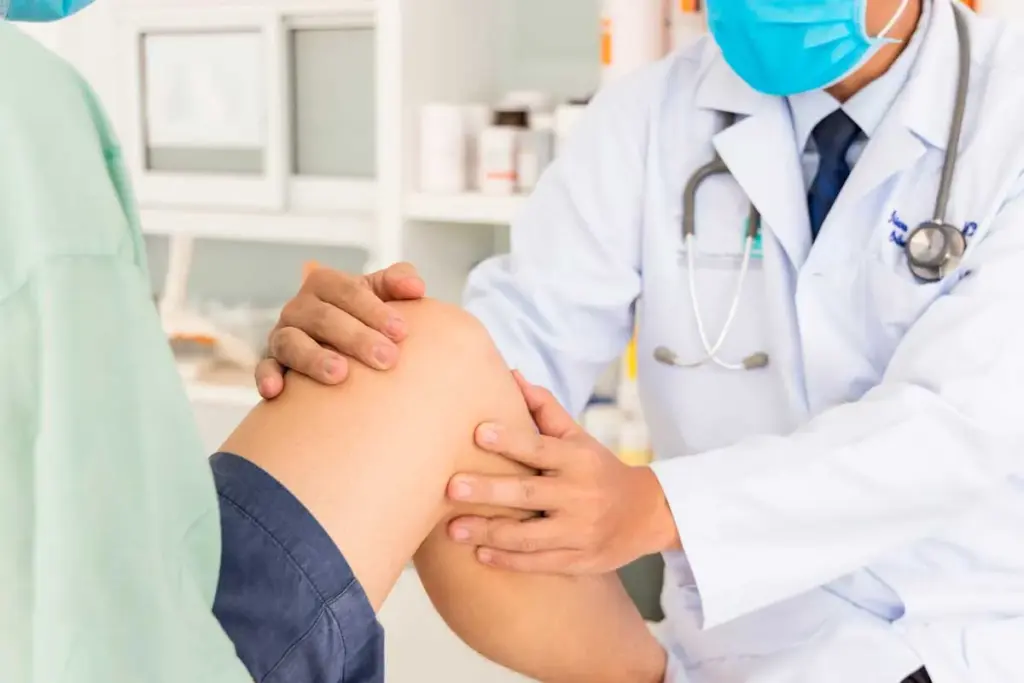
Orthopedic surgeons are vital in managing musculoskeletal conditions. They diagnose conditions, create treatment plans, and perform surgeries. They also work with other healthcare professionals for complete patient care.
|
Responsibilities |
Description |
|---|---|
|
Diagnosis |
Evaluating patients to determine the nature of their musculoskeletal condition. |
|
Treatment Planning |
Developing a treatment plan that may include surgical or non-surgical interventions. |
|
Surgical Procedures |
Performing operations to repair or replace damaged or diseased musculoskeletal tissues. |
Orthopedic surgeons must keep up with the latest in their field. They continually update their skills and knowledge to give the best care to their patients.
The Evolution of Orthopedic Surgery Through History

Orthopedic surgery has changed a lot over the years. It started in ancient times with simple treatments. These early steps helped shape the field we know today.
Historical Development
The first orthopedic surgeries were in ancient Egypt and Greece. Surgeons there fixed fractures and did skull surgeries. These early steps were important for later progress.
In the Middle Ages, surgeries got more complex. But, they were often risky because of poor infection control. It wasn’t until the 19th and 20th centuries that big changes happened. X-rays and antiseptics were introduced.
Modern Advancements in Techniques
Now, orthopedic surgery includes many types of surgeries. This includes joint replacements and arthroscopic surgeries. Surgeons use advanced technology like robots and 3D printing.
New surgeries like knee and hip replacements have changed orthopedics. They offer better results and faster recovery. “
Looking ahead, orthopaedic procedures will keep getting better. This will be thanks to new technology and a better understanding of the body.
Most Common Orthopedic Surgeries in the United States
Orthopedic surgeries are common in the US. Hip and knee replacements are among the most common. These surgeries help with many musculoskeletal issues.
Statistical Overview
Recent studies show that joint replacement surgeries are very common. Joint replacements, like hip and knee arthroplasty, make up a big part of orthopedic surgeries. The number of these surgeries is going up. This is because more people are getting older and more have osteoarthritis.
- Knee replacement surgeries have seen a significant increase over the past decade.
- Hip replacement surgeries are also on the rise, mainly among older adults.
- Other common orthopedic procedures include arthroscopic surgeries and fracture repairs.
Factors Influencing Surgery Rates
Several factors affect the rates of orthopedic surgeries in the US. Age is a big factor, with older people needing joint replacements more. Obesity and related health issues also play a big role. How much money someone has can affect their access to surgery.
- Age: Older populations are more prone to degenerative joint diseases.
- Obesity: Higher rates of obesity correlate with increased need for orthopedic surgeries.
- Socioeconomic Status: Access to healthcare affects surgery rates among different demographic groups.
Demographics of Orthopedic Patients
The demographics of orthopedic patients vary. Certain age groups and genders are more likely to need certain surgeries. Older adults are the main group for joint replacement surgeries. Knowing this helps plan healthcare better and tailor treatments for different patients.
|
Demographic Factor |
Common Orthopedic Surgeries |
Age Group |
|---|---|---|
|
Older Adults |
Joint Replacements (Hip and Knee) |
65+ |
|
Active Adults |
Arthroscopic Surgeries, Fracture Repairs |
40-64 |
Knee Replacement Surgery: The Leading Orthopedic Procedure
Knee replacement surgery is a key treatment in orthopedics. It helps patients with severe knee problems feel less pain and move better.
Types of Knee Replacements
There are different knee replacement surgeries for various needs. The main types are:
- Total Knee Replacement (TKR): Replaces the whole knee joint with artificial parts.
- Partial Knee Replacement (PKR): Fixes only the damaged knee part, keeping healthy bone and tissue.
Indications for Surgery
Doctors suggest knee replacement for severe knee arthritis or other degenerative issues. This is when other treatments don’t work. The reasons include:
- Severe knee pain that makes daily tasks hard
- Big loss of knee function
- Failure of treatments like medicine and physical therapy
Procedure Overview and Success Rates
The surgery replaces the damaged knee joint with artificial parts made of metal and plastic. It’s known for its high success rate. It greatly improves patients’ lives.
|
Type of Replacement |
Success Rate |
Average Recovery Time |
|---|---|---|
|
Total Knee Replacement |
90-95% |
6-12 weeks |
|
Partial Knee Replacement |
85-90% |
6-8 weeks |
Success rates are high thanks to better surgery techniques and prosthetics. Patients see a big drop in pain and better knee function after surgery.
Hip Replacement Surgery
Hip replacement surgery, also known as hip arthroplasty, is a procedure where a damaged hip joint is replaced with an artificial one. It’s often chosen for those with severe hip arthritis or fractures. These issues can make moving and feeling pain hard.
Surgical Approaches
There are different ways to do hip replacement surgery, each with its own benefits. The choice depends on the patient’s body, the surgeon’s style, and the hip’s condition.
- Anterior Approach: This method accesses the hip from the front. It might cause less damage and lead to quicker healing.
- Posterior Approach: This is the most common way. It gets to the hip from the back. While it works well, it might increase the chance of dislocation.
- Lateral Approach: This method uses a side incision. It aims to balance less damage with good access to the joint.
Materials Used in Hip Implants
Hip implant materials have improved a lot. They focus on lasting long, fitting well, and working well.
|
Material |
Description |
Benefits |
|---|---|---|
|
Metal |
Often used in combination with other materials for the ball and socket components. |
High strength and durability. |
|
Polyethylene |
Used for the liner of the acetabular component. |
Provides a smooth surface for articulation, reducing wear. |
|
Ceramic |
Used for the ball and socket, giving a hard, wear-resistant surface. |
Low risk of dislocation and wear. |
Recovery Timeline and Expectations
The time it takes to recover from hip replacement surgery varies. It depends on your health, age, and the surgery type.
Here’s what you can expect:
- Immediate Post-Surgery: You’ll focus on managing pain and starting to recover. Physical therapy helps a lot.
- Short-Term (0-3 months): You’ll slowly get better at moving and getting stronger.
- Long-Term (3-6 months and beyond): You’ll fully recover and get back to normal activities. You’ll keep getting stronger and more mobile.
Following your surgeon’s advice and doing physical therapy is key to a good recovery.
Arthroscopic Procedures and Minimally Invasive Techniques
Arthroscopic procedures have changed orthopedic surgery a lot. They offer new ways to treat many musculoskeletal problems. These methods are less invasive, which means less damage to tissues. This leads to faster recovery times and better results for patients.
Knee Arthroscopy
Knee arthroscopy is used to find and fix problems in the knee. It can help with meniscal tears, ligament injuries, and cartilage damage. A small camera and tools are used through tiny cuts. This lets the surgeon see inside the knee and make repairs.
Shoulder Arthroscopy
Shoulder arthroscopy helps with shoulder issues like rotator cuff tears and labral tears. It’s a way to fix these problems without a big cut. This means less pain after surgery and a quicker recovery.
Benefits of Minimally Invasive Approaches
Arthroscopic surgery has many benefits. It leads to less recovery time, less pain after surgery, and smaller scars. These reasons make it a good choice for many patients needing orthopedic care.
|
Procedure |
Common Indications |
Benefits |
|---|---|---|
|
Knee Arthroscopy |
Meniscal tears, ligament injuries |
Minimally invasive, quick recovery |
|
Shoulder Arthroscopy |
Rotator cuff tears, labral tears |
Less post-operative pain, faster return to activity |
In conclusion, arthroscopic procedures are a big step forward in orthopedic surgery. They give patients effective, less invasive treatments for many musculoskeletal issues.
Spinal Surgeries and Their Prevalence
Spinal surgery is a key part of orthopedic care. It treats many spinal disorders. Common surgeries include lumbar fusion, discectomy, and laminectomy.
These surgeries help with degenerative disc disease, herniated discs, and spinal stenosis. These conditions cause a lot of pain. The goal is to ease pain, improve function, and enhance life quality.
Lumbar Fusion
Lumbar fusion joins two or more vertebrae in the lower back. It’s used for degenerative disc disease, spondylolisthesis, and spinal fractures.
Indications for Lumbar Fusion:
- Degenerative disc disease
- Spondylolisthesis
- Spinal fractures
Discectomy
A discectomy removes a herniated or damaged disc. It’s used to relieve pressure on the spinal cord or nerves.
Types of Discectomy:
- Microdiscectomy
- Endoscopic discectomy
Laminectomy and Spinal Decompression
Laminectomy, or spinal decompression, removes part or all of the lamina. It’s used to relieve pressure on the spinal cord or nerves due to spinal stenosis.
These spinal surgeries are becoming more common. This is due to an aging population and more spinal conditions. Here’s a look at their prevalence and success rates:
|
Procedure |
Prevalence |
Success Rate |
|---|---|---|
|
Lumbar Fusion |
High |
80-90% |
|
Discectomy |
Moderate to High |
85-95% |
|
Laminectomy |
Moderate |
70-85% |
Knowing about these surgeries helps patients and doctors make better choices.
Shoulder Surgeries: Rotator Cuff Repair and Beyond
Shoulder surgeries include rotator cuff repairs and shoulder replacements. They treat shoulder problems like tears, arthritis, and labral tears. The goal is to fix the shoulder, ease pain, and improve life quality.
Rotator Cuff Repair Techniques
Rotator cuff repair fixes tears in the muscles and tendons around the shoulder. The surgery can be open or arthroscopic, depending on the tear’s size and location.
Arthroscopic rotator cuff repair is a small incision method. It uses a camera to see the tear. This way is better because it heals faster and causes less damage.
Shoulder Replacement Options
Shoulder replacement surgery replaces a damaged joint with an artificial one. There are two main types: total shoulder replacement and hemiarthroplasty.
- Total shoulder replacement replaces both the ball and socket.
- Hemiarthroplasty only replaces the ball.
|
Type of Shoulder Replacement |
Description |
Indications |
|---|---|---|
|
Total Shoulder Replacement |
Replaces both the ball and socket |
Severe arthritis, significant joint damage |
|
Hemiarthroplasty |
Replaces only the ball |
Partial joint damage, certain fractures |
SLAP Tear and Labral Repairs
SLAP tears hurt the labrum, the cartilage around the shoulder socket. Labral repairs fix the torn labrum to the bone.
Arthroscopic labral repair is a common method for SLAP tears. It uses anchors to attach the labrum to the bone. This helps the shoulder heal and stay stable.
Fracture Repairs and Trauma Surgery
Fixing fractures and treating trauma is key to helping patients recover. Orthopedic surgeons use many techniques to treat injuries. They choose the best method for each patient’s needs.
Common Fracture Fixation Techniques
Fixing fractures is a big part of orthopedic surgery. It involves different ways to hold bones together. Some common methods are:
- Internal fixation using plates and screws
- Intramedullary nailing for long bone fractures
- External fixation for temporary stabilization
Emergency Orthopedic Procedures
Severe trauma needs quick orthopedic care. This care helps keep patients stable and safe from more harm. It might include:
- Immediate fracture reduction and stabilization
- Debridement and irrigation of open fractures
- Damage control orthopedics for critically ill patients
Acting fast is key to avoid complications and get better results.
Pediatric Fracture Management
Handling fractures in kids is special because their bones are growing. It’s important to consider their unique needs. Key points are:
|
Fracture Type |
Treatment Approach |
Considerations |
|---|---|---|
|
Greenstick fractures |
Conservative management with casting |
Monitoring for possible remodeling |
|
Completely displaced fractures |
Surgical reduction and fixation |
Avoiding injury to growth plates |
|
Buckle fractures |
Immobilization with splinting |
Managing pain and follow-up |
Understanding how kids’ bones heal is critical for managing their fractures.
Sports Medicine and Orthopedic Surgery
Sports medicine is key in orthopedic surgery. It deals with sports injuries diagnosis, treatment, and prevention. More people are into sports, making this field more important.
Sports medicine in orthopedic surgery covers many areas. Orthopedic surgeons specializing in sports medicine offer full care. This includes checking patients, surgery, and helping them recover.
ACL Reconstruction
ACL (Anterior Cruciate Ligament) reconstruction is a common sports medicine procedure. It fixes the ACL to make the knee stable again. Arthroscopic techniques are used to make recovery faster and safer.
Many things affect ACL reconstruction success. These include the patient’s health, injury severity, and how well they recover. Physical therapy is key in getting back to normal.
Meniscus Repair and Removal
Meniscus injuries happen a lot in sports, like twisting or direct contact. Treatment can be repair or removal, based on the injury. Arthroscopic surgery is often used for these, as it’s less invasive.
Choosing between repair or removal depends on several things. These include the patient’s age, tear extent, and other knee injuries. Meniscus repair is usually preferred to keep the meniscus and avoid future knee issues.
Treatment for Common Sports Injuries
Sports medicine treats many injuries, like ligament sprains, muscle strains, and tendonitis. Orthopedic surgeons use different methods, from non-surgical to surgery, based on the injury.
New advancements in sports medicine have improved recovery for athletes and those with sports injuries. Innovative surgical techniques and rehab plans have made recovery faster and safer.
Foot and Ankle Orthopedic Procedures
Foot and ankle surgeries help fix many problems. They are key for people with deformities, injuries, or chronic conditions. These surgeries help patients move better and enjoy life again.
Bunion Surgery
Bunion surgery is common. It fixes a bony bump on the big toe joint. The surgery can be simple or complex, depending on the case.
“Bunion surgery has changed a lot,” says a top orthopedic surgeon. “Now, there are many options for each patient’s needs and lifestyle.”
The right surgery depends on the bunion’s size, the patient’s health, and what they want. New techniques help patients heal faster and move better sooner.
Ankle Fusion and Replacement
Ankle fusion and replacement help those with severe arthritis or damage. Fusion makes the ankle joint solid but limits movement. Replacement keeps the ankle moving with an artificial joint.
- Fusion is best for younger, active people or those with big bone loss.
- Replacement is for older folks or those with less active lives.
Both options have their benefits. The choice depends on the patient’s situation and needs.
Achilles Tendon Repair
Achilles tendon repair fixes a torn tendon. It’s common in athletes and those who are very active. The surgery reconnects the tendon to make the ankle strong again.
Key aspects of Achilles tendon repair include:
- Less invasive methods to heal faster and with less scarring.
- Rehab programs focus on building strength and flexibility slowly.
“New surgery and rehab methods have greatly improved results,” says an orthopedic expert.
Hand and Wrist Surgeries
Orthopedic surgeons often perform hand and wrist surgeries to help patients with pain and loss of function. These surgeries treat many conditions, from common ones like carpal tunnel syndrome to complex ones needing special techniques.
Hand and wrist surgeries include several key procedures. Each is designed to treat specific conditions. Knowing about these procedures helps patients decide if surgery is right for them.
Carpal Tunnel Release
Carpal tunnel release is a common surgery. It relieves pressure on the median nerve by cutting the ligament that forms the roof of the tunnel. It’s for those with carpal tunnel syndrome who haven’t gotten better with other treatments.
This surgery is very effective, with most patients feeling much better afterward. It’s usually done on an outpatient basis, so patients can go home the same day.
Trigger Finger Treatment
Trigger finger makes a finger get stuck in a bent position. Surgery releases the tendon sheath to help the tendon move smoothly. It’s considered when other treatments don’t work.
Trigger finger surgery is simple and has a quick recovery. Most people can get back to normal activities in just a few days.
Wrist Arthroscopy and Repair
Wrist arthroscopy is a minimally invasive surgery for the wrist joint. It uses a small camera and tools through tiny cuts to diagnose and treat problems. Surgeons can repair damaged tissues or remove bone fragments.
Wrist arthroscopy has many benefits, like less pain and a quicker recovery than open surgery. It’s good for treating many wrist issues, like ligament or cartilage damage.
|
Procedure |
Condition Treated |
Recovery Time |
|---|---|---|
|
Carpal Tunnel Release |
Carpal Tunnel Syndrome |
Several weeks |
|
Trigger Finger Treatment |
Trigger Finger |
A few days to a week |
|
Wrist Arthroscopy and Repair |
Wrist injuries, ligament tears |
Several weeks to a few months |
Hand and wrist surgeries are key for fixing function and pain in patients. By learning about these surgeries, patients can make better choices about their treatment.
Technological Innovations in Orthopedic Surgery
Orthopedic surgery is changing fast thanks to new tech. These changes are making surgeries better and helping patients heal faster and feel happier.
Robotic-Assisted Surgery
Robotic-assisted surgery is a big deal in orthopedics. It uses robots to help surgeons, making them more precise and in control. The good stuff about it is:
- It makes bone cuts and implant placements more accurate
- It lowers the chance of problems during surgery
- It leads to quicker recovery times because it’s less invasive
Computer Navigation Systems
Computer navigation systems are also making a big impact. They use software and sensors to give surgeons real-time data during surgery. This helps them make better choices.
|
Feature |
Benefit |
|---|---|
|
Real-time tracking |
Improves accuracy in implant placement |
|
Pre-operative planning |
Increases surgical precision |
|
Intraoperative adjustments |
Allows for real-time adjustments |
3D Printing Applications in Orthopedics
3D printing is becoming more common in orthopedic surgery. It’s used to make custom implants, prosthetics, and models for surgery. This tech offers:
- Custom care for patients with tailored implants
- Better planning with accurate models
- Helps patients understand their surgery with visual aids
3D printing in orthopedics is growing. It’s set to play a bigger role in complex surgeries and making tools just for each patient.
Risks and Complications of Orthopedic Procedures
It’s important to know the risks of orthopedic procedures before making a decision. These surgeries can greatly improve your life but also have possible complications. These can affect your recovery and overall health.
Common Surgical Complications
Orthopedic surgeries, like any surgery, have risks. These can include:
- Nerve damage: Nerve injury can happen during surgery. This might cause numbness, tingling, or ongoing pain.
- Blood clots: Deep vein thrombosis (DVT) is a risk after these surgeries, mainly after lower extremity procedures.
- Implant failure: There’s a chance implants, like joint replacements, might not last as long as hoped.
Infection Prevention and Management
Infection is a big risk in orthopedic surgery. Prevention strategies include:
- Using prophylactic antibiotics before surgery.
- Keeping the surgery area clean and sterile.
- Watching for signs of infection after surgery.
If an infection happens, treatment usually involves antibiotics. Sometimes, more surgery is needed to fight the infection.
“The prevention and management of infection in orthopedic surgery is a multifaceted challenge that requires careful planning and execution.” –
Orthopedic Expert
Long-term Considerations for Implants
For those with implants from orthopedic surgeries, long-term care is key. Several factors can affect how long an implant lasts. These include:
|
Factor |
Description |
Impact on Implant Longevity |
|---|---|---|
|
Material |
The type of material used for the implant (e.g., metal, ceramic, polyethylene). |
Different materials last for varying lengths of time and are more or less compatible. |
|
Patient Activity Level |
The level of physical activity and stress on the implant. |
More active patients may wear out their implants faster. |
|
Surgical Technique |
The precision and method used during implant placement. |
Using the right technique can help an implant last longer. |
Knowing these risks and complications helps both patients and doctors make better choices. It also helps take steps to avoid or lessen these issues.
Conclusion
Orthopedic surgery is key in modern medicine, greatly improving lives for millions. Knee and hip replacements, spinal surgeries, and arthroscopic procedures have changed how we treat musculoskeletal issues.
The field has seen big leaps in techniques, technology, and care for patients. Now, orthopedic surgeries offer solutions for many conditions, from joint diseases to sports injuries and fractures.
Ortho surgery is vital for restoring function, reducing pain, and improving mobility. As more people age and musculoskeletal conditions increase, the need for these surgeries will grow. It’s important for everyone to know about these surgeries and their benefits.
Staying up-to-date with orthopedic surgery advancements helps people make better choices about their health. This leads to better health outcomes and a higher quality of life.
FAQ
What is orthopedic surgery?
Orthopedic surgery treats musculoskeletal disorders and injuries. It uses surgical procedures to help.
What are the most common orthopedic surgeries?
Common surgeries include joint replacements, sports injury repairs, and fixing fractures.
What is knee replacement surgery?
Knee replacement surgery replaces a damaged or arthritic knee. It uses an artificial implant to restore function and ease pain.
What is hip replacement surgery?
Hip replacement surgery replaces a damaged or arthritic hip. It uses an artificial implant to restore function and ease pain.
What is arthroscopic surgery?
Arthroscopic surgery is a minimally invasive method. It uses a small camera and instruments to diagnose and treat musculoskeletal conditions.
What are the benefits of minimally invasive orthopedic surgery?
Minimally invasive surgery has many benefits. It reduces recovery time, causes less tissue damage, and uses smaller incisions.
What is spinal surgery?
Spinal surgery treats various spinal conditions. It includes procedures for degenerative disc disease, herniated discs, and spinal stenosis.
What is rotator cuff repair surgery?
Rotator cuff repair surgery fixes a torn or damaged rotator cuff tendon. It restores shoulder function and eases pain.
What are the risks and complications of orthopedic surgery?
Orthopedic surgery has risks and complications. These include infection, blood clots, and implant failure.
What is robotic-assisted orthopedic surgery?
Robotic-assisted orthopedic surgery uses a robotic system. It assists surgeons, improving accuracy and precision.
How long does it take to recover from orthopedic surgery?
Recovery time varies. It depends on the procedure, individual factors, and overall health.
What is the role of physical therapy in orthopedic surgery recovery?
Physical therapy is key in recovery. It helps patients regain strength, mobility, and function after surgery.
Reference
National Center for Biotechnology Information. Evidence-Based Medical Insight. Retrieved from https://pmc.ncbi.nlm.nih.gov/articles/PMC8801171/