

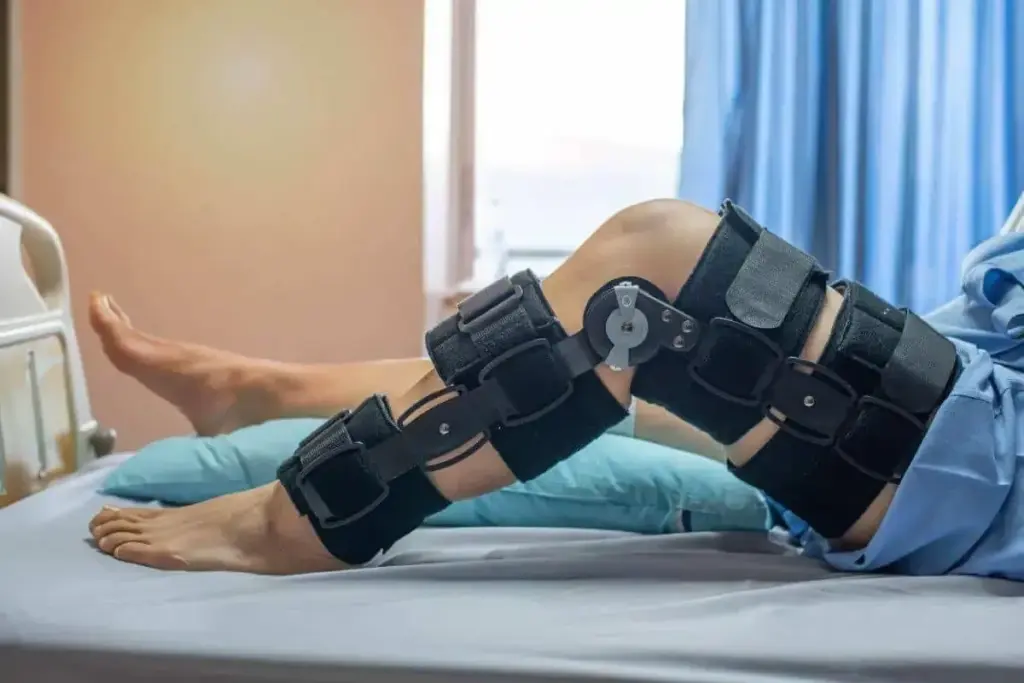
Total Knee Replacement is a big orthopaedic procedure that has changed lives for millions. It’s done to fix severe arthritis or knee injuries.
This surgical intervention replaces the damaged knee joint with prosthetics. This helps restore function and ease pain. Studies show it’s one of the top surgeries, mainly for older people.
Key Takeaways
- Total Knee Replacement is the fourth most common orthopedic surgery.
- This surgical procedure is often performed to relieve severe arthritis or knee injuries.
- The surgery involves resurfacing the damaged knee joint with prosthetic components.
- Total Knee Replacement is particularlly common among the elderly population.
- The procedure aims to restore function and alleviate pain in the knee joint.
The Fundamentals of Orthopedic Surgery
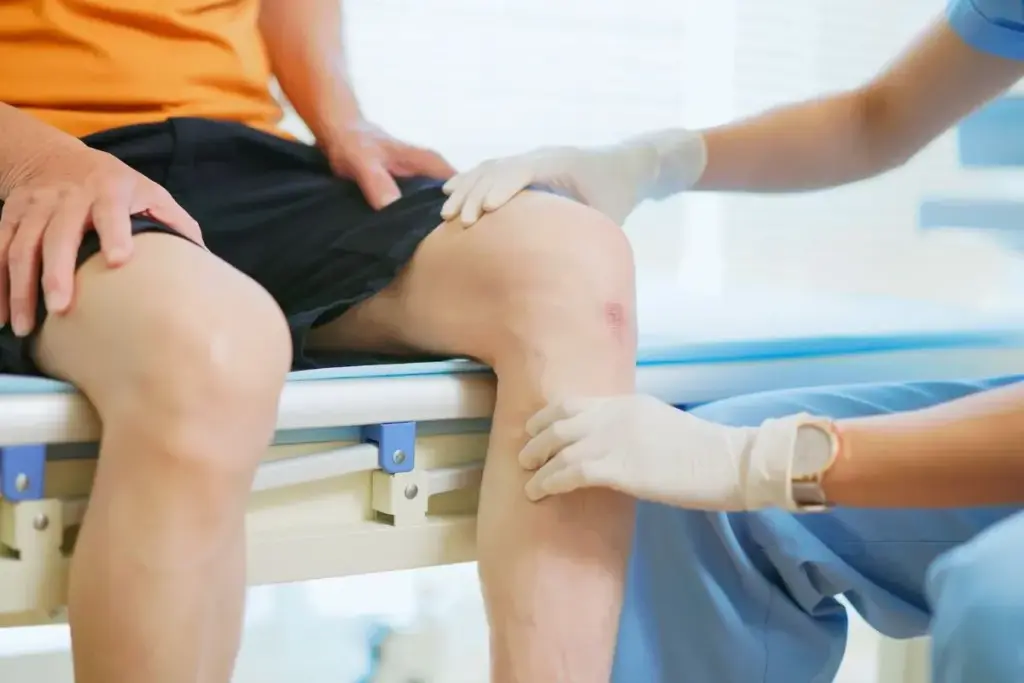
Orthopedic surgery has grown a lot over time. It deals with many surgeries for bone and muscle problems. Knowing the basics of orthopedic surgery helps us understand its complex operations.
Definition and Scope of Modern Orthopedic Procedures
Orthopedic surgery, or orthopaedics, focuses on treating bone and muscle issues. It includes bones, joints, and muscles. Modern orthopedic procedures use new tech like robotics and 3D printing to get better results.
Orthopedic surgery covers a wide range. It goes from minimally invasive surgeries like arthroscopy to big surgeries like joint replacements. Surgeons also fix deformities and relieve pain.
The Historical Evolution of Orthopedic Medicine
Orthopedic medicine has changed a lot over time. It started with simple methods and now uses advanced surgery. The 20th century brought big changes with new materials and tech.
The mid-20th century saw the start of arthroscopy, making surgeries less invasive. Today, robotic-assisted surgery has made things even better.
Knowing how orthopedic surgery has evolved helps us see where it’s going. As it keeps getting better, it will help more people with bone and muscle issues.
Common Orthopedic Surgery Types and Their Frequency
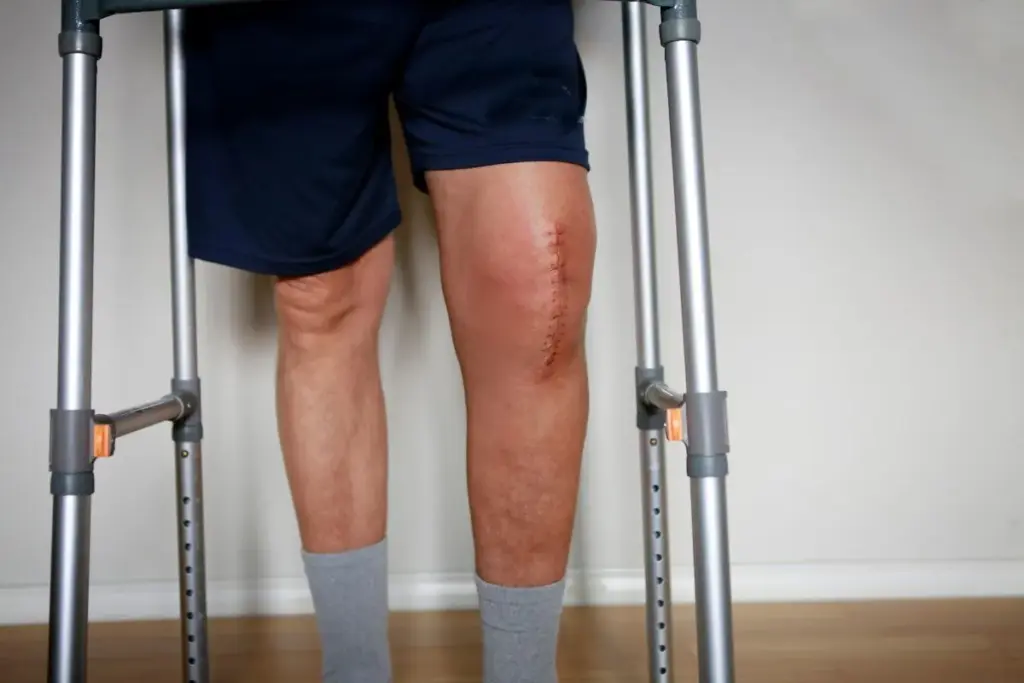
It’s important to know about the most common orthopedic surgeries. This knowledge helps both patients and healthcare providers. Orthopedic surgeries treat many musculoskeletal disorders and injuries.
Factors Influencing Surgery Rates in the United States
Many things affect how often orthopedic surgeries are done in the US. These include changes in the population, more musculoskeletal conditions, better surgery techniques, and better healthcare access.
Demographic Changes: Older adults are more likely to need surgery for conditions like osteoarthritis.
Prevalence of Musculoskeletal Conditions: Conditions like osteoporosis, fractures, and sports injuries also play a role. Obesity rates have gone up, leading to more knee and hip replacements.
Statistical Overview of Annual Orthopedic Procedures
Orthopedic surgeries are very common each year. Recent data shows how often these surgeries happen.
|
Type of Surgery |
Annual Frequency |
Percentage of Total Orthopedic Surgeries |
|---|---|---|
|
Knee Replacement |
650,000+ |
20% |
|
Hip Replacement |
450,000+ |
15% |
|
Shoulder Surgery |
200,000+ |
7% |
The table shows how often different orthopedic surgeries are done. It highlights the big numbers of knee and hip replacements.
The Top Three Most Common Orthopedic Surgeries
Some orthopedic surgeries are more common than others. This is because of common injuries and conditions. Knowing about these surgeries is important for doctors and patients.
Knee Arthroscopy and Meniscectomy (First Place)
Knee arthroscopy and meniscectomy are top surgeries. Knee arthroscopy uses a small camera to look at and fix knee problems. Meniscectomy removes damaged meniscus tissue, which can hurt and limit knee movement.
- Knee arthroscopy treats knee issues like meniscal tears and ligament damage.
- Meniscectomy is needed when the meniscus is too damaged to repair.
- These surgeries are less invasive, leading to faster recovery times.
Shoulder Arthroscopy (Second Place)
Shoulder arthroscopy is a common procedure for shoulder problems. It uses a small camera and tools through tiny cuts. This treats issues like rotator cuff tears and shoulder impingement.
Shoulder arthroscopy is common because of shoulder injuries and conditions. This is true for athletes and those who do repetitive overhead activities.
Carpal Tunnel Release (Third Place)
Carpal tunnel release surgery is third in commonality. It relieves pressure on the median nerve in the wrist. This surgery can be open or endoscopic, aiming to stop hand and wrist pain.
Carpal tunnel release surgery is common because of carpal tunnel syndrome. This is often caused by repetitive motion and work activities.
Total Knee Replacement: The Fourth Most Common Orthopedic Surgery
Total knee replacement is the fourth most common orthopedic surgery. It’s needed by many to treat severe knee arthritis and other conditions. This surgery is a key treatment for these issues.
Prevalence and Demographics of Knee Replacement Patients
More people are getting total knee replacement surgery than ever before. This is mainly because more people are getting older and more are overweight. The American Academy of Orthopaedic Surgeons says most patients are elderly. But, younger people are also getting the surgery thanks to better implants and surgery methods.
“The increasing prevalence of total knee replacement among younger populations highlights the need for durable and adaptable implant solutions.”
Why Knee Replacement Ranks Fourth Among Orthopedic Procedures
Total knee replacement is fourth because it greatly improves life for those with severe knee problems. It’s known for reducing pain and improving function. This makes it a popular choice.
|
Orthopedic Procedure |
Annual Frequency |
Primary Patient Demographics |
|---|---|---|
|
Knee Arthroscopy |
High |
Active adults, athletes |
|
Shoulder Arthroscopy |
High |
Active adults, athletes |
|
Carpal Tunnel Release |
Moderate to High |
Middle-aged adults, often with repetitive strain injuries |
|
Total Knee Replacement |
Moderate to High |
Elderly, with a growing trend among younger patients |
The table shows how common and who gets each orthopedic procedure. It shows where total knee replacement stands.
Understanding Knee Anatomy and Pathology
The knee is one of the largest and most complex joints in the body. It’s prone to injuries and degenerative conditions. This is because it supports body weight, helps with movement, and absorbs shock.
The Complex Structure of the Knee Joint
The knee joint is made up of three bones: the femur, tibia, and patella. It’s a synovial hinge joint that’s stabilized by ligaments. These include the anterior and posterior cruciate ligaments, and the medial and lateral collateral ligaments.
It also has menisci, cartilage, and a system of muscles and tendons. The knee’s complex anatomy allows for a wide range of motion. But, this complexity also makes it vulnerable to various pathologies.
Common Knee Conditions Leading to Replacement Surgery
Several knee conditions can lead to the need for knee replacement surgery. Osteoarthritis is one of the most common. It’s caused by the wear and tear of cartilage that cushions the joints.
Other conditions include rheumatoid arthritis, an autoimmune disorder that causes inflammation and cartilage degradation. Post-traumatic arthritis also develops after a severe knee injury.
Knee conditions can greatly impact a person’s quality of life. They can cause pain, stiffness, and limited mobility. Understanding these conditions is key to finding the right treatment, including knee replacement surgery.
The Evolution of Knee Replacement Techniques
Knee replacement techniques have seen major changes over the years. From the first cemented implants to today’s personalized prosthetics, the progress is impressive.
Historical Development of Artificial Knee Joints
The idea of knee replacement started in the late 19th century. But it wasn’t until the 1960s that the first successful surgeries happened. These early surgeries used cemented implants, which were groundbreaking but had some drawbacks.
Years later, the materials and designs of artificial knee joints changed a lot. The 1960s saw the use of high-density polyethylene, which made implants last longer.
|
Decade |
Advancements in Knee Replacement |
|---|---|
|
1960s |
Introduction of cemented implants and high-density polyethylene |
|
1980s |
Advancements in implant design, including the introduction of modular components |
|
2000s |
Development of cementless implants and patient-specific prosthetics |
Modern Advancements in Implant Design and Materials
Today, knee replacement techniques keep getting better. This is thanks to new implant designs and materials science. Modern implants are made to last longer and move more like a real knee.
New materials like titanium and ceramic are being used. They make implants stronger and last longer. Also, patient-specific instrumentation helps implants fit better, which can lead to better results.
- Improved implant materials
- Enhanced design for better knee function
- Patient-specific prosthetics for improved fit
As these techniques keep improving, patients can look forward to better results. They’ll have implants that last longer and can enjoy more active lives.
Types of Knee Replacement Procedures
There are many types of knee replacement surgeries. Each one is designed for different knee problems and patient needs. Knowing about these options is key to making the right choice for knee surgery.
Total Knee Arthroplasty (TKA)
Total Knee Arthroplasty, or TKA, is the most common surgery. It replaces the whole knee with artificial parts. It’s for those with severe arthritis or major knee damage.
Key aspects of TKA include:
- Replacing all three parts of the knee joint
- Using prosthetics made from metal and plastic
- Customizing for each patient’s anatomy
Partial (Unicompartmental) Knee Replacement
Partial Knee Replacement, or Unicompartmental Knee Arthroplasty, fixes only the damaged part. It’s for those with arthritis in just one part of the knee.
Benefits of Partial Knee Replacement include:
- Less invasive than TKA
- Saves healthy bone and tissue
- May lead to quicker healing
|
Procedure |
Description |
Typical Patient Profile |
|---|---|---|
|
Total Knee Arthroplasty (TKA) |
Replaces entire knee joint |
Severe knee arthritis or significant damage |
|
Partial (Unicompartmental) Knee Replacement |
Replaces only damaged portion |
Arthritis limited to one compartment |
|
Revision Knee Replacement |
Replaces previously implanted prosthetic |
Patients with failed or worn-out knee replacements |
Revision Knee Replacement Surgery
Revision Knee Replacement is for replacing a failed artificial knee. It’s needed when the first implant doesn’t work anymore.
“Revision knee replacement surgery is a critical option for patients whose initial knee replacement has failed, providing a second chance at improved mobility and reduced pain.” – Orthopedic Surgeon
Reasons for Revision Knee Replacement include:
- Wear and tear of the original implant
- Infection or loosening of the prosthetic
- Instability or dislocation
It’s important for patients to understand the different knee replacement options. Each has its own use, benefits, and downsides. Talking to an orthopedic specialist is key to making the best choice.
The Complete Knee Replacement Surgical Process
A successful knee replacement surgery needs careful planning, precise steps, and good care after surgery. This way, patients get the best results from their knee replacement.
Pre-Surgical Evaluation and Preparation
Before knee replacement surgery, patients have a detailed check-up. This includes looking at their medical history, a physical exam, and tests like X-rays and blood work. The goal is to check the patient’s health and find any risks for surgery.
Pre-surgical preparation also teaches patients about recovery. This includes learning about pain management, physical therapy, and lifestyle changes for healing.
Step-by-Step Surgical Procedure
The surgery has several important steps. First, the patient gets anesthesia for comfort. Then, the surgeon makes an incision, removes the damaged parts, and puts in the new prosthetic. The precision of the surgical technique is key for success and lasting results.
The surgery details can change based on the type of replacement needed. This could be total knee arthroplasty (TKA), partial (unicompartmental) knee replacement, or revision knee replacement surgery.
Immediate Post-Operative Care Protocol
After surgery, patients go to the recovery room for monitoring. Post-operative care includes managing pain, wound care, and starting to move the knee. This helps prevent stiffness and aids in healing.
The healthcare team gives clear instructions on care after surgery. This includes how to take medication, when to come back for follow-ups, and what to watch for in case of complications.
Recovery and Rehabilitation Following Knee Replacement
Recovery and rehabilitation are key after knee replacement surgery. They help patients get back their strength and mobility. A good rehabilitation plan is essential for the best results and a better life.
Timeline for Recovery Milestones
The recovery after knee replacement surgery has a general timeline. Most patients hit important milestones in a few months. Right after surgery, patients focus on managing pain, swelling, and getting basic movement back. By six to twelve weeks, they see big improvements in how far they can move and their strength.
By three to six months, patients can do daily tasks more easily. It takes up to a year to fully recover and do strenuous activities again. But, everyone recovers at their own pace.
Physical Therapy Protocols and Exercises
Physical therapy is a big part of getting better. It helps patients use their knee again and get stronger. At first, exercises focus on moving the knee and reducing stiffness. Later, they work on strengthening the muscles around the knee and making it more stable.
- Straight leg raises to improve quadriceps strength
- Knee bends and straightens to enhance flexibility
- Resistance band exercises for muscle strengthening
- Balance and coordination exercises to prevent falls
Long-term Outcomes and Quality of Life Improvements
Knee replacement surgery and good rehab can really improve a patient’s life. Long-term outcomes often include less pain, better movement, and doing things they couldn’t before.
Many studies show that most patients feel a lot less pain and move better. This leads to a more active life. The success of knee replacement surgery depends a lot on the rehab process. This shows how important a good physical therapy plan is.
Potential Risks and Complications of Knee Replacement Surgery
Knee replacement surgery has risks and complications, like any big surgery. It’s usually safe and works well. But knowing these risks helps patients make smart choices about their treatment.
Common Surgical and Post-Surgical Complications
Knee replacement surgery can lead to different complications. Some common ones are:
- Infection: Surgery can lead to infection.
- Blood Clots: Deep vein thrombosis (DVT) is a risk after surgery.
- Implant Failure: The artificial knee joint can wear out or loosen over time.
- Nerve Damage: Nerves around the knee can be damaged during surgery.
After surgery, complications can also happen. These include:
- Prolonged Recovery: Some patients may take longer to recover than expected.
- Stiffness: Limited range of motion or stiffness in the knee can be a complication.
- Pain: Persistent pain is a possible complication, though it’s not common.
Risk Factors and Prevention Strategies
Some factors can make complications more likely after knee replacement surgery. These include:
- Age: Older patients may have a higher risk of complications.
- Overall Health: Patients with certain health conditions, like diabetes or heart disease, may face increased risks.
- Lifestyle Factors: Smoking and obesity can increase the risk of complications.
To lower these risks, several prevention strategies can be used:
- Pre-Surgical Optimization: Managing health conditions before surgery can reduce risks.
- Antibiotic Prophylaxis: Antibiotics may be used to prevent infection.
- Early Mobilization: Moving soon after surgery can help prevent blood clots and stiffness.
- Physical Therapy: A well-structured rehabilitation program can improve outcomes.
By knowing the risks and complications of knee replacement surgery, patients can prepare better. It’s key to talk about these with a healthcare provider to find the best plan.
Comparing Knee Replacement to Other Common Orthopedic Surgeries
Knee replacement and other orthopedic surgeries have their own unique features. This includes how long it takes to recover and the outcomes. Knowing these differences is key for patients and doctors when choosing treatments and planning care after surgery.
Recovery Time and Rehabilitation Differences
Knee replacement surgery, or knee arthroplasty, has its own recovery path. Recovery times can vary a lot based on the surgery type and the patient’s health.
Knee replacement surgery usually takes longer to recover from than arthroscopic procedures like knee arthroscopy. Knee arthroscopy might let patients get back to normal in a few weeks. But knee replacement surgery can take several months.
- Knee replacement: 3-6 months for full recovery
- Knee arthroscopy: 2-6 weeks for recovery
- Shoulder arthroscopy: 2-4 weeks for recovery
- Carpal tunnel release: 1-2 weeks for recovery
Long-term Outcomes and Success Rates
Looking at long-term results, knee replacement often stands out. Success rates are usually high for knee replacement. Most patients see a big drop in pain and better function.
|
Surgery Type |
Success Rate |
Long-term Complications |
|---|---|---|
|
Knee Replacement |
90-95% |
Loosening, wear, infection |
|
Knee Arthroscopy |
80-90% |
Infection, nerve damage |
|
Shoulder Arthroscopy |
85-95% |
Infection, stiffness |
Grasping these comparisons helps patients and doctors make better choices in orthopedic care.
Technological Innovations in Modern Orthopedic Surgery
Technology is changing orthopedic surgery a lot. It makes surgeries more precise and better for patients. New tech is making old ways of surgery better and more effective.
Robotic-Assisted Knee Replacement Surgery
Robotic surgery is a big step up in orthopedic care. It lets doctors do more precise work on bones and implants. This could mean better results and longer-lasting implants for patients.
The robots give surgeons live data and images. This helps them place implants more accurately and lowers the chance of problems.
Computer Navigation Systems
Computer systems are also making surgeries more accurate. They use real-time imaging to guide doctors. This makes bone cuts and implant placement more precise.
This tech is really helpful in tricky cases or when the anatomy is hard to work with.
Patient-Specific Instrumentation and 3D Printing Applications
PSI and 3D printing are changing orthopedic surgery a lot. PSI makes custom guides for surgeries based on the patient’s body. 3D printing makes custom implants and models for planning.
This makes surgeries better and more precise. It helps doctors plan and prepare for surgeries better.
|
Technological Innovation |
Description |
Benefits |
|---|---|---|
|
Robotic-Assisted Surgery |
Uses robotic systems for precise bone preparation and implant placement. |
Improved accuracy, better outcomes, reduced complications. |
|
Computer Navigation Systems |
Employs real-time imaging to guide surgeons during procedures. |
Enhanced precision, improved alignment, reduced risk. |
|
Patient-Specific Instrumentation (PSI) |
Creates customized surgical guides based on patient anatomy. |
Improved accuracy of bone cuts, better fit of implants. |
|
3D Printing |
Produces custom implants and models for preoperative planning. |
Enhanced surgical planning, improved implant fit, better patient outcomes. |
The future of orthopedic surgery looks bright with these new technologies. As they get better, we’ll see even more precise surgeries and better care for patients.
Selecting the Right Orthopedic Surgeon and Facility
Choosing the right surgeon and facility for orthopedic surgery is very important. The success of the surgery depends on these choices.
Surgeon Qualifications and Specialization
The surgeon’s qualifications and specialization are key. Look for surgeons who are:
- Board-certified by the American Board of Orthopaedic Surgery (ABOS)
- Specializing in the specific procedure required (e.g., knee replacement, shoulder surgery)
- Having extensive experience with the procedure
Hospital Quality Metrics and Considerations
The quality of the hospital or surgical facility is also important. Consider these metrics:
- Infection rates and hospital-acquired condition rates
- Patient satisfaction scores
- Accreditation status from reputable organizations
Also, think about the facility’s equipment and technology. Look for advanced imaging and robotic-assisted surgery systems.
Essential Questions to Ask Before Surgery
Before surgery, ask your surgeon and the facility staff important questions. Some questions to ask include:
- What is the surgeon’s experience with this specific procedure?
- What are the possible risks and complications, and how are they handled?
- What is the expected recovery process, and what support is available after surgery?
By carefully evaluating these factors and asking the right questions, patients can make informed decisions. This increases the chances of a successful surgery outcome.
Alternative Treatments Before Considering Knee Replacement
Knee replacement surgery might not always be the first choice. There are other ways to ease knee pain and improve how you move. These options can help you avoid surgery for a while.
Conservative Management Approaches
Non-surgical methods can help manage knee pain and boost function. These include:
- Physical Therapy: Exercises to strengthen the knee muscles, making it more stable and less painful.
- Medications: Drugs to reduce inflammation and pain.
- Lifestyle Modifications: Losing weight, doing low-impact exercises, and avoiding activities that hurt your knee.
- Bracing or Orthotics: Using knee braces or shoe inserts to support the knee and correct its alignment.
Minimally Invasive Interventional Procedures
If conservative methods don’t work, there are less invasive options:
- Corticosteroid Injections: To cut down inflammation and pain.
- Hyaluronic Acid Injections: To make the joint move better.
- Platelet-rich Plasma (PRP) Therapy: Using your own platelets to help heal the knee.
Emerging Regenerative Medicine Options
Regenerative medicine offers new hope for knee pain:
- Stem Cell Therapy: Using stem cells to fix damaged tissue.
- Tissue Engineering: Creating biological substitutes to fix knee function.
Exploring these options can help you decide on the best course of action. It might mean you can skip or delay knee replacement surgery.
Conclusion: Making Informed Decisions About Knee Replacement Surgery
Knee replacement surgery is a big decision that needs careful thought. Understanding the procedure along with its advantages and disadvantages empowers patients to make informed choices. This knowledge is key to making the right treatment choice.
Learning about orthopedic surgery, how common knee replacements are, and the different methods used helps a lot. It’s important to think about the good and bad sides of surgery. Also, looking at other treatment options is a good idea.
Choosing the right surgeon and hospital is also part of making a good decision. Knowing about new technologies like robotic surgery is important. This helps patients make informed choices.
Being well-informed lets patients play a big role in their care. This leads to better results and a better life.
FAQ
What is Total Knee Replacement surgery?
Total Knee Replacement is a surgery. It replaces the knee joint with artificial parts. This helps those with severe arthritis or injuries to move better.
What are the most common orthopedic surgeries?
The most common surgeries include Knee Arthroscopy and Meniscectomy, Shoulder Arthroscopy, and Carpal Tunnel Release. Total Knee Replacement is also very common.
What is the purpose of Knee Replacement surgery?
Knee Replacement surgery aims to ease pain and improve function. It’s for those with severe arthritis or injuries. The goal is to replace the damaged joint with prosthetics.
What are the different types of Knee Replacement Procedures?
There are several types of Knee Replacement surgeries. These include Total Knee Arthroplasty (TKA), Partial (Unicompartmental) Knee Replacement, and Revision Knee Replacement Surgery. Each type is chosen based on the patient’s needs and condition.
What is the recovery process like after Knee Replacement surgery?
After surgery, you’ll follow a detailed care plan. This includes physical therapy and rehabilitation. It helps you regain strength and mobility. The recovery time varies, but there are milestones to look forward to.
What are the possible risks and complications of Knee Replacement surgery?
Knee Replacement surgery is generally safe. But, there are risks and complications. These can be managed with proper care and prevention strategies.
How does Knee Replacement surgery compare to other common orthopedic surgeries?
Knee Replacement surgery has its own recovery and rehabilitation needs. It also has different long-term outcomes compared to other surgeries. Understanding these differences is key when choosing a treatment.
What technological innovations are being used in modern orthopedic surgery?
Modern surgery uses new technologies. These include Robotic-Assisted Knee Replacement, Computer Navigation Systems, and Patient-Specific Instrumentation. These advancements improve the safety and success of surgeries.
How do I choose the right orthopedic surgeon and facility for my Knee Replacement surgery?
Choosing the right surgeon and facility is important. Look at the surgeon’s qualifications, their focus, the hospital’s quality, and patient feedback. This helps you make a well-informed choice.
Are there alternative treatments available before considering Knee Replacement surgery?
Yes, there are alternatives before surgery. These include conservative treatments, minimally invasive procedures, and regenerative medicine. These options might delay or avoid the need for Knee Replacement surgery.
Reference
National Center for Biotechnology Information. Evidence-Based Medical Insight. Retrieved from https://pmc.ncbi.nlm.nih.gov/articles/PMC8262448/

























