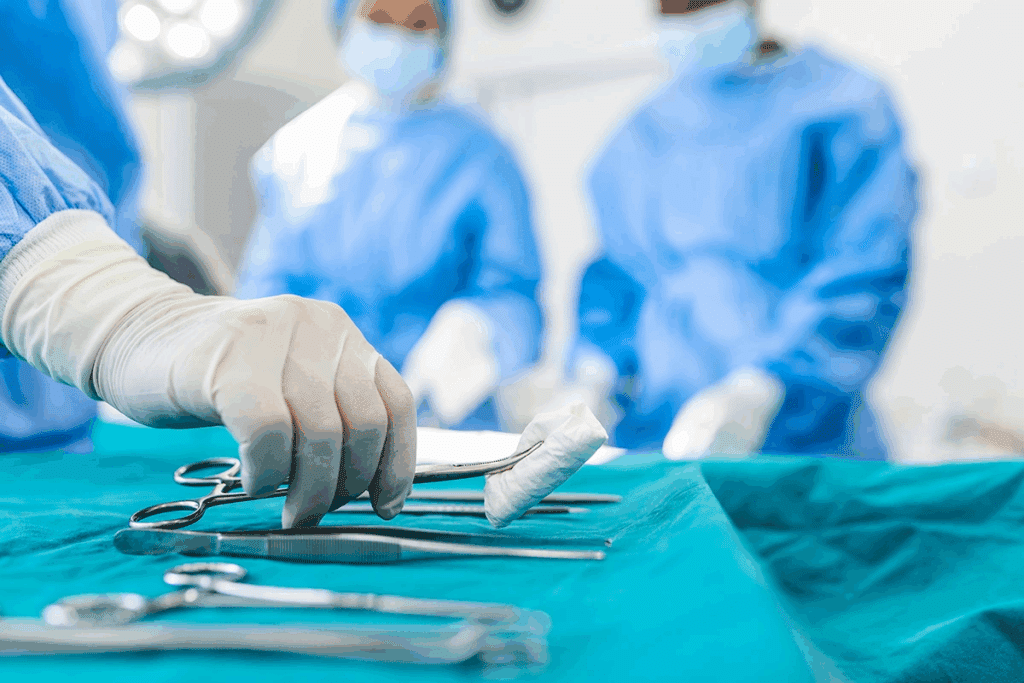
Did you know that nearly 40% of surgeries need a hospital stay for recovery? Complex operations and major orthopedic repairs often require an overnight stay. This ensures patient safety and the best results. Weigh orthopedic surgery risks. Learn about potential stiffness, nerve pain, and the long rehab often required for success.
The thought of undergoing surgery can be scary, even for those from abroad. At our place, we focus on giving you all the care and advice you need. We want to make sure you know what to expect during and after your surgery.
Key Takeaways
- Complex operations often require hospital stays for close monitoring.
- Major orthopedic repairs necessitate overnight stays for patient safety.
- Our institution provides comprehensive care for international patients.
- We offer guidance throughout the surgical process.
- Patient safety and optimal outcomes are our top priorities.
- Understanding the process can help alleviate concerns.
Understanding Overnight Surgery

Overnight surgery means you stay in the hospital for at least one night. It’s needed for complex surgeries that need close watch during the first recovery days.
Definition of Overnight Surgery
Overnight surgery is when you need to stay in the hospital for 24 hours or more. These surgeries are big, like joint replacement or hip surgery. They need careful care after to avoid problems and help healing.
Doctors decide if you need overnight surgery based on your health, the surgery’s complexity, and the anesthesia used.
Typical Duration of Overnight Stays
The time you stay can change a lot, based on the surgery and how you recover.
For example, those having big orthopedic surgeries might stay longer than those with smaller ones. It’s key to talk to your doctor about how long you’ll stay to plan better.
Common Types of Surgeries Requiring Overnight Stays
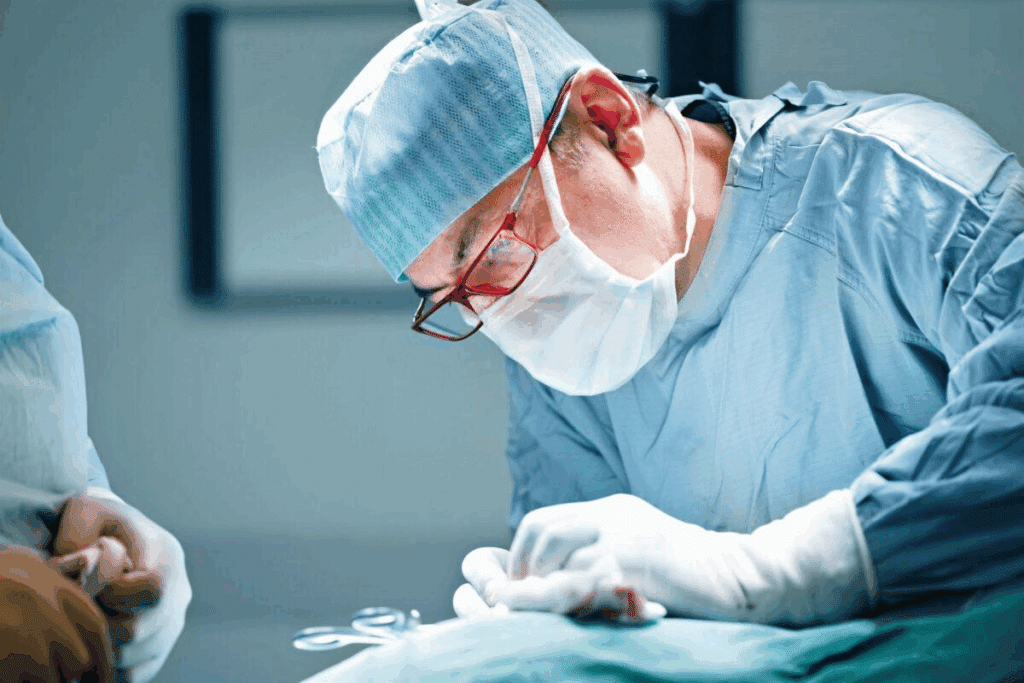
Many surgeries need patients to stay in the hospital overnight. This is for close monitoring and care after surgery. These surgeries are complex and need careful management to avoid problems and ensure a good recovery.
Major Orthopedic Procedures
Joint replacements, like hip, knee, or shoulder, often need an overnight stay. These surgeries repair and rebuild tissues. They require watching for complications like infection or too much bleeding.
A patient getting a total hip replacement usually stays overnight. This is to manage pain and watch for any immediate problems. Studies show these surgeries usually keep patients in the hospital for 2-3 days.
Abdominal Surgeries
Abdominal surgeries, like hysterectomy, bowel resection, and cholecystectomy, often need an overnight stay. These surgeries can cause a lot of tissue damage. They also carry risks of infection or adhesions.
“The complexity of abdominal surgeries necessitates careful post-operative monitoring to prevent and manage possible complications.”
A General Surgeon
Cardiac Surgeries
Cardiac surgeries, like coronary artery bypass grafting (CABG) and heart transplant, are very complex. They need close monitoring after surgery. Patients usually spend at least a day or two in the ICU before moving to a regular ward.
These surgeries directly work on the heart. So, they need careful care after to manage risks like arrhythmias, infection, or graft failure.
Spine Surgery
Spine surgeries, like spinal fusion, are big procedures that often need an overnight stay. Spinal fusion joins vertebrae together to stabilize the spine and ease pain.
| Surgery Type | Typical Hospital Stay | Common Complications |
| Major Orthopedic Procedures | 2-3 days | Infection, Bleeding |
| Abdominal Surgeries | 3-5 days | Infection, Adhesions |
| Cardiac Surgeries | 5-7 days | Arrhythmias, Graft Failure |
| Spine Surgery (Spinal Fusion) | 2-4 days | Nerve Damage, Infection |
Knowing which surgeries need an overnight stay can help patients prepare. It helps them understand what to expect during their recovery.
Factors Influencing Overnight Stay Requirements
Deciding if a patient needs to stay overnight in the hospital is complex. It involves many important factors. These factors help us ensure a patient’s recovery and safety.
Patient Health and Medical History
A patient’s health and past medical issues are key. We look at conditions like diabetes, heart disease, or lung disease. These can make surgery and recovery harder.
Key health factors we consider include:
- Pre-existing medical conditions
- Previous surgical experiences
- Current medications and allergies
Type of Anesthesia Used
The anesthesia type is also very important. General anesthesia makes you unconscious and takes longer to recover from. We choose anesthesia carefully to reduce risks.
“The choice of anesthesia can significantly impact the patient’s recovery process and the need for post-operative monitoring.”
An Anesthesiologist
Complexity of the Procedure
The surgery’s complexity also matters. High-risk surgeries like vascular and brain surgery often need close watch after. We consider the surgery’s extent, length, and risk of complications.
| Surgery Type | Complexity Level | Typical Overnight Stay |
| Vascular Surgery | High | Yes |
| Brain Surgery | High | Yes |
| Orthopedic Surgery | Moderate to High | Often |
We carefully look at these factors to decide if an overnight stay is needed. This ensures our patients get the right care and monitoring during their recovery.
Pre-Operative Instructions
It’s vital to follow pre-operative instructions for a successful surgery. These might include diet rules, medication advice, and other prep steps. We suggest:
- Stick to a specific diet or fasting plan as your doctor advises.
- Change or stop certain meds that could affect your surgery.
- Make sure someone can drive you home after surgery, as you might not be able to.
Tell your healthcare provider about any allergies, medical issues, or past surgeries you’ve had.
What to Bring to the Hospital
Bringing the right items for your hospital stay can greatly improve your comfort and recovery. Here are some must-haves:
| Item | Description |
| Insurance cards and identification | Make sure you have all the documents needed for hospital registration. |
| Comfortable clothing | Bring loose, comfy clothes for your stay and after surgery. |
| Personal care items | Don’t forget your toothbrush, toothpaste, hairbrush, and other personal care items. |
| Medications | Include any meds you’re taking now, along with their prescriptions. |
By following these tips and being prepared, you can help make your surgery a success.
The Night Before Surgery: Tips for Patients
Getting ready for surgery is more than just the day of the operation. The night before is also key. By following certain steps, you can make your surgery safer and more successful. We’ll show you what to do the night before your surgery.
Eating and Drinking Guidelines
Following your healthcare team’s eating and drinking rules is very important. Usually, you’re told to stop eating and drinking a few hours before surgery. This makes sure your stomach is empty during the procedure.
For surgeries like C-section and bariatric surgery, these rules are even more important. Typically, you will be instructed to avoid food and drink after midnight. But, your surgeon might give you different instructions based on your surgery.
| Type of Surgery | Eating Guidelines | Drinking Guidelines |
| C-Section | Avoid food after midnight | Clear liquids only until 2 hours before surgery |
| Bariatric Surgery | Liquid diet the day before | Avoid drinking after 8 PM |
Mental Preparation Techniques
Mental preparation is as important as physical. Techniques like meditation, deep breathing, and visualization can help. We encourage you to explore these methods to find what works best for you.
Writing down your concerns or questions and talking to your healthcare provider can also help. It’s a good way to feel more prepared and in control.
What to Expect on Surgery Day
Getting ready for surgery day can make you feel nervous. We’re here to help you know what to expect at the hospital. We want to make sure you feel well-informed and supported every step of the way.
Arriving at the Hospital
When you arrive at the hospital, you’ll go to the registration area. There, you’ll fill out paperwork and show your ID and insurance. Make sure to arrive early, as this can take some time.
After checking in, you’ll head to the preoperative area. Here, you’ll get changed into a hospital gown and have an IV put in. You’ll also meet your surgical team to go over the procedure and answer any questions.
The Role of the Surgical Team
Your surgical team is key to a successful surgery. They include surgeons, anesthesiologists, nurses, and surgical technologists. Each one has a specific job to ensure your safety and the success of the surgery.
For more complex surgeries, like thoracic procedures, the team might include extra specialists. These could be cardiologists or radiologists, among others. Knowing who’s on your team can make you feel more confident in your care.
| Team Member | Role |
| Surgeon | Performs the surgical procedure |
| Anesthesiologist | Administers anesthesia and monitors your vital signs during surgery |
| Nurses and Surgical Technologists | Assist the surgeon, prepare the operating room, and provide post-operative care |
| Additional Specialists | Contribute to your care for complex procedures, such as thoracic surgeries |
Knowing the roles of your surgical team and what to expect on surgery day can help you prepare. We’re dedicated to giving you the best care and support during your surgery.
Post-Operative Care and Recovery
We know that healing after surgery is more than just the surgery itself. It’s about the care you get after. At our place, we focus on making sure you’re comfortable and safe while you recover. We want to give you the best care after your surgery.
Monitoring After Surgery
After surgery, we watch our patients closely for any problems. It’s important to catch issues early so we can help right away. We keep watching until you’re ready to go home.
“Good care after surgery really matters,” says a top anesthesiologist. “Watching our patients closely and fixing problems fast helps them recover better. It makes their journey smoother.”
Pain Management Options
Managing pain is key after surgeries like fixing complex fractures. We work with you to find the best pain plan. This might include medicines, other treatments, or a mix of both, based on what you need.
- Medications: We have many pain medicines, from simple ones to stronger ones, based on your situation and surgery.
- Alternative Therapies: Some people find help in other ways, like physical therapy, acupuncture, or relaxation methods. These can be used with medicines.
We aim to make sure you recover well and safely. Our care includes watching you closely and managing your pain. We’re with you all the way, supporting you through your recovery.
Discharge Planning After Overnight Surgery
Discharge planning is key after overnight surgery. It checks if the patient is ready to go home and gives clear care instructions. Patients who had big surgeries, like organ transplant and major orthopedic repair, need special care to recover well.
Criteria for Safe Discharge
We check several things before discharging a patient. These include:
- Stable vital signs
- Effective pain management
- Ability to perform basic self-care tasks
- Understanding of post-operative instructions
- Arrangements for follow-up care
Follow-Up Care Instructions
Follow-up care is very important for major surgery patients. We give detailed instructions on:
- Wound care and dressing changes
- Medication management
- Physical activity limitations
- Nutritional advice
- Recognizing signs of complications
| Aspect of Care | Discharge Criteria | Follow-Up Instructions |
| Pain Management | Stable pain levels | Medication schedule |
| Wound Care | No signs of infection | Dressing changes |
| Physical Activity | Ability to mobilize | Limitations and exercises |
Good discharge planning and follow-up care are vital for recovery after surgery. By knowing what to do and following instructions, patients can avoid problems and get the best results.
Frequently Asked Questions About Overnight Surgery
As you prepare for your overnight surgery, you might have many questions. We’re here to answer some of the most common ones. This will help ease any worries you might have.
Returning to Normal Activities
The time it takes to get back to normal varies. It depends on the surgery type and how quickly you recover. We’ll give you specific advice on caring for yourself after surgery. This will help you smoothly get back to your daily life.
Addressing Concerns
If you notice anything unusual or have concerns, contact your doctor right away. We’re here to support you during your recovery. Our team is ready to answer any questions or worries you might have.
Exploring Alternatives
There might be other options instead of overnight surgery. For example, outpatient procedures or less invasive surgeries. Your doctor will talk to you about the best choices for your situation. This ensures you get the best care possible.
FAQ
What is considered an overnight surgery?
Overnight surgery means you need to stay in the hospital for at least one night. This is because you need time to recover and be monitored. Examples include joint replacement, hip surgery, and spinal fusion.
How long do I need to stay in the hospital after surgery?
How long you stay depends on the surgery and your health. For example, open heart surgery or complex fracture repair might keep you in the hospital longer.
What types of surgeries typically require overnight stays?
You’ll likely need to stay overnight for major surgeries. This includes knee replacement, abdominal surgeries, and heart surgeries. Spinal fusion also often requires an overnight stay.
What factors influence whether I need to stay overnight after surgery?
Your health, medical history, and the surgery type matter. For instance, vascular or brain surgery might need longer stays because they’re complex.
How can I prepare for my overnight surgery?
We give you pre-surgery instructions, like what to eat and take. Bring important documents and personal items. This helps make your surgery smoother, even for complex surgeries.
What should I do the night before my surgery?
Follow the eating and drinking rules to stay safe. Also, use mental tricks to calm your nerves. This is helpful for surgeries like C-sections and bariatric surgery.
What can I expect on the day of my surgery?
You’ll arrive at the hospital and get ready for surgery. Knowing what happens can make you feel less anxious. This is true for complex surgeries like thoracic procedures.
How is my pain managed after surgery?
We have many ways to manage your pain. This is important for a smooth recovery, even after complex surgeries.
When can I be discharged after my surgery?
You’ll be ready to go home when your vital signs are stable and you’re not in too much pain. Major surgeries, like organ transplant, need special care after you leave the hospital.
How soon can I return to normal activities after surgery?
Recovery time varies. We give you instructions to help you get back to normal. This depends on your surgery and health.
What should I do if I have concerns after surgery?
If you’re worried, call your doctor or the hospital’s support line. They can help.
Are there alternatives to overnight surgery?
Sometimes, you might not need to stay overnight. Outpatient procedures are an option. Talk to your doctor about what’s best for you.
References
JAMA Network. Evidence-Based Medical Insight. Retrieved from https://jamanetwork.com/journals/jamasurgery/fullarticle/2804485