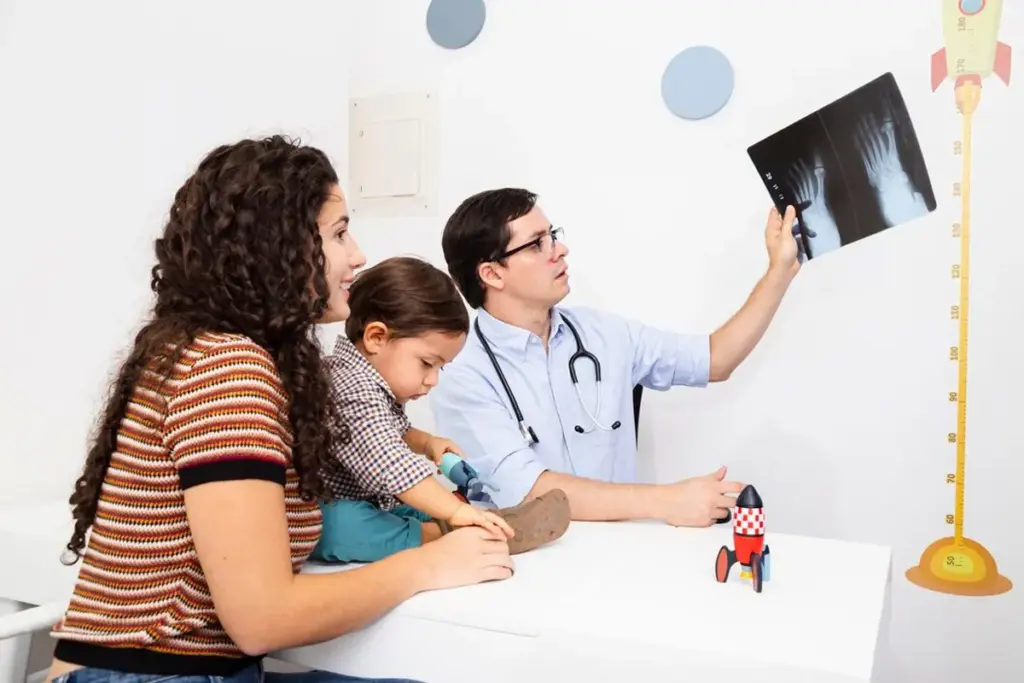
Musculoskeletal issues affect millions worldwide, impacting daily life and overall well-being. Over 126 million adults in the United States alone suffer from some form of musculoskeletal disorder. This highlights the need for timely medical attention from a qualified orthopedic specialist.
Knowing when to see an orthopedic doctor is key to preventing further complications and improving treatment outcomes. An orthopedic specialist can provide expert care for a range of conditions. This includes sports injuries to degenerative joint diseases.
Key Takeaways
- Recognizing the signs that indicate the need for orthopedic care
- Understanding the role of an orthopedic specialist in treating musculoskeletal issues
- Learning how to find the right orthopedic care for your specific needs
- Discovering the benefits of timely medical intervention
- Exploring the various treatment options available
What Is an Orthopedic Doctor?
An orthopedic doctor is a medical expert who deals with the musculoskeletal system. This system includes bones, joints, muscles, and soft tissues. It helps us move and supports our body’s structure.
Definition and Specialization Areas
Orthopedic doctors, or orthopedists, focus on treating musculoskeletal disorders. They handle bone fractures, joint issues like arthritis, and soft tissue injuries like tendonitis. They also treat spine problems, like herniated discs and spinal stenosis.
“Orthopedic care is not just about treating bones and joints; it’s about restoring function and improving the quality of life for patients,” says a leading orthopedic specialist.
Educational Background and Training
To become an orthopedic doctor, one needs a lot of education and training. This includes four years of undergraduate studies and four years of medical school. They also need several years of residency training in orthopedic surgery. Some may choose to do additional training through fellowship programs.
- Undergraduate studies: Typically four years
- Medical school: Four years
- Residency training: Several years
- Fellowship programs: Optional, for additional specialization
Orthopedic Doctor vs. Orthopedic Surgeon
Orthopedic doctors and surgeons both work with musculoskeletal conditions. But, orthopedic surgeons are trained to perform surgery. Orthopedic doctors might focus more on non-surgical treatments. Yet, they often work together to give patients the best care.
An orthopedic surgeon says, “While surgery is sometimes needed, many conditions can be managed without it. This includes physical therapy and medication.”
What Does an Orthopedic Doctor Do?
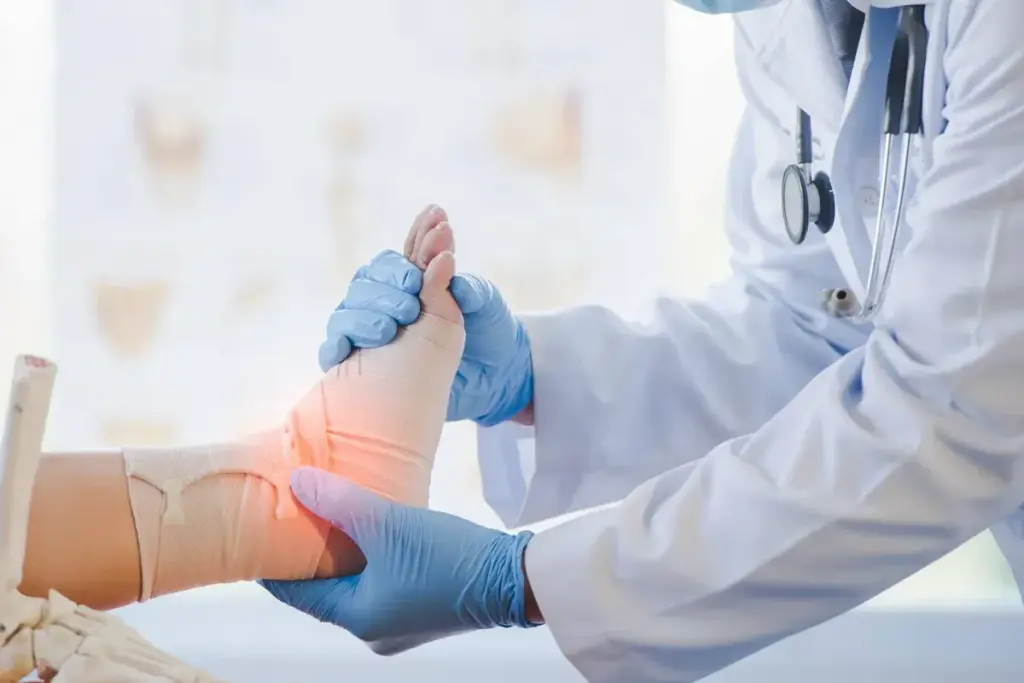
Orthopedic doctors are experts in musculoskeletal health. They use many techniques to diagnose and treat bone, joint, and muscle issues. Their work includes both surgery and non-surgical treatments for various musculoskeletal disorders.
Diagnostic Procedures and Technologies
Orthopedic doctors use advanced tools to find musculoskeletal problems. They use X-rays, MRIs, and CT scans to get clear images. They also do arthroscopy, a small surgery to look inside a joint.
Treatment Approaches and Methodologies
Orthopedic doctors have many treatment options. They might use conservative management like physical therapy or medicine. They also use regenerative medicine like PRP therapy to help healing.
They also keep up with new treatments. This includes biologics and advanced orthobiologics for the latest care.
Surgical and Non-Surgical Interventions
If other treatments don’t work, doctors might suggest surgical interventions. This can be small surgeries or bigger ones like joint replacement. The choice depends on the patient’s health and lifestyle.
But, non-surgical treatments are key too. Doctors work with patients to find the best treatment plan. This might include different therapies to help the patient the most.
Common Conditions Treated by Orthopedic Specialists
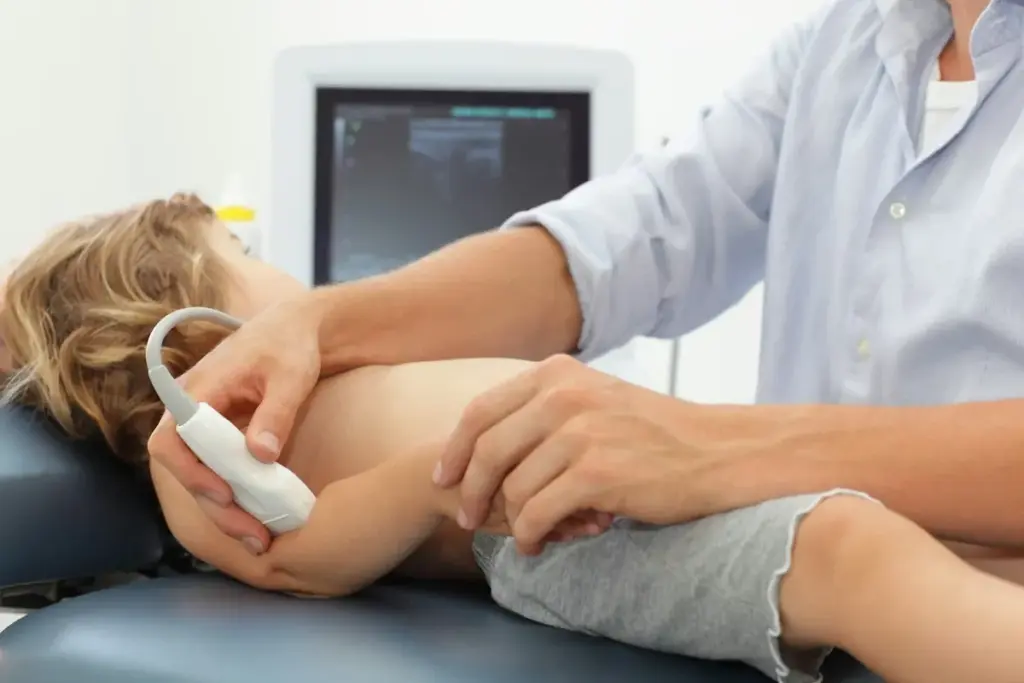
Orthopedic conditions can really hurt, but there’s help available. Specialists deal with many issues affecting bones, joints, muscles, and tissues around them.
Bone Fractures and Breaks
Bone fractures happen from accidents, weak bones, or too much stress. Symptoms include pain, swelling, and deformity. Doctors might use casts, braces, or surgery to fix them.
Joint Disorders and Diseases
Joint problems like osteoarthritis, rheumatoid arthritis, and gout can be very painful. Doctors might use medicine, physical therapy, or even surgery to help.
|
Condition |
Symptoms |
Treatment Options |
|---|---|---|
|
Osteoarthritis |
Pain, stiffness, limited mobility |
Medication, physical therapy, surgery |
|
Rheumatoid Arthritis |
Pain, swelling, joint deformity |
DMARDs, biologics, surgery |
|
Gout |
Sudden severe pain, redness, swelling |
Medication, lifestyle changes |
Soft Tissue Injuries and Conditions
Soft tissue injuries, like sprains and strains, are common in athletes. Treatment often includes rest, ice, compression, and elevation (RICE), plus physical therapy.
Spine and Nervous System Issues
Problems with the spine, like herniated discs, can cause back pain. Doctors might use physical therapy or surgery to help.
Knowing about these conditions helps people get the right care. Orthopedic specialists can diagnose and treat these issues, making life better.
Signs You Should See an Orthopedic Doctor
Knowing when to see an orthopedic doctor is key to managing musculoskeletal issues. Our musculoskeletal system is complex and can face many problems. Spotting the signs that mean you need orthopedic care is vital for quick and effective treatment.
Persistent Pain in Joints or Muscles
Persistent pain in joints or muscles is a big warning sign. This pain can feel like a dull ache or a sharp stab. It might be constant or only happen when you move. If pain lasts and doesn’t get better with rest or over-the-counter meds, see an orthopedic doctor. It could be a sign of arthritis, tendinitis, or even a fracture.
Limited Range of Motion or Mobility
Not being able to move as well as you used to is another red flag. This can happen for many reasons, like joint problems, muscle injuries, or nerve issues. If you’re having trouble with daily tasks because of stiffness or mobility issues, get professional help. An orthopedic specialist can find out why and help you get moving again.
Instability When Walking or Standing
Feeling unstable when walking or standing is a serious sign. This could be due to joint, muscle, or nerve problems. If you keep falling or feel like you’re going to, seeing an orthopedic doctor is urgent. They can find out why and treat it. Ignoring this can lead to more injuries.
Pain That Disrupts Daily Activities
Pain that stops you from doing everyday things is a clear sign to see an orthopedic doctor. Whether it’s pain that keeps you up at night, stops you from exercising, or affects your work, it’s important to address it to keep your quality of life good. An orthopedic specialist can help manage your pain and get you back to your usual activities.
In summary, knowing these signs and acting on them can greatly improve your musculoskeletal health. If you’re experiencing any of these symptoms, don’t wait to see an orthopedic doctor.
Orthopedics Doctor Near Me: Finding the Right Specialist
There are many orthopedic specialists out there. It’s important to find the right one for you. The right doctor can make a big difference in your treatment and recovery.
Online Resources for Locating Specialists
The internet is a great place to start looking for an orthopedic specialist. You can use online directories and healthcare websites to find doctors near you. You can filter your search by location, insurance, and specialty.
Health insurance directories, medical association sites, and patient review platforms are good resources. They list specialists, their contact info, and patient feedback.
Reading Reviews and Testimonials
Patient reviews give insights into a doctor’s skills and care. Look at reviews on different platforms for a full picture.
Focus on comments about how well the doctor explains things, their response to concerns, and the quality of care. This helps you understand their approach.
Checking Credentials and Specializations
Make sure the doctor is board-certified and has the right training. Check their credentials and specializations.
Ask about their experience with your condition or procedure. This helps you gauge their expertise and make a choice.
Questions to Ask When Choosing an Orthopedist
When you’ve narrowed down your choices, prepare questions for your first visit. Key questions include:
- What experience do you have with my specific condition or procedure?
- What treatment options do you recommend, and why?
- How will you communicate with my primary care physician and other healthcare providers?
- What is your approach to pain management and rehabilitation?
These questions help you understand the doctor’s approach and if they’re right for you.
|
Criteria |
Importance |
Notes |
|---|---|---|
|
Board Certification |
High |
Verifies the specialist’s expertise and training |
|
Patient Reviews |
Medium |
Provides insight into patient satisfaction and care quality |
|
Specialization |
High |
Ensures the specialist has experience with your specific condition or procedure |
When to See an Orthopedic Doctor for Back Pain
Back pain is common and affects many people worldwide. It can be mild or severe, impacting daily life. Knowing when to see a doctor is important.
Differentiating Between Common Back Pain and Serious Conditions
Back pain varies in severity. Some cases get better with rest and self-care. But, others may need medical help.
Common back pain often comes from muscle strain or poor posture. It usually gets better with physical therapy and exercises. Yet, if the pain is severe or has other symptoms, it could be serious.
Red Flags That Require Immediate Attention
Some symptoms need quick medical help. These “red flags” include sudden severe back pain with:
- Loss of bladder or bowel control
- Progressive weakness or numbness in the legs
- Severe pain that doesn’t improve with rest
- Fever or chills
- A history of cancer or recent trauma
If you see these signs, get medical help right away to avoid serious problems.
Conservative Treatments vs. Surgical Interventions
Many back pain cases can be treated without surgery. Treatments include:
- Physical therapy to improve flexibility and strength
- Medications to reduce pain and inflammation
- Lifestyle modifications, such as improving posture and engaging in regular exercise
But, if these don’t work, surgery might be needed. An orthopedic doctor can decide the best treatment for your back pain.
Long-term Management of Chronic Back Issues
Chronic back pain needs ongoing care. This includes physical therapy, exercise, and lifestyle changes. Working with an orthopedic specialist helps create a plan for managing chronic pain.
Understanding when to seek medical help is key. With the right care, you can manage your back pain and improve your life.
Knee Pain: What Doctor to See for Knee Pain
Knee pain can be acute or chronic. It’s important to get it checked to avoid more problems. The knee is complex and can get hurt easily, so knowing when to see a doctor is key.
Causes and Injuries
Knee pain comes from many sources, like sports injuries or arthritis. You might sprain a ligament, tear a meniscus, or break a bone. Knowing why you hurt your knee helps find the right treatment.
Self-Care vs. Professional Treatment
For mild pain, rest, ice, compression, and elevation (RICE) can help. But, if your pain is bad, swollen, or you can’t walk, see a doctor. They can help more than home remedies.
Diagnostic Procedures
Doctors use physical exams, X-rays, MRI, and sometimes arthroscopy to find out what’s wrong. These tests help figure out why you hurt and what to do next.
Treatment Options
Treatment depends on why and how much you hurt. It can be physical therapy, medicine, or surgery. Here’s a quick look at what’s available:
|
Treatment Type |
Description |
Typical Use |
|---|---|---|
|
Conservative Management |
Includes physical therapy, pain management medications, and lifestyle modifications. |
Mild to moderate knee pain |
|
Corticosteroid Injections |
Injectable steroids to reduce inflammation and pain. |
Inflammatory conditions, arthritis |
|
Surgical Intervention |
Procedures like arthroscopy, ligament reconstruction, or joint replacement. |
Severe injuries, advanced degenerative conditions |
Knowing why you hurt and what can fix it helps you choose the right care. If you’re in pain, talking to an orthopedic specialist can help a lot.
Hip Doctor Near Me: When to Consult a Hip Specialist
When hip pain sticks around, it’s time to see a hip specialist. Hip pain can really mess with your mobility and life quality. It’s important to know when to seek help beyond just resting and using home remedies.
Symptoms of Hip Disorders That Require Attention
Some symptoms mean your hip pain is serious. Look out for:
- Persistent pain that lasts more than a few weeks
- Severe pain that interferes with daily activities
- Swelling or bruising around the hip
- Instability or a feeling that the hip is giving way
If you notice these signs, seeing a hip specialist is key. A famous orthopedic surgeon said early treatment can greatly help.
Age-Related Hip Conditions
Hip issues vary with age. Young people might get hip injuries from sports, while older folks often face osteoarthritis. Knowing this helps find the right treatment.
“The hip is a complex joint that bears a significant amount of our body’s weight, making it susceptible to wear and tear over time.” –
Orthopedic Expert
Treatment Options for Hip Pain
Treatment for hip pain varies. It can be non-surgical or surgery, based on the cause. Non-surgical options include physical therapy, pain meds, and lifestyle changes. For serious cases, surgery like hip replacement might be needed.
Seeing a hip specialist is key to finding the right treatment. They can guide you through options and suggest the best plan for you.
Finding a Qualified Hip Specialist in Your Area
Finding a good hip specialist takes some research. Look at their qualifications, experience, and patient feedback. Ask your doctor or family for recommendations. Online tools can also help find specialists near you.
When picking a specialist, ask about their treatment approach and experience with your condition. Also, ask about what to expect during your visit and treatment.
Leg Doctor: Addressing Lower Extremity Problems
A leg doctor is a healthcare expert for lower extremity problems. These can be simple strains or complex conditions needing surgery. We’ll look at common leg issues, why to seek help, how doctors diagnose, and treatment options.
Common Leg Conditions and Injuries
Leg problems include fractures, sprains, strains, and overuse injuries. Common issues are shin splints, plantar fasciitis, and varicose veins. These can come from sports, accidents, or chronic health problems.
For example, athletes often get overuse injuries. Older adults might have degenerative conditions like osteoarthritis. Knowing the cause and how severe it is is key for good treatment.
When to Seek Professional Help for Leg Pain
See a doctor if leg pain lasts, is severe, or comes with swelling, redness, or trouble walking. Early treatment can stop small problems from getting big.
Signs you need a leg doctor include pain that doesn’t get better with rest, numbness or tingling, and visible deformities. Not getting help can lead to bigger problems and longer recovery times.
Diagnostic Approaches for Leg Issues
Diagnosing leg problems uses physical exams, medical history, and tests. Imaging tests like X-rays, MRIs, and ultrasounds find the cause of pain or dysfunction.
|
Diagnostic Test |
Purpose |
Common Uses |
|---|---|---|
|
X-ray |
To visualize bone structures |
Fractures, bone spurs |
|
MRI |
To visualize soft tissues and bones |
Tendonitis, ligament sprains, cartilage damage |
|
Ultrasound |
To visualize soft tissues and blood flow |
Varicose veins, blood clots |
Treatment Options for Various Leg Conditions
Treatment for leg problems depends on the diagnosis. It can be conservative management or surgery. Conservative treatments include physical therapy, bracing, and medication. Surgery is for severe or complex cases.
For example, minor strains might need rest and physical therapy. But severe fractures might need surgery. A leg doctor will create a treatment plan based on your condition and health.
Shoulder and Arm Conditions: When to Seek Help
The shoulder and arm are complex and can get injured easily. Some injuries need quick medical help. Knowing about these conditions helps in getting the right treatment.
Rotator Cuff Injuries and Treatments
The rotator cuff is around the shoulder joint. It keeps the upper arm bone in place. Athletes and those who lift overhead often get injured here. Symptoms include pain, weakness, and trouble moving.
Treatment can be physical therapy, medicine, or surgery for serious cases.
Frozen Shoulder and Mobility Issues
Frozen shoulder, or adhesive capsulitis, makes the shoulder stiff and painful. It makes simple tasks hard. The cause is often unknown but linked to diabetes and injuries.
Treatment includes physical therapy, medicine, and sometimes injections or surgery to help move better.
Tennis and Golfer’s Elbow
Tennis elbow and golfer’s elbow cause pain on the elbow. They happen from too much strain. Symptoms are pain, weakness, and tenderness.
Rest, ice, and physical therapy are common treatments. Sometimes, injections or surgery are needed for severe cases.
Nerve Compression Syndromes
Nerve compression syndromes, like thoracic outlet syndrome, happen when nerves get pinched. Symptoms include pain, numbness, tingling, and weakness. Treatment varies based on the syndrome and may include physical therapy, medicine, or surgery.
If you have ongoing or severe shoulder or arm pain, see a doctor. Early treatment can make a big difference. An orthopedic specialist can help with the right plan.
Foot and Ankle Issues: Consulting an Orthopedist
Dealing with chronic foot pain or an acute ankle injury? Knowing when to see an orthopedist is key. Foot and ankle problems can really impact our daily lives, making simple tasks hard.
Common Foot and Ankle Problems
Many issues can affect the foot and ankle, like plantar fasciitis, Achilles tendonitis, ankle sprains, and bunions. These problems can come from overuse, bad shoes, or health issues like diabetes or arthritis.
- Plantar fasciitis: inflammation of the band of tissue connecting the heel to the toes
- Achilles tendonitis: inflammation of the tendon connecting the calf muscles to the heel bone
- Ankle sprains: ligament injuries that occur when the ankle is twisted or rolled
- Bunions: bony bumps that form on the joint at the base of the big toe
When Home Remedies Aren’t Enough
Home remedies like rest, ice, compression, and elevation (RICE) help with mild issues. But, if pain, swelling, or walking problems last, see an orthopedist.
Specialized Treatments for Foot Conditions
Orthopedists have many treatments for foot and ankle problems. They range from non-surgical to surgical options. Conservative treatments include physical therapy, orthotics, and pain meds. For serious cases, surgical options might be needed to fix damaged tissues or correct deformities.
- Physical therapy to improve strength and flexibility
- Custom orthotics to support and align the foot properly
- Medications to reduce pain and inflammation
- Surgical procedures to repair or reconstruct damaged tissues
Importance of Proper Footwear
Wearing proper footwear is a simple yet effective way to prevent and manage foot and ankle issues. Shoes that fit well and support the foot can prevent problems like bunions and plantar fasciitis. Look for shoes with good arch support, cushioning, and a wide toe box.
By taking care of your feet and knowing when to seek help, you can keep your feet and ankles healthy.
Sports Injuries: The Role of Orthopedic Medicine
Orthopedic medicine has changed how we handle sports injuries. It offers new treatments and ways to get better. Athletes need special care to heal right and avoid lasting damage. Orthopedic doctors are key in diagnosing, treating, and preventing injuries, helping athletes get back to sports safely.
Acute vs. Chronic Sports Injuries
Sports injuries can be sudden or develop over time. Acute injuries happen suddenly, like fractures or sprains, from a specific event. Chronic injuries come from repeated stress, like tendinitis or stress fractures. Knowing the injury type is key for the right treatment.
Orthopedic doctors use new tests to tell if an injury is acute or chronic. For sudden injuries, they focus on stabilizing the injury and starting healing. For long-term injuries, they use a mix of rest, rehab, and sometimes PRP injections.
Return-to-Play Decisions and Protocols
Orthopedic medicine is also about when athletes can go back to sports. It’s not just about healing but also preventing more harm. Doctors follow strict rules to check if an athlete is ready to play again, looking at pain, movement, strength, and function.
Getting back to play involves a slow, monitored process. This helps spot any problems before the athlete plays again, lowering the chance of getting hurt again.
Preventative Care for Athletes
Preventing injuries is a big part of orthopedic medicine. Doctors find risk factors and teach ways to avoid injuries. They guide on training, gear, and exercises to strengthen weak spots.
Pre-participation checks are also key. They catch problems early and fix them before they get worse.
Advanced Treatments for Athletic Performance
Orthopedic medicine is not just for fixing injuries but also for improving performance. It includes regenerative medicine, biomechanical analysis, and sports-specific rehab. These help athletes perform better and reach their goals.
PRP and stem cell therapy help with healing and repair. Orthopedic doctors also work on biomechanics to reduce injury risk and boost performance.
Pediatric Orthopedic Concerns
Parents often wonder when to take their child to an orthopedic doctor. Children’s bones and muscles grow and develop constantly. Issues can arise that may need specialized care. We’re here to guide you through common concerns and when to seek help.
Growth-Related Issues in Children
Children may face various musculoskeletal issues as they grow. These can include knock knees, bowlegs, or flat feet. Most of these are normal parts of development and might not need treatment. But, sometimes, they can lead to complications or show an underlying issue that needs attention.
“Children’s orthopedic conditions can often be treated more effectively if caught early.” This quote shows how important early intervention is.
Congenital Conditions and Treatments
Congenital conditions are present at birth and can affect the musculoskeletal system. Examples include clubfoot and developmental dysplasia of the hip. Early diagnosis and treatment are key for managing these conditions well. Treatment options can range from bracing and physical therapy to surgery, depending on the condition’s severity.
When to Take Your Child to an Orthopedist
Knowing when to seek orthopedic care for your child is important. Signs that may indicate a need for a visit include persistent pain, noticeable deformities, or difficulties in walking or running. If your child complains of pain or shows signs of limping, it’s worth consulting with an orthopedic specialist.
- Noticeable deformity or asymmetry
- Persistent pain or discomfort
- Difficulty walking or running
- Limping or uneven gait
Long-term Management of Pediatric Orthopedic Conditions
Managing pediatric orthopedic conditions often requires a long-term approach. This can involve regular check-ups with an orthopedic specialist, physical therapy, and in some cases, surgical interventions. The goal is to ensure the child can lead an active, healthy life with minimal limitations.
Experts emphasize, “Early intervention is key to managing pediatric orthopedic conditions effectively, ensuring the best possible outcomes for children.”
Preparing for Your First Orthopedic Appointment
Knowing what to expect at your first orthopedic visit can reduce stress. Your doctor will start by asking about your medical history and your current issues.
Medical History and Documentation to Bring
It’s important to bring your medical history and important documents. This includes:
- Previous medical records related to your orthopedic condition
- A list of any medications you’re currently taking
- Imaging studies such as X-rays or MRIs
- A detailed description of your symptoms and when they occur
Having this information ready will help your doctor understand your condition better and plan your treatment.
Questions to Ask Your Orthopedic Doctor
Prepare a list of questions for your appointment. Some examples are:
- What is the diagnosis and the likely cause of my condition?
- What treatment options are available, and which do you recommend?
- Are there any lifestyle changes or exercises that can help manage my condition?
- What are the possible risks or complications with the recommended treatment?
Asking the right questions can give you a better understanding of your condition and what to do next.
What to Expect During Examination
At your first visit, you’ll have a thorough examination. This includes:
|
Examination Component |
Description |
|---|---|
|
Medical History Review |
A detailed review of your medical history to understand your condition better. |
|
Physical Examination |
A physical assessment to evaluate your condition, which may include tests to assess mobility, strength, and pain levels. |
|
Diagnostic Tests |
Depending on your condition, your doctor may order imaging studies or other diagnostic tests. |
Follow-up Care and Communication
After your first appointment, your doctor will outline a treatment plan and schedule follow-up appointments. It’s important to follow this plan and stay in touch with your doctor for the best results.
By being prepared for your first orthopedic appointment, you can actively manage your musculoskeletal health. Working with your orthopedic specialist will help you achieve the best results.
Conclusion: Taking Control of Your Musculoskeletal Health
Maintaining good musculoskeletal health is key for your overall well-being. Orthopedic care is vital for diagnosing, treating, and managing musculoskeletal conditions. Knowing when to seek orthopedic care helps prevent minor issues from becoming major problems.
If you’re experiencing persistent pain, limited mobility, or other musculoskeletal concerns, see an orthopedic specialist. They can guide you and provide the right treatment. Being proactive about your musculoskeletal health and seeking medical attention when needed is important.
By taking control of your health, you can live a healthier, more active life. Prioritizing your musculoskeletal health and getting the right care is essential. This way, you can enjoy better overall health and well-being.
FAQ
What is an orthopedic doctor, and what do they specialize in?
An orthopedic doctor is a specialist who deals with musculoskeletal issues. This includes bones, joints, muscles, and soft tissues. They diagnose, treat, and prevent disorders and injuries.
What is the difference between an orthopedic doctor and an orthopedic surgeon?
Orthopedic doctors and surgeons both work on musculoskeletal issues. But, surgeons do surgeries. Doctors might focus on non-surgical treatments. Many doctors are skilled in both.
When should I see an orthopedic doctor?
See an orthopedic doctor for persistent pain, limited mobility, or joint instability. Also, if you’ve had an injury that affects your musculoskeletal system.
What are some common conditions treated by orthopedic specialists?
Orthopedic specialists treat many conditions. This includes bone fractures, joint disorders like arthritis, and soft tissue injuries. They also handle spine-related issues like herniated discs.
How do I find a qualified orthopedic doctor near me?
Search online or ask your primary care doctor for referrals. Check with your insurance provider too. Online reviews can also help you decide.
What should I expect during my first orthopedic appointment?
Expect a thorough examination at your first visit. This includes a physical check-up and a review of your medical history. You might have diagnostic tests like X-rays or an MRI. Your doctor will discuss your symptoms and treatment options with you.
What are some common causes of knee pain, and how is it treated?
Knee pain can come from injuries, overuse, or conditions like arthritis. Treatment varies. It can include physical therapy, bracing, injections, or surgery, depending on the cause and severity.
How can I manage back pain, and when should I see an orthopedic doctor?
Start with exercise, physical therapy, and lifestyle changes for back pain. If pain persists or worsens, see an orthopedic doctor. They can evaluate and guide further.
What are the signs that I should see an orthopedic specialist for hip pain?
See an orthopedic specialist for persistent hip pain or limited mobility. If pain affects your daily activities, it’s time to seek help. They can diagnose and recommend treatment.
Can orthopedic doctors help with sports injuries?
Yes, orthopedic doctors help with sports injuries. They diagnose, treat, and prevent injuries. They guide on return-to-play and offer recovery treatments.
What is the role of orthopedic medicine in pediatric care?
Orthopedic medicine is key in pediatric care. It addresses growth issues, congenital conditions, and injuries in children. Pediatric specialists ensure proper growth and development.
How can I prepare for my orthopedic appointment?
Prepare by gathering your medical history and test results. Write down your symptoms and questions. This makes your visit productive and informative.
Reference
Orthopedic Professionals’ Recognition and Knowledge of Pain and Perceived Barriers to Optimal Pain Management at Five Hospitals