


Learn about Cartilage Restoration and how it can save your joints. Discover advanced Articular Cartilage Restoration techniques to regain your mobility at Liv Hospital.
Overview and Definition
What is Cartilage Restoration?
Cartilage Restoration is a specialized field of orthopaedic medicine focused on repairing, regenerating, or replacing damaged hyaline cartilage in a joint. Unlike bone or skin, articular cartilage does not have its own blood supply, which means it cannot heal itself once it is injured. When the smooth, slippery surface that cushions your joints wears away or is damaged by trauma, it can lead to chronic pain and the early onset of osteoarthritis. Restoration aims to restore the biological integrity of the joint using living tissue.
The Science of Articular Cartilage Restoration
The primary goal of Articular Cartilage Restoration is to replace a focal defect with new, healthy tissue that mimics the original structure. This approach is fundamentally different from a joint replacement; while a replacement uses artificial materials like metal and plastic, restoration utilizes biological “fixes.” This is particularly beneficial for younger, active patients who want to preserve their natural joint and return to high-impact activities that a prosthetic might not support.
Injury and Causes
What Causes the Need for Cartilage Restoration?
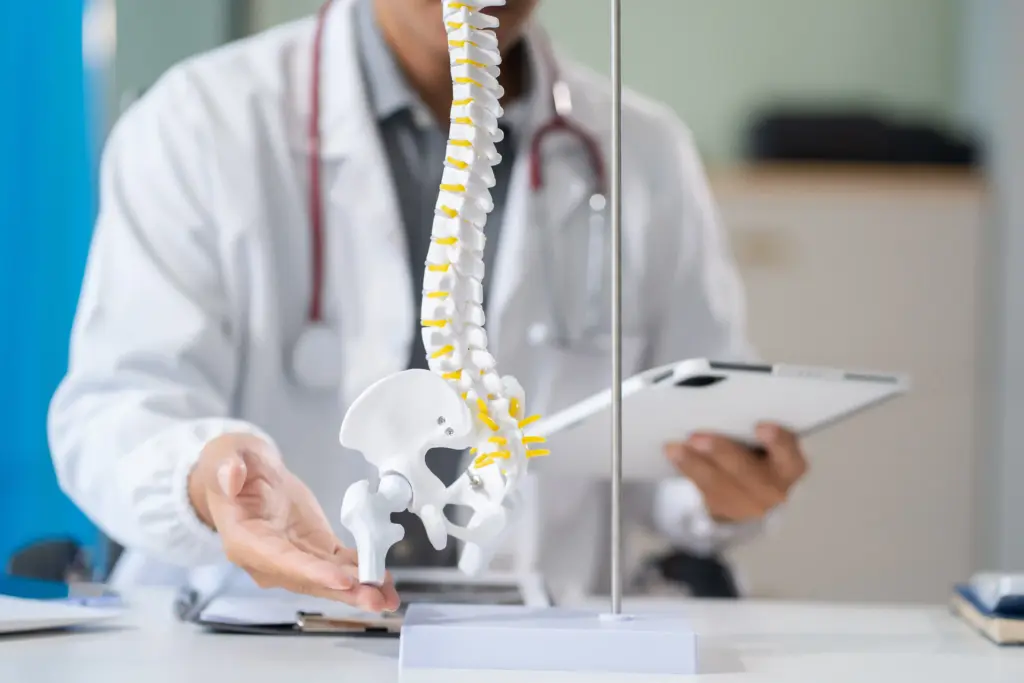
The need for Cartilage Restoration often stems from an acute injury, such as a sudden twist or a direct impact on the joint. When a person suffers a ligament tear (like an ACL injury) or a patellar dislocation, the bones can knock together with enough force to shear off a piece of the cartilage. Because the tissue lacks blood flow, this injury remains open and can worsen over time as the edges of the defect begin to fray.
Mechanical Wear and Articular Cartilage Restoration
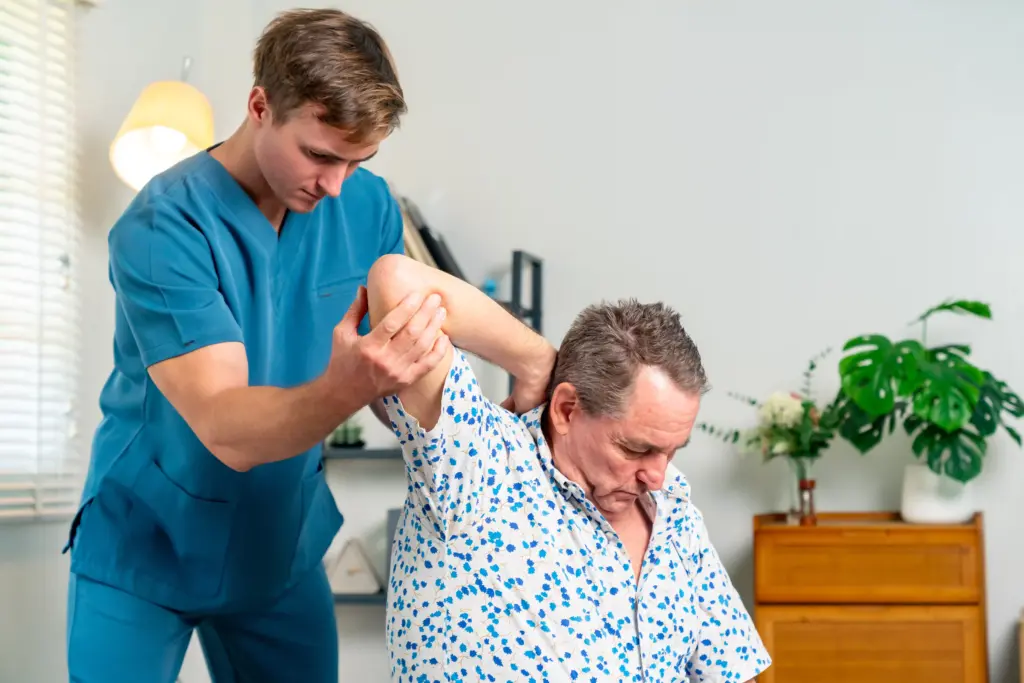
In addition to sudden trauma, the need for Articular Cartilage Restoration can be caused by chronic mechanical stress. If a patient’s joints are not perfectly aligned—such as being “bow-legged” or “knock-kneed”—it can put excessive pressure on one specific area. Over years, this uneven loading “grinds down” the cartilage, leading to a defect that eventually requires surgical intervention to prevent total joint failure.
Diagnosis and Imaging
The Diagnostic Challenge of Cartilage Restoration
Because cartilage damage does not show up on standard X-rays, diagnosing the need for Cartilage Restoration requires high-level clinical expertise. A surgeon will evaluate your joint for localized pain, recurrent swelling (effusion), and mechanical symptoms like clicking or “giving way” that suggest a disruption in the smooth gliding surface of the joint.
Advanced MRI in Articular Cartilage Restoration
High-resolution MRI is the essential tool for planning Articular Cartilage Restoration. Standard MRIs may miss small lesions, so at Liv Hospital, we use specialized sequences that specifically highlight cartilage thickness and quality. These images allow the surgeon to measure the exact size and depth of the “pothole,” which is critical for choosing the right biological repair technique.

Treatment and Recovery
Surgical Techniques for Knee Articular Cartilage Repair
During Knee Articular Cartilage Repair, several biological methods can be used. Microfracture involves creating tiny holes in the bone to allow stem cells to form new tissue. Osteochondral transplantation (OATS) moves a plug of healthy bone and cartilage into the defect. Cell-based therapies, such as ACI, involve harvesting a patient’s own cells and replanting them into the joint.
Recovery and Articular Cartilage Restoration
The recovery from Articular Cartilage Restoration is longer than a standard arthroscopy because we must wait for the “living” tissue to mature. For the first 6 weeks, patients are typically non-weight bearing to protect the graft. Full maturation of the new cartilage can take 9 to 12 months, requiring a disciplined, phased approach to rehabilitation to ensure the new tissue bonds correctly to the bone.
Rehabilitation Tips
Rehabilitation Tips for Cartilage Restoration Success
The most critical part of Cartilage Restoration happens after the surgery. Because the new cartilage is initially soft, it must be protected from shearing forces while receiving enough “gentle” movement to stay healthy. Using a Continuous Passive Motion (CPM) machine is often recommended to help the new cells organize and receive nutrients without the stress of weight-bearing.
Long-Term Care for Knee Articular Cartilage Repair
To ensure the longevity of your Knee Articular Cartilage Repair, it is essential to strengthen the surrounding muscles without high-impact stress. Focus on non-impact exercises like swimming or stationary cycling once cleared by your surgeon. Maintaining a healthy weight is also vital, as it reduces the compressive load on the newly restored articular surface.
Why Choose Liv Hospital?
Liv Hospital is at the forefront of regenerative orthopaedics and Knee Articular Cartilage Repair. Our specialists are world-renowned for their expertise in complex Cartilage Restoration and joint preservation techniques. We provide a seamless care path from advanced 3D imaging to specialized rehabilitation. We encourage you to reach out and call Liv Hospital to begin your journey toward a pain-free, active life.
Injury and Causes
Common Traumatic Injuries Leading To Cartilage Defects
The necessity for Cartilage Restoration often arises from a single, high impact traumatic event. Sudden twists, falls from heights, or direct impacts during contact sports can cause the articular surface to sheer off or crack. In an orthopedic sense, these are often referred to as chondral or osteochondral fractures.
- A direct blow to the knee during a car accident.
- A severe ankle sprain that impacts the talar dome.
- A pivot injury in soccer or basketball that tears the cartilage surface.
When these traumatic injuries occur, they create localized gaps that disrupt the smooth motion of the joint. At Liv Hospital, we analyze the mechanism of injury to determine if the damage has reached the underlying bone, which dictates the complexity of the restorative approach.
Repetitive Stress And Cumulative Micro Trauma
In many active adults, the need for restorative intervention comes from years of repetitive micro trauma rather than a single accident.
- Constant pounding from long distance running on hard surfaces.
- Heavy lifting with improper joint alignment.
- Occupational stress involving frequent kneeling or squatting.
This repetitive stress causes the cartilage fibers to fray and thin over time. While the body attempts to compensate, the lack of biological repair capacity in the cartilage leads to a gradual breakdown. Identifying these patterns early is a hallmark of the care at Liv Hospital, allowing us to intervene before the defect becomes too large for biological repair.
The Role Of Ligament Instability In Cartilage Decay
Joint stability is a primary requirement for cartilage health. When ligaments like the ACL are torn and not properly repaired, the joint develops abnormal “play” or shifting.
- This instability causes the bones to slide in ways they shouldn’t.
- The abnormal friction acts like sandpaper on the cartilage surface.
- Chronic instability leads to rapid, localized cartilage loss.
Clinical evaluation at Liv Hospital always includes a check of ligamentous integrity. We believe that Cartilage Restoration can only be successful if the underlying mechanical stability of the joint is first restored.
Meniscal Tears And Mechanical Friction
The meniscus acts as a secondary protector for the knee’s articular surface. When a meniscus is torn or removed, the pressure on the articular cartilage increases significantly.
- Loss of meniscal volume leads to “peak pressures” on small areas of cartilage.
- Constant mechanical catching from a torn flap can gouge the smooth surface.
- This often results in a “kissing lesion” where both sides of the joint are damaged.
Treating meniscal issues is often a prerequisite or a concurrent step in a Knee Articular Cartilage Repair plan to ensure the longevity of the new tissue.
Osteochondritis Dissecans (OCD) In Younger Patients
Osteochondritis Dissecans is a joint condition where bone underneath the cartilage of a joint dies due to lack of blood flow. This bone and cartilage can then break loose, causing pain and joint locking.
- It is often seen in adolescents and young adults.
- It can be caused by low grade repetitive trauma or genetic factors.
- It represents a major indication for Articular Cartilage Restoration to save the joint.
Specialists look for these “loose bodies” during imaging. At Liv Hospital, we use advanced fixation or grafting techniques to reattach or replace these fragments, preserving the patient’s physical future.
Malalignment And Uneven Weight Distribution
Anatomical variations such as being “bow legged” or “knock kneed” can predispose an individual to cartilage failure.
- Abnormal limb alignment puts excessive weight on one side of the joint.
- The cartilage on the overloaded side wears out prematurely.
- This can happen even in patients who are not athletes.
Correcting this malalignment through procedures like an osteotomy is often performed alongside Cartilage Restoration. This ensures that the newly repaired area is not immediately subjected to the same crushing forces that caused the original injury.

Metabolic And Inflammatory Influences
While often considered a mechanical issue, the internal chemistry of the joint plays a significant role in cartilage health.
- Chronic low grade inflammation can weaken the cartilage matrix.
- Certain metabolic conditions can affect the quality of the joint fluid.
- Obesity increases the chemical inflammatory markers (cytokines) within the joint.
Addressal of these systemic factors is part of the comprehensive management at Liv Hospital. We work to optimize your internal biological environment to support the success of your surgical restoration.
Impact Of Obesity On Joint Surface Integrity
Excess body weight is one of the most significant modifiable risk factors for joint surface decay.
- Increased mechanical load accelerates the thinning of the articular surface.
- Adipose tissue produces inflammatory chemicals that degrade cartilage cells (chondrocytes).
- Heavier loads make the recovery from restorative procedures more challenging.
At Liv Hospital, we help patients understand that weight management is not just about aesthetics; it is a critical clinical component of protecting their skeletal frame and ensuring the success of Knee Articular Cartilage Repair.
Genetics And Tissue Quality Factors
Some individuals are born with a genetic predisposition to “softer” or more brittle cartilage.
- A family history of early onset osteoarthritis.
- Specific genetic markers that affect collagen production.
- Variations in the natural thickness of the articular surface.
While you cannot change your genetics, being aware of these risks allows for more aggressive preventative measures. Professional observation at our clinic helps high risk individuals monitor their joints more closely, catching small defects before they become life altering problems.
Why Professional Clinical Assessment Is Essential?
Identifying the exact cause of cartilage distress is the first step toward a successful restoration. Many symptoms, such as a dull ache or occasional swelling, are dismissed as “part of life.” However, these are the early warning signals of a joint in trouble. By seeking a professional clinical overview at Liv Hospital, you ensure that the root cause—whether traumatic, mechanical, or biological—is addressed. We encourage you to reach out to our specialists to secure your physical vitality and visual health through an expert evaluation.
Diagnosis and Imaging
The Clinical Process Of Joint Surface Evaluation
The journey toward a successful restoration begins with a meticulously structured diagnostic phase. Because cartilage damage does not show up on standard blood tests and can be invisible on basic X-rays, a specialized clinical approach is mandatory. When you visit a specialist at Liv Hospital, the process starts with a detailed medical history focusing on the “personality” of your pain: when it occurs, where it is felt, and if the joint ever “gives way.” The goal of this evaluation is to create a 3D mental and digital map of the joint surface to determine the exact size and depth of the defect.
Physical Examination And Functional Maneuvers
The first line of diagnosis involves a hands on assessment of the joint’s mechanical integrity.
- Palpation: Checking for localized tenderness along the joint line.
- Effusion check: Assessing for “water on the joint,” which suggests internal irritation.
- Stability testing: Checking ligaments to ensure abnormal shifting isn’t causing the wear.
- Range of motion: Identifying “mechanical blocks” that suggest a loose piece of cartilage.
These clinical signs provide the surgeon with an initial blueprint. If the joint is unstable or swollen, it is a strong indicator that the articular surface is under stress and require further investigation to plan for Knee Articular Cartilage Repair.
Standard X-Ray Protocols For Alignment
While X-rays cannot see cartilage directly, they are a foundational part of the diagnostic overview.
- They show the “joint space”: A narrowing of this space suggests cartilage loss.
- They identify bone spurs (osteophytes) that form in response to surface damage.
- Long-leg alignment films: Essential for seeing if the patient’s limb is “bowed,” which overloads the cartilage.
At Liv Hospital, we use digital imaging to assess the skeletal framework, ensuring that any plan for Articular Cartilage Restoration also addresses the mechanical alignment of the limb.
The Role Of Specialized Cartilage MRI (T2 Mapping)
Magnetic Resonance Imaging (MRI) is the primary tool for visualizing the articular surface, but standard MRIs can sometimes miss early damage. At Liv Hospital, we utilize specialized protocols like T2 mapping.
- This technology measures the water content and collagen structure of the cartilage.
- It can identify “soft spots” (chondromalacia) before a physical hole appears.
- It provides a clear view of the “subchondral bone,” the layer of bone just beneath the cartilage.
Having high resolution visual evidence allows our team to measure the surface area of the defect in square centimeters, which is the most critical data point for choosing the correct restoration technique.
Computed Tomography (CT) And Bone Assessment
In complex cases, especially those involving old fractures or OCD, a CT scan may be recommended.
- It provides a detailed look at the bone’s architecture.
- It helps determine if a “bone graft” is needed alongside the cartilage repair.
- It allows for the creation of 3D printed models for surgical planning.
This high tech imaging is a hallmark of the precision care at Liv Hospital, ensuring that the “foundation” (the bone) is healthy enough to support the “carpet” (the cartilage) during the restorative process.
Diagnostic Injections For Pain Localization
In some clinical cases, a diagnostic injection is used to confirm that the pain is definitely coming from the cartilage defect rather than a nearby tendon or nerve.
- A small amount of numbing medicine is injected directly into the joint.
- If the patient’s mechanical pain disappears during movement, the defect is confirmed as the culprit.
This “functional test” ensures that the proposed surgery will actually resolve the patient’s symptoms, preventing unnecessary procedures and focusing care where it is most needed.
Laboratory Tests And Biological Markers
Because we view the joint as a biological system, blood work is often part of our evaluation.
- Checking for inflammatory markers like CRP or ESR.
- Screening for autoimmune conditions that could degrade cartilage.
- Evaluating Vitamin D and calcium levels for bone health.
Treating the surface without addressing the internal biological environment is only half the battle. A full evaluation ensures that your body is optimized to support the growth of new tissue after Articular Cartilage Restoration.
Diagnostic Arthroscopy: The Final Mapping
In some instances, the most accurate way to “see” the damage is from the inside. This involves a minimally invasive procedure where a small camera is inserted into the joint.
- The surgeon can use a probe to physically touch the cartilage.
- It allows for the measurement of the “firmness” of the tissue.
- It identifies small “flaps” that imaging might have missed.
Specialists at Liv Hospital often perform this as the first step of a staged restoration plan, ensuring that the final surgical strategy is based on direct visual confirmation of the joint’s interior.
Assessing The Visual Future Of The Joint
During the diagnostic phase, the specialist considers the long term visual and physical outcome for the patient.
- Predicting the risk of future arthritis if the defect is left untreated.
- Assessing the patient’s “biotype” to see how well they are likely to heal.
- Evaluating the patient’s gait and muscle strength.
By taking a comprehensive view of your future mobility, we ensure that the diagnosis is not just about a single scan, but about preserving your ability to live an active life for decades.
Reaching A Definitive Management Plan
At the conclusion of the diagnostic phase, all the visual findings and laboratory data are compiled into a personalized recovery roadmap. You will sit down with your specialist at Liv Hospital to review the images and discuss the best path forward. Whether you require a simple debridement or a high tech cell transplant, replacing uncertainty with a clear, data driven plan is the first step toward a future of strength. Reach out to our diagnostic team today to schedule your comprehensive evaluation.
Treatment and Recovery
Clinical Management Goals For Restoration
The primary objective of treatment for a cartilage defect is to fill the “pothole” with new, healthy tissue that can withstand the mechanical loads of daily life. The approach is determined by the specific size, depth, and location of the damage identified during the diagnostic phase. For some, treatment involves “stimulating” the body to heal itself; for others, it requires “importing” new tissue or cells. At Liv Hospital, we follow a multidisciplinary strategy, ensuring that the physical repair is supported by optimized nutrition and a highly structured biological recovery environment.
Knee Articular Cartilage Repair: Microfracture
Microfracture is a common, minimally invasive procedure used for smaller cartilage defects.
- The surgeon creates tiny holes in the bone at the base of the defect.
- This releases bone marrow and “stem cells” into the gap.
- A blood clot forms, which gradually matures into new, fibrocartilage tissue.
This technique is a hallmark of the joint preserving care at Liv Hospital. It is a biological solution that utilizes your body’s own healing potential to restore the joint surface without the need for large grafts or donor tissue.
Osteochondral Autograft Transfer (OATS)
For small to medium sized defects, the OATS procedure (also known as “mosaicplasty”) is often used.
- The surgeon takes a “plug” of healthy bone and cartilage from a non-weight-bearing part of your own joint.
- This plug is then moved and fitted into the damaged area.
- It provides an immediate, mature cartilage surface.
This method is highly effective because it uses your own “real” articular cartilage. Our surgeons utilize high precision instruments to ensure that the graft is perfectly flush with the surrounding surface, restoring the joint’s physical and visual integrity.
Autologous Chondrocyte Implantation (ACI)
ACI is a high tech, two stage procedure for larger cartilage defects.
- Stage 1: A small sample of your cartilage is harvested arthroscopically and sent to a specialized laboratory.
- The lab grows millions of your own cartilage cells over several weeks.
- Stage 2: The surgeon “replants” these millions of cells back into the defect, often under a protective biological cover.
At Liv Hospital, we are leaders in this regenerative medicine approach. This is the gold standard for Knee Articular Cartilage Repair in large lesions, offering a durable and biological replacement for the lost joint surface.
Osteochondral Allograft Transplantation
In some clinical cases involving very large defects or failed previous repairs, a donor graft (allograft) is utilized.
- A large segment of healthy bone and cartilage is obtained from a tissue bank.
- The graft is shaped to fit your specific anatomy perfectly.
- It provides a structural solution for joints that would otherwise require replacement.
This technology allows us to save joints that were previously considered “unfixable.” We follow the most rigorous safety and bio-compatibility standards to ensure that the donor tissue is accepted by your body and integrates successfully.
Cartilage Restoration Recovery Period
The recovery from restoration is unique because the “new” tissue is very fragile in the first few months.
- Initial Protection (Weeks 0-6): The patient is usually non-weight-bearing on crutches to prevent crushing the new cells.
- Maturation Phase (Months 3-6): The tissue begins to firm up and integrate with the surrounding bone.
- Strengthening Phase (Months 6-12): Gradual return to full weight bearing and daily activities.
Consistency with these phases is vital. At Liv Hospital, we provide a “Biological Recovery Roadmap” to help you understand that while the surgery is over in hours, the “growth” of your joint takes months of patience and professional oversight.

Managing Post-Operative Pain And Swelling
Controlling inflammation is essential for the survival of the new cartilage cells.
- Utilizing “cold compression” machines to keep the joint temperature low.
- Targeted medications to manage discomfort without hindering the biological healing process.
- Using a CPM (Continuous Passive Motion) machine to gently move the joint and circulate fluid.
By managing these surface symptoms, you allow the deeper internal repairs to stabilize. Our nursing and rehab teams at Liv Hospital are dedicated to keeping you comfortable while your new cartilage takes root.
Nutritional And Biological Support For Healing
Your body requires specific “building blocks” to grow new cartilage tissue.
- High protein intake to support the collagen matrix.
- Vitamin C, Zinc, and Manganese to fuel chondrocyte activity.
- Adequate hydration to maintain the volume of the joint fluid.
Our clinical dietitians work with every restoration patient to design a “cartilage building” nutrition plan. Providing your body with the right fuel is just as important as the surgery itself for a successful recovery.
Why Choose Expert Restorative Care?
The success of Cartilage Restoration depends entirely on the precision of the surgeon and the quality of the post operative biological management. At Liv Hospital, our orthopedic specialists are world leaders in joint preservation. We utilize the latest molecular and mechanical options available in the global medical market. Our goal is to provide a path where you can keep your natural joint and return to a life of full activity. Reach out to us today to discuss your treatment options and secure your physical future.
Rehabilitation Tips
The Importance Of Structured Rehabilitation
The physical surgery is only the first half of the journey; the final success of Cartilage Restoration is determined by the quality of your rehabilitation. Cartilage “grows” in response to gentle, controlled movement. Rehabilitation is the process of retuning your muscles and nervous system to support the newly repaired surface. At Liv Hospital, we provide our patients with the tools and knowledge needed to protect their joint for decades to come. Success is not just about a healed incision, but about the maturation of the new biological tissue.
The Role Of Continuous Passive Motion (CPM)
In the first few weeks after Articular Cartilage Restoration, movement without weight is essential.
- We utilize a CPM machine that slowly bends and straightens your joint while you rest.
- This keeps the joint fluid circulating, which provides nutrients to the new cartilage.
- It prevents the buildup of restrictive scar tissue.
Think of this as “feeding” your new cartilage. By keeping the joint active but protected from weight, you support the internal healing process. Our team at Liv Hospital will guide you on the exact settings for your specific repair.
Strengthening The “Joint Protective” Muscles
Once the initial healing phase is over, the focus shifts to building a muscular “sleeve” around the joint.
- Isometric exercises: Tightening muscles without moving the joint.
- Focus on the quadriceps and glutes for Knee Articular Cartilage Repair.
- Core stabilization to improve your overall gait and weight distribution.
Strong muscles absorb the shock that would otherwise go into your new cartilage. This is essential for long term protection and preventing the return of pain.
Proprioception And Balance Retraining
A major risk after a period of limited weight bearing is the loss of balance. Rehabilitation must include “brain to joint” training.
- Standing on one leg while holding a support.
- Using uneven surfaces to train the joint to react to different terrains.
- Agility drills that mimic daily activities like stepping over obstacles.
Retraining the nerves in the joint to communicate quickly with the brain is the best way to prevent falls and ensure your physical future remains secure.
Nutritional Habits For Lasting Joint Health
What you eat every day acts as the maintenance crew for your new cartilage.
- Continuing with a diet rich in collagen building nutrients.
- Adequate hydration to maintain the shock-absorbing volume of the articular surface.
- Avoiding inflammatory foods like excessive refined sugars.
A healthy diet provides the internal environment needed to keep your new cartilage resilient. Our clinical dietitians at Liv Hospital are available to help you design an eating plan that supports your long term vitality.
Gradual Return To Impact Activity
For athletes, the transition back to sports must be slow and calculated.
- Week 12-16: Beginning brisk walking and stationary cycling.
- Month 6-9: Starting light jogging on flat, soft surfaces.
- Month 12-18: Returning to jumping and pivoting after functional testing.
Rushing this process is the most common cause of repair failure. We provide our active patients with a specific “Return to Play” protocol that ensures your body is strong enough to handle the demands of your lifestyle.
Lifestyle Engineering For Long-Term Success
Rehabilitation is an opportunity to re-engineer your life for health. This includes adjusting your environment to support your new joint surface.
- Choosing supportive footwear with good shock absorption.
- Maintaining a healthy weight to reduce the mechanical load on the repair.
- Avoiding high-impact activities on hard concrete surfaces whenever possible.
These foundational habits provide the “low stress” environment your cartilage needs to remain resilient as you age. At Liv Hospital, we believe in a partnership for your long term wellness.
Recognizing Recovery Red Flags
While the goal is a smooth return to health, you must be the first line of defense in recognizing “red flags” during your rehabilitation. Contact Liv Hospital immediately if you experience:
- Sudden, severe swelling that does not improve with rest.
- A significant “catching” or “locking” sensation in the joint.
- Persistent pain that feels “worse” than the pre-operative pain.
- Fever or redness around the incision sites.
Early reporting of these symptoms allows us to intervene quickly, protecting your surgical result and your overall joint health.
Psychological Well-Being During The Long Recovery
Recovering from a major restorative procedure can be emotionally taxing due to the long period of activity restriction.
- Celebrate small milestones: Like walking without crutches for the first time.
- Stay connected with support groups of others on a similar restorative journey.
- Practice patience: Understand that cartilage maturation is a slow biological process.
A positive mental outlook is a powerful force for healing. Our staff is always available to provide the emotional reassurance and scientific answers you need during your 18 month journey to full health.
Why Choose Liv Hospital For Your Future?
Choosing the right partner for your joint health is a decision that impacts your future quality of life. Liv Hospital is a leader in advanced biological restoration and holistic rehabilitation.
- Expert Team: Our specialists have international experience in managing complex joint surface defects.
- Advanced Technology: We utilize the latest high definition imaging and surgical systems.
- Integrated Care: We provide access to nutritionists, specialized nurses, and therapists all in one facility.
- Commitment to You: Our support continues through every phase of your journey, from harvest to maintenance.
We are dedicated to your visual and physical health, ensuring that you can live a life defined by wellness rather than restriction. Reach out to us today to secure your future.
FREQUENTLY ASKED QUESTIONS
What is the difference between cartilage restoration and replacement
Restoration involves repairing the damaged tissue using biological methods to stimulate new growth or transplanting healthy tissue. Replacement involves removing the damaged joint surfaces entirely and substituting them with artificial materials like metal and plastic.
Is cartilage restoration suitable for everyone with joint pain
No, it is generally reserved for patients with isolated, focal cartilage defects rather than widespread arthritis. The surrounding cartilage must be healthy, and the patient must be able to commit to a rigorous rehabilitation program.
Does cartilage grow back on its own
Generally, articular cartilage does not grow back on its own because it lacks a blood supply. Without blood, the body cannot deliver the necessary cells and growth factors to the injury site to initiate the healing process naturally.
What joints can be treated with cartilage restoration
The knee is the most common joint treated due to the frequency of injuries and accessibility. However, techniques are also applied to the ankle (talus), shoulder (humeral head), and occasionally the hip, depending on the specific defect.
How long does a cartilage restoration procedure last
The longevity of the repair varies based on the technique used, the size of the defect, and the patient’s lifestyle. Many procedures provide relief and function for 10 to 15 years or more, effectively bridging the gap until a replacement might be needed later in life.
Can a small injury turn into a big one if ignored
Yes, a small focal defect can expand over time. Without the smooth protective layer, the edges of the defect experience high stress and can delaminate or peel away, causing the defect to grow larger and eventually leading to more widespread arthritis.
Does being overweight cause cartilage damage
Excess weight significantly increases the force placed on weight bearing joints like the knees and hips. Additionally, fat tissue releases inflammatory chemicals that can degrade cartilage. Losing weight is one of the most effective ways to protect cartilage and improve surgical outcomes.
Are some sports worse for cartilage than others
High impact sports that involve jumping, cutting, and pivoting (like soccer, basketball, and football) place higher stress on the cartilage and carry a higher risk of traumatic injury compared to low impact activities like swimming or cycling.
Can I prevent cartilage damage
While you cannot prevent all injuries, you can reduce your risk by maintaining strong muscles to support your joints, maintaining a healthy weight, using proper technique during sports, and avoiding playing through pain or instability.
What is the role of the meniscus in cartilage health
The meniscus acts as a gasket and shock absorber. It increases the surface area for weight distribution. A healthy meniscus is vital for protecting the articular cartilage from excessive point pressure and wear.
Why does an MRI sometimes miss cartilage damage
MRI resolution has limits. Very small fissures or early softening might not be visible on standard scans. Additionally, if the patient moves during the scan or if there is metal in the area, the images can be blurry or distorted, obscuring the detail needed to see fine cartilage structures.
Does the diagnostic scope require anesthesia
Yes, diagnostic arthroscopy is a surgical procedure performed in an operating room. It typically requires general anesthesia or regional anesthesia (like a spinal block) to ensure the patient is comfortable and the muscles are relaxed for the examination.
What does “bone on bone” mean
“Bone on bone” describes a state of severe osteoarthritis where the articular cartilage has completely worn away. The joint space on an X ray disappears, and the bones rub directly against each other. This is Grade 4 damage and usually requires replacement rather than restoration.
Can a physical exam detect cartilage damage
A physical exam cannot directly feel the cartilage, but it can detect the secondary signs of damage. Swelling, loss of motion, clicking, and tenderness at the joint line are strong indicators that internal damage exists, guiding the doctor to order imaging.
Is the radiation from X rays dangerous
The amount of radiation from a standard joint X ray is very low, comparable to the background radiation you are exposed to in a few days of normal living. It is considered safe and is essential for seeing the bone structure.
How long is the recovery for cartilage restoration
Recovery is lengthy. Patients are often on crutches for 6 weeks. Full return to high impact sports can take 9 to 12 months or longer, depending on the procedure and the size of the defect.
Will I need a second surgery
Yes, diagnostic arthroscopy is a surgical procedure performed in an operating room. It typically requires general anesthesia or regional anesthesia (like a spinal block) to ensure the patient is comfortable and the muscles are relaxed for the examination.
Does the new cartilage last forever
“Bone on bone” describes a state of severe osteoarthritis where the articular cartilage has completely worn away. The joint space on an X ray disappears, and the bones rub directly against each other. This is Grade 4 damage and usually requires replacement rather than restoration.
Is the surgery painful
A physical exam cannot directly feel the cartilage, but it can detect the secondary signs of damage. Swelling, loss of motion, clicking, and tenderness at the joint line are strong indicators that internal damage exists, guiding the doctor to order imaging.
Can I walk immediately after surgery
The amount of radiation from a standard joint X ray is very low, comparable to the background radiation you are exposed to in a few days of normal living. It is considered safe and is essential for seeing the bone structure.
Why do I have to use the CPM machine for so long
Cartilage has no blood supply, so it relies on the movement of joint fluid to get nutrients. The CPM machine provides a constant “feeding” mechanism for the new cells while keeping the joint form becoming stiff, without the damage of putting weight on it.
Can I skip physical therapy if I do exercises at home
Formal physical therapy is highly recommended. A therapist can spot subtle issues with your movement that you can’t see, manually mobilize a stiff joint, and safely progress your weight bearing. Home exercises are a supplement to, not a replacement for, professional guidance.
When can I drive
You can drive when you are off narcotic pain medication and can safely operate the pedals. If your right leg was operated on, this usually means waiting until you can put significant weight on it, often around 6 weeks.
Is pain during rehab normal
Some discomfort and muscle soreness are normal, but sharp pain at the surgery site is a warning sign. Rehab should challenge you but not cause significant pain in the joint itself. If you have sharp pain, stop and consult your therapist.
Will a brace help me recover faster
A brace doesn’t speed up cell growth, but it protects the joint from bad positions and provides support. An “unloader” brace can physically shift weight away from the healing area, which is critical for protecting the graft during the transition to walking.
Restoration involves repairing the damaged tissue using biological methods to stimulate new growth or transplanting healthy tissue. Replacement involves removing the damaged joint surfaces entirely and substituting them with artificial materials like metal and plastic.
No, it is generally reserved for patients with isolated, focal cartilage defects rather than widespread arthritis. The surrounding cartilage must be healthy, and the patient must be able to commit to a rigorous rehabilitation program.
Generally, articular cartilage does not grow back on its own because it lacks a blood supply. Without blood, the body cannot deliver the necessary cells and growth factors to the injury site to initiate the healing process naturally.
The knee is the most common joint treated due to the frequency of injuries and accessibility. However, techniques are also applied to the ankle (talus), shoulder (humeral head), and occasionally the hip, depending on the specific defect.
The longevity of the repair varies based on the technique used, the size of the defect, and the patient’s lifestyle. Many procedures provide relief and function for 10 to 15 years or more, effectively bridging the gap until a replacement might be needed later in life.


