

Many people with joint pain say that weather changes make their symptoms worse. Studies show that humidity, temperature, and barometric pressure can make osteoarthritis symptoms more severe.
When seasons change, people with osteoarthritis often see their condition get worse. Understanding the impact of weather on joint pain can enhance symptom management.
Key Takeaways
- Changes in humidity, temperature, and barometric pressure can affect osteoarthritis symptoms.
- Understanding the connection between weather and joint pain can aid in symptom management.
- Different seasons may have varying impacts on osteoarthritis sufferers.
- Research supports the anecdotal evidence that weather influences joint pain.
- Managing osteoarthritis symptoms requires awareness of weather patterns.
The Science Behind Osteoarthritis Weather Sensitivity
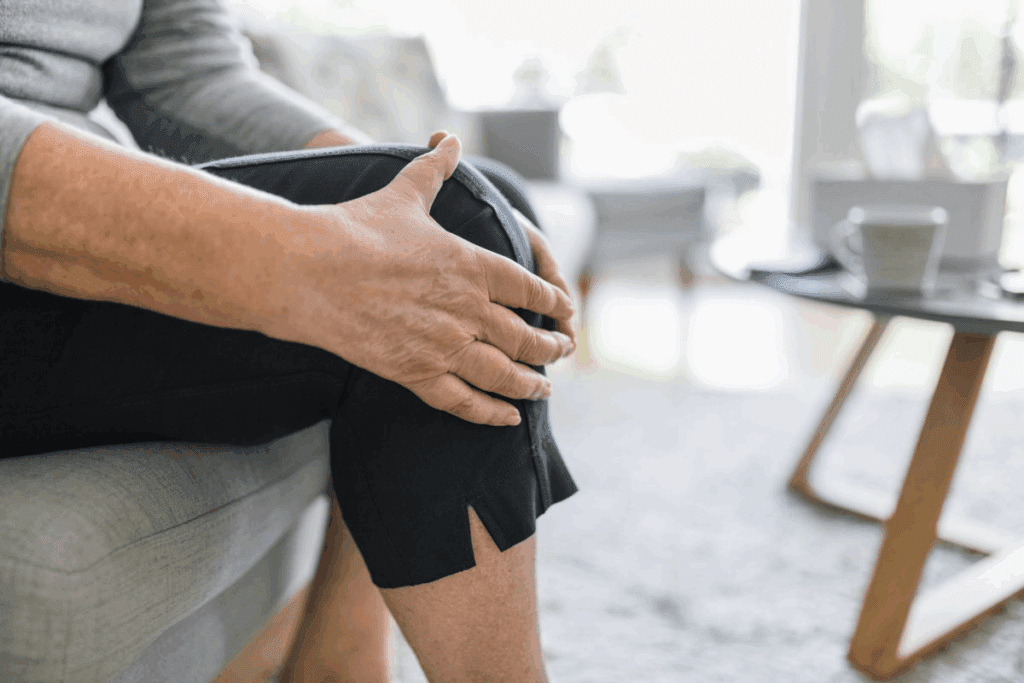
Weather changes can affect osteoarthritis symptoms. The reasons are complex. Studies show that temperature, barometric pressure, and humidity can impact joint health.
How Weather Changes Affect Joint Health
Weather changes can impact joints in several ways. Temperature changes affect the viscosity of synovial fluid. This fluid is key for joint lubrication.
Physiological Responses to Temperature Changes
Cold temperatures can make synovial fluid thicker. This leads to joint stiffness and discomfort. Warmer temperatures, on the other hand, can improve joint mobility by making the fluid more fluid.
Joint Fluid Viscosity and Weather
The viscosity of synovial fluid changes with temperature. This affects joint comfort and mobility. Cold weather can worsen osteoarthritis symptoms by making the fluid less fluid.
Why Some People Are More Weather-Sensitive Than Others
Why some people are more sensitive to weather changes varies. It depends on genetics and the disease’s progression.
Genetic Factors in Weather Sensitivity
Genetics play a big role in how people react to weather. Some are more likely to experience weather-related symptoms due to their genes.
Disease Progression and Weather Response
The stage of osteoarthritis affects how sensitive someone is to weather. Those with more advanced disease may feel more sensitive to temperature and pressure changes.
Knowing these factors helps in creating personalized plans for osteoarthritis patients. It considers their unique weather responses.
Winter: The Most Challenging Season for Osteoarthritis

Winter is tough for those with osteoarthritis. The cold weather makes symptoms worse, making simple tasks hard.
Cold Temperature Effects on Joint Fluid and Mobility
Cold weather affects joints, hurting those with osteoarthritis. Low temperatures make synovial fluid thicker, leading to stiffness and less mobility.
Increased Joint Stiffness Mechanisms
The increased viscosity of synovial fluid results in stiffer and less flexible joints. This makes moving harder.
Pain Threshold Changes in Cold Weather
Cold weather also makes pain feel worse. This makes joints more painful.
Decreased Physical Activity and Its Impact
Winter’s cold makes people less active. This hurts osteoarthritis symptoms.
Indoor Exercise Limitations
Indoor workouts are easier but limited by space and equipment. This limitation may reduce the effectiveness of workouts.
Muscle Weakness Progression
Less activity weakens muscles. This puts more stress on joints, making symptoms worse.
Managing Morning Stiffness During Winter Months
It’s key to manage morning stiffness to stay mobile and pain-free in winter.
Pre-Rising Warm-Up Techniques
Doing gentle stretches or a warm bath before getting up helps reduce stiffness.
Bedding and Clothing Adaptations
Using electric blankets or warm clothes at night keeps joints warm. This reduces morning stiffness.
This knowledge enables better management of the challenges posed by winter.
The Impact of Barometric Pressure Changes on Joint Pain
Many people with osteoarthritis feel more joint pain when the weather changes. This section looks at how changes in barometric pressure affect joint pain. It also talks about managing pain caused by weather changes.
How Falling Pressure Systems Affect Joint Tissues
When barometric pressure goes down, joint tissues expand. This can put more pressure on nerves, causing pain. This is a big reason why weather changes can make osteoarthritis symptoms worse.
Tissue Expansion and Pressure Differentials
The pressure inside the joint and outside it changes. When outside pressure drops, the inside pressure makes tissues expand. This can cause discomfort.
Research Evidence on Pressure Effects
Studies show a link between falling barometric pressure and more joint pain in osteoarthritis patients. This research backs up what many people with osteoarthritis already know: weather changes can impact joint health.
Storm-Related Flare-Ups Explained
This approach allows for better preparation for potential pain flare-ups.
Pre-Storm Pain Patterns
Pain can start hours or days before a storm, as the barometric pressure drops. This is a common experience for those with osteoarthritis.
Duration of Pressure-Related Symptoms
The pain from barometric pressure changes can last until the pressure goes back to normal.
Tracking Weather Changes to Predict Pain
By watching the weather, people with osteoarthritis can predict and manage their pain better. Using weather apps and keeping a pain journal can be very helpful.
Useful Weather Apps for Arthritis Patients
There are weather apps that track barometric pressure changes. These apps can be very useful for those who experience joint pain due to weather.
Creating a Personal Weather-Pain Journal
Keeping a journal of weather and pain can help identify patterns. This approach allows for better preparation for potential pain flare-ups. Here’s an example:
| Date | Weather Condition | Barometric Pressure | Pain Level (1-10) |
| 2023-03-01 | Sunny | 1013 mbar | 3 |
| 2023-03-02 | Cloudy | 1005 mbar | 6 |
| 2023-03-03 | Rainy | 995 mbar | 8 |
Humidity and Rainfall: How Damp Conditions Affect Osteoarthritis
Damp weather, with high humidity and rain, is tough for osteoarthritis sufferers. Studies show that weather changes, like more humidity, can make symptoms worse.
The Science Behind Humidity-Related Joint Pain
High humidity can trigger an inflammatory response in some with osteoarthritis. This inflammation makes joints swell and hurt.
Inflammatory Response to Humidity
The exact reasons are not fully known. But, it’s thought that humidity changes affect joint fluid and tissues, causing inflammation.
Joint Swelling Mechanisms in Damp Weather
In damp weather, the body’s reaction to humidity can cause joints to swell more. This swelling increases pressure on the joints, exacerbating pain.
Rainy Season Challenges for Arthritis Sufferers
The rainy season is hard for those with osteoarthritis. High humidity and rain make it harder to manage symptoms.
Regional Variations in Rainfall Impact
Rainfall’s effect on osteoarthritis varies by region. Places with lots of rain all year might have different effects than those with seasonal rain.
Prolonged Rainy Periods and Pain Management
Managing pain during long rainy periods is key. Adjusting meds, staying active when it’s dry, and using dehumidifiers can help.
Strategies to Combat Moisture-Related Discomfort
Several strategies can ease osteoarthritis symptoms in damp weather. These include controlling the environment and personal care.
Dehumidifiers and Environmental Controls
This may alleviate inflammation and swelling associated with high humidity.
Moisture-Wicking Clothing Options
Wearing moisture-wicking clothing keeps skin dry. This can reduce discomfort from damp weather.
- Maintain a consistent exercise routine to keep joints mobile.
- Use dehumidifiers and air conditioners to control indoor humidity levels.
- Wear moisture-wicking clothing to stay dry and comfortable.
Summer Heat: Friend or Foe for Osteoarthritis Patients?
Summer heat has both good and bad sides for people with osteoarthritis. While it can make symptoms worse, it also helps with joint flexibility.
Warmth Benefits for Joint Flexibility
Warm weather makes joints more mobile. This is because the heat reduces stiffness and boosts flexibility. Research shows that the right temperature can help joints work better.
Optimal Temperature Ranges for Joint Function
Temperatures between 80°F and 90°F (27°C to 32°C) are best for joints. They relax muscles and improve blood flow.
Heat Therapy Principles in Natural Weather
Heat therapy, which uses heat to ease pain, works well in warm weather. It might even cut down on the need for other treatments.
When High Temperatures Become Problematic
While warmth is good, very high temperatures can cause problems. They can lead to more inflammation and pain for some.
Heat-Related Inflammation Concerns
High heat can cause dehydration. This can lower the body’s natural anti-inflammatory responses. It might make osteoarthritis symptoms worse.
Hydration Importance During Hot Weather
It’s very important to stay hydrated in the summer for osteoarthritis patients. Drinking enough water helps keep joints healthy and the body working well.
| Hydration Tips | Benefits for Osteoarthritis |
| Drink at least 8 glasses of water a day | Maintains joint lubrication |
| Include electrolyte-rich beverages | Helps maintain electrolyte balance |
| Avoid excessive caffeine and alcohol | Reduces risk of dehydration |
Understanding Osteoarthritis Weather Patterns Throughout the Year
Seasonal changes affect how we manage osteoarthritis. Knowing these patterns helps us prepare. Symptoms can change with the seasons, and understanding these changes is key.
Seasonal Pain Cycles and Prediction
Weather changes can make osteoarthritis symptoms worse. By tracking these changes, we can predict when symptoms might get worse.
Common Flare-Up Timeframes
Some seasons are harder than others for osteoarthritis. The cold weather after a warm spell can be tough.
Anticipating Seasonal Transitions
Knowing when seasons change helps us prepare. We can adjust our exercise or medicine to avoid flare-ups.
Geographic Considerations for Osteoarthritis Patients
Where you live affects your osteoarthritis. Different climates pose different challenges for managing the condition.
Climate Zones and Arthritis Comfort
Some places are better for people with arthritis because of their mild weather. But, extreme weather requires more careful management.
Relocation Considerations for Severe Cases
For those with severe arthritis, moving to a better climate might be an option. But, it’s not just about the weather.
Climate Change Effects on Arthritis Management
Climate change is changing the weather, affecting arthritis management. As weather becomes more unpredictable, we must adapt our plans.
Changing Weather Patterns and Health Planning
Keeping up with weather forecasts helps us plan. We can adjust our daily routines or prepare for flare-ups.
Adapting to Unpredictable Weather Events
Extreme weather requires flexibility in managing arthritis. We need to have backup plans for sudden weather changes.
Year-Round Osteoarthritis Management Strategies
To manage osteoarthritis symptoms, it’s important to have strategies all year. These strategies help you adjust to seasonal changes. This way, you can keep your joints healthy and feel less pain.
Consistent Exercise Routines Across Seasons
Keeping up with exercise is key for managing osteoarthritis all year. Exercise keeps your joints flexible and strengthens the muscles around them.
Indoor vs. Outdoor Activity Adjustments
It’s important to change your exercise routine based on the weather. When it’s cold or rainy, try indoor activities like yoga or swimming. But, when the weather is nicer, go for walks or bike rides.
Water-Based Exercise Benefits
Water-based exercises, like aqua aerobics or swimming, are great for osteoarthritis patients. They’re low-impact and help improve joint mobility without putting too much strain on your joints.
Dietary Adjustments for Different Weather Conditions
Your diet is also important for managing osteoarthritis. Changing your diet with the seasons can help ease symptoms.
Anti-Inflammatory Foods for Weather Transitions
Eating anti-inflammatory foods during weather changes can help reduce inflammation. Foods like salmon and berries are good choices because they’re rich in omega-3 fatty acids and antioxidants.
Seasonal Nutrition Planning
Planning your diet with the seasons can help manage osteoarthritis symptoms. For example, eat warming foods in the cold and cooling foods in the hot.
| Season | Dietary Recommendations | Benefits |
| Winter | Warming foods like ginger, turmeric | Reduces inflammation, improves circulation |
| Summer | Cooling foods like cucumber, mint | Helps in hydration, reduces joint heat |
Medication Timing and Weather Considerations
Timing your medication with weather changes can help manage osteoarthritis symptoms better.
Preventative Pain Management Before Weather Changes
Being proactive with pain management before weather changes can help prevent severe osteoarthritis flare-ups.
Supplement Adjustments by Season
Adjusting supplements like glucosamine and chondroitin with the seasons can support joint health. Always talk to a healthcare provider to find the best supplement plan for you.
Home Environment Modifications for Seasonal Comfort
Managing osteoarthritis isn’t just about taking medicine. It’s also about making your home comfortable for all seasons. Changing your living space for different times of the year can really help you feel better.
Indoor Climate Control for Joint Comfort
Keeping your home’s climate just right is key for people with osteoarthritis. The temperature affects how comfortable your joints feel.
Optimal Home Temperature Settings
Studies show that a warmer home can help those with osteoarthritis. The perfect temperature varies, but most find 68°F to 72°F (20°C to 22°C) comfortable.
Smart Home Technology for Arthritis Management
Smart home tech can keep your home climate perfect. Smart thermostats learn your likes and adjust the temperature for you. This helps maintain a comfortable home environment.
Humidity Management in Your Living Space
Humidity also affects osteoarthritis symptoms. Too much or too little can make you uncomfortable.
Ideal Indoor Humidity Levels
The best humidity is between 30% to 50%. This range can ease osteoarthritis symptoms.
Seasonal Adjustments to Home Environment
Changing your home with the seasons can help with osteoarthritis. For example, use humidifiers in winter and air conditioners in summer.
Creating Weather-Proof Exercise Areas
Having a special area for exercise at home can encourage you to stay active, no matter the weather.
Home Gym Considerations for Arthritis Patients
When setting up a home gym, choose equipment that’s easy on your joints. Machines like stationary bikes and elliptical trainers are great.
Adaptive Equipment for Seasonal Challenges
Adaptive tools like resistance bands and balance balls are very helpful. They’re affordable, versatile, and can be used at home.
| Season | Ideal Home Adjustments | Benefits for Osteoarthritis |
| Winter | Increase indoor temperature, use humidifiers | Reduces joint stiffness, improves mobility |
| Summer | Use air conditioners, maintain hydration | Prevents overheating, reduces fatigue |
| Spring/Autumn | Adjust temperature according to outdoor changes | Maintains consistent comfort, reduces symptom flare-ups |
Conclusion: Preparing for Your Worst Osteoarthritis Season
Understanding the impact of weather on joint pain can enhance symptom management.
There are ways to fight back against seasonal changes. Regular exercise, changing your diet, and making your home more comfortable can help. Also, knowing about osteoarthritis seasonal changes lets you take action early, preventing bad flare-ups.
To really manage osteoarthritis, keep up with the weather. Use this info along with osteoarthritis management tips. This strategy can help mitigate the seasonal impacts on your condition.
FAQ
How does cold weather affect osteoarthritis?
The increased viscosity of synovial fluid results in stiffer and less flexible joints.
Can changes in barometric pressure trigger osteoarthritis pain?
Yes, changes in barometric pressure can trigger osteoarthritis pain. When pressure drops, your joint tissues expand. This expansion puts pressure on nerves, causing pain.
Is humidity bad for osteoarthritis?
High humidity can make osteoarthritis symptoms worse for some. The exact reason is not clear. But, it’s thought that humidity changes might irritate or inflame your joints.
How can I manage osteoarthritis symptoms during the winter?
To manage symptoms in winter, stay warm and exercise regularly. Heat therapy can also help loosen stiff joints. Adjusting your medication to match your pain times can also help.
Can summer heat help alleviate osteoarthritis symptoms?
Yes, summer heat can help some people with osteoarthritis. The warmth increases blood flow, reduces stiffness, and improves flexibility. But, high temperatures can also lead to dehydration, which can worsen symptoms.
How can I track weather changes to predict osteoarthritis pain?
Use a weather app or website to track changes. Or, pay attention to how your body reacts. Keeping a pain journal can help you spot patterns and weather correlations.
Are there any dietary adjustments I can make to help manage osteoarthritis symptoms during different weather conditions?
Yes, dietary changes can help manage symptoms. Stay hydrated in hot weather, increase omega-3 intake to reduce inflammation, and avoid foods that trigger inflammation.
Can modifying my home environment help alleviate osteoarthritis symptoms?
Yes, modifying your home can help. Use indoor climate control for comfort, manage humidity, and create exercise areas adaptable to weather.
How does climate change affect osteoarthritis management?
Climate change can make managing osteoarthritis harder. It changes weather patterns, increases extreme weather, and alters temperature and humidity. This can lead to more frequent and severe flare-ups. It’s important to stay adaptable and adjust your strategies.
References
- Wang, L., et al. (2023). The association between weather conditions and osteoarthritis pain: A systematic review and meta-analysis. Journal of Clinical Medicine, 12(8), 2587. https://pmc.ncbi.nlm.nih.gov/articles/PMC10120534/