
Ovarian cancer is a big threat to women’s health. But, thanks to proactive prevention and better medical care, rates are going down each year.
From the early 2000s, ovarian cancer cases have fallen by 1% to 2% every year. This is because of new ways to prevent it and changes in lifestyle.
At Liv Hospital, we focus on checking for risks early and tailoring treatments to stop it. This helps us make even more progress in women’s health.
Knowing what protects against ovarian cancer is key. We’re dedicated to giving world-class healthcare and full support in this fight.
Key Takeaways
- Ovarian cancer rates have declined due to preventive measures and medical advancements.
- Lifestyle changes and early risk assessment play a critical role in prevention.
- Personalized interventions are key to reducing the risk of ovarian cancer.
- Proactive prevention strategies are essential for women’s health.
- Comprehensive support is vital in the fight against ovarian cancer.
Understanding Ovarian Cancer Disease
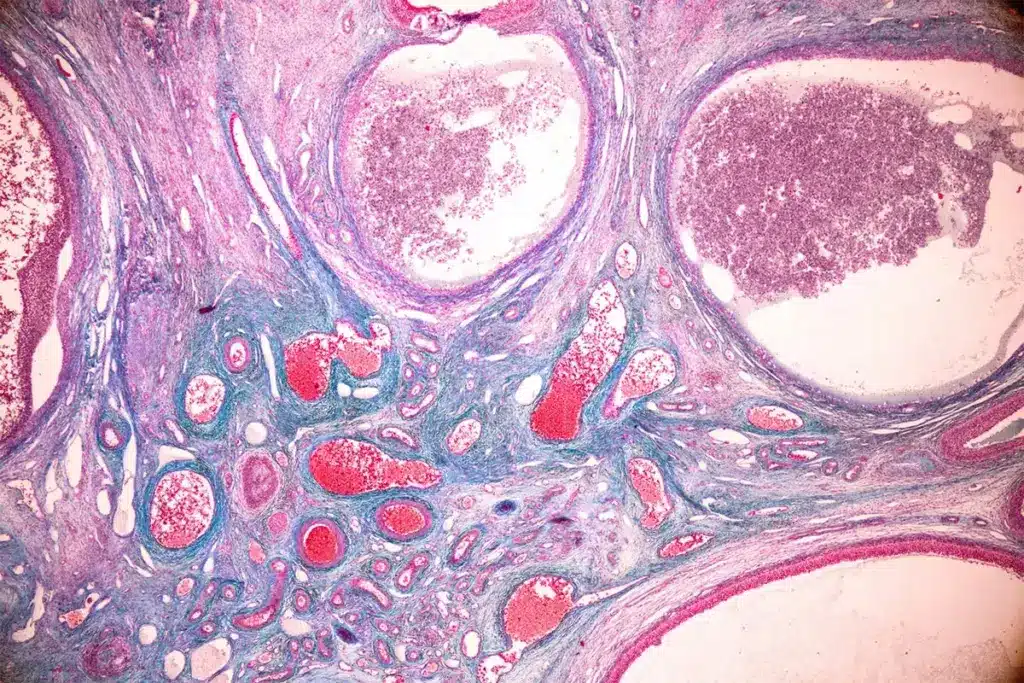
It’s important to understand ovarian cancer to prevent it. This disease affects women all over the world. The rates of occurrence vary in different places.
Definition and Types of Ovarian Cancer
Ovarian cancer starts in the ovaries, which are part of the female body. The most common type is epithelial ovarian cancer, making up about 90% of cases. There are also germ cell tumors and sex cord-stromal tumors.
Each type of ovarian cancer is different. Epithelial ovarian cancer is split into subcategories based on cell type and behavior.
Current Statistics and Global Prevalence
Ovarian cancer is a big health issue worldwide. It’s the eighth most common cancer in women. For the latest ovarian cancer statistics, check out reliable sources.
|
Region |
Incidence Rate |
Mortality Rate |
|---|---|---|
|
North America |
12.5 per 100,000 |
7.5 per 100,000 |
|
Europe |
11.8 per 100,000 |
7.1 per 100,000 |
|
Asia |
9.5 per 100,000 |
6.2 per 100,000 |
The 1-2% Annual Decline
There’s been a 1-2% annual drop in ovarian cancer cases over the last 20 years. This could be due to changes in how women have children, more use of birth control, and better medical care.
This is a good sign. But we need to keep researching and spreading awareness to keep reducing ovarian cancer’s impact.
Genetic Factors in Ovarian Cancer Risk
Understanding the genetic roots of ovarian cancer is key to spotting those at high risk. Certain genes can greatly up the chances of getting ovarian cancer.
BRCA1 and BRCA2 Mutations
Mutations in the BRCA1 and BRCA2 genes are big risk factors for ovarian cancer. Women with a BRCA1 or BRCA2 mutation face a much higher risk than those without these changes.
- BRCA1 mutation carriers have up to a 40% lifetime risk of ovarian cancer.
- BRCA2 mutation carriers have up to a 20% lifetime risk.
Women with a family history of breast and ovarian cancer should get tested for BRCA mutations.
Lynch Syndrome and Other Hereditary Factors
Lynch syndrome, or hereditary nonpolyposis colorectal cancer (HNPCC), raises the risk of ovarian cancer, along with colorectal cancer.
“Lynch syndrome is caused by mutations in DNA mismatch repair genes, such as MLH1, MSH2, MSH6, and PMS2.”
Other genetic factors can also up the risk of ovarian cancer. This shows why looking at a family’s health history is so important.
Hormonal Contraceptives as Preventive Measures
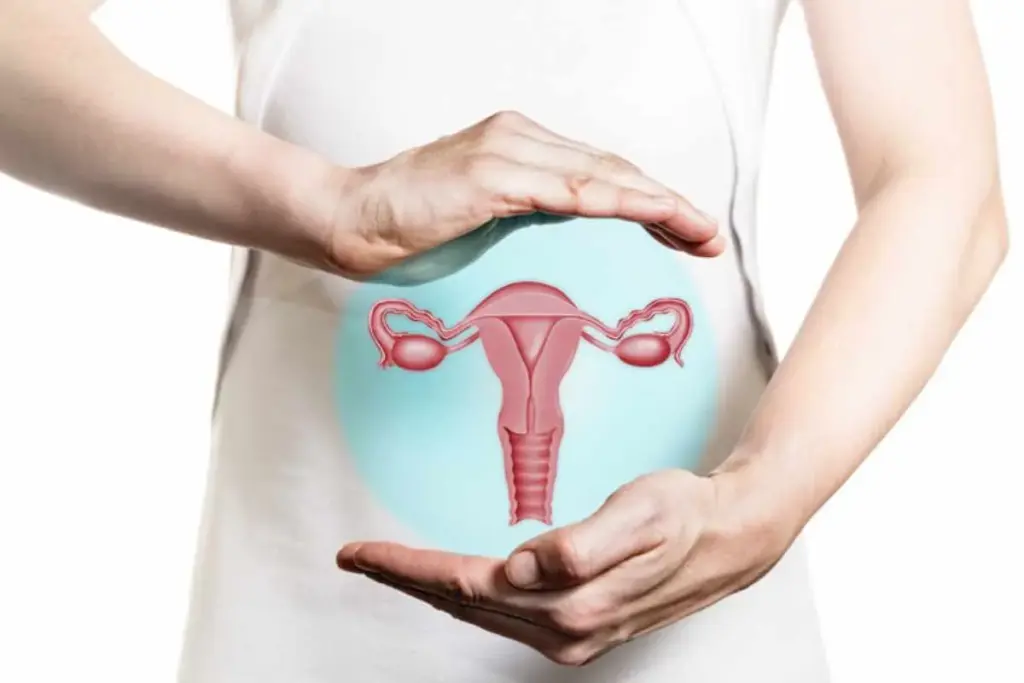
Oral contraceptives, a type of hormonal birth control, can lower the risk of ovarian cancer. Studies have shown they are effective in reducing ovarian cancer cases. This makes them a valuable preventive option.
How Oral Contraceptives Reduce Risk
Oral contraceptives stop ovulation, which may lower ovarian cancer risk. Ovulation is thought to contribute to ovarian cancer, possibly due to the repeated repair of the ovarian surface. By stopping ovulation, these contraceptives may prevent genetic damage that leads to cancer.
Key mechanisms include:
- Stopping ovulation, which reduces the need for the ovarian surface to repair itself
- Changing hormone levels, which may slow cancer cell growth
Duration of Use and Long-term Protection
The longer a woman uses oral contraceptives, the more her risk of ovarian cancer drops. Studies show that longer use leads to greater protection. This protection can last for years after stopping, though it may lessen over time.
It’s essential to note that:
- The more you use them, the more protection you get
- Some protection stays even after you stop, but it may decrease
Considerations and Possible Side Effects
Oral contraceptives can greatly reduce ovarian cancer risk but come with side effects. Users should know about the increased risk of blood clots and other health issues. It’s important to talk to a healthcare provider about your specific risks.
Potential side effects to consider:
- Blood clots and thromboembolic events
- Mood or libido changes
- Less common risks like liver disease or certain cancers
Women thinking about using oral contraceptives for cancer prevention should talk to their doctor. This will help them make a well-informed choice based on their health and risk factors.
Prophylactic Surgery for High-Risk Women
Prophylactic surgery is a key option for women at high risk of ovarian cancer. It’s a big decision that involves weighing risks and benefits. We’ll look at the different types of surgery, recovery, and what influences the decision.
Risk-Reducing Bilateral Salpingo-Oophorectomy
Risk-reducing bilateral salpingo-oophorectomy (RRBSO) removes both ovaries and fallopian tubes. It’s often suggested for women with BRCA1 and BRCA2 mutations. This surgery can greatly lower ovarian cancer risk.
A study in the Journal of Clinical Oncology found RRBSO cuts ovarian cancer risk by up to 80% in BRCA1 and BRCA2 carriers.
“The removal of the ovaries and fallopian tubes is a highly effective strategy for reducing ovarian cancer risk in high-risk women.”
Journal of Clinical Oncology
Hysterectomy Considerations
In some cases, a hysterectomy might be added to RRBSO. The choice depends on health and other gynecological issues. While it offers extra cancer protection, it also comes with more risks.
|
Procedure |
Risks |
Benefits |
|---|---|---|
|
RRBSO |
Surgical complications, early menopause |
Significant reduction in ovarian cancer risk |
|
Hysterectomy |
Surgical complications, impact on bladder and bowel |
Extra protection against uterine cancer, manages other gynecological issues |
Recovery and Post-Surgical Care
Recovering from RRBSO and hysterectomy needs careful post-surgical care. Women should follow a plan that includes rest, pain management, and check-ups. This helps avoid complications and manage symptoms.
Key aspects of post-surgical care include:
- Monitoring for signs of infection or complications
- Managing menopausal symptoms, if applicable
- Follow-up care to check for any signs of cancer or other health issues
Decision-Making Process and Timing
Choosing prophylactic surgery is a personal decision. It should be made after talking to healthcare providers. The decision depends on risk level, age, reproductive plans, and overall health.
Timing is key: Women are usually advised to consider RRBSO after they’ve finished having children. The best time is between 35 and 40 for BRCA1 carriers and a bit later for BRCA2 carriers, based on individual risk.
Lifestyle Modifications for Ovarian Cancer Prevention
Making smart lifestyle choices can help prevent ovarian cancer. By changing a few habits, women can lower their risk. Let’s look at the key changes that help prevent ovarian cancer.
Maintaining a Healthy Weight and BMI
Keeping a healthy weight is key for health and cancer prevention. Being overweight or obese raises cancer risk, including ovarian cancer. Aim for a healthy Body Mass Index (BMI) to reduce your risk.
- Healthy BMI Range: Aim for a BMI between 18.5 and 24.9.
- Weight Management: Eat well and stay active to keep a healthy weight.
Exercise and Physical Activity Recommendations
Regular exercise helps prevent ovarian cancer. It keeps you at a healthy weight and has cancer-fighting benefits.
- Duration and Intensity: Do at least 150 minutes of moderate or 75 minutes of vigorous exercise weekly.
- Variety of Activities: Mix aerobic, strength, and flexibility exercises in your routine.
Dietary Factors That May Reduce Risk
Eating a balanced diet with fruits, veggies, and whole grains is good for health. It may also lower ovarian cancer risk. Some foods are better than others for this purpose.
- Fruits and Vegetables: Eat a variety of colorful fruits and veggies for antioxidants and fiber.
- Whole Grains: Choose whole grains for more fiber and nutrients.
- Healthy Fats: Add healthy fats like avocados and nuts to your diet.
By making these lifestyle changes, women can lower their ovarian cancer risk. Always talk to a healthcare professional to create a plan that fits your needs.
Hormone Replacement Therapy and Ovarian Cancer Risk
Women going through menopause face a big decision: hormone replacement therapy (HRT). It helps with symptoms but raises concerns about ovarian cancer risk. The debate on HRT’s impact on ovarian cancer has been ongoing.
Types of HRT and Associated Risks
HRT comes in different forms, like estrogen-alone and estrogen-progestin therapy. The type of HRT matters a lot for ovarian cancer risk. Studies show estrogen-alone HRT might raise ovarian cancer risk, mainly with long-term use.
|
Type of HRT |
Ovarian Cancer Risk |
|---|---|
|
Estrogen-alone |
Increased risk with prolonged use |
|
Combined Estrogen-Progestin |
Potential increased risk, varying by regimen |
A study in a top medical journal showed HRT risks can change based on the type and how long it’s used. Women and their doctors need to carefully consider these risks when thinking about HRT.
“The decision to use hormone replacement therapy should be based on a thorough evaluation of the benefits and risks for each individual woman.”
– American Cancer Society
Alternatives to Traditional HRT
For those worried about HRT risks, there are other ways to handle menopause symptoms. Non-hormonal treatments and lifestyle changes can help without the risks of HRT.
- Non-hormonal medications for symptom relief
- Lifestyle changes, including diet and exercise
- Alternative therapies, such as acupuncture
Talking to a healthcare provider about these options can help women make better choices for their menopause care.
Age-Related Risk Factors and Prevention Strategies
The risk of ovarian cancer goes up with age, more so after menopause. This makes it important to have prevention plans for different ages. As we get older, our bodies change, and knowing these changes helps us understand our risk better.
Risk Assessment for Women Over 63
Women over 63 face a higher risk of ovarian cancer. Regular risk assessments are key for them. We look at family history, genetic mutations like BRCA1 and BRCA2, and past reproductive history.
“The incidence of ovarian cancer increases significantly after the age of 63, highlighting the need for vigilant monitoring and risk assessment in this demographic.”
NCI, Cancer Statistics
Age-Specific Prevention Approaches
Prevention plans change with age. For women over 63, prophylactic surgery might be an option if they’re at high risk. Also, a healthy lifestyle, including diet and exercise, is advised.
- Maintaining a healthy weight
- Engaging in regular physical activity
- Avoiding certain dietary factors that may increase risk
Menopause and Post-Menopausal Considerations
Menopause is a big change in a woman’s life. The risk of ovarian cancer goes up after menopause. Hormone replacement therapy (HRT) can affect this risk. It’s vital for women to talk to their healthcare provider about their risk and HRT’s benefits and risks.
Early Detection and Screening Methods
Finding ovarian cancer early is key to better survival rates and treatment success. We’ve made big strides in finding ways to spot this disease early.
Current Screening Recommendations
We stick to the best guidelines for screening ovarian cancer. These guidelines suggest a mix of tests for those at high risk. They aim to catch the disease early and manage it well.
Transvaginal Ultrasound and CA-125 Testing
We use two main methods for early detection: transvaginal ultrasound and CA-125 blood testing. The ultrasound lets us see the ovaries and find any issues. The CA-125 test checks for a protein in the blood that might be high in ovarian cancer patients.
|
Screening Method |
Description |
Benefits |
|---|---|---|
|
Transvaginal Ultrasound |
Visual examination of the ovaries |
Detects abnormalities |
|
CA-125 Testing |
Measures CA-125 protein levels in the blood |
Identifies possible ovarian cancer markers |
Symptoms Awareness and Monitoring
Knowing the symptoms of ovarian cancer is very important. Symptoms include pelvic pain, bloating, and trouble eating. We stress the need to watch for these signs and tell a doctor if they don’t go away.
- Pelvic pain or discomfort
- Bloating or swelling in the abdominal area
- Difficulty eating or feeling full quickly
Spotting ovarian cancer early through awareness and screening can greatly help treatment success.
Personalized Risk Assessment Approaches
Personalized risk assessment is changing how we fight ovarian cancer. It lets doctors create plans based on each person’s risk factors.
Risk Calculation Models and Tools
Risk models and tools are key in finding who’s at high risk for ovarian cancer. They look at things like genes, family history, and past health to guess a woman’s risk.
Some important models include:
- The Gail Model, which checks breast cancer risk but also helps with overall cancer risk.
- The BRCA1 and BRCA2 gene mutation risk assessment, which focuses on ovarian and breast cancer.
- Other models use age, BMI, and history of endometriosis or infertility.
These tools help doctors tell women about their risk and what steps they can take to prevent it.
Individualized Prevention Plans
After figuring out a woman’s risk, a special plan can be made. This plan might include:
- Regular checks with transvaginal ultrasound and CA-125 blood tests to catch cancer early.
- Thinking about surgery to lower risk for those at high risk.
- Staying healthy with the right weight and diet.
- Being careful with hormone therapy unless it’s really needed.
By making plans that fit each person’s risk, we can lower ovarian cancer rates. This helps those at highest risk get better care.
Innovative Medical Approaches to Prevention
New medical methods are being studied to stop ovarian cancer before it starts. These methods offer hope to those at high risk. We’re leading the way in finding these new ways, like chemoprevention and immunotherapy.
Chemoprevention Research and Clinical Trials
Chemoprevention uses medicines to stop cancer from happening. Scientists are looking at different medicines to see if they can lower ovarian cancer risk. Some promising areas include:
- Targeted therapies that aim at specific cancer-causing molecules.
- Anti-inflammatory agents that might help by reducing inflammation.
- Hormonal therapies that could help by changing how hormones affect cancer.
Clinical trials are key to figuring out if these medicines work and are safe. We’re involved in these trials to learn more about stopping ovarian cancer.
Immunotherapy and Vaccine Development
Immunotherapy uses the body’s immune system to fight cancer. It’s a promising area of research. Scientists are working on vaccines to prevent ovarian cancer or boost the body’s fight against it.
Some of the methods being looked into are:
- Cancer-specific vaccines that target ovarian cancer cells.
- Immunomodulatory therapies that improve the body’s natural defense against cancer.
These new methods could greatly reduce ovarian cancer cases, mainly in high-risk groups. As research grows, we’re dedicated to finding and using the best ways to prevent ovarian cancer.
Reproductive Factors and Ovarian Cancer Risk
Research shows that certain reproductive factors can greatly affect a woman’s chance of getting ovarian cancer. Knowing these factors helps us understand how to prevent it and assess risks.
Pregnancy and Breastfeeding Effects
Pregnancy and breastfeeding can lower the risk of ovarian cancer. Women who have been pregnant, and younger ones at that, have a lower risk than those who haven’t. Hormonal changes and stopping ovulation during pregnancy are thought to be the reasons.
Breastfeeding also lowers the risk of ovarian cancer. The longer a woman breastfeeds, the more her risk goes down. The exact reasons for this are not clear, but hormonal changes and less ovulation are suspected.
“The protective effect of pregnancy and breastfeeding on ovarian cancer risk highlights the complex interplay between reproductive factors and cancer development.”
An Oncologist
Fertility Treatments and Ovarian Cancer
The link between fertility treatments and ovarian cancer risk is complex. Some studies suggest that treatments that stimulate ovulation might raise the risk. But, the evidence is not solid, and more research is needed.
|
Reproductive Factor |
Effect on Ovarian Cancer Risk |
|---|---|
|
Pregnancy |
Reduced risk, with more effect from multiple pregnancies |
|
Breastfeeding |
Reduced risk, with more effect from longer duration |
|
Fertility Treatments |
Potential increased risk, mainly with ovulation stimulation |
We know that reproductive factors are key in determining ovarian cancer risk. By understanding these, we can spot women at higher risk. This helps us create better prevention plans.
Comprehensive Care Protocols at Leading Institutions
Liv Hospital is changing how we prevent ovarian cancer. They use early risk checks and custom plans. This sets a new standard in medicine.
Liv Hospital’s Approach to Ovarian Cancer Prevention
Liv Hospital focuses on detailed risk checks and custom prevention. Early detection and intervention are key to lowering ovarian cancer risk. They aim to spot high-risk people and help them prevent it.
The hospital uses genetic testing to find BRCA1 and BRCA2 mutations. They also offer detailed counseling for those at high risk. This helps women make smart health choices.
Multidisciplinary Team Approach
Liv Hospital’s care is led by a multidisciplinary team. This team works together. It includes gynecologic oncologists, geneticists, radiologists, and more.
- Gynecologic oncologists manage ovarian cancer surgery.
- Geneticists find genetic risks and advise on prevention.
- Radiologists use advanced imaging for early detection and monitoring.
This team ensures a complete care plan for each patient. They focus on the whole person, not just the cancer. This way, Liv Hospital offers comprehensive care that meets each patient’s needs.
Liv Hospital leads in ovarian cancer prevention with its care and team work. They believe this approach boosts patient results and care quality.
Conclusion
Ovarian cancer prevention is a complex effort. It involves understanding risks, taking preventive steps, and catching it early. We’ve looked at ways to lower risk, like genetic tests, birth control, surgery, and healthy living.
Early detection is key to beating ovarian cancer. Knowing the risks and symptoms helps women get help fast. This leads to quick diagnosis and treatment. Places like Liv Hospital offer a team approach to fighting ovarian cancer.
By using these methods together, we can fight ovarian cancer better. Women at high risk should talk to doctors about their own plans. Awareness and action can greatly help in preventing and catching ovarian cancer early.
FAQ
What is ovarian cancer and how common is it?
Ovarian cancer is a cancer that affects the ovaries. It’s one of the most common cancers in women. It’s a big health issue worldwide, with different rates in different places.
What are the risk factors for ovarian cancer?
Risk factors include genetic mutations like BRCA1 and BRCA2, family history, age, and reproductive factors. Women with Lynch syndrome or other hereditary conditions are at higher risk.
How do hormonal contraceptives prevent ovarian cancer?
Hormonal contraceptives, like birth control pills, lower ovarian cancer risk. They work by stopping ovulation and reducing the number of ovulations in a woman’s lifetime.
What is prophylactic surgery and who is it recommended for?
Prophylactic surgery removes ovaries and fallopian tubes to prevent cancer. It’s for women at high risk, like those with BRCA1 and BRCA2 mutations.
How can lifestyle modifications help prevent ovarian cancer?
Eating well, exercising, and keeping a healthy weight can help. Avoiding hormone replacement therapy and knowing symptoms also play a role.
What is the relationship between hormone replacement therapy and ovarian cancer risk?
Hormone replacement therapy (HRT) increases ovarian cancer risk, mainly with long-term use. The type and duration of HRT affect the risk level.
How does age impact ovarian cancer risk and what are the age-specific prevention strategies?
Risk goes up with age, after 63. Prevention strategies include risk assessment, monitoring, and surgery for high-risk women.
What are the current screening recommendations for ovarian cancer?
Recommendations include ultrasound and CA-125 testing. But these have limits. Knowing symptoms and monitoring are key for early detection.
How can personalized risk assessment approaches help prevent ovarian cancer?
Personalized risk assessment helps identify high-risk women. It offers targeted prevention strategies.
What are the innovative medical approaches being researched for ovarian cancer prevention?
New approaches include chemoprevention and immunotherapy. They aim to lower risk in high-risk women.
How do reproductive factors impact ovarian cancer risk?
Pregnancy and breastfeeding lower risk. Fertility treatments might also affect risk, but evidence is growing.
What is the role of reproductive factors in ovarian cancer risk?
Reproductive factors, like pregnancy and breastfeeding, lower risk. Fertility treatments might also impact risk, but evidence is growing.
What are the current screening recommendations for ovarian cancer?
Recommendations include ultrasound and CA-125 testing. But these have limits. Knowing symptoms and monitoring are key for early detection.
What is the role of reproductive factors in ovarian cancer risk?
Reproductive factors, like pregnancy and breastfeeding, lower risk. Fertility treatments might also impact risk, but evidence is growing.