Accurate ICD-10 coding is key for diagnosing and treating health issues. This includes cancers of the ovary. The ICD-10 has a range of codes for these conditions, each specifying the affected ovary.
Currently, there’s no ICD-10 code for C56.6. But, there are codes for other affected ovaries. For instance, C56.1 is for the right ovary, and C56.2 is for the left. C56.3 covers both ovaries, and C56.9 is for an unspecified ovary.
We’ll look into why accurate ICD-10 coding matters. It’s vital for planning treatments and tracking health trends. Ovarian cancer is a major cause of death in gynecologic cancers worldwide. So, precise coding is critical.
Find the ovarian cancer icd 10 code for C56.6. Get amazing scary facts and find powerful, vital ways to track essential gynecological health.
Key Takeaways
- ICD-10 codes C56.1, C56.2, C56.3, and C56.9 are used for malignant neoplasms of the ovary.
- Accurate coding is vital for diagnosis, treatment planning, and insurance reimbursement.
- C56.9 is used when the affected ovary is not specified.
- Precise ICD-10 coding supports epidemiological tracking and research.
- Correct code selection is essential for aligning care with international medical standards.
Understanding the ICD-10 Coding System

The ICD-10 coding system is key for healthcare providers to classify diagnoses and procedures. It’s essential for reimbursement, tracking, and planning treatments. The ICD-10 codes offer a common language for healthcare professionals around the world.
Purpose and Structure of ICD-10 Codes
The ICD-10 coding system is very specific. It helps classify diagnoses and procedures in detail. For example, it can specify the type and side of ovarian cancer, which is important for treatment.
The codes use letters and numbers to represent different parts of a diagnosis or procedure.
Importance of Accurate Medical Coding
Accurate medical coding is more than just following rules. It ensures patients get the right care and that providers get paid right. For ovarian cancer, using the right ICD-10 code, like those for “icd10 for ovarian cancer,” is key. Laterality documentation is also important, showing if the condition is on the left, right, or both ovaries.
- Ensures accurate reimbursement
- Facilitates epidemiological tracking
- Guides treatment planning
By mastering the ICD-10 coding system, healthcare providers can better care for patients and make administrative tasks easier.
Ovarian Cancer ICD-10 Code Classification and Terminology
Accurate ICD-10 coding is key for diagnosing and treating ovarian cancer. The ICD-10 system helps classify ovarian cancer. This is vital for managing patients and analyzing data.
C56 Code Range Overview
The C56 code range is for malignant neoplasms of the ovary. It includes codes for the laterality of ovarian cancer:
- C56.1: Malignant neoplasm of right ovary
- C56.2: Malignant neoplasm of left ovary
- C56.3: Malignant neoplasm of bilateral ovaries
- C56.9: Malignant neoplasm of unspecified ovary
Laterality is a critical factor in ovarian cancer coding. It affects treatment planning and patient outcomes.
Laterality in Ovarian Cancer Coding
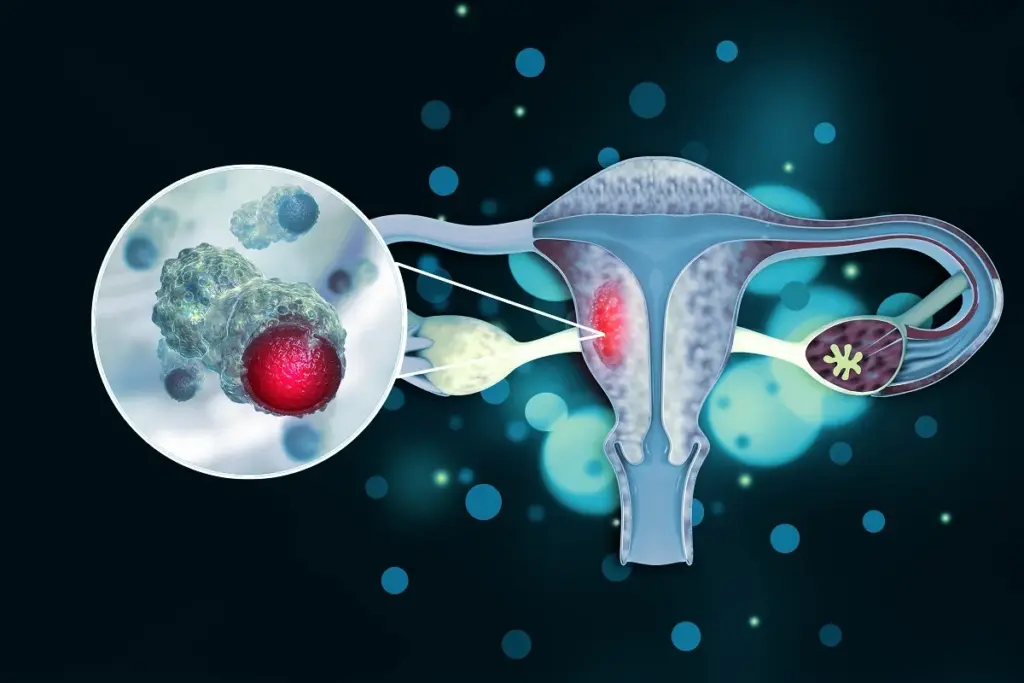
Laterality means the side of the body affected by the disease. In ovarian cancer, it’s key for choosing the right code:
“The specificity of ICD-10 codes for ovarian cancer allows for more precise tracking and management of the disease.”
Documentation Requirements
To code accurately, documenting laterality is needed. This means recording if the cancer is in the right ovary, left ovary, or both. Accurate documentation is vital for the right ICD-10 code.
Understanding and using the right ICD-10 codes for ovarian cancer improves patient care. It also helps in more accurate data analysis.
Is C56.6 a Valid ICD-10 Code?
ICD-10 coding is key for diagnosing and treating ovarian cancer. These codes help us classify cancers right. This ensures patients get the care they need.
Clarification on C56.6
C56.6 is not a valid ICD-10 code for ovarian cancer. The ICD-10 system has specific codes for different types and stages of ovarian cancer. We must use these codes correctly to avoid mistakes in patient records and treatment plans.
Valid Ovarian Cancer Codes
There are valid ICD-10 codes for ovarian cancer. For example, C56.1 is for cancer in the right ovary, and C56.2 for the left. C56.3 is for both ovaries, and C56.9 for unspecified. Using the right code is key for documenting the cancer’s details.
Common Coding Errors
Common mistakes include using unclear codes when we have more info. Also, we might misclassify where the cancer is. We must be careful with our coding. Correct coding is vital for treatment plans and tracking health trends.
By knowing and using ICD-10 codes for ovarian cancer right, we can help patients and improve health stats.
Correct ICD-10 Codes for Ovarian Malignancies
The ICD-10 coding system has specific codes for ovarian cancers. This helps in precise diagnosis and treatment planning. Accurate coding is key for effective treatment and tracking.
C56.1: Malignant Neoplasm of Right Ovary
The code C56.1 is for cancers in the right ovary. Knowing the side of the cancer is important for treatment and outcomes.
C56.2: Malignant Neoplasm of Left Ovary
C56.2 is for cancers in the left ovary. It’s used to document the side of the cancer.
C56.3: Malignant Neoplasm of Bilateral Ovaries
When both ovaries are affected, C56.3 is used. This code is vital for cancers in both ovaries, affecting treatment and prognosis.
C56.9: Malignant Neoplasm of Unspecified Ovary
The code C56.9 is for cancers in unspecified ovaries. It’s used when the side of the cancer is not known.
Choosing the right ICD-10 code is important. It affects insurance, tracking, and treatment decisions. The listed codes help classify ovarian cancers accurately.
Accurate coding is critical in managing ovarian cancer. It ensures patients get the right care and helps in research and public health.
Related ICD-10 Codes in Gynecologic Oncology
ICD-10 codes are key in diagnosing and treating gynecologic cancers. They help in giving the best care and keeping accurate records.
ICD-10 Code for Endometrial Cancer
Endometrial cancer is a common type of gynecologic cancer. It is coded as C54.1. This code is important for planning treatment and studying the disease.
Coding for Ovarian Masses and Benign Conditions
Not all ovarian masses are cancerous. Many are benign and need different codes. For example, ovarian cystadenoma is coded as D27.9. Correct coding helps in managing and following up on these conditions.
|
Condition |
ICD-10 Code |
|---|---|
|
Malignant neoplasm of endometrium |
C54.1 |
|
Ovarian cystadenoma |
D27.9 |
|
Family history of ovarian cancer |
Z80.41 |
Family History of Ovarian Cancer ICD-10 Codes
A family history of ovarian cancer is a big risk factor. The code Z80.41 is used to note this history. This info is key for assessing risk and planning prevention.
ICD-10 codes are essential for diagnosing and treating gynecologic conditions. By using these codes correctly, healthcare providers can give top-notch care.
Ovarian Cancer ICD-10 Coding: Clinical Implications
ICD-10 coding for ovarian cancer has many effects. It shapes treatment, research, and how insurance works. Getting the coding right is key to managing ovarian cancer well. It ensures patients get the right care and helps track health data accurately.
Impact on Treatment Planning
Right ICD-10 coding is key for planning treatment. Codes like C56.1 for the right ovary or C56.2 for the left help tailor care. This precision is vital for creating a good treatment plan.
Importance for Research and Epidemiology
ICD-10 coding is critical for ovarian cancer research and tracking. It helps track how common the disease is and how well people do. Codes like C56.9 are used in studies to understand ovarian cancer better.
Insurance and Billing Considerations
Getting ICD-10 coding right is also important for insurance and billing. It makes sure doctors get paid right for their work. Wrong coding can cause problems like denied claims. For ovarian cancer patients, using the right codes helps with billing and reduces hassle for doctors.
|
ICD-10 Code |
Description |
Clinical Implication |
|---|---|---|
|
C56.1 |
Malignant neoplasm of right ovary |
Affects treatment planning for right ovary cancer |
|
C56.2 |
Malignant neoplasm of left ovary |
Influences treatment strategy for left ovary cancer |
|
C56.9 |
Malignant neoplasm of unspecified ovary |
Used when ovary is not specified; impacts epidemiological tracking |
Ovarian Cancer: Global Epidemiology and Statistics
Ovarian cancer is a big health problem worldwide. It’s a top cause of death from gynecologic cancers. Every year, it affects many people, causing a lot of deaths.
GLOBOCAN 2020 Report Findings
The GLOBOCAN 2020 report found 313,959 new cases and 207,252 deaths from ovarian cancer globally. These numbers show how serious ovarian cancer is. The report helps us understand where and how often it happens.
Incidence and Mortality Rates
Ovarian cancer rates vary around the world. They are higher in developed countries. It’s often found late, which makes it deadly. Knowing this helps us plan better health strategies.
Risk Factors and Prevention
There are known risks for ovarian cancer, like genes and family history. Some risks can’t be changed, but we can catch it early. This is key to fighting ovarian cancer.
Learning about ovarian cancer helps us improve health efforts. It’s important for helping those with the disease.
Diagnostic Procedures for Ovarian Cancer
To diagnose ovarian cancer, doctors use physical exams, imaging, and lab tests. We’ll explain how these steps help find and stage ovarian cancer. Accurate diagnosis is key for good treatment plans.
Physical and Pelvic Examinations
A physical exam, including a pelvic check, is often the first step. A healthcare provider looks for any unusual changes in the reproductive area. This helps decide if more tests are needed.
Imaging Techniques
Imaging is vital for diagnosing ovarian cancer. Ultrasound is often used to check the ovaries for any issues. CT scans or MRI might also be used to see how far the cancer has spread.
Biopsy and Pathological Confirmation
A biopsy is needed to confirm ovarian cancer. A sample of tissue from the ovary is taken and checked for cancer cells. This test helps figure out the cancer type and grade, which guides treatment.
Staging and Classification
After diagnosing ovarian cancer, it’s staged to understand its spread. The FIGO system is commonly used for this. Knowing the stage is important for predicting outcomes and planning treatment.
|
Stage |
Description |
|---|---|
|
I |
Cancer limited to the ovaries |
|
II |
Cancer involves one or both ovaries with pelvic extension |
|
III |
Cancer involves one or both ovaries with cytologically or histologically confirmed spread to peritoneum outside the pelvis and/or metastasis to regional lymph nodes |
|
IV |
Distant metastasis |
Getting ovarian cancer diagnosed and staged right is key for effective treatment. We use various tests to make sure patients get the best care for their needs.
“The accurate diagnosis of ovarian cancer is a complex process that involves multiple diagnostic tools and techniques. It is essential for healthcare providers to use a comprehensive approach to diagnose and stage the disease accurately.”
Treatment Approaches for Ovarian Cancer
Treating ovarian cancer is complex. It needs a deep understanding of the disease and its coding, like the ICD-10 code for ovarian cancer (C56.9). Effective management includes surgery, chemotherapy, and new therapies.
Surgical Interventions
Surgery is key in treating ovarian cancer. It often involves removing the ovaries, fallopian tubes, and uterus. Any visible tumors are also removed. The surgery’s extent depends on the cancer’s stage and spread.
Chemotherapy Protocols
Chemotherapy is vital in treating ovarian cancer. It’s used before surgery to shrink tumors and after to kill any remaining cancer cells. The treatment’s type and length are based on the patient’s condition and how they respond.
Emerging Therapies and Clinical Trials
Ovarian cancer treatment is always getting better. Researchers are exploring new therapies and treatments. Joining clinical trials can give patients access to these new options, which might lead to better results.
Personalized Medicine Approaches
Personalized medicine is becoming more important in treating ovarian cancer. Genetic testing and biomarker analysis help tailor treatments to each patient’s cancer. This approach makes treatment more effective.
As we learn more about ovarian cancer and its treatment, accurate coding is critical. Using the right ICD-10 codes, like C56.9 for malignant neoplasm of unspecified ovary, is essential. For more on coding for ovarian cancer, check out the Society of Gynecologic Oncology resources page.
Conclusion: The Critical Role of Accurate Coding in Ovarian Cancer Management
Accurate ICD-10 coding is key in managing ovarian cancer. It impacts diagnosis, treatment plans, and tracking cases. We’ve talked about how precise coding, like the ICD-10 code for ovarian cancer, c56.9, is vital.
Using the right ovarian cancer ICD-10 codes helps patients get the right care. It also lets healthcare teams track results well. This is important for research, tracking, and insurance.
Healthcare pros can boost patient care and help research by knowing ICD-10 coding for ovarian cancer. We stress the need for accurate coding to ensure patients get top-notch care.
FAQ
What is the ICD-10 code for ovarian cancer?
Ovarian cancer ICD-10 codes are in the C56 category. There are specific codes for each ovary: C56.1 for the right, C56.2 for the left, and C56.3 for both. C56.9 is for unspecified ovaries.
Is C56.6 a valid ICD-10 code for ovarian cancer?
No, C56.6 is not a valid code. The correct codes are C56.1, C56.2, C56.3, and C56.9.
What is the ICD-10 code for endometrial cancer?
Endometrial cancer has its own ICD-10 codes, but they’re not directly related to ovarian cancer. We focus on ovarian cancer codes. Endometrial cancer codes are usually under C54.
How do I code for a mass in the ovary?
The ICD-10 code for an ovarian mass depends on its type. Malignant masses are coded as C56. Benign masses might be coded differently, like D27 for benign neoplasm of ovary.
What is the ICD-10 code for a family history of ovarian cancer?
The code for a family history of ovarian cancer is Z80.41. It’s used for malignant neoplasm of ovary in families.
Why is accurate ICD-10 coding important for ovarian cancer?
Accurate ICD-10 coding is key for ovarian cancer diagnosis and treatment. It affects insurance reimbursement and tracking. It ensures patients get the right care and data is used correctly.
What are the diagnostic procedures for ovarian cancer?
Diagnosing ovarian cancer involves physical exams, ultrasound, biopsy, and pathology. Accurate diagnosis is vital for treatment planning.
What are the treatment approaches for ovarian cancer?
Treatments include surgery, chemotherapy, and new therapies. The choice depends on the cancer’s stage and the patient’s health.
Reference
On outcome review, the majority were reclassified as malignant neoplasm of the ovary (ICD–10 codes C56), either borderline epithelial ovarian or granulosa https://pmc.ncbi.nlm.nih.gov/articles/PMC7831170/