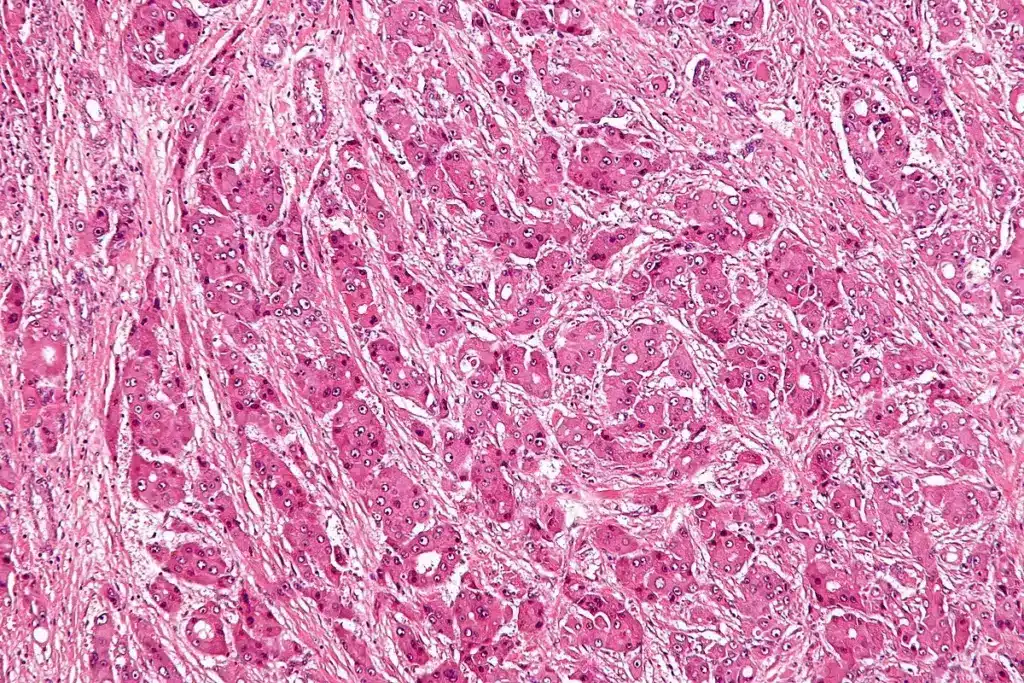
Accurate coding of ovarian tumors is key for good patient care. We use the ICD-10 coding system to classify these tumors correctly. The main code for malignant ovarian tumors is C56.
Use the ovarian cancer icd 10 code for tumor tracking. Learn amazing scary facts and find powerful, vital ways to log essential medical data.
This code includes subcodes for different diagnoses. For example, C56.1 is for the right ovary, and C56.2 is for the left ovary. C56.3 is for both ovaries, and C56.9 is for an unspecified ovary.
The code C56.9 started on October 1, 2024. It’s used when the tumor’s location is not known. Accurate ICD-10 coding is essential for diagnosis and treatment planning. It helps ensure patients get the right care for their condition.
Key Takeaways
- The ICD-10 code for malignant ovarian tumor is C56.
- Specific subcodes exist for right ovary (C56.1), left ovary (C56.2), bilateral ovaries (C56.3), and unspecified ovary (C56.9).
- C56.9 became effective on October 1, 2024.
- Accurate coding is vital for effective diagnosis and treatment.
- ICD-10 coding ensures patients receive the right care for their specific condition.
Understanding ICD-10 Coding System
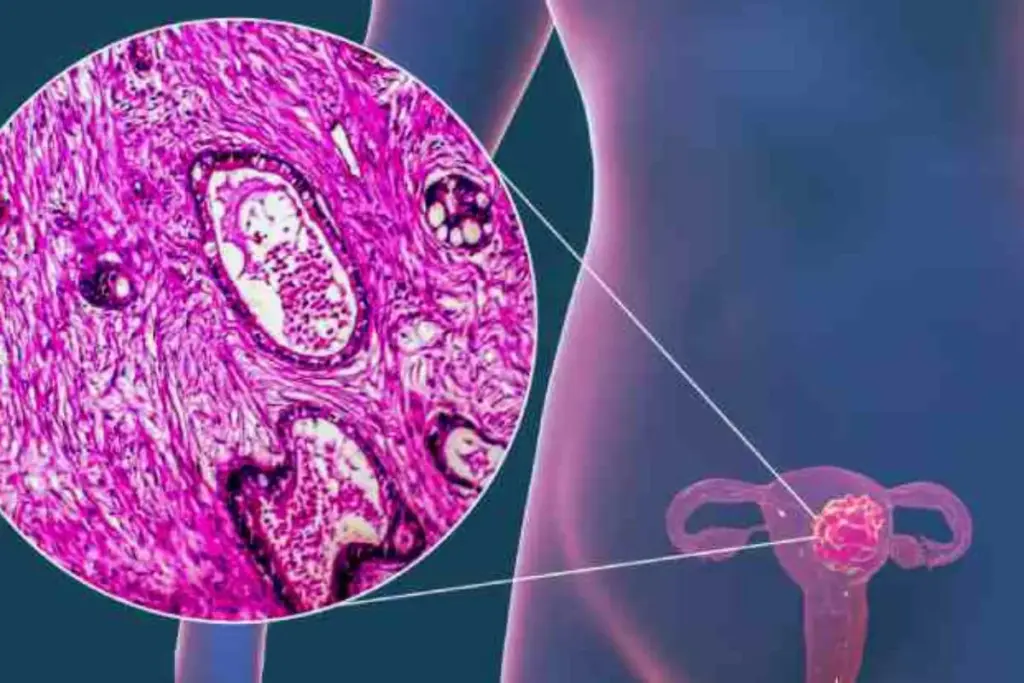
It’s key to know the ICD-10 coding system for correct medical records. The ICD-10, or International Classification of Diseases, 10th Revision, is used globally. It covers health conditions, including cancers.
Purpose and Structure of ICD-10
The ICD-10 coding system helps classify diseases and procedures. It has specific codes for health issues, like ovarian cancer, under C56. This system allows for detailed coding, helping doctors document diagnoses well.
Importance in Medical Documentation and Billing
The ICD-10 coding system is vital for medical records and billing. It ensures patient records are accurate, helping in treatment plans. Also, it’s key for billing and insurance, avoiding claim denials.
For example, using the right icd10 code for ovarian cancer helps patients get the right care. It also ensures doctors get paid correctly.
Ovarian Cancer ICD-10 Code: C56 Explained
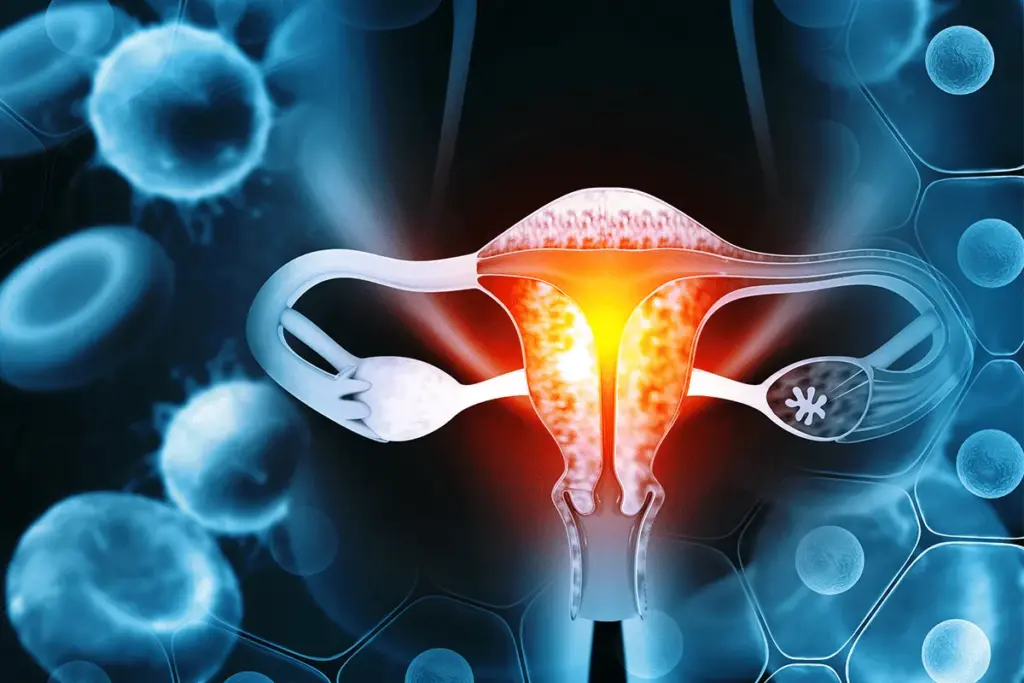
The ICD-10 code C56 is for malignant neoplasms of the ovary. It’s key for diagnosing ovarian cancer. Knowing this code and its subcodes helps with medical records and billing.
Primary Code C56 for Malignant Neoplasm of Ovary
The primary code C56 marks a malignant neoplasm of the ovary. It’s vital in classifying ovarian cancer, a big deal in gynecological oncology. For more on C56 and related codes, check Using this code right helps track ovarian cancer cases well.
Subcodes for Specific Ovarian Locations
C56 has subcodes for where the ovarian cancer is. For example, C56.1 is for the right ovary, C56.2 for the left, C56.3 for both, and C56.9 for unspecified. These subcodes help with detailed medical records and treatment plans. They make sure patient records are complete and correct.
Specific ICD-10 Subcodes for Ovarian Tumors
When diagnosing ovarian tumors, it’s key to use the right ICD-10 subcodes. This ensures accurate billing and medical records. The ICD-10 system has detailed subcodes for ovarian tumors. This lets healthcare providers record diagnoses accurately.
C56.1 – Malignant Neoplasm of Right Ovary
The subcode C56.1 is for malignant tumors in the right ovary. This detail is vital for treatment and statistics. The World Health Organization says accurate coding is key for cancer data.
C56.2 – Malignant Neoplasm of Left Ovary
C56.2 is for tumors in the left ovary. It’s important for differentiating between ovaries. This helps in planning surgeries and treatments.
C56.3 – Malignant Neoplasm of Bilateral Ovaries
For tumors in both ovaries, C56.3 is used. This subcode is important for treating cancer in both ovaries.
C56.9 – Malignant Neoplasm of Unspecified Ovary
C56.9 is for tumors in the ovary without specifying the side. It became effective on October 1, 2024. It’s used when the ovary’s side is not known.
Using these subcodes makes medical records and billing more accurate. It also helps in collecting data on ovarian cancer. This data is important for understanding the disease’s impact.
ICD-10 Codes for Non-Malignant Ovarian Tumors
It’s important to know the ICD-10 codes for non-malignant ovarian tumors. These codes help doctors document tumors that are not cancerous. They make sure patients get the right treatment.
D39.11 – Neoplasm of Uncertain Behavior of Ovary
The ICD-10 code D39.11 is for tumors of the ovary with uncertain behavior. This code is used when it’s hard to tell if the tumor is cancerous or not. Using D39.11 correctly helps track and manage these tumors.
D27 – Benign Neoplasm of Ovary
D27 is the code for benign ovarian tumors. These tumors are not cancerous but can cause problems. Using D27 correctly helps with patient care and billing.
Here’s a table to show how these codes are used:
|
ICD-10 Code |
Description |
Application |
|---|---|---|
|
D39.11 |
Neoplasm of Uncertain Behavior of Ovary |
Used for tumors where the behavior is uncertain, requiring further evaluation. |
|
D27 |
Benign Neoplasm of Ovary |
Applied for non-cancerous ovarian tumors. |
Using the right ICD-10 codes for non-malignant ovarian tumors is key. It helps doctors document, plan treatment, and bill correctly. This improves patient care and makes things easier for everyone.
Related Gynecological Cancer ICD-10 Codes
The ICD-10 coding system is key in identifying and managing gynecological cancers. This includes endometrial and cervical cancer. Accurate coding is important for diagnosis, treatment, and billing.
Endometrial Cancer ICD-10 Codes
Endometrial cancer affects the lining of the uterus. It is coded with specific ICD-10 codes. The main code for this cancer is C54.1. This code is essential for tracking and managing endometrial cancer.
Cervical Cancer ICD-10 Codes
Cervical cancer is caused by the human papillomavirus (HPV). The ICD-10 code C53 is used for malignant neoplasm of the cervix uteri. It includes subcodes for different parts of the cervix, ensuring detailed records.
Uterine Cancer ICD-10 Codes
Uterine cancer includes malignancies of the uterus, including the endometrium. While C54.1 is specific to endometrial cancer, other codes may apply. Accurate coding is critical for effective treatment and patient care.
ICD-10 Coding for Ovarian Cysts
Getting the ICD-10 code right for ovarian cysts is key for treatment and insurance. These are fluid-filled sacs on the ovary. Knowing the right code helps doctors treat them properly.
N83.2 – Other and Unspecified Ovarian Cysts
The ICD-10 code N83.2 is for ovarian cysts that aren’t clearly benign, malignant, or unsure. Using N83.2 correctly helps keep patient records clear and easy for doctors to see.
|
ICD-10 Code |
Description |
|---|---|
|
N83.0 |
Follicular cyst of ovary |
|
N83.1 |
Corpus luteum cyst |
|
N83.2 |
Other and unspecified ovarian cysts |
Differentiating Between Cysts and Tumors in Coding
It’s important to tell cysts from tumors when coding and planning treatment. Cysts are fluid-filled, while tumors are solid and can be benign or cancerous. The ICD-10 system has specific codes for these conditions.
For example, benign ovarian tumors are coded as D27, and cancerous ones as C56. Doctors need to know these differences for correct diagnosis and treatment.
Epidemiology of Ovarian Cancer
Ovarian cancer is a big issue worldwide. It makes up about 3% of cancers in women and is the fifth leading cause of death. We look at how it affects people globally and recent numbers to grasp its size.
Global Prevalence and Mortality Rates
Ovarian cancer rates differ around the world. They are higher in developed countries. The global rate is about 6.6 cases per 100,000 women each year.
Mortality rates are high because it’s often caught late. The 5-year survival rate changes a lot based on when it’s found. Early detection is key to better survival chances.
Recent Statistics from WHO and CDC
The World Health Organization (WHO) and the Centers for Disease Control and Prevention (CDC) have shared new data. The WHO says ovarian cancer is the eighth most common cancer in women, with over 300,000 new cases every year. The CDC notes that in the U.S., it’s a top cause of death from gynecologic cancers.
Challenges in Early Detection and Diagnosis
Finding ovarian cancer early is tough because symptoms are not clear. This is a big problem in treating this disease. We will look at why it’s hard to catch it early and how new genetic tests help.
Late-Stage Diagnosis Issues
About 70% of ovarian cancer is found too late. This makes treatment harder and less effective. Early symptoms are not clear, leading to late detection. We need better ways to screen and teach people about symptoms.
|
Stage at Diagnosis |
Percentage of Cases |
5-Year Survival Rate |
|---|---|---|
|
Stage I |
20% |
90% |
|
Stage II |
10% |
70% |
|
Stage III |
50% |
30% |
|
Stage IV |
20% |
15% |
Advances in Genetic Profiling for Early Detection
New genetic tests are helping find ovarian cancer sooner. These tests look for changes in genes like BRCA1 and BRCA2. This helps doctors screen and prevent cancer in people at high risk.
Using genetic tests in medicine could lower late-stage diagnoses. This could also make treatments more effective for ovarian cancer patients.
Advanced Coding for Metastatic Ovarian Cancer
Metastatic ovarian cancer coding is complex because it can show up in many ways, like peritoneal carcinomatosis. It’s key to code it right for the best care and to handle billing and insurance.
ICD-10 Code for Peritoneal Carcinomatosis
Peritoneal carcinomatosis is when ovarian cancer spreads to the peritoneum. It needs a specific ICD-10 code. The code C48.2 is often used for this. Knowing how to use this code is important for correct documentation.
Secondary Site Coding in Ovarian Cancer
Ovarian cancer can spread to other places, needing secondary site coding. For example, C79.62 is for cancer in the left ovary. Knowing these codes helps with detailed coding for metastatic disease.
|
Condition |
ICD-10 Code |
Description |
|---|---|---|
|
Peritoneal Carcinomatosis |
C48.2 |
Malignant neoplasm of peritoneum, unspecified |
|
Secondary Malignant Neoplasm of Left Ovary |
C79.62 |
Secondary malignant neoplasm of left ovary |
Modern Treatment Approaches for Ovarian Tumors
Modern medicine has many effective treatments for ovarian tumors. These treatments help increase survival rates and improve life quality. We use the latest research and technology in our treatments.
Surgical and Chemotherapy Protocols
Surgery is key in treating ovarian tumors. We use advanced techniques like minimally invasive surgery. This helps patients recover faster and have better results.
Chemotherapy is also important. It’s often used with surgery to kill any cancer cells left behind. The type of chemotherapy depends on the cancer’s stage and type, and the patient’s health. We customize treatments for each patient to ensure they get the best care.
|
Treatment Modality |
Description |
Benefits |
|---|---|---|
|
Surgery |
Removal of the tumor and affected tissues |
Potential for complete removal of the tumor |
|
Chemotherapy |
Use of drugs to kill cancer cells |
Targets cancer cells throughout the body |
|
Targeted Therapy |
Drugs that target specific cancer cell characteristics |
More precise treatment with fewer side effects |
Emerging Targeted Therapies and Immunotherapies
We’re seeing big steps forward in targeted therapies and immunotherapies. These new methods offer hope for ovarian tumor patients.
Targeted therapies aim at specific molecules in cancer cells. Immunotherapy uses the immune system to fight cancer. We’re dedicated to keeping up with these advancements to give our patients the best care.
Liv Hospital’s Multidisciplinary Approach to Ovarian Cancer
At Liv Hospital, we treat ovarian cancer with a detailed plan. We use the latest medical tech and focus on each patient’s needs. Our team works together to create care plans that fit each patient’s life.
Integration of International Treatment Standards
We follow global standards in treating ovarian cancer. This means our patients get the best treatments backed by science. We use the ICD-10 system, like code C56 for ovarian cancer, for accurate diagnosis and billing.
Patient-Centered Care and Advanced Technologies
We put our patients first at Liv Hospital. We create a caring space for them. We use the latest tools to help patients get better and live better.
Our goal is to give our patients the best care. We keep improving and using new ways to treat ovarian cancer. This way, we offer hope and healing to those fighting this disease.
Conclusion
Accurate ICD-10 coding is key for diagnosing, treating, and billing ovarian cancer. We’ve looked at ICD-10 codes for ovarian tumors, like C56 for malignant neoplasm of the ovary. We also talked about the need for specific subcodes for different ovarian locations.
Liv Hospital takes a team approach to treating ovarian cancer. They use international standards and focus on patient care and the latest technology. This way, healthcare providers can give top-notch care to patients.
Good ICD-10 coding for ovarian cancer is vital for the right treatment and care. Liv Hospital is dedicated to complete care and the latest treatment options. This makes them a top choice for ovarian cancer treatment.
FAQ
What is the ICD-10 code for ovarian tumor?
The main ICD-10 code for ovarian tumor is C56. It stands for malignant neoplasm of the ovary.
How do I code for a malignant neoplasm of the right ovary?
For a malignant neoplasm of the right ovary, use ICD-10 code C56.1.
What is the ICD-10 code for ovarian cyst?
Ovarian cysts are coded as N83.2 under ICD-10 for other and unspecified types.
How do I differentiate between ovarian cysts and tumors in ICD-10 coding?
Cysts are coded as N83.2. Tumors are coded as C56 for malignant or D27 for benign.
What is the ICD-10 code for peritoneal carcinomatosis?
Peritoneal carcinomatosis is coded as C78.6. It represents secondary malignant neoplasm of the retroperitoneum and peritoneum.
What is the ICD-10 code for endometrial cancer?
Endometrial cancer is coded as C54.1. It represents malignant neoplasm of the endometrium.
How do I code for cervical cancer?
Cervical cancer is coded as C53. It represents malignant neoplasm of the cervix uteri.
What is the ICD-10 code for uterine cancer?
Uterine cancer is coded as C54. It represents malignant neoplasm of the corpus uteri.
How do I code for ovarian cancer with metastasis?
Ovarian cancer with metastasis is coded as C56 for the primary site. Use secondary site coding for metastatic sites, like C78.6 for peritoneal carcinomatosis.
Reference
National Center for Biotechnology Information. Evidence-Based Medical Insight. Retrieved from