

Ovarian cancer red flags are often hard to spot because the symptoms are vague. Ovarian cancer is sometimes called a “silent killer,” and 1 in 8 women will develop it in their lifetime. It’s important to know the early warning signs to catch it early.
Early detection can greatly improve survival rates. Yet, many women are diagnosed too late. We will look at the common symptoms and red flags of ovarian cancer. This knowledge can help you seek medical help if you notice any unusual changes.
Key Takeaways
- Recognizing ovarian cancer symptoms early can improve survival rates.
- Common symptoms include persistent bloating and abdominal pain.
- Early warning signs can be subtle and easily overlooked.
- Awareness of ovarian cancer red flags is key for timely medical intervention.
- Understanding the risks and symptoms empowers women to take control of their health.
Understanding Ovarian Cancer: A Silent Disease
Ovarian cancer is known as a silent killer. It has vague symptoms that can be mistaken for other issues. This makes it hard for women to spot the disease early.
What is Ovarian Cancer?
Ovarian cancer starts in the ovaries, which are part of the female reproductive system. It happens when abnormal cells grow and multiply without control, forming a tumor. Most cases, about 90%, are epithelial ovarian cancer.
The exact cause of ovarian cancer is not known. But, genetic mutations like BRCA1 and BRCA2 increase the risk. Age, family history, and reproductive history also play a part.
Why Early Detection Matters
Early detection of ovarian cancer is key to better survival rates. If caught early, treatment is more likely to work. But, ovarian cancer is often found late, making treatment harder.
Early detection boosts survival chances and reduces the need for harsh treatments. This improves patients’ quality of life.
The Challenge of Recognizing Symptoms
Spotting ovarian cancer early is tough because of its symptoms. These symptoms are often vague and can be mistaken for other issues. Symptoms include bloating, pelvic pain, trouble eating, and urgent need to urinate.
Awareness of these symptoms is vital for early detection. Women and healthcare providers must watch for persistent symptoms that don’t go away with usual treatments.
Ovarian Cancer Red Flags: An Overview
Ovarian cancer is often called a ‘silent killer.’ It has subtle signs that are often missed or ignored. It’s key to spot these signs early for timely medical help.
Why Symptoms Are Often Overlooked
The symptoms of ovarian cancer are vague. They can be mistaken for other, less serious issues. For example, bloating, abdominal pain, and trouble eating are common. These symptoms can be linked to many other problems, not just ovarian cancer.
So, both patients and doctors might miss these signs at first.
The Importance of Symptom Awareness
Knowing the red flags of ovarian cancer can greatly improve patient outcomes. “Early detection is key to surviving ovarian cancer,” says why it’s so important. We need to teach ourselves and others about these warning signs to help more people survive.
Survival Rates and Early Detection
The survival rate for ovarian cancer changes a lot based on when it’s found. Early detection leads to a much better five-year survival rate. The American Cancer Society says that if ovarian cancer is caught before it spreads, the five-year survival rate is 92%.
This shows how vital early detection is.
Persistent Bloating and Abdominal Swelling
Bloating and swelling in the belly are often seen as minor issues. But, they can be signs of ovarian cancer. Many women get bloated due to food, hormones, or stomach problems. Yet, if bloating and swelling last long, it’s time to see a doctor.
Distinguishing Normal Bloating from Warning Signs
Normal bloating happens with food or during the menstrual cycle. But, if bloating lasts more than a few weeks, it might be a sign. Look out for pain or trouble eating with the bloating.
Key differences between normal bloating and ovarian cancer symptoms include:
- Persistence: Bloating that lasts for an extended period.
- Severity: Bloating that is severe and interferes with daily activities.
- Combination with other symptoms: Bloating accompanied by abdominal swelling, pain, or difficulty eating.
When Bloating Becomes a Red Flag
Bloating is a red flag if it’s long-lasting, severe, and with other symptoms. Doctors say if bloating lasts over two to three weeks, see a doctor. Also, if you have swelling or pain in the belly, get checked.
Abdominal Swelling as a Key Indicator
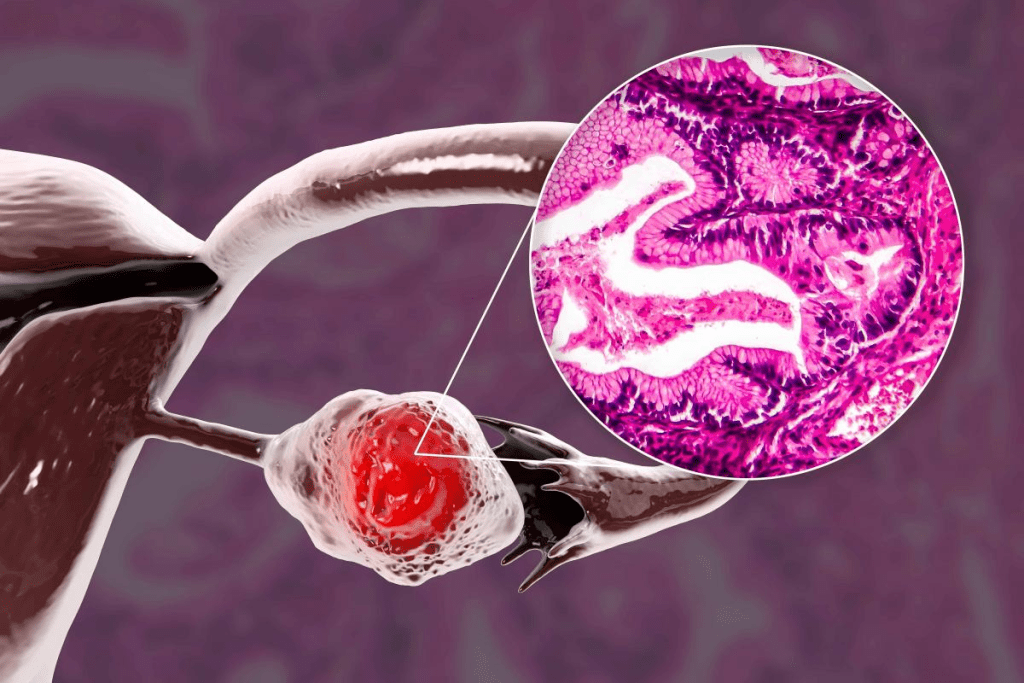
Swelling in the belly is a key symptom of ovarian cancer. This swelling is often fluid in the belly, called ascites. If your belly is swollen or feels hard, see a healthcare provider.
| Symptom | Possible Cause | Action |
| Persistent Bloating | Ovarian Cancer | Consult a Doctor |
| Abdominal Swelling | Ascites related to Ovarian Cancer | Seek Medical Evaluation |
Knowing the signs of ovarian cancer, like persistent bloating and swelling, is key. If you have these symptoms, don’t wait to talk to a healthcare professional.
Pelvic and Abdominal Pain Patterns
It’s important to know the different pain types linked to ovarian cancer for early detection. Ovarian cancer can cause various pain patterns, mainly in the pelvic and abdominal areas. Spotting these patterns can help tell if the pain is from ovarian cancer or something else.
Characteristics of Ovarian Cancer-Related Pain
Ovarian cancer pain can feel different. It’s often a dull ache or sharp, stabbing pain in the pelvic area. This pain can stay the same or get worse over time. The pain is usually felt in the lower abdomen or pelvis, but it can spread to other areas.
- Pelvic pain that persists or worsens over time
- Sharp or stabbing pain in the lower abdomen
- Pain during intercourse or other physical activities
It’s essential to note that the characteristics of the pain can vary significantly among individuals. Some may feel mild discomfort, while others may have severe pain that interferes with daily activities.
Differentiating from Other Conditions
It can be hard to tell if the pain is from ovarian cancer or another condition. Many gynecological and gastrointestinal issues can cause similar pain. A thorough medical evaluation is necessary to determine the cause of the pain.
Common conditions that may cause similar pain include:
- Endometriosis
- Irritable bowel syndrome (IBS)
- Pelvic inflammatory disease (PID)
- Ovarian cysts
Back Pain as a Secondary Symptom
Back pain can be a secondary symptom of ovarian cancer, if the cancer has spread. Lower back pain, in particular, can be associated with ovarian cancer. This pain can happen when the tumor presses on nerves or other structures in the back.
It’s key to think about back pain with other symptoms. If you have persistent back pain and other symptoms like pelvic pain or bloating, see a healthcare provider.
Changes in Eating Habits and Digestion

Ovarian cancer often shows up in small changes in how we eat and digest food. These signs can be early warnings that something is wrong. We’ll look at how ovarian cancer can change our eating and digestion, leading to noticeable symptoms.
Difficulty Eating or Feeling Full Quickly
Feeling full fast or having trouble eating can be a sign of ovarian cancer. This happens because cancer can cause fluid to build up in the belly, called ascites. This fluid can press on the stomach and intestines.
Feeling full quickly can make us eat less, which can lead to not getting enough nutrients. It’s important to notice this symptom early, as it can be a sign of ovarian cancer.
Appetite Loss as an Ovarian Cancer Red Flag
Not feeling hungry is another big symptom linked to ovarian cancer. When the body is fighting the disease, it can mess with our hunger signals. This can make us eat less.
“Loss of appetite can be a subtle yet significant indicator of ovarian cancer, often overlooked until more severe symptoms appear.”
Unexplained Weight Loss
Unexplained weight loss is a symptom that needs to be checked by a doctor. Ovarian cancer can change how we metabolize food, leading to weight loss. This can happen even if we’re eating the same amount.
| Symptom | Description |
| Difficulty Eating | Feeling full quickly due to ascites or tumor pressure on the stomach. |
| Appetite Loss | Reduced hunger due to the body’s response to cancer. |
| Unexplained Weight Loss | Weight loss despite no change in eating habits, due to metabolic changes. |
Indigestion and Heartburn Symptoms
Indigestion and heartburn can also be signs of ovarian cancer, though they’re more common with stomach issues. If you have persistent or severe indigestion and heartburn, see a doctor.
It’s key to notice changes in how we eat and digest. If you or someone you know is showing these signs, see a healthcare professional right away.
Urinary and Bowel Symptom Changes
Changes in how often you go to the bathroom can be a sign of ovarian cancer. It’s important to know these signs and what they might mean.
Increased Urinary Frequency and Urgency
Feeling like you need to pee more often or urgently can be a sign. This happens when a tumor presses on the bladder or nerves nearby.
Frequent urination can mean different things, but it’s a warning if it’s new or gets worse. Pay attention to how often you go and how urgent it feels.
Constipation as an Ovarian Cancer Warning Sign
Constipation might also be a sign of ovarian cancer. A tumor can press on the intestines, making it hard to go. If you’re having trouble going, it’s a sign to watch.
Changes in Bowel Habits
Diarrhea or constipation can also be signs of ovarian cancer. The tumor’s pressure or other factors can cause these changes. Keep an eye on these and talk to your doctor.
Let’s look at some data to understand these symptoms better:
| Symptom | Possible Cause | Importance |
| Increased Urinary Frequency/Urgency | Tumor pressure on bladder or nerves | Potential indicator of ovarian cancer |
| Constipation | Tumor pressure on intestines | New or worsening symptom warrants attention |
| Changes in Bowel Habits | Tumor pressure or related factors | Should be discussed with a healthcare provider |
Knowing about these symptoms can help catch ovarian cancer early. If you notice any, see a doctor right away.
Menstrual and Reproductive System Red Flags
It’s important to know the signs of ovarian cancer early. We will look at the key signs that may show this disease.
Abnormal Vaginal Bleeding
Abnormal vaginal bleeding is a big warning sign for ovarian cancer. It can show up as irregular periods, bleeding between periods, or after menopause. It’s key to tell normal changes from signs of ovarian cancer. If you have persistent or heavy bleeding, see your doctor.
Changes in Menstrual Patterns
Changes in menstrual patterns can also warn of ovarian cancer. These might include changes in how often, how long, or how heavy your periods are. Watching these changes and talking to your doctor can help catch it early. While many things can cause these changes, ovarian cancer is a possibility that should be looked into, with other symptoms.
Postmenopausal Bleeding
Postmenopausal bleeding is any bleeding after menopause. This is a big warning sign for several gynecological cancers, including ovarian cancer. Women who bleed after menopause should get medical help right away.
| Symptom | Description | Action |
| Abnormal Vaginal Bleeding | Irregular periods, bleeding between periods | Consult healthcare provider |
| Changes in Menstrual Patterns | Variations in frequency, duration, or heaviness of bleeding | Monitor changes, discuss with healthcare provider |
| Postmenopausal Bleeding | Bleeding after menopause | Seek medical attention promptly |
Fatigue and Systemic Warning Signs
Fatigue is a common symptom in ovarian cancer. It feels like being tired all the time without a clear reason. This can make simple tasks hard to do.
Ovarian cancer shows many warning signs. Knowing these symptoms is key to catching the disease early and treating it well.
Persistent Fatigue as a Subtle Symptom
Ovarian cancer can cause persistent fatigue. This is not just feeling tired. It doesn’t get better with rest and hints at a serious health problem.
There are many reasons for fatigue in ovarian cancer. The body’s reaction to the tumor, changes in metabolism, and possibly anemia or other chemical changes play a role.
Unexplained Back Pain
Unexplained back pain might be linked to ovarian cancer. This pain happens when the tumor presses on nearby nerves or structures.
Back pain is common and often linked to muscle or bone issues. But, if it’s persistent or severe, it’s important to see a doctor, even if you have other symptoms.
General Feeling of Unwellness
A general feeling of unwellness or malaise is a symptom of ovarian cancer. It’s hard to describe but is something many patients feel.
It’s important to notice these subtle symptoms and talk to a doctor. This can lead to an early diagnosis and treatment.
| Symptom | Description | Possible Causes |
| Fatigue | Persistent and unexplained tiredness | Tumor presence, metabolic changes, anemia |
| Back Pain | Unexplained pain in the back region | Tumor pressure on nerves or surrounding structures |
| General Feeling of Unwellness | Nonspecific feeling of being unwell | Systemic effects of the tumor |
Risk Factors That Increase Vigilance for Red Flags
Ovarian cancer risk factors include genetics, environment, and lifestyle. Knowing these can help women and doctors spot symptoms early. This leads to better detection and treatment.
Age and Family History
Age is a big risk factor for ovarian cancer, with most cases in women over 50. A family history of ovarian or breast cancer also raises the risk. This is true if close relatives have had these cancers.
Genetic Factors: BRCA1 and BRCA2
Genetic mutations in BRCA1 and BRCA2 genes increase ovarian cancer risk. Women with these mutations face a higher risk than those without. Genetic tests can find these mutations, helping with early monitoring.
Reproductive History Factors
Reproductive history also affects ovarian cancer risk. Never having children or having a first baby late in life can raise the risk. Fertility treatments may also slightly increase the risk, though more research is needed.
Lifestyle and Environmental Factors
Lifestyle and environment can also play a role in ovarian cancer risk. For example, being overweight and using certain hormone therapies can increase the risk. These factors are not as strong as genetics or reproductive history but are important.
| Risk Factor | Description | Impact on Risk |
| Age | Majority of cases occur in women over 50 | Increased risk with age |
| Family History | First-degree relatives with ovarian or breast cancer | Increased risk with family history |
| Genetic Mutations (BRCA1/BRCA2) | Presence of BRCA1 or BRCA2 mutations | Significantly increased risk |
| Reproductive History | Null parity, late first pregnancy | Increased risk with certain reproductive histories |
| Lifestyle/Environmental Factors | Obesity, certain hormone replacement therapies | Potential increased risk |
When to See a Doctor About Possible Symptoms
Knowing when to go to the doctor for ovarian cancer symptoms is key. It helps catch the disease early and treat it well. It’s hard to know when to go, but knowing about symptoms can help.
Persistence and Duration of Symptoms
The persistence and duration of symptoms are important. Ovarian cancer symptoms can be hard to spot and might seem like other issues. But, if you have bloating, pain, or changes in urination for over a few weeks, see a doctor.
Watch for symptoms that:
- Last more than three weeks
- Affect your daily life
- Get worse over time
Symptom Combinations to Watch For
Ovarian cancer often shows up with a mix of symptoms. If you have bloating, pelvic pain, trouble eating, and urgent need to pee, see a doctor. These signs might mean you need to be checked out.
Preparing for Your Doctor’s Appointment
Before your doctor visit, get ready by:
- Listing your symptoms, when they started, and how long they’ve lasted
- Sharing any cancer history in your family or other health issues
- Writing down any questions or worries you have
Being ready helps you talk better with your doctor. This way, you get the right care and check-up.
Diagnostic Procedures for Detecting Ovarian Cancer
Diagnosing ovarian cancer requires several tests to catch it early. These tests help confirm the disease and understand how far it has spread.
Physical Examination
A physical exam is often the first step. A healthcare provider checks the pelvic area for any unusual masses or tenderness. A thorough physical examination can provide initial clues that may lead to further investigation.
Imaging Tests
Imaging tests are key in diagnosing ovarian cancer. These include:
- Ultrasound: Uses sound waves to create images of the ovaries, helping to identify any abnormalities.
- CT Scan: Provides detailed cross-sectional images of the abdomen and pelvis, aiding in the detection of tumors.
- MRI: Offers detailed images of the internal structures, helping to assess the extent of the disease.
Blood Tests and Tumor Markers
Blood tests check for substances that may indicate ovarian cancer. The most common tumor marker is CA-125. High CA-125 levels can suggest ovarian cancer, but this test is not definitive on its own.
“The CA-125 blood test is a useful tool in diagnosing and monitoring ovarian cancer, but it is not a perfect test. It can be elevated in various conditions, not just ovarian cancer.”
Surgical Procedures for Diagnosis
In some cases, surgery is needed to confirm ovarian cancer. These procedures include:
- Laparoscopy: A minimally invasive surgery that allows doctors to look inside the abdomen.
- Laparotomy: A more invasive surgery that involves opening the abdomen to examine the ovaries and surrounding tissues directly.
These surgeries help diagnose ovarian cancer and determine its stage. This is important for planning treatment.
Prevention and Early Detection Strategies
To fight ovarian cancer, we need to screen regularly and change our lifestyles. By doing these things, we can live longer and reduce deaths from ovarian cancer.
Regular Health Screenings
Screenings are key to finding ovarian cancer early. There’s no one test for it, but a mix of tests can spot it early.
These might include a pelvic exam, ultrasound, and blood tests for tumor markers like CA-125. Talk to your doctor about how often and what kind of tests you need, based on your family history or risk factors.
| Screening Method | Description | Frequency |
| Pelvic Exam | A manual examination of the pelvic area to check for abnormalities. | Annual |
| Ultrasound | An imaging test that uses sound waves to create images of the ovaries. | As recommended by your doctor |
| CA-125 Blood Test | A blood test that measures the level of CA-125, a protein that can be elevated in ovarian cancer. | As recommended by your doctor |
Lifestyle Modifications
Changing your lifestyle can lower your risk of ovarian cancer. Keeping a healthy weight is important, as being overweight increases your risk.
Diet and Exercise: Eating well and staying active can boost your health and lower cancer risk.
Preventive Medications and Procedures
Some women, with high-risk factors, might need preventive meds or procedures. Taking birth control pills can lower ovarian cancer risk.
For women with BRCA1 or BRCA2 genes, removing ovaries and fallopian tubes might be an option.
Recognizing Silent Signs for Early Detection
Spotting ovarian cancer early means knowing its subtle signs. Look out for persistent bloating, pelvic pain, trouble eating, and needing to pee a lot.
Talking to your doctor about these symptoms can lead to an early diagnosis. This can greatly improve your chances of beating the disease.
Conclusion: Taking Action on Ovarian Cancer Warning Signs
It’s vital to know the signs of ovarian cancer early. We’ve talked about symptoms like bloating, pain, and changes in eating and bowel habits. Spotting these signs early can greatly improve treatment chances.
Healthcare providers emphasize awareness and early detection for better outcomes.We want to raise awareness about ovarian cancer. This way, we hope to see better survival rates and outcomes. If you notice any symptoms, seeing a doctor right away is key.
Being proactive about your health matters a lot. Knowing the signs of ovarian cancer and getting medical help when needed can help a lot. We’re here to support you every step of the way.
FAQ
What are the common red flags of ovarian cancer?
Look out for signs like persistent bloating and swelling in the abdomen. Also, watch for pelvic pain, trouble eating, and feeling full quickly. Other signs include urinary urgency, changes in bowel habits, and abnormal vaginal bleeding.
Why is ovarian cancer often referred to as a “silent disease”?
It’s called a “silent disease” because its symptoms are vague. These symptoms can be similar to other conditions. This makes it hard to spot in its early stages.
How does early detection impact ovarian cancer survival rates?
Finding ovarian cancer early greatly improves survival chances. Early detection means better treatment options and higher survival rates.
What is the role of genetic factors like BRCA1 and BRCA2 in ovarian cancer?
Genes like BRCA1 and BRCA2 increase ovarian cancer risk. Women with these genes should watch for red flags closely.
How can I differentiate between normal bloating and bloating related to ovarian cancer?
Persistent bloating for weeks, with pain or eating issues, might signal ovarian cancer. Normal bloating usually goes away quickly.
What are the diagnostic procedures used to detect ovarian cancer?
Doctors use physical exams, ultrasound, and blood tests for tumor markers like CA-125. Surgical procedures may also be needed for a clear diagnosis.
Can lifestyle modifications help prevent ovarian cancer?
While no prevention is 100% sure, a healthy lifestyle can help. Eating well and exercising regularly may lower your risk.
How often should I have health screenings for ovarian cancer?
Get regular screenings, more so if you have a family history or genetic risk. Talk to your doctor about the best screening schedule for you.
What are the key symptoms to watch for in ovarian cancer?
Keep an eye out for bloating, pelvic or abdominal pain, and eating troubles. Also, watch for urinary urgency, bowel changes, and menstrual pattern shifts.
When should I see a doctor about potentially ovarian cancer symptoms?
See a doctor if symptoms last more than a few weeks. Early detection is key for effective treatment.
References
- Lynch, H. T., & Mannel, R. S. (2020). Hereditary ovarian cancer: Clinical and genetic risk assessment. The Oncologist, 25(5), e770“e776. https://www.ncbi.nlm.nih.gov/pmc/articles/PMC7143872/
- American Cancer Society. (2024). Ovarian Cancer Early Detection. https://www.cancer.org/cancer/ovarian-cancer/detection-diagnosis-staging/signs-and-symptoms.html
- National Cancer Institute. (2023). Ovarian Epithelial, Fallopian Tube, and Primary Peritoneal Cancer Treatment (PDQ ®)“Patient Version. https://www.cancer.gov/types/ovarian/patient/ovarian-epithelial-treatment-pdq