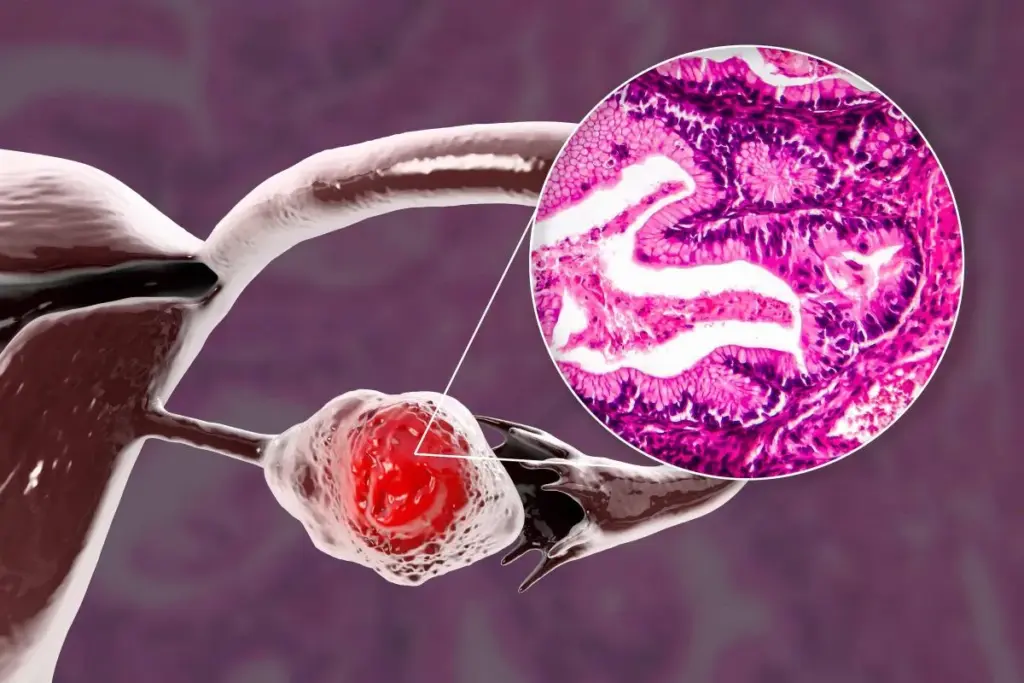
Ovarian cancer is often called a “silent killer.” This is because its early signs are very subtle and not clear. This makes it hard to catch early. Sadly, many cases are diagnosed late, which lowers survival chances.
The American Cancer Society says about 20,890 new cases and 12,730 deaths are expected in the U.S. in 2025. This shows how serious ovarian cancer is.
Recognizing the early signs is very important. Ovarian cancer often doesn’t show symptoms in its early stages. This is why knowing the signs is so important. By spotting these signs early, women can get help quickly.
Spot ovarian cancer symptoms early. Learn amazing facts about scary warnings and find powerful, vital ways to protect your essential health.
Key Takeaways
- Ovarian cancer is often asymptomatic in its early stages.
- Recognizing early warning signs is key to better survival rates.
- Knowing the subtle signs can help women get medical help early.
- The American Cancer Society estimates a significant number of new cases and deaths annually.
- Early detection is vital for better outcomes in ovarian cancer.
Understanding Ovarian Cancer: The Silent Killer
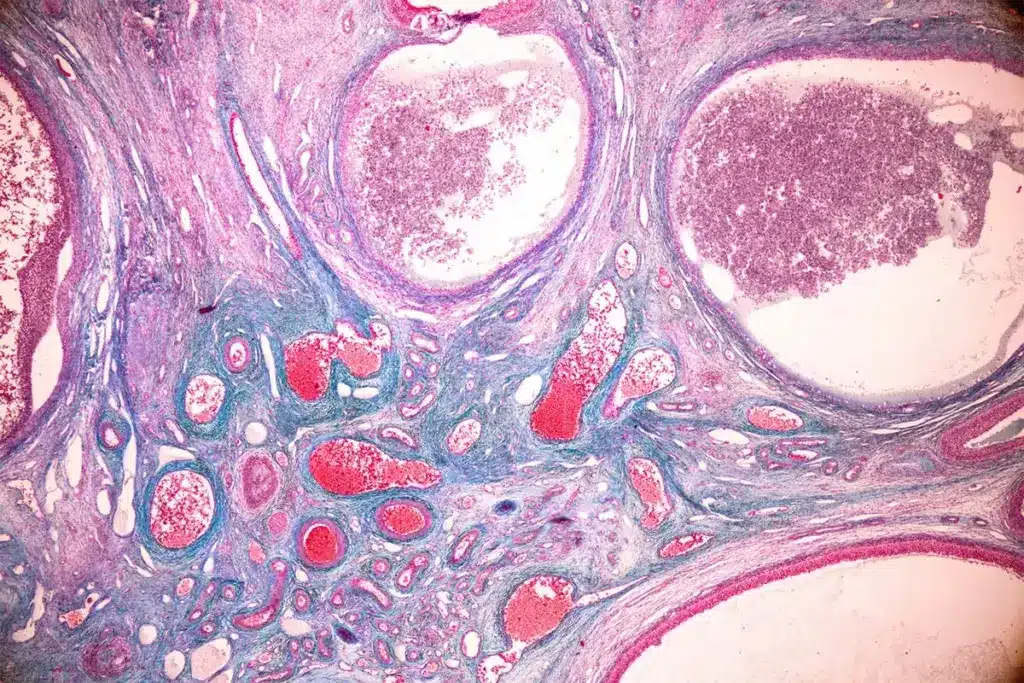
Ovarian cancer is often called a “silent killer” because it can grow without being noticed. This makes it very important to know the early signs. It starts in the ovaries, which are part of the female body. We will look into what ovarian cancer is and why finding it early is hard.
What is Ovarian Cancer?
Ovarian cancer happens when cells in the ovaries grow too much and don’t stop. This forms a tumor. Most cases, about 90%, are of a type called epithelial ovarian cancer. Symptoms include bloating, pain in the belly or pelvis, trouble eating, needing to pee a lot, and changes in bowel movements. Knowing these signs is key to catching it early.
Why Early Detection is Challenging
Finding ovarian cancer early is tough because its symptoms are not clear. They can be mistaken for other, less serious problems. Up to 70% of cases are found when the cancer is already advanced. For more on early signs, check out.
Being careful about your health and knowing the signs of ovarian cancer is very important. By understanding the disease and its symptoms, women can seek medical help if they notice anything unusual or persistent.
Ovarian Cancer Symptoms: Recognizing the Warning Signs
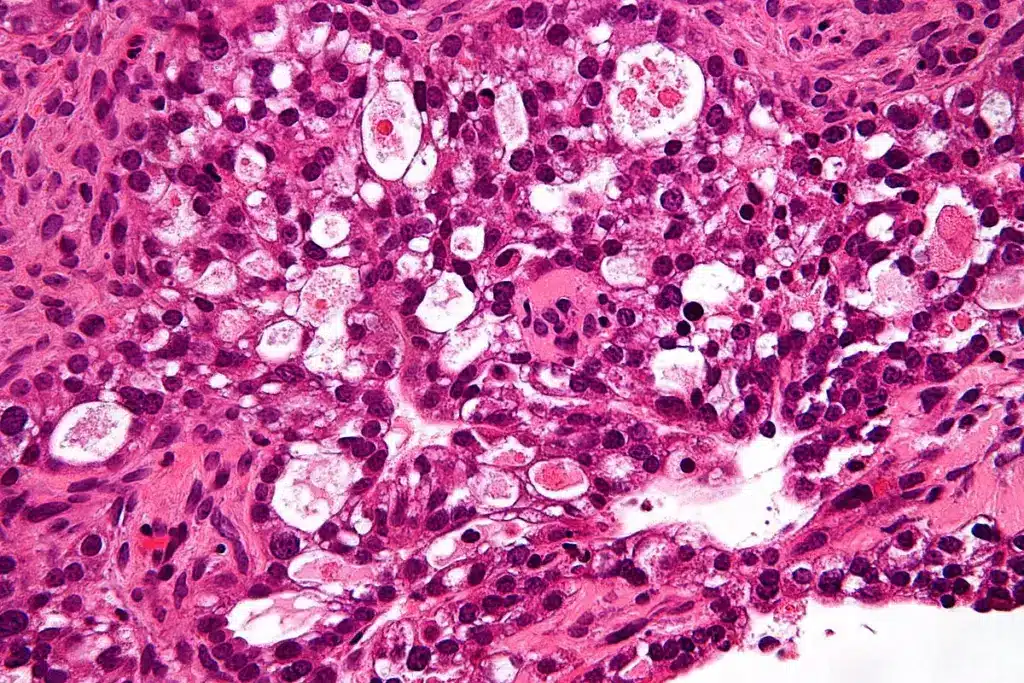
It’s key to spot ovarian cancer early for timely treatment. Ovarian cancer often doesn’t show clear symptoms until it’s advanced. So, knowing the subtle signs is vital.
Primary Symptoms to Watch For
The symptoms of ovarian cancer can be vague and similar to other conditions. These symptoms can be mistaken for less serious conditions, so it’s important to stay alert.
Some women might notice persistent bloating that doesn’t go away. Others might see changes in their bathroom habits. Abdominal pain or discomfort is also common. It’s important to listen to your body and note any unusual changes.
When Symptoms Typically Appear
Ovarian cancer symptoms can show up at any stage, but they’re more common in advanced stages. Early-stage ovarian cancer often doesn’t have noticeable symptoms. Regular check-ups and screenings are key for those at high risk.
When symptoms do show up, they can be ongoing and get worse. It’s not just about having a few symptoms now and then. It’s about noticing a pattern or if symptoms keep coming back. If you have any of these symptoms often, you should talk to your healthcare provider.
Early detection can greatly improve outcomes. By knowing the signs and symptoms of ovarian cancer, women can get medical help quickly. This can lead to an earlier diagnosis and treatment.
Persistent Bloating and Abdominal Changes
Persistent bloating is an early sign of ovarian cancer. It’s a symptom that needs attention. Bloating is common, linked to menstrual cycles or food. But, if it lasts and is joined by other stomach changes, it could be serious.
Distinguishing Normal Bloating from Cancer Symptoms
Normal bloating comes and goes, tied to food or hormones. But, ovarian cancer bloating sticks around. It also brings other signs like a swollen belly. Knowing the difference is key to spotting danger signs early.
Key differences between normal bloating and ovarian cancer-related bloating include:
- Duration: Bloating that lasts for more than a few weeks
- Intensity: Bloating that is severe or worsening over time
- Associated symptoms: Abdominal pain, difficulty eating, or unexplained weight loss
When Bloating Becomes Concerning
Bloating is a worry if it’s constant, intense, or with other symptoms like pain. If your bloating goes on for weeks or comes with odd symptoms, see a doctor. They can figure out why you’re bloating and what to do about it.
Research shows bloating can be a sign of ovarian cancer. So, it’s important to watch for changes in your belly and know when to worry.
Pelvic and Abdominal Pain Patterns
Pain in the pelvic or abdominal area is a key symptom that might point to ovarian cancer. Women often feel different types of pain, which can last or come and go. It’s important to know the patterns and what might cause them.
Pain Where Ovaries Are Located
The ovaries sit in the lower pelvic area, one on each side of the uterus. Pain in this spot could mean ovarian cancer. The pain might feel like a dull ache or a sharp stab.
It’s key to remember that pain where ovaries are located can have many causes, not just cancer.
- Dull, persistent pain
- Sharp, intermittent pain
- Pain during specific activities like exercise or sex
Sore Left Ovary: What It Could Mean
Feeling a sore left ovary or right ovary can be scary. While ovarian torsion or cysts are common, cancer is a possibility, too. If you also notice bloating or abnormal bleeding, see a doctor.
Women should watch their bodies and tell their doctors about any unusual or lasting pain. Catching ovarian cancer early is key to treating it well.
Digestive and Eating-Related Warning Signs
Ovarian cancer can cause big changes in how we eat and digest food. These signs can be small and often seem like other issues. It’s key to know the warning signs.
Feeling Full Quickly
Feeling full fast after eating is a symptom of ovarian cancer. This happens when a tumor presses on the stomach or other parts of the digestive system. This reduces the available space for food in the stomach.
Early satiety means feeling full quickly. It can make you eat less and lose weight. It’s important to know if feeling full is normal or not.
Changes in Appetite
Changes in how much you want to eat can be a sign of ovarian cancer. Some people might eat less, while others might want to eat more. But eating less is more common.
These changes can happen for many reasons. The tumor can affect hormones and how the body uses energy.
Unexplained Weight Loss
Unexplained weight loss is a big warning sign. It can happen for many reasons, like eating less or using more energy to fight the disease.
|
Symptom |
Description |
Potential Cause |
|---|---|---|
|
Feeling Full Quickly |
Sensation of fullness after eating a small amount of food |
Tumor pressing against the stomach |
|
Changes in Appetite |
Decrease or increase in appetite |
Impact on digestive hormones and metabolic state |
|
Unexplained Weight Loss |
Loss of weight without a clear reason |
Combination of reduced appetite, early satiety, and increased energy expenditure |
Knowing these signs can help find ovarian cancer early. If you or someone you know has these symptoms, see a doctor.
Urinary Symptoms and Bowel Changes
It’s important to know the less common signs of ovarian cancer, like urinary urgency and bowel changes. Ovarian cancer can cause symptoms that don’t seem related to the reproductive system at first. But, knowing these signs can help find the disease early.
Urinary Urgency and Frequency
Urinary urgency and frequency might be signs of ovarian cancer. These happen when a tumor presses on the bladder or affects bladder nerves. Remember, these symptoms can also be from other health issues. But, if they keep happening, seeing a doctor is key.
We suggest watching for any changes in how you use the bathroom. Catching these early can really help with treatment.
Changes in Bowel Habits
Constipation or diarrhea can also point to ovarian cancer. These symptoms happen when a tumor affects the bowel or nearby tissues. Keep an eye on any lasting changes in your bowel movements. These small signs can mean a big problem.
If you notice unusual or lasting bowel changes, talk to your doctor. Being aware of these symptoms can lead to early detection of ovarian cancer. We stress the need to watch for any changes in your bathroom habits and get medical help if they don’t go away.
Subtle Early Warning Signs Often Overlooked
Ovarian cancer often shows subtle early signs that are easy to miss. These signs are not always linked to ovarian cancer right away. Knowing these symptoms can help us catch it sooner.
Fatigue and Low Energy
One early sign of ovarian cancer is fatigue and low energy. It’s not just feeling tired. It’s a deep exhaustion that doesn’t get better with rest. A patient said, “I felt like I was running on empty all the time, no matter how much I slept.”
“The fatigue was like nothing I’d ever experienced before. It was as if my body was constantly drained of energy.”
A ovarian cancer survivor
Back Pain and Discomfort
Back pain can also be a sign of ovarian cancer. This pain can be ongoing and not always directly related to ovarian cancer. It’s important to watch for any unusual or lasting back pain.
- Pay attention to the intensity and frequency of back pain.
- Note any patterns or triggers for the pain.
- Discuss any persistent back pain with your healthcare provider.
Menstrual Irregularities
Changes in menstrual cycles, or menstrual irregularities, can also be an early warning sign. These changes can include irregular periods, heavier or lighter bleeding than usual, or even cessation of menstruation. While these symptoms can be caused by many factors, they should be considered in the context of other possible ovarian cancer symptoms.
Being alert to these subtle early warning signs can greatly improve early detection and treatment outcomes. If you’re experiencing any of these symptoms persistently, it’s important to talk to your healthcare provider.
How to Check for Ovarian Cancer at Home
Checking for ovarian cancer at home is not a full replacement for a doctor’s diagnosis. Yet, it can help spot symptoms early. We suggest using self-monitoring methods and keeping a symptom diary to track any changes.
Self-Monitoring Techniques
Self-monitoring means knowing your body’s usual functions and noticing any changes. This includes watching your menstrual cycle, bowel habits, and any unusual bloating or pelvic pain. Regular self-examinations can help you tune into your body’s signals.
- Be aware of any persistent bloating or swelling in your abdomen.
- Monitor for pelvic pain or discomfort that doesn’t seem to resolve.
- Note any changes in your bowel habits or urinary frequency.
- Pay attention to feelings of fullness or difficulty eating.
Symptom Diary: What to Track
Keeping a symptom diary is a great way to track changes in your body over time. By documenting your symptoms, you can spot patterns and give your healthcare provider important info. It’s key to be as detailed as possible, noting the severity, frequency, and duration of your symptoms.
- Record the date and time of any symptoms you experience.
- Describe the symptom in detail, including its severity.
- Note any factors that seem to trigger or relieve the symptom.
- Bring your diary with you to your doctor’s appointments.
By using self-monitoring techniques and a symptom diary, you can actively watch your health. This might help spot ovarian cancer symptoms early. If you’re worried about symptoms, it’s important to talk to a healthcare professional for a proper check-up and diagnosis.
Risk Factors and Who Should Be Extra Vigilant
Knowing the risk factors is key to spotting ovarian cancer early. Some factors make a woman more likely to get ovarian cancer. It’s important for those at higher risk to watch for early signs.
Genetic Predisposition
Genetic predisposition is a big risk factor. Women with a family history of ovarian or breast cancer are at higher risk. This is true if they have BRCA1 or BRCA2 gene mutations. Genetic testing is a good idea for those with a family history.
Age and Reproductive History
Age is a big factor, with risk going up after 50. Women who have never been pregnant or had trouble getting pregnant may be at higher risk. Also, women who have had certain fertility treatments may be at increased risk.
Lifestyle and Environmental Factors
Lifestyle and environmental factors can also raise risk. While the evidence is growing, obesity, smoking, and exposure to certain chemicals may increase risk. Knowing these factors helps women and doctors make better choices to reduce risk.
|
Risk Factor |
Description |
Impact on Risk |
|---|---|---|
|
Genetic Predisposition |
Family history of ovarian or breast cancer, BRCA1 or BRCA2 gene mutations |
Increased risk, specially with BRCA mutations |
|
Age |
Risk increases with age, specially after 50 |
Higher risk with increasing age |
|
Reproductive History |
Never being pregnant, difficulty getting pregnant |
Potential increase in risk |
By knowing these risk factors, women and doctors can watch for ovarian cancer symptoms more closely. This can lead to earlier detection and better outcomes.
Diagnosis: From Symptoms to Confirmation
Diagnosing ovarian cancer involves several steps. It starts with a doctor’s visit and includes various tests. Getting medical help early is key for a quick diagnosis. Knowing the steps can help patients better understand the process.
Initial Doctor’s Visit
When you think you might have ovarian cancer, see a doctor first. They will ask about your symptoms and when they started. Telling your doctor everything about your symptoms is important for a correct diagnosis.
The doctor might also do a pelvic exam. This checks for any unusual masses or tenderness. Your medical history and this exam help decide what tests come next.
Diagnostic Tests and Procedures
Tests and procedures are vital to confirm ovarian cancer. Some common ones are:
- Imaging Tests: Ultrasound, CT scans, and MRI scans help see the ovaries and find any problems.
- Blood Tests: The CA-125 blood test is often used. It can show if cancer might be present, but it’s not always clear.
- Biopsy: Sometimes, a biopsy is done. It looks at tissue samples to confirm cancer. But it’s not always done because it can spread cancer cells.
These tests are important to find out if you have ovarian cancer and how far it has spread. Getting a diagnosis early and accurately is important for treatment and survival.
After confirming the diagnosis, more tests might be done. These help figure out how to treat the cancer best.
Statistics and Survival: Why Early Detection Matters
Early detection in ovarian cancer is key, as shown by survival rates. Ovarian cancer is a major health issue. stress the need for quick diagnosis.
U.S. Statistics: 20,890 New Cases Expected in 2025
In the U.S., ovarian cancer numbers are scary. We’re looking at about 20,890 new cases in 2025. This shows how vital awareness and early detection are. The American Cancer Society’s predictions highlight the fight against this disease.
Survival Rates by Stage
Survival rates for ovarian cancer change a lot based on when it’s found. Early detection can lead to a 80-90% five-year survival rate. But, if it’s found late, the rate falls to 28-40%.
Early detection significantly boosts survival chances. Knowing about ovarian cancer and its early signs is key. It helps patients get help fast.
Treatment Approaches and Medical Advancements
Effective treatment of ovarian cancer needs a mix of the latest medical advancements. At LIV Hospital, we aim to provide top-notch healthcare. We support our patients fully.
Standard Treatment Protocols
Standard treatments for ovarian cancer include surgery and chemotherapy, or both. Surgery tries to remove as much of the tumor as possible. Chemotherapy targets any cancer cells left. We make treatment plans that fit each patient’s needs.
Innovative Approaches
New ways to treat ovarian cancer are being developed. These include targeted therapy and immunotherapy. These methods focus on specific cancer cell traits and use the body’s immune system. Clinical trials also offer new treatments to some patients.
LIV Hospital’s Approach to Ovarian Cancer Care
At LIV Hospital, we focus on improving how we diagnose and treat ovarian cancer. We follow the latest international guidelines and medical breakthroughs. Our team works with patients to give them personalized care and support.
|
Treatment Approach |
Description |
Benefits |
|---|---|---|
|
Surgery |
Removal of tumors and affected tissues |
Can be curative if cancer is localized |
|
Chemotherapy |
Use of drugs to kill cancer cells |
Effective for treating cancer that has spread |
|
Targeted Therapy |
Drugs that target specific cancer cell characteristics |
Reduces harm to healthy cells |
Conclusion: Taking Action for Better Outcomes
Recognizing early signs of ovarian cancer and getting medical help quickly can make a big difference. We’ve talked about symptoms, risk factors, and how to diagnose early. Knowing these can help women protect their health.
Starting with education and awareness is key. Women can spot problems early and get better care. LIV Hospital shows how important quick action and advanced treatments are.
We urge women, and those at risk, to watch their health closely. Regular check-ups and reporting symptoms fast are vital. Working with doctors can help increase survival rates and better outcomes for ovarian cancer patients.
FAQ
What are the common symptoms of ovarian cancer?
Symptoms include persistent bloating and pelvic pain. You might also feel full quickly or have trouble eating. Changes in bowel habits and urinary issues are common too.
How can I distinguish normal bloating from ovarian cancer symptoms?
If bloating lasts more than a few weeks, it’s time to talk to a doctor. Look out for pain, eating troubles, or if it really bothers you.
What kind of pain is associated with ovarian cancer?
Ovarian cancer can cause persistent pain in the pelvis or abdomen. This pain might feel dull or sharp and often affects one side.
Are there any digestive symptoms that could indicate ovarian cancer?
Yes, feeling full quickly or losing your appetite can be signs. Unexplained weight loss is another symptom, as the tumor can press on your stomach.
Can ovarian cancer cause urinary symptoms?
Yes, it can lead to urgent or frequent urination. This happens if the tumor presses on the bladder or nearby structures.
How can I check for ovarian cancer at home?
You can’t check for ovarian cancer at home for sure. But knowing your body and keeping a symptom diary can help spot unusual changes.
Who is at higher risk for ovarian cancer?
Risk factors include genetic predisposition and older age. Family history of ovarian or breast cancer also increases risk. Never having children or infertility history are other factors.
What diagnostic tests are used to confirm ovarian cancer?
Tests include a pelvic exam and ultrasound. CT scans, MRI, and blood tests for tumor markers like CA-125 are also used. A biopsy confirms the cancer.
What are the survival rates for ovarian cancer by stage?
Survival rates vary by stage. Early-stage cancer has better survival rates. This shows why early detection is key.
What are the standard treatment protocols for ovarian cancer?
Treatments include surgery to remove the tumor. Chemotherapy follows. Sometimes, targeted therapy or other treatments are used based on the cancer’s specifics.
Are there any innovative approaches to ovarian cancer treatment?
Yes, new treatments include targeted therapies and immunotherapies. Clinical trials offer more options, even for advanced or recurrent disease.
Reference
Ovarian Cancer Research Alliance (OCRA). About Ovarian Cancer. https://ovarian.org/about-ovarian-cancer/
Nature. Research. https://www.nature.com/articles/s41598-025-86576-w
Rush University Medical Center. 5 Early Signs of Ovarian Cancer. https://www.rush.edu/news/5-early-signs-ovarian-cancer
Not These Ovaries. Ovarian Cancer. https://www.nottheseovaries.org/ovarian-cancer/
Healthline. Silent Signs of Ovarian Cancer. https://www.healthline.com/health/ovarian-cancer/silent-signs-ovarian-cancer