
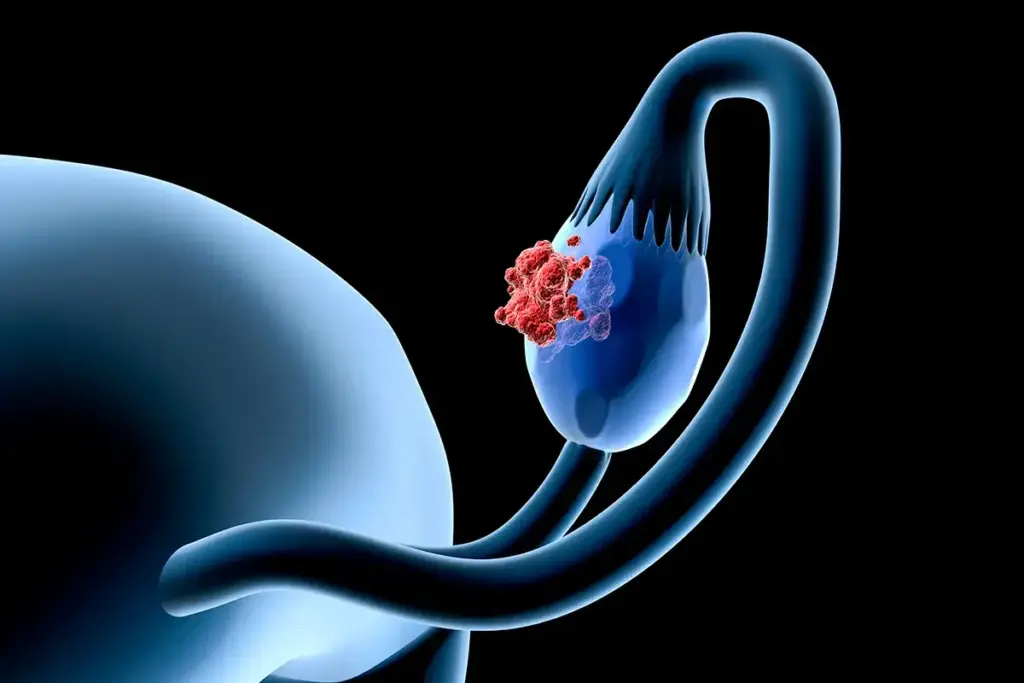
Many women often think they have a urinary tract infection (UTI) when they feel the need to pee a lot or have pelvic pain. But, research shows that these symptoms can also mean something more serious: ovarian cancer.
says, “Ovarian cancer is hard to find, which is why it’s key for women to know the symptoms and speak up for themselves.”
Studies reveal that up to 16% of ovarian cancer cases show urinary symptoms. This makes it hard to tell if it’s a UTI or ovarian cancer. Knowing the difference can save lives.
Do ovarian cancer symptoms feel like a scary UTI? Learn amazing facts and find powerful, vital ways to distinguish essential health signals.
Key Takeaways
- The symptoms of ovarian cancer can closely resemble those of a UTI, which complicates the diagnostic process.
- Frequent urination and pelvic discomfort are common symptoms.
- Awareness and early detection are key for effective treatment.
- Women should be aware of the symptoms and advocate for themselves.
- Urinary symptoms can be a sign of ovarian cancer in some cases.
Understanding the Connection Between Ovarian Cancer and UTI Symptoms

UTI symptoms and ovarian cancer symptoms can look very similar. This makes it hard to tell them apart. It can lead to confusion and a delay in finding out what’s wrong.
The Deceptive Nature of Ovarian Cancer Symptoms
Ovarian cancer symptoms are not clear-cut. They can be like symptoms of other, less serious problems. This makes it tough for doctors to catch ovarian cancer early.
The symptoms can be vague. They might include pelvic pain, urinary frequency, and discomfort. These are also signs of UTIs.
We will look into why ovarian cancer symptoms can be tricky. We’ll see how they can be mistaken for UTI symptoms. Knowing this is key to getting a correct diagnosis.
Why Urinary Symptoms Occur in Ovarian Cancer
Urinary symptoms in ovarian cancer happen because of the tumor’s location. As it grows, it can put pressure on the bladder or ureters. This leads to urinary urgency and frequency.
These symptoms are often thought to be from a UTI. This makes diagnosing ovarian cancer even harder.
|
Symptom |
Ovarian Cancer |
UTI |
|---|---|---|
|
Urinary Frequency |
Tumor pressing on bladder |
Bacterial infection |
|
Pelvic Pain |
Tumor growth and spread |
Infection and inflammation |
|
Urinary Urgency |
Pressure on bladder or ureters |
Infection irritating bladder |
This table shows how similar ovarian cancer and UTI symptoms can be. It’s important to understand these symptoms well to make an accurate diagnosis.
Common Ovarian Cancer Symptoms That Mimic UTIs

It’s important to know the difference between ovarian cancer symptoms and UTI symptoms. Ovarian cancer can have symptoms that are similar to a UTI. This makes it hard to diagnose.
We will look at the symptoms that are similar between the two. We will also highlight the differences. Knowing these can help in early detection and treatment.
Urinary Frequency and Urgency
One symptom of ovarian cancer that looks like a UTI is needing to urinate often. Women with ovarian cancer might need to go to the bathroom a lot, even when there’s not much urine. This can be mistaken for a UTI, leading to a delay in diagnosis.
Doctors say that ovarian cancer symptoms can be hard to spot early. They are often thought to be from other, less serious conditions.
“The challenge lies in distinguishing between the symptoms of ovarian cancer and those of more common benign conditions like UTIs.”
Medical Expert
Pelvic Pain and Discomfort
Pelvic pain and discomfort are symptoms of both ovarian cancer and UTIs. Women might feel a dull ache or sharp pain in their pelvis. This pain can be constant or come and go. It can be hard to figure out the cause.
|
Symptom |
Ovarian Cancer |
UTI |
|---|---|---|
|
Urinary Frequency |
Often present, may be persistent |
Common, usually accompanied by burning sensation |
|
Pelvic Pain |
Can be dull or sharp, persistent or intermittent |
Typically involves burning during urination |
Key Differences: What’s Missing in Ovarian Cancer
Ovarian cancer and UTIs share some symptoms, but there are big differences. UTIs often come with symptoms like burning during urination, cloudy or strong-smelling urine, and fever. These are not as common in ovarian cancer.
For more information on ovarian cancer symptoms, you can visit. It has more details on the signs and symptoms of ovarian cancer.
How UTIs Typically Present
It’s important to know how urinary tract infections (UTIs) show up. UTIs are caused by bacteria getting into the urinary tract. This leads to inflammation and discomfort.
Classic UTI Symptoms
UTIs often cause a burning feeling when you pee, needing to pee a lot, and pain in the pelvis. These happen because the bacteria irritate the urinary tract. Sometimes, UTIs can also make your pee look cloudy or have blood in it.
The symptoms can change based on where the infection is. For example, lower UTIs might just cause pain when peeing and needing to pee a lot. But upper UTIs can be more serious, with pain in the side and a fever.
Bacterial Infection vs. Cancer-Related Symptoms
UTIs are caused by bacteria, but ovarian cancer symptoms can seem similar. Yet, there are big differences. UTIs usually come with signs of infection like fever or chills, which ovarian cancer doesn’t have. Also, UTI symptoms get better with antibiotics, but ovarian cancer symptoms don’t.
If UTI symptoms keep coming back and don’t get better with treatment, it’s time to check for other things like ovarian cancer. Knowing the difference helps doctors make the right diagnosis and treatment plan.
The Danger of Misdiagnosis: Why Ovarian Cancer Is Often Mistaken for UTIs

Ovarian cancer is often confused with UTIs because their symptoms are similar. This confusion can lead to a late diagnosis. A late diagnosis can greatly affect treatment success.
Statistical Evidence of Misdiagnosis
Research shows many ovarian cancer cases are first thought to be UTIs or other minor issues. A study in the Journal of Clinical Oncology found that about 30% of ovarian cancer patients were first thought to have something else, with UTIs being a common mistake. This high rate of misdiagnosis highlights the importance of careful diagnosis by healthcare providers.
|
Study |
Misdiagnosis Rate |
Common Misdiagnosis |
|---|---|---|
|
Journal of Clinical Oncology |
30% |
UTI |
|
Gynecologic Oncology |
25% |
Irritable Bowel Syndrome |
The Impact of Delayed Diagnosis on Prognosis
When ovarian cancer is not diagnosed early, it can greatly affect patient outcomes. The sooner ovarian cancer is caught, the better the chances of survival. Early detection leads to a higher five-year survival rate compared to late-stage diagnoses.
“Early detection is key in treating ovarian cancer. Delayed diagnosis not only lowers survival chances but also affects patients’ quality of life.”
Oncologist
Common Diagnostic Pitfalls
Several reasons lead to ovarian cancer being mistaken for UTIs, including:
- Similar symptoms like pelvic pain and frequent urination
- No specific biomarkers for ovarian cancer
- Not enough imaging and tests
To avoid these mistakes, doctors need to use a detailed diagnostic process. This includes a full patient history, the right imaging, and sometimes, more detailed tests.
Red Flags: When “Recurring UTIs” May Signal Something More Serious
Recurring UTIs can be more than just a nuisance; they may indicate a more serious underlying condition. While UTIs are common and typically treatable, their recurrence can sometimes signal ovarian cancer. It’s important to know the red flags that show if it’s just a simple UTI or something more serious.
Persistent Symptoms Despite Antibiotic Treatment
One of the key indicators that something might be amiss is when UTI symptoms persist despite antibiotic treatment. If you’ve been treated for a UTI but continue to experience symptoms like urinary frequency, urgency, or pelvic pain, it’s essential to seek further evaluation. Persistent symptoms can be a sign that the underlying cause is not a simple bacterial infection.
- Continued urinary symptoms
- Pelvic pain or discomfort
- Frequent urination
We recommend that you consult your healthcare provider if you experience any of these symptoms. They may suggest additional testing to determine the cause of your symptoms.
Negative Urine Cultures with Continued Symptoms
Another red flag is when urine cultures come back negative yet symptoms continue. This can be concerning because it suggests that the symptoms are not being caused by a typical bacterial infection. In such cases, further investigation is necessary to rule out other conditions, including ovarian cancer.
Some key points to discuss with your healthcare provider include:
- The duration and severity of your symptoms
- Any previous diagnoses or treatments for UTIs
- Family history of ovarian or other cancers
By being aware of these red flags and discussing them with your healthcare provider, you can ensure that you receive the appropriate care and diagnosis. Early detection is key in managing and treating ovarian cancer effectively.
Understanding Ovarian Cancer Symptoms Beyond Urinary Issues

Ovarian cancer symptoms can affect many areas of a woman’s health, not just urinary issues. We’ve talked about how ovarian cancer can cause urinary tract infection (UTI) symptoms. But there are other symptoms that can also point to ovarian cancer.
Abdominal Bloating and Fullness
Abdominal bloating and fullness are key symptoms of ovarian cancer. This feeling of tightness or swelling in the belly doesn’t go away. It’s not just feeling bloated after eating; it’s a constant feeling.
- Women often notice their belly gets bigger.
- Clothing feels tighter, even if they haven’t gained weight.
- This symptom can be confused with other stomach problems.
Changes in Appetite and Digestive Function
Ovarian cancer can also cause changes in appetite and digestive function. Some women might eat less, while others feel full quickly. Digestive problems like constipation or changes in bowel movements can also happen.
- Feeling full quickly can make it hard to eat regular meals.
- Constipation or diarrhea can last a long time.
- Nausea or discomfort after eating can become a regular problem.
Fatigue and Other Systemic Symptoms
Fatigue is a common symptom of ovarian cancer. It’s not just feeling tired; it’s a deep exhaustion that affects daily life. Other symptoms can include:
- Unexplained weight loss or gain.
- Back pain or pelvic pain that doesn’t go away.
- Changes in menstrual cycles.
It’s important to recognize these symptoms early for better treatment. If you’re experiencing any of these symptoms often, see a healthcare provider.
Risk Factors for Ovarian Cancer
Knowing the risk factors for ovarian cancer helps tailor screening and prevention plans. It’s key for both doctors and women at risk.
Genetic Predisposition and Family History
Genetic predisposition is a big risk factor, mainly due to BRCA1 and BRCA2 gene mutations. Women with a family history of ovarian or breast cancer face higher risks. Genetic testing can spot these mutations early, leading to timely action.
- Family history of ovarian or breast cancer
- Presence of BRCA1 or BRCA2 mutations
- Genetic syndromes such as Lynch syndrome
Age and Hormonal Factors
Age is a major risk factor, with ovarian cancer rates rising after 50. Hormonal factors, like hormone replacement therapy (HRT), also play a part. Postmenopausal women on HRT may face higher risks.
- Increased age, mainly after 50
- Use of hormone replacement therapy
- Early menstruation or late menopause
Lifestyle and Environmental Considerations
Lifestyle and environmental factors also impact ovarian cancer risk. For example, obesity is linked to higher risks. Maintaining a healthy weight through diet and exercise can help lower this risk.
“Maintaining a healthy lifestyle, including a balanced diet and regular physical activity, is key for overall health and may reduce ovarian cancer risk.”
Understanding these risk factors helps identify women at high risk. This way, we can lower ovarian cancer rates through targeted screening and prevention.
When to Seek Medical Attention

Persistent urinary symptoms can be a sign of ovarian cancer. Knowing when to see a doctor is important. It can be hard to tell if it’s just a UTI or something more serious. But knowing the signs can help catch problems early.
Guidelines for Women with Persistent Urinary Symptoms
If your urinary symptoms don’t go away, you should go back to your doctor. Symptoms that get worse or last a long time might need more tests. Keeping a symptom journal can help track your issues.
Look out for these signs:
- Urinary frequency or urgency that doesn’t improve with typical UTI treatments
- Persistent pelvic pain or discomfort
- Blood in your urine or abnormal vaginal bleeding
- Difficulty starting or stopping urination
What to Tell Your Doctor About Your Symptoms
Tell your doctor all about your symptoms. Be as specific as possible about when they started and how long they’ve lasted. Share your symptom journal to help your doctor understand your situation.
Here’s what to share:
- A list of your symptoms and their severity
- Any previous treatments you’ve received for your symptoms
- Your medical history, including any family history of cancer
- Any changes in your symptoms over time
Being proactive and informed helps you work with your doctor. Together, you can figure out what’s causing your symptoms and get the right care.
Diagnostic Procedures for Distinguishing UTIs from Ovarian Cancer
Diagnostic procedures are key in telling UTIs apart from ovarian cancer. When symptoms are similar, getting the right diagnosis is vital. It ensures the right treatment and better health outcomes.
Initial Tests: Urinalysis and Cultures
The first step in diagnosing UTIs is urinalysis and urine cultures. These tests check for bacteria, blood, or other signs of UTI in the urine. They look for:
- Presence of leukocytes (white blood cells)
- Nitrite levels, which can indicate bacterial infection
- Blood in the urine
- pH levels of the urine
Urine cultures pinpoint the bacteria causing the infection. This helps choose the right antibiotics. But, if symptoms don’t go away or if other warning signs show up, more tests are needed. These tests help rule out ovarian cancer.
Imaging Studies: Ultrasound, CT, and MRI
When ovarian cancer is suspected, imaging studies are vital. They include:
- Ultrasound: Often the first test, for pelvic symptoms. It spots ovarian masses or other issues.
- Computed Tomography (CT) scans: Show detailed images of the abdomen and pelvis. They help see how far the disease has spread.
- Magnetic Resonance Imaging (MRI): Gives high-resolution images. It’s great for looking at ovarian masses and their cancer risk.
These tests are key in telling apart benign conditions and ovarian cancer. They guide further management decisions.
Blood Tests: CA-125 and Other Biomarkers
Blood tests are important in diagnosis, like the CA-125 tumor marker for ovarian cancer. While not perfect due to false positives, CA-125 levels are helpful. They’re best when looked at with clinical findings and imaging results.
Other biomarkers and panels are being studied to better diagnose ovarian cancer. Combining clinical evaluation, imaging, and biomarker tests helps doctors make the right decisions. This ensures the best care for patients.
The Critical Importance of Early Detection in Ovarian Cancer

Early detection of ovarian cancer is key. It’s called a “silent killer” because its symptoms are often vague. This makes it hard to catch early. We’ll look at why early detection is so important, including survival rates and why many cases are diagnosed late.
Survival Statistics Based on Stage at Diagnosis
Survival rates for ovarian cancer depend on when it’s found. If caught early, at stage I, the five-year survival rate is about 90%. But, this rate drops sharply as the cancer advances. For stage III, the five-year survival rate is 30-40%, and for stage IV, it’s under 20%. These numbers show how vital early detection is for better survival chances.
|
Stage at Diagnosis |
Five-Year Survival Rate |
|---|---|
|
Stage I |
Approximately 90% |
|
Stage II |
Approximately 70% |
|
Stage III |
30-40% |
|
Stage IV |
Less than 20% |
Why Two-Thirds of Cases Are Diagnosed Late
About two-thirds of ovarian cancer cases are diagnosed late. Several reasons explain this. Early symptoms are often vague and can be mistaken for other issues, like or irritable bowel syndrome (IBS). There’s no reliable screening test for ovarian cancer in women without symptoms.
It’s important to understand these challenges to improve early detection. We need to spread the word about ovarian cancer symptoms. Women should see a doctor if they have persistent or unusual symptoms.
Treatment Approaches for Ovarian Cancer
It’s important for patients to know about the different ways to treat ovarian cancer. The treatment plan is made just for each patient. It depends on the patient’s needs and the cancer’s type.
Surgical Interventions
Surgery is a key part of treating ovarian cancer. The main goal is to remove as much of the tumor as possible. This is called debulking. Optimal debulking helps improve treatment results.
The surgery needed can change based on the cancer’s stage and how far it has spread. Sometimes, a total hysterectomy and removal of the ovaries and fallopian tubes are needed. Surgeons might also take out affected lymph nodes and other tissues.
Chemotherapy Protocols
Chemotherapy is a big part of treating ovarian cancer. It’s often used after surgery to kill any cancer cells left behind. The choice of chemotherapy and how long it lasts depends on the cancer’s stage and the patient’s health.
Intravenous chemotherapy is often used, with drugs like carboplatin and paclitaxel being first choices. Sometimes, intraperitoneal chemotherapy is suggested. This means the drugs are put directly into the abdominal cavity.
Emerging Therapies and Clinical Trials
New treatments for ovarian cancer are being researched. These include targeted therapies and immunotherapies. Targeted therapies aim at specific cancer molecules. Immunotherapies use the body’s immune system to fight cancer.
Joining clinical trials can give patients access to new treatments. These trials are key for finding better ways to treat ovarian cancer.
Living with Ovarian Cancer: Patient Perspectives

Living with ovarian cancer is more than just treatment. It takes emotional strength and a strong support network. Patients face a tough journey, both physically and emotionally.
Navigating the Emotional Journey
The emotional path of ovarian cancer patients is complex. They feel fear, anxiety, hope, and resilience. It’s a journey that can be both isolating and challenging, yet support and understanding can help a lot.
Patients often feel overwhelmed by their diagnosis and treatment. The emotional impact is as big as the physical one. It affects their life quality and well-being.
Key Emotional Challenges:
- Fear of the unknown
- Anxiety about treatment outcomes
- Depression and mood swings
- Concerns about family and relationships
Building a Support Network
Having a strong support network is key for ovarian cancer patients. This includes family, friends, healthcare providers, and support groups. A strong support system provides emotional support, practical help, and a sense of community. It helps patients on their journey.
|
Support Network Component |
Description |
Benefits |
|---|---|---|
|
Family and Friends |
Immediate personal network providing emotional and practical support. |
Emotional comfort, practical help, and a sense of belonging. |
|
Healthcare Providers |
Medical professionals giving treatment and care. |
Expert medical advice, treatment options, and reassurance. |
|
Support Groups |
Groups of individuals sharing similar experiences. |
Shared understanding, emotional support, and coping strategies. |
Understanding the patient’s perspective and the need for emotional support is key. We can provide better guidance and care for those with ovarian cancer. It’s about creating a support system that meets both medical and emotional needs.
Preventive Strategies and Screening Recommendations
Understanding how to prevent ovarian cancer is key. By taking care of our health, we can catch problems early.
Regular Gynecological Examinations
Regular gynecological exams are vital for our health. They help doctors find and fix any issues quickly. During these exams, doctors might check for any unusual changes.
Women should get annual well-woman visits. These visits cover risk factors, family history, and any symptoms. Women at higher risk might need more frequent tests.
Awareness of Body Changes and Symptoms
Knowing our bodies and noticing changes is important. Signs like persistent bloating, pelvic pain, or changes in urination should not be ignored. Catching these early can make a big difference.
Learning about ovarian cancer symptoms helps us act fast. It’s also key to talk openly with our doctors about any issues.
Key Preventive Measures:
- Annual gynecological check-ups
- Awareness of family history and genetic predisposition
- Recognizing and reporting symptoms promptly
|
Preventive Measure |
Frequency |
Benefit |
|---|---|---|
|
Gynecological Examinations |
Annually |
Early detection of abnormalities |
|
Awareness of Body Changes |
Ongoing |
Prompt reporting of symptoms |
|
Family History Discussion |
At least once |
Understanding risk factors |
Advances in Research: Improving Diagnosis of Ovarian Cancer Symptoms

The search for early ovarian cancer detection has led to big steps in research and new tools. We’re learning more about this disease every day. This knowledge helps us find better ways to diagnose and treat it.
New Diagnostic Tools and Technologies
New tools are being developed to find ovarian cancer sooner. These include advanced imaging like 3D ultrasound and MRI. They give clearer pictures of the ovaries and nearby areas. Also, scientists are looking into liquid biopsies, which check blood or fluids for cancer signs.
Table: Emerging Diagnostic Tools for Ovarian Cancer
|
Diagnostic Tool |
Description |
Potential Benefits |
|---|---|---|
|
3D Ultrasound |
Advanced ultrasound technology providing detailed 3D images |
Improved accuracy in detecting ovarian tumors |
|
Liquid Biopsy |
Analysis of blood or other fluids for cancer biomarkers |
Non-invasive, potentially earlier detection |
|
AI-powered Diagnostic Algorithms |
Machine learning algorithms analyzing medical images and data |
Enhanced pattern recognition, improved diagnostic accuracy |
Future Directions in Early Detection
Research is moving forward, and we’ll see more ways to find ovarian cancer early. We might see better biomarkers, AI in diagnosis, and screening plans based on risk. These steps could lead to better care for patients.
By keeping up with these new discoveries, we can make diagnosing and treating ovarian cancer more effective. This will help patients get better faster.
Conclusion: The Importance of Vigilance and Advocacy
Ovarian cancer is often mistaken for a urinary tract infection (UTI). This mistake can lead to late diagnosis and treatment. It’s key to be vigilant and advocate for better health.
Women can play a big role in their health by knowing the symptoms and risk factors. They should seek medical help if symptoms don’t go away or come back. This proactive approach can lead to early detection and better outcomes.
Understanding the link between ovarian cancer and UTI symptoms is essential. By raising awareness, we help women get the medical care they need. This can lead to a quicker and more accurate diagnosis.
We need to keep pushing for more research and education on ovarian cancer. Our support can help improve how doctors diagnose and treat the disease. Together, we can make a real difference for those fighting ovarian cancer.
FAQ
What are the common symptoms of ovarian cancer that could be mistaken for a UTI?
Ovarian cancer can cause symptoms like needing to pee a lot, feeling urgent, and pelvic pain. These can be mistaken for UTIs. But, ovarian cancer also brings other symptoms like bloating, changes in appetite, and feeling very tired.
How can I tell if my symptoms are due to ovarian cancer or a UTI?
UTIs usually cause burning when you pee and needing to pee a lot. But, ovarian cancer can also make you pee a lot and feel pain. If your symptoms don’t go away with antibiotics, or if tests show you don’t have a UTI, see your doctor.
What are the risk factors for ovarian cancer?
Genetics, family history, age, hormones, and lifestyle can increase your risk of ovarian cancer. Women with a family history of ovarian or breast cancer, or those with BRCA1 and BRCA2 mutations, are at higher risk.
What diagnostic tests are used to distinguish between UTIs and ovarian cancer?
To tell the difference, doctors use urinalysis, urine cultures, and imaging like ultrasound and CT scans. They also do blood tests like CA-125. These tests help find the cause of your symptoms.
Why is early detection of ovarian cancer important?
Finding ovarian cancer early is key because it greatly improves your chances of survival. If caught early, the five-year survival rate is much better than if it’s found later.
What are the treatment approaches for ovarian cancer?
Treatment for ovarian cancer includes surgery, chemotherapy, and new therapies. The right treatment depends on the cancer’s stage and type, and your overall health.
How can women reduce their risk of ovarian cancer?
While there’s no sure way to prevent ovarian cancer, being aware of your body and symptoms is important. Regular check-ups and talking to your doctor about your risk factors can help.
What are the signs that I should seek medical attention for possible ovarian cancer?
If you experience persistent symptoms such as a frequent need to urinate, bloating, changes in appetite, fatigue, or pelvic pain, it is crucial to consult a healthcare professional promptly. If UTI treatments don’t help, you should also get checked.
What should I tell my doctor about my symptoms?
When talking to your doctor, tell them about your symptoms’ frequency, how bad they are, and how long you’ve had them. Mention anything that makes them better or worse. This helps your doctor figure out what’s wrong.
Are there any new diagnostic tools or technologies being developed for ovarian cancer?
Yes, new tools and technologies are being made to find ovarian cancer earlier. These include better imaging, biomarkers, and genetic tests. They aim to catch cancer sooner, leading to better treatment results.
Reference
Not These Ovaries. Can Recurrent UTIs Be a Sign of Ovarian Cancer? https://www.nottheseovaries.org/can-recurrent-utis-be-a-sign-of-ovarian-cancer/
Bladder & Bowel UK. Ovarian Cancer Symptoms. https://www.bladderandbowel.org/associated-illness/ovarian-cancer-symptoms/
Ovarian Cancer Action (UK). Ovarian Cancer Symptoms. https://ovarian.org.uk/ovarian-cancer/ovarian-cancer-symptoms/
JAMA Network. Research Article. https://jamanetwork.com/journals/jama/fullarticle/198893
NCBI. PMC article. https://pmc.ncbi.nlm.nih.gov/articles/PMC7869723/