Many women feel like they need to go to the bathroom all the time. But, it’s often because of ovarian cysts. These growths can make it hard to go to the bathroom, feeling like other digestive issues. We’ll look into how affect bowel movements and health.
Studies show that big or painful cysts can press on the bowel. This can make you feel like you need to go, cause constipation, and hurt when you do go.
Key Takeaways
- Ovarian cysts can cause bowel symptoms, such as constipation and painful bowel movements.
- Large or symptomatic cysts can exert pressure on the bowel, leading to discomfort.
- Ovarian cyst pain can be mistaken for other conditions, including irritable bowel syndrome (IBS).
- Bloating and pelvic pressure are common symptoms of ovarian cysts.
- Understanding ovarian cyst symptoms is key for the right diagnosis and treatment.
The Connection Between Ovarian Cysts and Bowel Symptoms
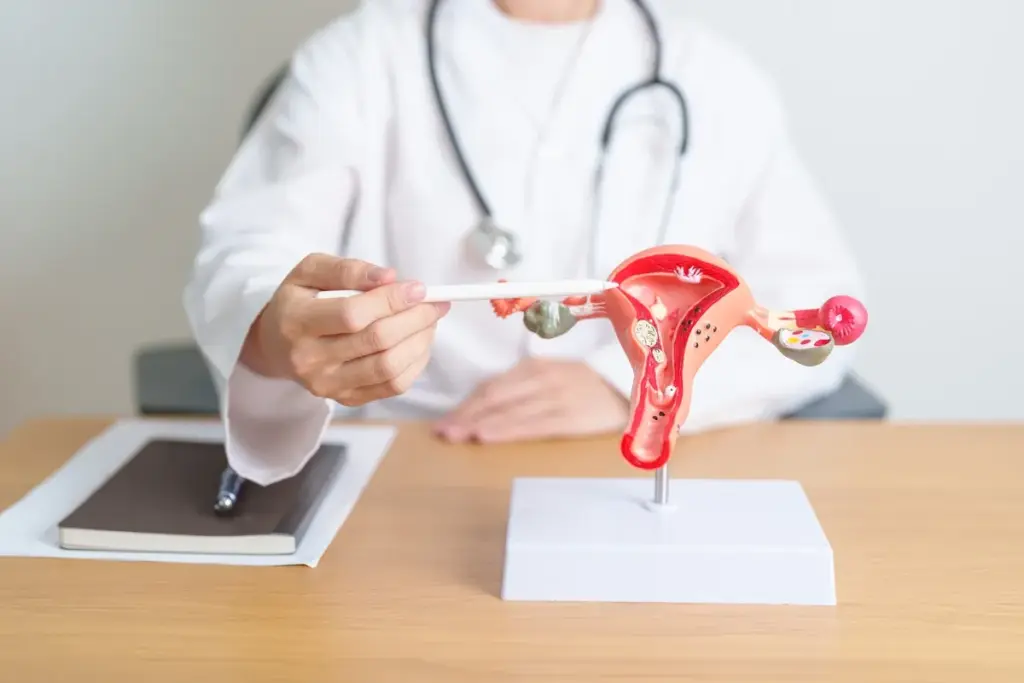
It’s important to know how ovarian cysts and bowel symptoms are linked. Ovarian cysts are fluid-filled sacs on the ovaries. They can affect how our bodies work, including our bowel movements.
Impact on Surrounding Organs
Ovarian cysts can put pressure on nearby organs, including the bowel, leading to various bowel symptoms. The size and where the cyst is located play a big role in how much it affects us.
Large or symptomatic cysts can really impact bowel symptoms. For example, a big cyst near the bowel can cause pain or changes in how we go to the bathroom.
Research Findings on Bowel Symptoms
Studies show many women with ovarian cysts have bowel symptoms. Up to 30% of these women experience bowel issues. Symptoms can include feeling like they need to go, constipation, and hard bowel movements.
|
Bowel Symptom |
Prevalence in Women with Ovarian Cysts |
|---|---|
|
Feeling the need to defecate |
15% |
|
Constipation |
10% |
|
Difficult bowel movements |
5% |
These studies highlight the need to look at bowel symptoms when dealing with ovarian cysts. Understanding this connection helps doctors give better care to women with these issues.
What Are Ovarian Cysts?

Ovarian cysts are fluid-filled sacs that grow on the ovaries. They can affect women’s health a lot. We’ll look into what ovarian cysts are, how they form, and why they happen more often.
Definition and Formation
Ovarian cysts are fluid-filled sacs or pockets on or in the ovaries. They can be small or big and might be harmless or could be cancerous. They often happen because of how the ovaries work, like when they release eggs during ovulation.
Functional cysts are linked to the menstrual cycle and usually go away by themselves. Hormonal changes can make ovarian cysts grow. Sometimes, they’re linked to polycystic ovary syndrome (PCOS). Knowing about these cysts helps manage symptoms and find the right treatment.
Prevalence and Risk Factors
Ovarian cysts are common in women of childbearing age. Many women get them without big symptoms. But, some things can make getting ovarian cysts more likely. These include hormonal imbalances, having had cysts before, and conditions like endometriosis.
Knowing the risks and how common ovarian cysts are helps with early detection and care. Women with a family history of cysts or certain genetic conditions might be at higher risk. We’ll talk about how these factors affect women’s health.
Types of Ovarian Cysts
It’s important to know about the different types of ovarian cysts. This helps doctors find the best treatment. Ovarian cysts are mainly divided into two types: functional and non-functional cysts.
Functional Cysts
Functional cysts are the most common. They are linked to the menstrual cycle. They happen when ovulation doesn’t go as planned.
- Follicular Cysts: These cysts form when the egg doesn’t get released. Instead, the follicle keeps growing.
- Corpus Luteum Cysts: After an egg is released, the follicle sac might seal off. It then fills with fluid, creating a corpus luteum cyst.
Most functional cysts are harmless and go away on their own in a few months.
Non-Functional Cysts
Non-functional cysts are less common and not tied to the menstrual cycle. They have several subtypes.
- Dermoid Cysts: Also called teratomas, these cysts have hair, skin, or teeth. They are usually not harmful.
- Cystadenomas: These cysts grow from the ovarian surface. They can be filled with clear fluid or a thick, mucus-like substance.
- Endometriomas: These cysts are linked to endometriosis. It’s a condition where uterine lining tissue grows outside the uterus.
Non-functional cysts can be any size. They might need surgery if they cause problems or could be cancerous.
In summary, knowing the types of ovarian cysts is key. It helps doctors choose the right treatment. This could be waiting and watching, medication, or surgery.
Common Ovarian Cyst Symptoms
Knowing the signs of ovarian cysts is key to getting help fast. These cysts can lead to various symptoms that impact a woman’s health in many ways.
Pelvic and Abdominal Pain
Pelvic and abdominal pain are common signs of ovarian cysts. The pain can feel like a dull ache or a sharp stab. It might be constant or come and go, getting worse with activities like exercise or sex.
The pain’s intensity often depends on the cyst’s size and where it is. Bigger cysts can put more pressure on nearby organs, causing more pain.
Bloating and Swelling
Bloating and swelling are also common in women with ovarian cysts. The cysts can make the belly feel full or swollen. Sometimes, the swelling is big enough to be seen.
Bloating from cysts can be uncomfortable and may lead to weight gain. This can hurt a woman’s self-esteem and quality of life.
Menstrual Irregularities
Changes in menstrual cycles are another symptom of ovarian cysts. Women might see irregular periods, heavier or lighter bleeding, and longer menstrual cramps.
The cysts can mess with hormones, affecting the menstrual cycle. This can happen because the cysts can affect ovulation and hormone production.
|
Symptom |
Description |
Possible Impact |
|---|---|---|
|
Pelvic and Abdominal Pain |
Dull ache or sharp pain in the pelvic or abdominal area |
Discomfort during daily activities, exercise, or sexual intercourse |
|
Bloating and Swelling |
Feeling of fullness or swelling in the abdomen |
Noticeable swelling, discomfort, and possible weight gain |
|
Menstrual Irregularities |
Changes in menstrual cycle, including irregular periods and altered bleeding |
Disruption in normal menstrual patterns, possible fertility issues |
By recognizing these symptoms, women can get medical help sooner. This can help avoid serious problems and improve their health outcomes.
How Cyst Size Affects Bowel Function
Research shows that the size of ovarian cysts can greatly affect bowel function. The size of these cysts is key in how they impact nearby organs and digestion.
Small Cysts vs. Large Cysts
Ovarian cysts come in all sizes, and their size matters a lot for bowel symptoms. Small cysts, under 5 cm, usually don’t bother the bowel much. But, bigger cysts can press hard on the bowel, causing stomach problems.
Key differences between small and large cysts:
- Small cysts (
- Large cysts (≥5 cm): More likely to cause significant bowel symptoms due to increased pressure on surrounding organs.
Studies on Cysts Larger Than 5cm
University hospital studies found that big ovarian cysts often lead to bowel issues. This shows how important cyst size is in predicting bowel problems.
|
Cyst Size (cm) |
Frequency of Bowel Symptoms |
Common Symptoms |
|---|---|---|
|
<5 |
Low |
Mild discomfort, occasional bloating |
|
5-10 |
Moderate |
Bloating, constipation, difficulty with bowel movements |
|
>10 |
High |
Severe bloating, constipation, pain during defecation |
These studies show a clear link between cyst size and bowel symptoms. They stress the importance of getting medical help and proper care early on.
Bowel-Related Symptoms of Ovarian Cysts
Ovarian cysts can cause many bowel symptoms, like feeling the urgent need to defecate. This can be very distressing and disrupt daily life. Women with ovarian cysts often face uncomfortable bowel symptoms that can lower their quality of life.
For more information on the warning signs of ovarian cysts, you can visit.
Feeling the Need to Defecate
Women with ovarian cysts often feel the need to defecate. This is because the cysts can put pressure on the bowel. A study found that the pressure from the cyst can stimulate the bowel, causing this sensation.
This symptom is not just about bowel habits. It can also depend on the size and location of the cyst. Larger cysts can put more pressure on the bowel, making this sensation more common.
Constipation and Difficult Bowel Movements
Constipation is another symptom women with ovarian cysts may face. The pressure from the cyst can make bowel movements difficult. Medical literature notes that the mechanical pressure from ovarian cysts can impede normal bowel function, leading to constipation.
In some cases, the discomfort can be significant, affecting a woman’s overall well-being. Managing constipation often involves dietary changes and, in some cases, medical intervention.
Pain During Defecation
Pain during defecation is a symptom that can be alarming. Ovarian cysts can cause this pain by putting pressure on the rectum and surrounding areas. Medical experts say that pain during defecation can be a sign of an ovarian cyst that is large enough to press against the rectum.
It’s vital for women experiencing this symptom to seek medical evaluation to determine the cause and appropriate treatment. Understanding the relationship between ovarian cysts and bowel symptoms can help in managing these uncomfortable conditions.
Back Pain and Other Ovarian Cyst Symptoms
Back pain is common in women with ovarian cysts. Knowing why it happens helps manage it better. Ovarian cysts can cause pain in the lower back when they grow or rupture.
How Ovarian Cysts Cause Back Pain
Ovarian cysts can put pressure on nerves and other organs. This pressure can cause pain in the lower back. If a cyst ruptures, it can lead to sudden, severe pain that might spread to the back.
The female reproductive system is complex. The ovaries are close to the lower back. This closeness can make it hard to tell where the pain is coming from without a diagnosis.
Distinguishing Cyst-Related Back Pain from Other Causes
Telling if back pain comes from ovarian cysts or something else can be tough. Common causes of back pain include muscle issues or herniated discs. But, there are clues to look for.
- Pain from ovarian cysts often comes with bloating, pelvic pain, or irregular periods.
- The pain might get worse during menstruation or sex.
- Back pain from cysts might also include tender or swollen abdomen.
Knowing these clues is key to getting the right treatment. If you have back pain and other symptoms that could be from ovarian cysts, see a doctor. They can give you a proper check-up.
Distinguishing Between Ovarian Cyst Symptoms and Digestive Disorders
It’s important to tell the difference between symptoms of ovarian cysts and digestive disorders. Ovarian cysts can cause symptoms that are similar to those of conditions like Irritable Bowel Syndrome (IBS).
Similar Symptoms in IBS and Other Conditions
IBS and ovarian cysts can both cause bloating, abdominal pain, and changes in bowel habits. This similarity can make it hard to figure out what’s wrong. For example, bloating from ovarian cysts might look like bloating from IBS.
Ovarian cysts can also put pressure on nearby organs. This can cause symptoms that seem like they come from digestive problems. It’s key to know what’s really causing these symptoms.
Key Differences to Watch For
Even though symptoms can seem the same, there are important differences. For instance, ovarian cysts often cause pain in the lower back that starts in the pelvis. IBS pain is usually tied to bowel movements.
- Location and Nature of Pain: Ovarian cysts usually hurt on one side of the pelvis. Digestive disorders can cause pain all over the belly.
- Association with Menstrual Cycle: Symptoms from ovarian cysts often match the menstrual cycle. But IBS symptoms don’t follow the cycle.
- Presence of Other Symptoms: Ovarian cysts can also cause feelings of pelvic heaviness or pressure. These symptoms are rare in digestive disorders.
By looking at these differences, doctors can make a better diagnosis. Then, they can create a treatment plan that works.
Diagnosing Ovarian Cysts
It’s important to accurately diagnose ovarian cysts for the right treatment. We use different methods to find and understand these cysts.
Physical Examination
A physical exam is often the first step. A healthcare provider may do a pelvic exam to look for any unusual masses or tenderness. This can hint at the presence of an ovarian cyst.
They also look at the patient’s medical history. This helps identify any risk factors or symptoms that might point to ovarian cysts. A detailed exam and history help decide what tests to do next.
Imaging Tests
Imaging tests are key in diagnosing ovarian cysts. Ultrasound is the most common, using sound waves to see the ovaries and nearby areas. It helps find the size, location, and type of cysts.
In some cases, MRI or CT scans are used for more detailed views or to rule out other conditions. A study in the Journal of Ultrasound in Medicine found ultrasound is very effective, with over 90% accuracy.
“Ultrasound is the primary imaging modality for evaluating ovarian cysts due to its high sensitivity and specificity.”
Journal of Ultrasound in Medicine
Blood Tests
Blood tests are also important. They can find tumor markers like CA-125, which might be high in some cysts. While not alone enough, they help when combined with imaging and physical exams.
|
Diagnostic Method |
Description |
Key Benefits |
|---|---|---|
|
Physical Examination |
Pelvic exam to check for abnormalities |
Initial assessment, guides further testing |
|
Ultrasound |
Imaging test using sound waves |
High sensitivity, detailed images of cysts |
|
Blood Tests |
Checking for tumor markers like CA-125 |
Provides additional information, used with other diagnostic methods |
By using these methods together, healthcare providers can accurately diagnose ovarian cysts. This ensures patients get the best care for their specific needs.
When to Seek Medical Help for Ovarian Cyst Symptoms
Knowing when to get medical help is key for those with ovarian cysts. These cysts are usually not harmful but can cause big problems if not treated right away.
Look out for sudden, severe pain in your pelvis and bowel issues. Medical studies show these signs might mean a cyst has burst or twisted.
Emergency Symptoms to Watch For:
- Severe pelvic or abdominal pain
- Vaginal bleeding
- Dizziness or fainting
- Nausea or vomiting
- Rapid breathing
If you see any of these signs, get medical help fast. Doctors stress the need for quick action to avoid serious issues.
“Sudden severe pelvic pain, specially with bowel symptoms, is a medical emergency until proven wrong.”
Medical Guidelines
Other signs that need a doctor’s check-up include ongoing pelvic pain, big bloating, and changes in your period.
People with ovarian cysts should watch their symptoms closely and talk to their doctors often. Catching problems early and treating them right can make a big difference.
Complications of Untreated Ovarian Cysts
Ignoring ovarian cysts can lead to serious health issues. These can even be life-threatening. We will look at the possible complications and how they affect health.
Cyst Rupture and Its Effects
A ruptured ovarian cyst causes sudden, severe pain and internal bleeding. It’s a medical emergency. Symptoms include sharp pelvic pain, dizziness, and fainting from blood loss.
Ovarian Torsion
Ovarian torsion happens when the ovary twists, cutting off blood supply. It’s a serious condition that needs quick treatment. Symptoms include severe pelvic pain, nausea, and vomiting.
Untreated ovarian cysts can lead to serious problems. It’s vital to seek medical help if symptoms get worse or don’t go away.
|
Complication |
Symptoms |
Consequences if Untreated |
|---|---|---|
|
Cyst Rupture |
Sharp pelvic pain, dizziness, fainting |
Internal bleeding, infection |
|
Ovarian Torsion |
Severe pelvic pain, nausea, vomiting |
Loss of ovary function, infertility |
Treatment Options for Ovarian Cysts
Understanding the treatment options for ovarian cysts is key. The right approach depends on the cyst’s type and size, and the patient’s health.
Watchful Waiting
Many women start with watchful waiting for ovarian cysts. This means regular checks and tests to see if the cyst goes away. It’s often used for small, symptom-free cysts.
It’s important to notice any symptom changes and tell your doctor. This method is a gentle way to manage cysts and is often preferred.
Medication Options
Medication can help with ovarian cyst symptoms. Hormonal birth control pills can help with menstrual cycles and prevent new cysts. Pain meds can also help with discomfort.
- Hormonal treatments to regulate menstrual cycles
- Pain management medications to alleviate discomfort
Surgical Interventions
For big cysts or severe symptoms, surgical intervention might be needed. The surgery type depends on the cyst and the patient’s health.
- Laparoscopic surgery for removing cysts while preserving the ovary
- Oophorectomy in cases where the cyst is complex or the ovary is affected
Each surgery is planned carefully, considering the patient’s wishes and medical history.
Managing Bowel Symptoms Caused by Ovarian Cysts
Ovarian cysts can cause uncomfortable bowel symptoms. These symptoms can be managed with the right strategies. A good approach includes lifestyle changes and, if needed, medical help.
Dietary Adjustments
Diet is key in managing bowel symptoms. Some foods can make symptoms worse, while others can help. We suggest:
- Eating more fiber from fruits, veggies, and whole grains to help with bowel movements.
- Avoiding foods that cause gas and bloating, like beans, cabbage, and broccoli.
- Drinking lots of water to stay hydrated.
A high-fiber diet can help with constipation, a common symptom. Foods high in fiber include:
|
Food |
Fiber Content (grams per serving) |
|---|---|
|
Avocado |
10 |
|
Berries (raspberries, blackberries) |
4-6 |
|
Broccoli |
5 |
|
Whole Wheat Bread |
4 |
Physical Activity Recommendations
Regular exercise can help with bowel movements and digestive health. We recommend:
- Doing at least 30 minutes of moderate exercise, like brisk walking, most days.
- Adding strength training to improve muscle tone, including bowel muscles.
- Trying yoga or Pilates to reduce stress and improve bowel habits.
Over-the-Counter Relief Options
For some, OTC medications and supplements can help with bowel symptoms. These include:
- Fiber supplements like psyllium or methylcellulose to help with bowel movements.
- Anti-gas meds like simethicone to reduce bloating and discomfort.
- Laxatives or stool softeners for constipation, but use them carefully and with a doctor’s advice.
Always talk to a healthcare provider before trying new supplements or medications. This ensures they are safe and right for you.
Conclusion
Understanding ovarian cysts and their symptoms is key for women’s health. Ovarian cysts are common, and knowing about them helps in early detection and treatment. This article has covered the different types of ovarian cysts, their symptoms, and how they impact bowel function and overall health.
Knowing the symptoms of ovarian cysts, like pelvic pain and bloating, can lead to early medical check-ups. We’ve talked about the various treatment options, from watchful waiting to surgery. It’s also important to manage bowel symptoms caused by ovarian cysts.
By staying informed about ovarian cysts and their symptoms, women can take care of their reproductive health. If you’re experiencing persistent or severe symptoms, it’s vital to see a healthcare provider. They can offer personalized care and guidance.
FAQ
What are ovarian cysts and how do they form?
Ovarian cysts are fluid-filled sacs on the ovaries. They can form due to hormonal changes, genetics, and certain medical conditions.
Can ovarian cysts cause bowel symptoms?
Yes, they can. Symptoms include constipation, pain when you go to the bathroom, and feeling like you need to go. The size and location of the cyst affect how bad these symptoms are.
How do ovarian cysts affect bowel movements?
Large cysts can press on the bowel. This can lead to constipation, trouble passing stools, or feeling like you didn’t fully go.
What are the common symptoms of ovarian cysts?
Symptoms include pelvic and abdominal pain, bloating, swelling, and irregular periods. Some women also get back pain, urinary frequency, and bowel symptoms.
How are ovarian cysts diagnosed?
Doctors use a physical exam, ultrasound, and blood tests to diagnose them. These methods help find out if you have a cyst, how big it is, and what type it is.
Can ovarian cysts rupture, and what are the symptoms?
Yes, they can rupture. This causes severe pain, nausea, and vomiting. If you have sudden, severe pain, get medical help right away.
What are the treatment options for ovarian cysts?
Treatment options include waiting and watching, medication, or surgery. The choice depends on the cyst’s size, type, symptoms, and your health.
How can bowel symptoms caused by ovarian cysts be managed?
Manage symptoms with a high-fiber diet, staying hydrated, and exercise. Over-the-counter laxatives or pain relievers can also help.
When should I seek medical help for ovarian cyst symptoms?
Seek help for severe pain, heavy bleeding, or infection signs. If you have a history of cysts and new symptoms, see your doctor.
Can ovarian cysts cause back pain?
Yes, they can. Back pain is common, often due to a large cyst or rupture. The pain can be dull or sharp, with other symptoms like abdominal pain or bowel changes.
Reference
Based on the format you prefer, here is the reference list for the provided URLs:
Las Vegas OB/GYN Center. 7 Signs You May Have an Ovarian Cyst. https://lasvegasobgyncenter.com/7-signs-you-may-have-an-ovarian-cyst/
Penn Medicine. Ovarian Cysts. https://www.pennmedicine.org/conditions/ovarian-cysts
OSU Health (Ohio State University). Common Questions: Ovarian Cysts. https://health.osu.edu/health/ob-gyn/common-questions-ovarian-cysts
Shady Grove GYN Care. Warning Signs of Ovarian Cysts. https://shadygrovegyncare.com/ovarian-cysts/warning-signs-of-ovarian-cysts/
NCBI. PMC article. https://www.ncbi.nlm.nih.gov/pmc/articles/PMC4415847/