
Many people are surprised to learn that lower back pain can signal ovarian cancer. This is true if the pain is new, keeps coming back, or doesn’t get better with usual treatments. Knowing where and why ovarian cancer causes back pain is key for catching it early and improving treatment results.
Ovarian cancer often leads to a dull ache in the lower back or flank region. A says this pain can feel like menstrual cramps and may last for weeks. We’ll dive into how ovarian cancer and back pain are linked, looking at where and how pain shows up with this condition.
Key Takeaways
- Lower back pain can be a symptom of ovarian cancer, specially if it’s persistent and frequent.
- The pain is often felt in the lower back or flank region.
- Back pain associated with ovarian cancer can feel like period pain cramps.
- It’s essential to discuss persistent lower back pain with a healthcare professional.
- Early detection of ovarian cancer is vital for effective treatment and better outcomes.
The Reality of Ovarian Cancer and Back Pain

It’s important to know how back pain is linked to ovarian cancer for early treatment. Ovarian cancer is called a “silent killer” because it’s hard to diagnose early. Back pain is one of its common symptoms.
Studies show many ovarian cancer patients have back pain. Up to 45% of those with ovarian cancer experience back pain. Most of them have recurring pain. This shows why we should watch for back pain as a sign of ovarian cancer.
Prevalence of Back Pain in Ovarian Cancer
Back pain in ovarian cancer patients is not just a coincidence. It’s a symptom that needs attention. Research finds back pain can be an early sign of ovarian cancer, even if it’s often blamed on other things.
- Back pain is common in ovarian cancer patients.
- The pain can feel like a dull ache or sharp stabbing.
- The pain might spread to the lower back or pelvis.
Why This Symptom Is Often Overlooked
Back pain linked to ovarian cancer is often missed. This is because back pain can have many causes. Also, ovarian cancer symptoms are not always clear, making it hard to diagnose early.
“The nonspecific nature of ovarian cancer symptoms, including back pain, contributes to delays in diagnosis, stressing the need for increased awareness and vigilance.”
We need to see the importance of back pain in ovarian cancer to help patients get timely care. By understanding this link, we can spot those at risk and help them get the right treatment.
Locations of Back Pain Associated with Ovarian Cancer

Knowing where back pain happens can help spot ovarian cancer symptoms. Ovarian cancer can cause pain in different spots. This is because the tumor grows and affects nearby tissues and organs.
Lower Back and Flank Region Pain
Many people with ovarian cancer feel pain in their lower back or flank. This pain results from the tumor’s pressure on surrounding nerves and tissues. It makes the lower back hurt.
Characteristics of lower back and flank region pain:
- Often described as a dull ache
- Can be persistent or intermittent
- May worsen with certain positions or activities
Pelvic Pain That Radiates to the Back
Pelvic pain is also a symptom of ovarian cancer. This pain can spread to the back, causing discomfort in both areas. People in the early stages might feel pain in their abdomen or pelvis that goes to their lower back.
|
Location of Pain |
Characteristics |
|---|---|
|
Lower Back/Flank Region |
Dull ache, persistent or intermittent, worsens with certain positions |
|
Pelvic Region Radiating to Back |
Can be sharp or dull, often associated with abdominal discomfort |
Spotting these pain patterns can help find ovarian cancer early. If you have ongoing or severe back pain, and other symptoms like bloating or changes in bowel habits, see a doctor right away.
Characteristics of Ovarian Cancer-Related Back Pain

It’s important to know about back pain linked to ovarian cancer for early detection. Ovarian cancer can cause different types of back pain. These can help figure out how severe and how fast the disease is growing.
Dull and Aching Sensations
A common back pain from ovarian cancer is a dull and aching feeling. This pain is often constant and can be in the lower back or flank. The dull ache might come from the tumor pressing on nearby tissues and organs.
It’s important to remember that this pain can be mistaken for other back problems. But, if you also have symptoms like bloating or changes in bowel habits, you should see a doctor.
Stabbing and Burning Pain
Some people with ovarian cancer feel stabbing or burning back pain. This pain is often sharp and can mean the cancer is more advanced or has spread.
The sharp, stabbing pain is a big warning sign. It means the cancer might be affecting nerves or important structures. Burning pain could be from nerve damage or irritation by the tumor.
Persistent vs. Intermittent Discomfort
Ovarian cancer back pain can be either constant or come and go. Persistent pain is ongoing and can remind you of the problem. Intermittent pain, though less constant, is also a sign of the disease.
- Persistent pain might show the tumor is growing or putting pressure on tissues.
- Intermittent pain could be linked to certain activities, positions, or changes in the disease.
Understanding the pain pattern is key for both patients and doctors. It helps them see how the disease affects you and adjust treatment plans.
Understanding Ovarian Pain: Causes and Mechanisms
Knowing why ovarian pain happens is key to easing its discomfort. Ovarian pain can show up in many ways, like lower backache. It often comes from the tumor’s effect on nearby tissues and structures.
Tumor Growth and Pressure on Surrounding Tissues
The main reason for ovarian pain is the tumor’s growth. As it grows, it presses on nearby tissues and organs, causing pain. This pressure is big in the pelvic area, where nerves and other structures get compressed, leading to pain that can spread to the lower back.
Tumor growth in the pelvis or abdomen is a common pain source in ovarian cancer patients. The growing tumor can irritate the pelvis lining, known as the peritoneum, and cause inflammation. This inflammation adds to the pain feeling.
Inflammation and Fluid Buildup
Inflammation and fluid buildup also play a part in ovarian pain. A tumor can start an inflammatory response, causing swelling and irritation in nearby tissues. Also, ovarian cancer can lead to ascites, a fluid buildup in the peritoneal cavity. This causes abdominal swelling and discomfort that can spread to the back.
A study on ovarian cancer, published in, found that understanding how tumor growth, inflammation, and other factors work together is key to managing pain effectively.
Metastasis and Its Impact on Pain
Metastasis, or cancer spreading to other parts of the body, can also affect pain in ovarian cancer patients. When ovarian cancer spreads, it can hit various organs and tissues, causing pain. For example, if it spreads to the peritoneum or other abdominal structures, it can cause a lot of discomfort and pain.
|
Cause of Pain |
Description |
Impact on Patient |
|---|---|---|
|
Tumor Growth |
Pressure on surrounding tissues and organs |
Discomfort, pain in pelvic region and lower back |
|
Inflammation |
Irritation and swelling of tissues |
Pain, tenderness in the abdomen |
|
Fluid Buildup (Ascites) |
Abdominal distension |
Discomfort, pain, difficulty breathing |
|
Metastasis |
Spread of cancer to other organs |
Varied pain symptoms depending on site of metastasis |
Seeking medical help quickly is vital for managing serious conditions like ovarian cancer. By knowing the causes and mechanisms of ovarian pain, doctors can create effective treatment plans. This helps ease discomfort and improves patients’ quality of life.
Early vs. Advanced Stage Back Pain Symptoms
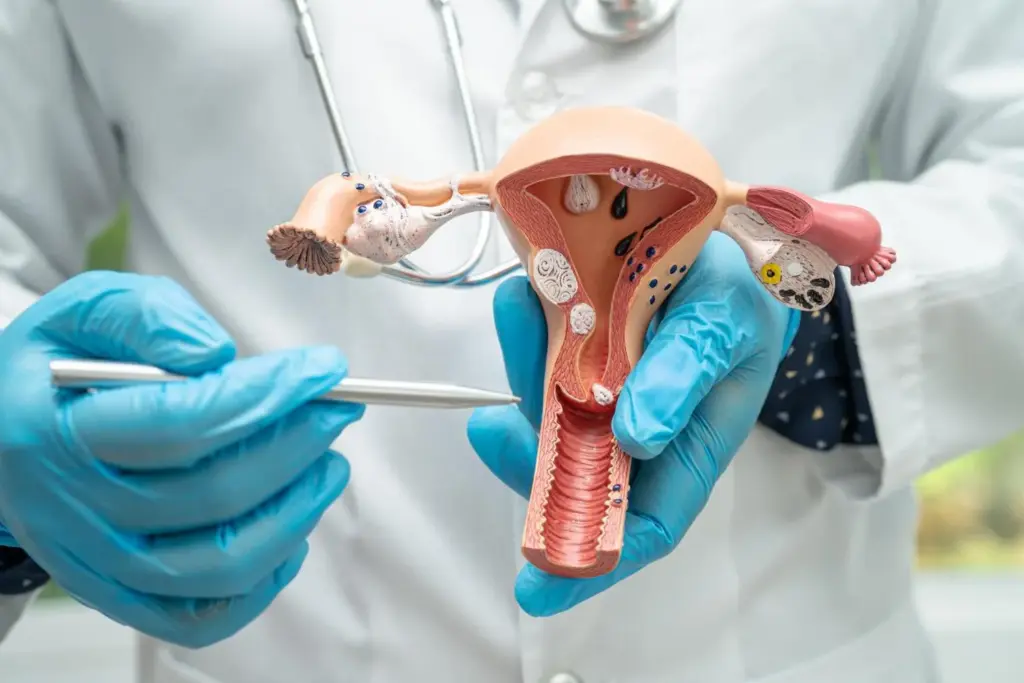
It’s important to know the difference in back pain symptoms between early and advanced ovarian cancer. This knowledge helps in getting medical help on time. As ovarian cancer gets worse, back pain can change a lot, showing how the disease is growing.
Back Pain in Early-Stage Ovarian Cancer
In the early stages, back pain might not be strong or happen often. Some people might feel mild pain in their belly or pelvis that spreads to their lower back. This pain comes from the tumor growing and pressing on nearby tissues.
Early ovarian cancer back pain can be mild and might be mistaken for other issues. Doctors need to think about ovarian cancer when they see women with ongoing or unusual pelvic or back pain.
Back Pain in Advanced-Stage Ovarian Cancer
When ovarian cancer gets worse, back pain can get much stronger and last longer. The tumor growing and spreading to other places can cause a lot of pain. Back pain in advanced ovarian cancer can include:
- Persistent and worsening pain in the lower back
- Radiating pain to the legs or hips
- Increased pain during certain activities or at night
This pain can really affect a patient’s life, making it important to manage it well.
How Pain Changes with Disease Progression
Ovarian cancer getting worse can change back pain symptoms a lot. As the disease gets more advanced, patients might see:
|
Symptom |
Early-Stage |
Advanced-Stage |
|---|---|---|
|
Intensity of Pain |
Mild, intermittent |
Severe, persistent |
|
Location of Pain |
Localized to pelvis or lower back |
Radiating to back, legs, or hips |
|
Impact on Daily Life |
Minimal disruption |
Significant impact on daily activities |
Seeing these changes is key for both patients and doctors to understand how the disease is getting worse. This helps in making treatment plans better.
Back pain is a big part of how ovarian cancer shows itself and gets worse. By understanding these changes, we can help patients more during their cancer journey.
Distinguishing Ovarian Cancer Back Pain from Common Back Problems
Ovarian cancer back pain can be hard to tell apart from regular back issues. It’s important to know the signs of ovarian cancer back pain to catch it early and treat it right.
Key Differences from Muscular or Spinal Pain
Ovarian cancer back pain is different from usual back pain. Common back pain comes from things like bad posture or muscle strain. But ovarian cancer back pain lasts longer and isn’t always linked to how you move or sit.
Characteristics that distinguish ovarian cancer back pain include:
- Persistence despite rest and common pain relief measures
- A deep, aching sensation that may radiate to other areas
- Association with other symptoms such as bloating, abdominal discomfort, or changes in bowel habits
Pain That Doesn’t Respond to Standard Treatments
One sign of ovarian cancer back pain is when it doesn’t get better with usual treatments. This includes things like physical therapy, NSAIDs, or muscle relaxants. If the pain keeps going, it’s time to look into it more.
Not getting better with usual treatments might mean there’s something more serious going on.
Red Flags That Suggest Cancer Instead of Routine Back Pain
Some signs point to ovarian cancer back pain instead of just regular back pain. These include:
|
Red Flag |
Description |
|---|---|
|
Unexplained Weight Loss |
Significant weight loss without changes in diet or exercise |
|
Abdominal Bloating |
Persistent feeling of fullness or swelling in the abdominal area |
|
Changes in Bowel or Bladder Habits |
Constipation, diarrhea, or changes in urination frequency |
|
Pelvic Pain |
Pain in the pelvic area that may radiate to the back |
Knowing these red flags can help spot ovarian cancer back pain. It helps both people and doctors take the right steps to find out what’s going on.
Other Conditions That Cause Similar Back Pain
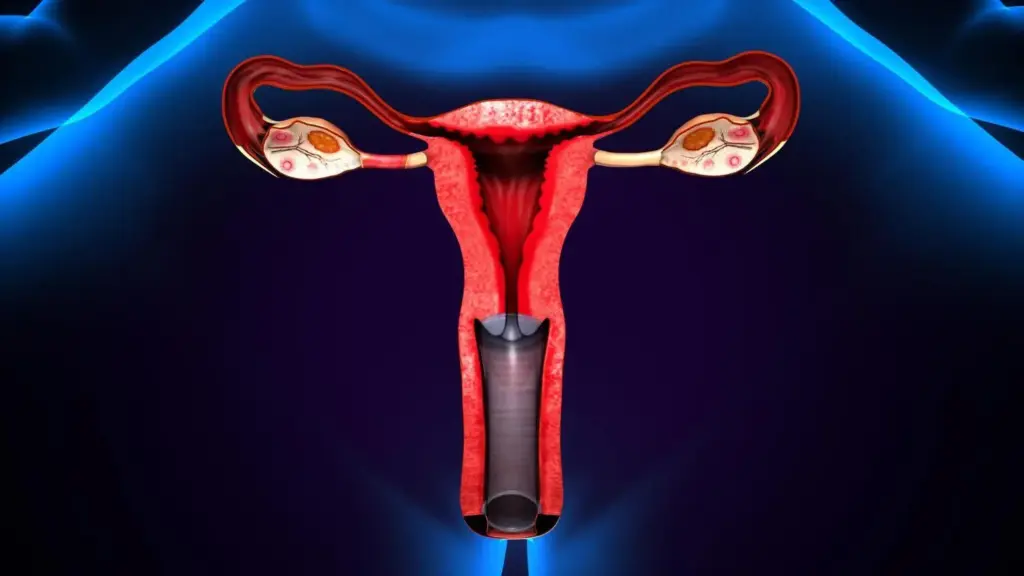
Back pain isn’t just from ovarian cancer. Ovarian cysts and endometriosis can also cause similar pain. Knowing about these conditions helps doctors make the right diagnosis and treatment.
Ovarian Cysts and Back Discomfort
Ovarian cysts are fluid-filled sacs on the ovaries. Most are harmless but big ones or ruptured ones can hurt a lot. This pain can feel sharp or dull and might spread to the lower back.
Symptoms of ovarian cysts include pelvic pain, bloating, and sometimes back pain. The pain’s intensity depends on the cyst’s size and if it’s ruptured.
Endometriosis-Related Back Pain
Endometriosis makes tissue like the uterus lining grow outside it, causing pain. This pain often hits the lower back, worse during periods. The pain can be tied to the menstrual cycle or constant.
The mechanism behind endometriosis-related pain is inflammation and adhesions that irritate nerves. Knowing this helps doctors diagnose and treat it better.
Fibroids and Other Benign Causes
Uterine fibroids are non-cancerous growths in or around the uterus. They can lead to back pain, mainly if they’re big or many. The pain comes from the pressure these growths put on nearby areas.
Other non-cancerous issues like adenomyosis or pelvic inflammatory disease can also cause back pain. It’s key to tell these apart from ovarian cancer with a detailed medical check-up.
Understanding the many reasons for back pain helps doctors give better diagnoses and treatments. This way, patients get the right care for their specific issue.
Additional Symptoms That May Accompany Back Pain
Ovarian cancer patients often face more than just back pain. They may also deal with a variety of symptoms that affect their daily life. These symptoms can be different and might not seem related to ovarian cancer at first.
Abdominal Bloating and Discomfort
Abdominal bloating is a common symptom with back pain. It happens when fluid builds up in the belly, a common issue with ovarian cancer. People might feel very full or have a feeling of pressure in their stomach. This discomfort can get worse if not treated.
Changes in Bowel and Bladder Habits
Ovarian cancer can also mess with bowel habits, causing constipation or diarrhea. The tumor can put pressure on the bowel or rectum. Bladder habits might change too, leading to more frequent urination or even not being able to urinate. These symptoms can be very upsetting and need medical help.
Fatigue, Weight Loss, and Systemic Symptoms
Fatigue and weight loss are common in ovarian cancer patients. Fatigue can be very strong and doesn’t always go away with rest. Unintentional weight loss is a big worry and might mean the cancer is advanced. These symptoms can come from the cancer itself or how the body reacts to it.
It’s key for patients and doctors to know about these symptoms. They can help figure out what’s going on and how to treat it. Spotting these symptoms early can really improve a patient’s life and might even change the disease’s course.
When to Seek Medical Attention for Back Pain
It’s important to know when back pain needs medical help. Back pain can mean different things, and knowing when to act is key. This helps catch problems early.
Duration and Persistence That Warrants Concern
If your back pain lasts more than a few weeks or gets worse, see a doctor. Persistent pain that doesn’t get better with rest or over-the-counter meds might mean a serious issue.
Look for these signs to know when to see a doctor:
- Lasts longer than 4 weeks
- Is severe and doesn’t improve with rest
- Is accompanied by other symptoms like fever, numbness, or weakness in the legs
Symptom Combinations That Require Immediate Evaluation
Some symptoms with back pain need quick medical help. For example, back pain with abdominal bloating, changes in bowel or bladder habits, or unexplained weight loss is a red flag.
Other warning signs include:
- Sudden severe back pain
- Pain that radiates down one or both legs
- Weakness, numbness, or tingling in the legs
Communicating Effectively with Healthcare Providers
Talking clearly with your doctor about back pain is vital. Tell them when your pain started, how bad it is, and what makes it better or worse.
Share these important details:
- The duration and characteristics of your back pain
- Any recent injuries or traumas
- Other symptoms you’re experiencing
- Any treatments or medications you’re currently using
By sharing all this info, your doctor can make a correct diagnosis and plan the right treatment.
Diagnostic Process for Suspected Ovarian Cancer

Diagnosing ovarian cancer is a detailed process. It starts with an initial check and then uses advanced tests. This step is important to find out if you have the disease and how far it has spread.
Initial Assessment and Physical Examination
The first step is a detailed medical history and physical exam. We look for symptoms like pelvic pain and bloating. A healthcare provider also does a pelvic exam to check for any issues.
Key components of the initial assessment include:
- Detailed medical history to identify risk factors and symptoms
- Pelvic examination to detect any abnormalities
- Evaluation of overall health and any other symptoms
Imaging Studies and Laboratory Tests
Next, we use imaging and lab tests to check further. These tests help find tumors and learn about them.
Common diagnostic tests include:
- Ultrasound to visualize the ovaries and detect any abnormalities
- CT scans or MRI to determine the extent of the disease
- Blood tests, such as the CA-125 test, to assess tumor markers
Specialist Referrals and Further Evaluation
If ovarian cancer is suspected or confirmed, we send patients to specialists. A team of experts, including gynecologic oncologists, works together. They plan a treatment that fits the patient’s needs.
Further evaluation may involve:
- Biopsy to confirm the diagnosis
- Staging tests to determine the extent of cancer spread
- Consultations with various specialists to discuss treatment options
Treatment Approaches for Ovarian Cancer-Related Back Pain
Managing back pain from ovarian cancer is key to improving life quality. Back pain can really affect daily life and happiness. So, it’s important to focus on care that covers all aspects.
Pain Management Strategies
Effective pain management is essential for addressing back pain associated with ovarian cancer. There are many ways to handle it, including:
- Medicines like analgesics and opioids, chosen based on the patient’s needs.
- Non-medical methods, such as physical therapy and acupuncture.
- Interventional procedures like nerve blocks for severe pain.
It’s important to work with healthcare providers to find the best pain management plan.
Cancer Treatments That Address Pain
Treatments that target ovarian cancer can also help with back pain. These include:
- Surgery to remove painful tumors.
- Chemotherapy and targeted therapy to shrink tumors.
- Radiation therapy to ease pain from tumors pressing on nerves.
By treating the cancer, these methods can also reduce back pain.
Integrative and Supportive Care Options
Integrative and supportive care are also important for managing back pain from ovarian cancer. This includes:
- Mind-body therapies like meditation and yoga to manage pain and stress.
- Nutritional support to keep the body healthy and strong.
- Emotional support from counselors, support groups, and loved ones.
These options can help traditional treatments work better, improving overall care and well-being.
Just like vaccines protect against flu and COVID-19, a complete treatment plan is essential for back pain from ovarian cancer. By using pain management, cancer treatments, and integrative care, patients can get the support they need to manage their condition well.
Living with Ovarian Cancer and Managing Chronic Back Pain
Living with ovarian cancer is tough. It’s not just the disease, but also its symptoms like chronic back pain. We need to think about how to manage this pain and keep patients well.
Daily Comfort Measures and Self-Care
Small changes in daily life can help with chronic back pain. These changes can make a big difference.
- Maintaining a healthy posture to reduce strain on the back
- Using heat or cold therapy to alleviate pain
- Engaging in relaxation techniques such as meditation or deep breathing
These self-care steps help manage pain and improve overall comfort.
Physical Therapy and Appropriate Exercise
Physical therapy is key for managing back pain. A good exercise plan can strengthen muscles, improve flexibility, and lessen pain.
Benefits of Physical Therapy:
- Improved mobility and strength
- Enhanced pain management
- Better overall physical function
It’s important to work with a healthcare provider to create a personalized exercise plan. This plan should match the patient’s needs and abilities.
Emotional Support and Coping Strategies
Emotional support is critical for ovarian cancer patients with chronic back pain. Coping strategies help manage the emotional side of the condition.
Support Mechanisms:
- Support groups for sharing experiences and advice
- Counseling or therapy to address emotional challenges
- Family and friends providing emotional support
Combining these support methods with medical treatment helps patients cope better.
Dealing with ovarian cancer and its symptoms requires a full care approach. Focusing on comfort, physical therapy, and emotional support can improve patients’ lives despite chronic back pain.
Conclusion
Understanding the link between ovarian cancer and back pain is key for early detection and treatment. We’ve looked at how back pain is linked to ovarian cancer, including its signs, causes, and why you should see a doctor.
Spotting back pain as a sign of ovarian cancer can greatly improve treatment results. Getting medical help quickly is vital for serious conditions like ovarian cancer. We’ve talked about how back pain can show up differently in ovarian cancer and how to tell it apart from regular back issues.
Knowing the signs and symptoms helps you take care of your health. If you have ongoing or severe back pain, and other symptoms like bloating or changes in bowel habits, see a doctor.
Early detection and treatment can greatly improve managing ovarian cancer and its back pain. We urge everyone to stay alert to their health and get medical advice if they’re worried about their symptoms.
FAQ
What are the common locations of back pain associated with ovarian cancer?
Ovarian cancer back pain often affects the lower back, flank, and pelvic area. This pain can spread to these spots due to tumors, inflammation, or cancer spreading.
How does ovarian cancer back pain differ from common back problems?
Ovarian cancer back pain gets worse over time and doesn’t get better with usual treatments. It’s often paired with other signs like bloating and changes in bowel habits.
Can ovarian cysts cause back pain similar to ovarian cancer?
Yes, ovarian cysts can lead to back discomfort. But, the pain from cysts is usually tied to the cyst’s size and if it’s ruptured or twisted. Ovarian cancer pain tends to get worse and last longer.
What are the characteristics of ovarian cancer-related back pain?
The pain can feel dull and aching, or stabbing and burning. It might stay the same or change, getting worse as the disease grows.
Are there other symptoms that accompany back pain in ovarian cancer?
Yes, symptoms like bloating, changes in bowel and bladder habits, fatigue, weight loss, and loss of appetite can also occur.
When should I seek medical attention for back pain?
See a doctor if your back pain doesn’t go away, gets worse, or comes with other worrying signs like bloating or bowel changes.
How is ovarian cancer diagnosed when back pain is a symptom?
Diagnosis starts with an initial check-up, physical exam, and imaging like ultrasound or CT scans. Lab tests and specialist referrals follow for more detailed checks.
What treatment approaches are available for ovarian cancer-related back pain?
Treatments include pain relief, cancer treatments like surgery, chemotherapy, or targeted therapy, and supportive care like physical therapy and emotional support.
Can endometriosis cause back pain similar to ovarian cancer?
Yes, endometriosis can cause back pain, mainly if implants are near the pelvic or lower back. But, the pain patterns and symptoms can vary.
How can I manage chronic back pain while living with ovarian cancer?
Managing chronic back pain involves comfort measures, physical therapy, exercise, and emotional support. Working closely with your healthcare team is key to a personalized pain plan.
Will ovarian cancer back pain respond to standard back pain treatments?
Often, ovarian cancer back pain doesn’t get better with usual treatments. This is because the pain comes from the cancer itself, which needs specific treatment.
Can lower back pain be a symptom of ovarian cancer?
Yes, lower back pain can be a sign of ovarian cancer, often if the cancer has spread to nearby tissues or caused inflammation and fluid buildup.
What is the role of metastasis in ovarian cancer back pain?
Metastasis can cause back pain by spreading to nearby tissues, bones, or nerves. This can lead to severe and ongoing pain.
How does tumor growth contribute to ovarian cancer back pain?
Tumor growth can cause back pain by pressing on surrounding tissues, nerves, and organs. This can lead to dull, aching, or stabbing pain.
Reference
MyOvarianCancerTeam. Ovarian Cancer and Back Pain: What to Know. https://www.myovariancancerteam.com/resources/ovarian-cancer-and-back-pain-what-to-know
Ovarian Cancer Action (UK). Pain and Ovarian Cancer. https://ovarian.org.uk/ovarian-cancer/pain-and-ovarian-cancer/
PubMed. Research. https://pubmed.ncbi.nlm.nih.gov/15187051/
NCBI. PMC article. https://pmc.ncbi.nlm.nih.gov/articles/PMC9126568/
Cancer Research UK. Ovarian Cancer Symptoms. https://www.cancerresearchuk.org/about-cancer/ovarian-cancer/symptoms