

Ovarian cancer pain can be hard to spot early. Knowing where this pain is felt is key to getting help fast. At Liv Hospital, we stress the need to catch ovarian cancer signs early.
The pain from ovarian cancer usually hits the lower belly, pelvis, and back. Spotting these signs early can lead to better treatment results.
We aim to give top-notch care to ovarian cancer patients. By linking ovarian cancer symptoms to the disease, we help find and treat it early.
Key Takeaways
- Ovarian cancer pain is often subtle and can be misattributed to other causes.
- The pain is typically located in the lower abdomen, pelvis, and back.
- Early detection is key for effective treatment.
- Liv Hospital offers full care for ovarian cancer patients.
- Knowing ovarian cancer symptoms can lead to better treatment.
Understanding Ovaries and Their Function

Knowing about ovaries is key to understanding women’s health. This includes fertility and how hormones work. The ovaries are a critical part of the female body.
We will look at where ovaries are and what they do. We’ll also talk about their normal work and common problems.
Anatomical Location of Ovaries in the Body
Ovaries are two small, oval organs on each side of the uterus in the pelvis. They are close to the fallopian tubes, which help the egg move to the uterus. Ligaments hold the ovaries in place, connecting them to the uterus and pelvic wall.
The anatomical location of the ovaries is important. It affects symptoms if there are problems, like ovarian cysts. Knowing this helps find and fix issues early.
Normal Ovarian Function and Common Issues
Ovaries do two main things: they make eggs for fertilization and hormones for the menstrual cycle and pregnancy. The main hormones are estrogen and progesterone, vital for the reproductive cycle.
Issues like ovarian cysts can affect how ovaries work. These are fluid-filled sacs on the ovaries. Most are harmless but some cause pain or discomfort. Knowing what does an ovarian cyst feel like helps spot problems early.
Symptoms of ovarian cysts include pelvic pain, bloating, and discomfort during activities. Spotting these symptoms early means getting medical help sooner.
Ovarian Cancer: An Overview
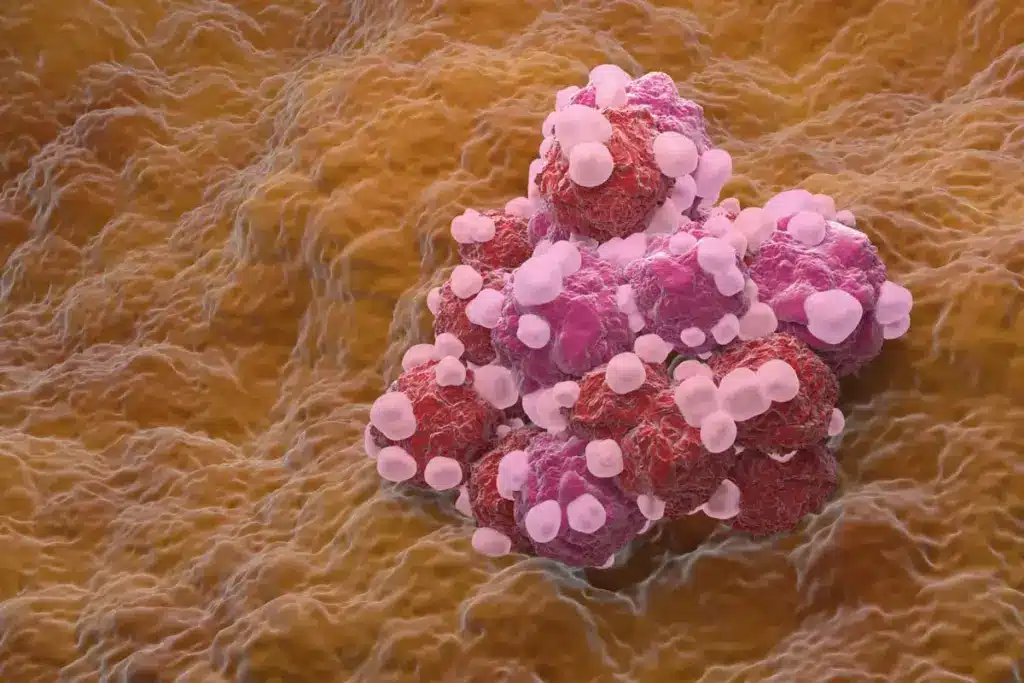
Ovarian cancer has a big impact on women’s health. It’s a complex disease with different types and stages. At Liv Hospital, we use the latest methods to care for our patients.
Types and Stages of Ovarian Cancer
Ovarian cancer is divided into several types. The most common is epithelial ovarian cancer, making up about 90% of cases. Other types include germ cell tumors and sex cord-stromal tumors. Knowing the type and stage helps us choose the best treatment.
Staging ovarian cancer is key to understanding the prognosis and treatment. Stages range from I (early) to IV (advanced). show accurate staging is vital.
|
Type of Ovarian Cancer |
Description |
Frequency |
|---|---|---|
|
Epithelial Ovarian Cancer |
Originates from the outer layer of the ovary |
About 90% |
|
Germ Cell Tumors |
Develops from the cells that produce eggs |
About 5% |
|
Sex Cord-Stromal Tumors |
Arises from the stromal cells surrounding the egg cells |
Rare |
Risk Factors and Prevalence
Several factors increase the risk of ovarian cancer. These include genetic mutations, family history, age, and reproductive factors. Knowing these helps us identify high-risk patients and promote early detection.
Ovarian cancer is the fifth leading cause of cancer deaths in women in the U.S. It’s estimated there will be over 21,000 new cases this year, leading to over 13,000 deaths. Early detection is critical for better survival rates.
Why Early Detection is Challenging
Early detection of ovarian cancer is hard because symptoms are non-specific. Symptoms like bloating, pelvic pain, and difficulty eating are often ignored. Improving awareness of these symptoms is key to early detection.
At Liv Hospital, we stress the importance of regular check-ups and screenings for high-risk women. By raising awareness and using advanced diagnostic techniques, we aim to improve outcomes for ovarian cancer patients.
Primary Locations of Ovary Pain in Cancer Patients
Ovarian cancer pain often shows up in specific body areas. This is key for catching it early. More than 70% of high-risk, early-stage patients feel abdominal or pelvic pain, pressure, or fullness. Spotting these signs is vital for treatment.
Lower Abdominal Discomfort
Lower abdominal pain is a common sign of ovarian cancer. This pain can feel like a dull ache or a sharp pain. It’s often mistaken for less serious issues. As , knowing what this pain feels like is important for diagnosis.
Pelvic Region Pain Patterns
Pain in the pelvic area is another key sign of ovarian cancer. This pain can be constant or come and go. It might also be accompanied by bloating or irregular periods. It’s important to tell the difference between normal pelvic pain and pain that could be from ovarian cancer.
Back Pain as a Critical Warning Sign
Back pain can also signal ovarian cancer, if it lasts and has no clear cause. This pain might be due to cancer spreading or nerves being pressed. Early detection is key, and back pain should be checked by a doctor.
Understanding ovarian cancer better helps us see the importance of knowing where pain usually shows up. By spotting these signs and getting medical help fast, patients can get the treatment they need sooner.
“Early detection of ovarian cancer is key for effective treatment and better survival rates.”
How Ovarian Cancer Pain Radiates Through the Body
It’s important to know how ovarian cancer pain spreads. This knowledge helps in managing and caring for patients. Ovarian cancer pain can reach different parts of the body, making diagnosis and treatment hard. We are dedicated to helping our patients with all their needs.
Pain Extending to Inner Thighs and Calves
Pain from ovarian cancer often goes to the inner thighs and calves. This pain might seem like it comes from another issue. But, in ovarian cancer, it’s due to nerves being compressed by tumors.
Referred pain happens when pain is felt in a place other than where it started. For ovarian cancer, this means pain in the inner thighs and calves. It’s because nerves nearby the tumor get involved.
Buttocks and Hip Discomfort
Pain from ovarian cancer can also hit the buttocks and hips. This is often because the cancer has spread to nearby tissues and nerves. We focus on thorough checks and pain management to ease this discomfort.
The complexity of pain radiation in ovarian cancer shows we need a team effort in care. Our team works together to meet each patient’s unique needs. We aim to manage pain effectively for everyone.
Unilateral vs. Bilateral Pain Distribution
Ovarian cancer pain can be on one side (unilateral) or both sides (bilateral). Knowing where the pain is helps us figure out how far the cancer has spread. This is key for diagnosing the disease.
In some cases, ovarian cancer causes bilateral pain, showing it’s more advanced. We use advanced tests to see how far the cancer has spread. Then, we plan the best treatment.
Understanding how ovarian cancer pain spreads helps us care for patients better. We’re committed to giving personalized support to those with ovarian cancer.
Recognizing Left Ovary Pain in Cancer Patients
Left ovary tenderness can be an early sign of ovarian cancer. It’s important to know the signs of left ovary pain for early detection and treatment. Ovarian cancer often causes pain on one side, and knowing this can help patients get medical help quickly.
Characteristics of Left Ovary Tenderness
Describing left ovary pain from ovarian cancer as deep and aching could be complemented by a bulleted list detailing common sensations such as pressure, heaviness, or sharp pains for clearer understanding. This pain can last a long time and get worse. It usually happens on one side, the left side.
People describe left ovary tenderness in different ways. Some common descriptions include:
- A dull ache in the lower left abdomen
- A feeling of pressure or heaviness in the pelvic region
- Sharp pains that occur intermittently
When Left Ovary Ache Signals Cancer
Left ovary pain can have many causes, but it’s important to know when it might mean cancer. If you have persistent or severe pain, see a doctor. Early detection is key to effective treatment.
Some things that might raise your risk of ovarian cancer include:
- A family history of ovarian or breast cancer
- Genetic mutations such as BRCA1 or BRCA2
- Previous history of cancer
Differentiating Normal from Abnormal Left-Sided Pain
Telling normal pain from abnormal pain on the left side can be hard. Normal pain might come from menstrual cycles or other harmless conditions. But if the pain is constant, severe, or with other symptoms like bloating or weight loss, get medical help.
It’s important to watch for any changes in your body and see a doctor if you’re worried about left ovary pain. Early detection and diagnosis can significantly impact treatment outcomes.
Right-Sided Ovary Pain and Cancer Correlation
It’s important to understand the link between right-sided ovary pain and ovarian cancer. This knowledge helps in early detection and treatment. Right ovary pain can have many causes, and it’s key to tell the difference between harmless and serious ones.
Unique Features of Right Ovary Cancer Pain
Right ovary cancer pain has specific signs that set it apart from other issues. Persistent and severe pain in the right lower abdomen is a common symptom. This pain might also be accompanied by bloating, pelvic discomfort, and feeling full quickly.
Distinguishing from Appendicitis and Other Conditions
Diagnosing right ovary pain can be tricky because it’s similar to appendicitis. But there are differences. Appendicitisusually starts with pain near the navel, then moves to the lower right, with fever and nausea. Ovarian cancer pain, on the other hand, is more constant and often comes with irregular periods and swelling.
|
Condition |
Common Symptoms |
Pain Characteristics |
|---|---|---|
|
Ovarian Cancer |
Bloating, pelvic discomfort, difficulty eating |
Persistent, severe, localized to lower abdomen |
|
Appendicitis |
Fever, nausea, loss of appetite |
Starts around navel, moves to lower right abdomen |
Case Studies and Patient Experiences
Many case studies show the importance of considering ovarian cancer when diagnosing right ovary pain. For example, a patient with persistent pain was first thought to have appendicitis but was found to have ovarian cancer. These stories highlight the need for detailed evaluations and tests.
At Liv Hospital, we focus on giving thorough care and support to those with right ovary pain. We address their specific needs and concerns. Early detection and proper treatment can greatly improve outcomes for ovarian cancer patients.
The Nature and Quality of Ovary Pain
Understanding ovary pain is key to treating ovarian cancer well. Ovary pain from cancer can feel different. Knowing these differences helps catch cancer early and manage it right.
Deep, Aching Sensations vs. Sharp Pain
Ovarian cancer pain can feel like deep, aching or sharp. The aching pain is a dull, ongoing discomfort in the lower belly or pelvis. It’s often mistaken for other common issues. Sharp pain, on the other hand, is sudden and intense.
It’s important to tell these pains apart. Aching pain might mean a tumor is growing. Sharp pain could mean a sudden problem like a rupture or torsion.
Pain Intensity Progression Over Time
Ovary pain can get worse over time, often as cancer grows. At first, the pain might be mild and not always there. But as the tumor gets bigger, the pain gets stronger and lasts longer, affecting daily life.
- Pain intensity can vary a lot from person to person.
- The pain’s change often matches the cancer’s stage.
- Watching how pain changes is key to knowing how the disease is growing.
Pain Triggers and Relieving Factors
Finding out what makes pain better or worse is important. Things like heavy lifting or hard exercise can make pain worse. But rest, relaxation, and certain pain relief methods can help.
“Understanding the triggers and relieving factors of ovary pain can significantly improve the quality of life for ovarian cancer patients.” – Expert in Gynecologic Oncology
At Liv Hospital, we focus on personalized care for ovarian cancer patients. Our team works with patients to find the best pain management plans for them.
Early Warning Signs: My First Symptoms of Ovarian Cancer
Ovarian cancer often starts with small symptoms that are easy to miss. Women might feel vague discomfort that doesn’t seem serious. It’s important to know these signs early to get medical help quickly.
Subtle Pain Patterns Often Dismissed
More than 70% of women with early ovarian cancer feel pain in their belly or pelvis. This pain can be mild and come and go. It’s often ignored, leading to late medical visits.
- Mild pelvic discomfort
- Occasional abdominal bloating
- Frequent urination
- Vague lower back pain
These symptoms are often thought to be from less serious issues. This can cause a delay in finding out the real problem.
Accompanying Non-Pain Symptoms
Ovarian cancer can also cause symptoms that aren’t pain. These include:
- Unexplained weight loss or gain
- Changes in bowel habits
- Loss of appetite
- Fatigue
These signs are just as important as pain in spotting ovarian cancer. Spotting these symptoms together is key to catching it early.
Timeline from First Pain to Diagnosis
The time from first symptoms to diagnosis varies. It depends on when symptoms start and the person’s health. Usually, women wait a few months before seeing a doctor.
Quickly noticing these signs and getting medical help can greatly improve treatment and outcomes.
Advanced Ovarian Cancer Pain Manifestations
Ovarian cancer that has grown can cause a lot of pain and discomfort. This is because of the tumor’s growth and the compression of nerves. It’s very important to manage this pain well to improve a patient’s life quality.
Tumor Growth and Nerve Compression Effects
Ovarian tumors growing can press on nerves, leading to severe pain. This pain might stay in one place or spread to other areas. Nerve compression is a big problem in advanced ovarian cancer, making pain control harder.
As tumors grow, they can also send pain signals to other parts of the body. This is because of shared nerve roots. This makes it hard to figure out and treat the pain.
Lymphatic Involvement and Referred Pain
Cancer spreading to lymph nodes is another big pain factor in advanced ovarian cancer. This can cause pain in the lower back, pelvis, and legs. Knowing how lymphatic pathways work is key to finding where the pain comes from.
|
Region Affected |
Common Pain Characteristics |
|---|---|
|
Lower Back |
Dull ache, sometimes radiating to the pelvis |
|
Pelvis |
Sharp pain, often exacerbated by movement |
|
Legs |
Pain or discomfort, potentially accompanied by swelling |
Managing Intensified Pain in Later Stages
Dealing with pain in advanced ovarian cancer needs a team effort. This includes doctors, surgeons, and other therapies. We create special plans for each patient to help them live better.
Good pain management is not just about medicine. It also means making lifestyle changes and getting support. By meeting the complex needs of patients, we can reduce their pain and improve their life quality.
Differentiating Ovarian Cancer from Other Causes of Ovary Pain
It’s key to know the difference between ovarian cancer pain and other ovary pain. This helps in getting the right diagnosis and treatment. At Liv Hospital, we focus on telling these conditions apart to give the best care.
What Does an Ovarian Cyst Feel Like vs. Cancer
Ovarian cysts are fluid-filled sacs on the ovaries that can hurt a lot. Both cysts and cancer can cause pelvic pain, but the pain feels different. Cysts often cause sharp pain, while cancer pain starts as a dull ache that gets worse.
Key differences between ovarian cyst pain and ovarian cancer pain:
- Intensity: Ovarian cyst pain can be sudden and severe, while ovarian cancer pain tends to be more gradual.
- Duration: Ovarian cyst pain may resolve once the cyst is absorbed or surgically removed, whereas ovarian cancer pain persists as the disease progresses.
- Associated symptoms: Ovarian cancer is often accompanied by other symptoms such as bloating, weight loss, and changes in bowel habits, which are less common with ovarian cysts.
Woman Gas Pain Locations Compared to Ovarian Issues
Gas pain can feel like ovarian pain because it also happens in the lower abdomen. But gas pain is usually from digestive problems and feels different. It doesn’t stay or get worse like ovarian pain does.
|
Characteristics |
Gas Pain |
Ovarian Pain |
|---|---|---|
|
Nature |
Colicky, crampy |
Dull ache, sharp pain |
|
Location |
Variable, often lower abdomen |
Pelvic region, can radiate to lower back |
|
Associated Symptoms |
Bloating, flatulence, bowel changes |
Bloating, pelvic discomfort, urinary symptoms |
Endometriosis and Similar Conditions
Endometriosis can also cause pelvic pain like ovarian cancer. It’s when tissue like the uterus lining grows outside, causing pain. Endometriosis pain is tied to menstrual cycles, unlike ovarian cancer pain which is constant.
“Accurate diagnosis requires a thorough understanding of the patient’s symptoms and medical history. Conditions like endometriosis and ovarian cysts can mimic ovarian cancer, making it critical to consider all possibilities.” – Expert Opinion
At Liv Hospital, we use a team approach to find and treat ovary pain. This way, we can focus on the real cause of the pain. By knowing the difference between various pains, we can give our patients the right treatment and support.
When to Seek Medical Attention for Ovary Pain
Knowing when to get medical help for ovary pain is key. It helps catch problems early and treat them right. Ovary pain is a symptom that needs quick attention.
Red Flag Symptoms That Shouldn’t Be Ignored
Some symptoms with ovary pain are red flags. They mean you should see a doctor right away. These include:
- Severe or persistent pain
- Abnormal vaginal bleeding
- Fever or chills
- Bloating or swelling in the abdominal area
- Difficulty eating or feeling full quickly
If you have any of these, go see a doctor. Early detection is key to managing ovarian health effectively.
Communicating Effectively With Healthcare Providers
Talking to a healthcare provider about ovary pain is important. You should:
- Describe the pain in detail, including its location, intensity, and duration
- Tell them what makes the pain better or worse
- Share any other symptoms you’re feeling
Clear communication helps healthcare providers make accurate diagnoses and develop appropriate treatment plans.
Advocating for Proper Testing
If you have persistent or severe ovary pain, ask for the right tests. This might include:
- Pelvic exams
- Imaging tests such as ultrasound or CT scans
- Blood tests to check for specific biomarkers
Proper testing is key to finding the cause of ovary pain and the best treatment.
At Liv Hospital, we care deeply about our patients with ovary pain. Our team works hard to meet each patient’s unique needs. We aim to give the best care possible.
Diagnosis and Treatment of Ovarian Cancer Pain
Ovarian cancer pain needs a full approach for diagnosis and treatment. At Liv Hospital, we focus on managing pain to better patient outcomes and life quality.
Diagnostic Approaches and Testing
Diagnosing ovarian cancer pain uses clinical checks, imaging, and lab tests. We use tools like ultrasound, CT scans, and MRI to see how far the disease has spread and why it hurts.
Diagnostic Tests include:
- Pelvic exam to check for masses or tenderness
- Imaging studies (ultrasound, CT, MRI) to see tumor size and spread
- Laboratory tests (CA-125, HE4) to track tumor markers
- Biopsy to confirm the diagnosis
Medical and Surgical Pain Management
Managing pain is key for ovarian cancer patients. We use medical and surgical methods to reduce pain and make patients more comfortable.
|
Approach |
Description |
Benefits |
|---|---|---|
|
Pharmacological Management |
Use of analgesics, opioids, and adjuvant therapies |
Rapid pain relief, adjustable dosing |
|
Surgical Intervention |
Removal of tumors, debulking, and palliative surgery |
Potential for significant pain reduction, improved outcomes |
Complementary Approaches for Pain Relief
Complementary therapies are also important for managing ovarian cancer pain. We offer acupuncture, massage therapy, and psychological counseling to help patients feel better.
Complementary Therapies may include:
- Acupuncture to reduce pain and improve quality of life
- Massage therapy to ease muscle tension and relax
- Cognitive-behavioral therapy to address pain-related distress
By mixing conventional treatments with complementary therapies, we offer full care. This addresses the physical, emotional, and psychological needs of ovarian cancer patients.
Conclusion
Understanding ovarian cancer pain is key to early detection and treatment. Ovarian cancer pain is complex and needs a detailed approach. At Liv Hospital, our team works hard to give the best care to ovarian cancer patients.
Knowing where and how ovarian cancer pain occurs is vital. It helps us spot high-risk patients and plan their treatment. Early and accurate diagnosis improves treatment results and quality of life for patients.
We are committed to top-notch healthcare and support for international patients. Our team uses a detailed approach to care for ovarian cancer. We aim to provide caring and understanding to our patients, ensuring they get the best treatment.
FAQ
Where is ovarian cancer pain typically located?
Ovarian cancer pain usually happens in the lower belly, pelvis, and back. It can also spread to the inner thighs, calves, buttocks, and hips.
What are the common symptoms of ovarian cancer?
Symptoms include lower belly discomfort, pelvic pain, and back pain. Other signs are bloating, swelling, and changes in bowel habits.
How does ovarian cancer pain feel like?
The pain can feel deep and aching or sharp. It can change in intensity and feel better or worse with different things.
What is the difference between ovarian cyst pain and ovarian cancer pain?
Ovarian cyst pain is sharp and local, while cancer pain is deeper and more widespread. Cyst pain is usually one-time, but cancer pain can last longer.
Can gas pain be mistaken for ovarian cancer pain?
Yes, gas pain can feel like ovarian cancer pain. But gas pain is usually from digestive issues. It can be told apart from cancer pain with the right tests.
When should I seek medical attention for ovary pain?
See a doctor if your ovary pain doesn’t go away or is very bad. Also, if you have bloating, swelling, or bowel changes.
How is ovarian cancer pain diagnosed?
Doctors use your medical history, a physical check, imaging, and lab tests to find the cause of pain.
What are the treatment options for ovarian cancer pain?
Treatments include medicine and surgery for pain. There are also pain relief therapies and changes in lifestyle.
Can ovarian cancer pain be managed effectively?
Yes, with
References:
- Bjørge, T., Bastiaannet, E., & Engeland, A. (2023). Pain as a symptom of ovarian cancer: Clinical features and outcomes. PMC. Retrieved from https://pmc.ncbi.nlm.nih.gov/articles/PMC9126568/