

Do you have irregular periods or fertility challenges? Maybe you’re not sure if you’re ovulating normally? Ovulation problems are common and affect many women. They are a big reason for infertility, but often go unnoticed because the symptoms are subtle or missing.
Knowing the signs and symptoms of ovulation issues is key to getting your reproductive health back. At Liv Hospital, we use international medical standards and focus on our patients to tackle these complex problems.
About 10 percent of women in the United States face fertility issues, with ovulation disorders being a big part of this. Spotting the signs of ovulation problems can lead you to get the medical help you need. This can boost your chances of getting pregnant.
Key Takeaways
- Ovulation problems are a common cause of infertility in women.
- Understanding the signs and symptoms is key for reproductive health.
- Liv Hospital offers patient-centered care for ovulation issues.
- Approximately 10% of women in the US face fertility problems.
- Spotting ovulation disorders can help improve your chances of getting pregnant.
Understanding the Ovulation Process
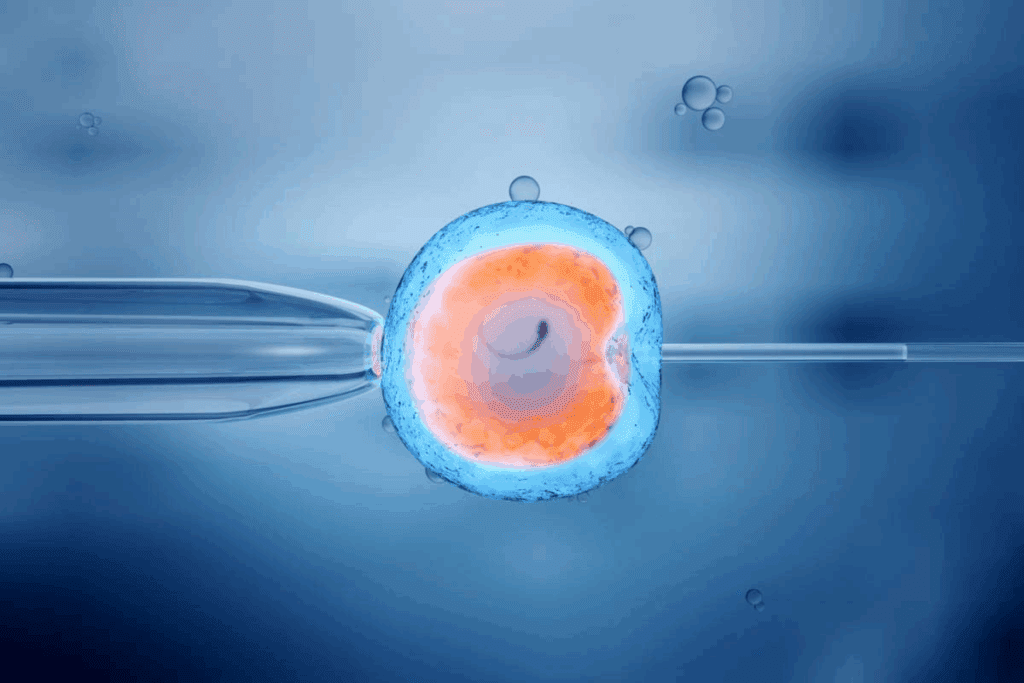
To understand ovulation issues, we first need to know how ovulation works normally. It’s a key part of the menstrual cycle. Ovulation involves many changes in the body and hormones.
The Normal Menstrual Cycle
The menstrual cycle is a monthly cycle that gets the body ready for pregnancy. It has different phases, with ovulation being a key moment. A typical cycle lasts about 28 days, but it can vary from 21 to 35 days.
Phases of the Menstrual Cycle:
- Menstruation: The cycle starts with menstruation, where the uterus sheds its lining if no pregnancy occurs.
- Follicular Phase: After menstruation ends, the follicular phase begins. During this time, follicles in the ovaries grow.
- Ovulation: Around day 14 of a 28-day cycle, ovulation happens. A mature follicle releases an egg.
- Luteal Phase: After ovulation, the luteal phase starts. The empty follicle forms the corpus luteum, making progesterone.
How Ovulation Occurs
Ovulation is triggered by a surge in luteinizing hormone (LH) from the pituitary gland. This surge makes the dominant follicle release an egg. The egg then travels through the fallopian tube.
“The LH surge is a critical event in the ovulation process, marking the transition from the follicular phase to the luteal phase.”
The released egg is ready for fertilization for about 24 hours. If sperm is present, fertilization can happen, leading to pregnancy.
Hormones Involved in Ovulation
Several hormones are key in the ovulation process:
| Hormone | Function |
|---|---|
| Estrogen | Promotes the growth of follicles and thickens the uterine lining. |
| Luteinizing Hormone (LH) | Triggers ovulation by causing the release of the mature egg. |
| Progesterone | Prepares the uterine lining for implantation of a fertilized egg. |
Knowing about these hormonal changes and the ovulation process helps us understand fertility and reproductive health. Recognizing ovulation signs, like changes in cervical mucus and basal body temperature, is also helpful.
The Prevalence of Ovulation Issues in Women

It’s key to grasp how common ovulation problems are for women. These issues play a big role in fertility issues, hitting many women around the world.
In the U.S., about 10 percent of women face fertility problems, with ovulation issues being a big reason. These problems can hit women of all ages and backgrounds. They can really affect their ability to have children.
Statistics on Ovulation Disorders
Research shows ovulation disorders are a top cause of infertility. The American Society for Reproductive Medicine says these issues affect a lot of women trying to get pregnant. The exact number varies, but it’s a big problem for many.
Demographics Most Affected
Ovulation problems can hit any woman, but some groups face them more often. For example, women with polycystic ovary syndrome (PCOS) often have trouble ovulating.
Impact on Reproductive Health
Ovulation issues have a big impact on reproductive health. They can make it hard for women to get pregnant. They can also affect their overall health and happiness.
By understanding how common ovulation problems are, we can help women more. We can support them in overcoming fertility issues and improving their lives.
Primary Signs and Symptoms of Ovulation Issues
Knowing the signs of ovulation problems is key for women trying to get pregnant or manage their health. These issues can change menstrual cycles and overall health.
Irregular or Absent Periods
Irregular or missing periods are common signs of ovulation issues. Women might have oligomenorrhea (few periods) or amenorrhea (no periods).
Hormonal imbalances or other factors can cause these irregularities. Keeping track of menstrual cycles can help spot patterns and problems.
Abnormal Vaginal Bleeding
Abnormal vaginal bleeding is another sign of ovulation problems. This includes heavy or prolonged bleeding, spotting between periods, or bleeding after sex.
Such bleeding can be due to hormonal changes or other conditions that affect ovulation.
Unpredictable Menstrual Cycles
Unpredictable menstrual cycles are also a sign of ovulation issues. Women may find it hard to guess when their next period will come.
This unpredictability can be due to irregular ovulation or other factors affecting the cycle.
| Symptom | Description | Possible Cause |
|---|---|---|
| Irregular or Absent Periods | Infrequent or absent menstrual bleeding | Hormonal imbalances, ovulation disorders |
| Abnormal Vaginal Bleeding | Heavy, prolonged, or irregular bleeding | Hormonal fluctuations, underlying medical conditions |
| Unpredictable Menstrual Cycles | Variations in cycle length and irregularity | Irregular ovulation, hormonal imbalances |
Secondary Symptoms Associated with Ovulation Problems
Secondary symptoms of ovulation problems can give us clues about our reproductive health. While we know about irregular periods, these secondary signs offer a deeper look into ovulation issues.
Mood Changes and Emotional Symptoms
Hormonal shifts during ovulation can cause mood swings. You might feel irritable, anxious, or depressed. These feelings can really affect your daily life.
Unexplained Weight Fluctuations
Some women notice sudden weight changes due to ovulation problems. This can happen because of hormonal imbalances affecting metabolism and water retention.
Physical Discomfort and Pain
During ovulation, you might feel physical discomfort. This includes breast tenderness and mittelschmerz, a sharp pain in the lower abdomen. This pain can last from a few minutes to hours.
Changes in Cervical Mucus
Ovulation changes how your cervical mucus feels. It becomes more fertile-friendly around ovulation time. If your mucus doesn’t follow this pattern, it could signal ovulation issues.
| Symptom | Description | Possible Cause |
|---|---|---|
| Mood Changes | Irritability, anxiety, depression | Hormonal fluctuations |
| Weight Fluctuations | Unexplained gain or loss | Metabolic changes, water retention |
| Physical Discomfort | Breast tenderness, mittelschmerz | Hormonal changes, ovulation pain |
| Cervical Mucus Changes | Alterations in mucus consistency | Hormonal influences on cervical mucus |
Polycystic Ovary Syndrome (PCOS) and Ovulation
PCOS is a big problem for women’s reproductive health. It’s a complex disorder that affects many women worldwide. It causes symptoms that can affect daily life and fertility.
PCOS as a Leading Cause of Ovulation Issues
PCOS is marked by irregular periods, cysts on the ovaries, and hormonal imbalance. These issues make it hard for women with PCOS to get pregnant. The hormonal problems disrupt the ovulation process, leading to irregular or no periods.
Key factors contributing to ovulation issues in PCOS:
- Hormonal imbalances, like too much androgen
- Insulin resistance and metabolic syndrome
- Cysts on the ovaries, seen on ultrasound
Distinctive Symptoms of PCOS
PCOS symptoms vary among women. Common signs include:
- Irregular or no periods
- Hirsutism (too much hair on the face, chest, and back)
- Acne and oily skin
- Male pattern baldness
- Weight gain and obesity
Every woman with PCOS is different, and not all will show all these symptoms.
Long-term Health Implications
PCOS is more than just a reproductive issue. It also affects long-term health. Women with PCOS are at higher risk for:
| Health Risk | Description |
|---|---|
| Type 2 Diabetes | Insulin resistance makes women with PCOS more likely to get type 2 diabetes. |
| Cardiovascular Disease | Metabolic syndrome linked to PCOS raises the risk of heart disease. |
| Endometrial Cancer | Unbalanced estrogen levels from irregular cycles can increase endometrial cancer risk. |
PCOS Management Strategies
Managing PCOS needs a mix of treatments for reproductive and metabolic issues. Treatment options include:
- Lifestyle changes: diet and exercise to improve insulin sensitivity
- Hormonal treatments: birth control pills to regulate cycles and lower androgen levels
- Fertility treatments: medications to help ovulate
- Medications for symptoms: anti-androgens for hair and acne
Understanding PCOS and its effects on ovulation helps women manage symptoms and improve reproductive health. It’s important to talk to a healthcare provider to create a personalized treatment plan.
Other Common Causes of Ovulation Issues
Ovulation can be affected by many things, like hormonal imbalances and lifestyle choices. While PCOS is well-known, other health problems and lifestyle habits can also impact ovulation.
Hormonal Imbalances
Hormonal imbalances play a big role in ovulation problems. The body needs a fine balance of hormones for regular ovulation. When this balance is off, ovulation can become irregular or stop.
We’ll look into how hormonal imbalances affect ovulation and what health issues are linked to them.
Thyroid Disorders
Thyroid problems, like hypothyroidism and hyperthyroidism, can mess with ovulation. The thyroid gland helps control metabolism and hormone levels. Thyroid issues can mess with ovulation by changing hormone production in the menstrual cycle.
It’s key to understand how thyroid health affects ovulation to diagnose and treat ovulation problems linked to thyroid issues.
Excessive Exercise and Low Body Weight
Excessive exercise and being underweight can also cause ovulation problems. Women who exercise too much or have a very low BMI may see their menstrual cycle and ovulation get disrupted.
We’ll talk about how these lifestyle factors affect ovulation and how to keep a healthy balance.
Stress and Its Impact
Stress can also greatly affect ovulation. High stress levels can mess with hormone balance, leading to ovulation issues. Chronic stress can mess with the hypothalamus, the brain part that controls hormone production, affecting ovulation.
Using stress management techniques can help lessen its impact on ovulation.
The Connection Between Ovulation Issues and Infertility
Ovulation disorders are a big part of fertility problems for women. This makes it very important to focus on. The journey to conceive can be tough, and ovulation issues are a big part of it.
Impact on Conception
Ovulation problems can make it hard for women to get pregnant, leading to infertility. When ovulation is off, it messes up the chance to conceive. It’s key for women trying to get pregnant to understand this.
Key factors affected by ovulation issues include:
- Irregular or absent ovulation
- Poor egg quality
- Inadequate luteal phase
Recognizing Fertility Warning Signs
Spotting fertility warning signs early can help a lot with ovulation-related infertility. We suggest keeping an eye out for these signs:
- Irregular menstrual cycles
- Prolonged or heavy bleeding
- Severe menstrual cramps
- Changes in cervical mucus
Emotional Impact of Infertility
The emotional side of infertility is huge. Women with ovulation issues often feel bad, anxious, and depressed. We know how hard it is and how important support is during this time.
It’s key to deal with the emotional side of infertility for full care.
When to Seek Fertility Treatment
Knowing when to get fertility help is important for women with ovulation issues. We say get medical help if:
- You’ve been trying to conceive for over a year without success
- You’re over 35 and trying for six months
- You’ve had irregular periods or other ovulation problems before
Getting help early can really help your chances of getting pregnant. We’re here to offer full support and advice through the fertility treatment journey.
Diagnosing Ovulation Issues
Understanding ovulation problems starts with a proper diagnosis. This involves several medical evaluations. These steps help healthcare providers find the causes of ovulation disorders.
When to See a Healthcare Provider
If you have irregular periods or trouble conceiving, see a healthcare provider. They can help if you’ve been trying to conceive for over a year or have severe menstrual issues.
Physical Examinations and Medical History
A thorough physical exam and medical history are key. Your healthcare provider will check your health, ask about your menstrual cycle, and any symptoms. This helps find the cause of ovulation problems.
Key components of the medical history include:
- Menstrual cycle patterns and irregularities
- History of pregnancies and fertility issues
- Family medical history, focusing on reproductive health
- Lifestyle factors, like diet, exercise, and stress
Blood Tests and Hormone Level Assessment
Blood tests are vital for diagnosing ovulation issues. They check hormone levels to find imbalances. Common tests include:
| Hormone Test | Purpose |
|---|---|
| FSH (Follicle-Stimulating Hormone) | Checks ovarian function and egg reserve |
| LH (Luteinizing Hormone) | Looks at ovulation and corpus luteum function |
| Progesterone | Confirms ovulation and checks luteal phase |
| Thyroid Hormones (TSH, Free T4, Free T3) | Seeks thyroid disorders that may affect ovulation |
Ultrasound and Imaging Studies
Ultrasound and imaging studies are also important. They help see the ovaries, find abnormalities, and track follicular growth.
By using medical history, physical exams, blood tests, and imaging, healthcare providers can accurately diagnose ovulation issues. They then create a treatment plan that fits the individual’s needs.
Treatment Options
Understanding the treatment options is the first step to overcoming ovulation issues. Each person’s situation is different. So, the treatment must be tailored to fit their needs.
Lifestyle Modifications
Making lifestyle changes is often the first step. Changing diet, exercise, and stress levels can help a lot. For example, keeping a healthy weight is key because being too thin or too heavy can mess with hormones and ovulation.
We suggest eating a balanced diet and exercising regularly. The goal is to find what works best for each person’s health.
Medication Options
For many, medication is a key part of treatment. Medicines like Clomid (clomiphene) are often used to help ovulate. They work by changing hormone levels, which helps eggs to be released.
Talking to a healthcare provider about the pros and cons of these medicines is important. They can help find the right one and the right amount.
Surgical Interventions
For some, surgery might be needed. Procedures like ovarian drilling can help by lowering androgen levels. Surgery is usually considered when other treatments haven’t worked.
Alternative and Complementary Approaches
Some people also try alternative and complementary therapies. Acupuncture, herbal supplements, and dietary changes are examples. While they can be helpful, it’s important to talk to a healthcare provider first. This ensures they’re used safely with other treatments.
In summary, treating ovulation issues involves many steps. This includes lifestyle changes, medication, surgery, and alternative methods. We work with healthcare providers to create a treatment plan that fits each person’s needs. This increases the chances of success.
Living with and Managing Ovulation Issues
Understanding ovulation issues is key to managing them. Women with these problems face many challenges. These can affect their health, mood, and life quality.
Coping Strategies
Dealing with ovulation issues needs a broad strategy. Stress management is very important. Stress can make hormonal problems worse.
Practicing stress-reducing activities like meditation, yoga, and deep breathing is helpful. Also, staying active and eating well can boost your health and manage symptoms.
Support Groups and Resources
Support groups are very helpful for women with ovulation issues. They offer a place to share, get emotional support, and learn from others.
There are many resources out there, like online forums, counseling, and educational materials. Using these can help women take charge of their health and make smart choices.
Working with Healthcare Providers
Working closely with healthcare providers is critical. Regular visits help track the condition and adjust treatments as needed. It’s also a chance to discuss any concerns or questions.
We suggest being open with your healthcare team. Talk about treatments, lifestyle changes, and any emotional or physical issues you’re facing.
Long-term Management Approaches
Managing ovulation issues long-term requires a mix of medical care, lifestyle changes, and ongoing support. Regular check-ups and treatment plan adjustments are key to managing the condition well.
| Management Approach | Description | Benefits |
|---|---|---|
| Lifestyle Modifications | Dietary changes, exercise, stress management | Improved overall health, symptom management |
| Medication | Hormonal treatments, fertility medications | Regulation of ovulation, improved fertility |
| Support Systems | Support groups, counseling | Emotional support, coping strategies |
By using a complete approach to manage ovulation issues, women can enhance their life quality and reproductive health.
Conclusion
Understanding ovulation issues is key for women’s health. We’ve looked at signs, causes, diagnosis, and treatments for these problems. Irregular periods and hormonal imbalances can affect fertility and well-being.
Women facing ovulation issues should get medical help. Healthcare providers can help manage these problems. This improves reproductive health.
Being informed and getting medical care helps women deal with ovulation issues. We urge women to take charge of their reproductive health. And to seek help when they need it.
FAQ
What are the common signs of ovulation issues?
Signs include irregular or missing periods, unusual vaginal bleeding, and unpredictable cycles. Mood swings, unexplained weight changes, and physical pain are also symptoms.
How do hormonal imbalances affect ovulation?
Hormonal imbalances, like those in estrogen and progesterone, can mess up ovulation. This can lead to irregular or missing ovulation. Factors like PCOS, thyroid issues, and stress can cause these imbalances.
What is the connection between ovulation issues and infertility?
Ovulation problems are a big reason for infertility in women. When ovulation is off, getting pregnant is hard. Knowing why ovulation issues happen is key to solving infertility.
How is PCOS related to ovulation problems?
PCOS is a main cause of ovulation issues. Women with PCOS often have irregular ovulation, ovarian cysts, and hormonal imbalances. This makes it tough to get pregnant.
What diagnostic tests are used to identify ovulation issues?
Tests include blood work for hormone levels, ultrasound for the ovaries, and looking at medical history. A doctor will pick the right tests based on your situation.
What treatment options are available for ovulation issues?
Options include lifestyle changes, medication, surgery, and alternative methods. The best treatment depends on why ovulation is a problem.
How can lifestyle changes help manage ovulation issues?
Eating right, staying healthy, and managing stress can help with ovulation. These changes can work with medical treatments to improve reproductive health.
When should I seek fertility treatment for ovulation issues?
If you’re having trouble getting pregnant or have ovulation worries, see a doctor. They can find the cause and suggest treatment.
What are the emotional implications of ovulation issues and infertility?
Ovulation and infertility problems can really affect your feelings, causing frustration, anxiety, and sadness. Getting support from doctors, groups, and loved ones can help.
How can I manage ovulation issues in the long term?
Long-term management means working with a doctor to keep an eye on and adjust treatment as needed. This might include ongoing lifestyle changes, medication, and regular check-ups for reproductive health.
References
National Center for Biotechnology Information. Evidence-Based Medical Guidance. Retrieved from https://www.ncbi.nlm.nih.gov/pmc/articles/PMC5730019/