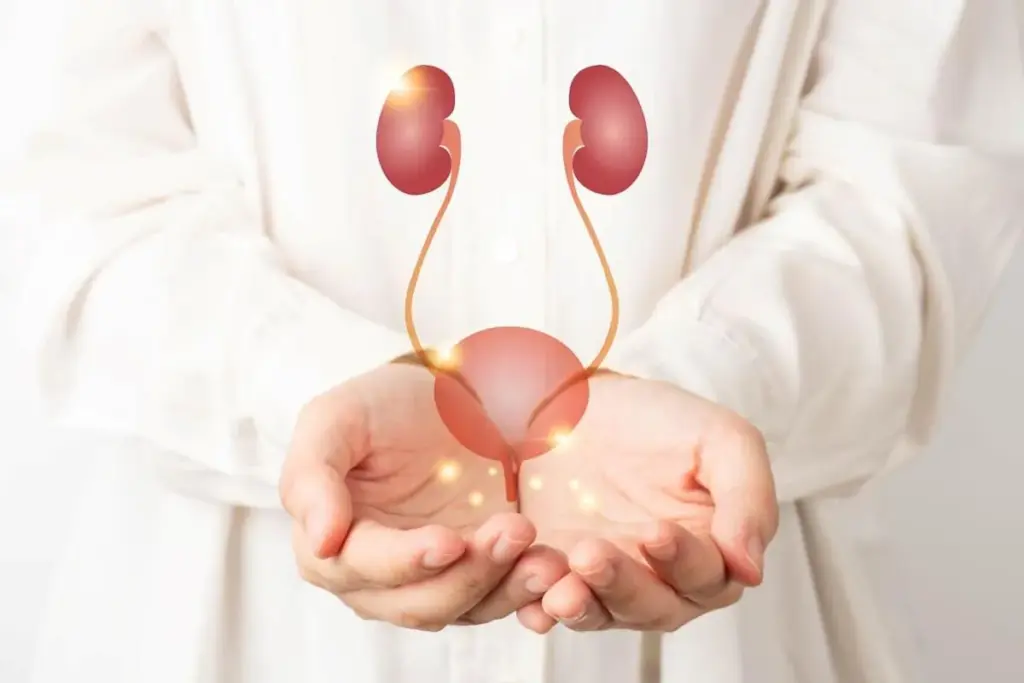
Overactive bladder is a common issue that affects millions globally. It leads to frequent urination, urgency, and discomfort. This condition can make everyday tasks hard. But, there are treatments available, including medication oxybutynin.
Oxybutynin is a well-known medication for overactive bladder. It relaxes the bladder muscle. This reduces how often you need to urinate and eases symptoms. Knowing the causes and treatments can help manage symptoms and improve life quality.
Key Takeaways
- Overactive bladder is a common condition that affects millions worldwide.
- Oxybutynin is an effective medication for managing overactive bladder symptoms.
- Understanding treatment options is key to improving quality of life.
- Managing overactive bladder needs a complete approach.
- Relaxing the bladder muscle can lessen symptoms.
Understanding Overactive Bladder: Symptoms and Causes
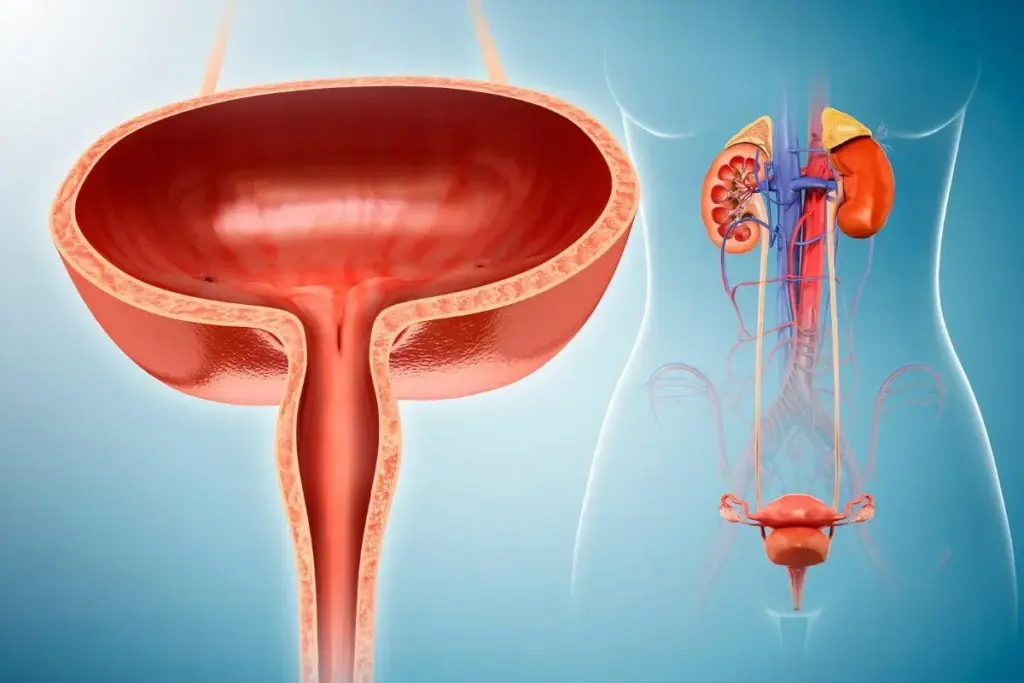
The detrusor muscle is key in overactive bladder. This condition makes you feel a sudden, strong need to pee. It can also make you pee without meaning to. Knowing the symptoms, causes, and risk factors is important for managing it.
Common Symptoms
Spotting the signs of overactive bladder is the first step. The main symptoms are:
- Urgency: A sudden, intense need to urinate.
- Frequency: Needing to urinate more often than usual.
- Urge Incontinence: Involuntary leakage accompanied by or immediately preceded by urgency.
- Nocturia: Waking up multiple times at night to urinate.
These symptoms can affect your daily life, sleep, and overall health.
Potential Causes and Triggers
The detrusor muscle contracts without control in overactive bladder. This leads to the symptoms we see. Several things can cause it, like:
- Neurological disorders, such as Parkinson’s disease or multiple sclerosis.
- Bladder abnormalities, like bladder stones or tumors.
- Certain medications that increase urine production.
- Hormonal changes, like those in women during menopause.
Knowing these causes helps in finding the right treatment.
Risk Factors
Some factors increase your chance of getting overactive bladder. These include:
- Age: It’s more common in older adults.
- Gender: Women, after menopause, are more likely to get it.
- Obesity: Extra weight can press on the bladder.
- Smoking: It can cause chronic coughing, adding to bladder pressure.
Knowing these risk factors helps in catching it early and preventing it.
The Role of Oxybutynin in Treatment

Oxybutynin is a key treatment for overactive bladder. It helps manage symptoms like urgency and frequency. This medication is well-known for its effectiveness.
Mechanism of Action
Oxybutynin relaxes the bladder muscle. This reduces how often and urgently you need to urinate. It improves life quality for those with overactive bladder.
Oxybutynin blocks acetylcholine, a neurotransmitter that makes the bladder muscle contract. This action increases bladder capacity and reduces the need to urinate urgently.
Dosage and Administration Guidelines
Oxybutynin dosage varies based on the form and individual response. Always follow your doctor’s dosage instructions. This ensures the best results and fewer side effects.
Oxybutynin comes in different forms like tablets and patches. The choice depends on symptom severity, patient preference, and other health conditions.
Potential Side Effects and Considerations
Oxybutynin is usually safe but can cause side effects. These include dry mouth, constipation, and blurred vision. Most side effects are mild and short-lived.
Before starting oxybutynin, talk to your doctor about your medical history and concerns. This ensures the treatment is right for you, maximizing its benefits and safety.
Lifestyle Changes to Manage Symptoms
Making lifestyle changes is key to managing overactive bladder symptoms. Making thoughtful dietary choices can help people reduce the urgency and frequency of urination.
Dietary Adjustments
What you eat affects your bladder health. Some foods and drinks can make bladder issues worse. Avoiding or reducing caffeine, spicy foods, and acidic foods can help. Keeping a food diary helps find out what foods trigger problems.
Eating foods good for your bladder is also helpful. Foods high in fiber, like whole grains and veggies, can prevent constipation. Constipation makes OAB symptoms worse.
Hydration Tips
Drinking enough water is important for bladder health. Drinking water helps prevent concentrated urine, which can irritate the bladder. But, it’s also key to drink fluids evenly throughout the day to avoid too many bathroom trips.
Drinking less water at night can help avoid waking up to pee. Monitoring and adjusting fluid intake helps find the right balance between staying hydrated and managing OAB symptoms.
When to Seek Professional Help
If lifestyle changes don’t help enough, it’s time to see a doctor. Consulting a healthcare provider offers more guidance and treatments.
A doctor can suggest the best treatment, like oxybutynin or other options. For those struggling with how to make themselves pee or looking for treatments, professional advice is essential.
Behavioral Techniques for Overactive Bladder
Using certain behaviors can help a lot with overactive bladder. These methods work well with medicines like tolterodine and vibegron, or vesicare too. They help manage the condition well.
Bladder Training Methods
Bladder training helps you hold urine longer. It makes you go to the bathroom less often. Start by keeping a diary to track when you go.
- Find out how often you usually go.
- Slowly increase this time.
- Use relaxation techniques to handle urgency.
Scheduled Toileting
Scheduled toileting means going at set times, even if you don’t need to. It helps avoid accidents and cuts down on bathroom trips.
Scheduled Interval | Voiding Frequency | Accident Rate |
|---|---|---|
Every 2 hours | 6 times/day | Low |
Every 3 hours | 4 times/day | Moderate |
Every 4 hours | 3 times/day | High |
Pelvic Floor Exercises
Pelvic floor exercises, or Kegels, strengthen the bladder muscles. They help control when you go to the bathroom. Doing them regularly can make a big difference.
- Find the right muscles by stopping urine flow mid-stream.
- Hold these muscles for 5-10 seconds, then release.
- Do this 10-15 times, three times a day.
Adding these behaviors to your daily life can really help with overactive bladder. It’s important to stick with it and be patient. Everyone is different, so it might take time to see results.
Medications Other Than Oxybutynin
Oxybutynin is not the only way to manage overactive bladder. Other effective medications are available. For those who experience side effects or don’t get enough relief from oxybutynin, there are alternatives. We’ll look at different medications that can help with overactive bladder symptoms.
Anticholinergics Overview
Anticholinergics are a type of medication that can help with overactive bladder. They block acetylcholine, a neurotransmitter that makes the bladder muscle contract. Detrol (tolterodine) is a common anticholinergic. These drugs can be effective but may cause side effects like dry mouth, constipation, and blurred vision.
Beta-3 Agonists
Beta-3 agonists are another type of medication for overactive bladder. They relax the bladder muscle, allowing it to hold more urine. Gemtesa (vibegron) is a beta-3 agonist that helps reduce symptoms. Unlike anticholinergics, beta-3 agonists have different side effects, such as headache and urinary tract infections.
Other Emerging Treatments
Research into overactive bladder treatments is ongoing. New therapies are being explored, including new forms of existing medications and entirely new drugs. For example, studies are looking into botulinum toxin injections and neuromodulation techniques. As research continues, we can expect more treatment options to become available.
The Importance of Seeking Medical Advice
If you have symptoms of overactive bladder that won’t go away, see a doctor. Overactive bladder can really affect your life. It can cause discomfort, anxiety, and mess up your daily routine. Getting medical help is key for the right diagnosis and treatment.
When to Consult a Doctor
See a doctor if you have:
- Frequent urination, more than eight times in 24 hours
- Urgency to urinate, with involuntary urine leakage
- Nocturia, waking up many times at night to urinate
These signs might mean you have a health issue that needs a doctor’s care. A healthcare professional can figure out what’s wrong and suggest the best treatment.
What to Expect During an Evaluation
At your first visit, your doctor will ask about your health history and do a physical check-up. This might include:
Evaluation Component | Description |
|---|---|
Medical History | A detailed review of your medical history, including previous illnesses, surgeries, and medications |
Physical Examination | A physical examination to assess overall health and identify possible underlying causes |
Diagnostic Tests | Tests such as urinalysis, ultrasound, or cystoscopy to help diagnose the underlying cause of your symptoms |
Treatment might include behavioral therapies, medicines like oxybutynin, or sometimes a hypertonic solution for certain procedures. Your doctor will talk about the best treatment for you based on your condition.
By getting medical advice, you can learn more about your condition and find a good way to manage it. Don’t be afraid to talk to a healthcare professional for help and support.
Alternative Therapies for Overactive Bladder
Looking beyond traditional treatments, alternative therapies bring new hope for overactive bladder. They can be used with traditional treatments for better care.
Acupuncture and Acupressure
Acupuncture and acupressure are ancient healing methods. They involve stimulating certain body points. Studies show they might help with overactive bladder by improving bladder control and lessening urgency.
- Benefits: Better bladder control, fewer symptoms of urgency and frequency.
- Considerations: Needs a licensed practitioner, not for everyone.
Herbal Remedies
Some herbal remedies might help with overactive bladder. The research is mixed, but some herbs could improve bladder control.
Herb | Potential Benefits | Considerations |
|---|---|---|
Gosha-jinki | May improve bladder function | Limited human studies, possible interactions |
Buchu | Traditionally used for urinary issues | May interact with medications, not well-studied |
Uva Ursi | Used to treat urinary tract infections | Potential side effects, interactions with medications |
Cognitive Behavioral Therapy
Cognitive Behavioral Therapy (CBT) is a psychological method. It helps manage the emotional and psychological sides of overactive bladder. By tackling stress and anxiety linked to bladder issues, CBT boosts overall well-being.
- Benefits: Reduces stress and anxiety related to bladder symptoms, improves coping.
- Considerations: Needs a trained therapist, doesn’t directly fix physical symptoms.
Impact of Stress on Overactive Bladder
The link between stress and overactive bladder is complex. Stress can make overactive bladder symptoms worse, creating a tough cycle to break. We’ll look at how stress affects overactive bladder and share ways to manage it.
Stress Management Techniques
For those with overactive bladder, managing stress is key. There are many stress management methods to help. These include:
- Deep breathing exercises to calm the mind and body
- Physical activity, such as yoga or walking, to reduce stress levels
- Time management and prioritization to reduce daily stress
- Seeking social support from friends, family, or support groups
Using these techniques daily can help manage stress and lessen overactive bladder symptoms.
Mindfulness and Relaxation Methods
Mindfulness and relaxation are great for stress and overactive bladder. Mindfulness meditation and progressive muscle relaxation can help relax and lower stress.
Practicing these regularly can greatly reduce overactive bladder symptoms. It’s important to find a quiet, comfy spot for these practices.
Combining stress management with mindfulness and relaxation can help manage overactive bladder symptoms caused by stress.
Support Groups and Resources
For those with overactive bladder, finding the right support groups and resources is key. It’s not just about medical treatment. Emotional support and practical guidance are also vital.
Finding Local Support Groups
Local support groups are great for sharing experiences and getting support. They help you learn from others facing similar challenges. To find one, you can:
- Ask your healthcare provider for recommendations
- Check online directories or websites dedicated to overactive bladder
- Contact local hospitals or community centers that may host support groups
These groups provide a safe space to talk about your concerns. You can also learn how to manage your symptoms. Plus, you’ll meet others who get what you’re going through.
Online Communities
Online communities are also a big help. They offer a place to connect with others worldwide. You can share your story and learn from others.
Online forums and social media groups have many benefits. For example:
- Accessibility: You can join from home
- Anonymity: You can share without revealing your identity
- Diverse perspectives: You can learn from people with different experiences
Educational Resources
Understanding overactive bladder is key. There are many reliable sources to help you. These include:
Resource Type | Description | Examples |
|---|---|---|
Websites | Dedicated websites with info on symptoms, treatments, and lifestyle changes | National Institute of Diabetes and Digestive and Kidney Diseases (NIDDK), Urology Care Foundation |
Brochures and Pamphlets | Printed materials available at healthcare providers’ offices or online | Brochures from pharmaceutical companies, educational pamphlets from healthcare organizations |
Workshops and Seminars | Educational events hosted by healthcare organizations or support groups | Local workshops on managing overactive bladder, seminars at medical conferences |
By using these support groups and resources, you can better understand your condition. You can also find ways to manage it effectively.
Innovations in Overactive Bladder Treatment
The field of overactive bladder treatment is seeing big changes thanks to new research and tech. These breakthroughs are key to better lives for those with this condition.
Recent Research Developments
Recent studies have greatly helped us understand overactive bladder. They show that some medicines and behavioral therapies can really help.
Key findings include:
- New anticholinergic medicines are showing great promise with fewer side effects.
- Research on beta-3 agonists is showing they could be a good treatment option.
Emerging Technologies
New technologies are also making a big difference in treating overactive bladder. Things like neuromodulation devices and advanced diagnostic tools are making treatments better.
Technology/Treatment | Description | Potential Benefits |
|---|---|---|
Neuromodulation Devices | Devices that stimulate the nerves controlling the bladder | Improved bladder control, reduced symptoms |
Advanced Diagnostic Tools | High-resolution imaging and diagnostic equipment | More accurate diagnoses, personalized treatment plans |
Minimally Invasive Procedures | Procedures that reduce recovery time and scarring | Quicker recovery, less discomfort |
Conclusion: Gaining Control Over Your Health
Managing overactive bladder needs a full plan. This includes medical help, lifestyle changes, and special exercises. Knowing how to manage it helps people take back control of their health.
Effective Management Strategies
Effective ways to handle overactive bladder include using certain medicines and changing your diet. Pelvic floor exercises and stress management also help. These steps can be adjusted to fit what works best for each person.
Empowering Patients
We urge patients to be active in managing their condition. This means getting medical advice, looking into treatments, and joining support groups. Taking these steps can greatly improve life quality and boost confidence in handling overactive bladder.
By using these strategies and staying proactive, people can manage their overactive bladder well. This improves their overall health and well-being.
FAQ
What is overactive bladder?
Overactive bladder is when you suddenly feel a strong need to pee. You might pee without meaning to. It happens because your bladder muscle contracts too much.
How does oxybutynin help with overactive bladder?
Oxybutynin relaxes the bladder muscle. This makes you pee less often and with less urgency.
What are the common side effects of oxybutynin?
Side effects include dry mouth, constipation, and blurry vision. These effects are usually mild but can bother some people.
Are there lifestyle changes that can help manage overactive bladder symptoms?
Yes, changing your diet and staying hydrated can help. Avoiding caffeine and spicy foods is also good.
What is bladder training, and how can it help?
Bladder training helps your bladder hold more urine. You gradually increase the time between peeing. This can reduce how often you pee.
Are there other medications available for overactive bladder treatment?
Yes, there are other drugs like tolterodine and Vesicare. They work differently to manage symptoms.
When should I consult a doctor about my overactive bladder symptoms?
See a doctor if your symptoms get worse or bother you a lot. This includes if they disrupt your daily life.
What can I expect during an evaluation for overactive bladder?
Your doctor will talk about your symptoms and medical history. They might do tests to check for other conditions. They’ll also talk about treatment options, including new solutions.
Can stress management techniques help alleviate overactive bladder symptoms?
Yes, stress-reducing activities like mindfulness can help. They may lessen your symptoms.
Are there any alternative therapies that can help manage overactive bladder?
Yes, things like acupuncture and herbal remedies might help. But how well they work can vary.
How can I find support for managing overactive bladder?
Look for support groups, online forums, and educational resources. They offer valuable info and help.
What are some emerging treatments for overactive bladder?
New treatments include drugs like gemtesa and new technologies. These might offer future options for managing overactive bladder.
Can pelvic floor exercises help with overactive bladder?
Yes, exercises like Kegels can strengthen your bladder muscles. This might help control your bladder better.
References
Oxybutynin: Amazing Ways to Calm OAB
https://www.ncbi.nlm.nih.gov/books/NBK499985/