

Will you need one? Get the crucial pacemakerAtrial Fibrillation Pacemaker: Key Facts after TAVR fact and powerful information on the serious risk of needing a pacemaker post-op.
Transcatheter Aortic Valve Replacement (TAVR) has changed how we treat severe aortic stenosis. It’s a less invasive option compared to open-heart surgery.However, many patients worry about whether they will need a pacemaker afterward.
Research shows that conduction issues can happen after TAVR. This might mean needing a pacemaker. Some factors increase the risk of heart rhythm changes, like atrioventricular block. This condition affects the heart’s electrical signals.
It’s important to know why a pacemaker might be needed after TAVR. This article will explore these topics. It aims to help those considering this life-changing procedure.
Key Takeaways
- TAVR is a treatment for severe aortic stenosis with a possible need for a pacemaker.
- Conduction issues and heart rhythm changes can occur after TAVR.
- Atrioventricular block is a condition that may lead to pacemaker implantation.
- Understanding the risks and implications is key for patients.
- Several factors influence the need for a pacemaker after TAVR.
Understanding TAVR: A Brief Overview
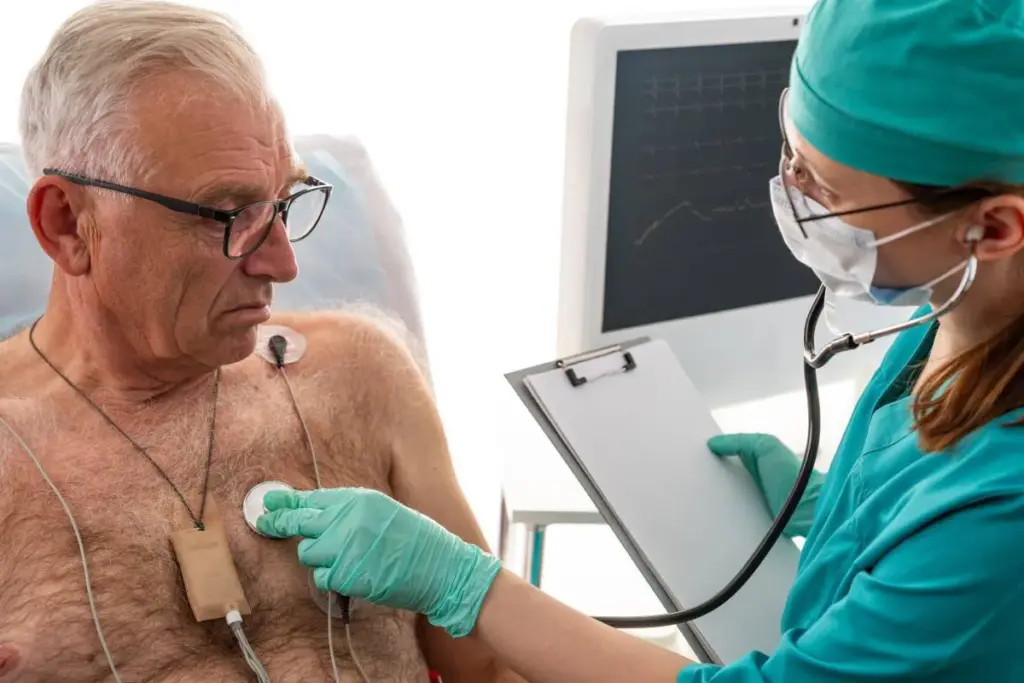
TAVR is a groundbreaking procedure. It replaces the aortic valve without open-heart surgery. This offers new hope to patients with severe aortic stenosis.
What is Transcatheter Aortic Valve Replacement?
Transcatheter Aortic Valve Replacement (TAVR) is a minimally invasive procedure. It treats aortic stenosis, where the aortic valve narrows. This blocks blood flow from the heart.
Unlike traditional open-heart surgery, TAVR uses a catheter to deliver a new valve. This reduces risks and shortens recovery time.
How the TAVR Procedure Works
The TAVR procedure starts by accessing the heart through a major artery. The method of access and the deployment of the new valve are key steps.
Valve Access Methods
There are several ways to access the aortic valve during TAVR:
- Transfemoral access, the most common, uses the femoral artery in the leg.
- Transapical access makes a small chest incision to access the heart directly.
- Transaortic access uses a small chest incision to access the aorta.
Valve Deployment Process
After gaining access, a catheter guides to the aortic valve. The new valve is then deployed, pushing the diseased valve out. The new valve starts working right away, improving blood flow.
Benefits of TAVR Compared to Open Heart Surgery
TAVR has several advantages over traditional open-heart surgery:
- Reduced risk of complications
- Shorter hospital stays
- Faster recovery times
- Less pain and discomfort
TAVR has changed how we treat aortic stenosis. It offers a viable alternative to open-heart surgery for many patients. Knowing about the procedure, its benefits, and possible complications is key for those considering it.
The Connection Between TAVR and Pacemaker Implantation

TAVR affects the heart’s electrical system, which controls the heartbeat. This can lead to a need for pacemakers in some patients. The system ensures the heart beats in a coordinated and efficient way.
Why Pacemakers May Be Needed After TAVR
Pacemakers might be needed after TAVR because of its impact on the heart’s electrical system. The valve is placed near the conduction system during TAVR. This can sometimes disrupt the heart’s rhythm.
The Cardiac Conduction System and TAVR
The cardiac conduction system is a complex network. It includes the sinoatrial node, atrioventricular node, bundle of His, and bundle branches. Knowing its anatomy is key to understanding how TAVR can affect heart rhythm.
Anatomy of the Conduction System
The conduction system starts with the sinoatrial node, the heart’s natural pacemaker. The electrical impulse then goes to the atrioventricular node, through the bundle of His, and ends in the ventricles via the bundle branches.
How TAVR Can Disrupt Normal Conduction
TAVR can disrupt this system, mainly if the valve is too close to the conduction pathway or if there’s trauma during the procedure. This can cause various conduction problems, like bundle branch block or atrioventricular block.
Incidence Rates of Pacemaker After TAVR
Studies show the need for new pacemakers after TAVR varies. It depends on the valve type, patient anatomy, and the procedure’s techniques. Some key statistics include:
- Incidence rates range from 4.4% to 25.9%, depending on the valve type.
- Higher pacemaker implantation rates are linked to certain valve designs.
- Choosing the right patient and technique is key to reducing conduction problems.
Understanding these factors helps healthcare providers manage TAVR’s risks better.
Common Conduction Disturbances Following TAVR
After TAVR, the heart’s electrical system can face problems. These issues can be mild or severe and might need medical help.
Atrioventricular Block
Atrioventricular (AV) block is a common issue after TAVR. It happens when the electrical signals between the heart’s upper and lower chambers get disrupted.
First-Degree AV Block
First-degree AV block causes a delay in the electrical signals between the atria and ventricles. It might not cause symptoms but can lead to more serious problems.
Second-Degree AV Block
Second-degree AV block means the electrical signals are blocked sometimes. It’s split into Mobitz I and Mobitz II types. Mobitz II is more likely to turn into complete heart block.
Complete Heart Block
Complete heart block is a serious issue where the electrical signals are blocked completely. It often needs a pacemaker to manage.
Bundle Branch Block
Bundle branch block is when there’s a delay or block in the electrical signals to the heart’s ventricles. It might be there before TAVR or start after it.
|
Type of Block |
Description |
Clinical Significance |
|---|---|---|
|
First-Degree AV Block |
Delay in electrical conduction |
Often asymptomatic, may progress |
|
Second-Degree AV Block |
Intermittent blocking of signals |
May progress to complete heart block |
|
Complete Heart Block |
Total disruption of electrical signals |
Often requires pacemaker implantation |
Bradycardia and Other Rhythm Abnormalities
Bradycardia, or a slow heart rate, can happen after TAVR. It’s due to valve positioning and other heart issues. Other rhythm problems might also appear, needing close watch and sometimes treatment.
It’s key to know about these heart problems after TAVR. Regular checks and follow-ups help catch and fix any issues early.
Risk Factors for Needing a Pacemaker After TAVR
Many factors can make a patient need a pacemaker after Transcatheter Aortic Valve Replacement (TAVR). Knowing these risks helps doctors and patients plan better for treatment.
Pre-existing Conduction Abnormalities
Patients with certain heart issues are more likely to need a pacemaker after TAVR. Issues like atrioventricular block or bundle branch block can make the procedure riskier.
Valve Type and Size Considerations
The type and size of the valve used in TAVR also matter. Self-expanding valves might have different risks than balloon-expandable valves. The valve’s size compared to the patient’s heart is key to avoiding heart problems.
Anatomical Factors
Heart structure plays a big role in TAVR risks. Two main factors are:
Calcium Distribution
Calcium buildup in the aortic valve can impact TAVR success. Too much calcium near the heart’s electrical system can damage it during the procedure.
Left Ventricular Outflow Tract Dimensions
The size of the left ventricular outflow tract (LVOT) is also important. A smaller LVOT can raise the risk of heart rhythm problems because of the valve’s close proximity to the heart’s electrical system.
Age and Comorbidities
Older patients or those with other health issues might face a higher risk of needing a pacemaker after TAVR. Age and other health problems can make the procedure more complicated.
|
Risk Factor |
Description |
Impact on Pacemaker Need |
|---|---|---|
|
Pre-existing Conduction Abnormalities |
Conditions like AV block or bundle branch block |
Increased risk |
|
Valve Type and Size |
Self-expanding vs. balloon-expandable valves |
Variable risk based on type and size |
|
Anatomical Factors |
Calcium distribution and LVOT dimensions |
Increased risk with adverse anatomy |
|
Age and Comorbidities |
Older age and presence of other health conditions |
Increased risk |
Different Valve Types and Their Impact on Pacemaker Need
The type of valve used in TAVR affects the chance of needing a pacemaker later. Many valve types exist, each with its own traits and possible issues.
Balloon-Expandable Valves
Balloon-expandable valves are often used in TAVR. They are set up with a balloon that makes the valve the right size. Studies have found that these valves might need a pacemaker in some cases.
Self-Expanding Valves
Self-expanding valves, by contrast, grow on their own after being put in. They are linked to a higher chance of needing a pacemaker than balloon-expandable valves. The force these valves put on the heart tissue might raise this risk.
Newer Generation Valves and Reduced Pacemaker Rates
Newer valve designs aim to cut down on complications, like the need for pacemakers.
Design Improvements
These newer valves have better designs. They have changed leaflet shapes and sealing systems. These updates try to lower the chance of heart rhythm problems after TAVR.
Comparative Studies
Studies comparing old and new valves show a drop in pacemaker rates with the newer ones. The table below shows some key findings from recent studies.
|
Valve Type |
Pacemaker Rate |
Study |
|---|---|---|
|
Balloon-Expandable |
10.5% |
PARTNER Trial |
|
Self-Expanding |
16.2% |
CoreValve US Pivotal Trial |
|
Newer Generation |
8.1% |
Recent Comparative Study |
The development of TAVR valves keeps changing, affecting pacemaker needs. More research and innovation are expected to lower heart rhythm problems.
Pacemaker After TAVR: Timing and Frequency
Knowing when and how often a pacemaker is needed after TAVR is key for patient care. The timing of pacemaker implantation can vary. It’s important to understand these timelines to manage patient expectations and care.
Immediate Post-Procedure Pacemaker Implantation
In some cases, a pacemaker is needed right after TAVR. This is because the valve implantation can affect the heart’s electrical system.
Delayed Conduction Disturbances
Not all heart issues show up right away. Some patients might need a pacemaker days or weeks after TAVR. This is due to delayed conduction disturbances.
Long-term Pacemaker Dependency
The need for a pacemaker long-term can differ. It depends on the valve type, any pre-existing heart issues, and the patient’s anatomy.
Recovery of Conduction
Some patients might see their natural heart rhythm return. This could mean they won’t need a pacemaker forever. It’s important to keep an eye on this.
Permanent Dependency Rates
Research shows different rates of needing a pacemaker forever after TAVR. Knowing these rates helps in talking to patients and managing their care.
|
Timing of Pacemaker Implantation |
Frequency |
Factors Influencing Need |
|---|---|---|
|
Immediate |
Significant conduction disturbances |
Valve type, patient anatomy |
|
Delayed |
Days or weeks post-TAVR |
Pre-existing conditions, procedural factors |
|
Long-term |
Varies by patient |
Recovery of conduction, permanent dependency rates |
The table above shows the main points about when and how often a pacemaker is needed after TAVR. It points out the need to consider many factors when deciding on a pacemaker.
Temporary vs. Permanent Pacemakers
Choosing between temporary and permanent pacemakers after TAVR depends on the patient’s heart condition and how they react to the procedure. Temporary pacing is often used first to handle heart rhythm issues.
When Temporary Pacing is Used
Temporary pacing is used right after TAVR to fix heart rhythm problems like atrioventricular block or bradycardia. It helps keep the heart rhythm stable.
Transition from Temporary to Permanent Pacing
If a patient needs pacing support longer than the initial recovery, they might get a permanent pacemaker. This choice is made after a detailed cardiology evaluation. It considers the patient’s heart health and if they’ll need pacing long-term.
Pacemaker Implantation Procedure
The pacemaker implantation process includes several steps:
- Preparation: The patient gets local anesthesia and mild sedation.
- Lead Placement: The pacemaker leads are guided through a vein into the heart.
- Device Implantation: The pacemaker generator is implanted under the skin.
- Testing: The device is tested to ensure proper functioning.
What to Expect During Implantation
During the procedure, patients are awake but sedated. The whole process usually takes about 1-2 hours.
Recovery After Pacemaker Placement
After the procedure, patients are watched for a few hours. Most can go home the same day or the next day. Follow-up care is key to check if the device is working right and to see how the patient is doing.
|
Aspect |
Temporary Pacing |
Permanent Pacing |
|---|---|---|
|
Duration |
Short-term, typically during the immediate post-TAVR recovery |
Long-term or indefinite |
|
Purpose |
To manage acute conduction disturbances |
To provide ongoing heart rhythm management |
|
Implantation |
Usually external or minimally invasive |
Involves a more permanent implantation procedure |
It’s important for patients having TAVR to know about temporary and permanent pacemakers. Each situation is different, and the choice depends on the patient’s needs and a thorough clinical evaluation.
Post-TAVR Monitoring for Conduction Issues
Monitoring after a TAVR procedure is key to spotting heart conduction problems. Patients might face issues like arrhythmias or heart block. These can affect their recovery and health in the long run.
In-Hospital ECG Monitoring
Right after TAVR, constant ECG monitoring is a must. It helps doctors catch any immediate heart problems. This way, they can act fast to manage issues like arrhythmias or heart block.
Extended Monitoring After Discharge
Even after going home, patients might need to keep an eye on their heart. They might have ECG checks or wear devices to monitor their heart.
Signs and Symptoms to Watch For
It’s important for patients and their caregivers to know the signs of heart problems. Look out for:
- Dizziness and Fainting: These could mean the heart isn’t pumping right.
- Fatigue and Shortness of Breath: These signs might point to heart issues that need a doctor’s attention.
Dizziness and Fainting
Dizziness and fainting are serious. They mean the heart might be having big problems. You should get medical help right away.
Fatigue and Shortness of Breath
Feeling tired is normal after TAVR. But if it’s really bad or you can’t breathe well, tell your doctor. It could mean something serious is going on.
When to Seek Emergency Care
If you have bad chest pain, can’t breathe well, or keep fainting, go to the emergency room. These are signs of serious problems.
|
Symptom |
Possible Indication |
Action |
|---|---|---|
|
Dizziness, Fainting |
Conduction disturbance |
Seek immediate medical attention |
|
Fatigue, Shortness of Breath |
Cardiac issue |
Contact healthcare provider |
A study highlights the importance of watching patients closely after TAVR. It shows how monitoring affects their health.
“Careful monitoring and timely intervention are key to handling TAVR complications.”
Living With a Pacemaker After TAVR
Understanding your pacemaker is key after TAVR. A pacemaker is a small device that helps control your heartbeat. It sends electrical impulses to make your heart muscle contract.
Adjusting to Life With a Pacemaker
Getting used to a pacemaker means knowing how it works and its effects on daily life. Most people can go back to their usual activities a few days after it’s implanted.
Activity Restrictions and Considerations
Even with a pacemaker, some activities are best avoided or done with caution. This is to protect the device and your heart.
Exercise Guidelines
It’s good to exercise regularly, but avoid contact sports. These can harm your pacemaker or its leads. Walking, swimming, and other low-impact exercises are usually safe.
Electronic Device Interactions
Be careful around strong magnetic fields. MRI machines and some industrial equipment can mess with your pacemaker’s function.
Pacemaker Maintenance and Follow-up
Regular check-ups with your healthcare provider are vital. They help keep your pacemaker working right.
Battery Life and Replacement
Pacemaker batteries last 5 to 15 years, depending on the device and use. Regular visits help figure out when you need a new battery.
Remote Monitoring Options
Many pacemakers today can be monitored remotely. This lets doctors check on your device without you needing to visit the clinic.
Strategies to Reduce Pacemaker Need After TAVR
By improving how procedures are done and making better valves, doctors can lower the need for pacemakers after TAVR. This not only makes patients do better but also makes their life after the procedure better.
Procedural Techniques and Valve Positioning
How procedures are done is key to lowering pacemaker need after TAVR. The way the valve is placed is very important. It affects how likely it is for problems with heart signals to happen.
Optimal Implantation Depth
Finding the right depth for the valve is very important. Studies have shown that if it’s too shallow or too deep, it can lead to needing a pacemaker. So, precise measurements and careful planning are needed.
Avoiding Oversizing
Putting in a valve that’s too big can put too much pressure on the heart. Careful sizing is key to avoid this problem.
Patient Selection Considerations
Picking the right patients for TAVR is also very important. Doctors need to look at any heart signal problems the patient might have. They also need to think about other things that could affect the outcome.
Advances in Valve Design
Newer valves are being made to reduce the chance of heart signal problems. These newer valves are designed to help patients do better after TAVR.
By using the best procedures, picking the right patients, and making better valves, the need for pacemakers after TAVR can be greatly reduced.
Discussing Pacemaker Possibility With Your Doctor
It’s important for patients to talk to their doctors about needing a pacemaker after TAVR. This talk helps understand the risks and benefits of the procedure.
Questions to Ask Before TAVR
Before TAVR, ask your doctor some key questions. This will help you know if you might need a pacemaker. Some questions to ask include:
- What is my risk of needing a pacemaker after TAVR?
- How does the type of valve used affect this risk?
- Are there any pre-existing conditions that could increase my likelihood of needing a pacemaker?
Understanding Your Personal Risk
Understanding your risk involves looking at several factors. These include any heart problems you already have and the type of valve to be used. Your doctor can help evaluate these factors.
Making Informed Decisions
Deciding on TAVR means weighing its benefits against its risks. This includes the chance of needing a pacemaker.
Weighing Benefits and Risks
It’s key to compare the benefits of TAVR to its risks. This includes the chance of needing a pacemaker.
Planning for Possible Outcomes
Planning for outcomes means knowing what to expect if a pacemaker is needed. It also means thinking about how it will change your life.
|
Factor |
Impact on Pacemaker Need |
Considerations |
|---|---|---|
|
Pre-existing Conduction Abnormalities |
Increased risk |
Close monitoring may be required |
|
Valve Type |
Variable risk |
Discuss with your doctor |
|
Age and Comorbidities |
Potential increased risk |
Individual assessment necessary |
Conclusion
After Transcatheter Aortic Valve Replacement (TAVR), some patients might need a pacemaker. This depends on several factors. These include any heart rhythm problems before the surgery, the type and size of the valve, and the heart’s structure.
It’s key to understand these factors to make informed choices. Patients should talk to their doctors about their risks. They should ask about the chance of needing a pacemaker after TAVR.
While a pacemaker might be needed, knowing the risks can help. Advances in medical technology could lower this need. This could lead to better outcomes for patients.
Lastly, personalized care and close monitoring are vital. They help ensure the best results for those undergoing TAVR. This approach improves the quality of life for patients.
FAQ
What is TAVR and how is it related to pacemaker implantation?
TAVR, or Transcatheter Aortic Valve Replacement, is a procedure to replace the aortic valve without surgery. It can sometimes cause heart rhythm problems. This might mean a pacemaker is needed.
Why do some people need a pacemaker after TAVR?
TAVR can affect the heart’s electrical system. This can lead to abnormal heart rhythms or blockages. Sometimes, a pacemaker is needed to fix these issues.
What are the common conduction disturbances after TAVR?
Issues like bundle branch block, bradycardia, and other rhythm problems are common. These might require a pacemaker.
Are there risk factors that increase the likelihood of needing a pacemaker after TAVR?
Yes, certain factors can raise the risk. These include pre-existing heart problems, valve type, and patient age and health.
How do different valve types used in TAVR impact the need for a pacemaker?
The type of valve used can affect the risk of needing a pacemaker. Newer valves might have a lower risk.
When is a pacemaker typically implanted after TAVR?
A pacemaker might be implanted right after TAVR or later. It depends on how the heart responds.
What is the difference between temporary and permanent pacemakers?
Temporary pacemakers are for short-term use. Permanent pacemakers are for long-term rhythm management.
Why is monitoring important after TAVR?
Monitoring is key to catch heart problems early. It’s important during and after hospital stay.
How can patients adjust to life with a pacemaker after TAVR?
Adjusting means understanding activity limits and device care. Regular check-ups are also important.
Are there strategies to reduce the need for a pacemaker after TAVR?
Yes, better procedures, choosing the right patients, and new valve designs can lower pacemaker risks.
What should patients discuss with their doctor regarding pacemaker possibility?
Patients should talk about their risk, the chance of needing a pacemaker, and what to expect. This helps make informed choices.
What are the signs and symptoms that warrant medical attention after TAVR?
Watch for dizziness, fainting, or abnormal heartbeats. Seek medical help if these symptoms appear.



 Departments
 Related Videos
 Our Doctors
 News
News