
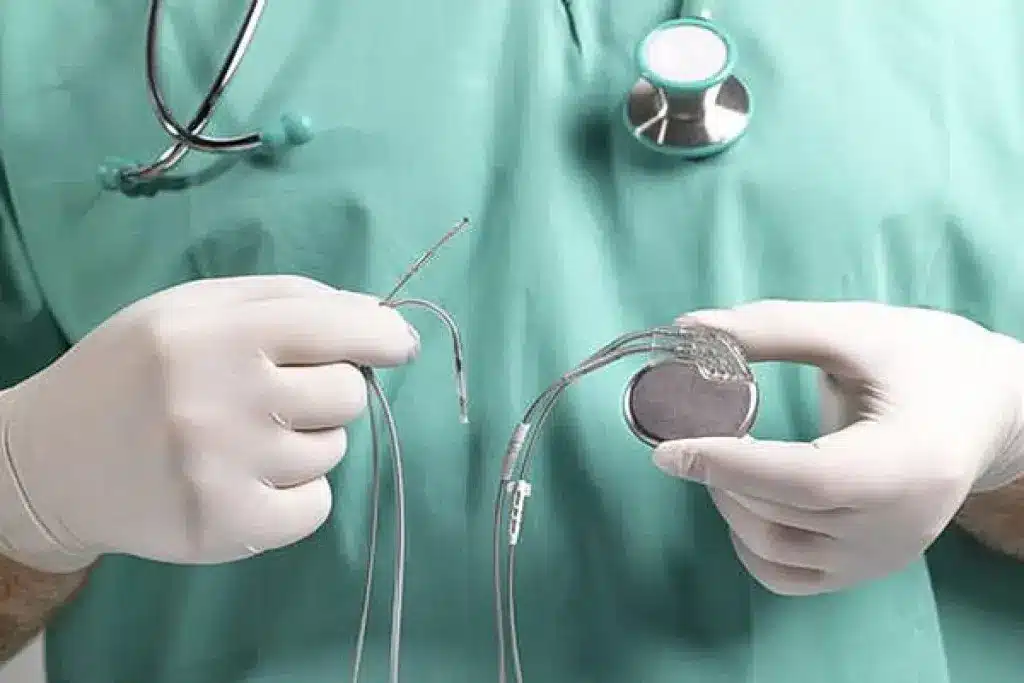
Over 3 million people worldwide have an implantable pacemaker. This small device helps control their heartbeats. As medical tech gets better, more people are getting cardiac pacemakers. This raises questions about how it affects their jobs.
Pacemaker pacemaker repetition? Get best job restrictions. Avoid welding and generators. dangerous magnets are the main enemy of your safety.
Getting a pacemaker can change your life. But it also means you can’t do some jobs. We’ll look at jobs that might be hard or not right for people with an implantable pacemaker. We’ll also talk about what this means for their careers.
Key Takeaways
- Understanding the basics of a heart pacemaker and its implications.
- Recognizing the types of jobs that are challenging with a cardiac pacemaker.
- Exploring the impact of pacemaker surgery on employment.
- Identifying career options that are suitable for individuals with an implantable pacemaker.
- Learning about the support available for individuals with a pacemaker.
Understanding How Pacemakers Work and Their Limitations
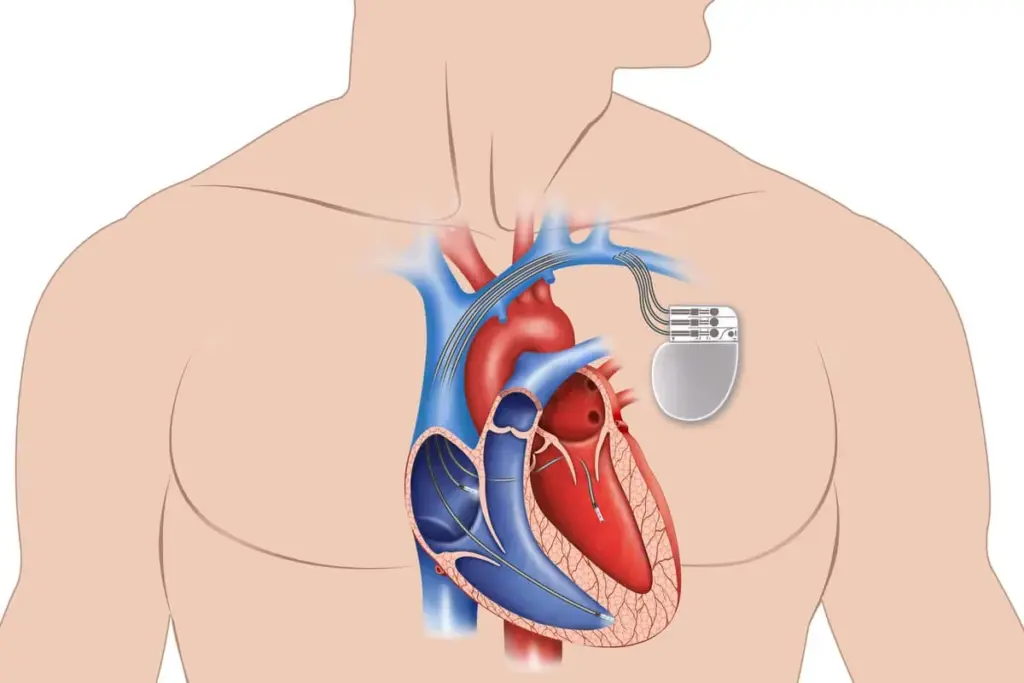
Getting a pacemaker is a big deal. It’s a medical step that needs careful thought. Pacemakers help control heartbeats by sending electrical signals to the heart.
Types of Pacemakers and Their Functions
There are many kinds of pacemakers, each with its own job. Here are a few:
- Single-chamber pacemakers, which have one lead in the heart.
- Dual-chamber pacemakers, with two leads, one in each heart chamber, to keep a natural rhythm.
- Biventricular pacemakers, used in therapy to make the heart’s ventricles work together.
Knowing what kind of pacemaker you have is key. It helps you understand what to expect and how to adjust your life.
General Activity Restrictions for Pacemaker Patients
Pacemakers greatly improve life for those with heart rhythm issues. But, there are activities to avoid. These include:
|
Activity |
Restriction |
|---|---|
|
Contact Sports |
Stay away from sports that could hit your chest where the pacemaker is. |
|
Magnetic Fields |
Steer clear of strong magnetic fields, like MRI machines, unless your pacemaker can handle it. |
|
Physical Activities |
You can usually do normal activities, but avoid heavy lifting or bending. |
Keeping an eye on your pacemaker is also important. The six-minute walk test helps check how well you’re doing with your pacemaker.
“The six-minute walk test is a practical and widely used measure to assess the functional status of patients with heart failure and pacemakers.”
— Journal of Cardiac Rehabilitation
By knowing how pacemakers work and following the activity rules, you can enjoy a full and healthy life.
Electromagnetic Interference: The Primary Concern for Pacemaker Patients

Pacemaker patients face a unique challenge due to electromagnetic interference. This can affect their device’s operation and overall well-being. We will explore how EMI impacts pacemaker function and identify common sources of EMI in workplaces.
How EMI Affects Pacemaker Function
Electromagnetic interference can disrupt a pacemaker’s normal functioning. It may interpret interference as a cardiac signal, leading to inappropriate pacing. In some cases, it can cause the pacemaker to revert to a fixed-rate mode or trigger safety features.
The severity of the effect depends on the EMI’s intensity and frequency. It also depends on the pacemaker’s design and shielding. Healthcare providers often conduct tests like the six-minute walk test to evaluate a patient’s functional capacity.
The six-minute walk test norms vary based on age, sex, and other factors. They provide a baseline to understand a patient’s response to different environments.
Common Sources of Electromagnetic Interference in Workplaces
Workplaces contain sources of electromagnetic interference that can affect pacemaker function. Some common sources include:
- Industrial machinery and equipment
- Welding apparatus and metal fabrication tools
- High-voltage power lines and electrical substations
- Radio frequency (RF) sources, such as antennas and transmission towers
- Magnetic resonance imaging (MRI) machines and other medical equipment
Understanding these sources is key for pacemaker patients to assess their work environment’s safety. We recommend that patients work with their healthcare providers to identify EMI sources and develop strategies to minimize exposure.
|
Source of EMI |
Potential Impact on Pacemaker |
Precautionary Measures |
|---|---|---|
|
Industrial machinery |
Interference with pacing output |
Maintain safe distance, use shielding |
|
Welding apparatus |
Inappropriate pacing or inhibition |
Avoid proximity to welding areas |
|
High-voltage power lines |
Reversion to fixed-rate mode |
Limit exposure, use personal protective equipment |
Workplace Safety Guidelines for People with a Pacemaker
People with pacemakers need to know specific safety rules at work. This helps avoid risks from their device. It’s important to understand what their pacemaker can handle and take steps to stay safe.
Recommended Distance from Electronic Equipment
Keeping a safe distance from electronic devices is key for pacemaker patients. We should stay at least 6 inches away from things like computers and microwaves. This helps avoid any possible interference with their pacemaker.
It’s also important to avoid big machines that might have strong magnetic fields. When near these machines, we should:
- Turn off the equipment when not in use
- Use devices that don’t interfere as much
- Check with the maker to see how safe it is
Warning Signs and Environmental Hazards
Pacemaker patients need to watch out for warning signs and dangers at work. Look out for places with lots of electromagnetic interference. This includes:
- High-voltage power lines
- Large transformers
- Industrial welding equipment
Also, be careful in areas with:
- Strong magnetic fields
- High-voltage electrical substations
- Radiofrequency transmission towers
Personal Safety Devices and Monitoring
Using personal safety devices can make work safer for pacemaker patients. We should:
- Always carry a pacemaker ID card
- Use a personal alarm or system in emergencies
- Check the pacemaker often and tell the doctor about any problems
Regular visits to the doctor are important to make sure the pacemaker works right. The Six Minute Walk Test (6MWT) is a good way to check how well you can function. Here are some 6MWT norms by age:
|
Age Group |
Distance (meters) |
|---|---|
|
20-29 years |
571 ± 90 |
|
30-39 years |
552 ± 85 |
|
40-49 years |
534 ± 80 |
|
50-59 years |
516 ± 75 |
|
60-69 years |
494 ± 70 |
|
70-79 years |
471 ± 65 |
“The key to safe working conditions for pacemaker patients lies in awareness and proactive measures. By understanding the possible risks and taking steps to avoid them, people with pacemakers can work safely and productively.”
A Cardiologist
Electrical and Power Industry Jobs to Avoid
Working in the electrical and power industry can be dangerous for those with pacemakers. This is because of the risk of electromagnetic interference. We must be careful about jobs that expose workers to high-voltage environments and other electrical dangers.
High-Voltage Environments and Substations
Jobs in high-voltage areas, like substations, are very risky for pacemaker patients. The strong electromagnetic fields can mess with pacemaker function. This could lead to serious health issues. We suggest avoiding jobs that involve working with high-voltage equipment or in areas with a lot of electromagnetic interference.
Power Plant Operations and Maintenance
Working in power plants involves dealing with heavy electrical equipment and high voltages. These conditions can be tough for pacemaker patients because of the risk of electromagnetic interference. We recommend looking for jobs that don’t expose you to these dangers.
Electrical Grid Work and Line Repair
Jobs in electrical grid work and line repair are risky for pacemaker patients. They often require working at heights and with live electrical equipment. The physical demands and exposure to electrical hazards make these jobs dangerous. We suggest finding jobs that are less physically demanding and have lower risks of electromagnetic interference.
|
Job Category |
Risk Level |
Recommendation |
|---|---|---|
|
High-Voltage Environments |
High |
Avoid |
|
Power Plant Operations |
High |
Avoid |
|
Electrical Grid Work |
High |
Consider Alternatives |
For those with pacemakers thinking about a career change, tools like the 6 minute walk test calculator can help. They can assess your physical abilities and endurance.
Manufacturing and Industrial Positions with Pacemaker Risks
Jobs in manufacturing and industry can be risky for people with pacemakers. This is because of the many electromagnetic sources around. Workers might face high levels of electromagnetic interference (EMI), which can mess with pacemaker work. We’ll look at the dangers of certain jobs and equipment.
Welding and Metal Fabrication Concerns
Welding, with its high currents, can create a lot of EMI. This can mess with how pacemakers work, causing them to pace too much or not enough. Pacemaker users should stay away from welding or keep a safe distance. It’s important to check how your pacemaker is working when you’re near welding.
Assembly Line Work Near Industrial Magnets
Jobs on assembly lines often mean being close to strong magnets and other electromagnetic tools. These can mess with pacemaker work, which is a big worry if your pacemaker isn’t made to handle these fields. Workers with pacemakers should be careful around things like magnetic lifters and separators. Try to stay far away from these.
Arc Furnaces and Induction Heating Equipment
Arc furnaces and induction heaters are used a lot in metal work and make a lot of EMI. They can be very risky for pacemakers because of the strong fields they create. If you have a pacemaker and work with these, be extra careful. Always check with your doctor to make sure it’s safe.
Some jobs might need special safety gear and checks to keep pacemaker users safe. Employers should work with doctors to make sure everyone has a safe place to work.
Military and Defense Jobs Restricted for Pacemaker Patients
Military and defense careers can be tough for those with pacemakers. Military work includes combat, using special equipment, and lots of physical activity. These things can be risky for pacemaker patients.
Combat Roles and Physical Requirements
Combat jobs in the military are very demanding. They involve dangerous situations and lots of physical effort. People with pacemakers might not be allowed in these roles because of the risks.
The six-minute walk test is used to check if someone can handle hard activities. But, even if a pacemaker patient does well on this test, combat can be unpredictable and risky.
Exposure to Military Equipment and Radar Systems
Military gear, like radar systems, can create strong electromagnetic fields. These fields can mess with pacemakers. Radar systems, in particular, can cause problems by interfering with pacemaker function.
So, people with pacemakers might not be allowed near this equipment. This is to prevent any issues with their pacemakers.
Special Forces and Deployment Limitations
Special forces go through tough training and face many challenges. The job is very demanding, and having a pacemaker might make it hard to join. Also, being deployed in certain places can be risky for pacemaker patients.
These rules might be tough for those who want to join the military or work in defense. But, safety is the most important thing. These rules help keep everyone safe, including pacemaker patients and their team members.
Aviation Industry Limitations with a Pacemaker
Having a pacemaker can limit your career in aviation. This is true for pilots, air traffic controllers, and maintenance workers. The aviation world is very regulated. A pacemaker can make it hard to meet these rules.
Pilot Restrictions and FAA Regulations
The Federal Aviation Administration (FAA) has strict rules for pilots with pacemakers. Usually, people with pacemakers can’t fly for commercial airlines. This is because of the risks of electromagnetic interference (EMI) and the physical demands of flying.
To get a medical certificate, pilots must pass a detailed medical check. This check shows if their heart condition is stable. The FAA needs detailed medical reports, including how the pacemaker works and the patient’s heart health.
Key FAA Requirements for Pilots with Pacemakers:
- Regular pacemaker checks
- Stable cardiac condition
- No significant EMI risks
- Compliance with all FAA medical guidelines
Air Traffic Control Considerations
Air traffic controllers with pacemakers might face some limits. This is because of the risk of EMI from radar and other equipment. While not as strict as pilots, controllers must also have regular medical checks to stay safe.
The FAA and other groups have rules to help air traffic controllers with pacemakers. These rules include keeping a safe distance from high-powered radar and regular health checks.
Aircraft Maintenance and Avionics Work
People with pacemakers in aircraft maintenance and avionics might be at risk. This is because of the many electronic and electrical systems around them. With the right precautions, these risks can be managed. It’s important for these workers to know about these dangers.
|
Job Role |
Potential Risks |
Precautions |
|---|---|---|
|
Aircraft Maintenance |
EMI from electrical systems |
Use of personal protective equipment, safe distance from sources of EMI |
|
Avionics Work |
Exposure to radar and communication equipment |
Regular health checks, adherence to safety protocols |
By knowing these limits and taking the right steps, people with pacemakers can safely work in aviation.
Transportation and Heavy Equipment Operation Concerns
Jobs in transportation and heavy equipment operation can be risky for pacemaker patients. They need to think about how their condition affects their job and safety.
Commercial Driving Regulations and Restrictions
Commercial driving is a big part of the transportation world. Pacemaker patients who drive for a living must know the rules and limits for them. The Federal Motor Carrier Safety Administration (FMCSA) has rules for drivers with medical issues, like pacemakers.
FMCSA says drivers with pacemakers must meet certain health standards. They need regular medical checks and a doctor’s note.
|
Medical Examination Requirement |
Description |
|---|---|
|
Initial Examination |
Required before returning to driving duty after pacemaker implantation |
|
Follow-up Examinations |
Periodic check-ups as recommended by the healthcare provider |
|
Medical Certification |
FMCSA Medical Examiner’s Certificate required for commercial driving |
Operating Heavy Machinery and Construction Equipment
Working with heavy machinery and construction equipment is risky for pacemaker patients. The equipment’s electromagnetic fields can mess with pacemaker function.
“The risk of EMI should be assessed on a case-by-case basis, considering the type of equipment and the individual’s pacemaker model.” –
Medical Guidelines for Pacemaker Patients
To lower these risks, employers can take steps like:
- Doing EMI tests at work
- Offering different tasks for pacemaker patients when needed
- Keeping equipment in good shape to cut down EMI
Railway and Mass Transit Operations
Railway and mass transit jobs involve complex systems that can cause EMI. Pacemaker patients in these jobs should know the risks and take precautions.
A study found that regular pacemaker checks and following safety rules can help avoid EMI risks.
Key Considerations:
- Regular pacemaker checks
- Following safety rules
- Knowing about EMI sources
The six minute walk test normal values for adults can help check a pacemaker patient’s fitness for certain jobs. This test helps doctors see if a patient can handle a job.
Law Enforcement, Firefighting, and First Responder Limitations
First responder jobs are very tough, which is a big worry for people with pacemakers. Jobs like police officers, firefighters, EMTs, and paramedics are hard on the body. They also face dangers from their work environment and equipment that could mess with pacemakers.
Police Officer Physical Requirements and Equipment Concerns
Police officers need to stay in shape, which is hard for those with pacemakers. The 6-minute walk test checks how well someone can move. For police, passing this test means they can handle the job physically.
Police also deal with electromagnetic interference (EMI) from things like radios and radar guns. Even though pacemakers are made to resist EMI, some situations can be risky.
|
Equipment |
Potential Risk |
Precaution |
|---|---|---|
|
Police Radios |
EMI Interference |
Maintain distance, use proper shielding |
|
Radar Guns |
High-frequency exposure |
Limit exposure time, use alternative methods |
Firefighting Hazards and Protective Gear Issues
Firefighting is one of the toughest jobs, with extreme heat and conditions. For pacemaker patients, the heat and physical strain are extra risks. Firefighters also wear heavy gear, which can be hard for some people.
Firefighters use thermal cameras and other gear that might cause EMI. Keeping this equipment in good shape and using it safely can help avoid problems.
EMT and Paramedic Considerations
EMTs and paramedics face high stress and extreme conditions. Their job is vital, but it’s tough for those with pacemakers. They use medical gear and face various environments, which can be risky.
It’s key for EMTs and paramedics with pacemakers to know their limits and the risks from medical equipment. This way, they can keep doing their important work safely.
Knowing these challenges and taking the right steps, people with pacemakers can keep up with these critical roles.
Healthcare Careers and Medical Environment Restrictions
Healthcare workers with pacemakers face special rules to keep them and their patients safe. The medical world has its own set of challenges for those with implants.
MRI Technicians and Radiology Department Work
Working in radiology, like as an MRI tech, is tough for those with pacemakers. MRI machines have strong magnetic fields that might mess with pacemakers. Even though newer models can handle MRI scans, there are strict rules to follow.
MRI Safety Considerations:
- Checking MRI compatibility of the pacemaker model
- Following specific protocols for patients with pacemakers undergoing MRI
- Monitoring the patient during the MRI procedure
Surgical and Emergency Medical Roles
Jobs in surgery and emergency medicine expose workers to equipment that could harm pacemakers. For example, electrocautery devices in surgery can cause problems.
|
Surgical Equipment |
Potential Risk |
Mitigation Strategy |
|---|---|---|
|
Electrocautery devices |
Electromagnetic interference |
Using bipolar electrocautery or adjusting device settings |
|
Defibrillators |
Potential reprogramming or damage |
Having a cardiologist present during the procedure |
Radiation Therapy and Nuclear Medicine
Jobs in radiation therapy and nuclear medicine mean dealing with radiation. This can affect pacemakers. Even though diagnostic nuclear medicine doses are usually safe, high doses in radiation therapy need careful planning.
Precautions for Radiation Therapy:
- Assessing the pacemaker’s location relative to the radiation field
- Monitoring the pacemaker’s function during and after treatment
- Considering alternative treatment plans if necessary
Healthcare jobs can be fulfilling for those with pacemakers. But, it’s important to know the risks and take the right steps. Regular check-ups and monitoring are key to a safe work environment.
Telecommunications and Broadcasting Industry Restrictions
Pacemaker patients in the telecommunications and broadcasting sector face specific job-related risks. The nature of work in this industry often involves exposure to various forms of electromagnetic interference. This can potentially interfere with pacemaker function.
Working Near Transmission Equipment and Antennas
One of the primary concerns for pacemaker patients in this industry is working near transmission equipment and antennas. These devices emit strong electromagnetic fields. These fields can potentially disrupt pacemaker operation. We recommend that individuals with pacemakers maintain a safe distance from such equipment whenever possible.
To minimize risks, employers can implement safety protocols such as:
- Conducting regular risk assessments to identify sources of electromagnetic interference.
- Providing alternative tasks or reassigning duties for pacemaker patients to avoid exposure to high-risk areas.
- Ensuring that all transmission equipment is properly maintained and operated within safe parameters.
Radio Frequency Exposure in Broadcasting
Radio frequency (RF) exposure is another significant concern in the broadcasting industry. RF energy can be emitted by various broadcasting equipment, including transmitters and antennas. Pacemaker patients working in this environment should be aware of the risks and take necessary precautions.
Some guidelines for managing RF exposure include:
- Measuring RF levels in the workplace to identify areas of high exposure.
- Implementing engineering controls, such as shielding or rerouting of RF-emitting equipment.
- Using personal protective equipment (PPE) when working near RF sources.
Cell Tower Maintenance and Installation
Cell tower maintenance and installation are critical tasks in the telecommunications industry. These tasks often involve working at heights and near RF-emitting equipment. This poses risks for pacemaker patients.
|
Task |
Risk Level |
Mitigation Strategy |
|---|---|---|
|
Climbing cell towers |
High |
Reassign tasks or provide additional safety measures |
|
Working near RF antennas |
High |
Use RF shielding or maintain safe distance |
|
Equipment installation |
Moderate |
Follow safety protocols and use PPE |
By understanding these risks and implementing appropriate safety measures, pacemaker patients can continue to work in the telecommunications and broadcasting industry. This way, they can minimize the hazards.
Professional Sports, Physical Careers, and Recreational Activities
Professional sports and physical careers can be tough for those with pacemakers. Medical tech has improved life for pacemaker users, but some activities are risky or not allowed.
Contact Sports and Athletic Careers
Contact sports are risky for pacemaker users. Activities like football, hockey, or rugby can harm the pacemaker or its leads. Athletes should know the risks to their device and health. A study found that injuries can cause pacemaker problems, leading to serious health issues.
“The risk of pacemaker damage or lead displacement is a significant concern for athletes involved in contact sports.”
Physical Training and Fitness Instruction
While contact sports are not safe, many physical activities are okay for pacemaker users. Low-impact activities like swimming, cycling, or yoga are safe and great for staying fit. But, always talk to your doctor before starting new exercises.
It’s also key to watch how hard you’re working out. The “6 minute walk test normal values by age” can help check your heart health and guide how hard to exercise.
Extreme Sports and High-Impact Activities
Extreme sports and high-impact activities, like skydiving or bungee jumping, are not safe for pacemaker users. These activities can harm the pacemaker or cause injury due to sudden pressure changes and impacts.
- High-G forces can affect pacemaker operation.
- Rapid changes in altitude may impact device performance.
- The risk of collision or impact is higher in these activities.
We suggest pacemaker users find safer, less risky activities for fun and fitness.
Maritime, Underwater, and Pressure-Sensitive Work Environments
Working in maritime, underwater, or pressure-sensitive areas with a pacemaker needs careful thought. People with pacemakers must know the risks and limitations of these jobs. This ensures their safety and the proper work of their device.
Commercial Diving and Scuba Restrictions
Commercial and scuba diving are risky for those with pacemakers. The pressure changes can harm the device. Also, diving’s physical demands and equipment failure risks are big concerns.
- Restrictions: Commercial diving and scuba diving are not safe for pacemaker users. The risks from pressure changes and job demands are too high.
- Safety Measures: If diving is desired, talking to a cardiologist and following strict safety rules are key. This helps reduce risks.
Naval Operations and Submarine Service
Naval work, including submarine service, has unique challenges. High pressures and harmful electromagnetic fields are common. These can mess with pacemaker function.
- Submarine service members with pacemakers might face job limits. The tight spaces and electromagnetic risks are big concerns.
- Naval staff should get a detailed medical check. This helps decide if they’re fit for such roles.
Hyperbaric Chamber Work and Pressure Concerns
Hyperbaric chamber work is risky for pacemaker users. The high pressures can affect how the pacemaker works.
Key Considerations:
- People with pacemakers should not work in hyperbaric chambers without doctor approval.
- It’s important to keep an eye on the pacemaker and overall health for those in these jobs.
Knowing the risks and taking the right steps helps those with pacemakers make safe career choices. They can work safely in maritime, underwater, and high-pressure jobs.
Legal Protections and Workplace Accommodations for Pacemaker Patients
The Americans with Disabilities Act (ADA) offers key support for employees with pacemakers. We’ll look into how these protections help and what they mean for those with pacemakers at work.
Americans with Disabilities Act Coverage
The ADA is a law that stops discrimination against people with disabilities, including pacemaker users. To qualify, a person must have a disability that limits major life activities. Having a pacemaker can be seen as a disability if it greatly affects daily life or if the condition that led to it is disabling.
Key aspects of ADA coverage for pacemaker patients include:
- Protection against employment discrimination
- Requirement for employers to provide reasonable accommodations
- Coverage of both physical and mental disabilities
Requesting and Implementing Reasonable Accommodations
Reasonable accommodations help employees with disabilities do their jobs well. For pacemaker patients, these adjustments are vital. Examples include:
- Modifying work schedules to avoid excessive physical exertion
- Providing ergonomic workstations to reduce strain
- Reassigning certain tasks that may be hazardous with a pacemaker
To ask for accommodations, employees should tell their employer about their needs. They might need to provide medical proof. Employers must work with the employee to find the right accommodations.
Disclosure Requirements and Privacy Considerations
The ADA protects employees from discrimination but also lets employers ask for medical info. Pacemaker patients must share info while keeping their privacy.
Best practices for disclosure include:
- Providing only the information necessary to support the accommodation request
- Using company-approved channels for reporting medical information
- Understanding that disclosure is generally limited to those who need to know
By knowing their ADA rights and how to ask for accommodations, pacemaker patients can work safely and effectively.
Conclusion: Navigating Career Choices with a Pacemaker
Choosing a career with a pacemaker means looking at safety and risks. We’ve seen jobs that might not be good because of electromagnetic interference or physical demands. Knowing how pacemakers work and their limits is key to making smart choices.
The six minute walk test is important for figuring out what you can do physically. It helps doctors suggest jobs and activities that are right for you. This way, people with pacemakers can have rewarding careers.
Success in career choices with a pacemaker comes from medical advice, knowing yourself, and making informed choices. We suggest talking to your doctor to find the best career paths. Always check how your health and abilities are doing.
FAQ
What is a pacemaker and how does it work?
A pacemaker is a small device implanted under the skin. It helps control the heartbeat. It sends electrical impulses to keep the heart beating at a normal rate.
What are the general activity restrictions for individuals with a pacemaker?
People with a pacemaker should avoid heavy lifting and bending. They should also stay away from contact sports. These activities could harm the device or affect its function.
What is electromagnetic interference (EMI) and how does it affect pacemaker function?
EMI are electromagnetic fields that can harm a pacemaker. They can make the pacemaker malfunction or stop working. This can lead to irregular heartbeats.
What are common sources of EMI in workplaces?
Workplaces with EMI include high-voltage equipment and welding machines. Large motors and industrial machinery also pose risks. Radiofrequency fields from antennas and towers are another source.
What workplace safety guidelines should individuals with a pacemaker follow?
People with a pacemaker should stay away from electronic equipment. They should watch for signs of EMI and use safety devices. Regular tests, like the six-minute walk test, are also important.
Can individuals with a pacemaker work in the electrical and power industry?
Jobs in the electrical and power industry are risky for pacemaker patients. This is because of the high-voltage environments and substations.
Are there specific manufacturing and industrial positions that are risky for pacemaker patients?
Yes, jobs like welding and working near industrial magnets are risky. Exposure to arc furnaces and induction heating equipment also poses risks.
Can individuals with a pacemaker serve in military or defense jobs?
Military and defense jobs are not suitable for pacemaker patients. This is due to the physical demands and the risk of EMI from military equipment and radar systems.
What are the limitations for individuals with a pacemaker in the aviation industry?
People with a pacemaker can’t be pilots due to FAA rules. They may also face restrictions in air traffic control and aircraft maintenance.
Can pacemaker patients work in transportation and heavy equipment operation?
Commercial driving rules vary, but pacemaker patients may face restrictions. Operating heavy machinery and construction equipment is risky due to EMI and physical demands.
Are law enforcement, firefighting, and first responder roles suitable for individuals with a pacemaker?
These roles are not suitable for pacemaker patients. They involve physical demands and exposure to environments that may harm the device. Equipment interference and physical strain are concerns.
Can individuals with a pacemaker work in healthcare careers?
Certain healthcare jobs are restricted for pacemaker patients. This includes MRI and radiology, surgical roles, and areas with radiation. The risk of EMI or other hazards is high.
What are the restrictions for pacemaker patients in the telecommunications and broadcasting industry?
Working near transmission equipment and antennas is risky for pacemaker patients. Exposure to radiofrequency fields in broadcasting also poses risks.
Can individuals with a pacemaker participate in professional sports or physical careers?
Contact sports and high-impact activities are not recommended for pacemaker patients. There’s a risk of injury to the device or interference with its function.
Are there risks associated with maritime, underwater, and pressure-sensitive work environments for pacemaker patients?
Yes, jobs like commercial diving and scuba diving are risky. Working in hyperbaric chambers or under pressure also poses significant risks.
What legal protections are available for individuals with a pacemaker in the workplace?
The Americans with Disabilities Act (ADA) protects pacemaker patients. Employers must provide reasonable accommodations for a safe working environment.
How can individuals with a pacemaker request workplace accommodations?
Individuals should talk to their healthcare provider and employer about their needs. They should provide documentation to support their request. Employers must then make reasonable accommodations under the ADA.
What is the significance of the six-minute walk test for pacemaker patients?
The six-minute walk test measures a person’s exercise tolerance. It helps assess the pacemaker’s effectiveness and the patient’s heart health.
Reference
National Center for Biotechnology Information. Evidence-Based Medical Insight. Retrieved from https://pmc.ncbi.nlm.nih.gov/articles/PMC8470458/