

Getting a pacemaker can change your life. But, you need to know how to live with it to keep it working right.
After pacemaker implantation, you have to be careful. This helps avoid problems and makes recovery easier.
We’ll show you what to do and what to avoid after the surgery. This will help you feel more confident in your new life with a pacemaker.
Key Takeaways
- Understand the importance of post-implantation restrictions
- Learn about lifestyle adjustments for optimal device function
- Discover ways to minimize possible complications
- Find out what to expect during the recovery period
- Gain insights into managing your condition with a pacemaker
Understanding Your Cardiac Pacemaker
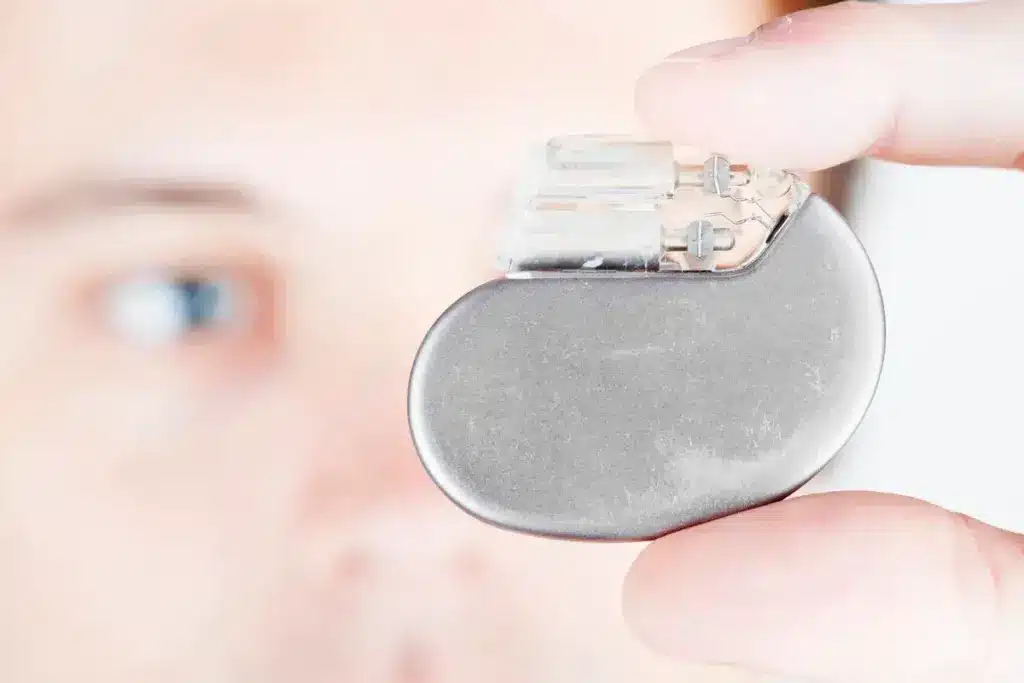
Your cardiac pacemaker is a complex device that keeps your heart rhythm normal. It sends electrical impulses to make your heart muscle contract. This helps control your heart rate.
How a Pacemaker Functions
A pacemaker watches your heart’s rhythm and steps in when needed. It has two main parts: the pulse generator and the leads. The pulse generator holds the battery and electronics. The leads are wires that connect to your heart.
The pacemaker works on electrophysiology, studying the heart’s electrical properties. It sends impulses at the right rate for you.
Types of Pacemakers and Their Specific Considerations
There are many pacemaker types, each with its own needs. Single-chamber pacemakers have one lead in the right atrium or ventricle. Dual-chamber pacemakers have two leads for better pacing.
Biventricular pacemakers are used in CRT to sync the heart’s ventricles. The right pacemaker depends on your heart condition.
“Pacemakers have revolutionized the treatment of arrhythmias, giving patients a more normal life.”
Components of a Pacemaker System
A pacemaker system includes the pulse generator, leads, and an external programmer. The pulse generator is the heart of the pacemaker, with the battery and circuitry. The leads deliver the electrical impulses to the heart.
The external programmer lets doctors adjust the pacemaker settings. It customizes the pacemaker for each patient’s needs.
Immediate Post-Operative Care Guidelines
Proper care after a pacemaker implant is key to avoid complications. The first few days are critical. Patients must follow certain rules to make sure their pacemaker works right and they heal well.
Hospital Recovery Period
After a pacemaker implant, patients stay in the hospital for 24 to 48 hours. Doctors watch them closely for any problems. They also check if the pacemaker is working right.
Patients usually rest in bed or do light activities. Their health is closely watched. Doctors also teach them about wound care and managing pain.
Wound Care and Infection Prevention
Keeping the wound clean is vital to avoid infection and help it heal. Patients must follow their doctor’s cleaning instructions carefully.
If the wound shows signs of infection like redness, swelling, or fever, tell the doctor right away. It’s also important to keep the wound dry and avoid water until it’s fully healed.
Pain Management Strategies
Managing pain is a big part of recovery. Doctors usually give pain medicine to help with discomfort.
It’s important to take the medicine as directed and tell the doctor about any bad pain. For mild pain, over-the-counter medicines might be suggested.
Initial Movement Restrictions
Patients need to move carefully to avoid problems with the pacemaker. They should not lift, bend, or stretch too much, at least for a few weeks.
The doctor will give specific advice. But generally, avoiding heavy lifting, bending, or stretching is important. Slowly getting back to normal activities is part of the healing process.
Arm and Shoulder Movement Restrictions
After getting a pacemaker, it’s key to know the rules about arm and shoulder movement. This helps the pacemaker heal right. Too much movement can mess with the pacemaker leads, causing problems.
First 4-6 Weeks After Implantation
In the first 4-6 weeks, patients should watch their arm movements on the side of the pacemaker. It’s not about not moving the arm at all. Just be careful and avoid heavy lifting or hard activities.
Proper care during this time is very important. It helps keep the pacemaker working right and prevents issues.
Proper Techniques for Limited Movement
To handle arm and shoulder movement well, follow these tips:
- Avoid lifting the arm above shoulder level.
- Don’t lift or carry heavy things, like objects over 5 pounds.
- Try not to reach out to the side or back too much.
- Be careful when getting dressed or doing daily tasks that might hurt your shoulder or arm.
Exercises to Avoid Lead Displacement
Stay away from certain exercises and activities in the first weeks after getting a pacemaker. These include:
- Pushing or pulling heavy objects.
- Doing arm movements that are too active, like in golf or tennis.
- Lifting weights or doing hard exercises with your upper body.
It’s essential to stick to these rules to keep the pacemaker leads in the right spot.
Gradual Return to Normal Movement
After 4-6 weeks, you can start moving more like usual. But do it slowly and with your doctor’s okay. They can give advice based on how you’re healing.
Going back to normal slowly helps you get strong and flexible again. It also keeps the pacemaker leads stable.
Physical Activity and Exercise Limitations
After getting a pacemaker, it’s important to know what activities are safe. A pacemaker helps your heart work better. But, you need to follow certain rules to recover safely and well.
When to Resume Light Activities
Most people can start with light activities a few days to a week after getting a pacemaker. How soon you can start depends on your health and the surgery details. “It’s essential to follow your doctor’s advice regarding physical activity,” say cardiac specialists.
Light activities are things like walking, stretching, or other easy exercises. These don’t put too much strain on your chest or shoulder. Start with short, easy sessions and slowly add more time and effort as your doctor advises.
Sports and Recreational Activities to Avoid
Some sports and activities are not safe for pacemaker users. These include:
- Contact sports such as football, rugby, or hockey
- High-impact activities like gymnastics or intense aerobics
- Activities that involve significant strain or direct blows to the chest area
Staying away from these activities helps keep your pacemaker working right.
Safe Exercise Options with a Pacemaker
Safe exercises for pacemaker users are:
- Brisk walking
- Swimming or water aerobics
- Cycling on a stationary bike
- Low-impact aerobics
These exercises are good for your heart without stressing your pacemaker. Always talk to your healthcare provider before starting any new exercise.
Working with Physical Therapists
Working with a physical therapist is very helpful. They can create a workout plan just for you. Physical therapists can help you:
- Understand your physical limitations
- Develop a safe and effective exercise routine
- Improve overall physical function and mobility
Driving and Transportation Restrictions
Knowing the rules for driving and travel after getting a pacemaker is key for safety. After the implant, patients often need to change their daily habits. This includes how they drive and travel.
Legal Requirements for Driving After Pacemaker Implantation
The rules for driving after getting a pacemaker change by country and sometimes by area. In the U.S., laws vary by state. Usually, patients can’t drive for a few days to a week after the surgery. This is to make sure they can drive safely.
It’s important for patients to talk to their doctor and know the local laws about driving with a pacemaker. Some places might need a doctor’s okay or have special rules for patients.
Commercial Driving Considerations
For those who drive for work, the rules are stricter. Commercial drivers must meet certain health standards to keep their license. After getting a pacemaker, they need to show their health is good enough to drive safely.
The rules for commercial drivers can change a lot. So, it’s key for them to know the rules in their area and follow them to avoid legal trouble.
Air Travel Guidelines
Flying is usually safe for pacemaker patients, but there are things to watch out for. Before flying, tell the airline about your pacemaker and be ready to show medical papers if needed. Metal detectors and full-body scanners are usually okay, but tell security about your pacemaker first.
Public Transportation Safety
Public transport is usually safe for pacemaker patients. But, it’s good to stay alert and take care of yourself. Follow your doctor’s advice on how much to move and when to travel.
By following these tips, pacemaker patients can stay safe while driving and traveling. This helps keep everyone safe.
Electronic Device Interference with Pacemakers
Electronic devices are everywhere, but they can affect pacemakers. It’s important to know how they impact pacemaker function for safety.
Household Appliances and Their Safety
Most home appliances are safe for pacemaker users. But, stay away from strong magnetic fields like induction cooktops and some power tools. Always follow the manufacturer’s guidelines and talk to your doctor if you’re unsure.
Cell Phones and Wireless Technology
Cell phones are usually safe to use. But, use it on the opposite side of your pacemaker and don’t carry it in a pocket near it. Newer wireless technologies like 5G are being studied, but they seem safe when used correctly.
“The use of cell phones and other wireless devices has become an integral part of daily life. Studies have shown that when used properly, these devices do not significantly interfere with pacemaker function.”
Security Systems and Metal Detectors
Security systems and metal detectors can affect pacemakers. Tell security about your pacemaker before screening. They might use different methods.
Medical Equipment Concerns
Some medical equipment, like MRI machines and radiation therapy, can harm pacemakers. Inform your healthcare provider about your pacemaker before any procedure. They might need to adjust or turn off your pacemaker.
Knowing about these risks and taking steps can help pacemaker users live safely and healthily.
Workplace Considerations and Restrictions
It’s important to know about workplace rules after getting a pacemaker. Your job might have risks or need changes for your safety and comfort.
Occupational Hazards to Avoid
After getting a pacemaker, you should watch out for job hazards. Strong magnetic fields can mess with your pacemaker. Jobs like welding or working with heavy machinery might need special care.
Talk to your doctor about your job to figure out what’s safe. You might need a job check to find risks.
When to Return to Work
When you can go back to work depends on your job, health, and doctor’s advice. Usually, people can go back in a few weeks. But it can vary.
Listen to your doctor about when to start work again. Start with easy tasks and slowly add more to avoid getting too tired.
Accommodations You May Need
You might need job changes to stay safe at work. This could be a different desk, schedule, or protective gear. The ADA says employers must help with these changes for people with disabilities, like pacemaker users.
- Modifying tasks to reduce physical strain
- Providing a workspace away from strong magnetic fields
- Allowing for regular breaks
- Adjusting work schedules as needed
Communicating with Employers About Your Pacemaker
Telling your boss about your pacemaker is key. Share your situation and what you need at work. This helps you go back safely and keeps everyone comfortable.
Your doctor can help talk to your boss. They might give papers to support your work needs.
Medical Procedures and Treatments to Avoid
Knowing which medical procedures to avoid after getting a pacemaker is key to staying healthy. Some treatments can mess with your pacemaker’s work or even harm you. We’ll cover the main procedures and treatments you should be careful or avoid.
MRI Compatibility Issues
Magnetic Resonance Imaging (MRI) is a common test, but it’s tricky for pacemaker users. The strong magnetic fields can mess with your device. If you need an MRI, do this:
- Tell your doctor about your pacemaker
- Check if your pacemaker can handle MRI
- Follow the rules given by your doctor or the pacemaker maker
Some pacemakers can go through MRI scans safely, but not all. It’s important to make sure yours can.
Radiation Therapy Considerations
Radiation therapy is used to fight cancer. It’s a lifesaver, but it can mess with pacemakers. High doses of radiation might damage your device or make it stop working. If you’re getting radiation therapy:
- Let your radiation oncologist know about your pacemaker
- Talk about the risks and what to do to stay safe
- Think about having your pacemaker checked during treatment
Electrocautery During Surgery
Electrocautery uses electrical currents to cut or coagulate tissue in surgery. It can mess with your pacemaker. To stay safe:
- Tell your surgeon and anesthesiologist about your pacemaker
- Get your pacemaker checked before and after surgery
- Use other methods if you can, or follow safe electrocautery rules
|
Medical Procedure |
Potential Risk |
Precautionary Measures |
|---|---|---|
|
MRI |
Interference with pacemaker operation |
Check MRI compatibility, follow guidelines |
|
Radiation Therapy |
Damage to pacemaker, malfunction |
Notify oncologist, monitor pacemaker during treatment |
|
Electrocautery |
Interference with pacemaker operation |
Inform surgeon, consider alternative techniques, monitor pacemaker |
Alternative Medical Treatments
Some alternative treatments might not affect your pacemaker but can impact your health. Always talk to your doctor before trying treatments like acupuncture or chiropractic care. Make sure they’re safe for you.
By knowing these risks and taking steps to avoid them, you can keep your pacemaker working well. Always talk to your doctor before any medical procedure or treatment.
Travel Considerations for Pacemaker Patients
Pacemaker patients can travel safely with some planning. It’s important to know the challenges you might face. This way, your trip will be enjoyable and safe.
Pre-Travel Medical Clearance
Get medical clearance from your doctor before traveling. This is very important, more so for long trips or places with different environments.
- See your cardiologist for a check-up to make sure your pacemaker is working right.
- Talk to your doctor about your travel plans, including where you’re going and what you’ll do.
- Ask for a letter from your doctor about your medical condition and pacemaker.
advises pacemaker patients to take precautions when traveling. This can help avoid complications.
Airport Security Procedures
Airport security is key for pacemaker patients. There are ways to make the process easier.
|
Security Measure |
Precautions for Pacemaker Patients |
|---|---|
|
Metal Detectors |
Tell security about your pacemaker before screening. You might get a pat-down or other screening. |
|
Full-Body Scanners |
Some scanners might affect pacemakers. Tell security, and they might use another method. |
International Travel Preparations
International travel requires extra steps for pacemaker patients. This ensures your safety and pacemaker function.
Research your destination: Learn about the local healthcare and find nearby hospitals or medical facilities for emergencies.
Finding Medical Care While Traveling
In case of a medical emergency, knowing where to find care is key. Here’s how to do it:
- Look up hospitals and medical facilities at your destination before you go.
- Keep a list of emergency contact numbers, like your cardiologist and local emergency services.
- Think about registering with a medical alert service to help find care abroad.
By following these steps, pacemaker patients can travel safely and enjoyably. Always talk to your healthcare provider before planning your trip.
Long-term Pacemaker Maintenance Requirements
Pacemaker maintenance is a detailed process. It involves several steps to keep the device working right and supporting your heart health.
Regular Check-up Schedule
Regular check-ups are key to keeping an eye on your pacemaker’s performance. These visits are usually every 3 to 6 months. But, the exact schedule depends on your needs and pacemaker type.
At these visits, your doctor will check the pacemaker’s battery, lead function, and overall performance. They might also use special tools to get data on your heart and pacemaker’s work.
Remote Monitoring Systems
Remote monitoring systems make it easy to track your pacemaker’s performance between visits. They send data from your pacemaker to your doctor, helping catch problems early.
Remote monitoring helps detect issues quickly, cuts down on in-person visits, and gives you peace of mind. Your pacemaker is always being watched.
Battery Life and Replacement Timing
The battery life of a pacemaker varies. It can last from 5 to 15 years. Your doctor will keep an eye on the battery during check-ups and tell you when it’s time for a new one.
When the battery is almost gone, you’ll need a pacemaker generator replacement. This procedure is less invasive than the initial implant.
Device Programming Adjustments
Device programming adjustments are made to fine-tune your pacemaker’s performance. These changes can be made during visits or remotely, depending on your pacemaker and monitoring system.
These adjustments might be needed due to changes in your heart condition, activity level, or other factors. Your doctor will work with you to ensure your pacemaker is set up to support your heart health best.
|
Maintenance Aspect |
Frequency/Details |
|---|---|
|
Regular Check-ups |
Every 3 to 6 months; monitoring of battery, lead function, and device performance |
|
Remote Monitoring |
Data transmission to healthcare provider; early detection of possible issues |
|
Battery Life |
5 to 15 years; monitored during check-ups |
|
Device Programming |
Adjustments made as needed; tailored for individual heart health |
Dietary and Medication Considerations
Pacemaker patients need to watch their diet and meds to avoid device issues. A good diet and the right meds are key to keeping the pacemaker working well.
Medications That May Affect Pacemaker Function
Some meds can mess with pacemaker work. Tell your doctor about all meds you’re taking, including over-the-counter stuff and supplements. Some meds might need to be changed or watched closely to keep the pacemaker safe.
Nutritional Guidelines
Eating well is super important for pacemaker patients. Nutritional guidelines suggest eating lots of fruits, veggies, whole grains, and lean meats. Drinking lots of water is also key.
Alcohol and Caffeine Consumption
Alcohol and caffeine can mess with heart rhythm. Even though some say it’s okay in small amounts, it’s vital to talk to your doctor. They can tell you what’s safe for you.
Weight Management Importance
Keeping a healthy weight is good for your heart. Eating right and exercising regularly can help you stay at a healthy weight. This helps your pacemaker work better and keeps you feeling good.
Warning Signs and When to Seek Medical Attention
Knowing the warning signs of pacemaker malfunction or complications is key to your health. After getting a pacemaker, watch your body closely. Look out for any changes that might mean trouble.
Symptoms of Pacemaker Malfunction
A malfunctioning pacemaker can show itself in many ways. Key symptoms to watch for include:
- dizziness or fainting spells
- irregular heartbeats or palpitations
- unusual fatigue or weakness
- swelling in the legs or feet
- shortness of breath
If you notice any of these, call your doctor right away.
Signs of Infection at Implant Site
Infection at the pacemaker site is serious and needs quick action. Watch for signs such as:
- redness, swelling, or warmth around the implant site
- pain or tenderness
- pus or discharge
- fever or chills
Cardiac Symptoms to Never Ignore
Some heart symptoms can mean serious trouble with your pacemaker or heart. Never ignore:
- chest pain or discomfort
- severe shortness of breath
- severe dizziness or fainting
- rapid or irregular heartbeats
If you have any of these, go to the emergency room.
Emergency Response Plan
Having a plan for emergencies is important for pacemaker users. Make sure:
- you have a list of emergency contact numbers
- your family or caregivers know what to do in an emergency
- you have a plan for getting to the hospital or emergency care
Being ready can help a lot in an emergency.
Psychological Adjustment to Life with a Pacemaker
Getting used to a pacemaker is more than just healing physically. It’s also about mentally adjusting. Patients need to accept the device in their body and its role in keeping them healthy.
Managing Anxiety About Device Dependence
Many pacemaker patients worry about their device. It’s normal to feel uneasy about needing a device for heart health. Counseling and support groups help a lot in dealing with these feelings.
To feel better, patients can do a few things:
- Learn how their pacemaker works and its benefits.
- Check their device as often as their doctor says.
- Try stress-reducing activities like meditation or yoga.
Body Image Concerns
Some people worry about how the pacemaker affects their body image. The visible signs of the device can change how they see themselves. It’s important to talk about these worries to adjust well psychologically.
|
Concerns |
Support Strategies |
|---|---|
|
Visible scars or device |
Counseling, support groups |
|
Feeling of dependency |
Education on device functionality, regular check-ups |
|
Impact on lifestyle |
Guidance on resuming activities, lifestyle adjustments |
Support Groups and Resources
Support groups, online or in-person, are great for pacemaker patients. They offer a place to share experiences and get advice. These groups are key for emotional support and practical help.
Communicating with Family About Your Condition
Talking openly with family is key for mental health. Family support is huge, but they need to understand the patient’s situation. Open dialogue helps manage expectations and creates a supportive space.
By focusing on these mental aspects, patients can adjust better to life with a pacemaker. This improves their overall life quality.
Special Considerations for Different Patient Populations
Pacemaker care varies for different groups. Each group has its own needs and challenges after getting a pacemaker.
Pediatric Pacemaker Patients
Children with pacemakers face special challenges. They need devices that can grow with them. Regular monitoring is key to adjust the pacemaker as they grow.
This includes cardiologists, surgeons, and other specialists.
Children also need emotional support. Parents or guardians play a big role in their care. The device’s lifespan and possible need for future surgeries are important to consider.
Elderly Patients with Pacemakers
Elderly patients often have other health issues. Careful medication management is vital to avoid problems with the pacemaker. We also need to think about how their minds might change with age.
It’s important to keep up with regular check-ups. Elderly patients might need more visits because of their higher risk of issues.
Athletes with Pacemakers
Athletes with pacemakers have special concerns, like those in contact sports. Assessing the risk of device damage is key. They might need to change their training plans.
“Athletes with pacemakers can stay active,” saysa sports cardiologist. “But they must be careful and take precautions.”
Pregnant Women with Pacemakers
Pregnancy is a special time for women with pacemakers. Close surveillance is needed to keep both mom and baby safe. Regular visits with a cardiologist who knows about pregnant women with pacemakers are recommended.
The pacemaker settings might need to change during pregnancy. This is to handle the increased blood and heart output. We work with obstetricians to ensure a healthy pregnancy for both mom and baby.
Conclusion: Living Well with Your Pacemaker
To live well with a pacemaker, it is essential to pay close attention to various aspects of your life. By following the post-implantation guidelines and staying healthy, your pacemaker will work its best. This helps keep you feeling good overall.
Good pacemaker care means regular doctor visits, taking your meds as told, and watching out for any issues with other devices or treatments. Keeping up with your care and working with your doctors can help avoid problems. This way, you can enjoy good health for a long time.
We suggest you take charge of your pacemaker care. Ask questions and get help when you need it. With the right steps, you can live a happy life with your pacemaker. You’ll have better heart health and a better quality of life.
FAQ
What are the immediate restrictions after pacemaker implantation?
After getting a pacemaker, avoid heavy lifting and bending for a few weeks. This helps prevent lead displacement and ensures healing.
How long does it take to recover from pacemaker implantation surgery?
Recovery usually takes a few weeks. Follow your doctor’s advice on wound care, pain, and movement.
Can I drive after getting a pacemaker?
Driving rules vary based on your health and local laws. Usually, you can’t drive for a few days to a week. Always check with your doctor.
Are there any electronic devices that can interfere with my pacemaker?
Yes, some devices like strong magnets and MRI machines can affect your pacemaker. But most household items and cell phones are safe.
Can I travel after pacemaker implantation?
Yes, you can travel, but be careful. Get medical clearance before traveling, carry an ID card, and know airport security rules.
How often do I need to have my pacemaker checked?
Check-ups depend on your device and health. You’ll usually see your doctor every 3-6 months. Your device might also be checked remotely.
Are there any specific dietary restrictions or recommendations for pacemaker patients?
No specific diet is needed, but eating healthy and managing weight is good. Also, be careful with alcohol and caffeine.
Can I resume normal exercise and physical activities after pacemaker implantation?
Yes, you can start exercising again, but slowly. Always follow your doctor’s advice and start with gentle activities.
What are the warning signs of pacemaker malfunction or other complications?
Watch for dizziness, fainting, shortness of breath, chest pain, or infection signs. Seek help if you notice these symptoms.
How can I manage anxiety related to living with a pacemaker?
Stay informed about your device, join support groups, and talk to your healthcare team and family. This helps manage anxiety.
Are there any special considerations for athletes or individuals with physically demanding jobs?
Athletes and those with demanding jobs should talk to their doctor. They’ll give specific advice to ensure safety.
Can I have an MRI with a pacemaker?
MRI safety depends on your pacemaker type. Some are safe, others aren’t. Always tell your doctor before an MRI.
How long does a pacemaker battery last?
Battery life varies by device and use. Usually, it lasts 5-15 years before needing a replacement.
National Center for Biotechnology Information. Evidence-Based Medical Insight. Retrieved from https://www.ncbi.nlm.nih.gov/books/NBK526001/