
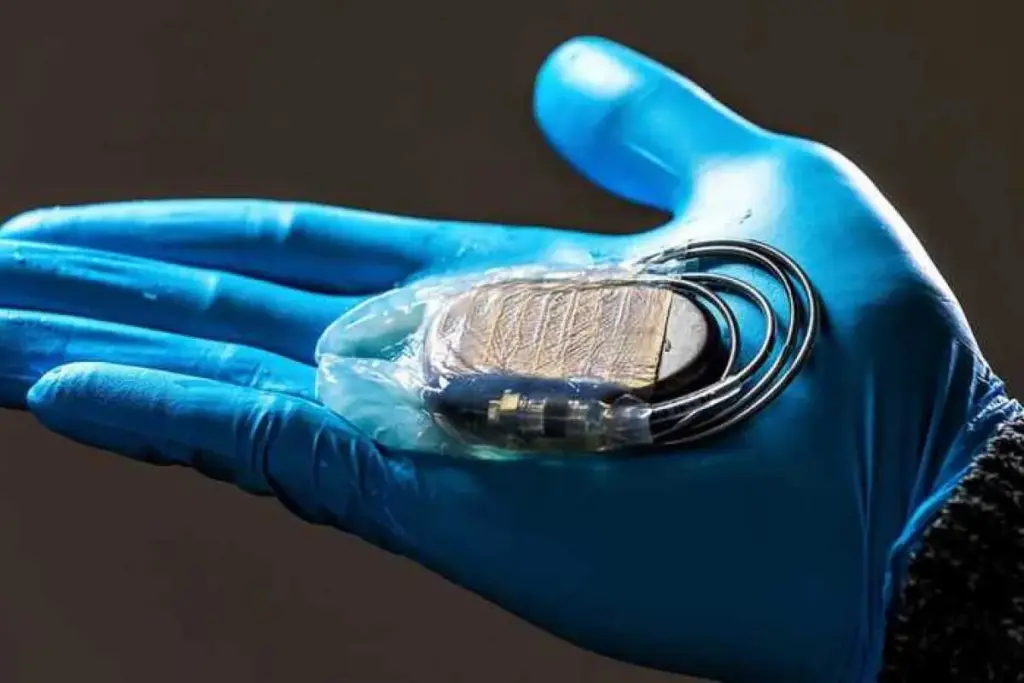
Every year, over 1 million pacemaker implants happen worldwide. This makes it a common way to fix irregular heartbeats. Yet, many people are unsure about what this procedure entails.Is pacemaker implant major surgery? No. Get best minor procedure facts. Local anesthesia only! It’s a safe, vital step for amazing heart health.
We will look into if pacemaker surgery is seen as major surgery. We’ll dive into the implantation process, possible issues, and how to recover.
Knowing if this cardiac device implant is major surgery is key for those thinking about it. Our talk will shed light on the procedure’s complexity and what you can expect.
Key Takeaways
- Pacemaker implantation is used to treat irregular heartbeats.
- The procedure involves implanting a small device that regulates heart rhythms.
- Understanding the risks and benefits is key for patients.
- Recovery time and possible complications will be discussed.
- The complexity of the surgery will be evaluated.
Understanding What a Pacemaker Is and How It Works
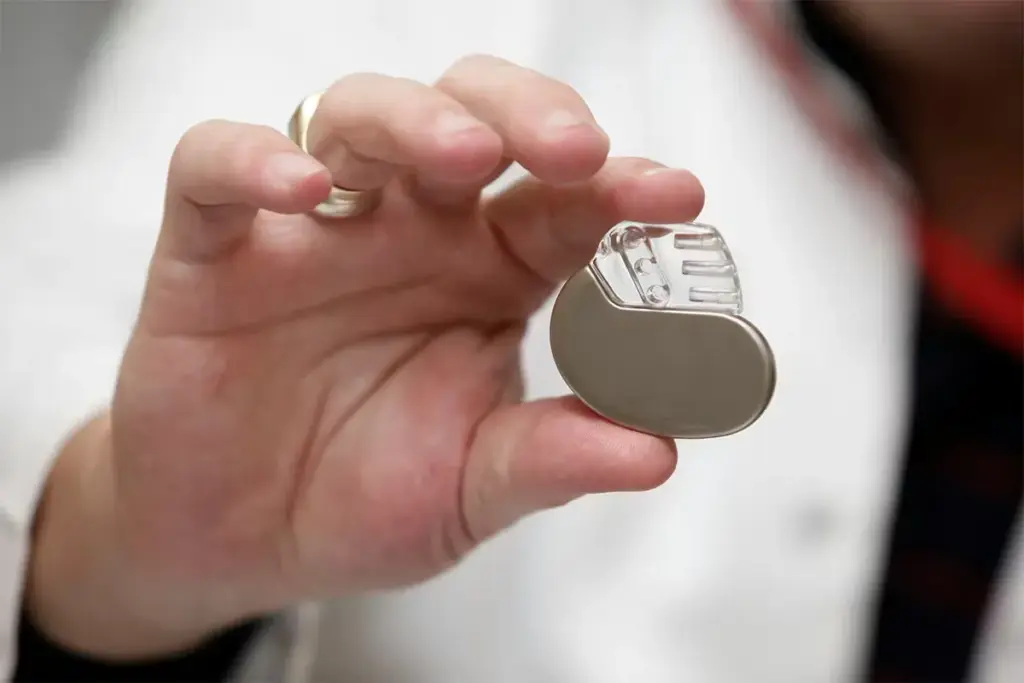
Pacemakers are advanced devices that help control irregular heartbeats. They are small and implanted inside the body. They play a key role in managing heart rhythm problems, keeping the heart beating at the right pace.
The Basic Function of a Pacemaker
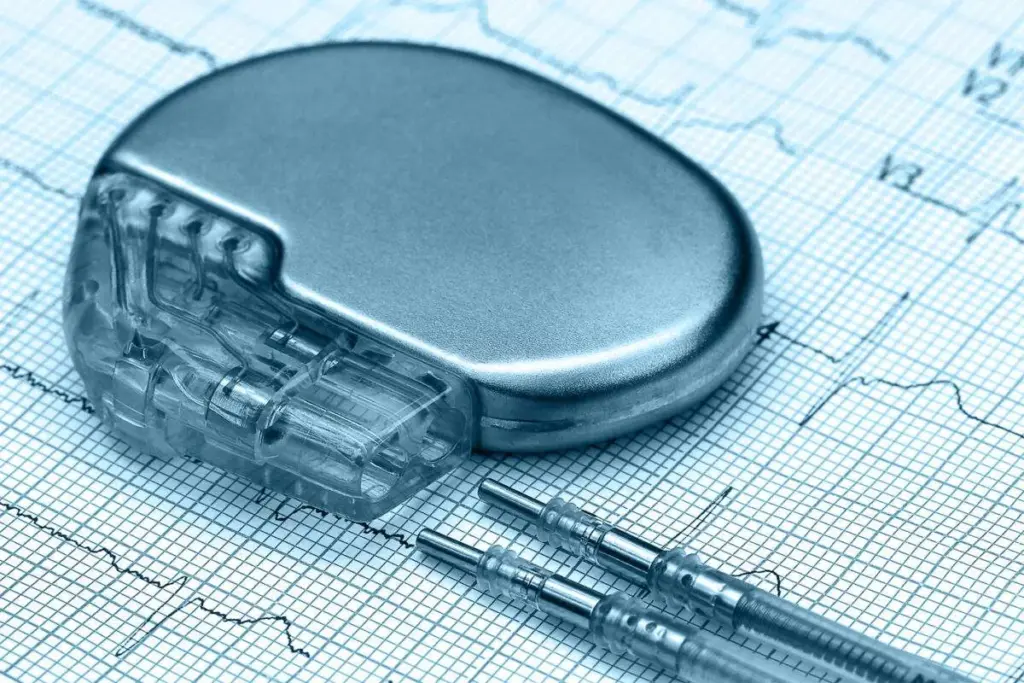
A pacemaker’s main job is to watch the heart’s electrical signals. It sends out electrical impulses when needed to keep the heart rate normal. This is vital for people with arrhythmias or other heart rhythm issues.
Components of a Modern Pacemaker
A modern pacemaker has two main parts: the pulse generator and the leads. The pulse generator is a small metal device with the electronics and battery. It’s placed under the skin in the chest. The leads are insulated wires that connect the pulse generator to the heart, sending the electrical impulses.
How Electrical Impulses Regulate Heart Rhythm
Electrical impulses from the pacemaker help control the heartbeat. They make sure the heart chambers beat together. If the pacemaker spots an irregular heartbeat, it sends an electrical impulse to fix it.
|
Component |
Function |
|---|---|
|
Pulse Generator |
Contains electronic circuitry and battery, generates electrical impulses |
|
Leads |
Deliver electrical impulses from pulse generator to the heart |
|
Sensors |
Monitor heart activity and detect irregular rhythms |
Understanding how a pacemaker functions and its components demonstrates its significance. It helps manage heart rhythm disorders and improves life quality for many people.
When Is a Pacemaker Necessary?
Understanding when a pacemaker is needed involves knowing about heart conditions that require it. A pacemaker is a device that helps control the heartbeat. It sends electrical impulses to make the heart muscle contract. We’ll look at heart rhythm disorders that need a pacemaker, symptoms that show you might need one, and tests used to decide if you need a pacemaker.
Common Heart Rhythm Disorders Requiring Pacemakers
Certain heart rhythm disorders are often treated with pacemakers. These include:
- Bradycardia: A condition where the heart beats too slowly, typically fewer than 60 beats per minute.
- Heart Block: A condition where there’s a delay or blockage in the electrical pathway between the heart’s upper and lower chambers.
- Sick Sinus Syndrome: A condition affecting the heart’s natural pacemaker, leading to irregular heart rhythms.
- Atrial Fibrillation with Bradycardia: A condition characterized by an irregular and often rapid heart rate, accompanied by a slow heart rate.
Symptoms That May Indicate the Need for a Pacemaker
Several symptoms may indicate the need for a pacemaker. These include:
- Dizziness or Lightheadedness: Caused by inadequate blood flow due to a slow heart rate.
- Fainting or Near-Fainting Spells: Resulting from a heart rate that’s too slow to maintain adequate blood flow.
- Fatigue: Feeling weak or tired due to the heart not pumping enough blood.
- Shortness of Breath: Experienced when the heart isn’t pumping efficiently.
Diagnostic Tests Used to Determine Pacemaker Necessity
To determine if a pacemaker is necessary, several diagnostic tests are used. These include:
- Electrocardiogram (ECG or EKG): A test that records the electrical activity of the heart.
- Holter Monitor: A portable device that records the heart’s rhythm over 24 to 48 hours.
- Event Monitor: A device that records the heart’s rhythm over a longer period, typically 1 to 4 weeks.
- Stress Test: A test that monitors the heart’s activity under physical stress.
- Echocardiogram: An ultrasound test that evaluates the heart’s structure and function.
These tests help doctors figure out if you have a heart rhythm disorder and how severe it is. They guide the decision to implant a pacemaker.
Types of Pacemakers Available Today
Medical technology has advanced, leading to many pacemaker types. Each is designed for different heart conditions. We’ll look at the various pacemakers, their features, and what they treat.
Single-Chamber Pacemakers
Single-chamber pacemakers have one lead, placed in the heart’s right atrium or ventricle. They’re good for patients needing pacing in just one chamber. These pacemakers are simple and have been around for years, helping with heart rhythm issues.
Dual-Chamber Pacemakers
Dual-chamber pacemakers have two leads, one in the atrium and the other in the ventricle. They pace both chambers, making the heartbeat more natural. These pacemakers help patients with symptoms like fatigue and shortness of breath.
Biventricular Pacemakers
Biventricular pacemakers, or CRT devices, are for heart failure patients with left bundle branch block. They have three leads, pacing both ventricles and the atrium. This ensures the ventricles contract together, boosting heart efficiency and reducing heart failure symptoms.
Leadless Pacemakers
Leadless pacemakers are a big leap in pacemaker tech. They’re small, self-contained devices implanted directly in the heart, without leads. This makes them less invasive and lowers the risk of complications, making them a great option for single-chamber pacing.
Each pacemaker type has its own benefits and features. The right choice depends on the patient’s condition, lifestyle, and needs. We work with patients to find the best pacemaker, aiming for the best outcome and quality of life.
The Pacemaker Implantation Procedure Explained
The process of getting a pacemaker involves several steps. From the start to after the surgery, we’ll walk you through it. This way, you’ll know what to expect at every stage.
Pre-Operative Preparation
Before the surgery, you’ll have tests to check your health. These might include blood work, electrocardiograms, and chest X-rays. Our team will also look at your medical history and any medicines you’re taking.
“Following our instructions closely is key to a safe and easy recovery,” our lead cardiologist stresses.
Step-by-Step Surgical Process
The surgery starts with local anesthesia to numb the area. You might also get sedation to relax. A small cut is made in your chest, and a pocket is made under the skin for the pacemaker.
The leads are then put through a vein into your heart using X-ray imaging. Once in, they connect to the pacemaker. The pacemaker is then placed in its pocket. The cut is closed, and the area is bandaged.
Duration of the Procedure
The whole procedure usually takes 1-2 hours. This time can change based on the case’s complexity and the pacemaker type. Our team will watch your vital signs closely to keep you safe.
Anesthesia Options
The surgery is usually done with local anesthesia and sedation. This keeps you comfortable and relaxed while avoiding the risks of general anesthesia.
One of our patients said, “The staff were very reassuring and explained everything clearly. I felt very comfortable throughout the procedure.”
Is Pacemaker Surgery Considered Major or Minor?
To understand if pacemaker surgery is major or minor, we need to look closely at the procedure. We’ll examine how pacemaker implantation is classified. This will help us compare it to other heart surgeries.
Defining Major vs. Minor Surgery
“Major” and “minor” surgery describe the procedure’s severity and complexity. Major surgery is risky, needs a long recovery, and affects many body systems. On the other hand, minor surgery is less risky, less invasive, and has a quicker recovery.
Pacemaker implantation involves a small chest incision to insert the device and leads. It’s done under local anesthesia. Patients usually go home the same day or the next day.
Classification of Pacemaker Implantation
Pacemaker implantation is seen as a minor surgical procedure. This is because it has low risks, uses local anesthesia, and has a short recovery. Yet, it’s a significant medical step that needs careful thought and preparation.
Comparing Pacemaker Surgery to Other Cardiac Procedures
Pacemaker surgery is less invasive than many heart surgeries. For example, open-heart surgeries like CABG or heart transplant are major. They are complex, risky, and have a long recovery. Pacemaker implantation, on the other hand, is often done on an outpatient basis. It has fewer risks and a quicker recovery.
Even though pacemaker surgery is generally minor, individual experiences can vary. This depends on health, other medical conditions, and the procedure details. It’s important for patients to talk to their healthcare provider. They can understand the risks and benefits of pacemaker implantation.
Risks and Complications Associated with Pacemaker Implantation
It’s important to know the risks of pacemaker implantation before making a decision. Like any surgery, there are possible risks. These can be immediate or long-term.
Short-Term Surgical Risks
Right after the surgery, you might face bleeding, infection, or a bad reaction to the anesthesia. These risks are rare but can happen.
- Bleeding or hematoma at the implant site
- Infection, which may require antibiotic treatment
- Reaction to the anesthesia used during the procedure
Potential Device-Related Complications
Complications with the device can happen soon after or years later. Issues include lead malfunction, device migration, or pacemaker syndrome.
Infection Concerns
Infection is a serious issue with pacemaker implantation. Look out for redness, swelling, or drainage at the site, and fever.
Prevention measures include antibiotics before surgery and keeping everything clean during the procedure.
Long-Term Considerations
Over time, you’ll need regular pacemaker checks. The battery might run out, and you might need more surgeries for lead replacement or device upgrades.
|
Long-Term Aspect |
Description |
|---|---|
|
Pacemaker Checks |
Regular follow-ups to ensure the device is functioning correctly |
|
Battery Depletion |
The pacemaker battery will eventually need to be replaced, typically every 5-15 years |
|
Lead Replacement |
In some cases, leads may need to be replaced due to malfunction or other issues |
Recovery Timeline After Pacemaker Surgery
Pacemaker surgery recovery has several stages. These include immediate care and long-term milestones. Knowing these stages helps manage expectations and ensures a smooth recovery.
Immediate Post-Operative Period
Right after surgery, patients stay in the recovery room for a few hours. Healthcare professionals watch their vital signs and the surgical site for complications. Some discomfort, swelling, or bruising at the implant site is common. Pain management options are given to ease discomfort.
First Week After Surgery
The first week is key for recovery. Patients should:
- Rest and avoid strenuous activities
- Keep the surgical site clean and dry
- Follow the medication regimen as prescribed
- Monitor for signs of infection, such as redness, swelling, or fever
Having someone stay with the patient for the first few days helps with daily tasks.
Long-Term Recovery Milestones
After the first week, patients can gradually return to normal activities. Most people can get back to their routine in a few weeks. It’s important to follow the healthcare team’s guidelines on:
- Exercise and physical activity
- Lifting heavy objects
- Driving and operating machinery
Regular check-ups with the healthcare provider are vital. They help monitor the pacemaker’s function and the patient’s health.
When to Return to Normal Activities
The time it takes to return to normal activities varies. It depends on the individual’s health and the surgery specifics. Generally, patients are advised to:
- Avoid heavy lifting and bending for 4-6 weeks
- Gradually increase physical activity as tolerated
- Resume driving when cleared by their healthcare provider, usually after a few days to a week
It’s important to listen to your body and not rush the recovery.
Living with a Pacemaker: Lifestyle Adjustments
Living with a pacemaker means making some changes, but most people can stay active. The device helps the heart a lot. But, there are some things to do to keep it working right.
Physical Activity Guidelines
Most people can get back to their usual activities after they recover. But, some activities might need to be changed or avoided. This is to protect the pacemaker and its leads.
- Avoid contact sports that could result in a blow to the chest area.
- Be cautious with heavy lifting or bending.
- Gradually increase exercise intensity as advised by your healthcare provider.
Recommended Activities: Walking, swimming, and cycling are generally safe and beneficial.
Electromagnetic Interference Precautions
Pacemakers can be affected by strong electromagnetic fields. Modern devices have better shielding, but it’s important to be careful.
- Avoid close proximity to strong magnetic fields, such as those from MRI machines (unless your pacemaker is MRI-compatible).
- Be cautious around certain industrial equipment and high-voltage power lines.
- Metal detectors at airports or in other locations are generally safe, but it’s a good idea to inform security personnel about your pacemaker.
Driving Restrictions
Most people can drive after getting a pacemaker. But, there are some rules to follow.
|
Driving Scenario |
Guideline |
|---|---|
|
Private Vehicle |
Usually permitted after a few days to a week, depending on recovery and doctor’s advice. |
|
Commercial Driving |
May require a longer waiting period and clearance from a healthcare provider. |
Travel Considerations
Traveling with a pacemaker needs some planning, but it’s usually safe.
- Inform your airline or travel provider about your pacemaker when booking.
- Carry a pacemaker identification card with you.
- Be aware of security screening procedures at airports.
- Research medical facilities at your destination in case of an emergency.
By following these guidelines, people with pacemakers can live a normal and active life. They can keep their device healthy and safe.
Pacemaker Battery Life and Replacement Procedures
Knowing how long a pacemaker battery lasts is key for those with a pacemaker. These batteries are made to last many years. But, they will need to be replaced at some point.
Average Lifespan of Modern Pacemaker Batteries
Pacemaker batteries usually last between 5 to 15 years. The exact time depends on the pacemaker type, its settings, and the patient’s heart health.
How Replacement Surgery Differs from Initial Implantation
Replacing a pacemaker battery is less invasive than the first implant. The surgery mainly focuses on swapping the pacemaker generator. This makes recovery time shorter than the first surgery.
Remote Monitoring of Battery Status
Many pacemakers today have remote monitoring. This lets doctors check the battery and device without a visit. It helps them act fast when the battery is running low.
|
Pacemaker Type |
Average Battery Life |
Replacement Complexity |
|---|---|---|
|
Single-Chamber |
7-10 years |
Less invasive |
|
Dual-Chamber |
5-12 years |
Moderate |
|
Biventricular |
5-10 years |
More complex |
Technological Advancements in Pacemaker Design
Pacemaker technology is changing fast, bringing hope to people all over the world. New designs are making life better for patients. These changes are improving health outcomes and quality of life.
MRI-Compatible Pacemakers
One big step forward is MRI-compatible pacemakers. Before, patients with pacemakers couldn’t get MRI scans because of the risk. Now, these pacemakers can handle MRI machines’ strong fields. This lets patients get needed scans safely.
Wireless Monitoring Capabilities
Another key improvement is wireless monitoring in pacemakers. This lets doctors check the pacemaker and heart rhythm from afar. It means fewer doctor visits and quicker help when needed.
Miniaturization and Leadless Technology
Miniaturization and leadless technology are also big deals. Leadless pacemakers are tiny and go right into the heart. They don’t need leads, which cuts down on risks and makes them more reliable.
Future Innovations on the Horizon
The future of pacemakers looks bright. We’re talking about artificial intelligence and machine learning to make pacemakers smarter. Also, better batteries and energy tech could make pacemakers last longer, needing fewer replacements.
We’re excited to keep up with these advancements. Our goal is to give our patients the best care with the latest technology.
Cost and Insurance Coverage for Pacemaker Implantation
It’s important for patients to understand the costs of pacemaker implantation. The price can be high, and dealing with insurance can be tricky.
Average Cost Without Insurance
The cost of a pacemaker implant without insurance can be from $30,000 to over $100,000. This depends on the pacemaker type, the doctor, and where it’s done. These costs include the device, the implantation, and aftercare.
Medicare and Medicaid Coverage
Patients with Medicare or Medicaid usually get pacemaker implantation covered if it’s needed. Medicare Part A pays for the hospital stay, and Part B covers the doctor and the device. Medicaid coverage varies by state, but most states cover it for those who qualify.
Private Insurance Considerations
Private insurance often covers pacemaker implantation, but how much can vary. Patients should check their policy to know their costs, like deductibles and co-payments. Some plans might need pre-approval or have special rules for coverage.
Financial Assistance Programs
For those struggling financially, there are help programs available. Device makers sometimes offer financial aid or patient programs to lower costs. Non-profit groups also help patients with pacemaker implantation costs.
Preparing for Your Pacemaker Surgery
To get the best results from your pacemaker surgery, you need to prepare well. Good preparation can make a big difference in how well you do during and after the surgery.
Medical Evaluations and Tests
Before your pacemaker is put in, we do many tests to check your health and heart. These tests might include:
- Electrocardiogram (ECG): To see how your heart’s electrical activity works.
- Echocardiogram: An ultrasound to look at your heart’s function.
- Blood Tests: To find out if you have any infections or other health issues.
- Chest X-ray: To see your heart and lungs.
says, “A detailed check-up before your pacemaker is put in is very important. It helps find any risks and makes sure you get the best results.”
“A full check-up before surgery is key to a successful pacemaker implantation.”
Medication Adjustments
Some medicines might need to be changed or stopped before surgery. We will tell you about:
- Blood Thinners: We might ask you to stop taking medicines like warfarin or aspirin to lower the risk of bleeding.
- Other Medications: We will look at all your medicines to see if any need to be changed.
|
Medication Type |
Action Required |
Reason |
|---|---|---|
|
Blood Thinners |
Stop or adjust dosage |
Reduce bleeding risk |
|
Beta Blockers |
Continue as directed |
Maintain heart rate control |
What to Bring to the Hospital
On the day of your surgery, remember to bring:
- Identification: Your driver’s license or passport.
- Insurance Cards: To help with billing.
- List of Medications: Include how much and how often you take them.
- Comfortable Clothing: Wear loose clothes for comfort.
Mental Preparation
Getting mentally ready is as important as getting physically ready. Here’s what we suggest:
- Staying Informed: Learn about the procedure and what to expect.
- Support System: Have family or friends there for support.
- Relaxation Techniques: Try deep breathing or meditation to calm your nerves.
By following these tips and working with your healthcare team, you can have a smooth and successful pacemaker surgery.
Follow-Up Care and Monitoring After Pacemaker Implantation
After getting a pacemaker, it’s key to keep up with follow-up care. This ensures the device works right and catches any problems early. We know this ongoing care is vital for the pacemaker’s best performance and our patients’ health.
Routine Check-Up Schedule
Regular check-ups are a big part of caring for a pacemaker. We usually plan follow-up visits:
- 1-2 weeks after surgery to check the wound and device function
- Every 3-6 months thereafter to monitor device performance and adjust settings as needed
These visits help us tweak the pacemaker settings. We also address any concerns or questions the patient might have. This ensures the device works well with the heart’s natural rhythm.
Remote Monitoring Systems
Many modern pacemakers come with remote monitoring. This technology lets us:
- Track device performance and battery life
- Receive alerts for any abnormal heart rhythms or device malfunctions
- Adjust device settings remotely when necessary
Remote monitoring boosts patient care. It gives us real-time data, cuts down on clinic visits, and lets us act fast if problems come up.
Signs That Warrant Immediate Medical Attention
While follow-up care is key, knowing when to seek immediate help is also important. If you notice any of these signs, get medical help right away:
- Dizziness or fainting spells
- Palpitations or irregular heartbeats
- Swelling, redness, or drainage from the pacemaker site
- Unusual fatigue or shortness of breath
Being alert to these symptoms and telling your healthcare provider can prevent serious issues. It helps keep the pacemaker working well.
Alternatives to Traditional Pacemakers
There are many treatments for heart conditions beyond traditional pacemakers. Pacemakers work well for many, but other options might be better for some. This depends on the heart condition and its severity.
Medication Options for Some Arrhythmias
For some arrhythmias, medicine can be a good choice. Anti-arrhythmic drugs can help control heart rhythm. They can also lessen symptoms. We’ll look at the different types of medications and their effects.
|
Medication Class |
Examples |
Primary Use |
|---|---|---|
|
Beta-blockers |
Metoprolol, Propranolol |
Slow heart rate, reduce arrhythmia frequency |
|
Calcium Channel Blockers |
Diltiazem, Verapamil |
Control heart rate, certain arrhythmias |
|
Anti-arrhythmic Agents |
Amiodarone, Sotalol |
Treat various arrhythmias, maintain normal rhythm |
Implantable Cardioverter Defibrillators (ICDs)
ICDs can prevent sudden death from dangerous arrhythmias. They work by giving an electric shock when needed. ICDs are not a direct replacement for pacemakers but are an option for those at high risk.
Cardiac Resynchronization Therapy
Cardiac Resynchronization Therapy (CRT) helps heart failure by coordinating heart chambers. It can be an alternative or addition to pacemakers for some patients.
Emerging Non-Invasive Technologies
New, non-invasive technologies are being researched. These could be alternatives to traditional pacemakers. They include external pacing devices and other new ways to manage heart rhythm disorders.
As cardiology advances, it’s key to explore all treatment options. Alternatives to traditional pacemakers give patients and doctors more choices. These choices are tailored to meet individual needs.
Conclusion
Pacemaker implantation is a big deal for managing heart rhythm problems. We’ve looked at the surgery’s details, like its type and the pacemakers available. We’ve also talked about the risks and benefits.
It’s key for patients to know about pacemaker surgery to make smart choices about their heart. Learning about heart rhythm management and treatment helps people understand their options better.
New pacemaker tech, like MRI-safe devices and wireless monitoring, has made a big difference. As we keep improving in cardiac care, staying up-to-date with new pacemaker tech is important.
In short, pacemaker surgery is a serious but effective way to treat heart rhythm issues. Knowing about the surgery, its risks, and benefits helps patients manage their heart health. This can greatly improve their life quality.
FAQ
What is a normal heart rate, and how does a pacemaker help maintain it?
A normal heart rate is between 60 to 100 beats per minute. A pacemaker keeps this rate by sending electrical impulses to the heart. This ensures the heart beats consistently and correctly.
Is pacemaker implantation considered major surgery?
Pacemaker implantation is seen as minor surgery. It has a low risk and quick recovery compared to open-heart surgeries.
What are the possible complications of pacemaker implantation?
Possible complications include infection, bleeding, and device malfunction. There’s also the risk of lead displacement or device failure over time.
How long does the pacemaker implantation procedure take?
The procedure takes about 1-2 hours. Patients are given local anesthesia and sedation to reduce discomfort.
What type of anesthesia is used during pacemaker implantation?
Local anesthesia and sedation are used to lessen discomfort during the procedure.
How long does it take to recover from pacemaker surgery?
Recovery takes a few weeks. Right after surgery, rest is key. Patients should avoid heavy lifting and strenuous activities.
Are there any lifestyle adjustments needed after getting a pacemaker?
Yes, patients need to avoid strong magnetic fields and certain medical procedures. They should also follow guidelines on physical activity, driving, and travel.
How often do pacemaker batteries need to be replaced?
Pacemaker batteries last 5 to 15 years, depending on the type and usage. Replacing them is less invasive than the initial implantation.
What advancements have been made in pacemaker technology?
Recent advancements include MRI-compatible pacemakers and wireless monitoring. There are also leadless pacemakers and miniaturization, improving comfort and capabilities.
How much does pacemaker implantation cost, and is it covered by insurance?
The cost varies based on the pacemaker type and provider. Many insurance plans, including Medicare and Medicaid, cover it. Financial assistance programs may also be available.
How should I prepare for pacemaker surgery?
Preparation includes medical evaluations and adjusting medications. Arrange for post-operative care and mentally prepare for the procedure.
What follow-up care is required after pacemaker implantation?
Follow-up care includes routine check-ups and remote monitoring. Be aware of signs of complications, such as dizziness or palpitations.
Are there alternatives to traditional pacemakers?
Alternatives include medication for certain arrhythmias and implantable cardioverter-defibrillators (ICDs). There are also cardiac resynchronization therapy and emerging non-invasive technologies.
Can I undergo an MRI with a pacemaker?
Some pacemakers are MRI-compatible. It’s important to check your pacemaker type and consult a healthcare provider before an MRI.
How do I know if my pacemaker is working correctly?
Regular check-ups and remote monitoring help determine if your pacemaker is working. Symptoms like dizziness or palpitations may indicate a problem.
Reference
National Center for Biotechnology Information. Evidence-Based Medical Insight. Retrieved from https://www.ncbi.nlm.nih.gov/books/NBK526001/



 Departments
 Related Videos
 Our Doctors
 News
News