Getting a heart device implantation can change your life. But it also makes you wonder about driving. Many people ask when it’s okay to drive again after the surgery. Driving after pacemaker surgery? Get best safe rules. Wait a week. Vital rest ensures the device settles safely for amazing long-term results.
After pacemaker surgery, you need to follow some rules. These rules help you recover safely. We’ll look at what affects driving rules and when you can start driving again.
Key Takeaways
- Understand the typical recovery period after heart device implantation.
- Learn about the factors that influence driving restrictions post-procedure.
- Discover the general guidelines for resuming driving after pacemaker surgery.
- Find out why it’s important to listen to your doctor about driving.
- Explore more safety tips for driving with a pacemaker.
Understanding Pacemakers and Their Function
Pacemakers are advanced medical tools that manage heart rhythm. They are small devices implanted under the skin. They send electrical signals to the heart to make it beat properly.
What is a Pacemaker?
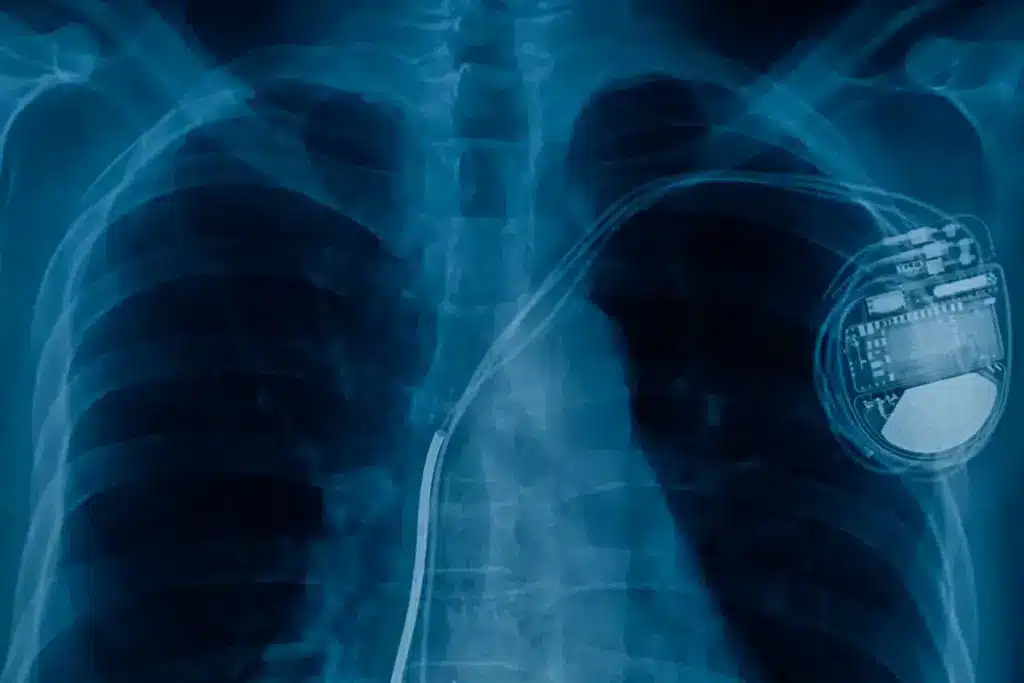
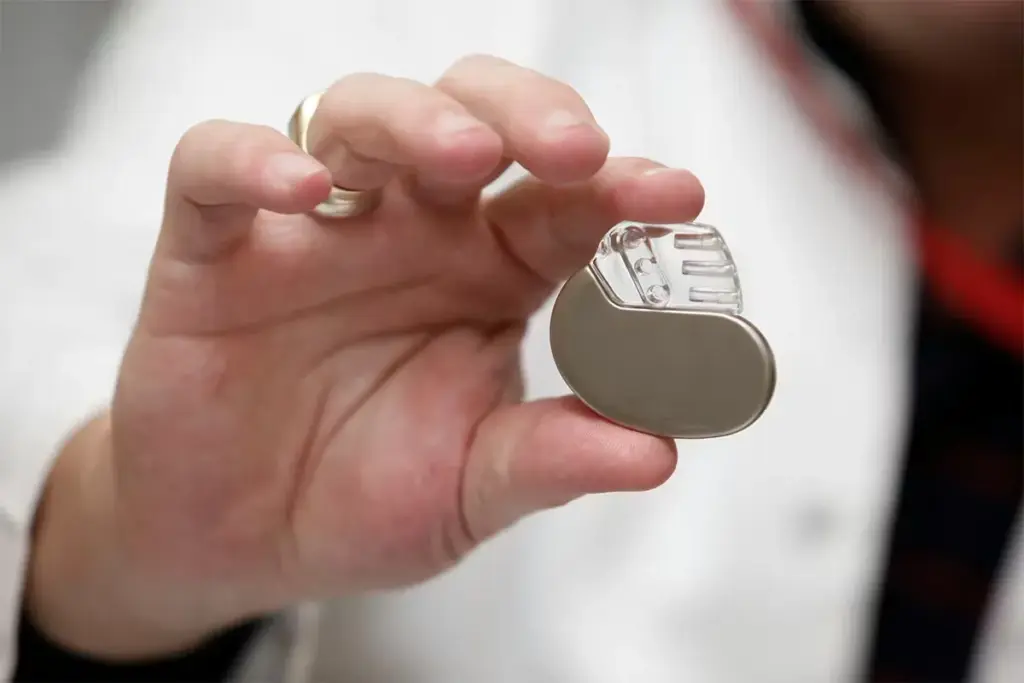
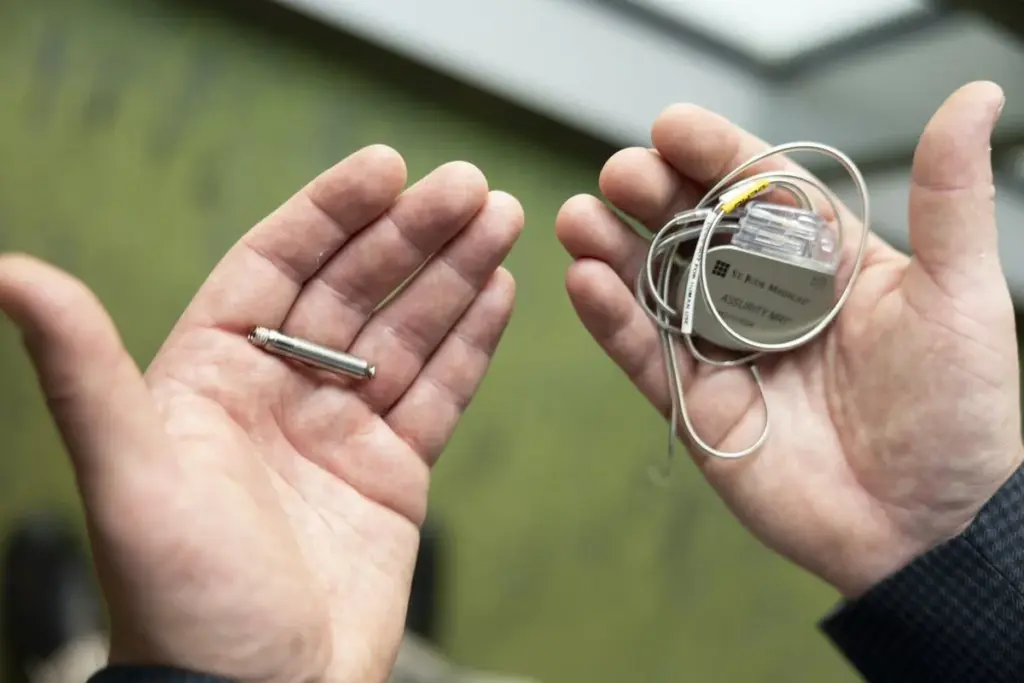
A pacemaker is a small, battery-powered device. It’s placed under the skin, usually near the collarbone. It has two parts: the pulse generator and the leads.
The pulse generator holds the battery and controls the heartbeat. The leads are thin wires that connect the pulse generator to the heart.
How Pacemakers Work
Pacemakers watch the heart’s rhythm and send electrical impulses when needed. These impulses make the heart muscle contract. The device can adjust how often it sends these impulses.
The cardiac pacemaker implantation involves placing the device under the skin. The leads are guided through a vein to the heart. After placement, the pacemaker is set to meet the individual’s needs.
Types of Pacemakers
There are many types of pacemakers for different heart issues. The main types are:
- Single-chamber pacemakers, with one lead, treat bradycardia.
- Dual-chamber pacemakers, with two leads, treat more complex heart rhythm problems.
- Biventricular pacemakers, or CRT devices, treat heart failure by syncing the left and right ventricles.
Knowing about the different pacemakers is key for those considering cardiac pacemaker implantation. Working with a healthcare provider helps find the right device for each person’s needs.
Reasons for Pacemaker Implantation
Heart conditions that disrupt the heart’s rhythm often need a pacemaker. These conditions cause irregular heartbeats, or arrhythmias. This can lead to symptoms that affect a person’s quality of life.
Common Heart Conditions Requiring Pacemakers
Several heart conditions may need a pacemaker. These include:
- Atrioventricular (AV) Block: A condition where the electrical signals between the heart’s chambers are partially or completely blocked.
- Sick Sinus Syndrome: A condition affecting the sinoatrial node, leading to irregular heart rhythms.
- Heart Failure: In some cases, pacemakers are used to help the heart’s chambers beat in sync, improving the heart’s efficiency.
- Atrial Fibrillation: While not always treated with a pacemaker, certain cases may benefit from pacemaker therapy.
Asa cardiologist, notes, “Pacemakers have revolutionized the treatment of various heart conditions, giving patients a more normal life.”
“Pacemakers are not just devices; they are lifelines for many patients with heart rhythm disorders.”
Symptoms That May Indicate Need for a Pacemaker
Certain symptoms may indicate the need for a pacemaker. These include:
- Frequent fainting or dizziness: Caused by inadequate blood flow due to irregular heart rhythms.
- Fatigue: Persistent tiredness due to the heart’s reduced efficiency.
- Shortness of breath: Inadequate blood flow can lead to breathing difficulties.
- Palpitations: Irregular heartbeats that can be felt by the patient.
Diagnostic Tests Before Pacemaker Implantation
Before a pacemaker is implanted, several tests are done to check the heart’s condition. These tests help decide if a pacemaker is needed and what type is best for the patient.
|
Diagnostic Test |
Purpose |
|---|---|
|
Echocardiogram |
To evaluate heart function and structure |
|
Electrocardiogram (ECG) |
To assess the heart’s electrical activity |
|
Holter Monitor |
To monitor heart rhythms over an extended period |
|
Stress Test |
To evaluate heart function under stress |
An abnormal echocardiogram can show heart issues like reduced ejection fraction or valve problems. This may mean a pacemaker is needed.
Pacemaker Surgery: What to Expect
Getting a pacemaker can seem scary, but knowing what to expect can help. We’ll walk you through everything from getting ready to taking care of yourself after surgery. Our goal is to make you feel more at ease and ready for what’s ahead.
Pre-Surgery Preparation
Before your pacemaker surgery, we make sure you’re all set. This includes a few important steps:
- Doing any needed tests to check your heart.
- Talking about your medical history and medicines with your doctor.
- Following special rules about eating and drinking before surgery.
- Getting someone to drive you home after the surgery.
It’s very important to listen to your doctor’s advice to stay safe during surgery.
What Happens During Implantation
During the pacemaker surgery, we use the latest technology to make it safe and effective. Here’s what happens:
- The surgery is done under local anesthesia, so you won’t feel pain.
- A small cut is made to put in the pacemaker and its leads.
- The pacemaker is connected to your heart and tested.
- The cut is closed with stitches or staples, and dressed to heal.
Immediate Post-Operative Care
Right after surgery, we keep a close eye on you to help you heal well. Here’s what we do:
- We watch your heart rate and rhythm to make sure the pacemaker works right.
- We use medicine to manage any pain or discomfort.
- We check the incision for any signs of infection or problems.
- We give you instructions on how to care for yourself and when to come back for follow-ups.
Your help in the recovery process is key for the best healing and for the pacemaker to work well.
Initial Recovery Period After Pacemaker Implantation
The first few days after getting a pacemaker are very important. Doctors watch closely for any problems. They make sure you recover well.
Hospital Stay Duration
How long you stay in the hospital depends on you and any issues. Usually, it’s 1-2 days. Doctors check your heart and pain, and make sure the pacemaker works right.
In the hospital, you learn about your pacemaker. This includes what activities to avoid and when to see doctors again.
First Week Recovery Milestones
The first week is key for getting better. You should:
- Rest and avoid hard activities
- Watch the implant site for infection signs
- Take your medicines as told
- Go to check-ups to see how the pacemaker is doing
Meeting these goals helps you recover well and avoid problems.
Managing Pain and Discomfort
Dealing with pain is important. You might feel sore or bruised where the pacemaker was put in. Over-the-counter pain meds can help. Always listen to your doctor about pain meds.
Ice packs and rest can also help with pain. Know the signs of serious issues like infection or pacemaker problems. If you see something odd, get help right away.
Driving Restrictions After Pacemaker Surgery
After having pacemaker surgery, many patients ask when they can start driving again. The answer depends on the pacemaker type, the patient’s health, and local laws.
Standard Waiting Periods Before Driving
Doctors usually tell patients to wait a bit before driving. This time can range from a few days to weeks. Here are some examples:
- Private drivers might wait 3 to 7 days.
- Commercial drivers could wait longer, sometimes months.
It’s important to listen to your doctor’s advice. They know your situation best and can give you the right guidance.
Factors That May Extend Driving Restrictions
Several things can affect how long you need to wait to drive. These include:
- Complications during or after surgery.
- Heart conditions that might make driving unsafe.
- The pacemaker type and its settings.
- Any symptoms like dizziness or fainting.
Your doctor will check these factors during follow-up visits. They will decide when it’s okay to drive again.
State and Federal Regulations
State and federal laws also play a role in driving after pacemaker surgery. For example:
- Some states have laws about driving after medical procedures.
- Federal rules might be stricter for commercial drivers.
It’s key to know these laws and follow them to avoid legal trouble. Check with your local DMV for the latest info.
In summary, driving after pacemaker surgery needs careful thought. You must consider medical advice, your health, and legal rules. By doing so, you ensure your safety and the safety of others.
Medical Reasons Behind Driving Restrictions
It’s important to know why driving might be limited after getting a pacemaker. Right after surgery, several things can make it hard to drive safely.
Physical Limitations During Recovery
After getting a pacemaker, you might feel a bit stiff or sore. You should avoid heavy lifting and bending for a while. This helps your body heal and lowers the chance of problems.
Driving needs both physical and mental skills. When you’re recovering, you might not be as strong or quick. This can make it harder to drive well.
Risk of Syncope or Sudden Cardiac Events
There’s a big worry after getting a pacemaker: fainting or sudden heart problems. Even with a pacemaker, heart rhythm issues can happen. We watch patients closely to lower these risks.
Fainting while driving is very dangerous. It could cause accidents that hurt you or others. So, we have strict rules about when you can drive again.
Potential Impact of Pacemaker Malfunction While Driving
Pacemakers are very reliable, but they can sometimes fail. If this happens while you’re driving, it could make it hard to control the car. We do everything we can to prevent this by choosing the right device and following up closely.
To understand when it’s okay to drive after a pacemaker, let’s look at this table:
|
Factor |
Considerations |
Impact on Driving |
|---|---|---|
|
Physical Limitations |
Surgical site tenderness, reduced strength and flexibility |
Increased risk of accident due to reduced reaction time or control |
|
Risk of Syncope |
Potential for arrhythmias or cardiac events |
Risk of losing consciousness while driving |
|
Pacemaker Malfunction |
Rare but possible device failure |
Potential loss of control of the vehicle |
We look at these factors to decide when it’s safe for you to start driving again after getting a pacemaker.
Physician Clearance for Driving
Driving after getting a pacemaker needs a doctor’s okay. This step makes sure you’re safe on the road.
Follow-up Appointments and Evaluations
After surgery, you’ll need to see your doctor often. These visits check how you’re doing and if your pacemaker is working right.
Your doctor will look at your pacemaker and how your heart is doing. They might ask about any symptoms like dizziness. This helps them know if you’re ready to drive.
Tests to Determine Driving Readiness
To see if you can drive, your doctor might run some tests. These include:
- Electrocardiogram (ECG) to check your heart’s rhythm
- Pacemaker check to ensure the device is functioning correctly
- Stress test to evaluate your heart’s performance under exertion
- Holter monitor to record your heart’s activity over a longer period
These tests help your doctor decide if you can drive again.
Documentation Required for Driving Approval
When your doctor says you’re good to go, they might give you papers. These papers prove you can drive. They’re important for insurance and telling your state about your pacemaker.
|
Documentation Type |
Purpose |
|---|---|
|
Physician’s clearance letter |
Confirms your fitness to drive after pacemaker surgery |
|
Medical report |
Details your condition, treatment, and any limitations |
|
Pacemaker identification card |
Provides information about your pacemaker, including its model and settings |
Always listen to your doctor about driving. Your safety and others’ is very important.
“The decision to allow a patient to drive after pacemaker implantation should be based on a complete check of their heart and health.”
Special Considerations for Commercial Drivers
Getting a pacemaker is more than just a medical fix for drivers. It means dealing with strict rules. Drivers with a Commercial Driver’s License (CDL) must follow certain guidelines. This is to keep everyone safe on the road.
CDL Requirements After Pacemaker Implantation
Drivers with a CDL need to know how a pacemaker affects their job. The Federal Motor Carrier Safety Administration (FMCSA) has rules for when drivers can go back to work. Usually, there’s a waiting time to make sure the driver is safe and the pacemaker works right.
Drivers must show medical proof to go back to driving. They need a doctor’s okay to say they’re fit for the job.
Federal Motor Carrier Safety Administration Guidelines
The FMCSA has clear rules for drivers with pacemakers. These rules check if drivers can safely drive a big rig. Important things include the driver’s heart health, the pacemaker’s work, and no symptoms that could affect driving.
CDL holders must get a medical check-up. They need to see a doctor on the FMCSA’s list of certified examiners.
Return-to-Work Protocols for Professional Drivers
Drivers follow a detailed plan to go back to work. They see doctors to check the pacemaker and their health. It’s important for drivers to stick to this plan to stay safe and follow the rules.
Drivers should also know their employer’s rules. These rules might be different from the FMCSA’s. Employers work with drivers and doctors to make sure they’re safe to work.
Potential Complications That May Delay Driving
Recovering from pacemaker implantation can be tricky. Some patients face complications that make it hard to start driving again. Pacemaker surgery is usually safe, but some issues can slow down the recovery time.
Infection at Implantation Site
Infection at the implant site is a common problem. Signs include redness, swelling, pain, or fever. If an infection happens, it might need antibiotics or even removal of the device.
To avoid infection, patients get antibiotics before and after surgery. Keeping the wound clean and attending follow-up visits are key to spotting and treating infections early.
Lead Displacement Issues
Lead displacement is another issue. It occurs when the thin wires connecting the pacemaker to the heart move. This can cause pacing problems or heart rhythm issues, sometimes needing more surgery.
Symptoms of lead displacement include dizziness, fainting, or irregular heartbeats. Regular check-ups with a cardiologist can catch these problems early.
Ongoing Arrhythmias Despite Pacemaker
Some patients keep having arrhythmias even with a pacemaker. This can be due to the heart condition, pacemaker settings, or lead issues. These arrhythmias can make driving unsafe and might need pacemaker adjustments or more treatments.
To handle arrhythmias, doctors use tests like ECGs or device checks. They adjust the pacemaker settings as needed to help manage the arrhythmias.
|
Complication |
Symptoms |
Management |
|---|---|---|
|
Infection at Implantation Site |
Redness, swelling, pain, fever |
Antibiotics, wound care, possible device removal |
|
Lead Displacement |
Dizziness, fainting, palpitations |
Repositioning or replacing leads |
|
Ongoing Arrhythmias |
Palpitations, dizziness, shortness of breath |
Pacemaker adjustment, additional treatments |
Long-term Recovery and Pacemaker Adjustment
After pacemaker surgery, patients start a long recovery. This includes adjusting the pacemaker and getting back to normal activities. It’s a key time to make sure the device works right.
Pacemaker Programming and Fine-tuning
Pacemaker programming is very important. We adjust the device to fit each patient’s needs. This ensures it paces the heart as needed.
Fine-tuning happens during follow-up visits. These are key for checking the pacemaker’s performance. Healthcare providers can make changes to improve its function.
Activity Progression Timeline
Patients can slowly increase their activity as they recover. We recommend starting with light activities like walking. Then, they can do more strenuous tasks.
- At first, avoid heavy lifting, bending, or hard activities.
- Most normal activities can be resumed in a few weeks.
- Always follow the advice of healthcare professionals about activity levels.
Signs of Proper Pacemaker Function
Proper pacemaker function shows in several ways. Patients should feel better, with less dizziness or fainting. Regular check-ups are key to monitoring the device’s performance.
Signs of proper function include a steady heart rate and better exercise ability. We also watch for any unusual symptoms like fatigue or dizziness. These could mean there’s a problem with the pacemaker.
By following healthcare advice and attending follow-up visits, patients can make sure their pacemaker works well. This leads to a better quality of life.
Living with a Pacemaker: Beyond Driving
A pacemaker can greatly improve your life, but you need to know about lifestyle changes. After the initial recovery, there are many things to consider when living with a pacemaker.
Other Activity Restrictions
While many daily activities can be done soon after the pacemaker is implanted, some are not allowed. Avoid heavy lifting, bending, or hard exercises for a few weeks after surgery. Also, stay away from contact sports that could harm the pacemaker or its leads.
Most people can go back to normal activities like walking, swimming, and light exercise with a doctor’s okay. But, always follow your doctor’s specific advice, as recovery times can differ.
Key activity considerations include:
- Avoiding heavy lifting or bending for 4-6 weeks
- Gradually increasing exercise intensity
- Monitoring for any unusual symptoms during activity
Electromagnetic Interference Concerns
It is crucial to understand electromagnetic interference (EMI) while living with a pacemaker. Some devices and places can interfere with your pacemaker. Be aware of the following sources of EMI:
- Strong magnetic fields, such as those found in MRI machines or certain industrial settings
- Some medical procedures, like diathermy or certain types of surgery
- Certain household appliances, though most modern ones are safe
Tell your healthcare providers about your pacemaker before any medical procedures. Also, carry a pacemaker ID card to alert medical staff about your device.
Pacemaker ID Card and Medical Alert Bracelet
You’ll get a pacemaker ID card after getting your device. This card has important details about your pacemaker, like the manufacturer, model, and when it was implanted. Always carry this card with you.
Wearing a medical alert bracelet is also a good idea. It tells emergency responders about your pacemaker. This is very helpful if you can’t talk.
By following these guidelines, you can live an active and happy life with your pacemaker. Regular check-ups with your healthcare provider are also important. They help make sure your device is working right and make any needed changes.
Insurance and Legal Considerations for Pacemaker Patients
Getting a pacemaker changes a patient’s health and brings up insurance and legal issues. Patients must deal with financial and legal matters while adjusting to their new device.
Auto Insurance Implications
Pacemaker patients worry about how it affects their auto insurance. Usually, a pacemaker itself doesn’t raise insurance costs. But, the heart condition that led to it might.
We suggest talking to your insurance about your situation. They might ask for more medical info to see if you can keep driving.
|
Insurance Factor |
Potential Impact |
Patient Action |
|---|---|---|
|
Premium Rates |
Possible increase due to underlying heart condition |
Discuss with insurance provider |
|
Policy Terms |
Changes in coverage or conditions |
Review policy documents carefully |
|
Medical Assessments |
Required by insurer to assess driving risk |
Comply with insurer’s requests |
Liability Issues if Driving Against Medical Advice
Driving against doctor’s orders after surgery can lead to big legal problems. If you’re caught driving against advice, you could be blamed for accidents.
We urge patients to listen to their doctors about driving. This can help avoid legal trouble.
Disability Benefits During Recovery Period
Pacemaker patients might get disability benefits while they recover. This depends on their job and insurance or benefits.
To get disability benefits, patients need medical proof from their doctor. This proof should show why they need a pacemaker and any limits it causes.
It’s key for pacemaker patients to know about insurance and legal matters. Being informed helps them get the right support during recovery.
International Travel and Driving with a Pacemaker
When you’re getting ready to travel internationally with a pacemaker, it’s key to look into the driving rules in the places you’ll visit. Traveling abroad can be tricky, and driving is just one part of it.
Regulations for Driving with a Pacemaker Across Countries
Rules for driving with a pacemaker differ a lot from one country to another. Some places have strict rules, while others are more relaxed.
|
Country |
Waiting Period |
Required Documentation |
|---|---|---|
|
United States |
Typically 1 week |
Doctor’s clearance |
|
Canada |
Varies by province |
Medical certificate |
|
United Kingdom |
1-2 weeks |
Notification to DVLA |
Make sure to check with the transportation or health departments of the countries you’ll visit. This will help you understand their specific rules.
Airport Security Considerations for Pacemaker Patients
Security checks at airports can worry pacemaker patients. Metal detectors are usually okay, but tell security about your pacemaker first.
Tips for Airport Security:
- Carry your pacemaker identification card
- Inform security personnel about your pacemaker
- Request a pat-down or alternative screening if necessary
Finding Medical Care While Abroad
Before you go, find out about medical facilities at your destination that can handle pacemaker problems. Here are some tips:
- Contact your pacemaker manufacturer’s representative in the country you’re visiting
- Identify local hospitals with cardiology departments
- Keep a list of emergency contact numbers
Being ready and informed will help you enjoy your trip abroad while taking care of your pacemaker.
Conclusion
After getting a pacemaker, it’s important to follow driving rules for safety. We looked at what affects driving after pacemaker surgery. This includes the pacemaker type, your health, and rules from authorities.
Your doctor will tell you when it’s okay to drive again. They check your health and the pacemaker’s work. Listening to your doctor helps avoid risks and lets you enjoy your pacemaker.
Being patient and careful is important during recovery. This way, you can safely get back to driving and other activities.
FAQ
What is a pacemaker and how does it work?
A pacemaker is a small device implanted under the skin. It helps control the heartbeat. It sends electrical impulses to the heart, ensuring it beats regularly.
Why are pacemakers implanted?
Pacemakers are used to manage heart conditions like arrhythmias. These conditions make the heart beat too slow or too fast. They help regulate the heartbeat and improve heart function.
What diagnostic tests are performed before pacemaker implantation?
Before getting a pacemaker, tests like echocardiograms and electrocardiograms are done. These tests check the heart’s function and if a pacemaker is needed.
How long do I need to stay in the hospital after pacemaker surgery?
After pacemaker surgery, you usually stay in the hospital for a few days. This is to check how the heart responds to the pacemaker and make sure it works right.
What are the driving restrictions after pacemaker surgery?
Driving rules after pacemaker surgery vary. They depend on your recovery and the rules in your area. You might not be able to drive for a few days to weeks.
Can I drive after pacemaker implantation?
Driving after getting a pacemaker depends on certain rules. You need to wait a bit and get your doctor’s okay before you can drive again.
What are the medical reasons behind driving restrictions after pacemaker surgery?
Driving rules after pacemaker surgery are for your safety. They help because you might be weak during recovery. There’s also a risk of fainting or sudden heart problems while driving.
How do I know if my pacemaker is functioning properly?
Signs your pacemaker is working right include a steady heartbeat and more energy. You might also feel less dizzy or faint. Regular check-ups with your doctor are key to keeping an eye on your pacemaker.
Are there any activity restrictions after pacemaker implantation?
Yes, you should avoid heavy lifting and bending after getting a pacemaker. Also, be careful around strong magnetic fields or airport security.
How will a pacemaker affect my insurance and legal status?
A pacemaker might change your auto insurance and legal standing. It’s important to talk to your insurance and a lawyer to understand how it affects you.
Can I travel internationally with a pacemaker?
Yes, you can travel with a pacemaker internationally. But, you need to check the rules in different countries. Also, plan for medical care while abroad.
What should I do if I experience complications after pacemaker implantation?
If you have problems after getting a pacemaker, like infection or arrhythmias, see a doctor right away. Follow your doctor’s advice closely.
How often will I need to follow up with my doctor after pacemaker implantation?
You’ll need to see your doctor regularly after getting a pacemaker. This is to check how it’s working, make any needed changes, and address any issues.
National Center for Biotechnology Information. Evidence-Based Medical Insight. Retrieved from https://pubmed.ncbi.nlm.nih.gov/18364822/



 Departments
 Related Videos
 Our Doctors
 News
News