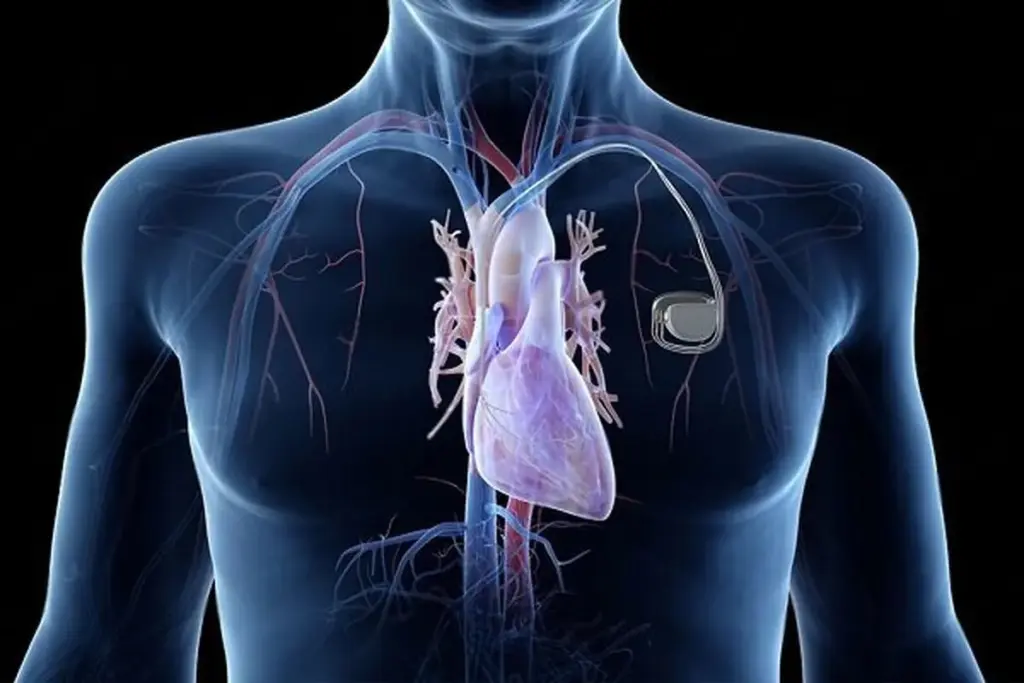
A leadless pacemaker is changing how we treat heart rhythm problems. It’s different from old pacemakers because it goes straight into the heart through a vein. This means no separate battery or leads are needed.
This one-piece device is made to handle heart rhythm issues better. Knowing what a pacemaker does and how it works helps patients see its advantages.
Key Takeaways
- A transcatheter pacemaker is a one-piece device implanted into the heart.
- It eliminates the need for a separate battery or leads.
- This device is designed to manage heart rhythm disorders.
- It’s an innovative alternative to traditional pacemakers.
- Understanding pacemaker technology can help patients appreciate its benefits.
The Heart’s Natural Electrical System
The heart’s ability to pump blood efficiently relies on its electrical system. This system ensures the heart beats in sync, pumping blood throughout the body.
The Sinoatrial Node: The Body’s Natural Pacemaker
The sinoatrial (SA) node, in the right atrium, is the heart’s natural pacemaker. It sends out electrical impulses that make the heart contract. This regulates the heartbeat, adjusting to the body’s needs.
Common Heart Rhythm Disorders Requiring Intervention
Certain conditions can disrupt the heart’s rhythm, needing medical help. Bradycardia, or a slow heart rate, might need a pacemaker. Disorders like arrhythmias can also affect the heart’s electrical system, requiring a heart pacer to fix the heartbeat.
It’s important to understand these conditions and their effects on the heart’s electrical system. This knowledge helps decide the best treatment, including the need for a pacemaker of the heart.
Conventional Pacemakers Explained
Traditional pacemakers have been key in treating heart rhythm issues for years. They have changed a lot, bringing benefits and some downsides.
Conventional pacemakers, known as PPM in medical terms, have a pulse generator and leads. The pulse generator holds the battery and controls the pacing. The leads are wires that connect the pulse generator to the heart, helping it monitor rhythm and send impulses when needed.
The Implantation Process for Conventional Devices

The operation pacemaker implantation has several steps. First, the area is numbed with local anesthesia. Then, a small incision is made, and the pulse generator is placed under the skin. Leads are guided through a vein to the heart using fluoroscopy. After placement, the pacemaker is tested to make sure it works right.
Limitations and Complications of Lead-Based Systems
Traditional pacemakers are effective but have some issues. Lead problems like fracture or venous occlusion can happen. Also, leads can raise the risk of infection. Below is a table listing some key limitations and complications.
|
Complication |
Description |
|---|---|
|
Lead Fracture |
Breakage of the lead, which can cause the pacemaker to malfunction. |
|
Venous Occlusion |
Blockage of the vein where the lead is placed, potentially causing swelling or other complications. |
|
Infection |
Risk of infection at the site of the pacemaker or along the lead. |
It’s important for patients to know about these aspects of traditional pacemakers. They’ve been a mainstay in treating heart rhythm disorders. But, new technology is leading to safer alternatives.
The Evolution of Pacemaker Technology
Medical technology has changed a lot, making pacemakers better. This change has helped manage heart rhythm problems. The journey of pacemaker evolution has seen big steps, from the first pacemaker to today’s small, leadless devices.
Historical Development of Cardiac Pacing Devices
The idea of pacing the heart started in the 1950s. The first pacemakers were big and hard to use. But, in the late 1950s and early 1960s, implantable pacemakers were invented. These early devices were simple and didn’t do much compared to today’s.
Technological Breakthroughs Leading to Miniaturization
New battery tech, microelectronics, and materials science have made pacemakers smaller. The Micra Transcatheter Pacing System is a big step forward. It’s designed to be less invasive, which means fewer risks compared to old pacemakers.
The Emergence of Leadless Pacing Systems
Leadless pacing systems, like the Micra pacemaker, have big benefits. They lower the risk of problems and look better. As tech keeps getting better, we’ll see even smaller, more efficient pacemakers.
Medtronic says, “New tech has led to smaller pacemakers, like the Micra. These are less invasive and cut down on complications.” This shows a big push to make pacemaker tech better.
What is a Transcatheter Pacemaker?
A transcatheter pacemaker is a big step forward in heart pacing tech. It’s a less invasive option compared to old pacemakers. This device helps control heart beats without the need for leads, cutting down on risks.
Definition and Fundamental Components
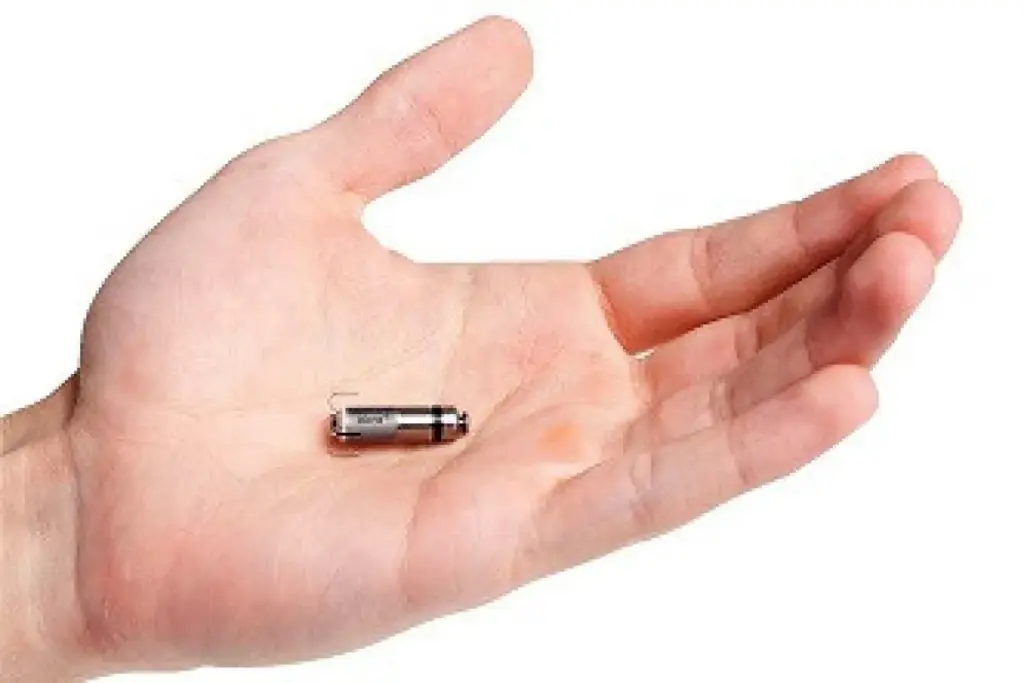
A transcatheter pacemaker is a small device that helps pace the heart. It has a pulse generator and a pacing electrode in one unit. This design means no leads are needed, unlike traditional pacemakers.
This device is put into the heart through a small procedure. It uses a catheter, making it safer and quicker to recover from.
How Transcatheter Pacemakers Differ from Traditional Devices
Transcatheter pacemakers are different from old pacemakers. They don’t need leads, which lowers the risk of problems. They’re also smaller and less invasive, causing less damage during implantation.
They’re placed directly in the right ventricle. This makes pacing more natural and effective.
Operational Mechanism and Battery Longevity
These pacemakers work by sending electrical impulses to the heart. They adjust their pace to match the patient’s needs. This ensures the heart gets the right amount of stimulation.
They have long-lasting batteries, lasting about 10 years or more. This means less need for replacements and fewer risks of battery failure.
In summary, transcatheter pacemakers are a new way to pace the heart. They’re less invasive and very effective. Knowing how they work helps patients and doctors make better choices.
Types of Transcatheter Pacemaker Systems
Leadless pacemakers, like the Micra Transcatheter Pacing System, are changing pacemaker therapy. They offer a less invasive option than traditional pacemakers. This reduces the risk of complications from lead implantation.
Micra Transcatheter Pacing System
The Micra Transcatheter Pacing System is a leadless pacemaker for single-chamber pacing. It’s implanted directly into the heart via a catheter, avoiding the need for leads. It’s great for patients at risk of lead-related issues.
Other Leadless Pacemaker Models
Other leadless pacemaker models are also being developed. These include devices for multi-chamber pacing, enabling more complex pacing strategies. This shows the fast progress in pacemaker technology.
Single-Chamber vs. Multi-Chamber Capabilities
Transcatheter pacemakers come in single-chamber and multi-chamber types. Single-chamber devices, like the Micra, pace one heart chamber. Multi-chamber devices can pace multiple chambers, providing more advanced pacing options.
|
Feature |
Single-Chamber |
Multi-Chamber |
|---|---|---|
|
Pacing Capability |
Paces one chamber |
Paces multiple chambers |
|
Implantation Complexity |
Generally simpler |
More complex |
|
Patient Suitability |
Suitable for certain arrhythmias |
Offers more options for complex heart conditions |
The choice between single-chamber and multi-chamber pacemakers depends on the patient’s heart condition. Healthcare providers need to understand these differences to make the best choice.
The Transcatheter Pacemaker Implantation Procedure
The implantation of a transcatheter pacemaker is a big step forward in heart care. It’s a less invasive way to help patients with heart rhythm problems. The process includes several important steps, from the first check-up to aftercare.
Pre-Procedure Evaluation and Preparation
Before the procedure, patients get a detailed check-up. Doctors look at their medical history and current health. They also review test results like echocardiograms and electrocardiograms. Patients might need to adjust their medications and talk about the procedure’s risks and benefits.
Step-by-Step Implantation Process
The pacemaker implantation happens in a special lab. Here’s what happens:
- Local anesthesia is given to reduce pain.
- A catheter is inserted through a leg vein.
- The pacemaker is guided through the catheter to the heart.
- It’s placed in the right ventricle.
- The device is tested to make sure it works right.
This operation pacemaker usually takes a few hours. Patients are watched closely during and after the procedure.
Recovery and Immediate Post-Procedure Care
After the pacemaker implantation, patients go to a recovery area. Here’s what happens next:
- They rest in bed for a few hours to avoid bleeding.
- The heart and pacemaker are monitored.
- Any pain is managed.
- They get instructions on what to do next and when to come back.
Most people can get back to normal in a few days. But, they should avoid hard activities for a bit longer. It’s important to have follow-up visits to check the device and the patient’s health.
Benefits and Advantages of Transcatheter Pacemakers
Transcatheter pacemakers are a new kind of pacemaker. They have many benefits over old pacemakers. These devices are made to fix some problems with traditional pacemakers.
Minimally Invasive Approach and Reduced Surgical Trauma
One big plus of transcatheter pacemakers is how they are put in. It’s a small procedure that doesn’t hurt as much as old ways. This means less damage to the body.
Elimination of Lead-Related Complications
These pacemakers don’t need leads, which are a common problem. Leads can break, block veins, or hurt the heart valve. So, these pacemakers are safer for people who need them.
Cosmetic Benefits and Improved Quality of Life
Transcatheter pacemakers are small and go right into the heart. This means less visible scars and happier patients. Plus, they are easier to put in, making life better for those who get them.
Specific Patient Populations Who Benefit Most
Some people get more benefits from these pacemakers. This includes those at risk for lead problems, with hard-to-use veins, or who’ve had pacemaker issues before.
|
Benefit |
Description |
Patient Advantage |
|---|---|---|
|
Minimally Invasive |
Reduced surgical trauma |
Less recovery time |
|
Leadless Design |
Eliminates lead-related complications |
Reduced risk of device failure |
|
Cosmetic Benefits |
Less visible scarring |
Improved patient satisfaction |
Transcatheter pacemakers are a big step forward in heart care. They offer many benefits that can make life better for patients.
Potential Risks and Considerations
Using transcatheter pacemakers comes with careful thought about risks and benefits. These devices are a big step forward in heart pacing. But, knowing their limits is key for making smart choices.
Procedure-Related Complications
The implantation of these pacemakers is less invasive but not without risks. Problems like vascular issues, infection, and heart damage can happen. It’s important to watch closely during and after the procedure to avoid these issues.
Device Performance and Reliability Concerns
There are worries about how well these pacemakers will work over time. Things like battery life, device failure, or needing to be replaced again are concerns. Regular check-ups are critical to keep the device working right.
Extraction Challenges and End-of-Life Management
Removing these pacemakers when they’re no longer needed can be tough. This is something to think about carefully.
Cost and Insurance Coverage Considerations
The cost of these pacemakers and the procedure to implant them is high. Knowing what insurance covers and what you’ll have to pay out of pocket is important.
In summary, while transcatheter pacemakers have many benefits, it’s important to know the risks. By understanding these, patients and doctors can make better choices about using these devices.
Conclusion: Living With a Transcatheter Pacemaker and Future Developments
Living with a transcatheter pacemaker means understanding the device well. Patients need to know how it works, possible issues, and how to adjust their lifestyle.
Pacemaker technology is getting better, promising better devices and care for patients. We’re looking forward to more advanced and less invasive treatments.
Medtronic says new pacemaker tech will make devices work better and help patients more. As research grows, patients can hope for a better life and better heart rhythm management.
The creation of transcatheter pacemakers is a big step forward in treating heart rhythm problems. With technology improving, we’ll see even more new solutions for pacemaker users.
FAQ
What is a pacemaker, and how does it work?
A pacemaker is a small device that helps control the heartbeat. It sends electrical impulses to ensure a steady heart rate. This is important for treating abnormal heart rhythms.
What is the difference between a traditional pacemaker and a transcatheter pacemaker?
Traditional pacemakers need surgery to implant a pulse generator and leads. Transcatheter pacemakers, like the Micra, are implanted directly into the heart through a small procedure.
What are the benefits of a leadless pacemaker?
Leadless pacemakers, like the Micra, are less invasive. They reduce complications from leads and improve appearance. This leads to a better life for patients.
What heart conditions require a pacemaker?
Conditions like bradycardia, heart block, and some heart failures may need a pacemaker. It helps manage these by keeping the heart rate steady.
How is a transcatheter pacemaker implanted?
The implantation of a transcatheter pacemaker is minimally invasive. It’s inserted through a vein in the leg and guided to the heart. The procedure is done under local anesthesia and sedation.
What are the possible risks and complications with transcatheter pacemakers?
Risks include complications from the procedure and device performance issues. There may also be challenges with removing the device. But, the benefits often outweigh these risks.
How long does a transcatheter pacemaker last?
The battery life of a pacemaker like the Micra varies. It depends on settings and the patient’s condition. These devices can last several years, sometimes up to 12 years or more.
Can I undergo an MRI with a transcatheter pacemaker?
Some pacemakers, like the Micra, are MRI-compatible. This means patients can have MRI scans under certain conditions. Always check with a healthcare professional about MRI compatibility.
References
National Center for Biotechnology Information. Evidence-Based Medical Insight. Retrieved from https://pmc.ncbi.nlm.nih.gov/articles/PMC10460603/



 Departments
 Related Videos
 Our Doctors
 News
News