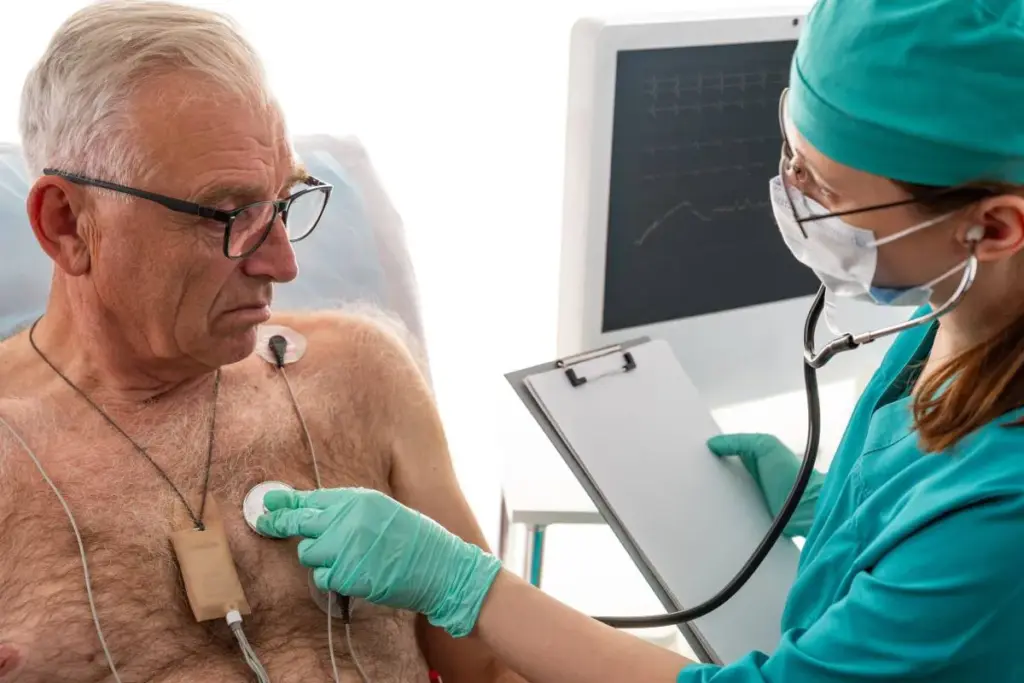
Peripheral Artery Disease (PAD) affects millions of Americans, yet many remain undiagnosed. A significant number of people with PAD are at risk of heart attack and stroke, making timely medical intervention critical.
Seeing a cardiac specialist is a key step in managing PAD. A cardiologist can give a detailed evaluation and suggest the right treatment.
It’s vital to understand a cardiologist’s role in managing PAD. This article will dive into why getting a cardiologist’s help is important for PAD patients.
Key Takeaways
- Understanding PAD and its risks.
- The role of a cardiologist in managing PAD.
- Benefits of early consultation with a cardiac specialist.
- Overview of treatment options for PAD.
- Importance of timely medical intervention.
Understanding Peripheral Artery Disease (PAD)

It’s important to know about Peripheral Artery Disease (PAD) to catch it early. PAD happens when the arteries in your legs get narrowed or blocked.
What is PAD and how common is it in the United States?
Peripheral Artery Disease (PAD) is when the arteries in your legs and arms get blocked. This is because of plaque buildup. The American Heart Association says about 8.5 million people over 40 in the U.S. have PAD.
“PAD is a sign of a bigger problem with your blood vessels,” a study in the Journal of the American College of Cardiology found. It can lead to heart attacks and strokes.
The pathophysiology of arterial narrowing and blockage
With PAD, your arteries get narrower and harder because of plaque. This reduces blood flow to your limbs. It can also cause inflammation and serious health problems if not treated.
Risk factors for developing PAD
Several things can increase your chance of getting PAD, including:
- Smoking
- Diabetes
- Hypertension
- High cholesterol
- Family history of PAD or heart disease
- Being over 50
The Connection Between PAD and Cardiovascular Health
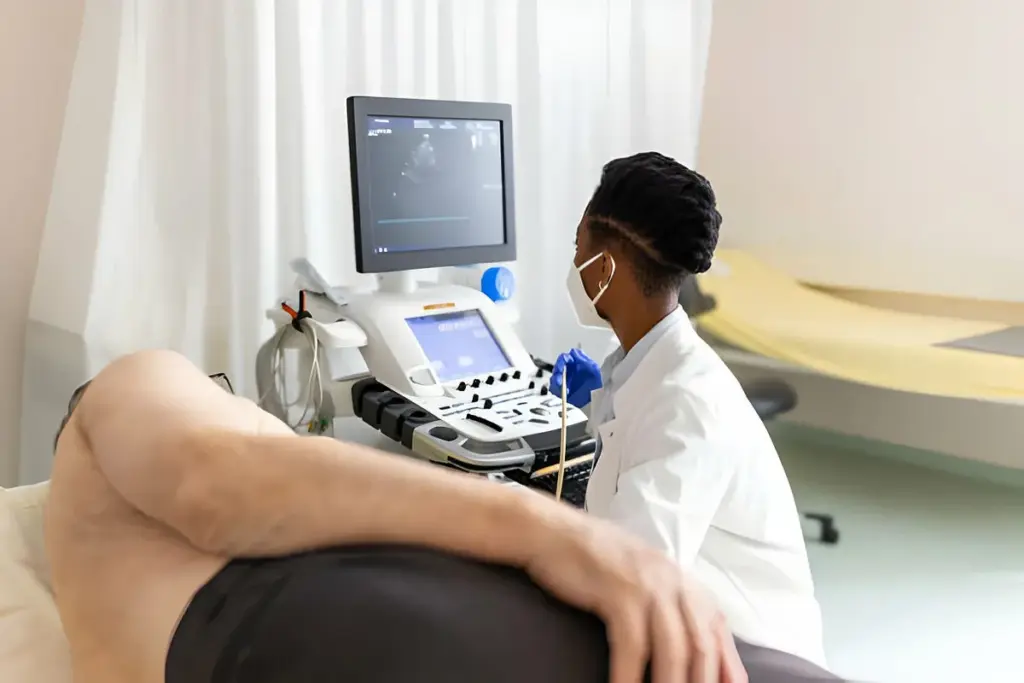
PAD is more than just a leg issue; it’s a sign of heart disease too. Understanding this link is key to knowing how PAD affects heart health. It also shows the common risk factors for PAD and heart disease.
How PAD Relates to Overall Heart Health
PAD means a higher chance of heart attacks and strokes. The same atherosclerosis that narrows leg arteries can harm the heart’s arteries. A thorough heart check is vital for those with PAD.
A study in the Journal of the American College of Cardiology found PAD patients face a higher risk of heart-related deaths. This makes a pad cardiologist evaluation essential for managing heart risks.
“The presence of PAD is a marker of systemic atherosclerosis and is associated with an increased risk of cardiovascular events.” –
Journal of the American College of Cardiology
Shared Risk Factors Between PAD and Heart Disease
PAD and heart disease share many risk factors like smoking, diabetes, high blood pressure, and cholesterol. Controlling these factors is key to stopping both diseases from getting worse. A peripheral artery disease cardiac assessment can spot those at higher risk early on.
|
Risk Factor |
PAD |
Heart Disease |
|---|---|---|
|
Smoking |
Increases risk of PAD |
Increases risk of heart disease |
|
Diabetes |
Contributes to PAD progression |
Contributes to heart disease progression |
|
Hypertension |
Exacerbates PAD symptoms |
Increases risk of heart failure |
|
High Cholesterol |
Contributes to arterial narrowing |
Increases risk of coronary artery disease |
The role of a pad cardiologist evaluation is huge. It ensures PAD patients get care that covers their leg disease and heart health.
Recognizing Symptoms of PAD
It’s important to know the common signs of PAD to know when to see a doctor. Peripheral Artery Disease (PAD) shows itself in different ways. Spotting these signs early can help prevent serious problems.
Common symptoms and warning signs
PAD symptoms can be clear and include leg pain when walking, or claudication. You might also feel numbness, weakness, or coldness in your legs or feet. Sometimes, pain can happen even when you’re not moving, which means the blockage is severe.
Other signs that mean you should see a doctor include slow healing of wounds or ulcers on the legs or feet. Also, if the color or temperature of your legs changes. Catching these symptoms early is key to managing PAD well.
When symptoms indicate the need for medical attention
If you notice any of these symptoms, you should talk to a doctor right away. Persistent or severe leg pain is a big warning sign. It means you might have a serious blockage that needs quick treatment.
People with heart disease or risk factors like diabetes, smoking, or high blood pressure should watch out for PAD signs. Finding and treating PAD early can greatly improve your health.
Primary Care vs. Specialist Care for PAD
Managing PAD starts with knowing the roles of primary care and specialist care. Peripheral Artery Disease (PAD) needs careful handling to stop it from getting worse.
The Role of Your Primary Care Physician
Your primary care doctor checks your overall health. They look for PAD risk factors and start basic treatments. This might include changing your lifestyle, managing other health issues, and doing initial tests.
When Referral to a Specialist Becomes Necessary
If your PAD is complex or doesn’t respond to basic treatments, your doctor might send you to a specialist. A cardiologist or vascular specialist can offer more advanced treatments. This includes angiography, angioplasty, or surgery.
Knowing when to see a specialist is key for managing PAD well. A cardiologist is great for PAD care because they focus on heart and blood vessel health.
PAD Cardiologist Consultation Necessity: When Is It Time?
For those with Peripheral Artery Disease (PAD), knowing when to see a cardiologist is key. PAD affects the arteries and can lead to serious heart problems if not treated right.
Critical Indicators That Warrant Cardiologist Evaluation
There are important signs that mean you should see a cardiologist for PAD. These include:
- Severe symptoms: Severe leg pain, cramping, or weakness that stops you from doing daily tasks is a big sign to see a cardiologist.
- Poor wound healing: PAD can make wounds in your legs heal slowly. A cardiologist can check how serious it is and help manage it.
- History of heart disease: If you’ve had heart disease before, a cardiologist can help keep your heart health in check.
Emergency Situations Requiring Immediate Cardiac Care
Some situations need quick heart care. These are:
- Acute limb ischemia: Sudden loss of blood flow to a limb, causing severe pain, pale or blue skin, and a cold limb, is an emergency.
- Chest pain or discomfort: Chest pain or discomfort, with shortness of breath, dizziness, or nausea, needs immediate medical help.
It’s important to know these signs and when to see a cardiologist. This helps manage PAD well and avoid more heart problems.
Types of Specialists Who Treat PAD
Peripheral Artery Disease treatment involves many healthcare professionals working together. This team approach is needed because PAD is complex. It ensures patients get the best care possible.
Cardiologists and Their Expertise in PAD
Cardiologists are key in diagnosing and treating PAD. They know a lot about heart diseases, which often go hand in hand with PAD. They use tests to find out how serious the disease is and what treatment is best.
Cardiologists play a big role in PAD treatment by:
- Doing and reading tests like the ankle-brachial index (ABI) and toe-brachial index (TBI)
- Managing other health issues that can affect PAD
- Prescribing medicines to help symptoms and heart health
Vascular Surgeons and Their Role
Vascular surgeons are experts in surgery for PAD. They use both open surgery and endovascular methods to fix blood flow problems. Their skills are essential for more complex cases.
|
Surgical Options |
Description |
|---|---|
|
Angioplasty and Stenting |
Minimally invasive ways to open blocked arteries |
|
Bypass Surgery |
Makes a new path around a blocked artery |
|
Atherectomy |
Removes plaque from the artery |
Interventional Radiologists in PAD Treatment
Interventional radiologists use imaging to do small, precise procedures for PAD. Their methods can greatly improve blood flow and reduce symptoms.
Some common procedures include:
- Angioplasty with or without stenting
- Atherectomy
- Thrombolysis for acute limb ischemia
In conclusion, treating Peripheral Artery Disease is a team effort. Cardiologists, vascular surgeons, and interventional radiologists all play important roles. Each brings their own expertise to ensure patients get the care they need.
Benefits of Seeing a Cardiologist for PAD
Seeing a cardiologist for PAD offers many benefits. They can do advanced tests and provide detailed care. Their training in heart diseases makes them perfect for managing PAD.
One big plus is their use of specialized diagnostic tools. These tools help find out how bad the blockage is. They also help decide the best treatment.
Specialized Diagnostic Capabilities
Cardiologists use many tools to check PAD. These include:
- Ankle-Brachial Index (ABI) testing to compare blood pressure between the ankle and arm.
- Doppler ultrasound to see blood flow in arteries.
- Angiography, which uses dye to show blockages on X-ray images.
Comprehensive Cardiovascular Assessment
Cardiologists do more than just diagnose PAD. They also check the heart’s health. They look for heart disease risk factors and create a plan to lower it.
By going to a cardiologist for PAD, patients get a full view of their heart health. They address PAD symptoms and the heart disease causes.
The Diagnostic Process for PAD
The process to diagnose PAD involves many steps. It uses both non-invasive and advanced tests to check the arteries’ health.
Non-invasive Tests Commonly Used
Non-invasive tests are often the first step in diagnosing PAD. These include:
- Ankle-Brachial Index (ABI): Compares the blood pressure at the ankle with the arm’s.
- Doppler Ultrasound: Uses sound waves to check blood flow in the arteries.
- Treadmill Testing: Sees how far you can walk before symptoms appear, showing PAD’s severity.
A study in the Journal of the American Heart Association found ABI is a good first test for PAD. It’s simple and effective (1).
|
Test |
Description |
Significance |
|---|---|---|
|
Ankle-Brachial Index (ABI) |
Compares blood pressure at the ankle and arm |
Shows if PAD is present and how severe it is |
|
Doppler Ultrasound |
Checks blood flow through arteries |
Finds if arteries are narrowed or blocked |
Advanced Diagnostic Procedures
For a more detailed look or when tests are unclear, advanced procedures are used.
Angiography involves injecting dye into arteries to see them on X-ray. It can find blockages and see how bad PAD is.
“Angiography is the best way to diagnose PAD, giving clear images for treatment plans,” says a top cardiologist.
Other tests like Magnetic Resonance Angiography (MRA) and Computed Tomography Angiography (CTA) give detailed views of arteries without invasive methods.
Knowing how PAD is diagnosed is key for quick and effective treatment. By using non-invasive tests and advanced procedures when needed, doctors can create a detailed plan to manage PAD and help patients.
What to Expect During Your First Cardiologist Visit
Being ready for your first cardiologist visit is important. It helps you get the most out of your PAD diagnosis talk. Knowing what to expect can make you feel less nervous.
Preparing for Your Appointment
Before you go, collect all your medical records. This includes test results, medication lists, and health info. Write down your symptoms and when they happen. Also, jot down any questions or worries you have.
Talking about your medical history is also key. This includes heart disease in your family. Your cardiologist needs this to understand your heart health.
The Consultation Process and Physical Examination
Your cardiologist will start by looking over your medical history and talking about your symptoms. Then, they’ll do a physical check-up. This might include checking your blood pressure and listening to your heart and lungs.
They might also do tests to check your heart and PAD. These could be ECGs, ABI tests, or imaging studies. These tests help figure out your treatment.
After the tests, your cardiologist will talk about what they found. They’ll explain your diagnosis and treatment plan. This is your chance to ask questions and understand your options.
Treatment Options for PAD Offered by Cardiologists
Managing Peripheral Artery Disease (PAD) needs a mix of lifestyle changes, medical treatments, and surgeries. Cardiologists help by creating treatment plans that fit each patient. This approach is key to better outcomes for those with PAD.
Lifestyle Modifications and Their Importance
Lifestyle changes are key in fighting PAD. Stopping smoking is a must, as it greatly increases PAD risk. Regular walking and a healthy diet are also vital. They help manage symptoms and keep the heart healthy.
Medication Therapies for PAD Management
Medicine is essential in treating PAD. It aims to lessen symptoms and slow disease growth. Antiplatelet agents prevent blood clots, which can cause heart attacks and strokes. Other drugs help control cholesterol, blood pressure, and diabetes, all PAD risk factors.
Interventional Procedures and Surgeries
For severe PAD, doctors may use surgeries and procedures. Angioplasty and stenting open narrowed arteries. Sometimes, surgical bypass is needed to bypass blocked areas. Specialists, like cardiologists and vascular surgeons, decide the best treatment.
Knowing the treatment options helps patients with PAD. They can work with cardiologists to create a plan that suits their needs. This improves their quality of life.
Managing PAD and Heart Health Long-Term
Managing PAD and heart health over the long term is key to a better life. It’s about making lifestyle changes, using medical treatments, and keeping an eye on your health.
Creating a Comprehensive Care Plan
A good care plan is the heart of managing PAD. It should fit the person’s needs and health. It includes lifestyle changes like eating right, moving more, and quitting smoking. It also might include medicines to help symptoms, improve function, and lower heart risks.
Creating this plan needs teamwork between the patient and doctors, like cardiologists. It’s important to set achievable goals and update the plan as needed.
Follow-up Care and Monitoring
Regular check-ups are key for managing PAD long-term. These visits help track the disease and see if treatments are working. Monitoring might include tests to check blood flow and how well the blood vessels are working.
- Regular check-ups to monitor PAD progression
- Adjustments to treatment plans as necessary
- Ongoing patient education on managing PAD
By staying active in managing PAD, people can greatly improve their long-term health and quality of life.
Insurance and Referral Considerations for PAD Care
It’s important for patients to know about insurance and referrals when they need PAD treatment. This part of healthcare can be tricky. But, knowing what to do helps patients get the care they need.
Navigating Insurance Requirements for Specialist Care
Seeing a specialist for PAD care is often necessary. But, insurance rules can make things harder. Here’s what to do:
- Check if your insurance covers visits to specialists. Make sure the cardiologist or vascular specialist is in your network.
- Find out if you need a referral from your primary doctor first.
- Look into what your insurance covers for tests and treatments for PAD.
Self-Advocacy in the Referral Process
Being proactive and informed can help a lot with referrals. Here are some tips:
- Talk to your primary doctor about your PAD diagnosis and treatment options. This helps understand why you need a specialist.
- Ask about the referral process. Find out about any paperwork or insurance approvals you need.
- Keep track of all your talks with your insurance and healthcare team about referrals and coverage.
By speaking up for yourself, patients can make the transition to specialist care smoother.
In summary, knowing about insurance and referrals is key for managing PAD care. Being informed and proactive helps patients get through the healthcare system better.
Finding the Right Cardiologist for PAD Treatment
Finding the right cardiologist for PAD treatment is a big step. It’s important to look at several key factors. PAD needs special care, and the right cardiologist is key for good treatment.
Qualifications and Specializations to Look For
When looking for a cardiologist for PAD, check their qualifications and specializations. Make sure they are board-certified in cardiovascular medicine. Having certifications in interventional cardiology or vascular medicine is a big plus.
Here are some important qualifications to look for:
- Fellowship training in cardiology
- Certification from the American Board of Internal Medicine (ABIM) in Cardiovascular Disease
- Experience in managing patients with PAD
Questions to Ask Your Cardiologist
After finding cardiologists to consider, ask the right questions. This will help you find the best one for you. Ask:
- What experience do you have in treating PAD?
- What treatment approaches do you typically recommend for PAD?
- How will you work with my primary care physician to manage my overall health?
Also, check how well they communicate and their bedside manner. You should feel comfortable talking about your symptoms and treatment options.
By looking at a cardiologist’s qualifications, specializations, and care approach, you can make a smart choice for your PAD treatment.
Patient Experiences: Success Stories with Cardiologist Care
Patients with Peripheral Artery Disease (PAD) often see better results with a cardiologist’s care. The focus on heart health makes a big difference in managing PAD.
Case Studies of Improved Outcomes
Many case studies show how cardiologist care helps PAD patients. For example, a 55-year-old man with smoking and high blood pressure history felt much better after a treatment plan. This plan included changes in lifestyle and medication.
|
Patient Profile |
Treatment Plan |
Outcome |
|---|---|---|
|
55-year-old male, smoker, hypertensive |
Lifestyle modifications, medication therapies |
Significant reduction in PAD symptoms |
|
65-year-old female, diabetic, high cholesterol |
Interventional procedures, cardiovascular rehabilitation |
Improved mobility and reduced pain |
Key Takeaways: These stories show that a custom treatment plan can greatly improve PAD patient outcomes. It’s very important to have a cardiologist involved in their care.
Lessons Learned from Patient Journeys
The experiences of PAD patients under cardiologist care teach us a lot. Patients who stick to their treatment plans and make lifestyle changes usually do better.
- Early diagnosis and intervention are key to managing PAD well.
- A treatment plan that includes lifestyle changes, medication, and sometimes procedures can greatly help patients.
- Regular check-ups and follow-up care are vital for lasting success.
Looking at these success stories and lessons, it’s clear that cardiologist care is essential for PAD management. Patients who get specialized care often have better health and a better life quality.
The Future of PAD Treatment in Cardiology
New technologies and treatments are changing how we manage Peripheral Artery Disease.
The world of cardiology is seeing big changes in treating PAD. These changes are making patients’ lives better and improving their health.
Emerging Technologies and Approaches
New tools are being created to help diagnose and treat PAD. Some of these include:
- Advanced Imaging Techniques: New imaging methods are helping doctors diagnose PAD more accurately.
- Minimally Invasive Procedures: Procedures like angioplasty and stenting are getting better, leading to fewer complications.
- Gene Therapy: Scientists are looking into gene therapy to treat the root causes of PAD.
Research Advancements in PAD Management
Research is key for better PAD treatments. Studies are looking into:
- Novel Pharmacological Therapies: New medicines are being made to treat PAD more effectively.
- Stem Cell Therapy: The use of stem cells to repair damaged tissues is being studied.
- Lifestyle and Risk Factor Management: Scientists are working on the best ways to manage lifestyle and risk factors.
These new developments are bringing hope for better treatments and improved lives for PAD patients.
Conclusion
It’s important to know when to see a PAD cardiologist. PAD is linked to heart health, and a cardiologist can help a lot. They offer specialized care that improves patient results.
A PAD cardiologist uses advanced tools for diagnosis and treatment. Recognizing PAD symptoms early and getting medical help quickly is key. This way, patients get the best care for their condition.
For those with PAD, seeing a PAD cardiologist is a big step. It helps manage the disease and keeps the heart healthy. Patients get treatment plans that fit their specific needs.
FAQ
What is Peripheral Artery Disease (PAD) and how is it related to heart health?
PAD is a condition where arteries in the legs narrow or block. It’s linked to heart health because it shares risk factors like smoking and high blood pressure.
Why is it necessary to see a cardiologist for PAD management?
Cardiologists are experts in heart diseases. They can assess your heart health and manage PAD treatment well.
What are the common symptoms of PAD that should prompt a visit to a healthcare provider?
Symptoms include leg pain during activity, coldness, numbness, and slow-healing sores. Seeing a doctor is key if you notice these.
How does a primary care physician manage PAD, and when is a referral to a specialist necessary?
Primary care doctors can start treating PAD. But, if it’s severe or shows heart problems, a cardiologist is needed for more care.
What are the benefits of consulting a cardiologist for PAD?
Cardiologists use advanced tests to diagnose PAD. They give detailed heart assessments, which are vital for managing PAD and heart issues.
What can I expect during my first visit to a cardiologist for PAD?
Expect a detailed medical history, physical exam, and tests. Bring your medical records and a list of symptoms and medications.
What treatment options are available for PAD, and how are they managed by cardiologists?
Treatments include lifestyle changes, medicines, and procedures. Cardiologists tailor these treatments and check their success.
How can I find the right cardiologist for my PAD treatment?
Look for a cardiologist with PAD experience. Ask about their treatment approach and experience with similar cases.
What are the emerging trends and technologies in PAD treatment?
PAD treatment is improving with new procedures, medicines, and tests. Keeping up with these advancements helps get the best care.
How can I navigate insurance requirements and advocate for myself in the referral process to see a specialist?
Know your insurance and the referral process well. You might need to ask your doctor for a referral to see a specialist.
Why is long-term management of PAD important, and what does it entail?
Managing PAD long-term prevents worsening and complications. It includes lifestyle changes, medicine, and regular cardiologist visits.
Are there any success stories or case studies of patients who have benefited from cardiologist care for PAD?
Yes, many patients have seen improvements with cardiologist care for PAD. Their stories show the value of specialized care.
References
National Center for Biotechnology Information. Evidence-Based Medical Insight. Retrieved from https://pubmed.ncbi.nlm.nih.gov/37716945/