
Having a cystoscopy can be scary, and it’s key to handle pain well for a quick recovery. Knowing what to expect helps you feel more confident in your healing journey pain after cystoscopy.
A cystoscopy lets doctors check your urinary tract and bladder. You might feel a burning when you pee, see blood in your urine, or need to pee more often. These feelings are usually mild and go away in a few days.
We’ll share detailed tips for recovering well and what to expect after the procedure. By knowing the usual recovery time and how to handle symptoms, you can reduce pain and heal smoothly.
Key Takeaways
- Understand the typical recovery timeline after a cystoscopy
- Learn effective strategies to manage symptoms and minimize discomfort
- Discover how to promote a smooth healing process
- Find out what to expect during the recovery period
- Get insights into managing mild burning sensations and urinary frequency
Understanding Cystoscopy and Why It Causes Discomfort
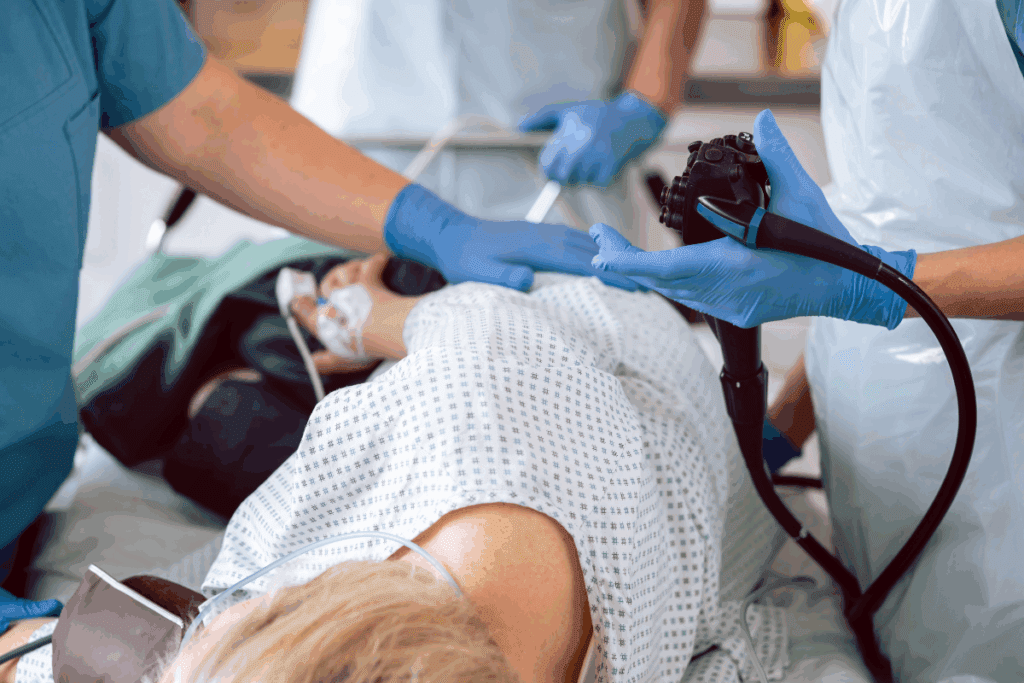
The cystoscopy procedure is safe and minimally invasive. Yet, it can cause temporary discomfort in some patients. Knowing what to expect can help ease concerns and manage discomfort after the procedure.
What Is a Cystoscopy Procedure?
Cystoscopy is a diagnostic test that lets doctors see inside the bladder and urethra. A urologist uses a thin, flexible or rigid tube with a camera and light. This tube, called a cystoscope, helps inspect the urinary tract.
Why Pain Occurs After the Procedure
The cystoscope’s insertion can mildly harm the urinary tract, causing discomfort later. The size and type of cystoscope, your health, and any urinary tract issues can affect this discomfort.
Types of Discomfort You May Experience
Most people feel mild discomfort after cystoscopy. This discomfort usually includes burning while urinating for the first 2-3 days. Other symptoms might be:
- Burning or stinging sensation while urinating
- Mild bleeding or blood-tinged urine
- Frequent urination or urgent need to urinate
- Discomfort or pain in the bladder or urethra
Common Symptoms of Pain After Cystoscopy
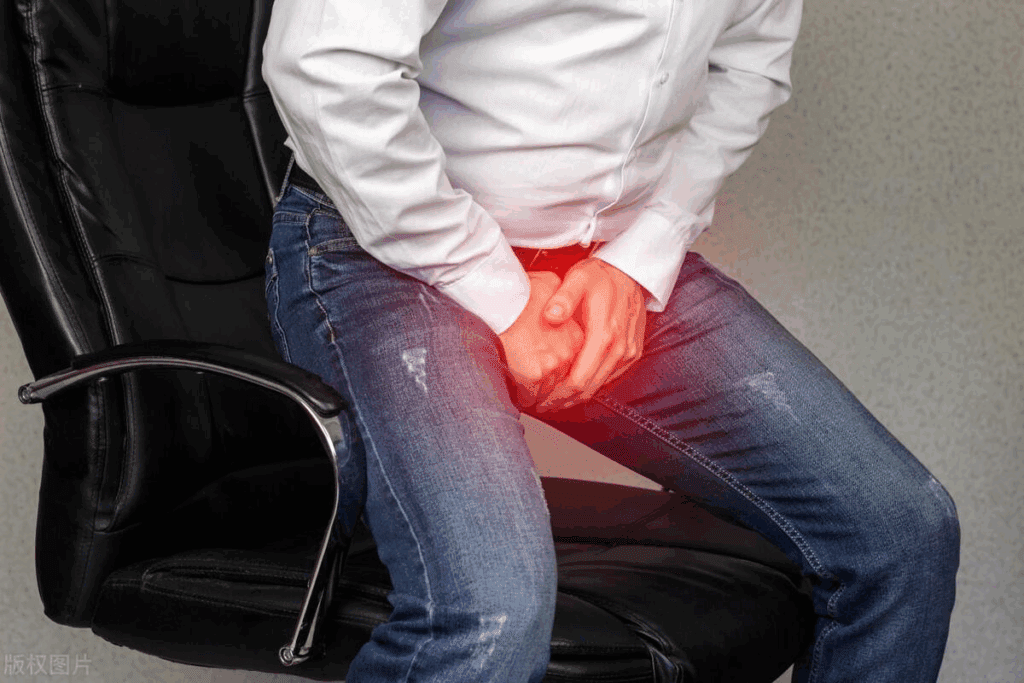
Knowing what to expect after a cystoscopy can make recovery easier. The procedure is mostly painless, but some discomfort is normal. We’ll cover the usual symptoms to help you prepare.
Burning During Urination
Burning when you pee is a common symptom. It’s usually mild and goes away in a few days. Drinking lots of water can help by making your urine less irritating.
Blood in Urine (Hematuria)
Blood in your pee is another common symptom. It can look like a light pink or a deep red. This usually goes away in a few days. Staying hydrated helps flush out any remaining blood.
Bladder Spasms and Pressure
Some people feel bladder spasms or pressure. These can be uncomfortable but are usually not serious. Using over-the-counter pain relievers can help. Your doctor might also give you special medication.
Urinary Frequency and Urgency
You might pee more often or feel like you need to go right away. This is usually temporary. Avoiding things like caffeine can help. If the urgency is bad or hurts, see your doctor.
Even though these symptoms can be scary, they’re usually mild and short-lived. But, if you have severe pain, a lot of bleeding, or symptoms that don’t get better, call your doctor.
Typical Recovery Timeline: What to Expect
Knowing what to expect after a cystoscopy is key to a smooth recovery. Everyone heals differently, but there are common guidelines to follow.
First 24 Hours After Procedure
The first day is all about rest and recovery. You might feel some discomfort, like burning when you pee. Staying hydrated and following your doctor’s advice is important.
Days 2-3: Initial Improvement
By day 2 or 3, you’ll start to feel better. The burning and urgency will lessen. But, you might not be fully comfortable yet.
Week 1: Gradual Recovery
By the end of the first week, you’ll see big improvements. Your pee issues should be getting better, and any discomfort should be mild. Keep up with your doctor’s advice on what to do and drink.
Extended Recovery (3-4 Weeks)
For some, it takes up to 3-4 weeks for all symptoms to go away. This is normal. But, if your symptoms get worse or last too long, see your doctor.
To summarize the recovery timeline, we’ve compiled the information into the following table:
| Timeframe | Expected Symptoms | Recommendations |
| First 24 Hours | Discomfort, burning during urination, mild urinary frequency | Rest, stay hydrated, follow post-procedure instructions |
| Days 2-3 | Improvement in symptoms, some mild discomfort may remain | Continue hydration, gradually resume normal activities |
| Week 1 | Significant improvement, minimal residual discomfort | Follow healthcare provider’s advice on activity levels and hydration |
| 3-4 Weeks | Mild symptoms may persist (burning, frequency) | Monitor symptoms, consult healthcare provider if they worsen or persist |
Understanding the typical recovery timeline after a cystoscopy helps manage expectations. It ensures a smooth and comfortable healing process.
Immediate Post-Procedure Care
Proper care right after a cystoscopy is key to feeling better quickly. Knowing what to do after the procedure can make a big difference. It helps you recover faster and more comfortably.
Hospital Recovery Period
After your cystoscopy, you’ll stay in the Post-Anesthesia Care Unit (PACU) until you’re ready to go home. The medical team will watch your vital signs and help with any pain or discomfort.
Transportation Arrangements
It’s best to have someone you trust drive you home. You shouldn’t drive for at least 24 hours after the procedure. This keeps you safe and lets you rest without worrying about driving.
First Few Hours at Home
When you get home, rest and relax. Drink lots of water and follow any instructions from your doctor. Resting in a comfy spot can help ease any pain.
| Activity | Recommendation | Duration |
| Resting | Avoid strenuous activities | First 24 hours |
| Hydration | Drink plenty of fluids | Ongoing |
| Monitoring | Watch for signs of complications | Throughout recovery |
By following these tips, you can make your recovery from cystoscopy smoother and more comfortable. It’s all about taking care of yourself right after the procedure.
Medication Options for Managing Pain After Cystoscopy
Managing pain after a cystoscopy is key to a smooth recovery. The right pain relief helps patients get back to their daily lives quickly and comfortably. We’ll look at the various medications that can help with this.
Over-the-Counter Pain Relievers
For mild pain after a cystoscopy, over-the-counter (OTC) pain relievers are often the first choice. Paracetamol (acetaminophen) and ibuprofen are popular picks. They help reduce pain and swelling, making recovery easier.
Common OTC Pain Relievers:
- Paracetamol (acetaminophen)
- Ibuprofen
Prescription Medications
For more severe pain, prescription medications might be needed. These can include stronger pain relievers or drugs for specific types of discomfort.
Bladder-Specific Pain Relief
For pain focused on the bladder, like bladder spasms, specific medications can help. These are designed to target this type of discomfort.
Proper Dosing and Timing
It’s important to follow the right dosage and timing for any medication. This ensures the pain is managed well and side effects are kept to a minimum.
To show the different medications and their uses, here’s a table:
| Medication Type | Common Examples | Primary Use |
| Over-the-Counter Pain Relievers | Paracetamol, Ibuprofen | General pain relief and inflammation reduction |
| Prescription Pain Relievers | Stronger opioids, specific pain relievers | Severe pain management |
| Bladder-Specific Medications | Antispasmodics, certain analgesics | Relieving bladder spasms and localized pain |
Knowing about the different medications can help patients manage their pain after a cystoscopy. This leads to a faster and more comfortable recovery.
Hydration Strategies to Reduce Discomfort
Drinking plenty of fluids is key to flushing out the bladder and easing irritation after a cystoscopy. It helps with healing, prevents complications, and reduces pain. We’ll talk about the importance of drinking fluids, the best types to choose, and how to stay hydrated during recovery.
Importance of Fluid Intake
Staying hydrated is vital after a cystoscopy. It helps clear the bladder, lowers infection risk, and aids in healing. Drinking enough fluids can also ease symptoms like burning while urinating and bladder spasms. Doctors recommend drinking 2-3 liters of water daily to aid in recovery.
Best Types of Fluids to Consume
Water is the top choice for hydration after a cystoscopy. It hydrates well without irritating the bladder. Clear fluids like herbal teas or diluted fruit juices are also good. But, it’s best to avoid caffeinated and alcoholic drinks as they can irritate the bladder and worsen discomfort.
Hydration Schedule for Optimal Recovery
Creating a hydration schedule can help keep you well-hydrated. Drinking a set amount of fluid at regular times is a good plan. For instance, drinking a glass of water every hour can keep hydration levels steady.
| Time | Fluid Intake |
| 8:00 AM | 1 glass of water |
| 10:00 AM | 1 glass of herbal tea |
| 12:00 PM | 1 glass of water |
| 2:00 PM | 1 glass of diluted fruit juice |
| 4:00 PM | 1 glass of water |
Fluids to Avoid During Recovery
Some fluids can irritate the bladder and should be avoided during recovery. This includes caffeinated drinks like coffee and tea, as well as alcohol. Carbonated drinks can also cause discomfort and should be limited or avoided. Sticking to hydrating fluids and avoiding irritants can help support recovery and reduce discomfort.
Rest and Activity Guidelines
Knowing the right mix of rest and activity is key to managing pain after a cystoscopy. We suggest following certain guidelines for a smooth recovery.
Recommended Rest Period (24-48 Hours)
Resting for 24-48 hours after the procedure is vital. During this time, we advise against strenuous activities, heavy lifting, and bending. This rest helps the body heal and lowers the risk of complications.
Gradually Resuming Normal Activities
Once the initial 24-48 hours pass, you can start doing normal things again. It’s important to listen to your body and not overdo it. Start slowly and let your body adjust.
- Begin with light activities like walking or reading.
- Avoid heavy lifting, bending, or hard exercise.
- Slowly increase your activity levels over a few days.
Exercise Restrictions and Recommendations
For 24-48 hours after the cystoscopy, avoid hard exercise. This includes cycling, running, or anything that puts pressure on the bladder. Instead, try gentle stretching or short walks.
Sleep Positions for Comfort
Finding a comfy sleep position is important for recovery. We recommend:
- Sleeping on your back with a pillow under your knees to ease strain.
- Avoid stomach or uncomfortable positions.
- Use extra pillows for support and comfort.
By sticking to these guidelines, patients can help their recovery after a cystoscopy. If you feel severe pain or discomfort, contact your healthcare provider right away.
Effective Home Remedies for Relief
Recovering from a cystoscopy can be tough, but there are home remedies that help. These remedies can make your recovery better.
Warm Baths and Sitz Baths
Warm baths or sitz baths are very helpful. The warm water relaxes muscles and eases urinary tract discomfort. For a sitz bath, fill a bathtub with warm water and sit for 15-20 minutes. You can add Epsom salts or baking soda for more relief.
Warm Compresses for Urethral Discomfort
Warm compresses on the urethral opening can ease pain. Soak a cloth in warm water, wring it out, and apply it for a few minutes. Do this as often as you need.
Dietary Adjustments to Reduce Irritation
Changing your diet can help with irritation. Avoid spicy foods, caffeine, and acidic drinks. They can irritate the bladder and urinary tract. Instead, eat bland foods like:
- Plain toast
- Crackers
- Bananas
- Applesauce
- Plain rice
Drinking plenty of water is also key.
Clothing Choices for Comfort
Wear loose, comfortable clothes to feel better. Avoid tight clothes that can irritate the bladder and urinary tract. Cotton underwear and loose pants are good choices.
Using these home remedies can help manage pain and discomfort after a cystoscopy. If you have severe symptoms, talk to your healthcare provider.
Different Experiences of Pain After Cystoscopy
Pain after cystoscopy can vary a lot from person to person. Many things can affect this, making it key for doctors to give care that fits each person.
Male vs. Female Recovery Differences
Studies show men and women can feel pain differently after cystoscopy. Men might feel more pain because their urethra is longer. Women might feel a different kind of pain because of how their bladder reacts.
Rigid vs. Flexible Cystoscopy Recovery
The type of cystoscopy done can also change how much pain you feel. Rigid cystoscopy uses a stiffer tube, which can cause more irritation. Flexible cystoscopy, with its softer tool, often leads to less pain and a faster recovery.
Age-Related Recovery Factors
Age is a big factor in how you recover from cystoscopy. Older people might feel pain longer or more severely because their bladder and urethra are less flexible. Younger people usually recover faster but can also feel pain differently based on their health.
Previous Procedure Impact on Pain Levels
If you’ve had cystoscopy before, you might feel pain differently than someone who hasn’t. Your body’s response can be shaped by past experiences. This can make you more sensitive or more resilient, depending on what you’ve been through.
Knowing these factors helps doctors give better advice and support. This makes recovery better for everyone.
Managing Specific Symptoms
Learning how to handle specific symptoms after a cystoscopy can make recovery easier. Many people face different discomforts. It’s important to tackle these issues well for a smooth recovery.
Techniques for Reducing Burning Sensations
A common symptom is a burning feeling when you pee. To ease this, try these methods:
- Take warm baths or sitz baths to soothe the urethral area.
- Use warm compresses on the lower abdomen to reduce discomfort.
- Stay hydrated by drinking plenty of water to dilute the urine.
Addressing Blood in Urine
Blood in your pee, or hematuria, is common after a cystoscopy. It’s usually temporary. Here’s how to handle it:
- Increase fluid intake to help flush out the urinary system.
- Monitor the color of your urine; it should gradually return to normal.
- Avoid strenuous activities that could exacerbate bleeding.
| Symptom | Management Technique | Expected Outcome |
| Burning sensation | Warm baths, hydration | Reduced discomfort |
| Blood in urine | Increased fluid intake, rest | Clearing of hematuria |
| Urinary urgency | Relaxation techniques, timed voiding | Improved bladder control |
Coping with Urinary Urgency
Urinary urgency can be distressing. But there are ways to manage it:
- Practice relaxation techniques such as deep breathing or meditation.
- Use timed voiding to gradually increase the interval between urinations.
- Avoid caffeine and spicy foods that can irritate the bladder.
Relieving Bladder Spasms
Bladder spasms can cause a lot of discomfort. Here’s how to relieve them:
- Take prescribed medications as directed by your healthcare provider.
- Avoid irritants such as caffeine and alcohol.
- Apply a warm heating pad to the lower abdomen.
By using these strategies, patients can manage symptoms after a cystoscopy. This makes recovery more comfortable.
When to Contact Your Doctor
Cystoscopy is usually safe, but knowing about possible problems is key for a good recovery. It can be hard to know when to see a doctor. But, it’s important to avoid serious issues.
Warning Signs of Complications
After a cystoscopy, watch how your body reacts. Some signs mean you need to see a doctor right away.
Severe Pain That Doesn’t Subside
If you have severe pain that doesn’t get better with medicine, call your doctor. Some pain is okay, but if it gets worse, it might be a problem.
Signs of Infection
Any invasive procedure can lead to infection. Look out for fever, chills, or a burning feeling when you pee. If you see these signs, call your doctor fast.
Prolonged Bleeding or Clots
Some bleeding after cystoscopy is normal. But if the bleeding is heavy or lasts a long time, or if you see clots, tell your doctor. These could mean you need more help.
Here’s a table to help you know when to get medical help:
| Symptom | Normal | When to Seek Help |
| Pain | Mild to moderate | Severe or worsening |
| Bleeding | Spotting or light | Heavy or prolonged |
| Urination | Some discomfort | Burning or difficulty |
| Fever/Chills | None | Presence of either |
If you’re not sure about your symptoms after cystoscopy, it’s better to be safe and call your doctor. Keep their number handy while you’re recovering.
Conclusion
We have outlined various strategies for managing pain after cystoscopy. This is key to a good recovery plan. By knowing what to expect and following our tips, patients can handle their symptoms well.
Using medication, staying hydrated, resting, and trying home remedies can help a lot. It’s also important to listen to your healthcare provider and follow their advice. If you have any worries, don’t hesitate to get medical help.
Our summary shows that a mix of methods is best for dealing with cystoscopy pain. By using these strategies, patients can feel more confident in their recovery. This helps avoid complications and gets them back to their normal life sooner.
FAQ
What is a cystoscopy, and why is it performed?
A cystoscopy is a simple procedure to look inside the bladder and urethra. Doctors use it to find and sometimes fix problems with the urinary system.
How long does it take to recover from a cystoscopy?
Recovery from a cystoscopy varies, but most people start feeling better in 2-3 days. It can take a week or more to fully recover. Some symptoms might last up to 3-4 weeks.
What are the common symptoms after a cystoscopy?
After a cystoscopy, you might feel burning when you pee, see blood in your urine, or have bladder spasms. You might also need to pee more often. These symptoms are usually mild and short-lived.
How can I manage pain after a cystoscopy?
To manage pain, try over-the-counter pain meds like paracetamol or ibuprofen. Drinking lots of water, resting, and using warm baths can also help.
What should I do immediately after a cystoscopy?
Rest for 24 hours after a cystoscopy and drink plenty of water. Avoid hard work and let someone else drive you home for 24 hours.
How can I reduce discomfort during urination after a cystoscopy?
Drink lots of water to help your bladder and reduce irritation. Avoiding caffeinated and alcoholic drinks can also help.
When should I seek medical attention after a cystoscopy?
See a doctor if you have severe pain, fever, chills, or if you’re bleeding a lot. These could be signs of a problem.
Are there any specific activities I should avoid after a cystoscopy?
Yes, avoid hard exercise and heavy lifting for 24-48 hours. Start doing normal activities again when you feel ready.
Can dietary adjustments help in reducing irritation after a cystoscopy?
Yes, avoiding irritants like caffeine, spicy foods, and alcohol can help. Making these changes can help manage discomfort.
How long does it take to heal from a cystoscopy?
Healing from a cystoscopy usually takes a few days to a week. Most people can go back to normal activities in this time. But, some symptoms might last up to 3-4 weeks.
What are some effective home remedies for relief after a cystoscopy?
Warm baths, sitz baths, and warm compresses can help. Wearing comfy clothes and making dietary changes can also make you feel better.
References
National Center for Biotechnology Information. (2025). How to Manage Pain After Cystoscopy Recovery Tips. Retrieved from https://www.ncbi.nlm.nih.gov/pmc/articles/PMC8506429/[3