Feeling pain and pressure behind one eye can be scary. But knowing what might cause it helps you get the right help. This symptom can happen to anyone, at any age. It can be due to simple issues or serious health problems that need quick attention.What causes pain and pressure behind one eye? This guide explains 5 top causes, from sinus issues to cluster headaches.
At Liv Hospital, we focus on you and your health. Eye pain and pressure can come from many things, like headaches or sinus infections. It’s important to know when you need to see a doctor to keep your eyes healthy.
Key Takeaways
- Understanding the causes of pain and pressure behind one eye is key to getting the right care.
- This symptom can be caused by many things, from simple to serious health issues.
- Putting the patient first is vital for a full diagnosis and treatment.
- Issues like headaches and sinus infections can lead to eye pain and pressure.
- Seeing a doctor quickly is important to protect your eye health.
Understanding Pain and Pressure Behind One Eye
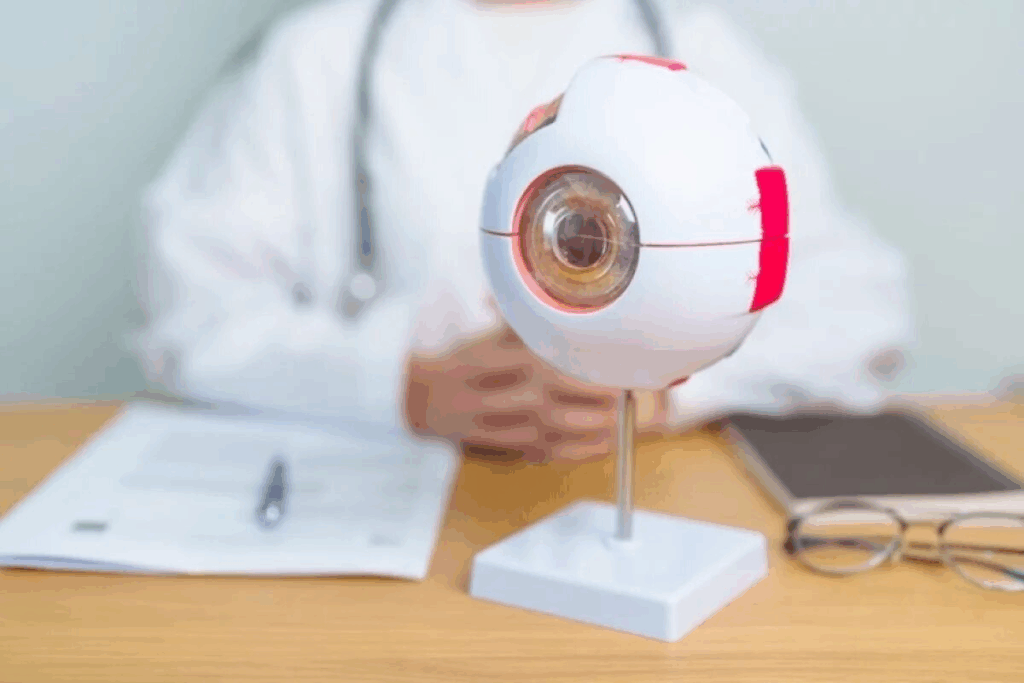
It’s important to know why pain and pressure happen behind one eye. We need to look at the eye’s anatomy and what’s around it.
Anatomy of the Eye and Surrounding Structures
The eye is a complex organ. It’s surrounded by structures like sinuses, muscles, and nerves. Problems in these areas can cause pain and pressure.
The eye has layers like the cornea and retina. Each layer is important for our vision. Any trouble here can lead to discomfort or pain.
How to Recognize Eye Pressure Symptoms
Knowing the signs of eye pressure is key. You might feel a heavy or painful sensation behind one eye. Or, you might notice pain when moving your eye or tenderness around the socket.
Other signs include headaches, blurred vision, dizziness, and nausea. Pay attention to how long and how bad these symptoms are. They can tell us a lot about what’s going on.
- Headaches
- Blurred vision
- Dizziness
- Nausea
It’s important to note the duration and severity of these symptoms. They can indicate the nature of the underlying condition.
Symptom | Possible Indication |
Persistent pain behind one eye | Potential sinus infection or migraine |
Pressure accompanied by blurred vision | Possible optic neuritis or glaucoma |
Tenderness around the eye socket | May indicate orbital cellulitis or Graves’ disease |
By understanding the anatomy and recognizing symptoms, we can identify the causes of pain and pressure behind one eye. Then, we can get the right medical help.
Common Causes of Pain and Pressure Behind One Eye

Pain and pressure behind one eye can come from many sources. Some are mild, while others are severe. Knowing what causes these issues helps find the right treatment.
Primary vs. Secondary Causes
Primary causes start right in the eye or nearby. Examples includeocular migrainesandeye strain. Secondary causes, though, come from other parts of the body. For example, sinusitisortension headaches can cause pain in the eye area.
Medical Expert, “It’s important to know if the cause is primary or secondary. This helps manage eye pressure and pain better.”
This distinction helps in tailoring the treatment to address the root cause.
Acute vs. Chronic Eye Pressure
Eye pressure can be sudden (acute) or long-term (chronic). Acute conditions come on fast and are often very severe. For example, angle-closure glaucoma needs quick medical help. Chronic conditions, like open-angle glaucoma, take longer to develop and may not show symptoms until later.
Unilateral vs. Bilateral Symptoms
Pain and pressure can affect one eye (unilateral) or both (bilateral). Unilateral symptoms often point to issues like migraines or cluster headaches. These usually hit one side of the head. Bilateral symptoms might mean tension headaches or sinus pressure affecting both sides.
Knowing if the pain is on one side or both helps narrow down the possible causes. It also guides the diagnostic process.
Tension Headaches: The Most Prevalent Trigger
Tension headaches are common and often feel like eye pressure. This can worry many people.
Mechanisms Behind Tension-Related Eye Pressure
Tension headaches come from tight muscles in the neck and scalp. This tightness can send pain to the eyes. Things like stress, poor posture, and eye strain can start this process. Tight muscles can make eyes feel pressured.
The exact reasons are complex. They involve the trigeminal nerve, which carries pain signals. Knowing this helps find ways to manage the pain.
Identifying Tension Headache Patterns
Spotting patterns in tension headaches is key to managing them. Common signs include:
- A dull, aching feeling on both sides of the head
- Tightness or pressure across the forehead
- Sensitivity to light or noise
Keeping a headache diary helps track when and why headaches happen. This makes managing them easier.
Effective Management Strategies
Managing tension headaches needs lifestyle changes and specific actions. Some good ways include:
Strategy | Description |
Stress Management | Methods like meditation, deep breathing, or yoga can lower stress. |
Posture Correction | Good posture can lessen muscle tension in the neck and scalp. |
Regular Exercise | Regular physical activity can reduce stress and boost well-being. |
By using these strategies, people can handle tension headaches better. This helps reduce eye pressure too.
Sinus Infections and Eye Discomfort
The sinuses are close to the eyes. This means sinus infections can cause eye discomfort. Sinusitis, or inflammation of the sinuses, can affect the eyes too.
How Sinusitis Affects Eye Pressure
Sinusitis can make the sinuses congested and inflamed. This inflammation puts pressure on the eyes. The sinuses are near the eyes, so the pressure can cause eye discomfort or pain.
The mechanisms behind sinus-related eye pressure involve:
- Increased pressure in the sinuses due to congestion
- Inflammation that spreads to surrounding tissues
- Release of chemical mediators that can cause pain
Distinguishing Sinus-Related Eye Symptoms
It’s possible to tell if eye symptoms are from sinusitis. Look for symptoms like:
- Eye pain or pressure that worsens with bending or lying down
- Nasal congestion or discharge
- Facial pain or tenderness
- Headaches that are worse in the morning
Seeing a healthcare professional is key to figuring out the cause of eye discomfort.
Treatment Options for Sinus-Related Eye Pressure
Treatment for sinus-related eye pressure aims at the sinusitis. This includes:
- Decongestants to reduce nasal congestion
- Antibiotics if the sinusitis is caused by a bacterial infection
- Nasal corticosteroids to reduce inflammation
- Saline nasal sprays to moisturize the nasal passages
If sinusitis is chronic or keeps coming back, an ear, nose, and throat (ENT) specialist may need to get involved.
Migraine Headaches and Ocular Symptoms
Migraines are known for their severe pain. They often come with eye symptoms that can really affect a person’s life. These symptoms can be anything from mild discomfort to intense pain and pressure in one eye.
Ocular Migraine Types
Ocular migraines can be split into different types based on their symptoms and how long they last. The most common types are:
- Migraine with Aura: This type has visual disturbances like flashing lights or zigzag patterns before the headache starts.
- Migraine without Aura: This type has headache pain without any visual disturbances beforehand.
- Retinal Migraine: A rare condition that causes temporary vision loss in one eye.
Common Triggers and Warning Signs
Knowing what triggers and warning signs of migraines are is key to managing them. Common triggers include:
- Stress and Anxiety: High stress levels can lead to a migraine.
- Sensory Stimuli: Bright lights, loud noises, or strong smells can also trigger migraines.
- Dietary Factors: Some foods and drinks, like those with caffeine or tyramine, can trigger migraines.
Warning signs, or prodrome, can happen hours or days before a migraine. They might include mood changes, feeling tired, and neck stiffness.
Managing Migraine-Related Eye Pressure
Managing eye pressure from migraines involves making lifestyle changes, taking preventive steps, and using treatments for acute attacks. Some strategies include:
- Lifestyle Modifications: Keeping a regular sleep schedule, staying hydrated, and avoiding triggers.
- Preventive Medications: Using medications like beta-blockers or anticonvulsants to lower how often migraines happen.
- Acute Treatments: Using pain-relieving medications or triptans when migraine symptoms start.
By understanding and managing migraines and their eye symptoms, people can greatly improve their life quality.
Optic Neuritis: Inflammation of the Optic Nerve
The optic nerve is key to our vision. When it gets inflamed, it’s called optic neuritis. This can cause pain and temporary blindness.
Causes and Risk Factors
Many things can cause optic neuritis. Multiple sclerosis is a big risk factor. Many people with optic neuritis will get multiple sclerosis.
Other causes and risk factors include:
- Infections like Lyme disease, syphilis, and viruses
- Autoimmune diseases like neuromyelitis optica
- Certain medicines that can cause inflammation
Symptoms and Progression
Symptoms of optic neuritis can vary. They often include:
- Pain when moving the eye
- Vision loss or blurring
- Blind spots or loss of color vision
- Flashing lights
Symptoms can get worse fast, in hours or days. But, vision usually starts to get better in a few weeks.
Diagnostic Approaches
To diagnose optic neuritis, doctors do a detailed eye exam. This includes:
- Visual acuity testing
- Pupillary light reflex testing
- Ophthalmoscopy to look at the optic nerve
- MRI scans to check for inflammation and rule out other conditions
Treatment and Recovery Timeline
Treatment for optic neuritis usually involves corticosteroids to reduce inflammation. In severe cases, intravenous corticosteroids may be used.
Treatment Approach | Recovery Timeline |
Oral corticosteroids | Several weeks to months |
Intravenous corticosteroids | Faster recovery, often within a few weeks |
Most people see big improvements in their vision in a few months. But, some might have lasting vision problems.
Graves’ Disease and Ocular Manifestations
It’s important to know how Graves’ disease affects the eyes. This condition mainly targets the thyroid gland but can also impact the eyes. It can cause vision problems and discomfort.
The Autoimmune Connection
Graves’ disease happens when the body makes autoantibodies that overwork the thyroid gland. This leads to too much thyroid hormone. The same process can cause inflammation and swelling in the eye area. The exact reason is not clear, but it’s thought that the autoantibodies might attack the eye tissues, causing Graves’ ophthalmopathy.
Recognizing Graves’ Ophthalmopathy
Graves’ ophthalmopathy, or thyroid eye disease, makes the eye area swell. This includes the eyelids, eye socket, and lacrimal gland. Symptoms include:
- Protrusion of the eyeballs (exophthalmos)
- Swelling and redness of the eyelids and conjunctiva
- Double vision (diplopia)
- Dry eyes or excessive tearing
- Sensation of pressure or pain behind the eyes
Spotting these signs early is key to managing the condition and avoiding serious damage.
Treatment Approaches for Eye Symptoms
Dealing with Graves’ disease’s eye effects requires a detailed plan. First, managing thyroid hormone levels is vital to ease eye symptoms. Treatments for Graves’ ophthalmopathy might include:
- Corticosteroids to reduce inflammation
- Orbital radiotherapy to decrease swelling and inflammation
- Surgical options, such as orbital decompression, to relieve pressure on the eye
We tailor treatment plans for each patient. This ensures they get the best care for their thyroid condition and eye problems.
Glaucoma: A Serious Cause of Eye Pressure
Understanding glaucoma is key to keeping your eyes healthy and preventing vision loss. Glaucoma damages the optic nerve, often because of high eye pressure. If not treated, it can cause permanent vision loss.
Types of Glaucoma
There are many types of glaucoma, each with its own traits. The most common types are:
- Open-angle glaucoma: This is the most common type. It happens when the drainage canals slow down, raising eye pressure.
- Angle-closure glaucoma: This is less common. It occurs when the drainage canals suddenly block, causing a quick rise in eye pressure.
- Normal-tension glaucoma: This type damages the optic nerve even with normal eye pressure.
Risk Factors and Early Warning Signs
Knowing the risk factors and early signs is important for catching glaucoma early. Risk factors include:
- Being over 60
- Having a family history of glaucoma
- Being diabetic
- Having severe nearsightedness
Early signs may include:
- Gradual loss of peripheral vision
- Blurred vision
- Eye pain or redness
- Headaches
Diagnostic Tests
Diagnosing glaucoma requires a detailed eye exam. This includes:
- Tonometry: This measures the eye’s pressure.
- Visual field test: It checks peripheral vision.
- Optic nerve examination: This looks for optic nerve damage.
Treatment Options and Management
Glaucoma can’t be cured, but there are ways to manage it. These include:
- Medications: Eye drops or pills to lower eye pressure.
- Laser surgery: Procedures to improve drainage or reduce fluid production.
- Traditional surgery: Operations to create a new drainage channel or improve existing ones.
Early detection and sticking to treatment plans are key to managing glaucoma. Regular eye exams and knowing the risk factors can greatly help in managing glaucoma.
Less Common Causes of Eye Pain and Pressure
Eye pain and pressure can come from many sources, some not as well-known. While common issues like tension headaches or sinus infections cause eye discomfort, other causes are less frequent but can be very painful. These include conditions that lead to significant pain and pressure behind one eye.
Cluster Headaches
Cluster headaches are a type of headache disorder. They cause severe, one-sided pain and eye symptoms. These headaches come in cycles, which is why they’re called clusters, and can lead to eye pain and pressure.
Symptoms and Diagnosis: Cluster headaches are known for severe pain on one side of the head, near the eye. They can also cause tearing, redness, and swelling of the eye. Doctors usually diagnose them based on symptoms and patient history.
Orbital Cellulitis
Orbital cellulitis is an infection of the orbital tissues behind the orbital septum. It’s a serious condition that needs quick medical attention to avoid complications.
Causes and Symptoms: It’s usually caused by a bacterial infection, often from the sinuses. Symptoms include eye pain, swelling, redness, and vision changes.
Traumatic Eye Injuries
Traumatic eye injuries can happen from various incidents, like sports injuries or workplace accidents. These injuries can cause immediate pain and pressure. They can also lead to long-term problems if not treated right.
Types and Treatment: Eye injuries can be minor or severe. Treatment varies based on the injury’s type and severity. It can range from simple care to surgery.
Aneurysms and Vascular Issues
Aneurysms and vascular issues can also cause eye pain and pressure. This is more likely if they affect the blood vessels around the eye.
Symptoms and Management: Symptoms vary based on the vascular issue. Treatment often involves fixing the underlying vascular problem. This can include surgery or endovascular treatments.
When to Seek Medical Attention
It’s important to know when your eye pain and pressure are serious. Some eye issues can be handled on your own. But others need quick medical help to avoid serious problems.
Red Flag Symptoms Requiring Immediate Care
Some symptoms mean you need to see a doctor right away. These include:
- Severe eye pain that is sudden and intense
- Vision changes, such as double vision, blurred vision, or loss of vision
- Eye redness or swelling
- Sensitivity to light
- Headaches accompanied by nausea or vomiting
If you notice any of these signs, get medical help fast. Early diagnosis and treatment can make a big difference. This is true for conditions that could get worse if not treated.
What to Expect During Diagnosis
When you see a doctor for eye pain and pressure, they will start with a detailed medical history and physical exam. This may include:
- Eye examination: To check vision, eye movement, and eye health
- Imaging tests: Like CT scans or MRI to find underlying issues
- Other diagnostic tests: More tests might be needed based on the suspected cause
Figuring out why you have symptoms is the first step to getting better. By getting medical help when needed, you can get the right care for your condition.
Conclusion
Pain and pressure behind one eye can come from many sources. This includes simple headaches to serious health issues. We’ve looked at the reasons, signs, and ways to treat eye pressure in this article.
Knowing what causes eye pressure is key to managing it. We talked about issues like sinus infections, migraines, and glaucoma. Each has its own symptoms and treatment methods.
So, if you have ongoing or severe eye pain and pressure, see a doctor. Understanding and treating these issues is important for those affected.
We hope this info helps you grasp the issues with pain and pressure behind one eye. If you’re feeling symptoms, talk to a healthcare expert. They can give you the right diagnosis and treatment.
FAQ
What are the common causes of pain and pressure behind one eye?
Several things can cause this, like tension headaches or sinus infections. Migraines, optic neuritis, Graves’ disease, and glaucoma are also possible causes.
Why does my left eye feel pressure and pain?
There are many reasons for this, including sinusitis or migraines. Eye strain can also play a part. It’s best to see a doctor to find out why.
Can sinus infections cause eye pressure?
Yes, they can. Sinus infections can make your sinuses inflamed. This can put pressure on your eyes.
What is the relationship between migraines and eye pressure?
Migraines can make your eyes feel tight and sore. They often come with light and sound sensitivity. Managing migraines can help ease eye pressure.
How can I relieve tension-related eye pressure?
To ease tension-related eye pressure, try stress-reducing activities. Also, take breaks when using digital devices to protect your eyes.
What are the symptoms of optic neuritis?
Optic neuritis causes inflammation in the optic nerve. This leads to vision loss, pain, and pressure in the eye.
Can Graves’ disease cause eye problems?
Yes, it can. Graves’ disease may lead to bulging eyes, double vision, and eye pressure. There are treatments available.
What are the risk factors for glaucoma?
Glaucoma risk factors include age, family history, diabetes, and high eye pressure. Regular eye exams can catch it early.
When should I seek medical attention for eye pain and pressure?
Seek immediate medical help for severe eye pain, vision loss, or other warning signs. Quick action can prevent serious issues.
What can I expect during the diagnosis process for eye pain and pressure?
Your doctor will do a detailed exam, including a medical history and tests. This helps find the cause of your symptoms.
Why does my right eye feel pressure?
Pressure in one eye can stem from many sources, like sinusitis or migraines. It’s important to see a doctor to find out why.
What causes pressure sensation in the eye?
Eye strain, sinusitis, or other health issues can cause eye pressure. A thorough eye check can pinpoint the cause.
References
National Center for Biotechnology Information. Uveitis: Symptoms, Pain, and Eye Inflammation. Retrieved from https://www.ncbi.nlm.nih.gov/books/NBK540993/



 Departments
 Related Videos
 Our Doctors
 News
News