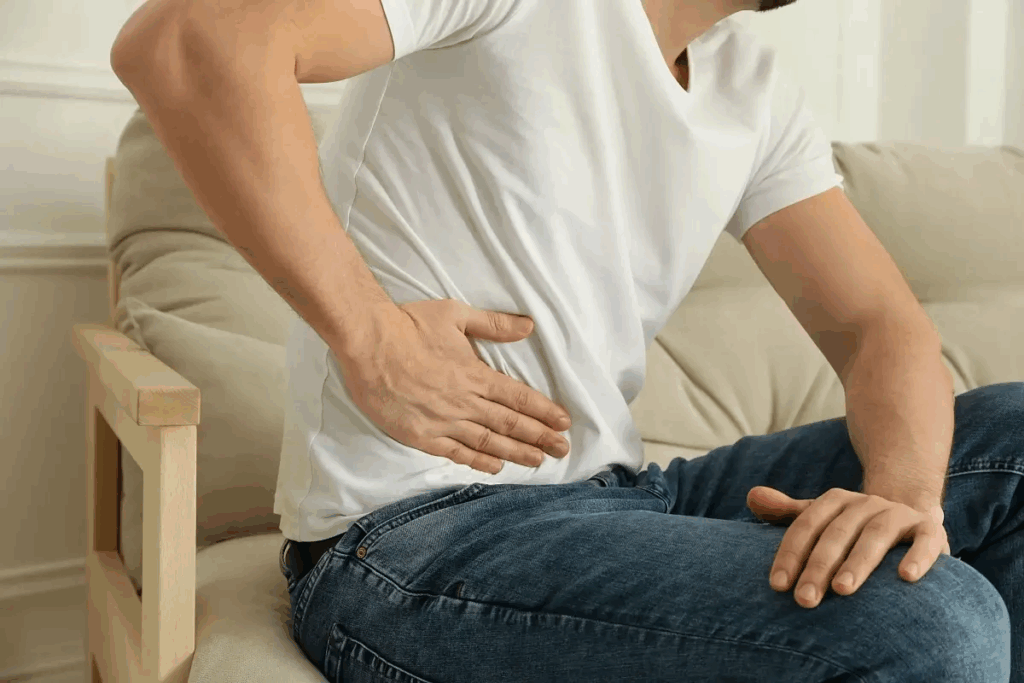
Feeling pain on the right side of your abdomen can be worrying. It might mean you have a simple stomach issue or something more serious. The area is complex because it has many important organs pain in lower right abdomen near hip bone.
At Liv Hospital, we get it when you’re worried about your symptoms. We’re here to help you with a thorough check-up and care. We use the latest methods to find out what’s causing your pain. It could be related to your stomach, muscles, or other health problems.
Key Takeaways
- Lower right abdominal discomfort can stem from various causes, including appendicitis and gastrointestinal problems.
- Accurate diagnosis is key because of the area’s complex anatomy.
- Liv Hospital offers detailed evaluation and care using the latest methods.
- Knowing the different possible causes is important for the right treatment.
- We provide caring support to address your concerns and discomfort.
Understanding the Anatomy of the Lower Right Abdomen
Knowing the anatomy of the lower right abdomen is key to figuring out pain there. This area, also known as the right lower quadrant, has many important organs and structures. These can be the cause of pain.
Key Organs and Structures in This Region
The lower right abdomen is home to vital organs and structures. These include the appendix, parts of the intestines, and reproductive organs like the right ovary and fallopian tube in females. The appendix is special because it’s linked to appendicitis.
Key Organs and Their Functions:
Organ/Structure | Function |
Appendix | Its function is not well understood, but it’s believed to be a reservoir for beneficial bacteria. |
Ileum (Part of Small Intestine) | Absorbs nutrients from food. |
Cecum (Part of Large Intestine) | Receives waste from the small intestine and begins the process of absorbing water and salts. |
Right Ovary and Fallopian Tube (in females) | Produces eggs and provides a pathway for the egg to travel to the uterus. |
Why This Area Is Prone to Various Types of Pain
The lower right abdomen is prone to pain due to its complex anatomy. Inflammation, infection, or injury to any organ can cause pain. For example, appendicitis is a common cause of severe pain here. Conditions like inflammatory bowel disease or intestinal obstruction can also cause a lot of pain.
Pain in the lower right abdomen can come from many sources. It’s important to understand these causes for proper diagnosis and treatment. We will dive deeper into these causes in the next sections.
Common Symptoms Associated with Pain in Lower Right Abdomen Near Hip Bone

It’s important to know the symptoms of lower right abdominal pain. This helps figure out what’s causing it. Pay attention to how the pain feels and any other symptoms you have.
Distinguishing Characteristics of Different Types of Pain
The pain in the lower right abdomen near the hip bone can feel different. It might be sharp or dull, constant or come and go. It could also get worse when you move or be with symptoms like fever or nausea.
- Sharp pain often means a sudden problem like appendicitis or a burst ovarian cyst.
- Dull, crampy pain might point to a stomach issue like IBS or IBD.
- Pain that gets worse with movement could be from muscle strains or iliopsoas bursitis.
Accompanying Symptoms to Watch For
Other symptoms can also help figure out what’s wrong. These might include:
- Gastrointestinal symptoms: Changes in bowel habits, like diarrhea or constipation, can hint at stomach problems.
- Urinary symptoms: Painful urination, needing to pee a lot, or blood in urine might mean a UTI or kidney stones.
- Nausea and vomiting: These signs often go with stomach issues but can also show up in other problems.
- Fever: A high body temperature can suggest an infection or inflammation.
By looking at these symptoms, doctors can guess what might be wrong. They can then plan the right tests and treatment.
Appendicitis: A Leading Cause of Lower Right Abdominal Pain
Appendicitis is when the appendix gets inflamed. It’s a small tube attached to the large intestine. If it gets inflamed, it can cause serious problems if not treated fast.
How to Recognize Appendicitis Symptoms
The first sign of appendicitis is pain near the navel. Then, it moves to the lower right abdomen. This pain gets worse over time. You might also feel fever, nausea, vomiting, and lose your appetite.
“The pain can be severe and is often described as a sharp, stabbing sensation,” says Medical Expert, a general surgeon. It’s important to notice these symptoms early to get help quickly.
Diagnosis and Treatment Options
To find out if you have appendicitis, doctors will check you physically, ask about your health history, and do tests like blood tests and imaging studies. If you have it, the usual treatment is to remove the appendix surgically.
This surgery can be done in two ways: open surgery or laparoscopic surgery. Antibiotics are often given to fight any infection.
Complications of Untreated Appendicitis
If appendicitis isn’t treated quickly, it can cause big problems. The appendix might burst, leading to peritonitis, an infection in the belly. This is very serious and needs immediate care.
Other serious issues include abscesses and sepsis. So, it’s very important to see a doctor if your symptoms don’t get better or get worse.
Musculoskeletal Causes of Pain in Lower Right Abdomen Near Hip Bone
Pain in the lower right abdomen near the hip bone often comes from musculoskeletal problems. These can be due to injuries, overuse, or inflammatory conditions. They affect the muscles, bones, and related structures in this area.
Iliopsoas Bursitis and Hip-Related Issues
Iliopsoas bursitis is when the iliopsoas bursa gets inflamed. This fluid-filled sac helps reduce friction between the iliopsoas muscle and the hip bone. It can cause pain in the lower abdomen and hip, mainly when moving the hip or extending the leg.
Hip problems like osteoarthritis and hip flexor strain can also cause pain in the lower right abdomen. It’s important to think about these when looking at abdominal pain near the hip bone.
Muscle Strains and Ligament Injuries
Muscle strains happen when the muscle fibers get stretched or torn. This is often due to overuse or sudden injury. In the lower right abdomen, strains of the abdominal muscles or the iliopsoas muscle can be very painful.
Ligament injuries are less common but can also cause pain. Ligaments connect bones to other bones. Injuries to these tissues can happen from trauma or repetitive strain.
Common symptoms of muscle strains and ligament injuries include:
- Pain that worsens with movement
- Localized tenderness
- Swelling or bruising
- Reduced mobility
Treatment Approaches for Musculoskeletal Pain
Treating musculoskeletal pain in the lower right abdomen involves several steps. First, conservative management is used, including rest, ice, and over-the-counter pain relievers.
Physical therapy is key in rehabilitation. It helps restore strength, flexibility, and range of motion. In severe cases, treatments like corticosteroid injections or surgery might be needed.
Effective management of musculoskeletal pain requires a thorough evaluation. This helps identify the cause and create a treatment plan that fits.
Gastrointestinal Conditions Causing Right Lower Quadrant Pain
Many gastrointestinal issues can cause pain in the right lower abdomen. These problems can be from functional disorders or structural issues in the gut.
Irritable Bowel Syndrome (IBS)
Irritable Bowel Syndrome (IBS) is a disorder that causes long-term pain and changes in bowel movements. The pain from IBS can vary and might be felt in the lower right abdomen. Symptoms include abdominal pain, bloating, and changes in bowel habits, like diarrhea or constipation.
To diagnose IBS, doctors look at symptoms. Treatment focuses on managing symptoms through diet, stress management, and sometimes medication.
Inflammatory Bowel Disease
Inflammatory Bowel Disease (IBD) includes Crohn’s disease and ulcerative colitis. These conditions cause long-term inflammation in the gut. Crohn’s disease often affects the lower right abdomen, leading to pain and other issues.
Symptoms of IBD include abdominal pain, diarrhea, weight loss, and fatigue. Doctors use endoscopy, imaging, and biopsy to diagnose. Treatment aims to reduce inflammation and manage symptoms with medication and sometimes surgery.
Intestinal Obstruction and Diverticulitis
Intestinal obstruction is when the intestine is blocked, stopping normal flow. This can cause severe pain, nausea, vomiting, and constipation. Treatment involves relieving the blockage, which may require surgery.
Diverticulitis is inflammation of small pouches in the colon wall. It can cause pain, usually on the left but sometimes on the right. Symptoms include pain, fever, and changes in bowel habits. Treatment includes antibiotics and sometimes surgery for complications.
It’s important to understand these conditions to manage lower right abdominal pain. If symptoms don’t get better or get worse, seek medical help.
Urological Sources of Pain in Lower Right Abdomen
Pain in the lower right abdomen can come from kidney stones and urinary tract infections. These issues can cause a lot of discomfort. If not treated, they might lead to worse problems. We’ll look at the common urological causes of this pain and their symptoms and treatments.
Kidney Stones and Their Symptoms
Kidney stones are a common problem that can cause a lot of pain in the lower abdomen. The pain often starts in the back or side and moves to the lower abdomen and groin. Other signs include:
- Nausea and vomiting
- Fever and chills
- Blood in the urine
- Frequent or painful urination
Kidney stone pain is very painful and often needs quick medical help. Doctors usually use ultrasound or CT scans to diagnose it.
Urinary Tract and Kidney Infections
Urinary tract infections (UTIs) and kidney infections (pyelonephritis) can also cause pain in the lower right abdomen. UTIs happen when bacteria infect the urinary tract. Pyelonephritis is an infection of the kidney. Symptoms include:
- Pain or burning during urination
- Frequent urination
- Fever and chills
- Pain in the lower back or abdomen
These infections are treated with antibiotics. It’s important to get treatment quickly to avoid more serious problems.
Treatment Options for Urological Conditions
Treatment for urological conditions causing lower right abdominal pain depends on the condition. For kidney stones, treatment might include:
- Hydration and pain management for small stones
- Medical expulsion therapy to help pass the stone
- Surgical intervention for larger stones or those causing complications
For UTIs and kidney infections, antibiotic therapy is the main treatment. Sometimes, hospitalization is needed for severe infections or complications.
It’s important to know the urological causes of lower right abdominal pain to get the right medical care. If you have persistent or severe pain, see a healthcare professional for the right diagnosis and treatment.
Female-Specific Causes of Pain in Lower Right Abdomen Near Hip Bone
Women often face lower right abdominal pain due to gynecological issues. These problems are linked to the reproductive system. They can cause a lot of discomfort and pain.
Ovarian Cysts and Ovarian Torsion
Ovarian cysts are fluid-filled sacs on the ovaries. Most are harmless but can hurt if they burst or twist. Ovarian torsion is when the ovary twists, cutting off blood. It’s a serious emergency.
Symptoms of ovarian cysts and torsion include:
- Severe, sharp pain in the lower abdomen
- Nausea and vomiting
- Fever
- Abdominal tenderness
Endometriosis and Adenomyosis
Endometriosis is when uterine lining grows outside the uterus, causing pain. Adenomyosis is when this tissue grows into the uterus wall. Both can cause painful periods and lower abdominal pain.
Common symptoms include:
- Pelvic pain or cramping
- Heavy or irregular menstrual bleeding
- Pain during intercourse
- Infertility
Condition | Symptoms | Treatment |
Ovarian Cysts | Lower abdominal pain, nausea, vomiting | Watchful waiting, surgery |
Endometriosis | Pelvic pain, heavy bleeding, infertility | Hormonal therapy, surgery |
Pelvic Inflammatory Disease | Lower abdominal pain, fever, abnormal discharge | Antibiotics, hospitalization in severe cases |
Pelvic Inflammatory Disease
Pelvic inflammatory disease (PID) is an infection of the female reproductive organs. It’s often caused by sexually transmitted bacteria. PID can cause lower abdominal pain and, if untreated, can lead to serious complications like infertility.
Symptoms of PID include:
- Lower abdominal pain
- Fever
- Abnormal vaginal discharge
- Pain during urination or intercourse
We recommend seeking medical attention if you experience any of these symptoms. Early diagnosis and treatment can prevent long-term complications.
Male-Specific Conditions Affecting the Lower Right Abdomen
Several health issues in men can cause pain in the lower right abdomen. These problems need quick medical check-ups to avoid serious issues.
Testicular Torsion and Epididymitis
Testicular torsion is a serious issue where the spermatic cord twists, cutting off blood to the testicle. It causes sudden, severe pain in the testicle and lower abdomen, along with nausea and swelling. Immediate medical attention is vital to save the testicle.
Epididymitis is inflammation of the epididymis, often due to infection. It leads to pain and swelling in the testicle, which can spread to the lower abdomen. While not always urgent, it needs medical check-up to avoid problems.
Inguinal Hernias
Inguinal hernias happen when tissue, like part of the intestine, bulges through a weak spot in the abdominal muscles. This can cause pain in the lower abdomen, more so during physical activity. If the hernia gets stuck or cut off, it’s a medical emergency.
The following table summarizes the key characteristics of these male-specific conditions:
Condition | Primary Symptoms | Urgency |
Testicular Torsion | Sudden severe testicular pain, lower abdominal pain, nausea | Emergency |
Epididymitis | Pain and swelling in the testicle, possible lower abdominal pain | Non-emergency, requires medical evaluation |
Inguinal Hernia | Pain in the lower abdomen, more so during physical activity | Non-emergency unless incarcerated/strangulated |
It’s important for men to know about these conditions if they have pain in the lower right abdomen. If you have severe or sudden pain, getting medical help right away is key to avoid lasting damage or complications.
When Pain in Lower Right Abdomen Near Hip Bone Signals an Emergency
Pain in the lower right abdomen near the hip bone is a serious sign. It can mean a serious condition that needs quick medical help. We will talk about the warning signs and how doctors check for acute abdominal pain.
Red Flag Symptoms That Require Immediate Medical Attention
Some symptoms with lower right abdominal pain near the hip bone are very alarming. They need urgent medical check-up. These include:
- Severe pain that gets worse or is very intense
- High fever, usually over 101.5°F (38.6°C)
- Vomiting, often if it’s ongoing or has blood
- Abdominal tenderness or guarding (muscle tension)
- Bloating or feeling very full
- Constipation or diarrhea
- Blood in the stool or urine
If you or someone else has these symptoms, get medical help right away. Waiting too long can cause serious problems, some even life-threatening.
How Doctors Assess Acute Abdominal Pain
Doctors have a detailed way to check acute abdominal pain. They look at:
- A detailed medical history to find risk factors and past health issues
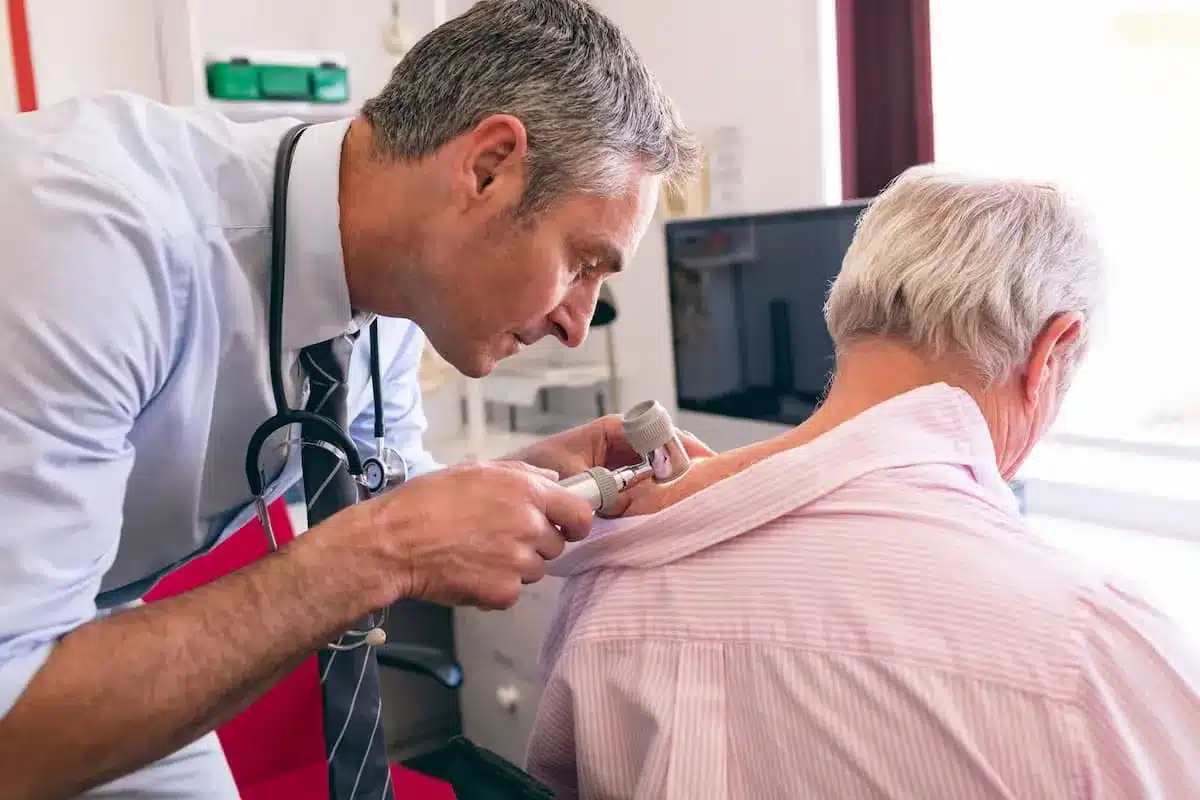
- A physical exam, feeling the abdomen for tenderness and muscle tension
- Laboratory tests, like blood work and urinalysis, for infection or inflammation signs
- Imaging studies, such as ultrasound, CT scans, or X-rays, to see the organs and structures
By using all this information, doctors can find the cause of the pain. Quick diagnosis and treatment are key in emergencies to avoid complications and get the best results.
Diagnostic Approaches for Lower Right Abdominal Pain
To find the cause of lower right abdominal pain, doctors use several methods. They do physical exams, imaging studies, and lab tests. This helps them figure out what’s causing the pain and how to treat it.
Physical Examination Techniques
A detailed physical exam is the first step. Doctors will:
- Look for swelling or odd shapes in the abdomen
- Listen for unusual sounds in the bowels
- Feel the abdomen to find tender spots and muscle tightness
- Check for rebound tenderness, which means the belly is irritated
These steps give doctors clues about the pain’s cause. They help decide what tests to do next.
Imaging Studies and Laboratory Tests
Imaging and lab tests are key to finding the pain’s source. Common tests include:
- Ultrasound: Looks at the gallbladder, appendix, and reproductive organs
- Computed Tomography (CT) scan: Shows detailed images of organs and can spot problems like appendicitis
- Magnetic Resonance Imaging (MRI): Checks organs and can find issues like endometriosis
Lab tests might include:
- Complete Blood Count (CBC): Sees if there’s infection or inflammation
- Urinalysis: Finds urinary tract infections or kidney stones
- Liver Function Tests: Checks liver health and spots liver problems
Differential Diagnosis Process
The differential diagnosis process looks at many possible causes. Doctors consider symptoms, medical history, physical findings, and test results. They weigh the chances of conditions like appendicitis or ovarian cysts to find the right diagnosis.
By carefully looking at the patient’s symptoms and test results, doctors can narrow down causes. This helps them create a focused treatment plan.
Prevention and Management of Recurring Pain in Lower Right Abdomen
To prevent and manage lower right abdominal pain, a holistic approach is key. This includes lifestyle changes, dietary tweaks, and physical therapy. Understanding the causes and using these methods can greatly reduce pain in this area.
Lifestyle Modifications to Reduce Risk
Making lifestyle changes is vital for preventing lower right abdominal pain. Maintaining a healthy weight is important, as extra weight strains the abdominal muscles and organs. Regular exercise, like walking or swimming, boosts health and lowers pain risk.
Also, managing stress through meditation or deep breathing can ease symptoms of gastrointestinal issues. These can cause lower right abdominal pain.
Dietary Considerations
Dietary changes are also key in preventing and managing pain. Increasing fiber intake from fruits, vegetables, and whole grains helps with bowel movements. This prevents constipation, a common cause of discomfort.
Avoiding spicy or fatty foods can also reduce pain risk. For those with conditions like irritable bowel syndrome (IBS), following a tailored diet is very helpful. A healthcare provider or dietitian can guide this.
Exercise and Physical Therapy Options
Exercise and physical therapy help manage and prevent lower right abdominal pain, mainly for musculoskeletal issues. Strengthening the core muscles through planks or bridges supports the abdomen. This reduces strain on the lower back.
For pain from musculoskeletal causes, physical therapy offers targeted relief. A physical therapist creates a personalized exercise plan. This improves flexibility, strength, and range of motion, easing pain and preventing future episodes.
Conclusion: When to Seek Medical Help for Abdominal Pain
Knowing why you have pain in your lower right abdomen is key. We’ve looked at many reasons, like appendicitis, muscle problems, stomach issues, and kidney problems.
If your pain is bad, lasts a long time, or comes with fever or vomiting, get help fast. Knowing the signs that mean you need to see a doctor right away is very important.
Doctors use exams, scans, and tests to figure out what’s wrong. Knowing when to go to the doctor can help you get better faster.
Don’t wait to see a doctor if you’re worried about your symptoms. Getting help early can make a big difference in your health.
FAQ:
What are the common causes of pain in the lower right abdomen near the hip bone?
Pain in this area can be caused by many things. Appendicitis and musculoskeletal issues like iliopsoas bursitis are common. Gastrointestinal problems, such as irritable bowel syndrome, and urological issues like kidney stones also cause pain. Female and male-specific conditions can also be a cause.
How is appendicitis diagnosed and treated?
Doctors use a physical exam, imaging studies, and lab tests to diagnose appendicitis. Treatment usually involves removing the appendix surgically and using antibiotics to prevent infection.
Can musculoskeletal issues cause lower right abdominal pain?
Yes, issues like iliopsoas bursitis, muscle strains, and ligament injuries can cause pain. Treatment includes physical therapy, pain management, and sometimes injections or surgery.
What gastrointestinal conditions can cause lower right abdominal pain?
Conditions like irritable bowel syndrome, inflammatory bowel disease, intestinal obstruction, and diverticulitis can cause pain. Doctors use a combination of medical history, physical exam, imaging, and lab tests to diagnose.
How do urological conditions cause lower right abdominal pain?
Kidney stones and urinary tract infections can cause pain. Symptoms include severe pain, nausea, vomiting, and changes in urination. Treatment depends on the condition and may include pain management, antibiotics, or surgery.
What are the female-specific causes of lower right abdominal pain?
Female-specific causes include ovarian cysts, ovarian torsion, endometriosis, adenomyosis, and pelvic inflammatory disease. Diagnosis involves a combination of medical history, physical examination, imaging studies, and laboratory tests. Treatment depends on the underlying condition.
What are the male-specific conditions that can cause lower right abdominal pain?
Male-specific conditions include testicular torsion and epididymitis, which require prompt medical attention, and inguinal hernias. Symptoms can include severe pain, swelling, and changes in urination. Treatment depends on the underlying condition.
When does pain in the lower right abdomen near the hip bone signal an emergency?
Severe pain, fever, vomiting, or signs of infection signal an emergency. Conditions like appendicitis, testicular torsion, and ovarian torsion need immediate medical attention.
How is the cause of lower right abdominal pain diagnosed?
Diagnosis involves a physical exam, imaging studies, and lab tests. The differential diagnosis process helps healthcare providers rule out various conditions to determine the underlying cause.
How can recurring lower right abdominal pain be prevented and managed?
Prevention and management strategies include lifestyle modifications, dietary considerations, and exercise and physical therapy options. Identifying and addressing underlying conditions can also help reduce the risk of recurring pain.
What are the symptoms that require immediate medical attention for lower right abdominal pain?
Symptoms that require immediate medical attention include severe pain, fever, vomiting, signs of infection, and changes in bowel or urinary habits. Prompt medical evaluation can help prevent complications and improve outcomes.
Can hip pain be related to bowel issues?
Yes, hip pain can be related to bowel issues in some cases. Conditions like inflammatory bowel disease or irritable bowel syndrome can cause referred pain in the hip area.
Is lower abdominal pain near the hip bone a sign of a serious condition?
Lower abdominal pain near the hip bone can be a sign of a serious condition, such as appendicitis, ovarian torsion, or testicular torsion, which require prompt medical attention.
How do healthcare providers assess acute abdominal pain?
Healthcare providers assess acute abdominal pain through a combination of medical history, physical examination, imaging studies, and laboratory tests to determine the underlying cause and develop an appropriate treatment plan.
References:
National Center for Biotechnology Information. Evidence-Based Medical Guidance. Retrieved from https://www.ncbi.nlm.nih.gov/pmc/articles/PMC8378095/