
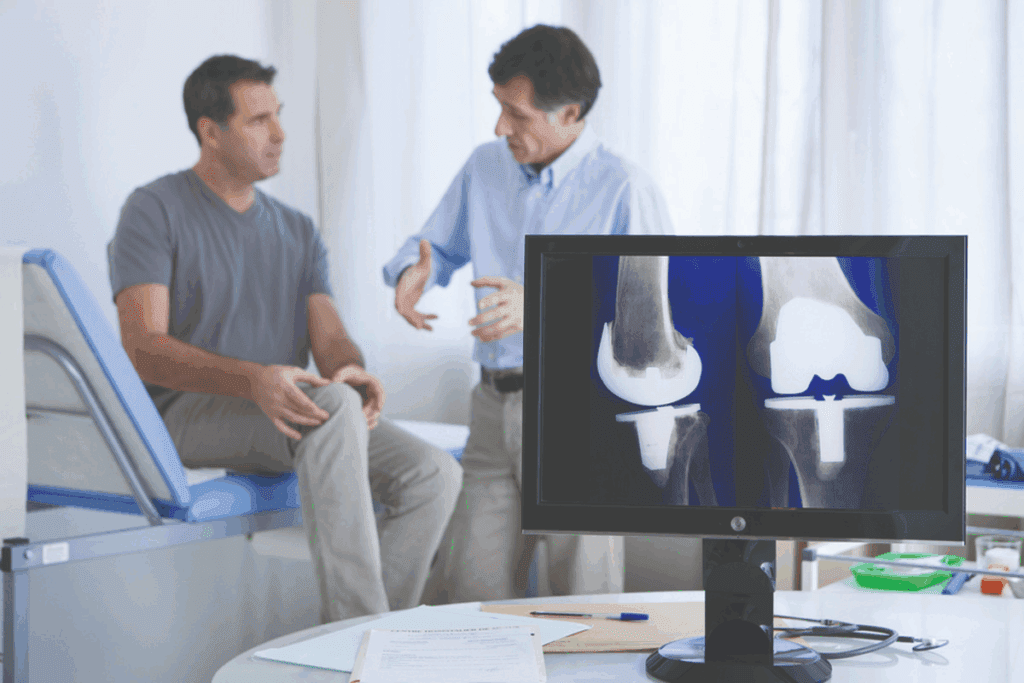
Getting the right postoperative pain relief is key after orthopedic surgery. Many patients face moderate to severe pain, which can slow down their recovery and happiness.
Dealing with pain after surgery is a big challenge. It needs a personalized approach to pain management. The aim is to keep pain low, avoid complications, and help the patient heal faster.
Learn the best painkiller after orthopedic surgery and how to manage post-op pain effectively.
Key Takeaways
- Effective pain management is vital for recovery after orthopedic surgery.
- A personalized approach to pain relief is necessary for the best results.
- Postoperative pain can greatly affect patient recovery and happiness.
- Keeping pain low reduces the chance of complications.
- Effective pain management helps in a smoother recovery.
Understanding Post-Orthopedic Surgery Pain

It’s important to understand pain after orthopedic surgery to manage it well. The pain can be different for everyone. It depends on the surgery, how much pain you can handle, and if you had pain before.
Why Orthopedic Surgery Pain is Unique
Orthopedic surgery pain is special because it includes the surgery and the recovery. The pain can come from tissue damage or nerve issues. So, a good plan to manage pain is key.
The pain from orthopedic surgery is complex. It depends on the surgery, how much damage there is, and the patient’s health. All these things affect how much pain you feel.
| Factors Influencing Pain | Description | Impact on Pain Management |
| Surgical Technique | Minimally invasive vs. open surgery | Less invasive techniques may result in less pain |
| Tissue Damage | Extent of muscle, bone, and nerve injury | More extensive damage may require stronger pain management |
| Patient Characteristics | Age, overall health, pain tolerance | Individualized pain management plans are necessary |
The Importance of Effective Pain Management
Managing pain after surgery is very important. It helps you feel better and recover faster. If pain is not controlled, it can cause problems like less movement and stress.
Effective pain relief comes from using different methods together. This way, you can use less medicine and avoid side effects.
Managing pain well is a big part of getting better after surgery. By understanding the pain and making a plan just for you, you can get effective pain relief. This leads to better results.
Factors Affecting Pain Management After Surgery
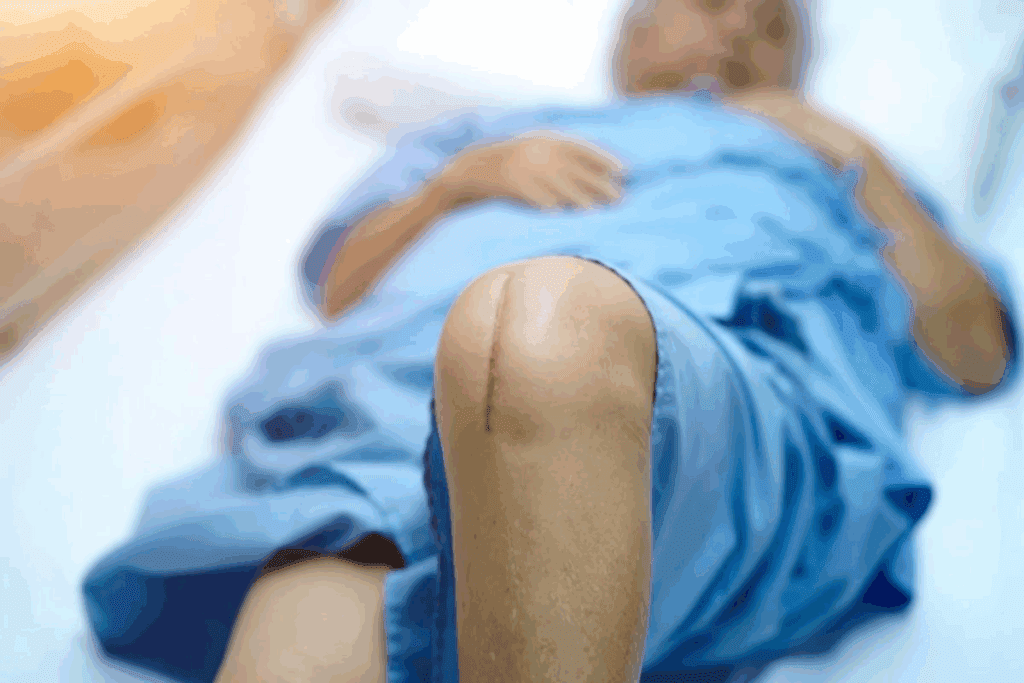
Managing pain after orthopedic surgery depends on many things. This includes the surgery type and the patient’s characteristics. To help each patient, we need to understand these factors well.
Type and Extent of Orthopedic Procedure
The kind of surgery affects how we manage pain. For example, surgeries like joint replacements or osteotomies need special pain plans. Less invasive surgeries, like arthroscopic surgeries, might have different needs.
Experts say the surgery type is key to understanding post-op pain. Knowing the surgery details helps doctors plan better for pain management.
Individual Patient Characteristics
Each patient’s age, health, and mental state influence how they feel pain. Older patients might need different pain meds because of slower metabolism. Those with a history of drug abuse need extra care.
- Age and physiological condition
- Psychological factors, including anxiety and depression
- Previous experiences with pain and surgery
Because of these differences, we must tailor pain management for each patient. This means doing detailed checks before surgery.
Pre-existing Pain Conditions
Patients with ongoing pain, like chronic pain syndrome or fibromyalgia, face special challenges. Their pain plans must handle both the new surgery pain and their ongoing pain.
“Managing patients with pre-existing pain conditions requires a nuanced understanding of their pain history and current pain management regimen.”
This detailed approach helps manage both the surgery pain and the patient’s ongoing pain. It makes patients more comfortable and improves their recovery.
The Best Painkiller After Orthopedic Surgery: A Personalized Approach
Managing pain after orthopedic surgery is not the same for everyone. It needs a plan made just for you. The type of surgery and how you feel pain are different for each person. So, a personalized pain management plan is key.
Why There’s No One-Size-Fits-All Solution
Everyone’s pain after surgery is unique. It depends on the surgery, how you handle pain, and any pain you already have. For example, someone with a big surgery might need a different plan than someone with a small one.
Effective pain management starts with knowing these differences. Doctors need to look at your health history, current health, and how you’ve handled pain before.
The Role of Pain Assessment
A good pain assessment is the first step in managing pain. It looks at how bad the pain is, what it feels like, and where it is. It also checks how pain affects your daily life and sleep.
| Pain Assessment Criteria | Description | Importance in Pain Management |
| Pain Intensity | Measured using scales like the Numeric Rating Scale (NRS) | Helps in determining the effectiveness of the current pain management strategy |
| Pain Quality | Described as sharp, dull, aching, or burning | Aids in identifying the type of pain (nociceptive or neuropathic) and guiding treatment choices |
| Impact on Daily Activities | Assesses how pain affects mobility, sleep, and daily functioning | Essential for understanding the overall burden of pain and the need for adjustments in the pain management plan |
Working With Your Healthcare Team
Working with a healthcare team is key to managing pain well. This team includes doctors, nurses, and physical therapists. They work together to make and change your pain plan as needed.
It’s important for you to talk openly with your team. Share how much pain you’re in, any side effects, and any worries you have. This helps make sure your pain plan is right for you.
By taking a customized pain management approach, you can feel better, avoid problems, and recover faster after surgery.
Opioid Medications for Post-Surgical Pain
After orthopedic surgery, opioid medications are key for pain relief. They help patients feel better during recovery.
Opioids work by binding to receptors in the brain and spinal cord. This reduces pain. But, they must be used with caution due to risks.
Morphine and Hydromorphone
Morphine and Hydromorphone are top choices for post-surgical pain. Morphine is a benchmark for other opioids. Hydromorphone is strong and used when others fail.
Oxycodone and Hydrocodone
Oxycodone and Hydrocodone are also used for pain after surgery. Oxycodone comes in extended-release forms. Hydrocodone is often mixed with acetaminophen.
Tramadol: A Weaker Opioid Option
Tramadol is a weaker opioid. It’s used for moderate pain and affects serotonin and norepinephrine levels differently.
Side Effects and Addiction Risks
Opioids are effective but carry big risks. Side effects include constipation, nausea, and drowsiness. There’s also a risk of addiction. Patients need close monitoring.
| Opioid Medication | Common Use | Potential Side Effects |
| Morphine | Post-surgical pain | Constipation, nausea |
| Oxycodone | Moderate to severe pain | Drowsiness, dizziness |
| Tramadol | Moderate pain | Nausea, headache |
Acetaminophen (Tylenol) as a Core Pain Reliever
Acetaminophen, also known as Tylenol, is key in easing pain after orthopedic surgery. It’s a common over-the-counter drug used in pain management plans.
Mechanism of Action and Effectiveness
Acetaminophen blocks the brain’s production of prostaglandins, which cause pain. It’s great for mild to moderate pain after surgery. Unlike NSAIDs, it doesn’t reduce inflammation but is gentler on the stomach.
Proper Dosing and Safety Considerations
It’s important to stick to the right dose of acetaminophen. Adults should not take more than 4000mg a day. Taking too much can harm your liver. Always check how much acetaminophen you’re taking, including from other medicines.
Role in Multimodal Pain Management
Acetaminophen is used with other pain relievers in multimodal analgesia. This mix helps manage pain better and lowers opioid risks. It makes pain control more effective and safer.
Using acetaminophen in pain management plans helps patients get better pain relief. It’s a safe and effective way to manage pain after surgery.
NSAIDs for Inflammation and Pain Control
NSAIDs are key in managing pain and swelling after orthopedic surgery. They block enzymes called COX-1 and COX-2. These enzymes help make prostaglandins, which cause pain and swelling.
Traditional NSAIDs: Ibuprofen and Naproxen
Ibuprofen and naproxen are well-known NSAIDs. Ibuprofen helps with mild to moderate pain and swelling. Naproxen lasts longer, so you don’t need to take it as often.
Both work well, but the right choice depends on the patient. It might be based on stomach issues or how fast you need relief.
COX-2 Inhibitors: Celecoxib
Celecoxib targets COX-2, which helps avoid stomach problems. It’s good for those at risk of stomach issues.
Concerns About Bone Healing and Bleeding
NSAIDs help with pain and swelling but might slow bone healing. The exact impact is debated. They also increase the risk of bleeding.
| NSAID Type | Effect on Bone Healing | Bleeding Risk |
| Traditional NSAIDs (Ibuprofen, Naproxen) | Potential inhibition | Moderate |
| COX-2 Inhibitors (Celecoxib) | Less impact compared to traditional NSAIDs | Lower |
The risk of bleeding with NSAIDs is a big concern, more so with traditional ones. Choosing the right NSAID and dosage is important to avoid risks.
Regional Anesthesia Techniques
Regional anesthesia has changed how we manage pain in orthopedic surgery. It targets specific nerves or areas. This can lead to better pain relief with fewer side effects than traditional pain medicines.
Nerve Blocks for Specific Orthopedic Procedures
Nerve blocks involve injecting local anesthetic around specific nerves. This numbs the area. It’s very useful for many orthopedic surgeries.
- Interscalene block for shoulder surgery
- Femoral nerve block for knee surgery
- Ankle block for foot surgery
These blocks can give great pain relief. They also help reduce the need for opioids after surgery.
Epidural Analgesia
Epidural analgesia injects anesthetic into the space around the spinal cord. It’s good for pain relief over large areas of the body.
| Procedure | Epidural Analgesia Benefits | Potential Risks |
| Major orthopedic surgery | Excellent pain relief, reduced opioid use | Numbness, risk of epidural hematoma |
| Lower limb surgery | Effective for large areas, adjustable dosage | Risk of infection, risk of motor block |
Local Anesthetic Infiltration
Local anesthetic infiltration injects anesthetic directly into the surgical site. It can be used alone or with other methods.
Benefits include less pain at the site, less need for other pain medicines, and faster recovery.
Using regional anesthesia in orthopedic surgery can offer better pain relief. Healthcare providers can give patients more tailored and effective pain management.
Multimodal Analgesia: Combining Pain Relief Methods
Using different pain relief methods together is key in managing pain after surgery. This method, called multimodal analgesia, uses various techniques and drugs to tackle pain from different angles. It helps in reducing pain more effectively and lowers the chance of side effects.
Benefits of Using Multiple Medication Classes
One big plus of multimodal analgesia is that it offers better pain relief than using just one drug. By mixing drugs like opioids, NSAIDs, and acetaminophen, patients get more help with their pain. This method also means they can take less of each drug, which can lower the risk of side effects.
Reducing Opioid Requirements
Another great thing about multimodal analgesia is it can cut down on opioid use after surgery. Adding non-opioid drugs to the mix means patients might need fewer opioids. This is good news in the fight against opioid addiction and related problems.
Individualized Multimodal Protocols
When pain plans are made just for each patient, they work even better. Doctors look at the surgery type, any health issues, and past pain experiences. This way, patients get the best mix of drugs for their needs, leading to better pain control and recovery.
By using a multimodal approach, doctors can help patients manage pain more effectively after surgery. This not only makes patients more comfortable but also helps them recover faster and better.
Adjuvant Medications for Enhanced Pain Relief
Adjuvant medications are key in managing pain after orthopedic surgery. They work alongside traditional painkillers to boost relief. These drugs are not just painkillers but can make pain management more effective.
Gabapentin and Pregabalin
Gabapentin and pregabalin are anticonvulsants that help with pain, like neuropathic pain. They work by changing how calcium channels function. This can lower the release of pain-causing neurotransmitters.
Key benefits of gabapentin and pregabalin include:
- They are good for neuropathic pain
- They can lower the need for opioids
- They are usually safe, but might make you feel sleepy
Muscle Relaxants
Muscle relaxants, like cyclobenzaprine, help with muscle spasms from injuries or surgery. They calm the nervous system, reducing muscle tightness.
Important considerations for muscle relaxants include:
- They can make you feel drowsy and interact with other sleep aids
- Long-term use can lead to dependency
- They should be used carefully, mainly in older patients
Ketamine and Other NMDA Antagonists
Ketamine, an NMDA receptor blocker, is known for its pain relief. It blocks glutamate at NMDA receptors, reducing pain sensitivity.
Advantages of ketamine include:
- It’s good for complex pain cases
- It can lower opioid use
- It’s helpful for those who are resistant to opioids
Using these adjuvant medications in a pain management plan can help patients feel better. It might also reduce opioid use and improve recovery after orthopedic surgery.
Patient-Controlled Analgesia Systems
Patient-Controlled Analgesia (PCA) systems are a big step forward in managing pain for orthopedic surgery patients. These systems let patients control their pain by giving themselves medication as needed. This gives them more control over their pain.
How PCA Pumps Work
PCA pumps are devices that give a set amount of pain medicine to the patient. The patient can press a button to get a dose of medicine. The system has safety features to stop overdose.
The pump is connected to an IV or epidural catheter, depending on the pain type. The doctor sets the pump with the right dose, how often to give it, and the max amount in a time.
Key components of PCA systems include:
- Programmable pump
- Medication reservoir
- Delivery mechanism (IV or epidural)
- Patient-controlled button
Benefits for Orthopedic Surgery Patients
PCA systems have many benefits for orthopedic surgery patients. They let patients control their pain, which can lead to better pain management. This can also reduce the chance of too little or too much medicine.
Some key benefits are:
- Improved pain control
- Increased patient satisfaction
- Less anxiety about pain
- Potential less opioid use
“PCA therapy lets patients play a big role in managing their pain. This can lead to better results and happier patients.”
— Expert in Pain Management
Safety Features and Monitoring
While PCA systems have many benefits, they need careful watching to be safe. Doctors keep a close eye on patients using PCA pumps to avoid problems like breathing issues or too much medicine.
Safety features include:
- Lockout intervals to stop too much medicine
- Max dose limits in set times
- Alarms for issues like low medicine or pump problems
- Watching patient vital signs all the time
By using advanced tech and careful watching, PCA systems are a safe and effective way to manage pain after orthopedic surgery.
Non-Pharmacological Pain Management Strategies
Non-pharmacological pain management strategies are key in recovering from orthopedic surgery. They work alongside medicines to offer full pain relief.
Cold Therapy and Compression
Cold therapy, or cryotherapy, is a popular way to manage pain and swelling after surgery. Using cold packs or compresses on the affected area can lessen swelling and numb the pain. Wearing compression garments or bandages with cold therapy can also help reduce swelling.
Physical Therapy Approaches
Physical therapy is vital for non-pharmacological pain management. Gentle exercises and stretches can improve mobility, reduce stiffness, and ease pain. Physical therapists teach patients about proper posture and body mechanics to lessen discomfort.
- Range of motion exercises to maintain flexibility
- Strengthening exercises to support the affected area
- Modalities such as ultrasound or electrical stimulation for pain relief
Psychological Techniques for Pain Control
Psychological techniques are also important in managing pain after surgery. Cognitive-behavioral therapy (CBT) and relaxation techniques, like deep breathing or meditation, help patients deal with pain and stress. These methods can boost the effectiveness of other pain management strategies.
- Deep breathing exercises to promote relaxation
- Guided imagery to distract from pain
- Mindfulness meditation to reduce stress and anxiety
Safe Use of Painkillers During Recovery
Using painkillers safely is key after orthopedic surgery. Good pain management is important for healing. But, it’s also important to use medications carefully to avoid risks.
Proper Medication Scheduling
Following a proper medication schedule is essential. It helps manage pain well and lowers the chance of side effects. Always take the medication as your doctor tells you to, at the right times.
It’s also good to know the difference between as-needed and around-the-clock medications. Some people might need both to control their pain well.
Monitoring for Side Effects
Monitoring for side effects is very important. Be on the lookout for signs like nausea, dizziness, or constipation. Tell your doctor right away if you notice any.
- Watch out for side effects like feeling sleepy, confused, or having trouble urinating.
- If you have serious side effects, like trouble breathing or a bad allergic reaction, get help right away.
Tapering Off Pain Medications
Tapering off pain medications is a big part of getting better. It helps avoid becoming too dependent on the drugs. Your doctor will help you with a plan to slowly reduce the amount you take.
Know the signs of withdrawal and talk to your doctor if you’re worried. A good tapering plan can help avoid these problems.
Conclusion
Managing pain well is key for a smooth orthopedic surgery recovery. A plan that fits each person is important. This includes the surgery type, the patient’s health, and any pain they already have.
A pain management summary shows the value of using many pain relief methods. This includes medicines and non-medical ways to ease pain. A mix of these can help control pain better and use less medicine.
Effective pain relief strategies mean working with doctors to make a pain plan. This plan might include special machines for pain control, extra medicines, and non-medical methods like cold packs and exercise.
Knowing all the options and having a full pain plan helps a lot. It makes the orthopedic surgery recovery easier and more comfortable. This leads to better results for everyone.
FAQ
What is the most effective pain relief strategy after orthopedic surgery?
The best way to manage pain after surgery is a mix of different methods. This includes using acetaminophen, NSAIDs, and regional anesthesia. This approach is often the most effective.
Are opioids necessary for pain management after orthopedic surgery?
Opioids can help with severe pain, but they’re not always needed. A plan that includes non-opioid options and a mix of pain relief methods can often reduce or eliminate the need for opioids.
What are the risks associated with opioid use after surgery?
Using opioids can cause side effects like nausea and drowsiness. There’s also a risk of addiction. It’s important to monitor and taper off opioids as soon as possible to lessen these risks.
Can gabapentin or pregabalin help with pain after orthopedic surgery?
Yes, gabapentin and pregabalin can help with pain after surgery. They’re good for nerve pain and can be part of a mix of pain relief methods.
How can I minimize my reliance on painkillers after surgery?
Work with your healthcare team to create a pain management plan that’s right for you. Use non-drug methods and a mix of pain relief options. This can help you use fewer painkillers and avoid side effects and addiction.
What is patient-controlled analgesia (PCA), and how does it work?
PCA lets patients control their pain by giving themselves medication. It uses a pump that delivers a set amount of medication when pressed. This method provides good pain relief while reducing the chance of overdose.
Are there any non-pharmacological methods for managing pain after orthopedic surgery?
Yes, there are non-drug methods like cold therapy, physical therapy, and psychological techniques. These can help manage pain and work alongside medication.
How can I ensure safe use of painkillers during my recovery?
To use painkillers safely, follow your doctor’s instructions for when to take them. Watch for side effects and taper off medications as directed. This helps minimize risks.
Can NSAIDs interfere with bone healing after orthopedic surgery?
There’s some worry that NSAIDs might slow bone healing, but the evidence isn’t clear. Your doctor will consider the benefits and risks of NSAIDs for your situation.
What is the role of acetaminophen in pain management after orthopedic surgery?
Acetaminophen is a key pain reliever in many pain management plans. It’s effective and has fewer side effects when used correctly.



 Departments
 Related Videos
 Our Doctors
 News
News