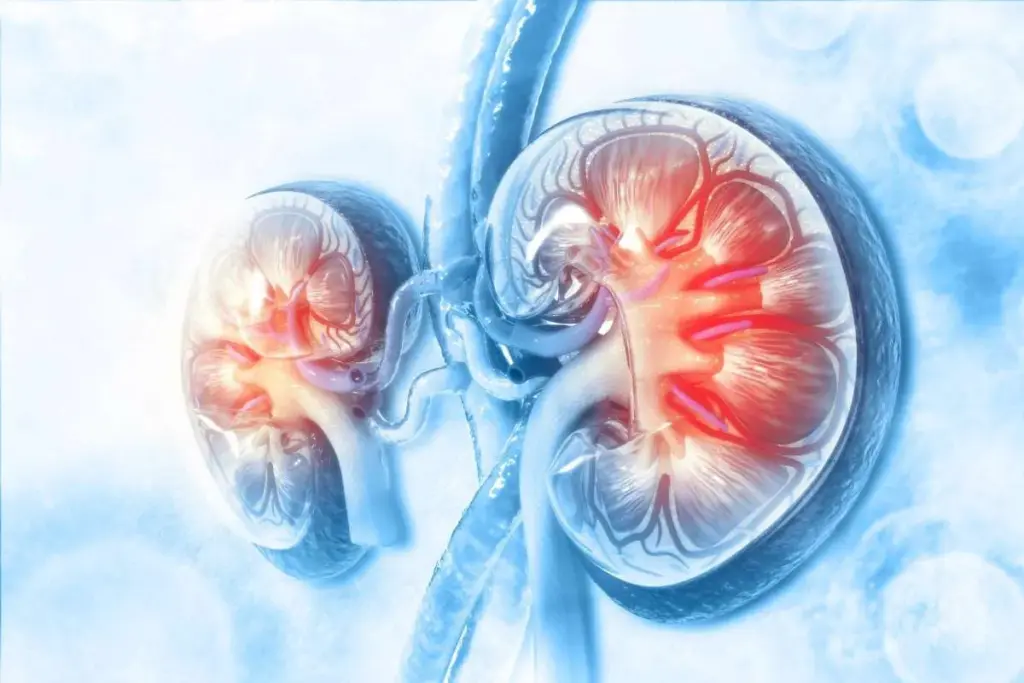
Seeing blood in your urine without pain is scary and needs quick medical help. Painless hematuria, or gross blood in urine, is often the first sign of serious health issues.
Experiencing blood in the urine can be upsetting. Painless gross hematuria means blood in the urine without pain. It can be caused by many health problems. It’s important to know the causes and get medical care to handle any health issues.
Key Takeaways
- Understanding the causes of painless hematuria is key to the right diagnosis and treatment.
- Painless gross hematuria can signal serious health problems.
- It’s vital to get medical help right away if you see blood in your urine.
- A doctor will find the best treatment based on the cause of hematuria.
- Tests like imaging and cystoscopy are often needed for diagnosis.
Understanding Painless Hematuria

Blood in urine without pain is called painless hematuria. It’s a serious condition that needs careful checking. It can show many health problems, from simple to serious, like cancer.
Definition and Clinical Significance
Painless hematuria means blood in urine without pain. It’s split into microscopic hematuria and gross hematuria based on blood visibility. It’s a sign of possible urological issues, some serious.
Asymptomatic microscopic hematuria affects 10 to 20 percent of adult men and postmenopausal women. Gross hematuria happens in about 1.5 percent of people. Knowing these numbers helps patients and doctors understand their importance.
Microscopic vs. Gross Hematuria
Hematuria comes in two types: microscopic and gross. Microscopic hematuria shows blood cells only under a microscope. Gross hematuria is visible, making urine look discolored or bloody.
- Microscopic Hematuria: Found in routine urinalysis, it needs more tests to find the cause.
- Gross Hematuria: More obvious, it makes people go to the doctor sooner. Yet, both need a full check-up.
Telling microscopic from gross hematuria helps find and treat the real problem. We’ll look at causes and how to diagnose them next.
Prevalence and Epidemiology of Painless Hematuria

It’s key to know about painless hematuria’s spread to spot risks and screen well. This condition, where blood is in the urine but no pain, has big implications.
The amount of painless hematuria varies across different groups. Painless visible hematuria is the most common sign of bladder cancer. The rate of this cancer varies from 3 to 6 percent in most cases. This shows why knowing the numbers is so important for spotting risks and helping patients.
General Population Statistics
Asymptomatic microscopic hematuria is common in some groups. The numbers vary a lot based on who’s studied and how they’re diagnosed. For example, the rate of microscopic hematuria has been found to be between 2% to 31% in different studies.
Knowing these numbers helps us figure out who’s at higher risk. Epidemiological studies help find out who’s most at risk. This is key to catching problems early and treating them right.
Age and Gender Distribution
Painless hematuria hits different ages and genders in different ways. It’s more common in older people, with the chance of cancer growing with age. The gender difference also shows up in some studies, with men more likely to get bladder cancer and women more likely to get certain kidney diseases.
For instance, bladder cancer is more common in men, while some kidney diseases are more common in women. Knowing these differences helps us target our screening and tests better.
Looking at the numbers on painless hematuria helps us understand its impact. It also helps us come up with better ways to manage it.
Common Causes of Painless Hematuria
Painless hematuria can signal serious health issues. About 30 percent of those with this symptom have cancer. It’s vital to check thoroughly.
Several things can cause painless hematuria. These include cancer, kidney stones, and an enlarged prostate. Each needs its own way of being diagnosed and treated.
Urological Malignancies
Cancer in the urinary system is a big worry for those with painless hematuria. It can start in the bladder, kidneys, or prostate. Bladder cancer often shows up as painless blood in the urine.
Older adults and those who smoke or have been exposed to harmful chemicals are at higher risk. Doctors use imaging and cystoscopy to find these cancers.
Kidney Stones
Kidney stones are a common reason for painless hematuria, even though they usually hurt. Some people might not feel much pain, depending on the size and location of the stone.
Stones can irritate the urinary tract and cause bleeding. Doctors use CT scans or ultrasounds to find them.
Benign Prostatic Hyperplasia
Benign prostatic hyperplasia (BPH) is a non-cancerous growth of the prostate gland. It’s common in older men. It can cause urinary problems and sometimes painless blood in the urine.
Doctors use a combination of tests, including PSA tests and imaging, to diagnose BPH.
| Condition | Common Symptoms | Diagnostic Approaches |
| Urological Malignancies | Painless hematuria, sometimes accompanied by other urinary symptoms | Imaging studies (CT, MRI), cystoscopy, biopsy |
| Kidney Stones | Pain (though it can be painless), hematuria | CT scans, ultrasound, X-rays |
| Benign Prostatic Hyperplasia | Urinary frequency, urgency, weak stream, painless hematuria | Clinical evaluation, PSA testing, and ultrasound |
It’s important for doctors to know the common causes of painless hematuria. This helps them make the right diagnosis and treatment plan. By using different tests, we can better care for patients with this symptom.
The Link Between Painless Hematuria and Cancer
It’s important to know how painless hematuria is linked to cancer. This symptom can show up early in bladder, kidney, and prostate cancers. Seeing blood in your urine without pain is a warning sign.
Bladder Cancer Risk
Bladder cancer is linked to painless hematuria. Research shows that visible blood in the urine raises the risk of bladder cancer. People with visible blood in their urine are more likely to have bladder cancer than those with just tiny blood spots.
Key statistics on bladder cancer risk:
| Type of Hematuria | Incidence of Bladder Cancer |
| Gross Hematuria | Higher incidence |
| Microscopic Hematuria | Lower incidence |
Kidney Cancer Considerations
Kidney cancer can also show up with painless hematuria. Blood in the urine might mean you have renal cell carcinoma, a common kidney cancer. Finding kidney cancer early is key to better treatment.
It’s essential to investigate painless hematuria thoroughly to rule out kidney cancer and other urological malignancies.
Prostate Cancer Connection
Prostate cancer might also show up with painless hematuria, but it’s not as common. Blood in the urine could mean the tumor has grown into the urinary tract. Knowing this can help catch prostate cancer early.
Getting a detailed check-up is vital for anyone with painless hematuria. This can help find or rule out cancers early. Early detection is key to better treatment for bladder, kidney, and prostate cancers.
Glomerular Causes of Painless Hematuria
It’s important to understand the glomerular causes of painless hematuria. Glomerular diseases affect the kidneys’ filtering units, called glomeruli. This knowledge helps in diagnosing and treating these conditions.
IgA Nephropathy
IgA nephropathy, or Berger’s disease, is a common kidney disease. It happens when IgA antibodies build up in the glomeruli, causing inflammation. IgA nephropathy often presents as painless intermittent gross hematuria, often after infections.
Other Glomerulonephritis Conditions
Other glomerulonephritis types, like membranous nephropathy and membranoproliferative glomerulonephritis, can also cause painless hematuria. These conditions lead to inflammation and changes in the glomeruli. This affects their ability to filter waste from the blood.
Hereditary Nephritis
Hereditary nephritis, including Alport syndrome, is a genetic disorder. It affects the type IV collagen in the glomerular basement membrane. This can lead to chronic kidney disease and painless hematuria. Early diagnosis is key to managing the condition and slowing disease progression.
In conclusion, painless hematuria can be caused by various glomerular conditions. Each has its own pathophysiological features. Accurate diagnosis through renal biopsy and other tools is vital. It helps determine the cause and guides treatment.
Urinary Tract Infections and Painless Hematuria
Urinary tract infections (UTIs) often cause pain. But some people might only have painless hematuria.
UTIs are a big health issue. They can show up in many ways. Knowing that TIs can cause hematuria without pain is key to quick treatment.
Can UTIs Present Without Pain?
Yes, UTIs can happen without pain. This makes it hard to diagnose just by symptoms. It’s a big problem for the elderly and those with weak immune systems.
Not having pain doesn’t mean the infection is mild. It might just mean the body reacts differently, or there are other health issues.
Identifying Silent UTIs
Silent UTIs don’t show symptoms like usual UTIs. They can only be found when problems arise or during check-ups. Tests like urinalysis are used to find these infections.
Early detection is key to stopping complications and treating them correctly.
Chronic and Recurrent Infections
Chronic and recurring UTIs need careful handling to avoid damage. Issues like anatomical problems, urinary retention, and health conditions can cause them.
Dealing with these infections involves antibiotic therapy, lifestyle changes, and sometimes more medical steps to fix the root cause.
It’s important to understand UTIs, including painless hematuria. This knowledge helps healthcare providers and patients. By recognizing different UTI symptoms, we can better diagnose and treat, improving health outcomes.
Medication and Substance-Related Causes
Hematuria, or blood in the urine, can be caused by many medications and substances. Knowing these causes is key to diagnosing and treating the condition.
Anticoagulants and Blood Thinners
Anticoagulants, or blood thinners, stop blood clots from forming. They are vital for preventing strokes and managing deep vein thrombosis. Yet, they can also cause hematuria as a side effect. Warfarin and heparin are examples of these medications.
The risk of hematuria is higher for those on long-term therapy or with urological issues. Monitoring and adjusting anticoagulant dosages can reduce this risk. Regular check-ups with healthcare providers are essential for patients on these medications.
Other Medications and Substances
Other than anticoagulants, many medications can cause hematuria. These include:
- Cyclophosphamide, a chemotherapy drug known to cause hemorrhagic cystitis.
- Penicillins and cephalosporins, antibiotics that can occasionally cause hematuria.
- Nonsteroidal anti-inflammatory drugs (NSAIDs) which can affect kidney function and lead to hematuria in rare cases.
Herbal supplements can also cause hematuria. It’s important for patients to tell their healthcare provider about all medications and supplements they take.
Food and Dye-Related Discoloration
Certain foods and dyes can change urine color, sometimes mistaken for hematuria. Beets, berries, and rhubarb can turn urine red or pink. It’s important to know the difference between true hematuria and urine discoloration from food.
| Cause | Description | Examples |
| Anticoagulants | Medications that prevent blood clot formation | Warfarin, Heparin |
| Other Medications | Various drugs can cause hematuria as a side effect | Cyclophosphamide, Penicillins, NSAIDs |
| Foods and Dyes | Substances that can discolor urine | Beets, Berries, Rhubarb |
Diagnostic Approach to Painless Hematuria
To diagnose painless hematuria, we use a detailed plan. This plan includes checking the patient’s health, doing lab tests, and using imaging studies. We will explain how we diagnose this condition.
Initial Evaluation
The first step is a detailed medical history and physical exam. We look at the patient’s symptoms, past health, and risk for urological problems. This helps us find possible causes and decide on more tests.
Laboratory Tests
Lab tests are key in diagnosing painless hematuria. These include:
- Urinalysis to check for blood and other issues in the urine
- Urine culture to check for infections
- Blood tests to see how the kidneys are working and find other problems
A urinalysis is often the first test. It quickly tells us if there’s blood in the urine and other problems.
| Laboratory Test | Purpose |
| Urinalysis | Detects hematuria and other urinary abnormalities |
| Urine Culture | Rules out urinary tract infections |
| Blood Tests | Assesses kidney function and detects underlying conditions |
Imaging Studies
Imaging studies help us see the urinary tract and find causes of painless hematuria. Common ones include:
- Ultrasound to check the kidneys and find stones or tumors
- Computed Tomography (CT) scans for detailed images of the urinary tract
- Intravenous Pyelography (IVP) to look at the upper urinary tract
A leading urology expert says, “The choice of imaging modality depends on the clinical context and the suspected underlying cause of hematuria.“
“The diagnostic approach to painless hematuria involves a combination of clinical evaluation, laboratory tests, and imaging studies to identify the underlying cause.”
— Urology Guidelines
Cystoscopy and Other Procedures
Cystoscopy is a key part of diagnosing painless hematuria. It lets us see the bladder and find problems like tumors or stones. Other procedures include:
- Ureteroscopy to look at the upper urinary tract
- Biopsy to get tissue samples for further study
These steps help confirm the diagnosis and guide treatment.
Risk Factors That Increase Concern for Painless Hematuria
Certain risk factors can make painless hematuria a bigger concern. It’s important to spot them early. We’ll dive into these factors to grasp their impact.
Age-Related Risk Factors
Age is a big risk factor for painless hematuria. As people get older, they’re more likely to get conditions like urological malignancies. We suggest regular check-ups for those over 40 to keep an eye on their urological health.
Smoking and Chemical Exposure
Smoking is linked to many urological issues, including bladder cancer. Exposure to harmful chemicals at work also raises the risk of hematuria. We urge smokers and those exposed to chemicals at work to watch their urinary health closely.
Family History and Genetic Factors
A family history of urological problems can up your risk for painless hematuria. Genetic factors, like hereditary kidney or urinary tract issues, also matter. If you have a family history, tell your doctor to talk about risks and how to prevent them.
Previous Urological Conditions
Those with past urological issues, like kidney stones or UTIs, face a higher risk of painless hematuria. It’s key to manage these conditions well to avoid further problems.
Knowing these risk factors helps us take steps to catch painless hematuria early. It’s vital for people to understand their risk and talk to healthcare experts about it.
When to Seek Medical Help for Painless Hematuria
Knowing when to get medical help for painless hematuria is key. This condition, whether seen or not seen with the naked eye, might signal a serious issue. It’s important to get it checked out by a doctor.
Immediate Medical Attention Scenarios
Some cases need you to get medical help right away. If you notice any of these, don’t wait:
- Severe symptoms: Heavy bleeding, clots, or trouble peeing.
- Pain or discomfort: Even though you might not feel pain, sudden, severe pain is a warning sign.
- Associated symptoms: Fever, nausea, or vomiting.
When to Schedule a Regular Appointment
If your symptoms are mild or you have microscopic hematuria without other symptoms, see a doctor. Make an appointment to talk about your situation and what to do next.
Red Flag Symptoms
Watch out for red flag symptoms that mean you need to see a doctor fast. These include:
- Recurrent hematuria: If you keep having episodes of hematuria.
- Family history: If your family has a history of urological cancers or conditions.
- Risk factors: If you smoke, are exposed to chemicals, or have other risks for urological cancers.
Follow-up Recommendations
After you get checked and diagnosed, follow-up care is important. Your doctor will tell you how often to come back. It’s vital to stick to this schedule to keep an eye on your condition and adjust treatment if needed.
By knowing when to get medical help and following up as advised, you can make sure any issues are handled properly.
Conclusion: Managing and Preventing Recurrent Hematuria
Understanding the causes of painless hematuria is key to managing and preventing it. We’ve looked at several reasons, like urological cancers, kidney stones, and diseases of the glomeruli.
To stop hematuria from coming back, we need a full plan. This includes making lifestyle changes and handling any underlying health issues. Eating well and drinking enough water can help avoid kidney stones and UTIs.
Seeing your doctor regularly is very important if you’ve had hematuria before. It helps catch any problems early and treat them quickly. By knowing what causes painless hematuria and acting early, we can lower the chance of it happening again and keep ourselves healthy for a long time.
FAQ
What is painless hematuria?
Painless hematuria is when you have blood in your urine but don’t feel any pain. It’s a sign that something might be wrong, like cancer, kidney stones, or an enlarged prostate.
What is the difference between microscopic and gross hematuria?
Microscopic hematuria means you can only see blood in your urine with a microscope. Gross hematuria is when you can see the blood with your eyes, making your urine look pink, red, or cola-like.
What are the common causes of painless hematuria?
Painless hematuria can be caused by many things. These include cancer, kidney stones, an enlarged prostate, kidney diseases, and infections in the urinary tract.
Can urinary tract infections (UTIs) be painless?
Yes, some UTIs don’t hurt at all. These are called silent UTIs. They can cause blood in your urine and need to be treated.
How is painless hematuria diagnosed?
Doctors use many steps to find out why you have painless hematuria. They start with tests, then use imaging and sometimes cystoscopy to find the cause.
What are the risk factors for painless hematuria?
Certain things can make you more likely to have painless hematuria. These include getting older, smoking, being exposed to chemicals, having a family history, and past urological problems.
When should I seek medical help for painless hematuria?
If you have a lot of bleeding, clots, or trouble peeing, get help right away. For less severe cases, make an appointment with your doctor.
Can certain medications cause painless hematuria?
Yes, some medicines like blood thinners can lead to hematuria. Other drugs and substances can also change your urine color or cause blood in it.
How can I prevent recurrent hematuria?
To avoid getting hematuria again, manage any health issues you have. Make healthy lifestyle choices and see your doctor regularly to check on your health.
Is painless hematuria a sign of cancer?
Painless hematuria can be a sign of cancer, like in the bladder, kidney, or prostate. But not all cases are cancer. It’s important to get checked to find out why you have it.
References
National Center for Biotechnology Information. (2025). What Causes Painless Hematuria and When Should You? Retrieved from https://www.ncbi.nlm.nih.gov/books/NBK534213/