
More people are choosing to get palliative care at home. Studies show a big increase in home deaths and better patient results. In 2023, 28.4% of deaths in England happened at home, up from 24.4% in 2019.
So, what is palliative care? It’s special medical care for those with serious illnesses. It aims to ease symptoms and stress. This care improves life quality for patients and their families.
The World Health Organization defines palliative care as a team effort. It supports patients and caregivers, covering practical needs and grief counseling.
Key Takeaways
- Palliative care can be effectively delivered at home, improving patient outcomes.
- The number of home deaths is increasing, reflecting a shift towards home-based care.
- Palliative care focuses on relieving symptoms and stress for patients with serious illnesses.
- It aims to improve the quality of life for both patients and their families.
- A team approach is used to support patients and caregivers, including practical needs and bereavement counseling.
Palliative Care Meaning and Its Core Purpose
Palliative care aims to enhance the quality of life for those facing serious health issues. It’s not just for the end of life but for any serious illness stage.
Definition and Philosophy of Palliative Care
Palliative care is a whole-person approach for serious illnesses at any age and in any setting. It involves a team of healthcare professionals. They work together to meet the patient’s physical, emotional, and social needs.
This care is vital for those with serious illnesses. It provides the support needed during tough times. Palliative care teams help patients and families better navigate the healthcare system.
Goals of Palliative Treatment
The main goal of palliative treatment is to reduce suffering and improve life quality. It focuses on managing symptoms, controlling pain, and addressing emotional distress.
|
Goal |
Description |
|---|---|
|
Symptom Management |
Effective control of pain, nausea, and other distressing symptoms. |
|
Emotional Support |
Providing psychological and emotional support to patients and their families. |
|
Improved Quality of Life |
Enhancing the patient’s overall well-being and quality of life. |
Who Can Benefit from Palliative Care
Palliative care helps anyone with serious illnesses, at any disease stage. It supports patients with cancer, heart disease, and more. It also aids families and caregivers in their caregiving journey.
Understanding palliative care’s meaning and purpose highlights its importance. It’s a key part of healthcare, providing vital support. It improves life quality for those with serious illnesses and their families.
When Should Someone Be Offered Palliative Care
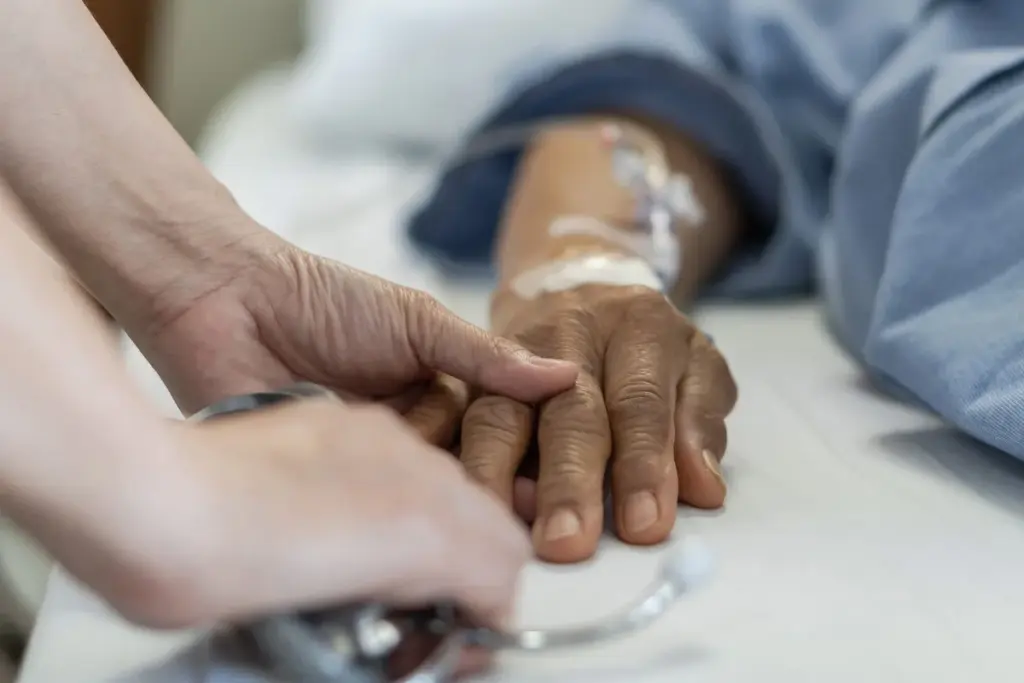
Palliative care is not just for when someone is dying. It can help at any serious illness stage. Finding the right time to offer it is very important.
Identifying the Right Time for Palliative Intervention
The timing for palliative care depends on the patient’s illness, needs, and wishes. It’s usually when a serious illness affects their life quality. Starting palliative care early can improve symptoms and outcomes.
Doctors look at symptoms, health, and care wishes to decide when to start. This helps create a care plan that meets the patient’s needs.
Early vs. Late Palliative Care Introduction
Starting palliative care early has many benefits. It can improve life quality, reduce hospital stays, and even help patients live longer. It’s important to add palliative care with treatments, not replace them.
Waiting too long can lead to unmanaged symptoms and lower quality of life. So, it’s key to start at the right time in a patient’s care journey.
|
Aspect |
Early Palliative Care |
Late Palliative Care |
|---|---|---|
|
Symptom Management |
Proactive and thorough |
Reactive and possibly limited |
|
Patient Outcomes |
Better life quality, chance for longer life |
Unmanaged symptoms, lower life quality |
|
Care Integration |
Smoothly with treatments |
Possibly fragmented care |
Conversations with Healthcare Providers
Talking openly with healthcare providers is key to knowing when to start palliative care. Patients and families should share their needs and wishes with their team.
Doctors are important in deciding when to start palliative care. They help explain its benefits and scope. Working together is essential for the best care.
The Evolution of Home-Based Palliative Care

Palliative care is now more often given at home, not just in hospitals. This change shows a bigger shift in how we deliver healthcare and what patients want.
Historical Context of Care Settings
For a long time, palliative care was mainly in hospitals. But this made care feel too institutional. The move to home care aims to offer more personal and comfortable settings.
The hospice movement was key in starting palliative care. It focused on caring for those with serious illnesses in a whole-person way. As palliative care grew, so did the idea of caring for patients at home.
Shift Toward Home-Based Models
Home-based palliative care is becoming more common. This is due to better medical tech, policy changes, and patients wanting care at home. Studies show that home care improves patients’ quality of life and care satisfaction.
- Increased flexibility and comfort for patients
- Enhanced family involvement in care
- Potential for reduced healthcare costs
Impact of COVID-19 on Palliative Care Delivery
The COVID-19 pandemic made home-based palliative care even more needed. Hospitals were overwhelmed, leading to more care at home. This change was a quick response to the pandemic and also recognized home care’s long-term benefits.
Many places saw more deaths at home during the pandemic. This shows how much we rely on home care now.
Looking ahead, palliative care will never be the same. The pandemic taught us a lot. We will keep focusing on caring for patients where they want to be.
Current Trends in Home Palliative Care
Home palliative care is becoming more popular. This is because patients want to stay at home and new medical technology makes it possible. Home care is now a key part of healthcare, helping those who need palliative support.
Statistical Evidence: The 28.4% Increase in Home Deaths
There’s been a big jump in deaths at home, up by 28.4%. This shows more people want to die at home. The importance of palliative care in making this happen is huge. It helps patients stay comfortable at home.
Post-Pandemic Preferences for Care Settings
The COVID-19 pandemic has changed how people want to receive care. Now, many prefer to stay at home for comfort and safety. The benefits of palliative care are clear, making home care a better option. It offers full support without the need for hospital stays.
Reduction in Hospital Admissions During End-of-Life Care
About 66% of those needing palliative care could be helped at home. This move to home care has lowered hospital visits at the end of life. It meets patient wishes and eases the load on hospitals. Good home palliative care improves life for patients and their families.
Benefits of Receiving Palliative Care at Home
Palliative care at home offers many benefits. It improves patient outcomes and lowers healthcare costs. Home care is a great way to support those with serious illnesses.
Comfort and Familiar Surroundings
One key benefit is the comfort of being at home. A familiar place can reduce stress and anxiety. It helps patients feel more at ease during tough times.
Personalized care is easier at home. Care plans can be made to fit the patient’s needs and likes.
Psychological and Emotional Advantages
Home care also has big psychological and emotional benefits. Patients can keep their independence and control. This is key for their mental health.
“Being at home allows me to be myself, surrounded by loved ones and cherished memories. It’s a comfort that I couldn’t find in a hospital setting.” – Patient testimonial
Family Involvement and Support Systems
Home care lets families get involved. They can help with care and offer emotional support. This helps both the patient and the family.
- Family members can be involved in care decisions.
- Caregivers can receive training and support.
- The patient’s loved ones can provide emotional support.
Reduced Healthcare Costs
Home care can also save money. It avoids costly hospital stays and emergency visits. This saves money for patients and healthcare systems.
|
Care Setting |
Average Cost |
|---|---|
|
Hospital Care |
$10,000/month |
|
Home-Based Palliative Care |
$6,000/month |
In conclusion, home palliative care offers many benefits. It brings comfort, psychological support, family involvement, and cost savings. As we learn more about palliative care, home services will be more important for patients with serious illnesses.
The Multidisciplinary Palliative Care Team for Home Settings
Effective palliative care at home needs a team effort. This team tackles the complex needs of patients. They work together to improve the patient’s quality of life.
Key Team Members and Their Specialized Roles
A palliative care team has many healthcare professionals. Doctors and nurses focus on medical care and symptom management. Social workers provide emotional support and help with healthcare systems.
Other team members include spiritual care providers, pharmacists, and therapists. They all support the patient and their family.
Coordination Between Healthcare Professionals
Team members must work well together for quality care. They have regular meetings and clear communication. This ensures all care aspects are covered.
This coordination prevents misunderstandings. It makes sure care plans are followed smoothly.
Communication Strategies for Effective Care
Good communication is key in palliative care. The team uses many ways to talk to patients, families, and other healthcare providers. They share updates, discuss care plans, and offer emotional support.
By keeping communication open, the team can meet changing needs. They provide care that fits the patient’s goals.
Medical Aspects of Home Palliative Care
Home palliative care focuses on easing symptoms and stress of serious illnesses. It puts the patient first, meeting their unique needs to enhance their life quality.
Comprehensive Symptom Management
Managing symptoms is key in home palliative care. Our teams tackle pain, nausea, and shortness of breath with treatments suited to each patient.
This approach boosts patients’ well-being and life quality. We regularly check and adjust their care plans as needed.
Pain Control Strategies and Protocols
Pain control is vital in palliative care. Our experts use various methods, like medication and physical therapy, to manage pain.
We aim for the best pain relief with minimal side effects. This is done by closely monitoring and adjusting treatments.
Medication Management in the Home Environment
Safe and effective medication use is critical in home care. Our teams ensure medications are used right, adjusting them as needed.
We also teach patients and caregivers about medication use. This includes understanding side effects and how to handle them.
Emergency Response Planning
Having a plan for emergencies is essential in home care. We help patients and families prepare for unexpected situations.
This planning reduces worry and ensures quick, right care in emergencies.
Setting Up Your Home for Palliative Care
Setting up your home for palliative care needs careful thought. It’s about making sure the patient is comfortable and safe. Creating a supportive environment is key to caring for our loved ones at home.
Essential Equipment and Medical Supplies
To offer good at home hospice care, you’ll need certain items. These include:
- Hospital bed or adjustable bed
- Commode or bedside toilet
- Wheelchair or mobility aids
- Oxygen tanks or concentrators
- Medication management systems
It’s important to talk to healthcare experts. They can help figure out what your patient needs and make sure you have the right equipment.
Creating a Comfortable and Accessible Environment
Making your home comfortable and easy to move around is key for hospice care at home. You can do this by:
- Rearranging furniture for better movement
- Improving lighting to avoid eye strain
- Keeping the temperature comfortable
- Reducing noise to help with rest
Safety Modifications and Considerations
Safety is a big part of setting up your home for palliative care. This means:
- Installing handrails and non-slip mats
- Removing things that could cause falls
- Ensuring easy access to exits
- Having a plan for emergencies
By making these safety changes, we can create a safer space for our loved ones.
Technology Integration for Care Support
Technology is becoming more important in at home hospice care. It can include:
- Telehealth services for remote visits
- Systems for reminding about medication
- Wearable devices to track health
- Online platforms for communication
Using these technologies can help improve care and outcomes for patients.
A healthcare expert notes, “Technology is changing how we give palliative care at home. It makes care more accessible and effective.”
“The way we care for our loved ones at home can significantly impact their quality of life. By setting up our homes to meet their needs, we can make a meaningful difference in their care journey.”
The Role of Family Caregivers in Home Palliative Care
Family caregivers are key to home palliative care’s success. They provide daily care and emotional support. Their help ensures patients get the care they need at home.
Responsibilities and Daily Care Tasks
Family caregivers do many tasks. They manage medications, help with personal care, and offer emotional support. They also do daily chores and make sure the patient’s home is safe and comfy.
Key Responsibilities:
- Managing medication schedules and dosages
- Assisting with bathing, dressing, and grooming
- Providing emotional support and companionship
- Helping with meal preparation and nutrition
- Maintaining a safe home environment
Training Resources and Educational Support
Family caregivers need training and educational resources. Many organizations offer workshops, online courses, and counseling. These help caregivers learn the skills they need.
Some recommended resources include:
|
Resource |
Description |
|---|---|
|
National Hospice and Palliative Care Organization (NHPCO) |
Offers educational materials and support for caregivers |
|
Family Caregiver Alliance (FCA) |
Provides training and resources for family caregivers |
|
Local healthcare providers |
Often offer workshops and counseling services |
Preventing Caregiver Burnout and Compassion Fatigue
Caregiver burnout and compassion fatigue are big concerns. It’s important to recognize the signs and take steps to prevent them.
Strategies to Prevent Burnout:
- Seeking respite care when needed
- Maintaining a healthy lifestyle through diet and exercise
- Engaging in stress-reducing activities
- Seeking support from friends, family, or support groups
Balancing Caregiving with Personal Needs
It’s vital to balance caregiving with personal needs. Caregivers should take care of themselves and ask for help when needed.
Tips for Balance:
- Setting realistic goals and boundaries
- Prioritizing self-care activities
- Seeking support from others
- Staying connected with friends and family
Palliative Care vs. Hospice Care at Home: Key Differences
Palliative care and hospice care are often mixed up, but they have different roles. Both offer comfort and support, but they focus on different stages of illness and have different criteria for who can get them.
Eligibility Criteria and Timing
Palliative care is for anyone with a serious illness, at any time. It can be given along with treatments meant to cure the illness. Hospice care, on the other hand, is for those with a terminal illness and a short life expectancy, usually six months or less. It focuses on comfort, not cure.
Key differences in eligibility:
- Palliative care: Available at any stage of illness, alongside curative treatments.
- Hospice care: For terminal illnesses with a prognosis of six months or less, focusing on comfort.
Service Scope and Treatment Focus
Palliative care aims to ease symptoms and improve life quality. It’s for all stages of illness and is given in many places, including at home. Hospice care also manages symptoms but is for those nearing the end of life. It focuses on comfort when cure is not possible.
“The goal of palliative care is to improve the quality of life for both the patient and the family, while hospice care focuses on the quality of life when cure is not possible.”
Medicare Coverage Distinctions
Palliative care and hospice care have different rules for Medicare coverage. Palliative care is covered by Medicare Part B for outpatient services. Hospice care is covered by Medicare Part A, with specific rules. Knowing these differences helps patients and families navigate healthcare better.
|
Service |
Medicare Coverage |
|---|---|
|
Palliative Care |
Medicare Part B (outpatient) |
|
Hospice Care |
Medicare Part A (specific guidelines) |
Transitioning Between Services
Patients might move from palliative care to hospice care as their illness progresses. For example, someone getting palliative care might switch to hospice if treatments no longer work. It’s important for healthcare providers to work together for a smooth transition.
Financial Aspects of Home Palliative Care
Home palliative care has many benefits, but knowing the costs is key. We’ll look at what affects the cost of home care. This includes different factors that play a role.
Insurance Coverage and Medicare Benefits
Insurance is a big factor in the cost of home care. Medicare and many private plans cover some palliative care costs. But, how much they cover can vary a lot.
For example, Medicare Part B covers some services like doctor visits. Medicare Advantage plans might offer more. It’s important to check your plan to know what’s covered.
Understanding Out-of-Pocket Expenses
Even with insurance, patients might face extra costs. These can be copays, uncovered medication costs, and home changes for care.
To handle these costs, families should:
- Keep detailed records of all medical expenses
- Look for financial help from healthcare providers or non-profits
- Talk about costs with their healthcare team to plan ahead
Financial Assistance Programs and Resources
There are many ways to get financial help for home care. These include:
- Government programs like Medicaid and Veterans benefits
- Non-profit aid for specific care expenses
- Help from pharmaceutical companies for medication costs
Families should ask about these options when talking to healthcare providers.
Cost Comparison: Home vs. Institutional Care
Home care can be cheaper than care in facilities. Here’s a cost comparison:
|
Care Aspect |
Home Palliative Care |
Institutional Care |
|---|---|---|
|
Primary Care Setting |
Patient’s home |
Hospitals or care facilities |
|
Average Daily Cost |
$200-$500 |
$800-$1,500 |
|
Equipment and Supplies |
Often covered or rented |
Included in facility costs |
|
Caregiver Support |
Family members or hired caregivers |
Provided by the facility |
As the table shows, home care can save a lot of money. This is mainly because of lower daily costs and using the home environment.
Challenges and Limitations of Home-Based Palliative Care
Home-based palliative care is beneficial but faces many challenges. To ensure effective care, we must address these issues. Understanding these challenges helps us improve patient outcomes.
Managing Complex Medical Needs
Dealing with complex medical needs is a big challenge in home care. Patients need various medical interventions, like pain management. It’s hard to coordinate these in a home setting. We must ensure patients get the care they need.
Caregiver Availability and Support Networks
Caregiver availability and support are key for home care success. But, caregiver burnout and lack of support are big barriers. We need to support caregivers well. For more info, check out palliative care profiles.
Home Environment Constraints
The home environment can also be a challenge. Limited space, lack of equipment, and safety concerns affect care quality. We must assess and modify the home environment for safe care.
Access to Emergency Services
Access to emergency services is another challenge. Patients might need urgent care anytime. We must ensure they can get emergency services when needed. This requires working with local healthcare and emergency services.
By understanding these challenges, we can improve home-based palliative care. This will help us provide better care for patients and their families.
Decision-Making: Is Home Palliative Care Right for Your Situation?
To decide if home palliative care is right, we must consider several things. Palliative care at home has many benefits. But, it depends on the patient’s health, family support, and home environment.
Assessment Factors for Home Care Suitability
When checking if home care is good, we look at a few key things. We consider the patient’s health, how much care they need, and if they have support. It’s important to see if their needs can be met at home, like managing symptoms and planning for emergencies.
Family Dynamics and Support System Evaluation
Family and caregivers play a big role in home care. We check if they can support the patient, understand their needs, and handle caregiving tasks. Having a strong support system is key for home care success.
Medical Considerations and Contraindications
Some medical conditions are hard to manage at home. We look at how complex the patient’s health needs are. We also check if they need special equipment or medical staff at home.
Alternative Options When Home Care Isn’t Ideal
If home care isn’t possible, we look at other options. This could be inpatient care or hospice centers. We help patients and families find the best place for their care based on their needs.
Understanding palliative care meaning helps in making care choices. By looking at all the factors, we can find the right care plan for the patient.
Technological Innovations Supporting Home Palliative Care
Technology is changing how we care for patients at home. It’s making care better and easier for everyone involved. New tech is helping improve care and making life easier for those who need it most.
Telehealth and Virtual Visit Solutions
Telehealth is key in modern home care. It lets patients get medical help from home. Virtual visits mean patients, caregivers, and doctors can talk in real time. This cuts down on hospital trips and makes care smoother.
Telehealth has changed the game for our patients.It gives them quick access to medical help without leaving home.
Remote Monitoring Tools and Applications
Remote monitoring tools are a big step forward. They let doctors keep an eye on patients’ health in real time. Mobile apps and wearables help track health, making care better and cutting down on hospital stays.
Digital Resources for Patients and Caregivers
Digital tools offer lots of help for patients and caregivers. They give tips on managing symptoms and using meds. This helps families take a bigger role in care.
Future Trends in Home Care Technology
New tech is on the horizon for home care. Artificial intelligence and machine learning will help predict needs and tailor care. The future of home care looks bright, with tech making care better and more accessible.
In short, tech is a big help in home care. It’s making care better and easier for everyone. As we go forward, embracing new tech is key to the best care for those at home.
Cultural and Spiritual Dimensions of End-of-Life Care at Home
The cultural and spiritual sides of end-of-life care are key to making a patient’s final days meaningful and comforting at home. We must think about the different backgrounds and beliefs of our patients. This way, we can offer care that truly fits each person’s needs.
Honoring Cultural Traditions and Preferences
Cultural sensitivity is essential in palliative care. We know that cultural traditions and preferences greatly influence a patient’s experience. By understanding and respecting these differences, we can customize our care to meet each patient’s unique needs.
This might mean adding specific rituals, following certain diets, or involving family in ways that are important to the patient. Knowing these cultural differences helps us provide care that is both medically right and culturally sensitive.
Incorporating Spiritual Support and Practices
Spiritual support is also a critical part of end-of-life care. We know that spirituality can bring comfort, meaning, and strength to patients and their families. Our spiritual care approach involves understanding and incorporating a patient’s spiritual beliefs and practices into their care plan.
This could mean arranging visits from spiritual leaders, helping with prayer or meditation, or simply creating a space for reflection. By recognizing the role of spirituality in a patient’s life, we offer a more complete care that meets their emotional and spiritual needs, along with their physical ones.
Creating Meaningful End-of-Life Experiences
Our main goal is to make end-of-life experiences meaningful and fulfilling for our patients. By blending cultural sensitivity with spiritual support, we help patients and their families face this significant event with dignity and peace. We work with patients, families, and healthcare teams to make sure care plans are tailored and meet the patient’s needs and wishes.
By focusing on the cultural and spiritual sides of end-of-life care, we improve the quality of life for our patients. We provide the support and care they need to spend their remaining days with comfort, meaning, and purpose.
How to Access Home Palliative Care Services
To get home palliative care, you need to talk to your healthcare providers and know how to get a referral. We’ll help you through this, so you can get the care you need.
Initiating Conversations with Healthcare Providers
Talking to your healthcare provider is the first step for home palliative care. This talk is key to figuring out the best care for you. It’s important to ask about your condition, treatment options, and how palliative care can help.
- Ask about your diagnosis and what the future holds.
- Find out about your treatment options and their effects.
- Learn how palliative care can help with symptoms and improve your life.
Navigating the Referral Process
Knowing how to get a referral is key to getting home palliative care. A healthcare provider usually makes the referral, but you can also ask for one yourself or through a family member. Here’s how to do it:
- Talk to your healthcare provider to see if you need a referral.
- Find a palliative care provider or program that fits your needs.
- Fill out any needed paperwork or assessments.
Evaluating Service Providers and Programs
Choosing a home palliative care provider is important. Look at their services, qualifications, and experience. Consider these factors:
- The services they offer, like medical, emotional, and spiritual support.
- The qualifications and experience of their care team.
- How well they communicate and meet your needs.
Questions to Ask Your Care Team
When talking to care teams, ask the right questions for quality care. Here are some important ones:
- What experience do they have with palliative care?
- How will they manage your symptoms and pain?
- How will they keep us updated and involve us in decisions?
For more info on palliative care needs, check out this report on who needs it.
Conclusion: The Future of Home-Based Palliative Care
Home-based palliative care is becoming more important. It offers a caring and effective way to help patients with serious illnesses. The future looks bright, thanks to growing demand and new technology.
The COVID-19 pandemic has made home care even more vital. It shows we need care that can adapt quickly. With telehealth and digital tools, home care will keep getting better.
We expect more patients to get care at home in the future. This will make patients happier and help healthcare systems work better. It’s a positive change for everyone involved.
FAQ
What is palliative care, and how does it differ from hospice care?
Palliative care helps people with serious illnesses feel better. It focuses on easing symptoms and stress. It’s different from hospice care because it can start at any serious illness stage, not just the end.
Palliative care can be given with treatments that aim to cure the illness. Hospice care is for those with a short life expectancy.
Can palliative care be provided at home?
Yes, palliative care can be given at home. It’s becoming more popular because it’s comforting and can save money. It also lets families be more involved in care.
What are the benefits of receiving palliative care at home?
Getting palliative care at home has many benefits. It keeps patients in a familiar place, which is comforting. It also helps families and can lower healthcare costs.Being at home can make life better for patients by providing a supportive environment.
Who is eligible for palliative care?
Anyone with a serious illness can get palliative care. It doesn’t matter how old you are or how far along your illness is. It helps with many conditions, like cancer and heart disease.
How do I access home palliative care services?
To get home palliative care, talk to your doctor about what you need. They can help you find services in your area.
What does a palliative care team consist of?
A palliative care team has many members. There are doctors, nurses, social workers, and chaplains. They work together to meet all your needs, physical and emotional.
How does insurance cover palliative care?
Insurance for palliative care varies. Many plans, including Medicare, cover some parts of it. Always check with your insurance to see what’s covered.
Can family members be involved in palliative care?
Yes, family members are encouraged to be part of palliative care. The team can help them with daily tasks and support them in caregiving.
What is the role of technology in home palliative care?
Technology helps a lot in home palliative care. It includes telehealth, remote monitoring, and digital resources. These tools improve care quality and help caregivers.
How does palliative care address cultural and spiritual needs?
Palliative care teams respect patients’ cultural and spiritual beliefs. They include these in care plans. This way, they create meaningful experiences that honor the patient’s values.