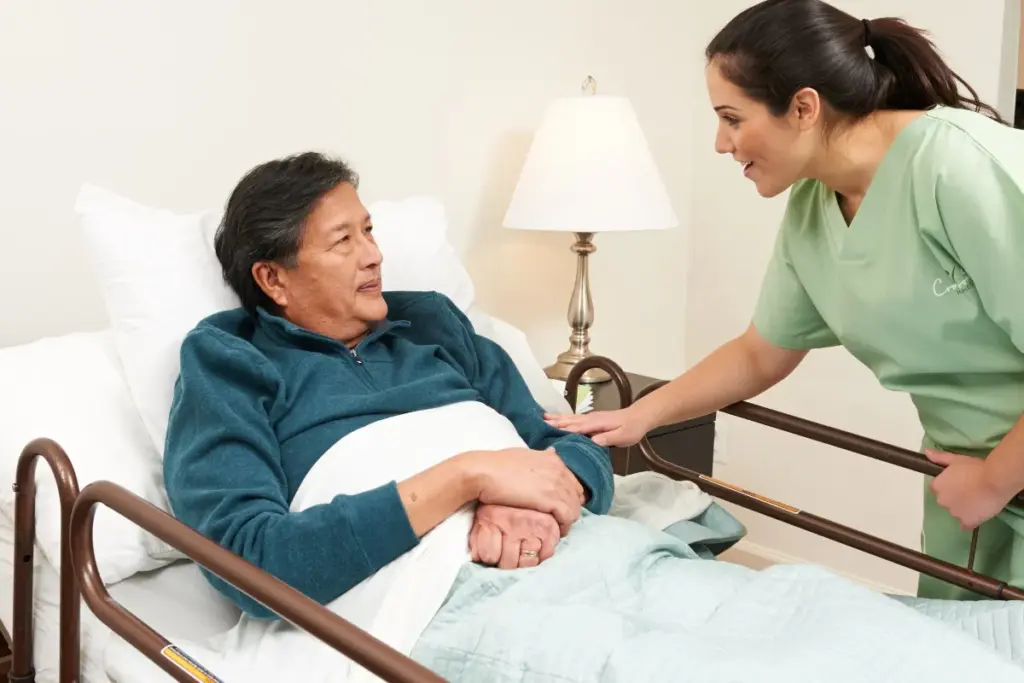
When someone is very sick, they and their families face tough choices. They often hear about palliative care and hospice. These two options aim to make life better, but they work in different ways and at different times.
Every year, more than 40 million people worldwide need. It’s for people with serious illnesses at any stage. Palliative care helps improve life quality by easing symptoms and providing support.
Key Takeaways
- Palliative care is available at any stage of a serious illness.
- It can be provided alongside curative treatments.
- The focus is on improving the quality of life for those with serious illnesses.
- Palliative care provides symptom relief and support.
- Over 40 million people globally require palliative care each year.
The Fundamental Concepts of Care for Serious Illness

The way we care for serious illnesses has changed a lot. Now, we focus on giving patients the best care possible. This is because medical science keeps getting better.
The Evolution of End-of-Life and Serious Illness Care
Before, we mainly tried to cure serious illnesses. Now, we recognize that patients require more than just treatment. Palliative care is key in helping patients feel better by easing symptoms and stress.
Research shows that palliative care can help patients manage their symptoms better. It also means they might not have to go to the hospital as often. This care is relevant at any stage of a serious illness, not just at the end of life. It can help at any time during a serious illness.
The Importance of Specialized Care Approaches
Specialized care, like palliative care, is made for patients with serious illnesses. It offers a wide range of support. This includes managing symptoms, emotional support, and help with everyday tasks.
|
Care Aspect |
Description |
Benefit |
|---|---|---|
|
Symptom Management |
Relief from pain and other distressing symptoms |
Improved quality of life |
|
Emotional Support |
Psychological and social support for patients and families |
Reduced stress and anxiety |
|
Practical Assistance |
Help with daily living activities and navigating healthcare systems |
Increased patient and family satisfaction |
By adding these specialized care methods to treatment plans, doctors can make patients happier and healthier.
Palliative Care Meaning: Core Philosophy and Principles

Palliative care focuses on the patient, meeting their physical, emotional, and social needs. It aims to support the well-being of patients and their families. This approach is at the heart of palliative care.
The Holistic Approach to Symptom Management
Palliative care looks at the whole person, not just the body. It tackles physical, emotional, and spiritual challenges. For example, a patient with cancer might get pain meds, counseling, and help with healthcare.
Studies show palliative care can improve symptoms and even life expectancy. It’s all about giving patients the support they need, making their lives better.
Quality of Life as the Central Focus
Palliative care aims to enhance the quality of life for patients and their families. It’s not just about symptom management. It’s about addressing emotional, social, and spiritual needs too.
For instance, a team might help a patient plan meaningful moments with loved ones. They focus on what’s important to the patient, ensuring care is personal.
When Palliative Care Is Appropriate
Palliative care is right for anyone with a serious illness, at any stage. It’s not just for those near the end of life. Patients with many serious illnesses can benefit.
The focus is on the patient’s needs, not their prognosis. If symptoms are hard to manage or if they need help with healthcare, palliative care can help. It supports patients and families through tough times.
Understanding Hospice: Purpose and Principles
Hospice services help people who are close to the end of their life. They focus on making the patient’s life as comfortable as possible. When a doctor says a patient has six months or less to live, hospice care is a good choice.
This care is not about curing the illness. It’s about giving the patient and their family all the support they need.
The Definition and Goals of Hospice Care
Hospice care is for people with terminal illnesses. It aims to improve their comfort and quality of life. The main goal is to offer supportive care, not to cure the illness.
This care includes managing pain and symptoms. It also provides emotional, social, and spiritual support to the patient and their family.
The Comfort-Focused Approach
Hospice care focuses on the patient’s comfort. A multidisciplinary team works together to meet the patient’s needs. This team includes doctors, nurses, social workers, chaplains, and volunteers.
They manage pain, symptoms, and provide emotional and spiritual support. This ensures the patient’s remaining time is as comfortable and meaningful as possible.
Eligibility Requirements for Hospice Services
To get hospice care, a patient must have about six months or less to live, as a doctor confirms. They should also stop seeking treatments that can cure their illness. The decision to start hospice care is made with the patient’s healthcare team and family.
It focuses on the patient’s wishes and needs.
Key Timing Differences: When Each Type of Care Begins
Knowing when to start palliative care and hospice is key for those facing serious illness. These two care types differ not just in what they offer but also when they start.
Palliative Care Throughout the Disease Journey
Palliative care can start at any serious illness stage, from the first diagnosis. It aims to ease symptoms, manage pain, and boost quality of life. This care is given alongside treatments meant to cure the illness.
Palliative care is flexible. It changes as the patient’s condition does. It helps whether the patient is getting treatment to cure the illness or managing symptoms of a chronic condition.
Hospice as an End-of-Life Service
Hospice care is for those nearing the end of life, with a life expectancy of six months or less. It focuses on comfort, pain management, and emotional and spiritual support for the patient and their family. It’s for when treatments aimed at curing the illness are no longer possible.
Choosing hospice care is a big step towards end-of-life care. It’s important to know hospice isn’t about giving up on treatment. It’s about focusing on comfort and quality of life in the remaining time.
Treatment Goals: Curative vs. Comfort Approaches
The difference between curative and comfort approaches is key to understanding palliative care and hospice. Both aim to enhance life quality for those with serious illnesses. Yet, their goals and methods vary greatly.
Palliative Care Alongside Curative Treatments
Palliative care is given alongside treatments meant to cure. It helps patients deal with symptoms and side effects. This way, they can better handle their treatments and possibly see better results.
For example, someone getting chemotherapy for cancer can get palliative care for nausea, pain, and other issues. This lets them keep up with their treatments without being stopped by bad symptoms.
Hospice’s Exclusive Focus on Comfort
Hospice care, on the other hand, focuses only on comfort for those with terminal illnesses. It’s for those who have stopped seeking curative treatments. The main aim is to make sure patients end their lives with dignity and as little pain as possible.
Hospice teams manage pain, symptoms, and emotional issues. They support patients and their families. This care is often given at home or in a hospice, making the patient feel more at ease.
Knowing the goals of palliative care and hospice helps patients and families make better choices. Palliative care supports through treatments, while hospice offers comfort at the end of life.
Eligibility Criteria: Who Qualifies for Each Service
Patients and healthcare providers need to know the rules for getting palliative care and hospice. Both services help people with serious illnesses. But, how you get them is different.
Palliative Care Accessibility at Any Disease Stage
Palliative care is for patients at any disease stage. It’s flexible and focuses on managing symptoms and improving quality of life. The main thing is having a serious illness that needs extra help, not the disease stage.
Doctors can refer patients to palliative care. It can be given along with treatments trying to cure the disease. This way, patients get care that meets their physical, emotional, and social needs.
Medical Requirements for Hospice Enrollment
Hospice care has strict rules to join. Patients must have a terminal illness with six months or less to live, as a doctor says. This is key because hospice is for those not seeking to cure their illness and are close to the end.
The rules for hospice include:
|
Criteria |
Description |
|---|---|
|
Terminal Illness |
Presence of a terminal condition with a limited life expectancy. |
|
Prognosis |
A physician-certified prognosis of six months or less. |
|
Curative Treatment |
Discontinuation of curative treatments, focusing on comfort care instead. |
It’s important for patients and families to understand these rules. Knowing the criteria helps them make better choices about their care. This way, they can get the right support they need.
The Multidisciplinary Team Composition
A team of different healthcare specialists is key in both palliative care and hospice. This team-based approach makes sure patients get all the support they need. It’s about addressing their complex health issues.
Core Team Members in Both Care Models
Both palliative care and hospice have core team members. They work together to give top-notch care to patients. These key players include:
- Physicians who oversee medical care and treatment plans
- Nurses who provide hands-on care and monitor patient conditions
- Social workers who address psychosocial needs and facilitate communication
These core team members work together to create care plans that meet each patient’s unique needs.
Additional Support Services Unique to Hospice
Hospice care goes beyond the core team with extra support services. These services help make the patient and family experience better. They include:
- Chaplains or spiritual care providers who offer emotional and spiritual support
- Bereavement counselors who assist families in coping with loss
These specialized services are vital for hospice care. They provide comfort and support during tough times.
Specialized Roles in Palliative Care
Palliative care teams have specialized roles for specific patient needs. For example, there are pain and symptom management specialists. These experts work with the core team to ensure patients get all the care they need.
A diverse healthcare team is crucial for delivering high-quality palliative care and hospice services. By combining their expertise, we can support patients in improving their quality of life.
Service Delivery: Settings and Accessibility
Palliative care and hospice services are given in many places. This helps meet the needs of patients in the best way possible. It makes sure patients get care in a place that feels right and comfortable for them.
Where Palliative Care Is Provided
Palliative care is given in places like hospitals, clinics, and homes. This variety lets patients get the right care at the right time.
Key settings for palliative care include:
- Hospitals, for inpatients and outpatients
- Outpatient clinics, for ongoing care
- Patients’ homes, for home-based care
Hospice Care Locations and Options
Hospice care is given in places like special hospice facilities, nursing homes, and homes. The choice depends on what the patient needs and wants.
Common settings for hospice care include:
- Dedicated hospice facilities
- Nursing homes
- Patients’ homes
|
Care Setting |
Palliative Care |
Hospice Care |
|---|---|---|
|
Hospital |
Available for inpatients and outpatients |
Generally not for curative treatment |
|
Outpatient Clinic |
Available for ongoing care |
Not typically provided |
|
Patient’s Home |
Available for home-based care |
Frequently provided in the home setting |
|
Dedicated Facility |
Less common, but available |
Commonly provided in hospice houses |
|
Nursing Home |
Available for residents |
Frequently provided in nursing homes |
Financial Considerations: Insurance Coverage and Costs
Understanding insurance coverage and costs is key when looking into palliative care and hospice. It’s important for patients and their families to know the financial side of these options.
How Palliative Care Services Are Covered
Palliative care is usually covered by insurance, The specifics depend on the services needed and the patient’s insurance.
Out-of-Pocket Expenses to Consider
Even with insurance, there can be out-of-pocket costs. These might include copays for medications, costs for non-covered services, and travel expenses for care.
Tips for Managing Out-of-Pocket Expenses:
- Review your insurance plan details to understand what is covered.
- Ask your care team about possible costs and financial help options.
- Plan for any out-of-pocket expenses related to your care.
The Global Palliative Care Gap: WHO Statistics and Implications
Worldwide, the need for palliative care is much higher than what’s available. The World Health Organization says over 40 million people need it every year. Yet, only 14% get it. This big gap in care affects patients, families, and healthcare systems all over the world.
40 Million People Needing Care Annually
The WHO says 40 million people need palliative care each year. This need isn’t just for one disease or group. It’s for many conditions, like cancer, neurological disorders, and kidney disease. The high number shows the growing problem of non-communicable diseases and an aging population.
|
Condition |
Estimated Annual Need for Palliative Care |
|---|---|
|
Cancer |
Approx. 12 million |
|
Neurological Disorders |
Approx. 6 million |
|
End-stage Renal Disease |
Approx. 2 million |
Why Only 14% Receive Needed Services
Only 14% of those needing palliative care get it. Several reasons explain this gap. These include lack of healthcare access, not enough training in palliative care, and too little funding for these programs.
Lack of Access: Many places, mainly in low- and middle-income countries, can’t offer palliative care. They lack trained staff, medicines, and other key resources.
Inadequate Training: Not enough healthcare workers know how to give good palliative care. Even in rich countries, many providers lack the skills.
Addressing Access Disparities
To fix the global palliative care gap, we need a few things. We must improve healthcare setups, train more professionals, and spread the word about palliative care’s benefits.
Improving Access: Ways to get more people access include adding palliative care to primary care, boosting home care, and using tech for remote care.
Understanding the global palliative care gap helps us work to fix it. We need efforts from governments, healthcare, and communities. We must make sure palliative care is available to all, no matter where they are or how much money they have.
Evidence-Based Benefits of Specialized Care Models
Research shows that specialized palliative care greatly improves patient outcomes. It focuses on the full needs of those with serious illnesses. This leads to better care in many areas.
Improved Symptom Control and Quality of Life
Palliative care is all about controlling symptoms. Studies show it greatly reduces pain, nausea, and other symptoms. This makes life better for patients, letting them do things they love.
This care model looks at the whole person, not just physical symptoms. It also considers emotional, social, and spiritual needs. This approach has been linked to:
- Higher patient satisfaction
- Better function
- Managing complex symptoms better
Reduced Hospital Readmissions and Healthcare Utilization
Palliative care also lowers hospital readmissions and healthcare costs. It offers care that fits the patient’s needs, reducing hospital visits.
Less hospital time means:
- Lower costs
- Fewer infections from hospitals
- Better care because of ongoing support
Research on Extended Survival with Palliative Approaches
Some studies hint at extended survival with palliative care. More research is needed, but it looks promising. The support from palliative care teams might help patients live longer.
The reasons for this include:
- Managing symptoms better
- Following treatment plans more closely
- Having more support from family and care team
In summary, palliative care offers many benefits. It improves symptoms, quality of life, and survival. As healthcare changes, using palliative care will become more important for better patient outcomes.
Implementing Evidence-Based Protocols in Care Delivery
To ensure the best care, palliative services must use evidence-based protocols. At , we aim to provide top-notch healthcare to our international patients. Our palliative care is based on the latest research and best practices. This ensures our patients get the best care at every stage of their disease.
Best Practices in Symptom Management
Effective symptom management is key in palliative care. We use evidence-based protocols to manage symptoms like pain, nausea, and shortness of breath. Our team works with patients to create care plans that meet their unique needs and improve their life quality.
We use standardized tools and stay updated with symptom management research. This way, we offer comprehensive support that reduces suffering and boosts patient comfort.
Ethical Considerations in Care Planning
Palliative care involves complex ethical issues, like in care planning. We focus on patient autonomy, dignity, and preferences when making care plans. Our team talks with patients and their families to understand their values and goals. This ensures care decisions respect their wishes.
By including ethical considerations in care planning, we build trust. This way, our patients receive care that respects their individual needs and situations.
Innovative Approaches to Comprehensive Support
We also use innovative approaches for complete support. This includes remote monitoring with technology, psychological support, and spiritual care that fits the patient’s beliefs. Our team is dedicated to providing this support.
Our team approach shows our commitment to supporting our patients fully. We bring together healthcare professionals from different fields to meet our patients’ complex needs.
Common Misconceptions and Barriers to Appropriate Care
Many people misunderstand palliative care and hospice. This misunderstanding can stop them from getting the care they need. These misconceptions come from not knowing what these care models are about.
Addressing the “Giving Up” Myth
One big myth is that palliative care or hospice means giving up on treatments. But, palliative care can be given at the same time as treatments that try to cure the illness. It focuses on making life better for those with serious illnesses.
Palliative care is not about giving up; it’s about living better with a serious illness. It helps with physical, emotional, and social needs of patients. This is true, no matter what the patient’s future looks like.
“Palliative care is about adding life to the patient’s days, not just days to their life.” –
A palliative care professional
Clarifying Medication and Pain Management Approaches
Some think that palliative care or hospice means being very sedated or taking too many medicines. But, pain management is a big part of both. It aims to ease pain without making the patient uncomfortable or losing their dignity.
|
Care Aspect |
Palliative Care |
Hospice Care |
|---|---|---|
|
Pain Management |
Focuses on managing pain alongside curative treatments |
Exclusively focuses on comfort, including pain management |
|
Medication Use |
Uses medication to manage symptoms, alongside curative treatments |
Uses medication mainly for comfort and symptom management |
Overcoming Cultural and Communication Barriers
Cultural and communication barriers can also block access to palliative care and hospice. It’s key to tackle these by giving care that fits the culture and making sure everyone talks clearly. This means healthcare providers, patients, and their families all understand each other.
By tackling these misconceptions and barriers, we can help more patients get the care they need. This improves their life quality and helps them through tough times.
Making the Transition from Palliative Care to Hospice
Knowing when to move from palliative care to hospice is key for patients and their families. This choice depends on a detailed look at the patient’s health, how long they might live, and what care they need.
Recognizing When Hospice May Be Appropriate
Switching to hospice care happens when a patient’s illness is too far along and treatments that aim to cure are no longer working or wanted. Important signs for hospice include a big drop in how well the patient can function, more symptoms, and a life expectancy of six months or less if the disease follows its usual path.
This change can be tough for patients and their families. It’s vital to talk openly and with kindness about the patient’s health, goals, and wishes.
The Referral and Evaluation Process
The move to hospice care often starts with a doctor’s suggestion, but patients or their families can also start the talk. A detailed check-up by the hospice team follows to see if the patient fits the hospice criteria and what they need.
This check-up looks at the patient’s medical past, current health, symptom control needs, and support needs. It aims to make sure hospice care meets the patient’s needs.
Continuing Palliative Principles in Hospice
Hospice care keeps the focus on comfort, symptom control, and quality of life, just like palliative care. It also looks at the whole person, including physical, emotional, social, and spiritual needs.
We make sure the care is centered on the patient, respecting their wishes and values. By keeping palliative care’s approach, hospice care helps patients and families through this important time.
Conclusion: Choosing the Right Care at the Right Time
It’s key to know the difference between palliative care and hospice. This helps patients and families make smart choices about their care. The timing of care is very important in picking the right service.
Choosing the right care at the right time can really improve a patient’s life. Palliative care and hospice care are not just names. They are about the focus, goals, and when the care is given. Knowing these differences helps patients and their families better navigate the healthcare system.
We stress the need for making informed decisions about care. By understanding the unique benefits and who can get them, people can get the right support. This ensures the best results for their health.
FAQ
What is the main difference between palliative care and hospice?
Palliative care helps patients with serious illnesses at any stage. It can be given along with treatments aimed at curing the illness. Hospice care, on the other hand, is for those nearing the end of life, focusing on comfort and support.
What is palliative care, and what are its goals?
Palliative care aims to improve life quality for those with serious illnesses. It offers relief from symptoms and emotional support. Its main goal is to manage symptoms and support patients throughout their illness.
When is palliative care appropriate?
Palliative care is suitable at any stage of a serious illness. It can be given alongside treatments aimed at curing the illness.
What is hospice care, and what are its eligibility requirements?
Hospice care focuses on comfort for patients nearing the end of life. To qualify, a patient must have a terminal illness with a life expectancy of six months or less.
How do the treatment goals of palliative care and hospice differ?
Palliative care supports patients getting curative treatments. Hospice care, on the other hand, focuses on comfort and managing symptoms.
Who qualifies for palliative care and hospice services?
Palliative care is for patients at any disease stage. Hospice is for those with a terminal illness and a life expectancy of six months or less.
What is the composition of the multidisciplinary team in palliative care and hospice?
Both palliative care and hospice teams include doctors, nurses, and social workers. Hospice teams also offer spiritual care and support for grieving families.
Where are palliative care and hospice services delivered?
Palliative care is given in hospitals, clinics, and at home. Hospice care is available in homes, nursing homes, and dedicated facilities.
What are the financial considerations for patients receiving palliative care and hospice?
Patients should know about possible out-of-pocket costs. These include copays, deductibles, and expenses not covered by insurance.
What is the global palliative care gap, and why is it a concern?
The global palliative care gap is the difference between those needing care and those getting it. The WHO says 40 million people need care each year, but only 14% get it.
What are the benefits of specialized palliative care models?
Specialized models improve symptom control and quality of life. They also lead to better patient outcomes, fewer hospital visits, and lower healthcare costs.
How can patients transition from palliative care to hospice?
Patients can move to hospice when their illness worsens and they meet hospice criteria. The process involves a healthcare provider’s assessment and recommendation.
What are some common misconceptions about palliative care and hospice?
Many think palliative care or hospice mean giving up on treatment. But, these services aim to improve life quality by managing symptoms and providing support.
Reference
JAMA Network. Evidence-Based Medical Insight. Retrieved from https://jamanetwork.com/journals/jama/fullarticle/2558537