

Diagnosis code C78.89 is key for spotting secondary cancer in other digestive organs. It’s linked to metastatic cancer. Doctors use this code to diagnose and treat complex cancer cases.
At livhospital.com, we face the tough challenges of cancer in the digestive system. Our team works hard to find new treatments. We aim to better the lives of our patients.
Find the pancreatic cancer icd 10 code C78.89. Get amazing scary facts and find powerful, vital ways to record essential medical outcomes.
Key Takeaways
- Diagnosis code C78.89 represents secondary malignant neoplasms of other digestive organs.
- Metastatic cancer can start in places like the colon, pancreas, and stomach.
- Getting the right diagnosis is key for good treatment plans.
- New treatments help improve life for those with metastatic cancer.
- It’s important for doctors and patients to understand codes like C78.89.
Understanding Diagnosis Code C78.89
It’s key for healthcare pros to get diagnosis code C78.89 right. This code is part of the ICD-10-CM system used worldwide for health issues, like cancers.
Definition and Classification in ICD-10
Code C78.89 is for cancers that spread to other parts of the digestive system. In ICD-10, cancers are sorted by type, shape, and where they are. This code is used when a cancer spreads to other digestive areas, not just where it started.
Distinguishing Primary vs. Secondary Neoplasms
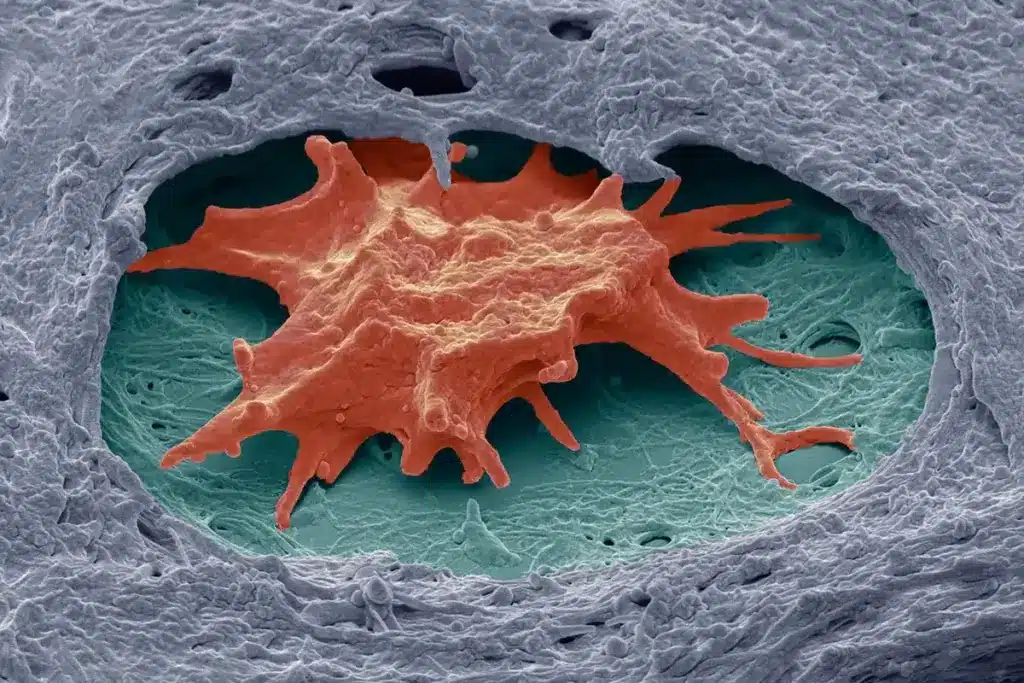
Telling primary from secondary cancers is key for treatment. Primary cancers start in the organ they’re found in. Secondary cancers spread from another cancer site. For example, liver cancer is primary, but cancer that spreads to the liver is secondary.
Accurate coding, like the right metastatic adenocarcinoma icd10 code, is important. It shows the cancer’s true nature.
When coding secondary cancers, remember:
- Find the cancer’s original site
- Know the cancer’s type
- Use the right ICD-10 codes for both sites
By correctly identifying and coding cancers, doctors can give patients the best care for their needs.
Metastatic Cancer to Digestive Organs: An Overview
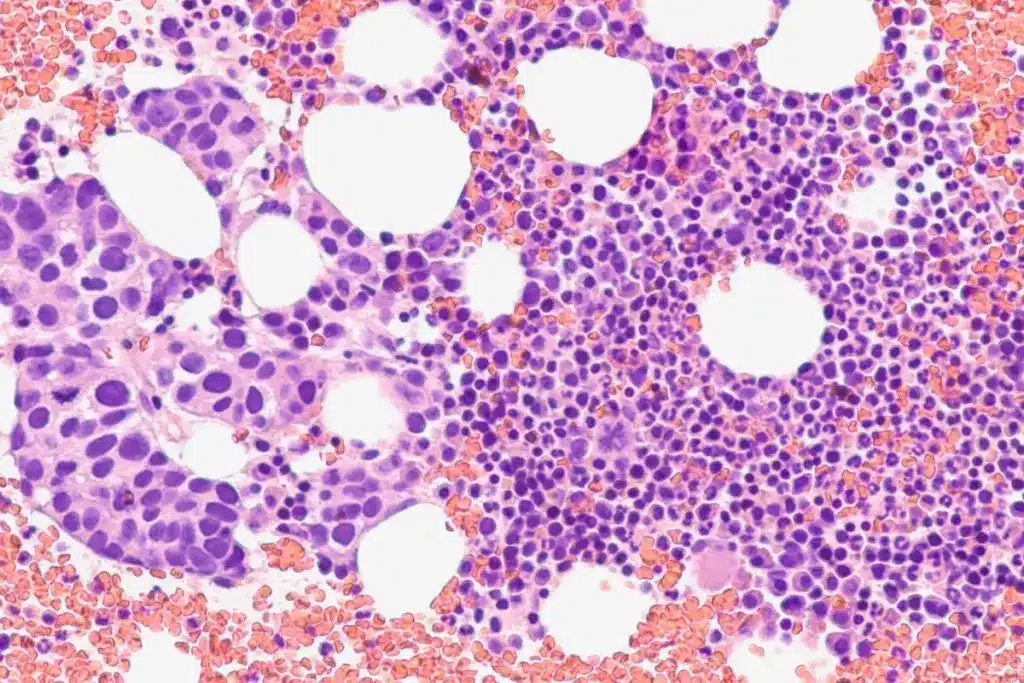
Metastatic cancer to digestive organs happens when cancer cells spread to the digestive system from other parts. This is a big issue in cancer treatment. It can make treatment plans harder and affect how well patients do.
Common Primary Cancer Sites Leading to Digestive Metastases
The colon, pancreas, and stomach are the top places where cancer spreads to the digestive system. For example, colorectal cancer is very common worldwide, with over 1.9 million new cases each year. About 20% of these cases have cancer that has spread far from the original site. Using the ICD-10 system, like “metastatic cancer icd10” and “gastrointestinal cancer icd10,” is key for tracking and managing these cases.
|
Primary Cancer Site |
Common Metastatic Sites |
ICD-10 Code |
|---|---|---|
|
Colon |
Liver, Peritoneum |
C78.89 |
|
Pancreas |
Liver, Peritoneum, Stomach |
C78.89, C25.9 |
|
Stomach |
Liver, Peritoneum |
C78.89, C16.9 |
Pathophysiology of Digestive Organ Metastasis
Metastasis starts when cancer cells break off from the main tumor. They travel through the blood or lymph system and form new tumors in the digestive organs. Many things can affect this process, like the type of cancer and the patient’s health. Knowing how it works helps doctors find better ways to treat it.
Metastatic cancer to digestive organs is a big challenge for doctors. By understanding where cancer usually spreads and how it does it, doctors can make better treatment plans. Using ICD-10 codes, like “icd10 peritoneal carcinomatosis,” is important for this.
Pancreatic Cancer ICD10 Coding and Its Relationship to C78.89
Knowing the ICD-10 codes for pancreatic cancer is key for correct diagnosis and treatment plans. The ICD-10 system gives detailed codes for different cancers, like pancreatic cancer. This is important for medical records and insurance.
Primary Pancreatic Cancer Codes
Primary pancreatic cancer has specific ICD-10 codes. For example, C25.9 is for a malignant neoplasm of the pancreas, unspecified. C25.1 is for a malignant neoplasm of the body of the pancreas. These codes help track where the cancer started.
|
ICD-10 Code |
Description |
|---|---|
|
C25.9 |
Malignant neoplasm of pancreas, unspecified |
|
C25.1 |
Malignant neoplasm of body of pancreas |
Pancreatic Mass ICD10 Classification
A pancreatic mass gets different ICD-10 codes based on its type. If it’s malignant, it’s coded like primary pancreatic cancer, such as C25.9. Accurate coding helps decide the right treatment.
When Pancreatic Cancer Becomes the Source of Metastasis
When pancreatic cancer spreads to other digestive organs, C78.89 is used. This code is key for tracking the disease’s spread and planning treatment.
“Accurate ICD-10 coding is not just about billing; it’s about providing a clear picture of the patient’s condition, which is critical for effective care.” – Medical Coding Expert
We understand the role of precise ICD-10 coding in managing pancreatic cancer. From diagnosis to treatment and follow-up, the right codes are essential. They help ensure patients get the right care and their condition is well-documented.
Other Common Primary Cancers Related to C78.89
Many primary cancers, like those in the liver and the digestive system, can cause secondary tumors. These are coded as C78.89. It’s key to know these primary cancers and their ICD-10 codes for proper diagnosis and treatment.
Liver Cancer ICD10 Coding
Liver cancer, whether it starts in the liver or spreads there, has specific ICD-10 codes. Primary liver cancer is coded as C22.0 for a certain type of cancer. Secondary liver cancer is coded under C78.7. It’s important to accurately code to tell primary from metastatic liver disease.
Gastrointestinal Cancer ICD10 Classifications
Gastrointestinal cancers include cancers of the esophagus, stomach, and colon. Each has its own ICD-10 code. For example, C15.x codes are for esophageal cancer, C16.x for stomach cancer, and C18.x for colon cancer. If these cancers spread to other parts of the digestive system, they are coded as C78.89.
Metastatic Adenocarcinoma ICD10 Coding
Adenocarcinoma is a common type of cancer found in the digestive system. When it spreads, the code C78.89 is used if it goes to other digestive organs. The original site of the cancer is coded separately, like C22.0 for the liver or C16.x for the stomach.
The complexity of cancer diagnosis and the need for precise ICD-10 coding are clear. Accurate coding is vital for managing patients, tracking diseases, and researching cancer.
Epidemiology and Global Impact
Digestive system metastases are a big problem worldwide. They need detailed studies to understand better. Knowing how often cancer spreads to the digestive system helps us plan better health care.
Worldwide Incidence of Digestive System Metastases
Colorectal cancer is a big issue, with over 1.9 million new cases every year. This makes digestive system metastases very common. The ICD-10 system helps track these cases, using codes like C78.89 for secondary tumors in digestive organs.
|
Cancer Type |
Estimated Annual Incidence |
Common Sites of Metastasis |
|---|---|---|
|
Colorectal Cancer |
1.9 million |
Liver, Peritoneum |
|
Pancreatic Cancer |
0.5 million |
Liver, Peritoneum, Lymph nodes |
Risk Factors and Demographic Patterns
Many things can lead to cancer spreading to the digestive system. These include the type of cancer, genetics, and the environment. The rates of cancer vary by age, gender, and where you live.
Key Risk Factors:
- Primary cancer type and stage
- Genetic predispositions
- Environmental exposures
It’s important to know these factors and patterns. This helps us create better health plans and care for patients with cancer in the digestive system.
Clinical Presentation and Diagnostic Challenges
Diagnosing secondary digestive neoplasms is tough because their symptoms are not clear. It’s hard to spot these metastases early. Their symptoms are often vague and can look like other digestive issues.
Common Symptoms of Secondary Digestive Neoplasms
People with secondary digestive neoplasms might have stomach pain, weight loss, and changes in bowel movements. These signs can also show up in many other gut problems. This makes it hard to tell if it’s a metastasis just by looking at symptoms.
Differential Diagnosis Considerations
When we think a patient might have metastatic disease in their digestive system, we have to look at many possibilities. This includes cancers like pancreatic cancer, which needs the right ICD-10 coding, like the code for a pancreatic lesion (ICD-10 code for pancreatic lesion). We also think about the icd10 code for metastatic lung cancer if lung cancer has spread to the digestive system.
Challenges in Early Detection
Finding secondary digestive neoplasms early is key to good treatment but is hard. Symptoms are not clear, and tests are complex. A detailed differential diagnosis helps find where the cancer came from and how to treat it. Accurate ICD-10 coding for metastatic cancer is vital for correct diagnosis and treatment plans.
Also, finding these cancers early is a big challenge. It shows we need to be very careful and do detailed tests on patients who have had cancer before. By knowing these challenges, we can get better at diagnosing and caring for our patients.
Advanced Diagnostic Approaches for C78.89 Conditions
Diagnosing C78.89 conditions needs a mix of advanced techniques. We use many methods to find and treat secondary tumors in digestive organs.
Imaging Techniques and Their Effectiveness
Advanced imaging is key in diagnosing C78.89. We use CT scans, MRI, and PET scans to see how far the cancer has spread. For example, a CT scan can spot an icd10 pancreatic mass, helping us decide on treatment.
Biopsy and Histopathological Examination
A biopsy for metastatic cancer is needed to confirm the cancer and know its type. We do biopsies, like endoscopic ultrasound-guided biopsy, to get tissue for tests. This helps us find where the cancer started and plan treatment.
Biomarkers and Laboratory Tests for Metastatic Cancer
Laboratory tests, including biomarkers for metastatic cancer, are vital. We check serum tumor markers and other tests to see how the disease is doing. For instance, some biomarkers show if the cancer has spread, helping us choose the right treatment.
|
Diagnostic Approach |
Description |
Clinical Utility |
|---|---|---|
|
Imaging Techniques |
CT, MRI, PET scans |
Visualize extent of metastatic disease |
|
Biopsy |
Endoscopic ultrasound-guided biopsy |
Confirm diagnosis, characterize tumor |
|
Laboratory Tests |
Serum tumor markers |
Monitor disease progression, response to treatment |
By using these advanced methods together, we can accurately diagnose and treat C78.89 conditions. This improves patient care.
Comprehensive Treatment Strategies
Managing metastatic cancer to digestive organs needs a team effort. Each patient is different, so we create a treatment plan that fits their needs.
Surgical Interventions for Digestive Metastases
Surgery might be an option for some patients with limited cancer spread. Research shows surgery can help some patients live longer. We consider many factors before deciding on surgery, like the patient’s health and how much cancer is present.
Systemic Therapy Options
Chemotherapy, targeted therapy, and immunotherapy are key in treating metastatic disease. The right treatment depends on the cancer type, how far it has spread, and the patient’s health. We help our patients find the best treatment plan.
Radiation Therapy Applications
Radiation therapy helps with symptoms, controls local disease, and improves life quality. New radiation methods are more precise, reducing harm to healthy tissues.
Emerging Targeted and Immunotherapy Approaches
Targeted and immunotherapy are new hopes for treating metastatic cancer. These treatments target cancer’s specific traits, aiming for better and safer results. Research is ongoing to find more effective treatments.
|
Treatment Modality |
Application |
Benefits |
|---|---|---|
|
Surgical Interventions |
Resectable metastatic disease |
Potential for cure or improved survival |
|
Systemic Therapy |
Control of widespread disease |
Symptom management, improved survival |
|
Radiation Therapy |
Local disease control, palliation |
Symptom relief, improved quality of life |
Prognosis and Survival Considerations
The outlook for secondary digestive cancers depends on several important factors. Knowing these factors helps in planning treatments and caring for patients. We will look at what affects prognosis, survival rates, and the need to consider quality of life.
Factors Affecting Prognosis
The outlook for secondary digestive cancers changes based on several things. The primary cancer site, how far the cancer has spread, and the patient’s health are key. Performance status and any other health issues also matter. A detailed look at these factors is needed to create the best treatment plans.
Five-Year Survival Statistics
Survival rates for secondary digestive cancers differ a lot. This depends on the organ affected and the type of primary cancer. For example, liver metastasis from colorectal cancer has different survival rates than pancreatic metastasis. Survival data helps doctors give realistic hopes and make better treatment choices.
Quality of Life Considerations
Quality of life is very important when dealing with secondary digestive cancers. Palliative care is key in managing symptoms, easing pain, and improving patients’ well-being. We stress the need to start palliative care early to improve patient results.
Multidisciplinary Care at Specialized Centers Like Liv Hospital
For patients with metastatic cancer to digestive organs, Liv Hospital offers a complete treatment plan. Our hospital is dedicated to top-notch healthcare. We also provide full support for international patients.
Integrated Care Team Approach
At Liv Hospital, we use a team approach. Specialists from different fields work together to create personalized plans. This ensures patients get care that fits their unique needs.
Innovative Treatment Protocols
We lead in medical advancements with new treatment methods. Our team keeps learning to offer the latest and most effective treatments. This includes care for complex conditions like C78.89.
Patient-Centered Care Philosophy
We focus on our patients’ well-being and comfort. We aim to create a caring environment. This addresses their physical, emotional, and informational needs and those of their families.
|
Care Aspect |
Description |
Benefit |
|---|---|---|
|
Integrated Care Team |
Multidisciplinary team of specialists |
Comprehensive and cohesive care |
|
Innovative Protocols |
Cutting-edge treatments and therapies |
Improved treatment outcomes |
|
Patient-Centered Care |
Focus on patient well-being and comfort |
Enhanced patient satisfaction and quality of life |
Conclusion
Understanding metastatic cancer is key to effective treatment. The code C78.89 helps identify secondary cancers in digestive organs. At Liv Hospital, we focus on accurate diagnosis and care to improve patient results.
Dealing with metastatic cancer needs a team effort. We use the latest medical tech and care. Our experts create custom treatment plans for each patient, aiming for the best care.
Visit livhospital.com for more on our services and treatments. We aim to provide top-notch healthcare and support for international patients. Our goal is to positively impact their recovery journey.
FAQ
What is diagnosis code C78.89?
Diagnosis code C78.89 shows cancer that has spread to the digestive system. This includes organs like the intestines, liver, or pancreas.
How is primary pancreatic cancer coded in ICD-10?
Primary pancreatic cancer is coded as C25.9 in ICD-10. This code means cancer of the pancreas, but it’s not specific.
What are the common primary sites for cancers that metastasize to the digestive system?
Common cancers that spread to the digestive system come from the colon, pancreas, stomach, and liver. These cancers can spread to other parts of the digestive system.
How does cancer metastasize to digestive organs?
Cancer cells can travel to digestive organs through the blood or lymphatic system. This leads to secondary malignant neoplasms.
What is the significance of accurate ICD-10 coding for metastatic cancer?
Accurate ICD-10 coding is key for diagnosis, treatment, and studies. It ensures patients get the right care and data is trustworthy.
What are the symptoms of secondary digestive neoplasms?
Symptoms include abdominal pain, weight loss, changes in bowel habits, and jaundice. These depend on where and how much the cancer has spread.
How is metastatic adenocarcinoma coded in ICD-10?
Metastatic adenocarcinoma gets coded based on where it started and where it spread. C78.89 is used for spread to the digestive system.
What diagnostic approaches are used for conditions coded as C78.89?
Doctors use CT scans, biopsy, and histopathology to diagnose C78.89. They also use biomarkers and lab tests to confirm the cancer’s presence and origin.
What treatment strategies are available for patients with digestive metastases?
Treatments include surgery, systemic therapy, radiation, and new targeted and immunotherapy. A team of doctors often works together to treat these patients.
How does the prognosis vary for secondary digestive cancers?
Prognosis depends on the type of primary cancer, the organ affected, and how far the cancer has spread. Five-year survival rates give insight into outcomes.
What is the benefit of receiving care at specialized centers like Liv Hospital?
Specialized centers offer a team approach, new treatments, and care focused on the patient. This improves outcomes and quality of life for complex cases.
What is peritoneal carcinomatosis ICD-10 code?
Peritoneal carcinomatosis is coded as C78.6 in ICD-10. This code is for cancer in the retroperitoneum and peritoneum.
What is the ICD-10 code for metastatic lung cancer?
The code for metastatic lung cancer is C78.0. It shows cancer has spread to the lung from another part of the body.
Reference
Pancreatic cancer refers to the carcinoma arising from the pancreatic duct cells, pancreatic ductal carcinoma, and is the fourth leading cause of cancer https://www.ncbi.nlm.nih.gov/books/NBK518996/



 Departments
 Related Videos
 Our Doctors
 News
News