
Pancreas problems can be tricky to spot early because their symptoms are often vague. Common signs include upper abdominal pain radiating to the back, nausea, and vomiting. It’s important to catch these symptoms early to manage them well.
Recent studies show that chronic pancreatitis affects 5–12 per 100,000 people every year worldwide. The pancreas is key in digestion, making digestive enzymes. If it doesn’t work right, serious health problems can occur.
We aim to provide top-notch healthcare, giving our patients all the support they need.
Key Takeaways
- Upper abdominal pain is a common symptom of pancreas problems.
- Nausea and vomiting can indicate pancreatic issues.
- Early detection is key for effective management.
- Chronic pancreatitis has a significant global incidence rate.
- Proper diagnosis and treatment can lead to better health outcomes.
Understanding the Pancreas: Function and Importance
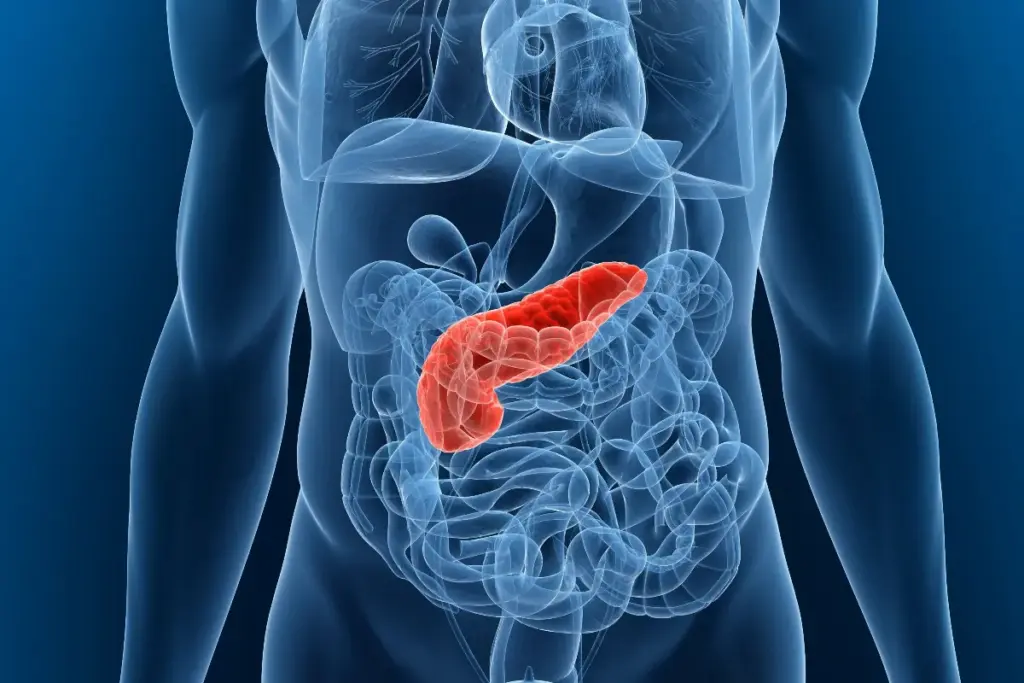
Knowing about the pancreas is key to keeping our health in check. It’s a vital organ that helps our body digest food and manage blood sugar. This makes it a cornerstone of our health.
Anatomy of the Pancreas
The pancreas sits behind the stomach in our belly. It’s between the duodenum and the spleen. It’s soft and shaped like an elongated gland, divided into three parts: head, body, and tail.
The head of the pancreas connects to the duodenum through the pancreatic duct. This duct is important for sending digestive enzymes to the small intestine.
Exocrine and Endocrine Functions
The pancreas does two main jobs: exocrine and endocrine. Its exocrine job is to make pancreatic enzymes. These enzymes help break down carbs, proteins, and fats into smaller pieces.
These enzymes go into the duodenum, where they help our body absorb nutrients from food.
The endocrine part of the pancreas focuses on hormone production. It has islets of Langerhans that make insulin and glucagon. Insulin helps cells use glucose, while glucagon tells the liver to release glucose into the blood.
“The pancreas is a critical organ that plays a vital role in digestion and glucose regulation, making its proper function essential for overall health.”
Role in Digestion and Metabolism
The pancreas is key in digestion by making enzymes that break down food. It also helps control blood sugar levels with insulin and glucagon. This balance is vital for our energy and preventing metabolic problems.
By understanding the pancreas’s complex roles, we can see its importance in our health. This knowledge helps us take steps to avoid pancreatic issues.
Common Types of Pancreatic Disorders

It’s important to know about pancreatic disorders to catch them early. The pancreas helps with digestion and metabolism. Problems with it can really affect your health.
Acute Pancreatitis
Acute pancreatitis is a sudden inflammation of the pancreas. It can cause severe pain and serious problems. It often happens because of gallstones or too much alcohol. Key symptoms include severe pain, nausea, and vomiting.
- Severe abdominal pain that radiates to the back
- Nausea and vomiting
- Abdominal tenderness
Chronic Pancreatitis
Chronic pancreatitis is a long-term inflammation of the pancreas. It can damage the pancreas and affect digestion. Common symptoms are recurring pain and trouble absorbing nutrients.
- Recurring episodes of abdominal pain
- Malabsorption and weight loss
- Diabetes due to pancreatic damage
Pancreatic Cancer
Pancreatic cancer is a tumor in the pancreas. It’s serious because it’s often caught late. Risk factors include smoking, genetics, and diet.
- Unexplained weight loss
- Jaundice
- Abdominal pain
Pancreatic Cysts and Pseudocysts
Pancreatic cysts are fluid-filled sacs in the pancreas. Pseudocysts are collections of fluid with a tissue wall. They can be linked to pancreatitis or trauma. Symptoms include pain and discomfort.
Studies show pancreatic disorders are becoming more common. Knowing about them can help catch them early. This can lead to better treatment and outcomes.
Recognizing Pancreatitis: Primary Symptoms and Warning Signs
It’s vital to know the symptoms of pancreatitis to get help quickly. Pancreatitis is when the pancreas gets inflamed. It can happen suddenly or over time, with signs that doctors and patients need to watch for.
Upper Abdominal Pain Characteristics
The main sign of pancreatitis is severe pain in the upper belly. This pain is sharp and can move to the back. It often gets worse after eating fatty foods. More than 80% of people with acute pancreatitis say they have this kind of pain.
Pain Radiation Patterns
Pain from pancreatitis can spread in different ways. It usually goes to the back but can also go to other places. Knowing how pain spreads helps doctors diagnose pancreatitis correctly.
Abdominal Tenderness
Another important sign is tenderness in the belly. The belly might feel sore when touched. This soreness can also make the muscles tighten up to protect the area.
|
Symptom |
Characteristics |
Clinical Significance |
|---|---|---|
|
Upper Abdominal Pain |
Severe, piercing, radiates to the back |
Primary diagnostic indicator |
|
Pain Radiation |
Radiates to the back, potentially to other areas |
Aids in diagnosing pancreatitis |
|
Abdominal Tenderness |
Tenderness to touch, guarding |
Indicates pancreatic inflammation |
For more information on pancreatitis, including its causes, diagnosis, and treatment, visit.
Acute vs. Chronic Pancreatic Symptoms
It’s important to know the difference between acute and chronic pancreatitis. This knowledge helps in getting the right treatment quickly. We’ll look at what makes each condition unique, helping both patients and doctors decide the best course of action.
Sudden Onset Symptoms in Acute Cases
Acute pancreatitis hits fast, needing quick medical help. Symptoms include sharp pain in the belly, nausea, and vomiting. In bad cases, patients might get fever, fast heart rate, and even organ failure.
The fast start of symptoms in acute pancreatitis comes from quick inflammation of the pancreas. This can be caused by gallstones, too much alcohol, or some medicines. Spotting these symptoms early is key to avoiding more problems.
Gradual Development Patterns in Chronic Cases
Chronic pancreatitis grows slowly, often from repeated acute attacks or long-term inflammation. Its symptoms are less sudden, like ongoing belly pain, trouble absorbing nutrients, and diabetes.
As chronic pancreatitis gets worse, the pancreas’s function drops. This can lead to malnutrition and other metabolic issues. Because it develops slowly, it can be hard to catch until a lot of damage has happened.
Symptom Progression Timeline
The way symptoms show up and get worse is very different between acute and chronic pancreatitis. Acute pancreatitis hits fast, while chronic takes months or years to develop.
- Acute pancreatitis: Symptoms hit hard and fast, often getting better with treatment.
- Chronic pancreatitis: Symptoms slowly get worse, with ups and downs.
Recurrent Episodes: What They Mean
Having repeated pancreatitis attacks, whether acute or chronic, means the pancreas is always inflamed or damaged. These attacks can cause more problems, like not being able to digest food well or a higher risk of pancreatic cancer.
It’s very important to understand what recurrent episodes mean for managing pancreatitis. People with repeated attacks should talk to their doctors to find out why and how to treat it.
Digestive Manifestations of Pancreas Problems
The pancreas is key to digestion. Issues with it can cause noticeable changes. When it doesn’t work right, it can’t digest food well, leading to uncomfortable symptoms.
Nausea and Vomiting
People with pancreas problems often feel nauseous and vomit. This happens because the pancreas can’t make enough digestive enzymes. This poor digestion causes discomfort. Pain from pancreatitis can also make nausea and vomiting worse.
Changes in Bowel Movements
Changes in bowel movements can signal pancreas problems. Not enough enzymes from the pancreas can lead to malabsorption. This can cause diarrhea or constipation, depending on the person and how bad their condition is.
Steatorrhea: Oily, Foul-Smelling Stools
Steatorrhea is oily, foul-smelling stools. It’s a sign of pancreatic exocrine insufficiency. This happens when the pancreas can’t make enough digestive enzymes. As a result, fats aren’t absorbed, and they’re excreted in the stool, making it oily and smelly.
It’s important to understand these symptoms to diagnose and manage pancreas problems. If you’re dealing with persistent or severe digestive issues, see a healthcare professional for help.
Systemic Signs of Pancreatic Dysfunction
When the pancreas doesn’t work right, it can cause many health problems. These issues can affect how our body works in many ways.
Unexplained Weight Loss
Unexplained weight loss is a big sign of pancreatic trouble. The pancreas helps us digest food and use it for energy. If it’s not working, we might not get the nutrients we need, leading to weight loss. This is often seen in people with pancreatic cancer.
Fever and Inflammatory Response
Fever can mean the pancreas is not okay, like in pancreatitis. The body gets inflamed, causing fever, stomach pain, and nausea. Watching for fever can tell us how bad the inflammation is.
Fatigue and Malaise
Fatigue and malaise are common in people with pancreatic issues. These feelings come from inflammation and not getting enough nutrients. Feeling tired all the time can really lower our quality of life, so we need to find the cause.
Metabolic Disturbances
Pancreatic problems can mess with our body’s metabolism, like how we handle blood sugar. The pancreas makes insulin and glucagon, which control blood sugar. If it’s not working, we might get diabetes. To fix this, we often need to change our diet and take medicine.
In summary, signs of pancreatic trouble can be many and affect our health in different ways. Spotting these signs early can help us get the right treatment and manage our condition better.
Jaundice: A Critical Warning Sign
Jaundice is a serious warning sign for pancreatic health. It shows as yellow skin and eyes. This happens when bilirubin builds up in the body.
Mechanism Behind Pancreas-Related Jaundice
Jaundice linked to the pancreas often comes from bile duct blockage. The pancreas and bile duct are close. A tumor or inflammation can block the bile duct.
This blockage stops bile from moving into the intestine. As a result, bilirubin builds up in the blood. This leads to jaundice.
Visual Symptoms to Watch For
Jaundice shows as yellow skin and eyes. It might also cause dark urine and pale stools. Spotting these signs early is key.
Differentiating Pancreatic from Other Causes
Jaundice can have many causes, like liver diseases or gallstones. But pancreatic jaundice often comes with pain and weight loss. A detailed medical check is needed to find the cause.
Jaundice in Pancreatic Cancer
Jaundice is common in pancreatic cancer, mainly when tumors block the bile duct. This is often the first sign. Catching it early is vital for treatment.
When to Seek Medical Attention
Knowing when to get medical help is key to managing pancreatic disorders. Quick action is vital for effective treatment and avoiding serious issues.
Emergency Warning Signs
Certain symptoms mean you need to see a doctor right away. These include:
- Severe abdominal pain that radiates to the back
- Vomiting blood or persistent vomiting
- Fever over 101.5°F (38.6°C)
- Signs of dehydration, like too much thirst and dark urine
- Jaundice (yellowing of the skin and eyes)
If you or someone you know has these symptoms, get emergency care.
Symptoms Requiring Urgent Care
Some symptoms aren’t life-threatening but need quick medical help. These include:
- Recurring abdominal pain
- Unexplained weight loss
- Changes in bowel movements, like oily stools
- Diabetes symptoms, such as increased thirst and urination
These signs can mean your pancreas isn’t working right. See a doctor as soon as you can.
What to Tell Your Healthcare Provider
When you see your doctor, tell them everything about your symptoms. Include:
- How long and how bad your symptoms are
- What makes them better or worse
- Your medical history, including any pancreatic issues
- Any medicines or supplements you’re taking
Telling your doctor all this helps them figure out what’s wrong and how to fix it.
Preparing for Your Appointment
To get the most from your visit, prepare by:
- Writing down your symptoms and questions
- Gathering important medical records and test results
- Bringing a list of your medicines and how much you take
- Having someone with you for support
Being ready helps you have a better conversation with your doctor.
|
Symptom |
Action Required |
Timeline |
|---|---|---|
|
Severe abdominal pain |
Seek emergency care |
Immediate |
|
Recurring abdominal pain |
Schedule an appointment |
Within a few days |
|
Unexplained weight loss |
Schedule an appointment |
Within a week |
Risk Factors and Epidemiology of Pancreatic Disorders
Understanding the causes of pancreatic disorders is key. Lifestyle, genetics, and environment all play a part. Knowing these factors helps us spot who’s at risk and how to prevent it.
Lifestyle Risk Factors
Lifestyle choices greatly affect pancreatic health. Smoking harms the pancreas and raises the risk of pancreatitis and cancer. show that a diet full of fat and lacking in fruits and veggies also increases risk.
Alcohol is another big risk for pancreatitis, causing damage and inflammation. This can turn into a chronic problem if not treated.
Genetic Predispositions
Genetics also play a big role. People with a family history of pancreatic issues are at higher risk. Certain genes, like those affecting the PRSS1 gene, make pancreatitis more likely.
Medical Conditions that Increase Risk
Some medical conditions raise the risk of pancreatic problems. For example, diabetes is linked to a higher risk of pancreatic cancer. Chronic pancreatitis also increases the risk of cancer.
Global Incidence Rates and Statistics
Global rates of pancreatic disorders vary. Pancreatic cancer is more common in developed countries, possibly due to lifestyle. The rise in pancreatic cancer worldwide highlights the need for more research.
By understanding these risk factors, we can better protect people. This helps in early detection and prevention of pancreatic disorders.
Diagnostic Approaches for Pancreas Problems
Diagnosing pancreatic issues requires a variety of methods. These include blood tests, imaging, and biopsies. New imaging methods have greatly helped in spotting pancreatic problems.
Blood Tests and Biomarkers
Blood tests are key in finding pancreas issues. They look for enzymes and markers of damage. For example, high amylase and lipase levels suggest pancreatitis.
These tests help us see how bad the damage is and track the disease’s progress.
The main biomarkers we check are:
- Amylase
- Lipase
- Tumor markers like CA 19-9 for pancreatic cancer
Imaging Techniques
Imaging is essential for seeing the pancreas and finding issues. We use different imaging methods, each with its own benefits:
- Ultrasound: Good for first checks and finding gallstones that might cause pancreatitis.
- CT Scan: Gives detailed views of the pancreas, spotting inflammation, necrosis, or tumors.
- MRI: Shows the pancreas and ducts in high detail, great for chronic pancreatitis and cancer.
- Endoscopic Ultrasound (EUS): Uses endoscopy and ultrasound for detailed images and biopsies.
Functional Testing
Functional tests check if the pancreas makes digestive enzymes and hormones well. The secretin test, for example, looks at how well the pancreas works by measuring bicarbonate and enzyme release.
Biopsy Procedures
Biopsies take tissue samples from the pancreas for detailed examination. We use EUS with fine-needle aspiration to get samples. Biopsies are key for diagnosing cancer and chronic pancreatitis.
By using these methods together, we can accurately diagnose and treat pancreas problems. This improves patient care.
Treatment Options for Pancreatic Conditions
Medical science has made big strides in treating pancreatic conditions. The right treatment depends on the condition, its severity, and the patient’s health.
Medical Management Approaches
Medical management is often the first step. It includes medicines to manage symptoms and reduce inflammation. For acute pancreatitis, it’s key to replace fluids and manage pain.
Surgical Interventions
Surgery is needed for some conditions like pancreatic cancer or severe pancreatitis. Procedures can range from draining pseudocysts to removing part of the pancreas. The choice to have surgery depends on the condition’s severity and the patient’s health.
Enzyme Replacement Therapy
For those with exocrine pancreatic insufficiency (EPI), enzyme supplements are vital. These supplements help digest food. It’s a simple yet effective way to manage EPI and improve nutrition.
Pain Management Strategies
Managing pain is key in treating pancreatic conditions. Treatments include medicines, nerve blocks, and more. A team approach is often used to manage pain well.
|
Treatment Option |
Description |
Indications |
|---|---|---|
|
Medical Management |
Includes medications for symptom management and related conditions. |
Acute pancreatitis, chronic pancreatitis, pancreatic insufficiency |
|
Surgical Interventions |
Surgical procedures for conditions like pancreatic cancer or pseudocysts. |
Pancreatic cancer, large pseudocysts, severe pancreatitis |
|
Enzyme Replacement Therapy |
Pancreatic enzyme supplements to aid digestion. |
Exocrine pancreatic insufficiency (EPI) |
|
Pain Management |
Strategies to reduce pain and improve quality of life. |
Chronic pancreatitis, pancreatic cancer |
Effective treatment of pancreatic conditions needs a detailed and tailored approach. By knowing the treatment options, patients and doctors can create a plan that meets each case’s unique needs.
Complications of Untreated Pancreatic Disorders
Untreated pancreatic disorders can cause many problems that affect a person’s life quality. These issues can come from the disorder getting worse or how the body reacts to it.
Short-term Complications
Short-term, untreated pancreatic disorders can cause severe problems. For example, acute pancreatitis leads to intense pain, nausea, and vomiting. These symptoms are serious and need quick medical help.
Long-term Health Impacts
Long-term, untreated pancreatic disorders can have big health effects. Chronic pancreatitis can cause malnutrition because the pancreas can’t make enough digestive enzymes. Also, the chance of getting pancreatic cancer goes up in people with chronic pancreatitis.
Quality of Life Considerations
People with untreated pancreatic disorders often have a lower quality of life. They might deal with chronic pain, frequent pancreatitis attacks, and the mental stress of living with a long-term illness. Getting the right care is key to managing symptoms and avoiding more problems.
Progression to Chronic Conditions
If not treated, pancreatic disorders can turn into chronic conditions. For example, chronic pancreatitis can cause diabetes because of damage to insulin-making cells. Handling these chronic conditions needs a detailed treatment plan that covers physical and nutritional health.
Knowing the risks of untreated pancreatic disorders helps people get medical help early. This can greatly improve their life quality and health in the long run.
Prevention Strategies for Pancreatic Health
Keeping your pancreas healthy is key to feeling good. There are many ways to prevent problems with your pancreas. By living a healthy lifestyle and knowing the risks, you can lower your chance of getting pancreas issues.
Dietary Recommendations
Eating right is important for your pancreas. Eating lots of fruits, veggies, whole grains, and lean proteins helps. Avoiding fatty and processed foods is also key to prevent inflammation.
Nutritional Tips:
- Eat more foods high in antioxidants like berries and leafy greens.
- Go for lean proteins like chicken and fish.
- Try to eat less saturated fats and cholesterol.
Lifestyle Adjustments
Changing your lifestyle can also help your pancreas. Being active, keeping a healthy weight, and not smoking are all good. Exercise helps your body use insulin better and lowers diabetes risk, which is linked to pancreas problems.
Alcohol Consumption Guidelines
Too much alcohol can hurt your pancreas. It’s important to drink in moderation. Men should have no more than two drinks a day, and women should limit it to one.
|
Alcohol Consumption Level |
Risk of Pancreatitis |
|---|---|
|
Moderate (1-2 drinks/day) |
Lower risk |
|
Excessive (>2 drinks/day) |
Higher risk |
Regular Health Screenings
Getting regular health checks is important. If you have a family history of pancreatic cancer, talk to your doctor about screenings. These might include tests and blood work to check your pancreas.
By following these prevention tips, you can lower your risk of pancreas problems. This helps keep you healthy and feeling your best.
Conclusion: Managing Pancreatic Health Long-Term
Managing pancreatic health long-term needs a full plan. This includes lifestyle changes and ongoing medical care.
Adopting a healthy lifestyle is essential for maintaining pancreatic health. This means eating right and exercising often. Making smart choices can lower the risk of problems and boost life quality.
FAQ
What are the common symptoms of pancreatitis?
Symptoms include upper abdominal pain and nausea. You might also have vomiting, changes in bowel movements, and steatorrhea (oily, foul-smelling stools). Severe cases can cause fever, jaundice, and metabolic disturbances.
What is the role of the pancreas in digestion?
The pancreas makes digestive enzymes to break down food. It also produces hormones like insulin and glucagon to control blood sugar levels.
What is the difference between acute and chronic pancreatitis?
Acute pancreatitis is sudden and severe but often reversible. Chronic pancreatitis is long-term and can cause permanent damage and impairment.
What are the risk factors for developing pancreatitis?
Risk factors include gallstones and excessive alcohol consumption. Certain medications, genetic predispositions, and medical conditions like hypertriglyceridemia also increase the risk.
How is pancreatitis diagnosed?
Diagnosis involves blood tests for elevated pancreatic enzymes. Imaging techniques like CT scans or MRI are also used. Sometimes, functional testing or biopsy procedures are needed to assess damage.
What are the treatment options for pancreatitis?
Treatment includes medical management with pain relief and nutritional support. Surgical interventions to remove damaged tissue or gallstones may be necessary. Enzyme replacement therapy and pain management strategies are also used.
Can pancreatitis be prevented?
While some risk factors cannot be avoided, preventive measures are possible. Maintaining a healthy diet and limiting alcohol consumption are key. Managing gallstones and regular health screenings are also important.
What are the complications of untreated pancreatitis?
Untreated pancreatitis can cause short-term complications like organ failure. Long-term impacts include chronic pain, malnutrition, diabetes, and an increased risk of pancreatic cancer.
How can I manage my pancreatic health long-term?
Managing pancreatic health involves ongoing medical care and lifestyle modifications. Dietary changes and avoiding alcohol are important. Regular monitoring for signs of pancreatic dysfunction is also necessary.
What is steatorrhea and how is it related to pancreas problems?
Steatorrhea is a condition with oily, foul-smelling stools due to malabsorption of fats. It’s a common symptom of pancreatic insufficiency, where the pancreas doesn’t produce enough digestive enzymes.
What is jaundice and how is it related to pancreatic cancer?
Jaundice is when the skin and eyes turn yellow due to a buildup of bilirubin. In pancreatic cancer, jaundice occurs when a tumor blocks the bile duct, preventing bile from flowing into the intestine.
References
National Center for Biotechnology Information. Evidence-Based Medical Insight. Retrieved https://www.ncbi.nlm.nih.gov/books/NBK482468/