

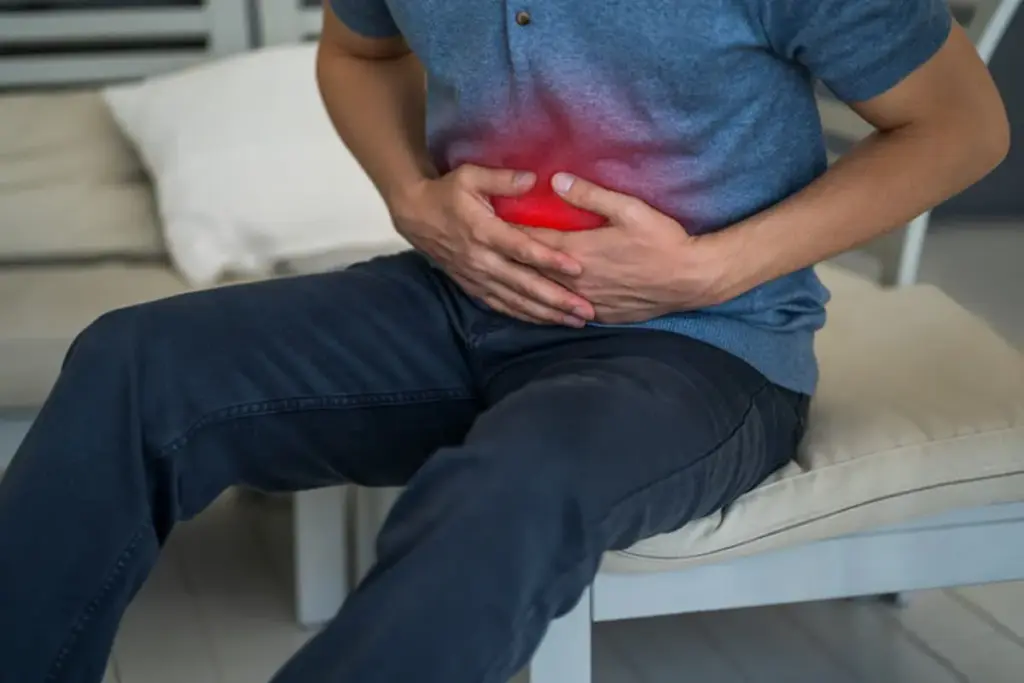
Pancreas pain is usually felt in the upper abdomen. It’s often in the upper left or middle part of the belly. Knowing where this pain is helps in finding and treating it early.
We use the latest methods to manage this condition. Our team is ready to give you the best care, no matter where you’re from.
Key Takeaways
- Pancreas pain is typically felt in the upper abdomen.
- The pain is often associated with pancreatitis symptoms.
- Understanding the location of pancreas pain is key for early detection.
- Our team provides complete care for patients from around the world.
The Exact Location of Pancreas Pain
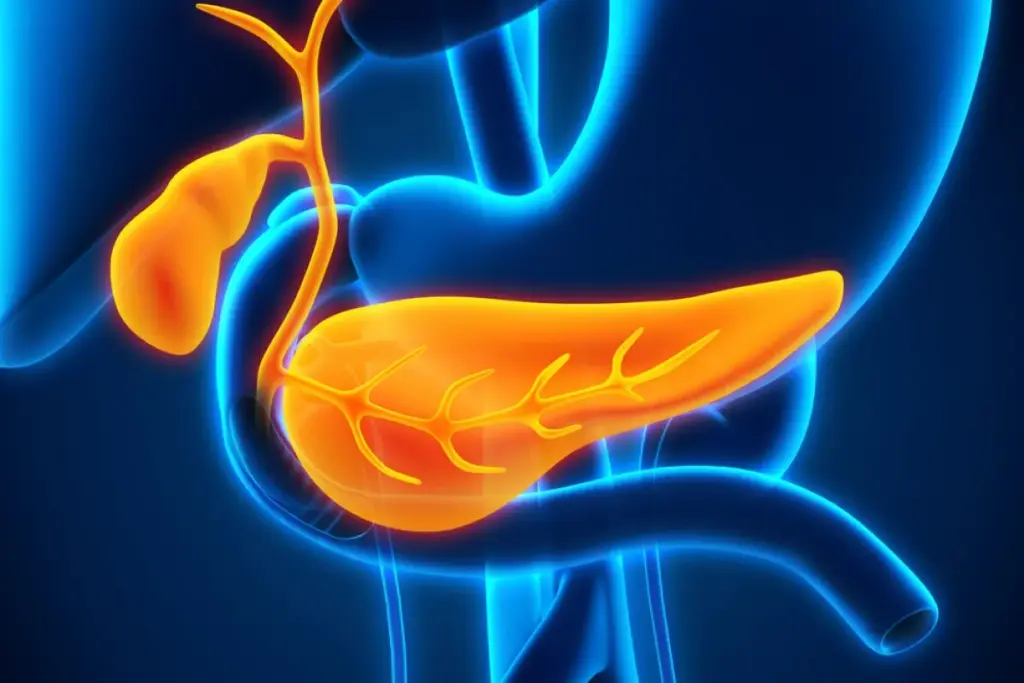
Understanding the origin of pancreas pain is vital for effective treatment. The pancreas is in the upper belly. Pain here can spread to other areas.
Upper Abdominal Pain Patterns
Pain from the pancreas usually feels like a deep ache in the upper belly. It can be very strong and last for days. Eating fatty foods or lying flat can make it worse.
Common characteristics of pancreatic pain include:
- Pain in the upper abdomen that radiates to the back
- Pain that worsens after eating, specially fatty foods
- Pain that intensifies when lying down
Radiation to Back and Left Shoulder Blade
Pancreas pain often spreads to the back or below the left shoulder blade. This happens because of where the pancreas is and its nerve connections.
|
Characteristics |
Description |
|---|---|
|
Location |
Upper abdominal pain radiating to the back or left shoulder blade |
|
Triggers |
Eating, specially high-fat foods; lying flat |
|
Intensity |
Intensifies over time, can be severe |
Doctors say, “The pain from pancreatitis can be very bad. It may spread to the back or left shoulder blade. If you have these symptoms, you should see a doctor.”
“The pain from pancreatic disorders can be complex. It may need a detailed check to find the cause.”
Pancreas Anatomy and Function
It’s important to know about the pancreas’s structure and how it works. This organ is in the upper abdomen and is key for digestion and making hormones.
Physical Location in the Body
The pancreas is behind the stomach, in the upper left part of the abdomen. It’s near the spleen. It sits between the duodenum and the spleen, with its head reaching into the C-loop of the duodenum. This spot helps it release digestive enzymes into the intestine for nutrient absorption.
Digestive and Endocrine Roles
The pancreas does two main things: it makes digestive enzymes and controls blood sugar with hormones.
- Digestive Enzymes: It produces enzymes like amylase, lipase, and trypsin. These break down carbs, fats, and proteins into smaller bits for the body to absorb.
- Endocrine Functions: It releases hormones like insulin and glucagon. These hormones help control blood sugar levels. Insulin lowers blood sugar, and glucagon raises it by making the liver release stored glucose.
Knowing about these roles helps in understanding and treating pancreatic problems. For example, pancreatitis, where the pancreas gets inflamed, can seriously affect its function.
Understanding Pancreatitis and Its Pain Characteristics
Pancreatitis can cause severe pain in the abdomen. Knowing its signs is key to treating it well. Our team works hard to help patients manage their condition and improve their life quality.
Acute pancreatitis affects about 13–45 people per 100,000 each year worldwide. It also hospitalizes over 200,000 in the U.S. annually. This condition inflames the pancreas, causing pain that can change in intensity and last for different lengths of time.
Pain Intensity and Duration
The pain from pancreatitis can be very strong and spread to the back. In acute cases, it can start suddenly and be very severe, often needing hospital care. The pain’s length can vary; it might go away with treatment, or it could keep coming back.
Key characteristics of pancreatic pain include:
- Pain that radiates to the back or left shoulder blade
- Pain that worsens after eating, specially fatty foods
- Pain that is persistent or recurring
How Pancreatic Pain Differs From Other Abdominal Pain
Pancreatic pain is different from other abdominal pain because of its location and how it feels. Unlike other pains, it often goes to the back and can come with nausea and vomiting.
|
Characteristics |
Pancreatic Pain |
Other Abdominal Pain |
|---|---|---|
|
Location |
Upper abdomen, radiating to back |
Varies, often localized |
|
Intensity |
Can be severe |
Varies, often less severe |
|
Associated Symptoms |
Nausea, vomiting, fever |
Varies, often includes bloating, cramps |
Knowing how pancreatitis pain feels is vital for diagnosing and treating it. We aim to give our patients all the support they need during their treatment.
Acute vs. Chronic Pancreatitis Pain Patterns
Sudden Onset Pain in Acute Cases
Acute pancreatitis brings on pain quickly, often very severe. This pain goes to the back and comes with nausea and vomiting. We’ve seen that gallstones or alcohol are common causes, making it vital to tackle these issues.
The pain from acute pancreatitis is very intense. It needs quick medical help. Fast diagnosis and treatment help avoid worse problems and lessen symptoms.
Persistent or Recurring Pain in Chronic Cases
Chronic pancreatitis has pain that lasts or comes back. This pain can change in how bad it is. It causes long-term inflammation and damage to the pancreas, making it hard to work right.
Chronic pancreatitis pain can be steady or come and go. It gets worse over time. We find that treating this condition needs a detailed plan. This includes changes in lifestyle and specific medical treatments for each person.
The 7 symptoms of pancreas problems we see in chronic pancreatitis are:
- Abdominal pain that radiates to the back
- Nausea and vomiting
- Weight loss
- Diarrhea or oily stools
- Fever
- Jaundice
- Abdominal tenderness
Our team works with patients to create treatment plans that meet their needs. This helps improve their life quality.
Common Triggers That Worsen Pancreas Pain
Knowing what triggers pancreas pain is key to managing it. Some things can make the pain worse. It’s important to find and handle these triggers.
Food and Dietary Triggers
What you eat can affect your pancreas pain. High-fat foods are bad because they make the pancreas work harder. This can lead to more pain.
Here are some foods to watch out for:
- Fatty or fried foods
- Spicy foods
- High-sugar foods
- Dairy products, if you’re lactose intolerant
Staying away from these foods can help. Eating a balanced diet that’s low in fat and full of nutrients is best.
|
Food Type |
Effect on Pancreas Pain |
Recommendation |
|---|---|---|
|
High-fat foods |
Worsens pain |
Avoid or limit |
|
Spicy foods |
Can trigger pain |
Consume in moderation |
|
Low-fat foods |
Generally safe |
Preferred choice |
Body Position and Physical Activities
How you sit and move can also affect your pain. Lying flat can put extra pressure on your pancreas. Also, activities that are too strenuous can make things worse.
Here are some tips to help:
- Avoid lying flat on your back
- Find a comfortable position that doesn’t strain your abdomen
- Try gentle exercises like walking or yoga
- Stay away from heavy lifting or hard activities
By managing these triggers, you can control your pain better.
Primary Causes of Pancreatitis
Pancreatitis is an inflammatory condition of the pancreas. It is often triggered by specific factors. Knowing these causes is key to preventing and treating it.
Gallstones and Biliary Obstruction
Gallstones are a big risk for pancreatitis. When they block the bile duct, they can cause pancreatitis. This blockage stops digestive enzymes from getting to the intestine.
Alcohol Consumption and Other Risk Factors
Alcohol is another big risk for pancreatitis. Drinking too much can block the pancreatic ducts or damage pancreatic cells. Up to 80% of pancreatitis cases are linked to gallstones or alcohol use.
Other risks include certain meds, high triglycerides, and genetics. We know these causes are vital for caring for pancreatitis patients.
Understanding pancreatitis causes, like gallstones and alcohol, helps us create better treatment plans. These plans target the root causes of the condition.
Other Pancreatic Conditions That Cause Pain
Pancreatic Cancer Pain Characteristics
Pain from pancreatic cancer is often a dull ache in the upper abdomen. It spreads to the back. This pain gets worse over time, often after eating or when lying down. Early detection is key for managing it well.
Pancreatic Cysts and Pseudocysts
Pain from pancreatic cysts and pseudocysts is usually felt as abdominal discomfort or swelling. These fluid-filled sacs can get infected or rupture. This leads to severe pain and serious complications.
|
Condition |
Pain Characteristics |
Common Symptoms |
|---|---|---|
|
Pancreatic Cancer |
Dull ache in upper abdomen, radiates to back |
Weight loss, jaundice, loss of appetite |
|
Pancreatic Cysts |
Abdominal discomfort or swelling |
Nausea, vomiting, abdominal tenderness |
|
Pancreatic Pseudocysts |
Abdominal pain, possibly severe if infected or ruptured |
Fever, abdominal tenderness, nausea |
It’s important to know the different reasons for pancreatic pain.
Associated Symptoms With Pancreatic Pain
Digestive Disturbances
People with pancreatic pain often have trouble digesting food. They might feel nausea and vomiting. These issues can make them dehydrated and affect their body’s balance of salts.
We help our patients manage these symptoms. We use the right treatments to make them feel better.
Systemic Symptoms
Other symptoms like fever and jaundice can also happen. Fever might mean there’s an infection or inflammation. Jaundice, which makes the skin and eyes yellow, can happen if the bile duct is blocked.
These symptoms need quick attention and treatment. We work hard to make sure our patients get the care they need.
Recognizing these symptoms is crucial for effective treatment of pancreatitis. We use a team approach to take care of our patients. This way, we make sure we’re addressing all parts of their condition.
Diagnostic Approaches for Pancreatic Pain
Clinical Evaluation and Physical Examination
The first step is a detailed clinical evaluation and physical check-up. We look at the patient’s medical history, symptoms, and pain details. This helps us figure out what might be causing the pain.
We also check for signs of tenderness, guarding, or other signs that could point to pancreatitis. This physical exam is important for spotting any issues with the pancreas.
We also think about the patient’s risk factors, like gallstones, alcohol use, and family history of pancreatic problems. This helps us tailor our diagnostic approach to fit the patient’s specific situation.
Laboratory Tests
Laboratory tests are a big part of diagnosing pancreatitis. We check serum amylase and lipase levels to see if the pancreas is damaged or inflamed. Other tests, like liver function tests and blood counts, help rule out other causes of pain.
These tests help confirm pancreatitis and tell us how severe it is. We use the test results along with the patient’s symptoms to plan the best treatment.
Imaging Studies
Imaging studies help us see the pancreas and the area around it. We use CT scans, MRI, and ultrasound to look for inflammation, necrosis, or other problems.
CT scans are great for spotting necrosis and complications of pancreatitis. MRI gives us detailed views of the pancreatic and biliary ducts, helping us find the cause of pain. Ultrasound is often the first test to check the gallbladder and bile ducts for stones or blockages.
By combining clinical evaluation, lab tests, and imaging, we can accurately diagnose pancreatic pain. This lets us create a treatment plan that’s right for each patient.
Treatment Options for Pancreatic Pain Relief
Medical Pain Management Strategies
Medical pain management is vital for treating pancreatic pain. We use different medicines to help manage pain. Effective pain management improves life quality and allows for treatment of the underlying cause.
The right medicine depends on the pain’s severity and the patient’s history. For acute pancreatitis, strong painkillers are often used. Chronic pancreatitis may need a more detailed treatment plan.
Surgical and Procedural Interventions
Sometimes, surgery or procedures are needed to fix the root cause of pain. Surgical options might include removing gallstones or addressing pancreatitis complications like pseudocysts.
Procedures like ERCP can clear blockages in the bile duct or stent the pancreatic duct. These are often part of a broader treatment plan, tailored to each patient.
We consider the cause of pain, the patient’s health, and their wishes. By combining medical treatments with surgery and procedures, we aim to relieve pain and enhance life quality.
Lifestyle Modifications to Prevent Pancreatic Pain
Making lifestyle changes is key to managing and preventing pancreatic pain. By choosing wisely, people can lower their risk of pancreatitis and its complications.
Dietary Recommendations
Eating a balanced diet is important for avoiding pancreatic pain. Focus on fruits, vegetables, whole grains, and lean proteins. Stay away from foods high in fat, as they can cause pancreatitis symptoms.
Here are some dietary tips:
- Eat smaller, more frequent meals to ease the pancreas’s work.
- Steer clear of fried foods and saturated fats.
- Boost your diet with foods rich in antioxidants like berries and leafy greens.
|
Food Type |
Recommended |
To Avoid |
|---|---|---|
|
Fruits |
Apples, Berries |
Fried Fruit Snacks |
|
Vegetables |
Leafy Greens, Broccoli |
Fried Vegetables |
|
Proteins |
Lean Meats, Fish |
Processed Meats |
Importance of Alcohol Avoidance
Drinking alcohol increases the risk of pancreatitis. Staying away from alcohol can greatly lower this risk. We urge people, but those with pancreatitis history or issues, to avoid alcohol.
Not drinking alcohol can prevent:
- Acute pancreatitis episodes.
- Chronic pancreatitis development.
- Other alcohol-related health problems.
When to Seek Emergency Care for Pancreas Pain
Knowing when to get emergency care for pancreas pain can save lives. Pancreatitis, or inflammation of the pancreas, can be mild or severe. It’s key to recognize serious signs for quick help.
Warning Signs Requiring Immediate Attention
Certain symptoms mean you need to see a doctor right away. These include:
- Severe abdominal pain that radiates to the back
- Persistent nausea and vomiting
- Fever, specially if it’s high or with chills
- Rapid heartbeat or palpitations
- Jaundice (yellowing of the skin or eyes)
Potential Complications of Untreated Pancreatitis
Untreated severe pancreatitis can cause serious problems. These issues may include:
- Infection of the pancreas or surrounding tissues
- Organ failure, such as kidney or respiratory failure
- Diabetes due to damage to insulin-producing cells
- Pseudocysts, which are fluid collections that can become infected
Being aware of warning signs and complications can help you act fast. If you’re showing symptoms of pancreatitis, don’t wait to get medical help.
Conclusion
Managing and treating pancreas pain is all about knowing the underlying conditions. Pancreatitis, a major issue, needs a full care plan. This includes finding the cause, treating it, and making lifestyle changes.
It’s key to understand how the pancreas works and how it relates to pancreatitis. By doing this, we can create better treatment plans. Recognizing the role of the pancreas and treating pancreatitis quickly can greatly improve a patient’s life.
FAQ
Where is the pancreas located, and how does its location relate to pancreas pain?
The pancreas is in the upper abdomen, behind the stomach. Its pain is felt in the upper abdomen and can spread to the back.
What are the common symptoms of pancreatitis?
Symptoms of pancreatitis include severe abdominal pain, nausea, vomiting, fever, and jaundice.
How does pancreatitis pain differ from other abdominal pain?
Pancreatitis pain is sharp, stabbing, or burning. It’s in the upper abdomen and can go to the back. It often doesn’t go away or keeps coming back.
What are the primary causes of pancreatitis?
Pancreatitis is mainly caused by gallstones, biliary obstruction, alcohol, and other risk factors. This includes certain medications or genetic predisposition.
How is pancreatitis diagnosed?
Doctors use clinical evaluation, physical exam, lab tests (like amylase and lipase), and imaging (CT, MRI, or ultrasound) to diagnose pancreatitis.
What are the treatment options for pancreatic pain relief?
Treatment includes medical pain management and surgery. This can be analgesics, pancreatic enzyme supplements, or draining or removing pancreatic pseudocysts.
How can I prevent pancreatic pain?
To prevent pancreatic pain, avoid alcohol, eat healthy, and manage conditions that may lead to pancreatitis.
When should I seek emergency care for pancreas pain?
Seek emergency care for severe abdominal pain, vomiting, fever, or jaundice. Also, if you have pancreatitis history and symptoms worsen suddenly.
What are the possible complications of untreated pancreatitis?
Untreated pancreatitis can lead to necrosis, abscesses, pseudocysts, and organ failure. These can be deadly if not treated quickly.
Can dietary changes help manage pancreatitis?
Yes, avoiding fatty or spicy foods can help manage pancreatitis. It reduces strain on the pancreas and eases symptoms.
References
National Center for Biotechnology Information. Evidence-Based Medical Insight. Retrieved https://www.ncbi.nlm.nih.gov/books/NBK482468/



 Departments
 Related Videos
 Our Doctors
 News
News