

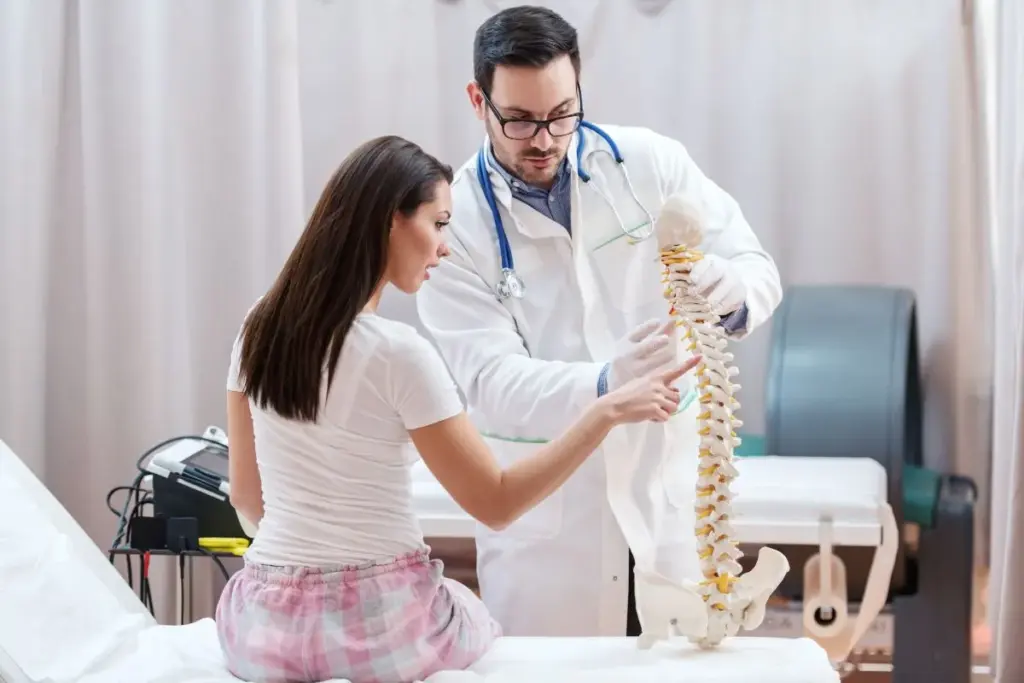
Recent studies have found that biofluid-based biomarkers could be key in diagnosing spinal cord injuries. This discovery brings new hope for better treatments for those with spinal cord injuries.
The search for the best spinal cord injury treatment continues. Researchers are looking into different therapies to help people recover and get back to their lives. Finding effective therapy for spinal cord injury can greatly improve the lives of those affected.
Key Takeaways
- Biofluid-based biomarkers show promise in diagnosing spinal cord injuries.
- Research is ongoing to find the most effective spinal cord injury treatment.
- Therapy for spinal cord injury plays a critical role in rehabilitation.
- Advancements in treatment options are improving outcomes for individuals with spinal cord injuries.
- Continued research is necessary to fully understand the role of biomarkers in spinal cord injury diagnosis.
Understanding Spinal Cord Injuries
It’s key to understand spinal cord injuries to treat them well. These injuries can greatly affect a person’s life. Knowing what they are and how they impact us is vital.
Types of Spinal Cord Injuries
Spinal cord injuries are divided into two main types. Traumatic injuries happen due to outside forces like car crashes or falls. Non-traumatic injuries are caused by health issues or diseases.
Complete vs. Incomplete Injuries
Complete spinal cord injuries mean no function below the injury. Incomplete injuries, on the other hand, allow some function to remain. The injury’s extent affects how much a person can recover.
Common Causes of Spinal Cord Injuries
Many things can lead to spinal cord injuries. Car accidents, falls, sports injuries, and violence are common causes. Car accidents are a major reason for these injuries.
|
Cause |
Percentage |
|---|---|
|
Car Accidents |
40% |
|
Falls |
27% |
|
Sports Injuries |
8% |
|
Violence |
15% |
|
Other Causes |
10% |
Recognizing Spinal Cord Injury Symptoms
It’s important to know the signs of spinal cord injury to get help fast. These injuries can cause many symptoms, based on how bad and where the injury is.
Immediate Symptoms After Injury
Right after a spinal cord injury, people might feel loss of sensation, muscle weakness, or paralysis below the injury spot. Other quick symptoms include:
- Loss of bladder or bowel control
- Difficulty breathing
- Numbness or tingling sensations
- Pain or stinging from nerve damage
Spinal Cord Injury ICD-10 Classification
The ICD-10 system is used to code spinal cord injuries. It helps standardize diagnosis and treatment. For example, S14.1 is for other specific injuries of the cervical spinal cord.
“Accurate coding using the ICD-10 system is essential for insurance purposes and for maintaining consistent medical records.”
Diagnosing the Severity and Level of Injury
To figure out the injury’s severity and level, doctors do a detailed neurological check. This includes the International Standards for Neurological Classification of Spinal Cord Injury (ISNCSCI) exam. This test shows how bad the injury is and helps plan treatment.
The ISNCSCI exam checks motor and sensory functions. It gives a score to say if the injury is complete or not. Knowing how bad and where the injury is helps make a good rehab plan.
Paraplegia: Definition, Causes, and Effects
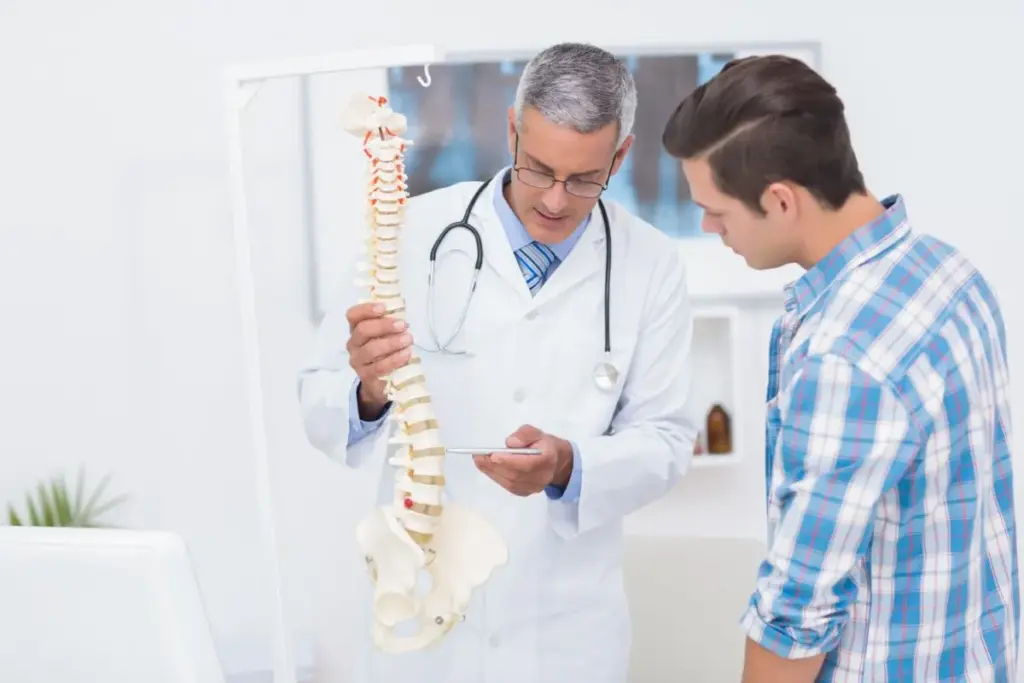
Paraplegia is a type of spinal cord injury that affects the lower body. It causes partial or complete paralysis of the legs. This can greatly impact a person’s ability to move and live independently.
What is Paraplegia?
Paraplegia happens when the spinal cord in the thoracic, lumbar, or sacral areas is damaged. The level and severity of the injury determine the extent of paralysis. It is a spinal cord injury that mainly affects the lower body.
Differences Between Paraplegia and Quadriplegic Injury
Paraplegia and quadriplegia differ in the body parts affected. Quadriplegia impacts both arms and legs due to injuries in the cervical region. Paraplegia mainly affects the legs. Knowing these differences is important for proper treatment.
Long-term Effects on Daily Life
Paraplegia can significantly change daily life. It can make moving, managing the bladder and bowel, and sexual functions difficult. But, thanks to medical progress and rehab, many people with paraplegia live full and active lives.
Key effects include:
- Mobility challenges
- Bladder and bowel management issues
- Sexual dysfunction
Rehabilitation is key in helping people adjust to these changes. It helps them maintain a high quality of life.
Immediate Medical Interventions for Spinal Cord Injuries
The first steps after a spinal cord injury are key to recovery. Treatment involves emergency care, surgery, and managing complications. These steps are vital for the best chance of recovery.
Emergency Response and Stabilization
First, make sure the patient’s airway, breathing, and circulation (ABCs) are okay. Emergency teams keep the spine stable to avoid more harm. Early decompression can help by easing pressure on the spinal cord.
Surgical Interventions
Surgery might be needed to stabilize the spine or relieve pressure. The aim is to create a good environment for healing. This means keeping the spinal cord safe from further damage.
Medication Protocols
Medicine is important for managing spinal cord injury effects. Corticosteroids can help reduce swelling and improve recovery. Other drugs control pain, muscle spasms, and other issues.
Managing Spinal Cord Shock
Spinal cord shock happens right after an injury, causing loss of function below the injury site. It’s managed by watching the patient closely and providing supportive care. This helps keep blood pressure stable and prevents problems.
Studies show early decompression and exercise help with spinal cord injuries. By using these treatments, doctors can greatly improve patient outcomes.
Comprehensive Rehabilitation for Spinal Injury
A good plan for recovery from spinal cord injuries is key. These plans help people with spinal cord injuries live better lives. They work in many areas to help people be more independent.
Inpatient Rehabilitation Programs
Inpatient programs offer a lot of therapy in a safe place. They are great for those with serious injuries. A team of experts in physical, occupational therapy, and medicine work together.
- Intensive physical and occupational therapy
- Medical management and monitoring
- Emotional and psychological support
Outpatient Rehabilitation Services
Outpatient services are good for those who have made progress or have milder injuries. They let patients get therapy at home. This is flexible and helps them fit therapy into their daily lives.
Benefits include:
- Flexibility in scheduling
- Continued therapy without hospitalization
- Integration of therapy into daily life
Setting Realistic Recovery Goals
It’s important to set goals that are realistic. Goals should be specific, measurable, achievable, relevant, and time-bound (SMART). They should match the person’s injury, health, and goals.
Measuring Progress and Outcomes
It’s important to track how well the program is working. Regular checks help adjust the plan to meet the person’s changing needs.
Progress is measured through:
- Functional assessments
- Patient feedback
- Clinical outcome measures
With a full rehabilitation plan, people with spinal cord injuries can see big improvements. They can get better at everyday tasks and enjoy a better life.
Physical Therapy Approaches for SCI Recovery
Physical therapy is key for those recovering from spinal cord injuries. It helps regain strength, improve mobility, and gain independence.
Strength and Mobility Training
Strength and mobility training are vital for SCI patients. They improve muscle strength, flexibility, and mobility. Tailored exercise programs are created for each patient to aid in their recovery.
Gait Training and Locomotor Therapy
Gait training is essential for regaining walking ability. Locomotor therapy uses treadmills and other tools for repetitive practice. It boosts neurological recovery.
Functional Electrical Stimulation
Functional Electrical Stimulation (FES) helps restore muscle function in SCI patients. It uses electrical currents to strengthen muscles and aid in movements like standing or walking.
Aquatic Therapy Benefits
Aquatic therapy, or hydrotherapy, is a special form of rehabilitation. Water’s buoyancy makes therapy sessions easier on joints. It boosts strength, flexibility, and heart health.
|
Therapy Approach |
Benefits |
Key Components |
|---|---|---|
|
Strength and Mobility Training |
Improves muscle strength and flexibility |
Tailored exercise programs, resistance training |
|
Gait Training and Locomotor Therapy |
Enhances walking ability and neurological recovery |
Treadmill training, locomotor therapy equipment |
|
Functional Electrical Stimulation |
Restores muscle function and facilitates movement |
Electrical stimulation devices, muscle stimulation protocols |
|
Aquatic Therapy |
Improves strength, flexibility, and cardiovascular fitness |
Water-based exercises, hydrotherapy techniques |
Occupational Therapy and Adaptive Strategies
Occupational therapy and adaptive strategies greatly improve life for those with spinal cord injuries (SCI). They help patients do daily tasks and enjoy meaningful activities, even with physical limits.
Activities of Daily Living (ADLs)
Occupational therapists help SCI patients regain skills for activities of daily living. This includes bathing, dressing, and eating. With new techniques and tools, people can live more independently.
Adaptive Equipment and Assistive Technology
Adaptive equipment and assistive technology are key for daily tasks. They include special utensils, wheelchairs, and devices controlled by breath or eyes.
Home and Workplace Modifications
Changing homes and workplaces is vital for SCI patients. It makes moving around safer and easier. This might mean ramps, wider doors, and adapted bathrooms.
Driving and Transportation Solutions
Learning to drive again is a big goal for many with SCI. Occupational therapists suggest vehicle modifications and teach how to use them. They also help find public transport and other ways to get around.
Adding occupational therapy and adaptive strategies to their recovery plan helps SCI patients a lot. It boosts their independence and quality of life. These efforts make daily tasks easier and open doors to fun and work activities.
Innovative Treatments and Research Advancements
New treatments are giving hope to those with spinal cord injuries. Medical research has made great strides. Now, we understand more about recovery and rehabilitation.
Stem Cell Therapy for Spinal Cord Injury
Stem cell therapy is a new approach for spinal cord injuries. It uses stem cells to fix or replace damaged cells. Early studies in animals look promising, and human trials are underway.
Exoskeletons and Robotic Assistance
Exoskeletons and robots are helping people with spinal cord injuries. These devices let patients walk again. They greatly improve a person’s life quality.
Nerve Regeneration Research
Nerve regeneration research aims to fix or bypass damaged nerves. It uses new materials and gene therapy to help nerves grow back. This research is very promising.
Brain-Computer Interfaces
Brain-computer interfaces (BCIs) let people control devices with their minds. BCIs are being studied for those with spinal cord injuries. They could help with communication and interaction.
|
Treatment |
Description |
Potential Benefits |
|---|---|---|
|
Stem Cell Therapy |
Using stem cells to repair damaged spinal cord cells |
Potential for nerve regeneration and improved function |
|
Exoskeletons |
Wearable devices to assist with mobility |
Improved mobility and independence |
|
Nerve Regeneration Research |
Repairing or bypassing damaged nerve tissue |
Potential for improved nerve function and recovery |
|
Brain-Computer Interfaces |
Devices to control technology with thoughts |
Improved communication and interaction |
Managing Secondary Complications of SCI
Spinal cord injuries can cause many secondary complications. It’s important to manage these issues well. This helps improve the quality of life for those with SCI.
Pressure Sores Prevention and Treatment
Pressure sores, or ulcers, are common in SCI patients. They happen when the skin is under too much pressure. This can cut off blood flow and damage tissue.
To prevent pressure sores, it’s key to move regularly, use the right cushions, and take good care of the skin. If sores do form, treatment includes relieving pressure, helping the wound heal, and managing pain. This might involve special mattresses, dressings, and pain meds.
Respiratory Management
Respiratory issues are a big problem for SCI patients, more so for those with cervical or high thoracic injuries. Managing breathing is vital to prevent infections and improve lung function.
Methods like assisted coughing, chest physiotherapy, and ventilatory support are important. Getting vaccinated against flu and pneumococcus is also advised.
Bladder and Bowel Management
SCI can mess up bladder and bowel function. This can lead to issues like urinary retention and constipation. A good bowel and bladder program is key.
This might include using catheters, bowel training, and medications. Proper management can lower the risk of infections and blockages.
Pain Management Strategies
Pain is a big problem for SCI patients. It can be sharp, nerve-related, or a mix. Managing pain well is essential for a better life.
Methods include using medicines, physical therapy, and alternative treatments like acupuncture. These can help a lot.
Spasticity Control Methods
Spasticity, or muscle stiffness and spasms, is another issue. It can make moving hard. Managing spasticity is important for comfort and mobility.
Strategies include physical therapy, oral meds, and intrathecal baclofen therapy for severe cases. These can help a lot.
Conclusion: Building a Comprehensive Treatment Plan
A detailed treatment plan is key for those recovering from spinal cord injuries. It should include many treatments and therapies. This helps meet the complex needs of SCI patients.
Good spinal cord injury treatment starts with quick medical care. It also includes thorough rehabilitation and managing secondary issues. This way, people with SCI can get better and live more independently.
Creating a good treatment plan needs teamwork. Healthcare experts, patients, and their families must work together. The plan should fit the person’s unique needs and goals for the best results.
Using a complete approach to SCI treatment can greatly improve life quality. It helps people reach their full recovery possibilities.
FAQ
What is a spinal cord injury?
A spinal cord injury is damage to the spinal cord. It can lead to loss of function, mobility, or sensation. The injury’s impact varies based on its location and extent.
What are the different types of spinal cord injuries?
Spinal cord injuries are classified as complete or incomplete. A complete injury means total loss of function below the injury site. An incomplete injury results in partial loss of function.
What is paraplegia?
Paraplegia is a condition where the lower half of the body has partial or complete paralysis. It often results from a spinal cord injury.
How is the severity of a spinal cord injury diagnosed?
The severity of a spinal cord injury is diagnosed using the ICD-10 classification system. It assesses the injury’s level and extent.
What is spinal cord shock?
Spinal cord shock is a condition that happens right after a spinal cord injury. It’s characterized by a sudden loss of spinal cord function below the injury site.
What are the immediate symptoms of a spinal cord injury?
Immediate symptoms of a spinal cord injury include loss of sensation and muscle weakness. They also include paralysis below the injury site. Difficulty breathing or controlling bladder and bowel function are also symptoms.
What is the role of rehabilitation in spinal cord injury treatment?
Rehabilitation is key in helping individuals with spinal cord injuries regain function and independence. It includes physical therapy, occupational therapy, and adaptive strategies.
What are some innovative treatments for spinal cord injuries?
Innovative treatments include stem cell therapy, exoskeletons, and nerve regeneration research. Brain-computer interfaces are also being explored.
How can secondary complications of spinal cord injuries be managed?
Secondary complications like pressure sores and respiratory problems can be managed. Regular monitoring, medication, and lifestyle changes are used.
What is the importance of setting realistic recovery goals after a spinal cord injury?
Setting realistic recovery goals is vital. It helps individuals with spinal cord injuries regain function and independence. It also improves their overall quality of life.
How can occupational therapy help individuals with spinal cord injuries?
Occupational therapy helps individuals with spinal cord injuries develop adaptive strategies. It also helps them use assistive technology for daily activities.
What is the role of physical therapy in spinal cord injury rehabilitation?
Physical therapy is essential in spinal cord injury rehabilitation. It helps individuals regain strength and mobility through exercises and gait training.
National Center for Biotechnology Information. Evidence-Based Medical Insight. Retrieved from https://pubmed.ncbi.nlm.nih.gov/11438840/

























