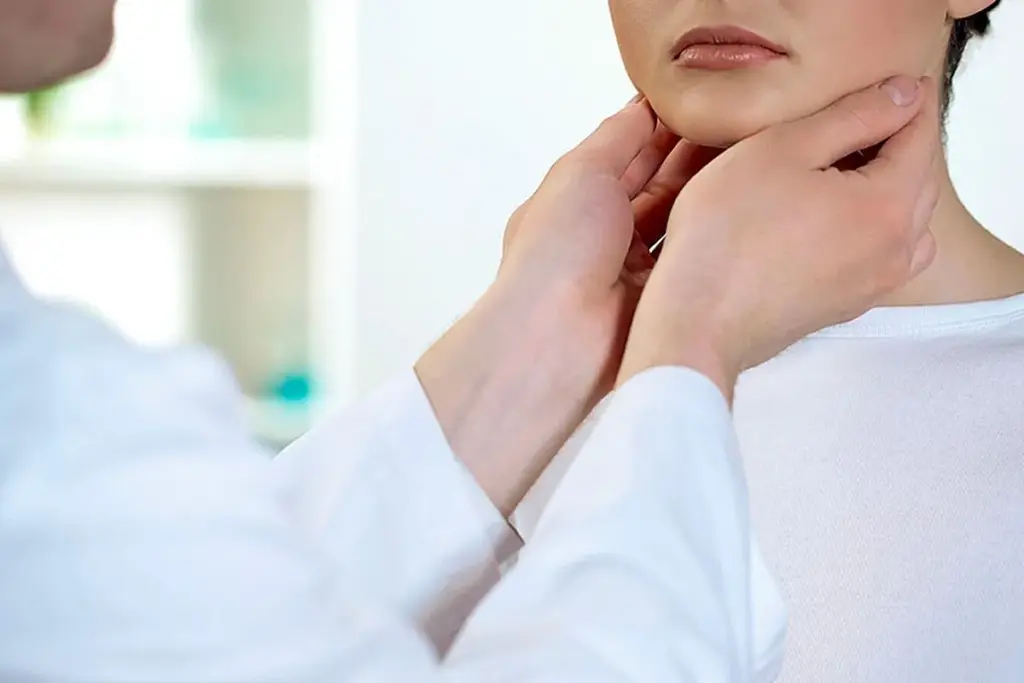
The parathyroid glands are key to keeping our calcium levels right. For those with hyperparathyroidism, parathyroid surgery or parathyroidectomy might be needed. This helps ease symptoms and stops serious problems later on.
Many wonder: can parathyroids grow back or work right again after surgical removal? We’ll look into if parathyroid glands can regrow and what affects this after parathyroid gland surgery.
Knowing if parathyroids can regrow is key for those getting hyperparathyroidism treatment. It shapes their hopes and future care plans.
Key Takeaways
- Parathyroid glands usually don’t grow back if they’re completely removed.
- But, under certain conditions, parathyroid tissue or function can come back.
- How likely parathyroid gland regeneration is depends on many things.
- People having parathyroid surgery should know about possible long-term effects.
- Understanding how parathyroid glands work and can regrow helps manage hopes.
Understanding Parathyroid Glands: Anatomy and Function
Parathyroid glands are in the neck and make parathyroid hormone (PTH). This hormone is key for calcium balance in the body. It helps with muscle and nerve functions and keeps bones strong.
Location and Structure of Parathyroid Glands
The parathyroid glands are behind the thyroid gland in the neck. Most have four glands, in two pairs. The number and location can vary but they’re near the thyroid. They’re small, like a grain of rice, and have chief cells that make PTH.
Role in Calcium Regulation and Metabolism
The parathyroid glands control calcium levels in the blood with PTH. When calcium is low, they release PTH. This hormone helps by releasing calcium from bones, improving its absorption, and reducing urine excretion. This keeps calcium levels healthy, supporting the body.
- Regulation of calcium levels in the blood
- Production of parathyroid hormone (PTH)
- Maintenance of bone health through calcium balance
Normal Parathyroid Hormone (PTH) Function
PTH is a hormone from the parathyroid glands that keeps calcium levels right. It’s vital for avoiding problems like osteoporosis or kidney stones. PTH release is controlled by the body’s calcium needs, keeping levels balanced.
Knowing how parathyroid glands and PTH work is key. We’ll look at when surgery might be needed and what happens after.
Conditions Requiring Parathyroid Removal
When parathyroid glands get sick, surgery is often needed. These glands help control calcium in our bodies. If they don’t work right, it can cause serious health problems.
Primary Hyperparathyroidism
Primary hyperparathyroidism happens when one or more glands make too much parathyroid hormone (PTH). This leads to too much calcium in the blood. Symptoms include osteoporosis, kidney stones, and neuropsychiatric symptoms. Surgery is usually the best option for those with symptoms.
A study in the Frontiers in Nephrology shows why knowing the cause is key for surgery.
|
Condition |
Surgical Indication |
Benefits of Surgery |
|---|---|---|
|
Primary Hyperparathyroidism |
Symptomatic patients, significant hypercalcemia |
Normalization of calcium levels, improvement in symptoms |
|
Secondary Hyperparathyroidism |
Refractory to medical management, severe symptoms |
Reduction in PTH levels, improvement in bone health |
|
Parathyroid Adenomas/Carcinomas |
Presence of adenoma/carcinoma |
Removal of diseased gland(s), prevention of further complications |
Secondary Hyperparathyroidism
Secondary hyperparathyroidism happens in patients with chronic kidney disease (CKD). The kidneys can’t keep calcium and phosphate levels normal. This leads to too much PTH. Surgery is considered when medical management fails to control the condition. It can lower PTH levels and ease symptoms.
Parathyroid Adenomas and Carcinomas
Parathyroid adenomas are benign tumors that cause primary hyperparathyroidism. Parathyroid carcinomas are rare and malignant, also leading to too much PTH. Removing the affected gland(s) is the standard treatment for both.
In conclusion, many conditions affecting the parathyroid glands may need surgery. Knowing about these conditions and their effects is key to finding the right treatment.
Parathyroid Surgery: Techniques and Approaches
There are several ways to do parathyroid surgery, each with its own benefits. The right method depends on the patient’s health and the surgeon’s skills.
Minimally Invasive Parathyroidectomy
Minimally invasive parathyroidectomy is a less invasive method. It uses smaller cuts and might cause less damage. It’s often chosen when the problem gland is known before surgery. The benefits are:
- Smaller scars
- Less postoperative pain
- Shorter recovery times
- Potential for outpatient surgery
Traditional Four-Gland Exploration
Traditional four-gland exploration is a more detailed surgery. It checks all four parathyroid glands. It’s used when many glands are affected or when the diagnosis is unsure. The benefits are:
- Comprehensive evaluation of all parathyroid glands
- Ability to address multigland disease
- Potential for more definitive treatment
Subtotal Parathyroidectomy
Subtotal parathyroidectomy removes most but not all parathyroid tissue. It aims to keep some function while treating hyperparathyroidism. Key points are:
- Preserving some parathyroid function
- Reducing the risk of hypoparathyroidism
- Careful planning to determine the amount of tissue to leave behind
Total Parathyroidectomy with Autotransplantation
Total parathyroidectomy with autotransplantation removes all glands and then transplants some tissue. It’s used for certain cases of hyperparathyroidism. The benefits are:
- Potential for long-term parathyroid function
- Ease of monitoring and managing graft function
- Reducing the risk of recurrent hyperparathyroidism in the neck
In conclusion, choosing a parathyroid surgery method is very personal. It depends on the patient’s condition, health, and the surgeon’s experience. Each method has its own advantages and considerations. The decision is made after careful evaluation and discussion with the patient and the surgical team.
The Science of Parathyroid Tissue Regeneration
Parathyroid tissue regeneration is a complex topic. It involves the glands that help control calcium levels in our bodies. Their ability to grow back after surgery is very important for patients.
Cellular Mechanisms of Parathyroid Growth
Parathyroid growth is a complex process. It involves different cell types and signaling pathways. Parathyroid cell proliferation is a key part of this, influenced by growth factors and the patient’s health.
Studies show that parathyroid cells can grow and regenerate. But, how much they can grow varies from person to person. The cellular mechanisms behind this are complex, involving both the cells themselves and their environment.
Factors Affecting Regeneration Ability
Several things can affect how well parathyroid tissue can regenerate. These include:
- Patient age and overall health
- Presence of underlying medical conditions
- Extent of parathyroid gland removal during surgery
- Genetic predispositions affecting parathyroid function
Knowing these factors is key to predicting and improving parathyroid regeneration. For example, younger patients tend to have a better chance of regeneration than older ones.
Research on Parathyroid Cell Proliferation
Research on parathyroid cell proliferation has given us important insights. Scientists have used in vitro and in vivo models to study what affects parathyroid cell growth.
|
Research Focus |
Key Findings |
|---|---|
|
Cellular signaling pathways |
Identification of key signaling molecules involved in parathyroid cell proliferation |
|
Growth factors |
Role of growth factors in promoting parathyroid tissue regeneration |
|
Genetic factors |
Influence of genetic predispositions on parathyroid regeneration ability |
This research helps us understand how parathyroid tissue regenerates. It also points to new ways to help regeneration and improve patient care.
Can Parathyroid Glands Completely Regenerate?
Medical research is ongoing about if parathyroid glands can fully regrow. It’s key to know the science behind this possibility and its limits.
Scientific Evidence on Complete Regeneration
Research shows parathyroid glands can grow back a bit, but not fully. Scientists are looking into how cells work to see if they can help or block this process.
A study in the Journal of Clinical Endocrinology and Metabolism found that parathyroid tissue can grow back, but not the same for everyone. This shows many things can affect how well it regenerates.
Limitations of Natural Regrowth
There are many reasons why parathyroid glands can’t fully grow back. These include how much gland was removed, any existing gland problems, and how well each person’s body can heal.
Experts say the ability of parathyroid glands to regrow depends on stem cells and the person’s overall health. This makes understanding how they regenerate very complex.
Distinguishing Between Regrowth and Residual Tissue Activation
Telling if parathyroid glands are truly regrowing or just getting more active is hard. We need advanced imaging and blood tests to figure this out.
“Differentiating between regrown tissue and activated residual parathyroid tissue is critical for understanding the true regenerative capacity of parathyroid glands.”
– Expert Opinion
Parathyroid Autotransplantation Success Rates
Parathyroid autotransplantation is key for patients after total parathyroidectomy. It moves a part of the parathyroid gland to the forearm. This helps restore its function.
The Autotransplantation Procedure
During this surgery, a small part of the gland is moved to the forearm. It’s done to keep parathyroid hormone levels normal. Over time, surgeons have made this process better.
Success depends on the surgery, the tissue quality, and care after surgery. A study found it works well for kids, showing its promise.
Long-term Functionality Statistics
About 49% of grafts work well after 10 years. This shows the procedure’s long-term success. It helps patients recover from total parathyroidectomy.
Many things affect graft success, like tissue health and surgery skill. Regular checks are vital to see how well the graft is working.
Factors Affecting Graft Survival
Several things can impact graft survival. These include tissue quality, surgery skill, and patient health. Post-surgery care is also important.
Knowing these factors helps improve graft success. With careful management, better outcomes are possible.
Recurrence Rates After Parathyroid Surgery
Knowing how often parathyroid surgery fails is key for patient care. The chance of needing more surgery depends on the disease and the surgery type.
Statistical Rates of Recurrence
Research shows that 3.85% to 14.8% of patients need more surgery after parathyroid surgery. Recent studies point out that each case is different. This means each patient needs a treatment plan that fits their needs.
- Low Recurrence Rates: Some studies show rates as low as 3.85%. This is often seen in patients who had a minimally invasive surgery.
- High Recurrence Rates: Other studies found rates up to 14.8%. This is more common in complex cases.
Timeframes for Recurrence Detection
Recurrence can happen at any time after surgery. This means patients need to be checked for a long time. Finding recurrence early is important for treatment.
- Early recurrence, within the first year, is often due to leftover disease.
- Late recurrence, after 5 years, might be true regrowth of parathyroid tissue.
Distinguishing Between Persistence and True Recurrence
It’s hard to tell if the disease is coming back or if it’s just not fully gone. True recurrence means the disease grows back over time.
Key factors in telling the difference include:
- The timing of recurrence: Early signs are often just leftover disease.
- Biochemical evidence: High PTH and calcium levels show active disease.
- Imaging studies: Finding parathyroid tissue or adenomas helps diagnose recurrence.
By understanding these points and staying vigilant, doctors can help patients with recurring parathyroid disease. This improves their health and life quality.
Age-Related Differences in Parathyroid Regeneration
It’s key to know how age affects parathyroid regeneration for better treatment plans. The ability of parathyroid glands to grow back changes with age. This affects how well surgery works and how patients recover.
Pediatric Cases and Outcomes
Kids can grow back parathyroid tissue really well, with an 85.7% success rate in transplanting it. This is because their tissues are more likely to heal and grow back.
“The younger the patient, the more robust the regenerative capacity,” say experts. This is very important for kids with parathyroid problems.
Adult Regeneration Capabilities
Adults don’t regenerate parathyroid glands as well as kids do. But, they can also get help from transplanting parathyroid tissue. The success depends on many things like health, other health issues, and how the surgery is done.
- The quality of the parathyroid tissue being transplanted
- The surgical technique used for autotransplantation
- Post-operative care and management
These things help decide how well parathyroid regeneration works in adults.
Elderly Patients and Regenerative Capacity
Older people usually can’t grow back parathyroid glands as well. This is because their cells aren’t as strong and they might have other health problems. But, with the right care and surgery, they can also see good results.
“Even in elderly patients, parathyroid autotransplantation can be a viable option when appropriately managed,” a study found. This shows the need for treatment plans that fit each person’s needs.
Knowing how age affects parathyroid regeneration helps doctors give better care. This leads to better results for people of all ages.
Dormant Parathyroid Tissue Reactivation
It’s key to know how dormant parathyroid tissue comes back to life. This is important for treating parathyroid disease well. Dormant tissue means leftover parathyroid cells or glands after surgery. They can start working again, causing hyperparathyroidism to come back.
Mechanisms of Tissue Reactivation
The process of dormant tissue coming back is complex. It involves many factors at the cell and molecular levels. Things like growth factors, hormones, and the patient’s health play a role.
Changes in calcium and phosphate levels, and vitamin D, can also trigger it. Knowing these triggers helps in stopping or managing the reactivation.
Timeframes for Reactivation
How long it takes for dormant tissue to reactivate varies. Some people might see it happen in a few years, while others might not for decades. It’s important to keep an eye on parathyroid hormone (PTH) and calcium levels to catch any signs early.
|
Timeframe |
Reactivation Likelihood |
Monitoring Recommendations |
|---|---|---|
|
0-5 years |
High |
Bi-annual PTH and calcium checks |
|
5-10 years |
Moderate |
Annual PTH and calcium checks |
|
10+ years |
Low to Moderate |
Biennial PTH and calcium checks |
Clinical Implications of Dormant Tissue
When dormant tissue starts working again, it can cause hyperparathyroidism to come back. This might mean more treatment or surgery. By catching it early, we can act fast and avoid serious problems.
Knowing how and when dormant tissue can reactivate helps doctors plan better care. This improves patients’ lives and outcomes.
Monitoring Parathyroid Function Post-Surgery
After parathyroid surgery, it’s key to keep an eye on how the parathyroid glands are working. We check if the patient’s calcium levels are okay and spot any problems early.
PTH and Calcium Level Testing
Testing parathyroid hormone (PTH) and calcium levels is essential after surgery. These tests show if the parathyroid glands are working right and if there’s any sign of growth back.
PTH testing looks at the parathyroid hormone in the blood. It helps control calcium levels. If PTH levels are off, it might mean the parathyroid glands are not working right.
Checking calcium levels is also important. It helps us see if the patient’s calcium is stable. We do these tests often after surgery to keep an eye on calcium levels.
|
Test |
Normal Range |
Abnormal Range |
|---|---|---|
|
PTH (pg/mL) |
15-65 |
<15 or >65 |
|
Calcium (mg/dL) |
8.5-10.5 |
<8.5 or >10.5 |
Imaging for Residual or Regrown Tissue
We also use imaging to find any leftover or growing parathyroid tissue. Tools like ultrasound, CT scans, or sestamibi scans help us see the glands and check their work.
These studies help us find problems like gland growth or tumors. They guide us on how to treat these issues.
Long-term Follow-up Protocols
Keeping up with patients long-term is key to catching any growth back. We schedule regular check-ups to watch the parathyroid function and adjust treatment if needed.
Our follow-up plans include regular PTH and calcium tests, plus imaging. This way, we make sure our patients get the best care and avoid complications.
By watching parathyroid function after surgery and following up closely, we help our patients get the best results. This way, we lower the chance of problems.
Managing Hypoparathyroidism After Gland Removal
Hypoparathyroidism often comes from parathyroid surgery. It needs careful handling to avoid long-term issues. We’ll look at how to manage it, focusing on keeping calcium levels right.
Calcium and Vitamin D Supplementation
Calcium and vitamin D supplements are key for treating hypoparathyroidism. A good plan includes:
- Calcium supplements to keep calcium levels normal
- Vitamin D analogs to help calcium absorption and lower hypercalciuria risk
The aim is to avoid both too little and too much calcium. It’s vital to check serum calcium and phosphate levels often. This helps adjust supplements as needed.
Hormone Replacement Therapy
In some cases, hormone therapy is needed for hypoparathyroidism. This involves:
- Using synthetic parathyroid hormone (PTH) to act like the natural hormone
- Watching how the patient responds to adjust doses and avoid side effects
Hormone therapy helps those with severe hypoparathyroidism who don’t get better with just calcium and vitamin D.
Lifestyle Adjustments for Calcium Balance
Changing your lifestyle is key in managing hypoparathyroidism. We suggest:
- Eating a diet rich in calcium but not too much
- Avoiding foods high in oxalates that can block calcium
- Drinking plenty of water to prevent kidney stones
These changes help patients manage their condition better and lower the risk of problems.
Handling hypoparathyroidism after parathyroid gland removal needs a mix of medical care and lifestyle changes. With the help of healthcare providers, patients can get better and live a better life.
Recovery and Outcomes After Parathyroid Surgery
It’s important for patients and doctors to know about recovery and outcomes after parathyroid surgery. This surgery is effective but needs careful care after to get the best results.
Immediate Post-Surgical Recovery
Right after surgery, doctors watch for problems like bleeding, infection, or voice issues. Patients stay a few hours in the hospital and go home if they’re okay.
After surgery, care includes managing pain, looking after the wound, and follow-up visits. Most people can get back to normal in a few days to a week.
Long-term Outcomes and Quality of Life
Most people see big improvements after parathyroid surgery. Symptoms like tiredness, bone pain, and brain fog get better.
Research shows surgery can make bones stronger, lower the risk of kidney stones, and improve life quality. Here are some key benefits:
|
Outcome |
Pre-Surgery |
Post-Surgery |
|---|---|---|
|
Bone Density |
Low |
Improved |
|
Kidney Stone Risk |
High |
Reduced |
|
Fatigue Levels |
High |
Decreased |
|
Cognitive Function |
Impaired |
Improved |
Managing Expectations About Gland Function
It’s key to set the right expectations about gland function after surgery. Surgery aims to fix hormone levels, but some might need extra calcium and vitamin D.
We stress the need for follow-up to check hormone and calcium levels. This helps catch any problems early. Knowing what to expect makes recovery easier for patients.
Future Directions in Parathyroid Tissue Engineering
Parathyroid tissue engineering is a growing field with big hopes for regenerative medicine. We’re learning more about how the parathyroid gland works and how to fix it when it doesn’t. New ways to tackle parathyroid problems are being developed.
Stem Cell Approaches to Gland Regeneration
Stem cell therapy is a big hope for fixing the parathyroid gland. Scientists think stem cells could lead to new treatments for parathyroid issues. Stem cells can turn into different types of cells, including those that might fix damaged parathyroid tissue.
Studies show stem cells can make parathyroid-like cells that work. For example, researchers turned human stem cells into cells that help control calcium levels. This is a big step for treating hypoparathyroidism, where the gland doesn’t make enough hormone.
Bioengineered Parathyroid Tissues
Scientists are working on making real parathyroid tissues to transplant. Bioengineered tissues could fix parathyroid problems and cut down on medication needs. This could greatly improve life for those with these issues.
A study in the Journal of Tissue Engineering showed making parathyroid tissue works. They used special materials and cells to make a tissue that controlled calcium levels in animals. This shows it might work for people too.
Emerging Therapies for Parathyroid Disorders
Other new treatments are being looked at for parathyroid problems. These include gene fixes for genetic issues and new medicines that control hormone levels.
|
Therapy |
Description |
Potential Benefits |
|---|---|---|
|
Stem Cell Therapy |
Differentiation of stem cells into parathyroid-like cells |
Potential for gland regeneration, reduced need for medication |
|
Bioengineered Tissues |
Creation of functional parathyroid tissue for transplantation |
Restoration of normal parathyroid function, improved quality of life |
|
Gene Therapy |
Correction of genetic mutations underlying parathyroid dysfunction |
Potential cure for genetic parathyroid disorders |
As we keep working on parathyroid tissue engineering, new treatments will come. These could really help patients with parathyroid diseases. They promise better care and life quality.
“The future of parathyroid tissue engineering is bright, with several promising approaches on the horizon. As we continue to explore these new therapies, we remain committed to delivering the highest quality care to our patients.”
An Endocrinologist
Conclusion: The Reality of Parathyroid Regeneration
Parathyroid regeneration is a complex process. It depends on the condition being treated, the surgery method, and the patient’s health. Our look into parathyroid surgery and regeneration shows the details of gland function and the challenges of treating hyperparathyroidism.
Knowing about parathyroid regeneration is key for managing patient hopes and making smart treatment choices. While parathyroid glands usually don’t fully grow back, sometimes leftover tissue can start working again. This looks like regeneration.
New ways in parathyroid surgery, like less invasive methods and autotransplantation, have helped patients. Research into growing parathyroid tissue and regeneration is also promising for future treatments.
As we learn more about parathyroid regeneration and its role in surgery, we can help patients more. This includes from the first diagnosis to after surgery and beyond.
FAQ
What is parathyroidectomy?
Parathyroidectomy is a surgery to remove one or more parathyroid glands. It’s often done to treat hyperparathyroidism.
How many parathyroid glands are there?
Most people have four parathyroid glands. They are usually found near the thyroid gland in the neck.
What is the role of parathyroid glands in calcium regulation?
Parathyroid glands make parathyroid hormone (PTH). This hormone helps control calcium levels in the blood. It does this by managing calcium release from bones, absorption in the gut, and excretion in urine.
What conditions require parathyroid removal?
You might need to remove parathyroid glands for conditions like primary hyperparathyroidism. This includes secondary hyperparathyroidism, parathyroid adenomas, and parathyroid carcinomas.
Can parathyroid glands completely regenerate?
While parathyroid tissue can grow back, it doesn’t usually fully regrow. Complete regeneration of parathyroid glands is rare.
What is parathyroid autotransplantation?
Parathyroid autotransplantation is a surgery. It moves parathyroid tissue to another part of the body. This is often done to prevent hypoparathyroidism after gland removal.
What are the success rates of parathyroid autotransplantation?
Research shows about 49% of parathyroid autografts work fully after 10 years.
How is hypoparathyroidism managed after parathyroid gland removal?
Managing hypoparathyroidism includes taking calcium and vitamin D supplements. Hormone replacement therapy and lifestyle changes also help keep calcium levels balanced.
What is the recovery process like after parathyroid surgery?
Recovery involves checking calcium levels and managing any complications. You’ll also have follow-up appointments to see how the surgery went.
What are the risks associated with parathyroid surgery?
Risks include bleeding, infection, and damage to nearby structures. There’s also a chance of hypoparathyroidism or hyperparathyroidism coming back.
How is parathyroid function monitored post-surgery?
Monitoring includes regular tests of PTH and calcium levels. Imaging studies are also used to check for any remaining or regrown parathyroid tissue.
What are the future directions in parathyroid tissue engineering?
New therapies include using stem cells for gland regeneration. Bioengineered parathyroid tissues and other innovative treatments are also being explored for parathyroid disorders.
Reference
National Center for Biotechnology Information. Evidence-Based Medical Insight. Retrieved from https://pmc.ncbi.nlm.nih.gov/articles/PMC3816261/