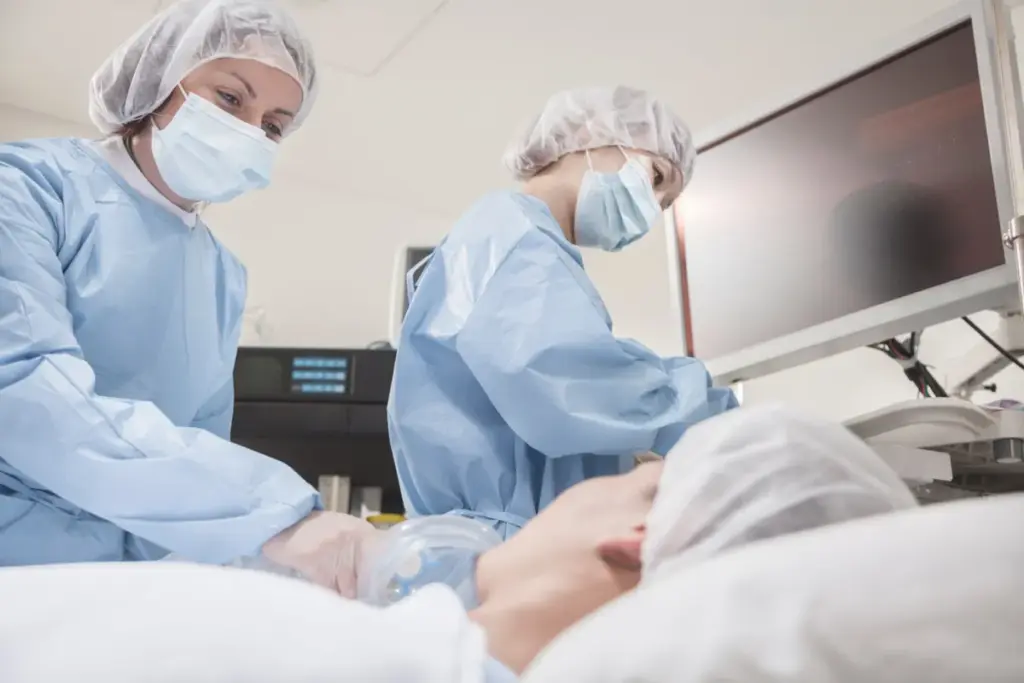
Many people wonder if parathyroid surgery is done in the hospital or not. Now, more than 90% of these surgeries are done without needing to stay in the hospital. This change is thanks to new ways of doing surgery.
Learn why a parathyroidectomy is often a fast outpatient success. Get amazing facts about your surgery day and how to go home same-day.
Places like Liv Hospital are leading this change. They focus on making surgeries shorter and safer. This means patients get to go home sooner and face fewer risks of getting sick in the hospital.
Key Takeaways
- Over 90% of parathyroid surgeries are now performed as outpatient procedures.
- Advanced surgical protocols minimize hospital stay and ensure excellent patient outcomes.
- Outpatient parathyroid surgery reduces recovery times and risks of hospital-acquired complications.
- Patients benefit from lower risks and faster recovery with modern surgical techniques.
- Liv Hospital’s protocols are at the forefront of this shift towards outpatient surgery.
Understanding Parathyroid Glands and Their Function
The parathyroid glands are four tiny glands that control calcium levels in the body. They are near the thyroid gland in the neck. These glands are key to keeping calcium levels balanced.
Location and Anatomy of Parathyroid Glands
The parathyroid glands are behind the thyroid gland, with two on each side. Their exact spot can differ from person to person. Knowing the anatomy of the parathyroid glands helps in diagnosing and treating issues.
These glands are small, about the size of a grain of rice. Despite their size, they play a big role in our body’s functions.
Role in Calcium Regulation
The main job of the parathyroid glands is to make parathyroid hormone (PTH). This hormone helps keep calcium levels in the blood right. Calcium is important for muscles, nerves, and bones.
When calcium levels fall, the glands release PTH. PTH helps by getting calcium from bones, improving gut absorption, and reducing urine excretion. This ensures calcium levels stay healthy, supporting our body’s functions.
Impact on Overall Health
The parathyroid glands’ role in calcium regulation affects our health a lot. Imbalances can cause issues like muscle cramps, fatigue, osteoporosis, and heart problems.
Keeping the parathyroid glands working well is key to avoiding these problems. Issues like hyperparathyroidism or hypoparathyroidism can occur if the glands don’t function right. Understanding their role is the first step to managing these conditions.
Hyperparathyroidism: When Surgery Becomes Necessary
Understanding when surgery is needed for hyperparathyroidism requires looking at its health impact. This condition causes the body to make too much parathyroid hormone. This hormone controls calcium levels.
Primary vs. Secondary Hyperparathyroidism
Hyperparathyroidism is divided into primary and secondary types. Each has different causes and treatment options.
- Primary Hyperparathyroidism: This happens when one or more parathyroid glands grow too big and make too much hormone. Usually, it’s because of a benign tumor on a gland.
- Secondary Hyperparathyroidism: It’s caused by low calcium levels, often from vitamin D deficiency, kidney disease, or poor absorption. The glands make more hormone to try to fix the calcium level.
Common Symptoms and Diagnosis
Symptoms of hyperparathyroidism vary among people. Common signs include:
- Fatigue and weakness
- Bone pain or osteoporosis
- Kidney stones
- Depression or cognitive issues
To diagnose, doctors do blood tests to check calcium and hormone levels. They also use imaging to find any gland problems.
|
Diagnostic Test |
Purpose |
|---|---|
|
Blood Tests |
Measure calcium and parathyroid hormone levels |
|
Imaging Studies (e.g., Ultrasound, Sestamibi Scan) |
Locate parathyroid gland abnormalities |
How Long Can You Live With Untreated Hyperparathyroidism
Untreated hyperparathyroidism can cause serious health problems. These include osteoporosis, kidney disease, and heart issues. The life span of those with untreated hyperparathyroidism varies. But, surgery can improve life quality and prevent damage.
It’s wise to talk to a doctor to figure out the best treatment plan. This depends on your health and how severe the condition is.
What is Parathyroidectomy? The Definitive Treatment
Parathyroidectomy is a surgery to remove parathyroid glands. It’s a key treatment for hyperparathyroidism.
Definition and Purpose
Parathyroidectomy is a surgery to remove overactive parathyroid glands. These glands make too much parathyroid hormone (PTH). The goal is to balance calcium levels in the blood by reducing PTH.
Hyperparathyroidism can cause many health problems. These include osteoporosis, kidney stones, and heart issues. Surgery can greatly improve health and quality of life.
Types of Parathyroid Surgery
There are different ways to do parathyroidectomy. Each has its own benefits and when it’s used. The main types are:
- Minimally Invasive Parathyroidectomy: This uses smaller cuts. It’s often chosen when the gland’s location is known before surgery.
- Traditional Open Parathyroidectomy: This method uses a bigger cut. It’s for more complex cases or when many glands are affected.
- Endoscopic Parathyroidectomy: This uses an endoscope for smaller cuts. It may cause less pain after surgery.
Surgical Approaches and Techniques
The choice of surgery depends on many factors. These include the patient’s health, the severity of hyperparathyroidism, and the surgeon’s skill. Modern techniques aim to reduce recovery time and risks.
“Advances in surgical techniques and pre-operative localization have significantly improved the outcomes of parathyroidectomy, making it a safe and effective treatment for hyperparathyroidism.”
— Expert in Endocrine Surgery
Using intra-operative PTH monitoring is key in parathyroid surgery. It checks if the gland(s) were removed correctly by measuring PTH levels.
|
Surgical Approach |
Incision Size |
Recovery Time |
Indications |
|---|---|---|---|
|
Minimally Invasive |
Smaller |
Shorter |
Localized single gland disease |
|
Traditional Open |
Larger |
Longer |
Multiple gland disease or complex cases |
|
Endoscopic |
Smaller |
Shorter |
Selected cases with pre-operative localization |
Outpatient vs. Inpatient Surgery: Key Differences
Parathyroid surgery can happen in two ways: outpatient or inpatient. Each has its own benefits and things to think about. It’s important for patients and doctors to know these differences when choosing the best place for surgery.
Defining Outpatient Procedures
Outpatient parathyroid surgery means you go home the same day. It’s becoming more common because of better surgery and anesthesia. This makes recovery faster.
Key characteristics of outpatient parathyroid surgery include:
- Shorter hospital stay
- Less disruption to daily life
- Generally lower costs compared to inpatient procedures
- Rapid recovery and return to normal activities
Defining Inpatient Procedures
Inpatient parathyroid surgery means you stay in the hospital for a night or more. It’s for patients with complex conditions or who need close watch after surgery.
Key characteristics of inpatient parathyroid surgery include:
- Extended hospital stay for monitoring and care
- Access to immediate medical attention if complications arise
- Often recommended for patients with significant comorbidities or complex surgical needs
General Considerations for Each Approach
Choosing between outpatient and inpatient surgery depends on several things. These include your health, how complex the surgery is, and if you can get care at home after.
|
Consideration |
Outpatient Surgery |
Inpatient Surgery |
|---|---|---|
|
Hospital Stay |
Same-day discharge |
Overnight or longer stay |
|
Cost |
Generally lower |
Generally higher |
|
Post-operative Care |
Requires support at home |
Professional care available in hospital |
|
Patient Health |
Suitable for patients with fewer comorbidities |
Recommended for patients with significant health issues |
Choosing between outpatient and inpatient surgery should be a team effort. Talk to your healthcare provider about what’s best for you based on your health and situation.
Current Trends in Parathyroid Surgery
Recent data shows a big move towards outpatient parathyroid surgeries. This change comes from better surgical methods and proof that outpatient surgeries work well. It shows how parathyroidectomy procedures are evolving.
Statistical Overview: Outpatient Dominance
More than 90% of parathyroid surgeries are now done without a hospital stay. This big change shows doctors are more confident in outpatient surgeries. Most patients now choose to have their surgery as an outpatient.
Key statistics highlighting this trend include:
- A big drop in hospital stays for parathyroid surgery patients.
- More use of less invasive surgical methods.
- Better results for patients because of shorter hospital stays and lower infection risk.
Historical Shift from Inpatient to Outpatient
The move from inpatient to outpatient parathyroid surgery comes from many reasons. Old surgeries needed long hospital stays for recovery. But, new surgical methods and care approaches have changed this. Now, evidence shows outpatient surgeries work just as well, sometimes better.
The benefits of this shift include:
- Lower healthcare costs without hurting patient care.
- Happy patients because they recover at home, which is more comfortable.
- More hospital resources for more serious cases.
Modern Surgical Techniques Enabling Outpatient Approaches
New surgical tech and methods are key to outpatient parathyroid surgery. Techniques like minimally invasive surgery cut down recovery times and risks. This makes outpatient surgery possible.
Some of the modern techniques include:
- Minimally invasive parathyroid surgery.
- Intraoperative parathyroid hormone monitoring.
- Advanced imaging for precise gland location.
Evidence Supporting Outpatient Parathyroidectomy
Recent studies have shown that outpatient parathyroidectomy is safe and efficient. This is important for proving its value.
University Health System Consortium Data on 21,057 Cases
A study by the University Health System Consortium looked at 21,057 parathyroidectomy cases. It gave us a big picture of how well outpatient parathyroidectomy works. The study found that these procedures are safe and very effective.
The study showed that outpatient parathyroidectomy has lower complication rates than inpatient procedures. This means it’s a good choice for many patients.
Complication Rate Comparisons
Looking at complication rates between outpatient and inpatient parathyroidectomy shows some interesting facts. Outpatient procedures have fewer complications. This is because of better surgical techniques and how doctors choose patients.
|
Surgical Approach |
Complication Rate (%) |
|---|---|
|
Outpatient |
1.2 |
|
Inpatient |
2.5 |
Average Discharge Time of 2.2 Hours
Outpatient parathyroidectomy has a big advantage: shorter discharge times. On average, patients go home in 2.2 hours. This shows how modern parathyroid surgery is less invasive.
For more details on parathyroidectomy outcomes, check out studies in medical journals. You can find one on scholars.direct.
When Inpatient Parathyroidectomy is Recommended
Certain patients might need inpatient parathyroidectomy because of their complex condition or health issues. The choice to keep a patient in the hospital after surgery depends on how severe their hyperparathyroidism is. It also depends on other health problems or the surgery’s complexity.
Extensive Gland Removal Cases
When many parathyroid glands are removed or if the surgery is very complex, inpatient care is often needed. This is because such surgeries carry a higher risk of complications. Patients undergoing extensive gland removal need close watch to manage risks like low calcium levels or other issues.
Patients with Significant Comorbidities
Those with serious health problems like heart disease, diabetes, or kidney disease might need to stay in the hospital. These conditions can make surgery or recovery harder. Close monitoring helps manage these risks better.
Special Considerations for High-Risk Patients
High-risk patients, like the elderly or those with past neck surgeries, might also need inpatient care. They face a higher chance of complications or need special care after surgery. We assess each patient’s risk to decide the best place for their surgery.
We tailor our care to meet each patient’s needs. Inpatient parathyroidectomy offers extra safety and care for those who need it most.
Safety Comparison Between Parathyroidectomy Approaches
The safety of parathyroidectomy is key when deciding where to have the surgery. Both outpatient and inpatient settings have been studied to see how safe they are.
Hematoma Risk Analysis
Hematoma formation is a big risk with parathyroid surgery. Research shows the risk of hematoma after surgery is about 0.55%. This is important to think about when choosing between outpatient and inpatient surgery. Even though the risk is low, it’s vital to watch patients closely after surgery.
Recurrent Laryngeal Nerve Injury Statistics
Injury to the recurrent laryngeal nerve is another risk of parathyroid surgery. The chance of this happening varies. Outpatient surgeries have a rate of 1%, while inpatient surgeries have a rate of 5.9%. These numbers show how important it is to have skilled surgeons and good care after surgery.
Mortality Rates for Both Approaches
Mortality rates for parathyroidectomy are very low, showing the procedure’s safety. While the exact rates for outpatient versus inpatient surgery can differ, both are considered safe when done by experienced surgeons. Choosing a skilled team is key.
In summary, both outpatient and inpatient parathyroidectomy have their safety points. Knowing the risks and benefits helps patients and doctors make the best choice for surgery.
Cost Analysis of Parathyroidectomy Options
It’s important for patients and healthcare providers to understand the costs of parathyroidectomy. The cost can vary based on whether the surgery is done as an outpatient or inpatient procedure.
Average Costs for Outpatient Procedures
Outpatient parathyroidectomy is usually less expensive than inpatient surgery. The cost can range from $8,000 to $12,000. This includes the surgical facility, surgeon’s fees, and anesthesia costs. It also covers pre-operative testing and post-operative care.
Key components of outpatient parathyroidectomy costs include:
- Surgical facility fees
- Surgeon’s fees
- Anesthesia costs
- Pre-operative testing
- Post-operative care
Average Costs for Inpatient Procedures
Inpatient parathyroidectomy is more costly due to hospital stay and post-operative care. The cost can range from $15,000 to $25,000 or more. This is because of the extended hospital stay and the level of care needed.
Factors contributing to the higher cost of inpatient parathyroidectomy include:
- Extended hospital stay
- Increased nursing and monitoring costs
- Additional diagnostic tests
- Higher level of post-operative care
Insurance Coverage Considerations
Insurance coverage for parathyroidectomy varies by provider and policy. Most plans cover the surgery when it’s medically necessary. But, the coverage can differ, and patients should check their policies for out-of-pocket costs.
Patients should consider the following when reviewing their insurance coverage:
- Deductibles and co-pays
- Pre-authorization requirements
- Network providers and out-of-network costs
- Coverage for pre-operative and post-operative care
Recovery Timeline After Parathyroid Surgery
Knowing the recovery timeline after parathyroid surgery is key for patients. It helps them plan their care after surgery. The recovery has different stages, from right after surgery to long-term.
Immediate Post-Operative Period
The first stage is right after surgery, lasting a few hours to a day. Patients are watched for any quick problems like bleeding or trouble breathing. Most patients go home the same day if it’s an outpatient surgery.
It’s wise to have someone drive you home and stay with you that night. Pain is managed with medicine, and you should follow your surgeon’s advice on how to handle it.
First Week After Surgery
In the first week, you might see swelling, bruising, or numbness where you were cut. These signs are usually mild and short-lived. Keep your head up while resting to lessen swelling and avoid heavy lifting or bending.
You can start getting back to normal in a few days to a week. But, it’s important to stick to your doctor’s post-surgery instructions for a smooth recovery.
Long-Term Recovery Expectations
The long-term outlook after parathyroid surgery is usually good, with most seeing big improvements. Calcium levels usually get back to normal a few days to weeks after surgery, depending on the surgery’s extent and your case.
|
Recovery Stage |
Timeline |
Expectations |
|---|---|---|
|
Immediate Post-Operative |
A few hours to a day |
Monitoring for complications, pain management |
|
First Week |
1-7 days |
Swelling, bruising, gradual return to normal activities |
|
Long-Term |
Several weeks to months |
Normalization of calcium levels, improvement in symptoms |
By knowing the recovery timeline, patients can better prepare for the post-surgery period. This helps them get the best results from their parathyroid surgery.
Patient Selection Criteria for Outpatient Parathyroidectomy
Choosing the right patients for outpatient parathyroidectomy is key. A detailed pre-operative check ensures the best care for each patient. This approach boosts the procedure’s benefits and reduces risks.
Ideal Candidates for Outpatient Procedures
Outpatient parathyroidectomy suits patients with simple primary hyperparathyroidism. These patients usually have one affected parathyroid gland and are in good health. Our surgeons look at the patient’s medical history to see if they’re right for an outpatient surgery.
A study in a top medical journal says the best candidate for outpatient parathyroidectomy has a low risk of complications. This shows how important it is to pick the right patients for the best results.
Pre-Operative Assessment Factors
Before surgery, we assess each patient carefully. We look at:
- The patient’s overall health and any other health issues
- Results from tests like imaging and lab work
- If the patient can follow post-surgery instructions and keep up with follow-ups
- If the patient has someone to help them after they go home
We use these factors to find out who might face more risks. This way, we make sure they get the right care.
Contraindications for Outpatient Approach
While many patients do well with outpatient parathyroidectomy, some need a hospital stay. This is true for:
- Patients with serious health problems like heart disease or diabetes
- Those with complex parathyroid disease affecting more than one gland
- People who have had neck surgery or radiation therapy before
In these cases, a more careful approach is needed. Hospital care is often required to keep the patient safe and well.
A leading parathyroidectomy surgeon says, “Choosing the right patients is the key to success with outpatient parathyroidectomy.”
“The success of the procedure depends on picking the right patients and giving them the best care before and after surgery.”
A Parathyroidectomy Expert
Potential Complications and Risks of Parathyroidectomy
It’s important for patients to know about the possible complications of parathyroidectomy. This surgery is usually safe but can have risks and complications. These can vary in how serious they are.
Common Minor Complications
Minor issues after parathyroidectomy include numbness, tingling, mild pain, and swelling. These symptoms usually go away within a few weeks. A study found that most patients only have mild discomfort after the surgery.
- Temporary numbness or tingling
- Mild pain
- Swelling around the wound site
Serious Complications Requiring Intervention
Though rare, serious complications can happen. These include hematoma, which can block the airway, and injury to the recurrent laryngeal nerve. This nerve issue can affect how you speak. A study said the risk of nerve injury is about 1% in skilled hands. But, it can be higher in less experienced places.
A thorough check before surgery is key to lower these risks.
- Hematoma
- Recurrent laryngeal nerve injury
Long-Term Complications to Monitor
Long-term issues might include low calcium levels that need ongoing treatment. It’s important to keep up with regular check-ups to manage these problems. A medical expert stressed that long-term care is vital for dealing with parathyroidectomy’s effects.
- Persistent hypocalcemia
- Ongoing need for calcium and vitamin D supplements
In summary, while parathyroidectomy is usually safe for treating hyperparathyroidism, knowing the possible complications is key. By understanding the risks and taking steps to prevent them, patients can have a good outcome and better quality of life.
Preparing for Parathyroid Surgery
Getting ready for parathyroid surgery is key to a good outcome and a quick recovery. At our place, we help our patients through the pre-op process. We want them to feel well-informed and supported.
Pre-Operative Testing Requirements
Before surgery, we do several tests to check your health and parathyroid glands. These include:
- Blood tests to check calcium and parathyroid hormone (PTH) levels
- Imaging like ultrasound, CT scans, or sestamibi scans to find and check the glands
- A detailed look at your medical history and a physical exam to spot any risks
It’s very important to do what your doctor says with these tests. This makes sure your surgery is safe and works well.
Medication Adjustments Before Surgery
Some medicines can change how your surgery or recovery goes. We tell patients to:
- Tell us about all the medicines, supplements, and vitamins they take
- Follow our advice on stopping or changing certain medicines before surgery, like blood thinners or diabetes meds
Our team will give you personal advice on your medicines. This helps lower risks during surgery.
What to Expect on Surgery Day
On surgery day, you’ll:
- Arrive on time, after not eating for a while as told
- Have a quick review of your medical history and a physical check
- Go to the operating room where the team will get you ready for surgery
“The key to a successful parathyroid surgery lies not just in the skill of the surgeon, but also in the thorough preparation of the patient.”
— Expert Opinion
Knowing what to expect and following our advice can make your surgery and recovery better. Our team is dedicated to giving you the best care and support every step of the way.
Surgical Techniques for Modern Parathyroidectomy
Surgical advancements have changed parathyroidectomy for the better. Now, patients have safer and more effective treatments. These new techniques have greatly improved results for those having parathyroid surgery.
Minimally Invasive Approaches
Minimally invasive parathyroidectomy is now a top choice for many surgeons. It uses smaller cuts, causes less damage, and leads to quicker healing. Key benefits include:
- Reduced scarring
- Less post-operative pain
- Faster return to normal activities
These methods often use advanced imaging like intraoperative ultrasound or sestamibi scans. They help find parathyroid glands accurately and reduce the need for extensive dissection.
Traditional Open Surgery
Even though minimally invasive techniques are popular, traditional open surgery is also an option. It uses a bigger cut to give a clearer view of the area. Traditional open surgery is often recommended for:
- Patients with complex glandular anatomy
- Cases where multiple glands need to be removed or explored
- Situations where minimally invasive approaches are not feasible
Thanks to new surgical techniques and care after surgery, results for traditional open parathyroidectomy have also improved.
Technology Advancements in Parathyroid Surgery
Technology has been key in making parathyroid surgery better. Some important advancements include:
- Intraoperative parathyroid hormone (PTH) monitoring, which confirms the removal of hyperfunctioning glands
- Advanced imaging like 3D CT scans and ultrasound, which help plan and guide surgery
- Minimally invasive tools and techniques, which cause less damage and aid in faster healing
These tech advancements have made parathyroidectomy safer and more accurate. They have also led to better results and happier patients.
Patient Experiences and Outcomes
Choosing to have parathyroid surgery can change a person’s life for the better. It helps them feel better from hyperparathyroidism symptoms. Knowing what to expect and the benefits can help others understand the surgery’s impact.
Typical Patient Journey
People who have parathyroidectomy surgery often recover quickly. They can usually get back to their daily activities in just a few days. The surgery is usually easy to handle, with little pain afterward.
Immediate Post-Surgery Experience: Right after surgery, some patients might feel a bit sore or swollen. But these feelings are usually mild and don’t last long.
Quality of Life Improvements
Parathyroidectomy surgery can greatly improve a person’s life. It fixes the hormonal imbalance caused by hyperparathyroidism. This can make patients feel more energetic and mentally sharp.
Notable Improvements Include:
- Less bone pain and lower risk of osteoporosis
- Better kidney function
- Clearer mind and less anxiety
- Improved physical and emotional health
Long-Term Follow-Up Requirements
After surgery, it’s important to keep up with regular check-ups. These help make sure the calcium levels stay right and the body stays healthy. It’s key to catch any problems early.
Key Aspects of Long-Term Follow-Up:
- Regular calcium level checks
- Watching for signs of calcium imbalance
- Checking kidney function
- Looking at bone density
Understanding what to expect from parathyroidectomy surgery can help people make better choices. Our team is here to support you every step of the way. We aim for the best results for our patients.
Conclusion: Making an Informed Decision About Your Parathyroid Surgery
It’s important for patients to understand parathyroid surgery well before making a decision. We’ve looked at what parathyroidectomy is, its types, and the differences between outpatient and inpatient surgeries.
Patients need to consider the pros and cons of each option. Outpatient parathyroidectomy is safer and cheaper, but some cases need inpatient care. This is true for those with serious health issues or needing more gland removal.
Choosing parathyroid surgery should be a well-thought-out decision. Patients should know all about the surgery, its results, and what they need. We suggest talking to a healthcare provider to find the best treatment plan for you.
FAQ
What is parathyroidectomy surgery?
Parathyroidectomy is a surgery to remove one or more parathyroid glands. It’s done to treat hyperparathyroidism.
Is parathyroid surgery typically performed as an inpatient or outpatient procedure?
Most parathyroid surgeries, over 90%, are done on an outpatient basis. This means patients can go home the same day.
What are the benefits of outpatient parathyroidectomy?
Outpatient parathyroidectomy has many benefits. It’s cheaper, lowers the risk of infections, and lets patients recover at home.
How long does it take to recover from parathyroid surgery?
Recovery time varies. Most can get back to normal in a few days to a week. Full recovery takes several weeks.
What are the possible complications of parathyroidectomy?
Complications can range from minor issues like numbness to serious ones like hematoma or nerve injury. Long-term hypocalcemia is also a risk.
How do I prepare for parathyroid surgery?
Preparation includes pre-op tests, adjusting medications, and knowing what to expect on surgery day. This includes arrival times and post-op care.
What are the modern surgical techniques used in parathyroidectomy?
Modern techniques include minimally invasive methods like focused parathyroidectomy. Traditional open surgery is also used. Advances in technology improve precision and outcomes.
Can I expect improvements in quality of life after parathyroidectomy?
Yes, many patients see a big improvement in their quality of life after surgery. Symptoms related to hyperparathyroidism often resolve.
What is the cost of parathyroidectomy, and how does insurance coverage vary?
The cost of parathyroidectomy depends on location and surgical method. Outpatient procedures are usually cheaper. Insurance coverage varies, so check with your provider.
Are there any long-term follow-up requirements after parathyroidectomy?
Yes, long-term follow-up is needed. It involves monitoring calcium and parathyroid hormone levels. This ensures the condition is fully treated and addresses any long-term issues.
National Center for Biotechnology Information. Evidence-Based Medical Insight. Retrieved from https://pubmed.ncbi.nlm.nih.gov/22535912/